This Japanese Company Made the ‘Impossible’ Blue Rose a Reality


For centuries, gardeners tried to grow a true blue rose, but no crossbreeding ever made it happen. The color stayed out of reach, a dream for flower lovers. Then a Japanese company changed the story. Through years of research and advanced biotechnology, scientists finally created what nature never had. The result was a rose with a soft, clear blue hue, turning a long-standing wish into something you could hold in your hands.
The Blue Rose Project
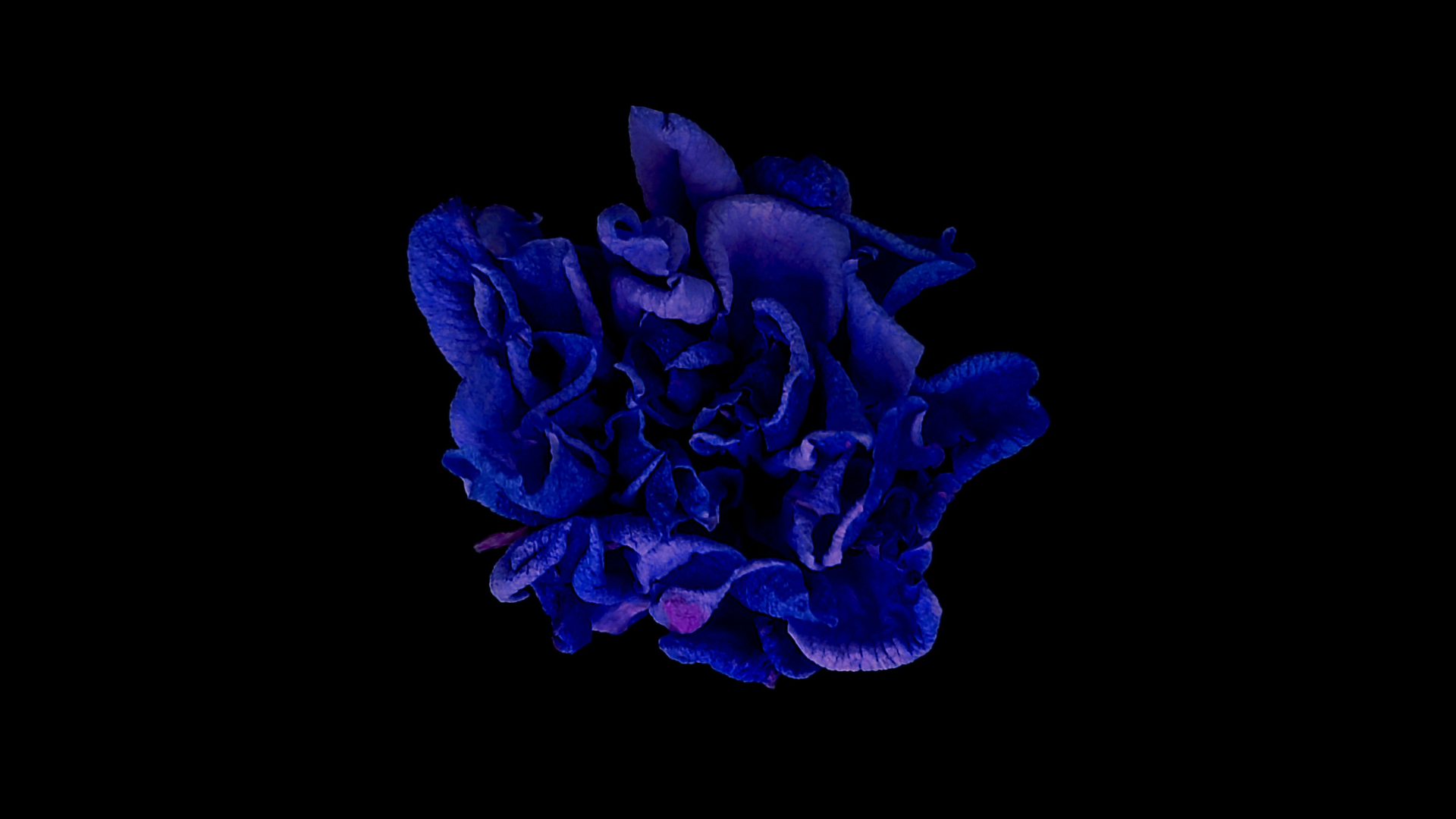
The Blue Rose Project started in 1990 when Suntory teamed up with the Australian company Florigene. Scientists were excited because new plant biotechnology made the idea feel possible. They set out to find the exact genes that create the blue pigment called delphinidin. Then they had to figure out how to put those genes into rose cells so the plants could grow with that color. The race was on, and getting those “blue genes” first meant securing the patent.
Isolating Blue Genes

Scientists started with petunias, since they already knew a lot about how these flowers make pigments. Petunias with deep violet petals had the right kind of “blue genes” they needed. The team narrowed down about 30,000 genes to 300 candidates. Instead of waiting months for plants to bloom, they tested the genes in yeast, which gave results in a week. On June 13, 1991, they finally isolated the genes and quickly applied for the patent before anyone else.
Success in Blue Carnation
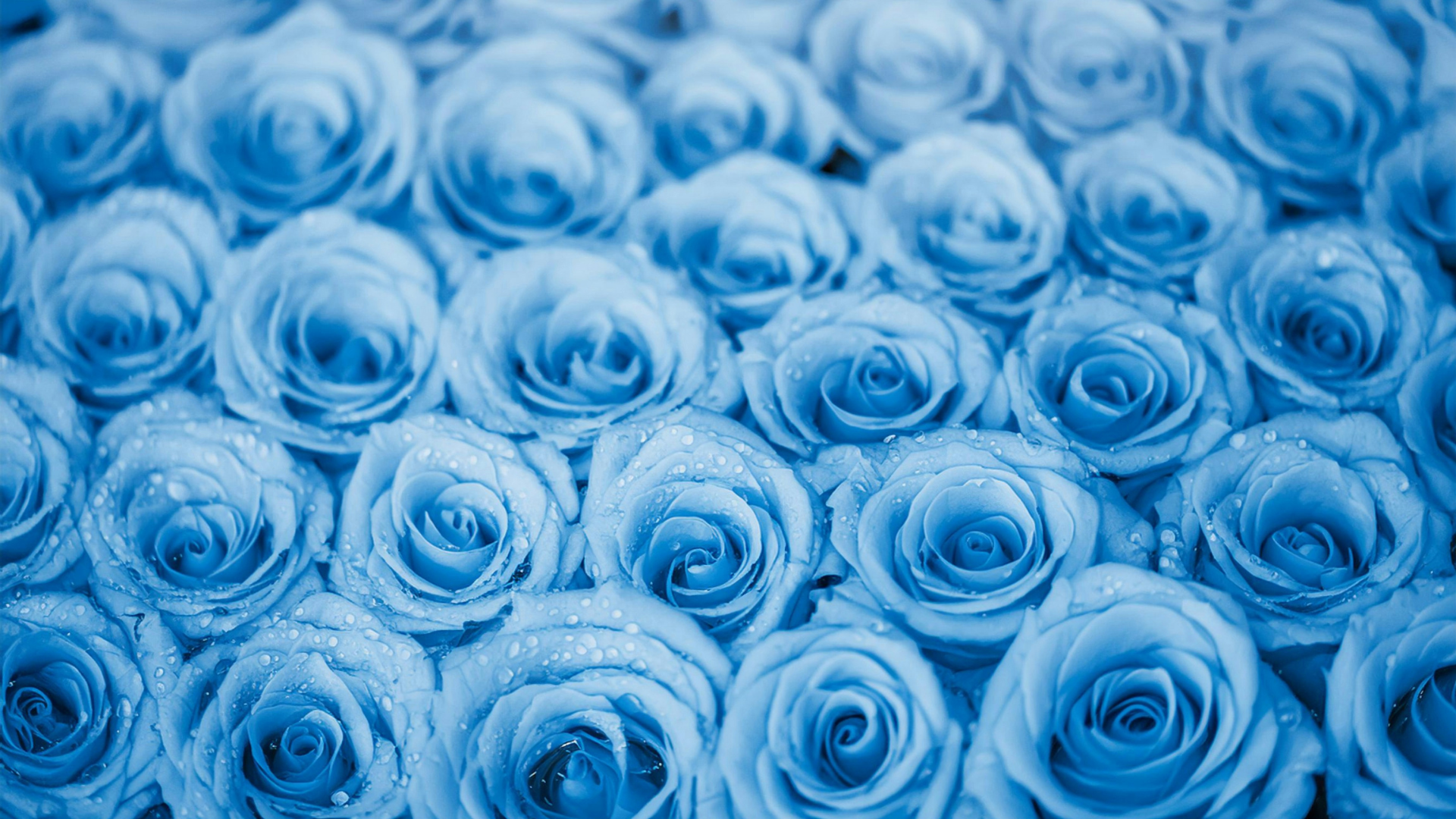
The project hit a turning point when the petunia’s blue genes worked in carnations. The pigment delphinidin built up, and the petals turned a clear blue. These flowers became the “Moonseries” and went on sale in Japan in 1997. More varieties followed, each with its own mix of shades. Today, they’re grown in Colombia and Ecuador and sold in the US, Japan, and other countries. Some varieties now even use blue genes from pansies along with the original petunia genes.
Blue Rose Became A Reality

Researchers introduced blue genes from pansies into undifferentiated rose cells, called callus, which could later grow into any part of the plant. It took a year just to produce the callus, so progress was slow. By the late 1990s, roses with a slight blue tint began to bloom. Continued work led to roses with nearly all blue pigment by 2002. Those pure blue roses were then grafted and grown successfully, keeping their color and blooming just like other roses.
It’s All About Genetics

Meaning of the Blue Rose
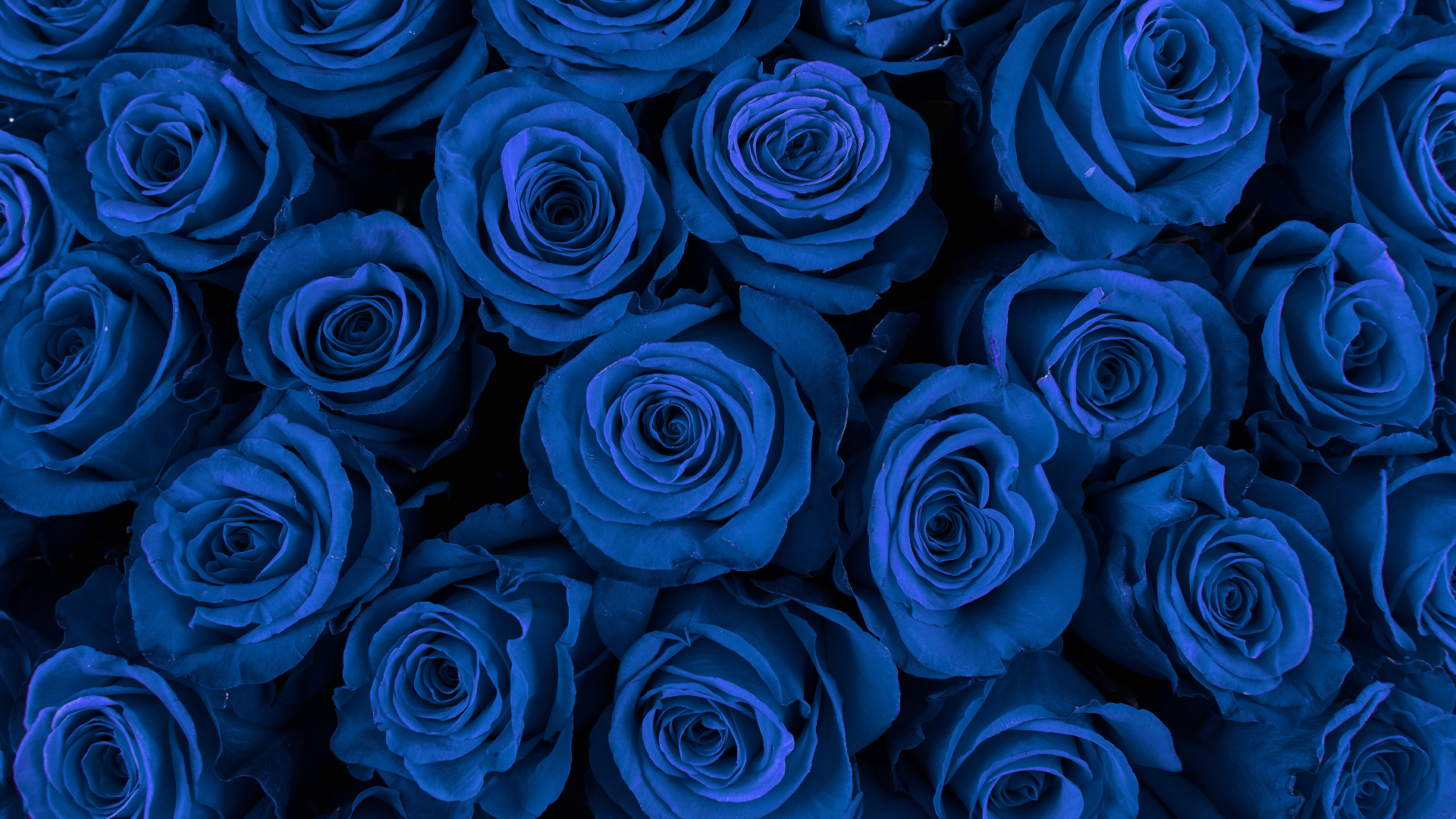
Blue roses carry different meanings depending on the shade. Deep blues are linked to dreams and curiosity, so they’re often given to someone starting a new adventure. Lighter blues are tied to calmness and are a thoughtful gift for someone under stress. They can also be used to celebrate weddings, adding a unique touch to the occasion. So, whether it’s for encouragement, peace, or celebration, a blue rose has a way of making the moment feel special.
Commercial Market for Blue Roses
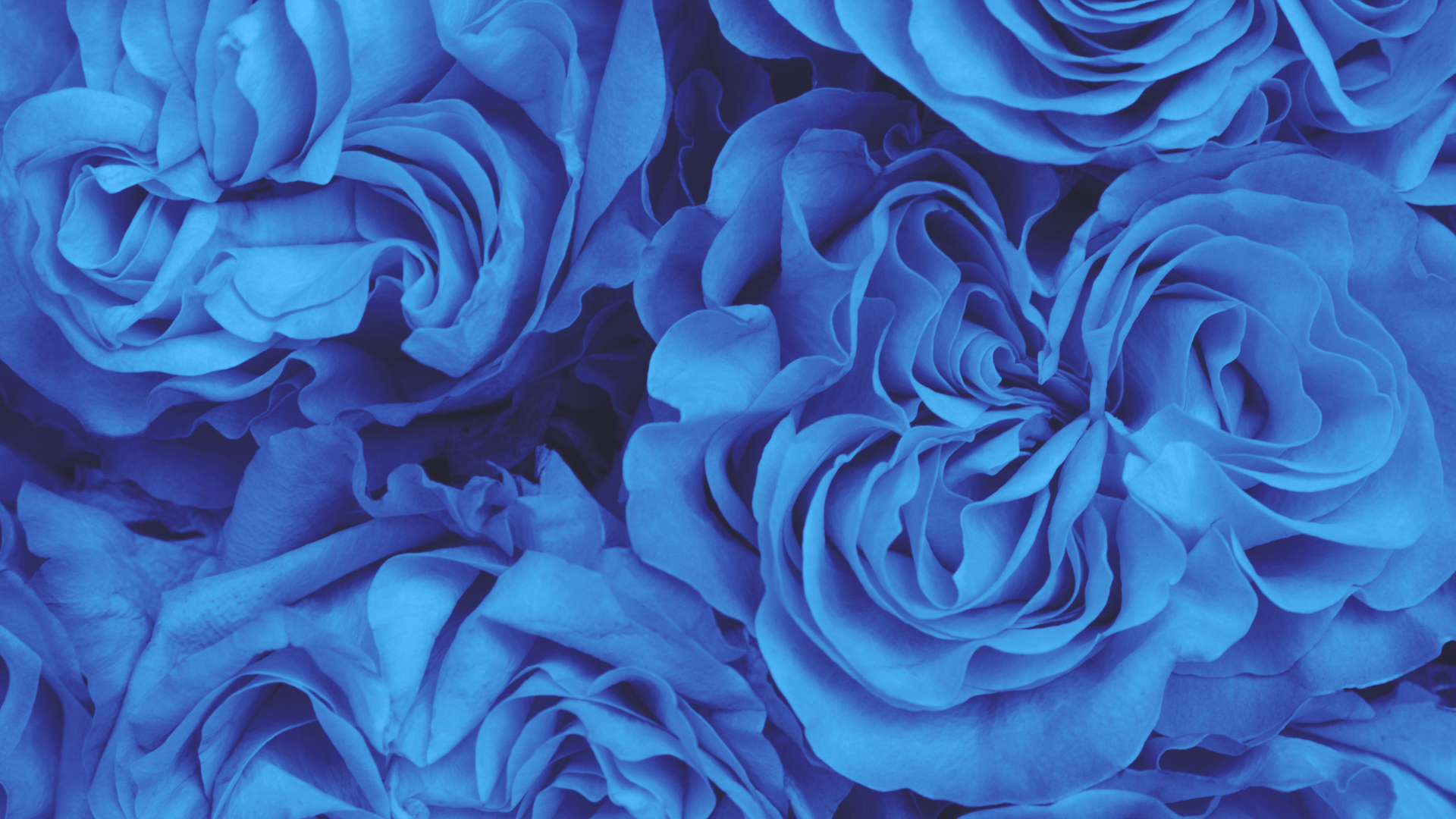
Blue roses have become a standout in the flower market, and it’s easy to see why. They’re rare, striking, and not something you find at the corner store. In Japan, the first genetically modified blue rose, called “Applause,” sold for about $22 to $35 per stem, and thousands were snapped up. People use them for upscale events, luxury bouquets, and special gifts. Their one-of-a-kind look makes them a favorite for anyone wanting something unforgettable.
Take Home a Piece of the Impossible

Blue roses aren’t just flowers you admire from afar. You can gift them, grow them, or use them to make any occasion stand out. Their story comes from years of patient work, so each bloom carries something rare. They’re perfect for someone who loves the unexpected or wants to share something memorable. So the next time you see one, bring it home and let its one-of-a-kind color tell its own story.