Revolutionary Facts You Didn’t Know About the 4th of July
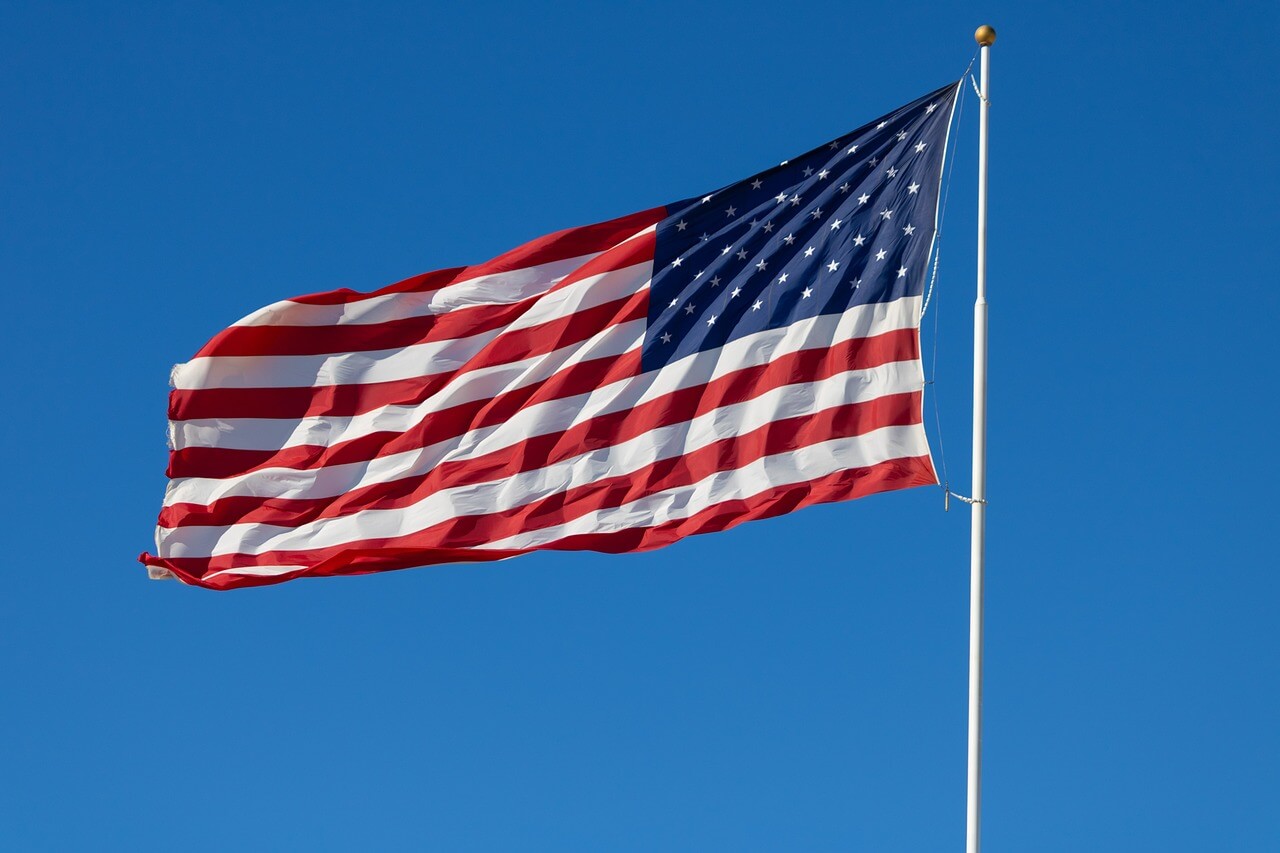


When U.S. Americans gather for backyard barbecues, illuminate the night sky with fireworks, and wave flags on the Fourth of July, they are celebrating more than just a date on the calendar. They are partaking in a tradition steeped in a history far richer and often more surprising than the simplified narratives learned in school. It’s a day synonymous with American independence, yet many of its foundational moments and quirky details remain largely unknown.
Not Signed on July 4th

While the Declaration of Independence was adopted on July 4, 1776, the grand signing ceremony often depicted didn’t actually happen that day. Most delegates didn’t sign the document until August 2, 1776. On the Fourth, mainly John Hancock and Charles Thomson (Secretary of Congress) officially attested to its adoption.
John Adams’ Vision for July 2nd

Founding Father John Adams strongly believed that July 2nd should be America’s celebratory day. The Continental Congress voted for independence on that date, prompting Adams to write to his wife, Abigail, predicting it would “be celebrated, by succeeding Generations, as the great anniversary Festival.” History, however, had other plans.
Coincidental Deaths of Founding Fathers

Remarkably, three of America’s early presidents—John Adams, Thomas Jefferson, and James Monroe—all died on the Fourth of July. Most famously, Adams and Jefferson, former rivals turned friends, both passed away within hours of each other on July 4, 1826, exactly 50 years after the Declaration’s adoption.
Early Celebrations Were Small and Local

The very first Independence Day celebrations were far from today’s nationwide spectacles. They were typically modest, localized affairs marked by gatherings of local militias, public readings of the Declaration of Independence, bonfires, and communal dinners, emphasizing community unity rather than grand parades.
President Zachary Taylor Died After a 4th of July Feast

The 12th U.S. President, Zachary Taylor, met his demise on July 9, 1850, a few days after reportedly consuming a large quantity of raw fruit and iced milk at a scorching hot 4th of July event. His sudden death led to various theories, including food poisoning or gastroenteritis.
Everyone Didn’t Instantly Embrace the Declaration

Today, we revere the Declaration, but it wasn’t universally embraced at its inception. Many colonists remained loyal to Britain, and its revolutionary ideals of liberty and equality did not immediately apply to all people, notably excluding enslaved populations and Native Americans, highlighting complex historical realities.
Slavery and the Original Declaration Draft

Thomas Jefferson’s initial draft of the Declaration of Independence contained a powerful clause condemning slavery and the transatlantic slave trade. However, this anti-slavery passage was ultimately removed during revisions by the Continental Congress, largely due to strong opposition from Southern colonies, a significant historical compromise.
The Liberty Bell’s “Cracked” History

Despite popular myth, the iconic Liberty Bell with its famous crack did not ring on July 4, 1776, to announce independence. It was more likely rung on July 8, 1776, to gather citizens for the first public reading of the Declaration. The well-known crack developed much later in its history.
Massachusetts Was the First to Make It a Holiday

While informal celebrations were common, Massachusetts holds the distinction of being the first state to declare the Fourth of July a state holiday officially. This occurred in 1781. It would take nearly another century for it to be recognized as a federal holiday across the entire United States in 1870.
Fireworks Were Originally Meant to Ward Off Evil Spirits

The dazzling tradition of Fourth of July fireworks has ancient roots, stemming from Chinese practices where fireworks were used to ward off evil spirits. Early American celebrants adopted them as a dramatic and loud way to symbolize the colonists’ break from British rule and the “rockets’ red glare” of battle.
A Deeper Spark of Independence

These fascinating facts reveal that the Fourth of July is far more complex and compelling than the simplified story often told.
Understanding these lesser-known truths adds a richer, more profound appreciation for the ongoing legacy of American independence, illuminating the journey of a nation built on revolutionary ideals.