Researchers Left Baffled by Rocks That Lay ‘Eggs’ Every 30 Years


Rocks in a remote village in China drop giant stone spheres roughly every 30 years. Locals have watched these unusual events for generations, noticing the rounded formations fall from a six-meter-high cliff. Scientists continue to study the phenomenon, examining how erosion shapes the landscape and releases these mineral formations. The falling spheres, sometimes called stone eggs, appear at regular intervals, attracting attention for their precise timing and the mystery behind their creation.
Mysterious Rocks That Mimic Egg Laying

In a small village in China, cliffs seem to drop giant stone spheres every 30 years. Locals watch the event unfold, noticing the rounded rocks tumble from a six-meter-high face. Scientists study how erosion gradually frees these mineral formations from the softer surrounding rock. The spheres, sometimes called stone eggs, vary in size and shape, and their precise timing keeps experts observing closely. People travel just to see the rocks appear.
Formation of Cannonball Concretions
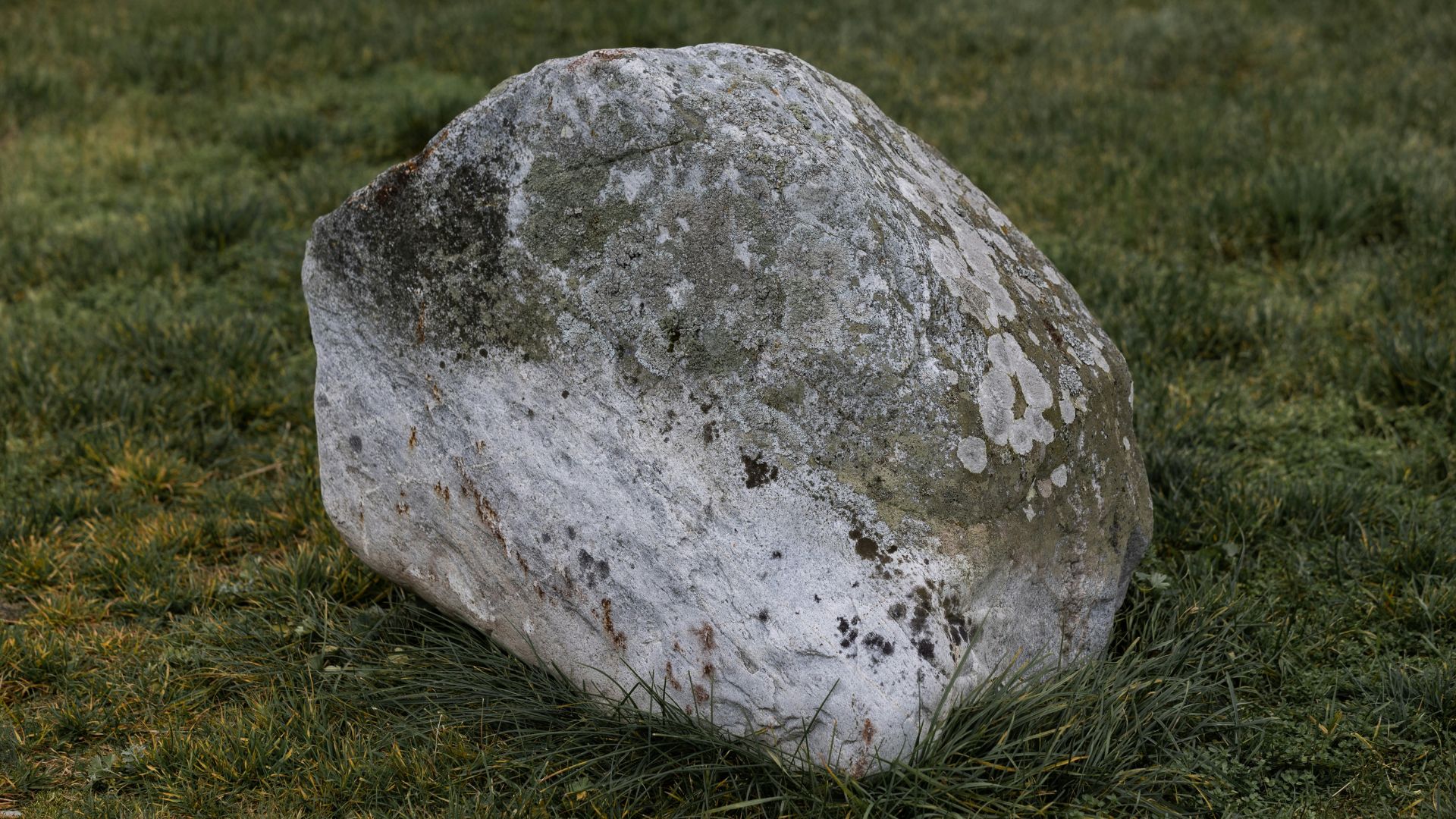
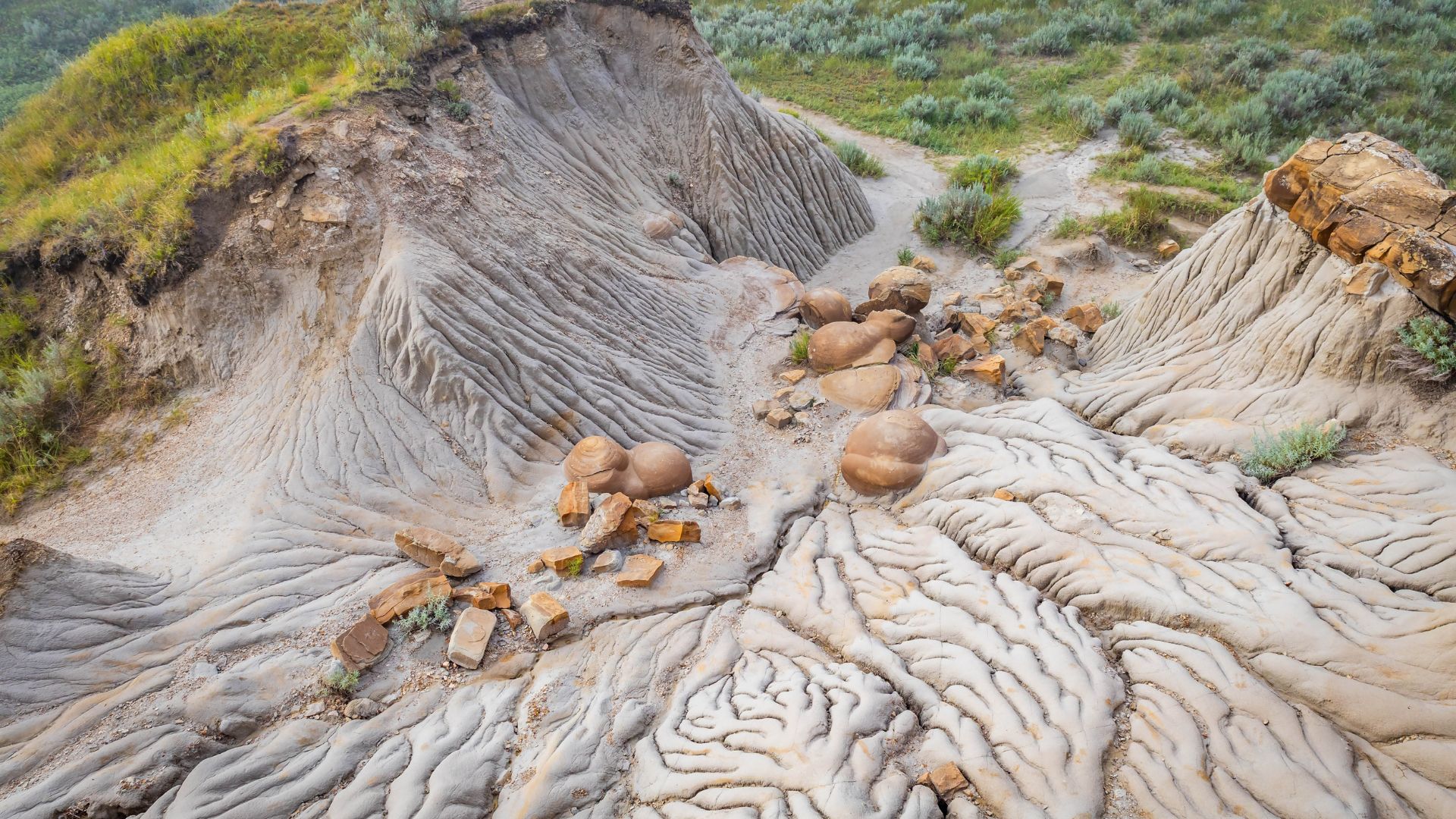
Cannonball concretions appear as large, round stones buried in layers of sediment. They form when mineral-rich water slowly deposits minerals around a central nucleus, like a small fossil or organic fragment. Over many years, layers build up, creating a solid, spherical rock. Erosion eventually wears away the surrounding sediment, revealing the concretions. You can see entire fields of these stones in places like North Dakota, where they sit scattered across the landscape, waiting to be noticed.
Mineral Layer Buildup Creates Spherical Rocks

Spherical rocks form when mineral-rich water slowly surrounds a central object, like a small fossil or piece of organic matter. Layers accumulate over many years, gradually creating a hard, round stone. The process moves so slowly that each rock grows almost like it’s aging in place. Over time, erosion exposes these formations, letting people see their perfectly rounded shapes. Places like North Dakota showcase entire fields of these stones, offering a glimpse into a long, patient natural process.
Erosion Reveals Hidden Rock Formations

Erosion gradually wears away the softer rock surrounding spherical concretions, slowly revealing them over time. Rain and wind help expose these hidden stones, so each field of rocks eventually appears like a natural display. In some places, like North Dakota and China, the process happens over decades, letting locals witness the formations emerge at intervals. People also travel to see the stone spheres up close, noticing how perfectly rounded they appear once uncovered from their rocky layers.
Cannonball Concretions in North America
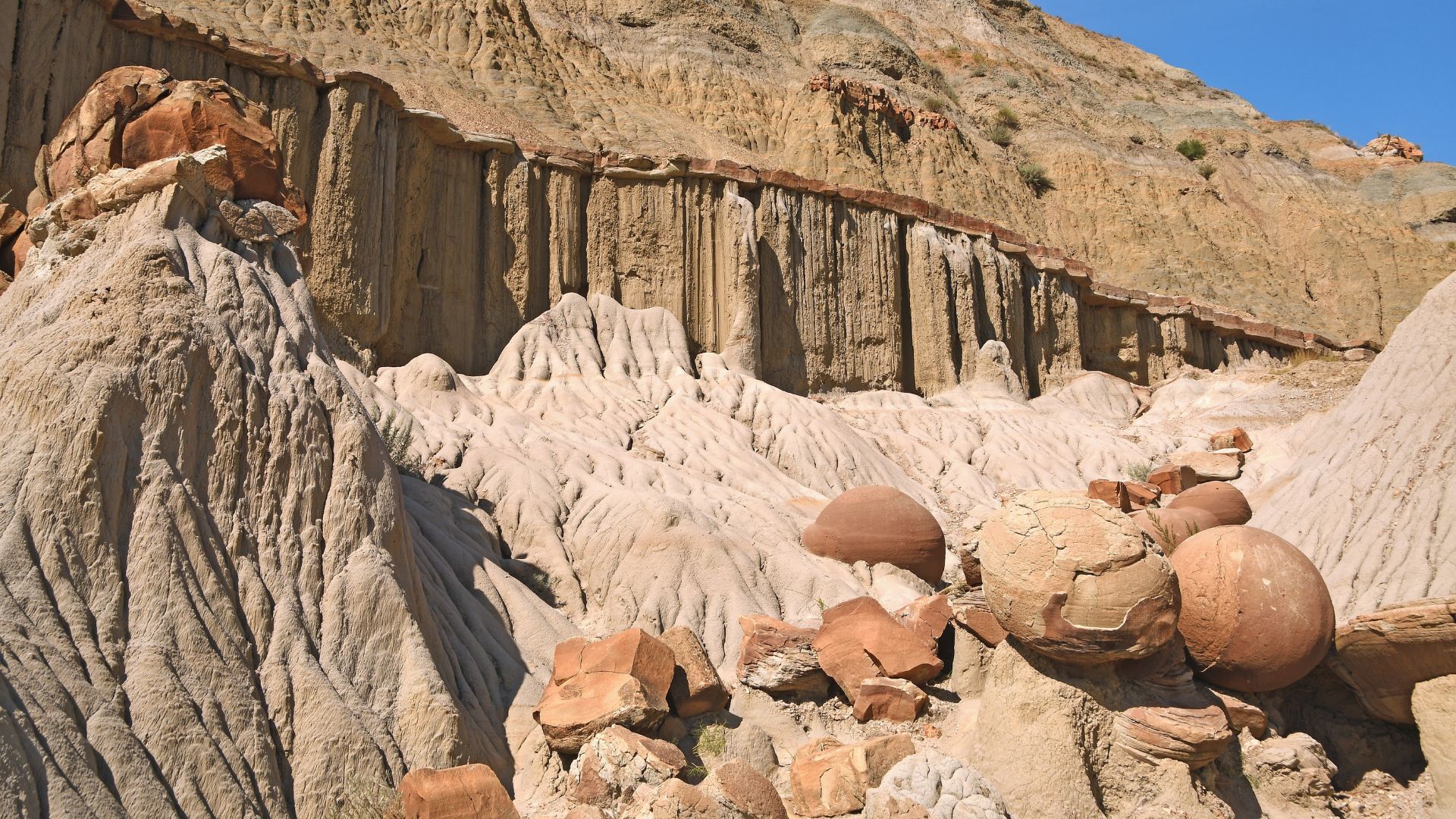
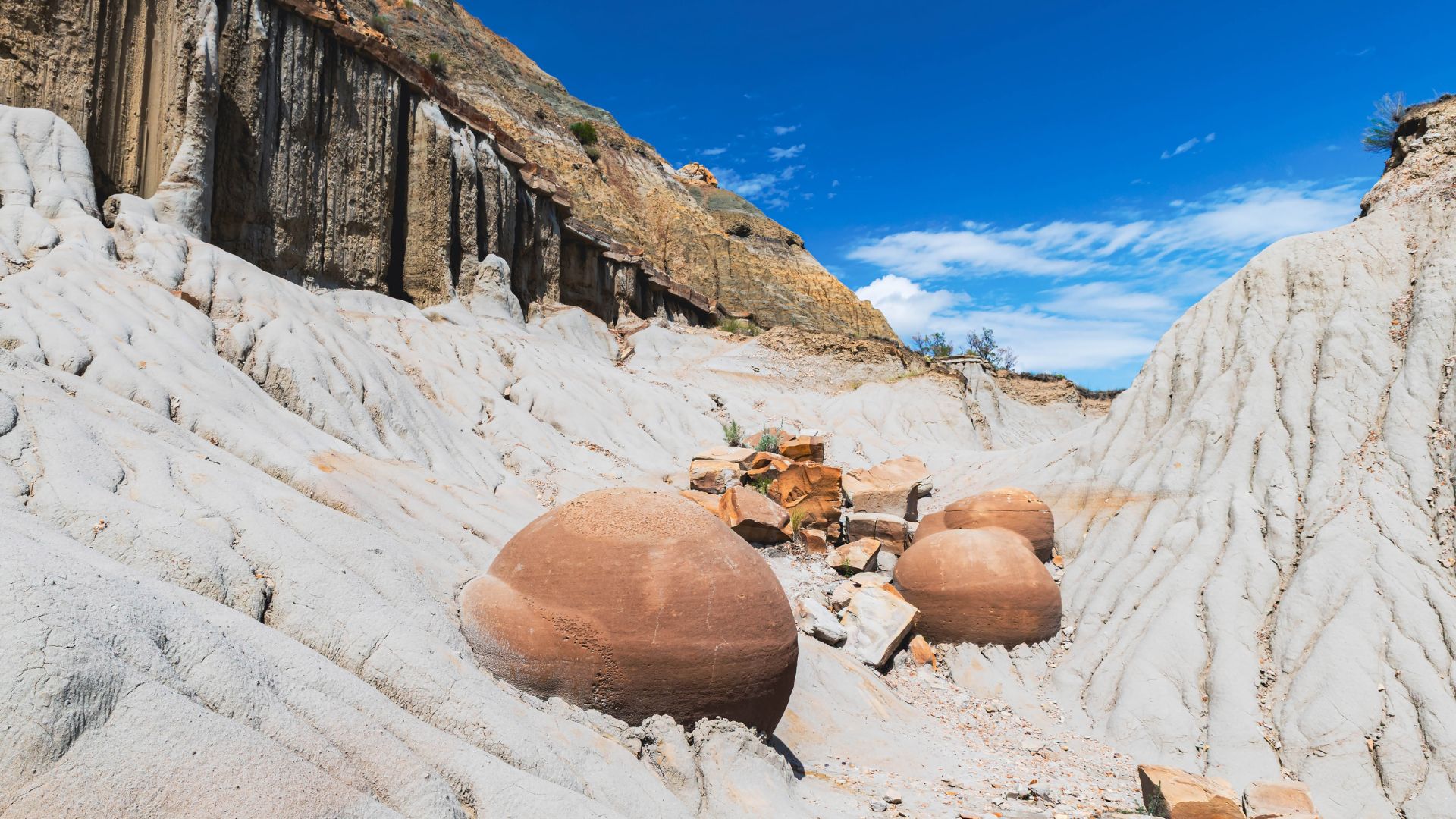
Cannonball concretions appear in places like North Dakota and Colorado, where fields of round stones dot the landscape. Mineral-rich water slowly builds layers around a central nucleus, so each rock grows into a hard, spherical shape over time. Erosion eventually exposes these formations, letting people see them up close. You can also find them scattered across wide plains, and many visitors enjoy spotting the perfectly rounded stones, noticing how nature shapes them just so over long periods.
China’s Egg-Laying Cliff Phenomenon
In Guizhou province, a cliff seems to drop stone spheres every 30 years, so locals gather to watch the event. The stones range from 20 to 40 centimeters and sit embedded in softer rock until erosion frees them. The process happens gradually, and the spheres tumble down like eggs from the cliff face. Scientists also examine the formations, trying to understand why the timing remains so consistent. Visitors often travel just to see the spectacle in person.
Geological Explanation for Stone Eggs

Stone spheres form when minerals in water slowly accumulate around a small object, like a fossil or fragment of organic matter. Layers build over many years, so each rock grows into a nearly perfect sphere. Softer rock surrounding the formations erodes just enough to free the stones, letting them tumble down cliffs or fields. Scientists also study how the process repeats at regular intervals, helping people understand why the stone eggs appear so predictably in places like China and North Dakota.
Scientific Puzzlement Over Regular Egg Release

Scientists continue to study how stone spheres appear from cliffs at consistent 30-year intervals. The timing seems so precise that experts are just beginning to understand the factors behind it. Erosion gradually frees the rocks, and mineral buildup shapes each formation over decades. Researchers also look at how similar processes occur in North America, so they can compare patterns and gather data. The predictable release of these stone eggs keeps both scientists and visitors observing closely.
See the Stone Eggs Yourself