
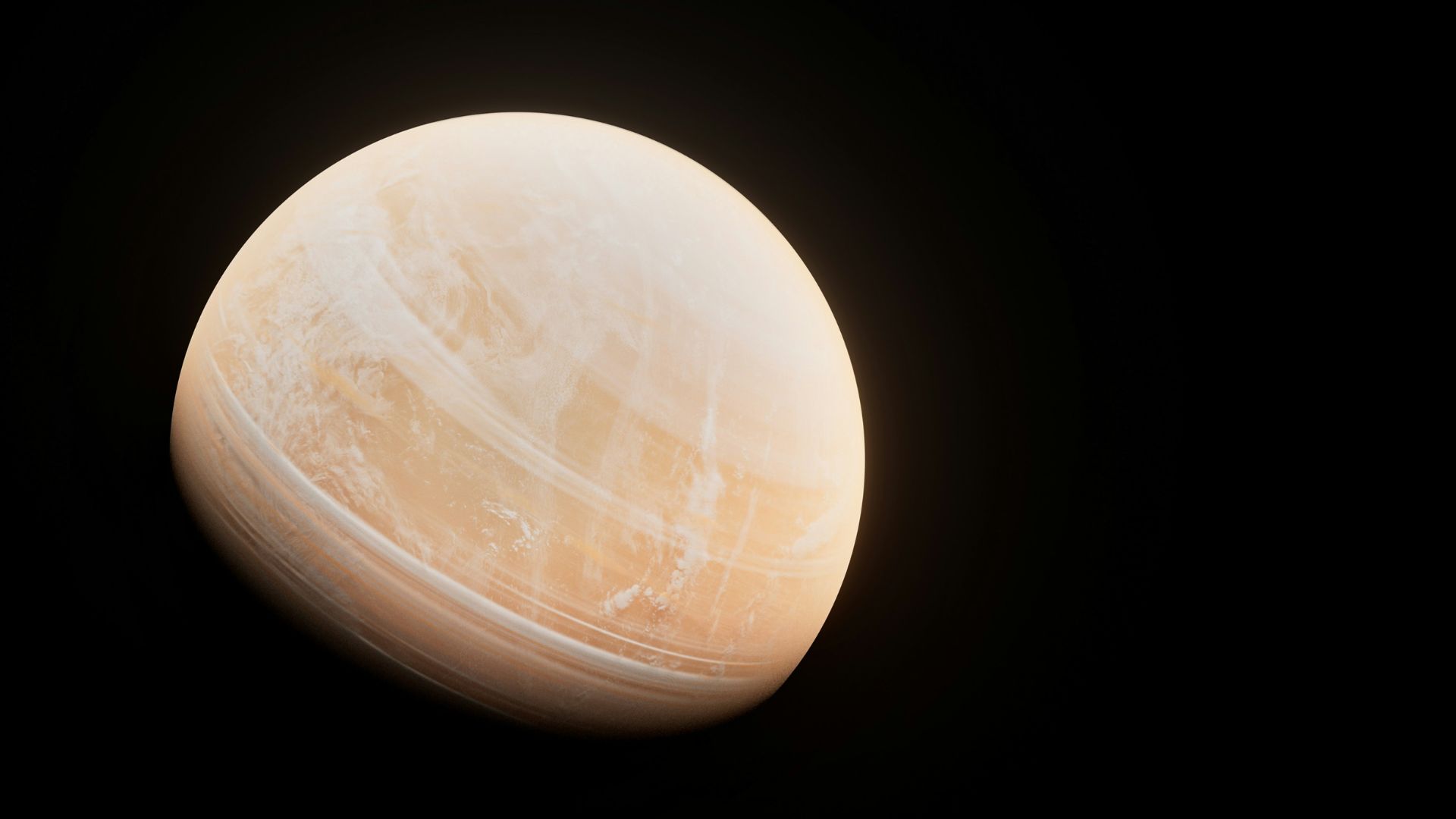
Venus hides a strange pattern of circular scars scattered across its surface. Scientists call them coronae, and they stretch for hundreds of miles like cosmic fingerprints. They’re unlike anything found on Earth, sparking curiosity about how they formed. A new study suggests that hot material from deep inside Venus might be bubbling upward, reshaping its crust. Researchers think these patterns could reveal how the planet’s fiery interior still stirs beneath its thick, toxic clouds.
Mysterious Circular Marks Across Venus
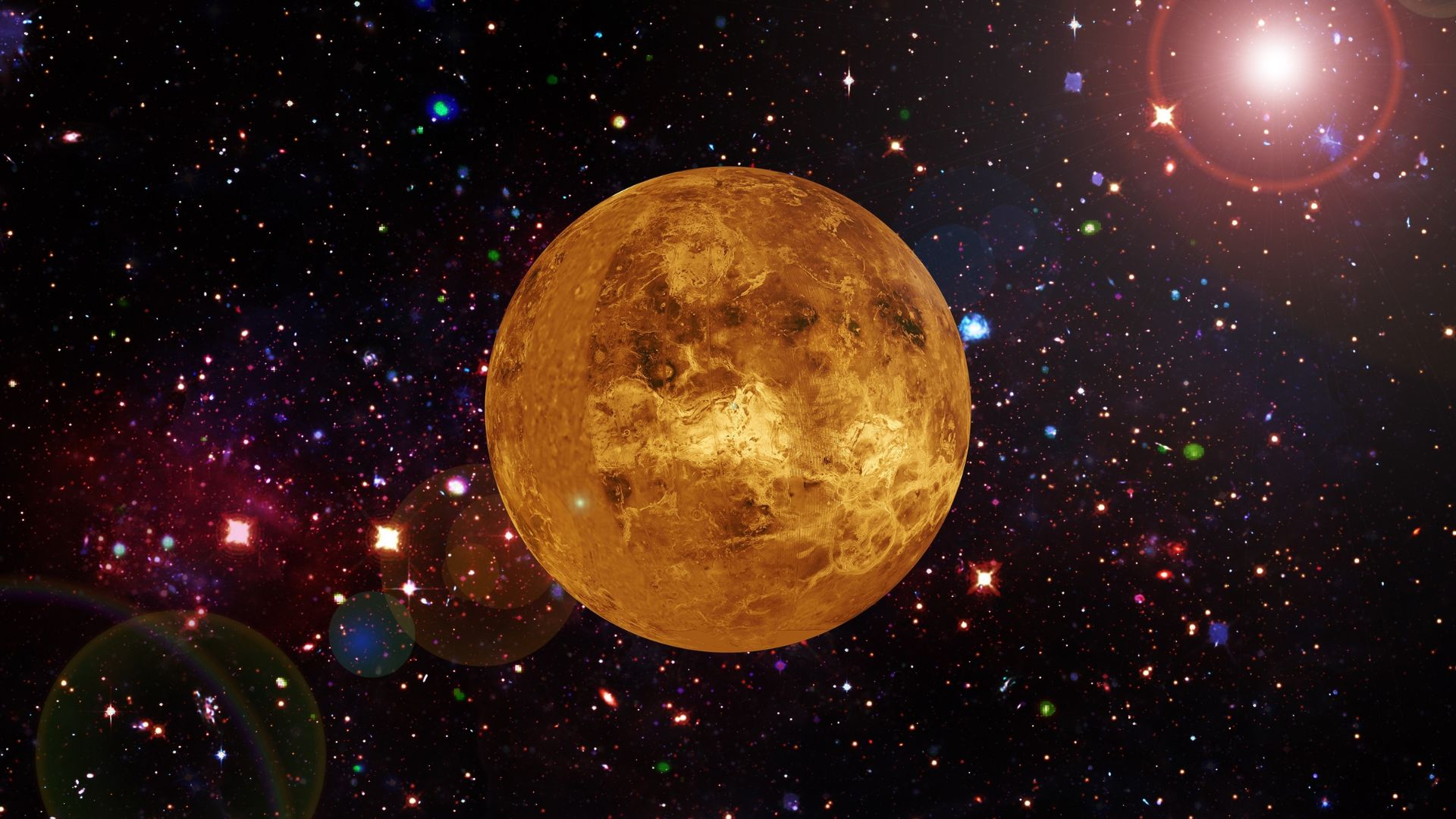
Venus is covered with massive circular patterns called coronae that stretch for hundreds of miles. They look like twisted rings etched into the planet’s rocky surface, circling sunken centers. Scientists have studied them for decades, trying to figure out what caused them. The strange part is that Earth doesn’t have anything like it, even though both planets share similar sizes and compositions. That difference has researchers curious about what Venus can reveal about planetary evolution.
How Venus Differs From Earth’s Structure
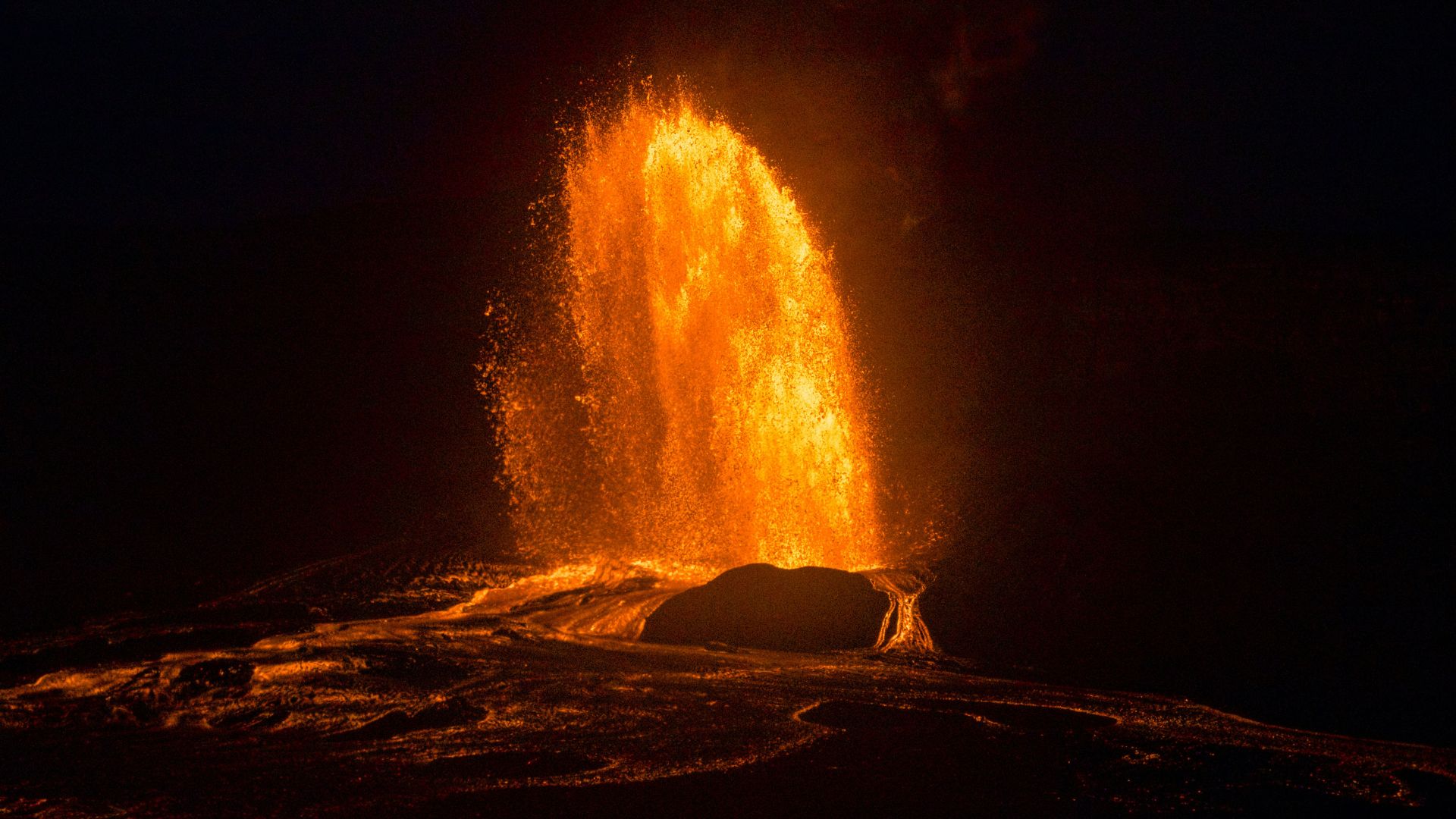
Venus and Earth might look alike from space, but their surfaces tell completely different stories. Earth’s crust is split into moving tectonic plates that shift and recycle over time. Venus, on the other hand, has one solid shell that never broke apart. Scientists believe that the difference explains why Venus remained geologically active while Earth evolved into a calmer planet. Studying those contrasts helps researchers understand how two similar planets ended up so different.
Scientists Search for Clues to Corona Formation
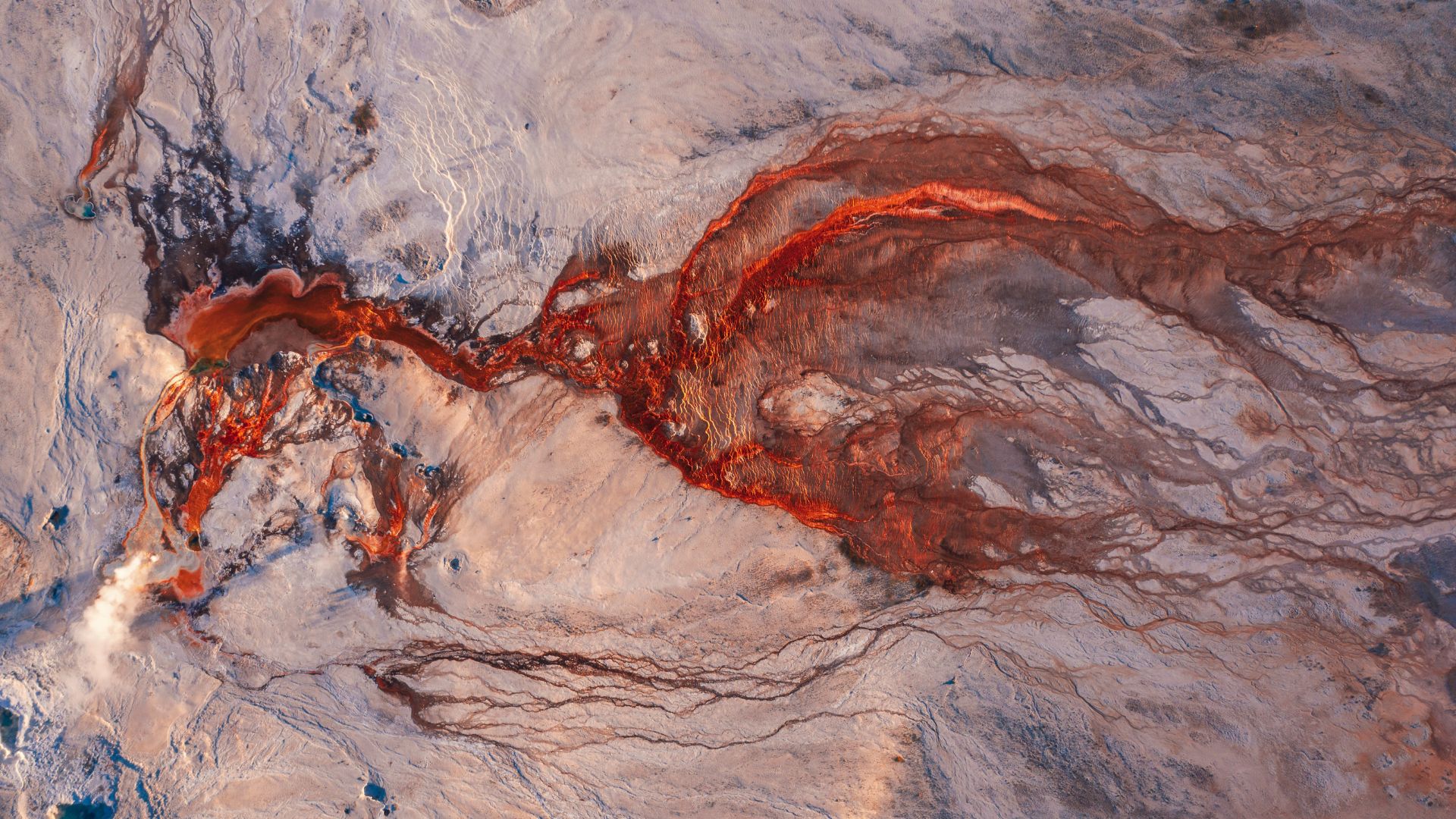
Scientists have spent years trying to understand how Venus ended up covered with strange circular marks. One idea suggests that rising blobs of hot material from deep within the planet’s mantle are pushing against the crust. A new study used detailed models to track how that heat moves and how those blobs might form the coronae seen today. The research could explain why their sizes vary so much across Venus’s surface and what’s still shaping them.
A Peek Into Earth’s Ancient Past Through Venus
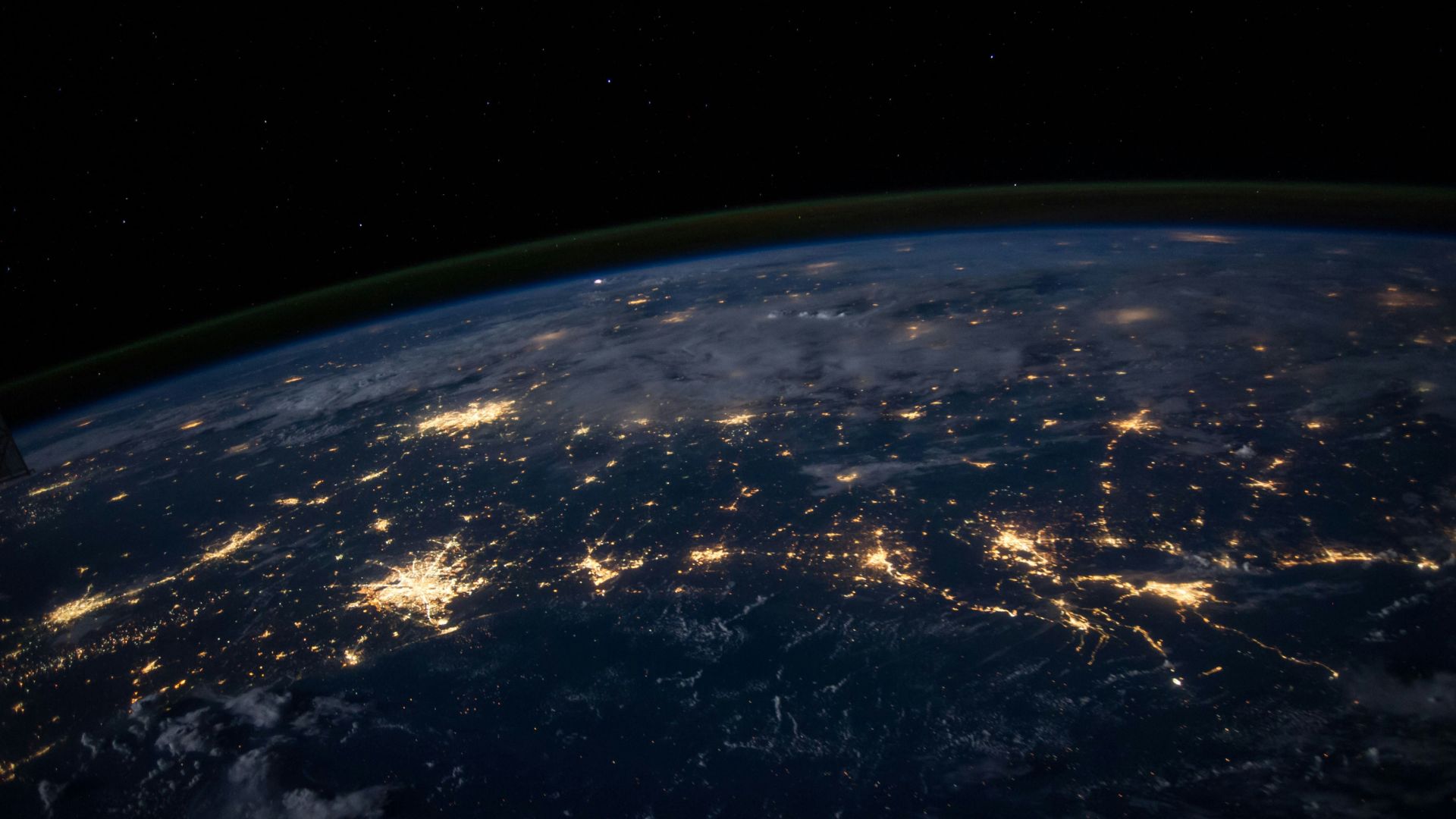
Venus gives scientists a glimpse into what Earth might have looked like billions of years ago. Our planet once had a solid outer shell before tectonic plates began shifting and recycling the crust. Venus never reached that stage, so its surface remains locked in time. Studying it helps researchers piece together how early geological changes shaped rocky planets. Venus acts like a preserved snapshot, showing what Earth may have been before it started to move.
Magellan Mission Sparks New Geological Questions

Hot Blobs Rising From Venus’ Mantle
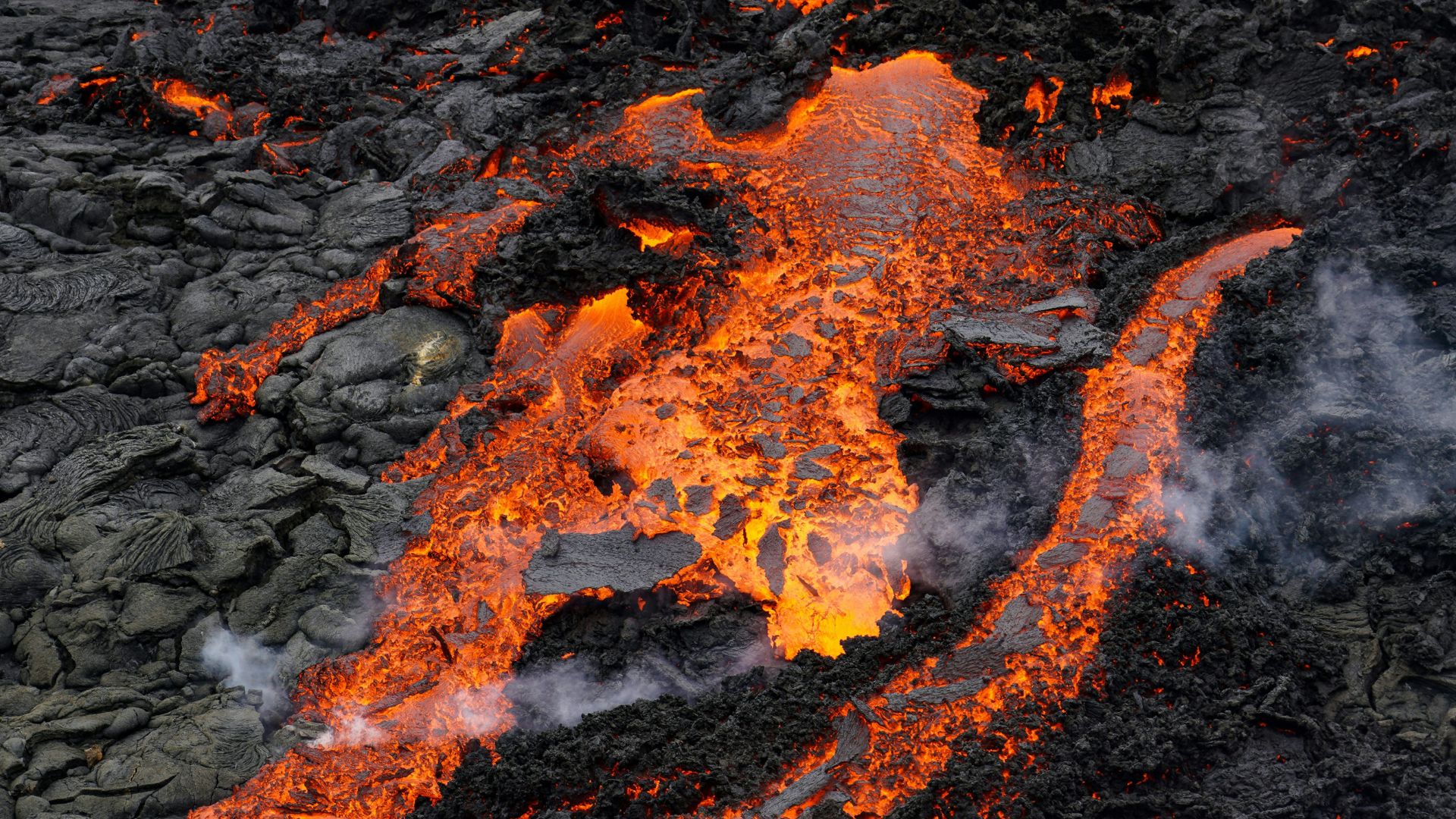
Scientists think Venus’s coronae may form from blobs of hot material that rise from deep within the mantle. Those blobs push upward, press against the crust, and spread out before cooling. The new study mapped how heat moves through the planet to show where those blobs might be forming. The process could explain why the surface has so many circular patterns, each shaped by bursts of heat that slowly reshape Venus over time.
The “Glass Ceiling” Hidden Beneath Venus’ Surface
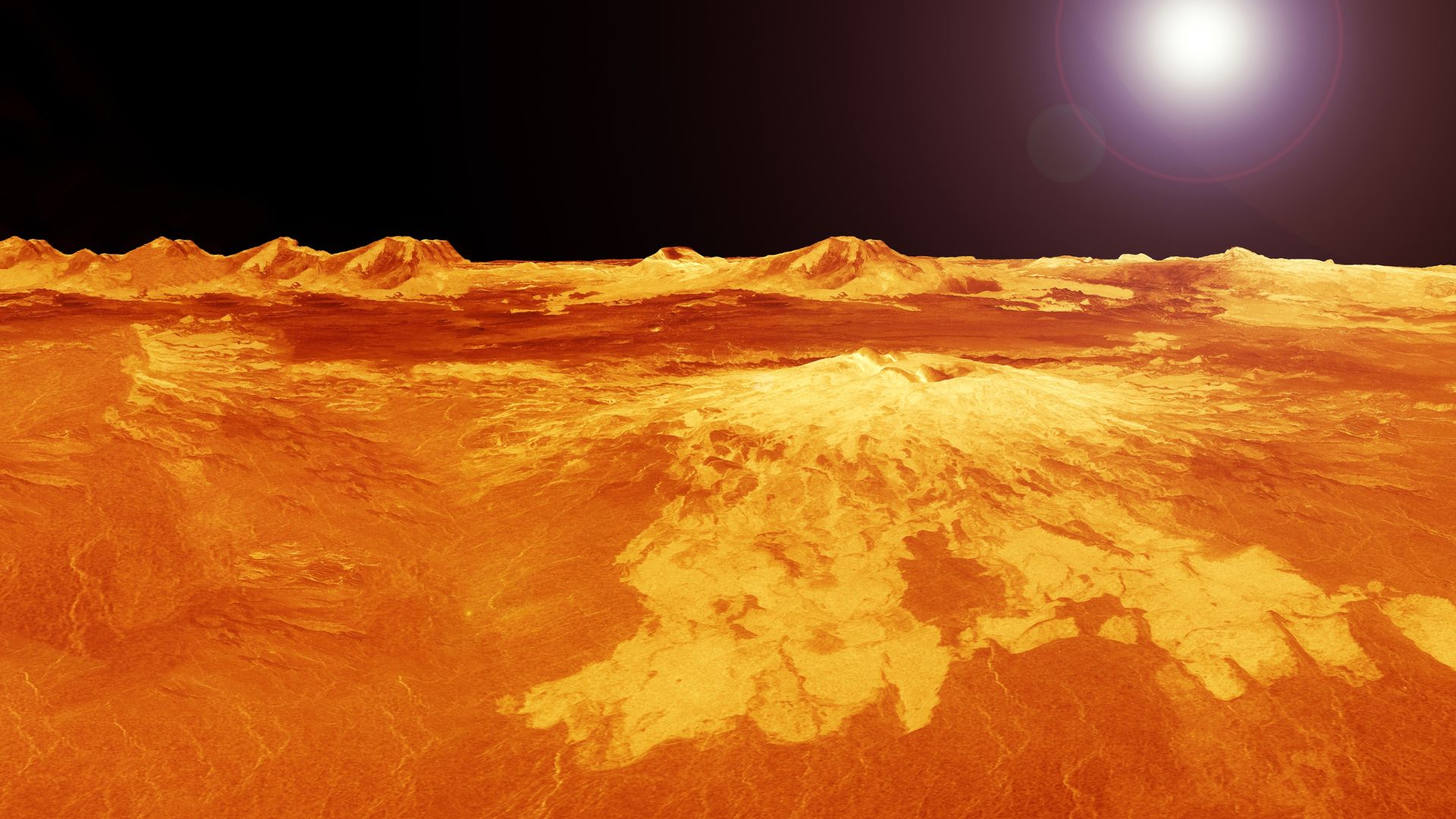
Researchers think Venus has a kind of “glass ceiling” buried deep below its surface. Around 400 miles down, shifting crystal structures in the mantle appear to impede the flow of some of the rising molten material. That barrier causes smaller pockets of magma to squeeze through instead of one large burst. The result could be the uneven, ring-like coronae scattered across the planet. The study adds another piece to how Venus’s surface keeps reshaping itself from within.
A New Theory That Could Redefine Planetary Science
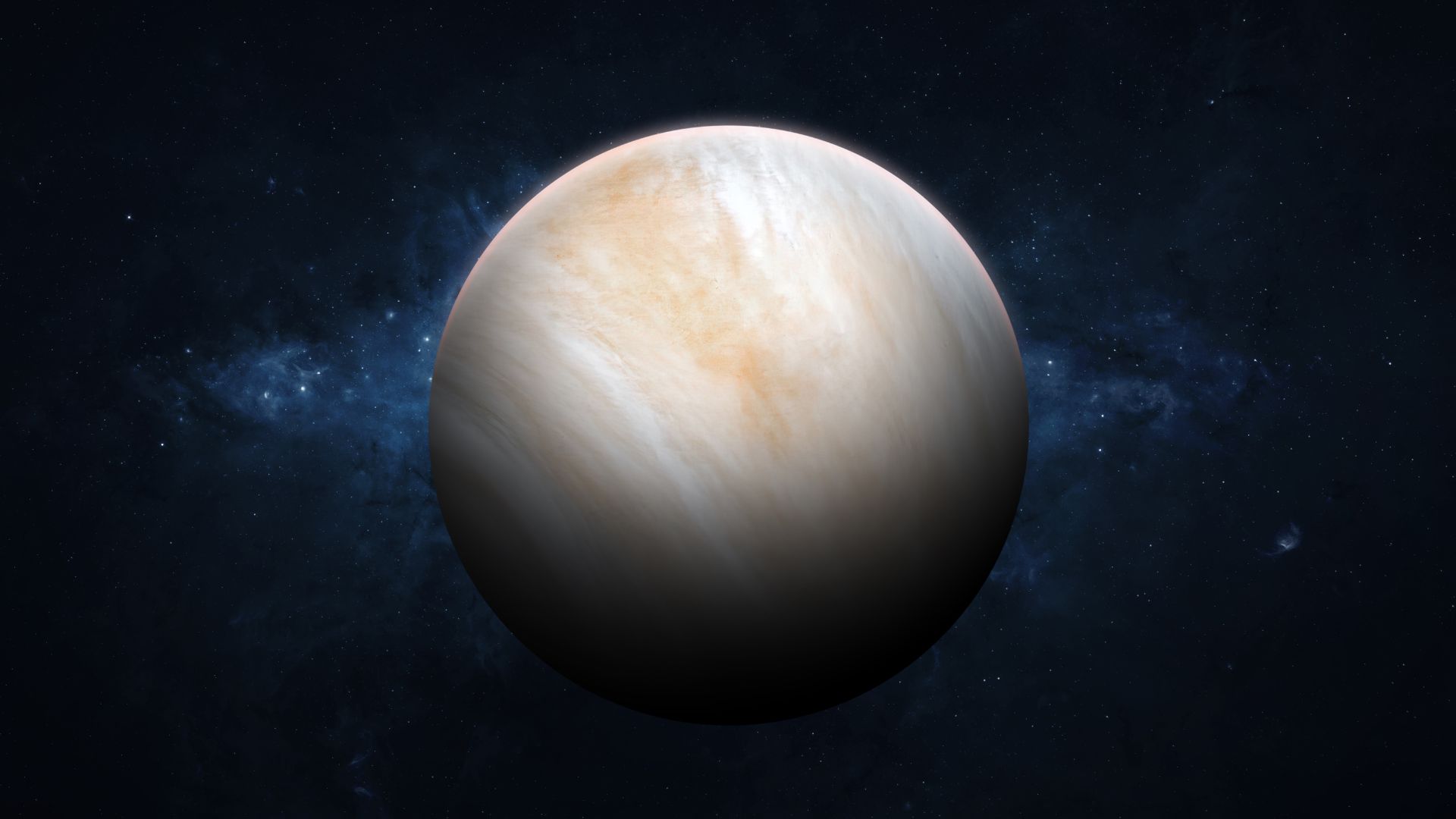
Researchers think they’re close to understanding how Venus’s strange surface formed. The new theory links the planet’s heat flow, mantle movement, and surface shapes into one picture. Scientists say it feels similar to the early days of plate tectonic research on Earth, when everything started to make sense. The findings could reshape how scientists think about rocky planets and how their surfaces change over time. Venus may be revealing patterns that reach far beyond itself.
Venus Still Has More to Share
Scientists are just starting to piece together what makes Venus so unique. Every new finding about its surface brings more questions about how rocky planets evolve. The strange coronae, hidden layers, and possible volcanic activity all hint at a world that’s still active beneath its thick clouds. As new missions prepare to visit, researchers are eager to see what other surprises Venus has waiting to reveal.