Investigation Underway After 3D Printed Part Failure Causes Plane Crash


A small plane went down in Gloucestershire after a 3D-printed part softened near the engine and collapsed. The pilot had flown a calm local trip before the sudden power loss changed everything. A plastic induction elbow bought at an air show sat at the center of the issue. Investigators now look into how that part ended up in the fuel system and why it failed when exposed to heat.
Cozy Mk IV Crash At Gloucestershire Airport

A Cozy Mk IV went down at Gloucestershire Airport after a sudden drop in engine power cut the flight short. The pilot had been lining up for landing and pushed the throttle forward, so the loss hit without warning. He kept the aircraft steady and cleared a road and bushes, but the plane touched down early and struck part of the landing system. The pilot walked away with minor injuries and received quick care.
Engine Power Loss On Final Approach
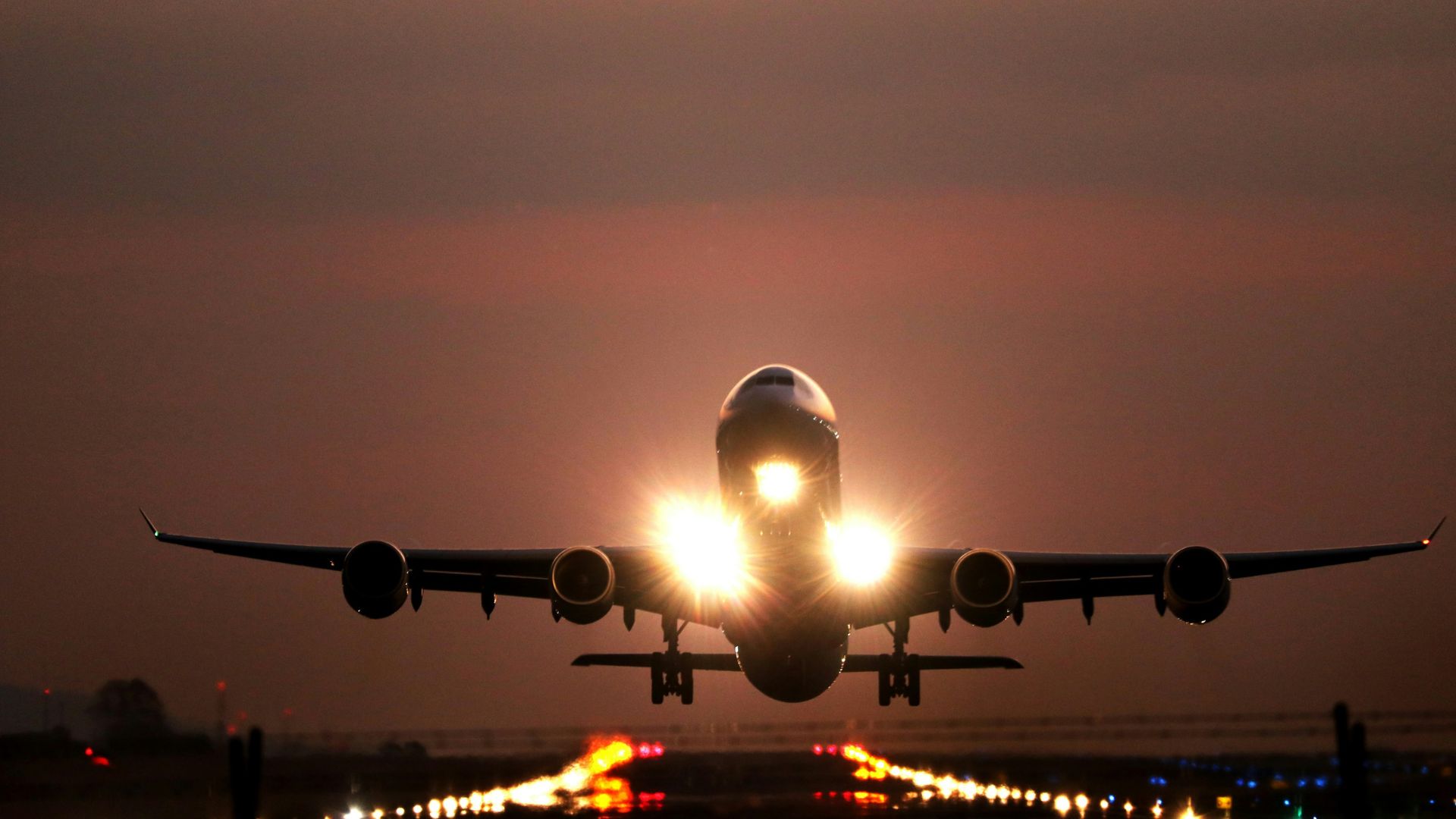
Engine power faded right as the pilot prepared to land, so the timing pushed him into quick decisions. He advanced the throttle and waited for the response he expected, but nothing came back. The sudden silence changed the entire moment and left him working with whatever altitude he had. He kept the aircraft moving toward the runway and aimed for the safest spot he could reach.
3D Printed Induction Elbow Failure
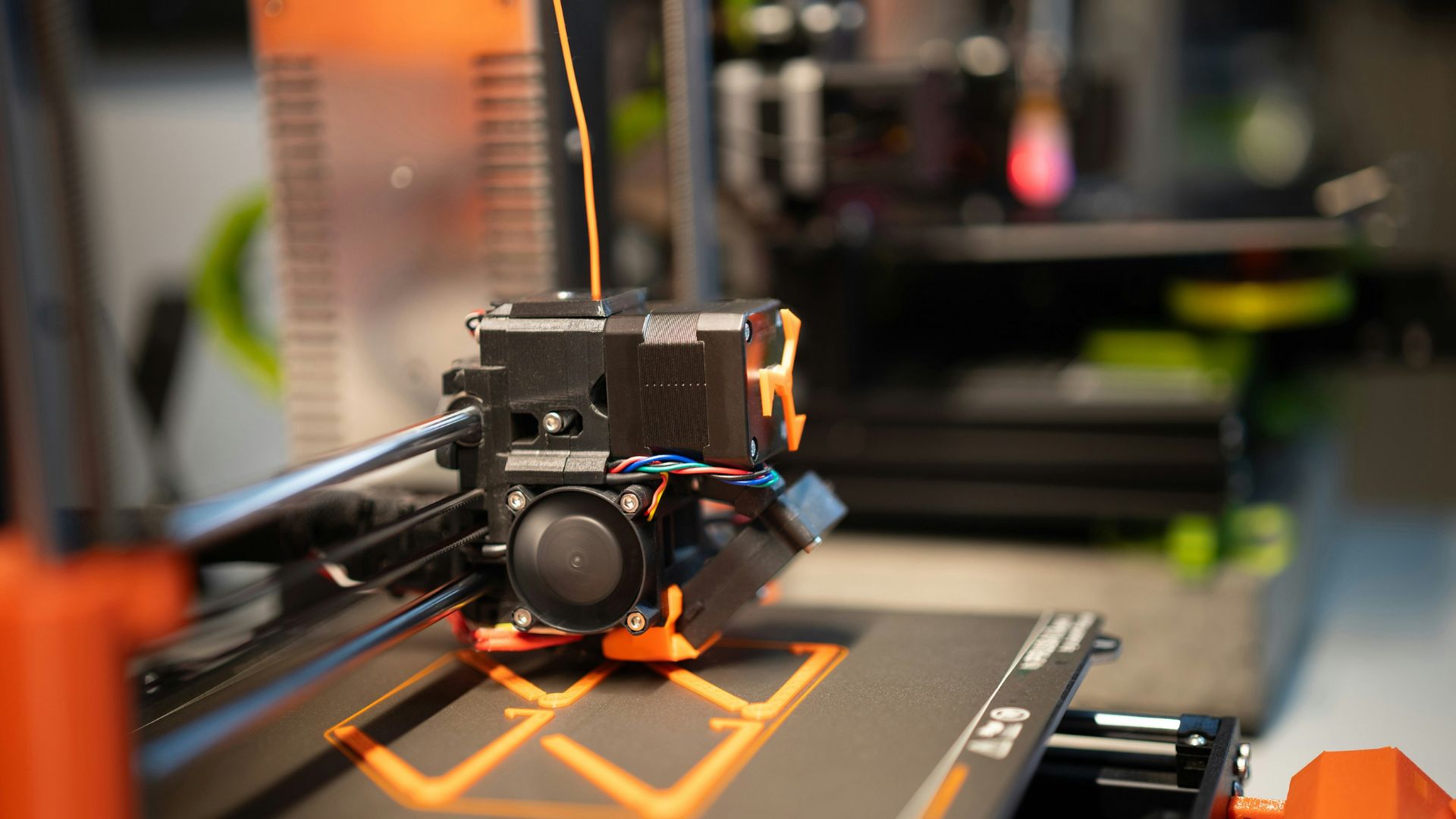
A 3D printed induction elbow sat at the center of the investigation, and the material choice turned out to be the problem. The part softened near the engine and folded in on itself, so airflow dropped without warning. The elbow came from an air show purchase and went into the aircraft during a later modification. Inspectors noted that the plastic couldn’t handle the heat levels around the engine and failed once temperatures climbed.
Heat Exposure And Material Breakdown
Heat near the engine pushed the plastic induction elbow past its limits, so the material softened and collapsed during the flight. The part sat close to steady engine warmth and couldn’t stay firm once temperatures rose. Airflow dropped fast, and the engine lost power. Investigators noted how the plastic reacted under heat and pointed to the breakdown as the direct cause of the failure.
Fuel System Modification Details

A modification to the fuel system brought the 3D printed induction elbow into the aircraft, and the change seemed simple at the time. The part came from an air show purchase and went in during routine work, so it didn’t raise any concern. Inspectors later learned how the modification placed the plastic piece in a warm spot near the engine. The setup set the stage for the failure once temperatures climbed during flight.
Pilot’s Emergency Landing Attempt
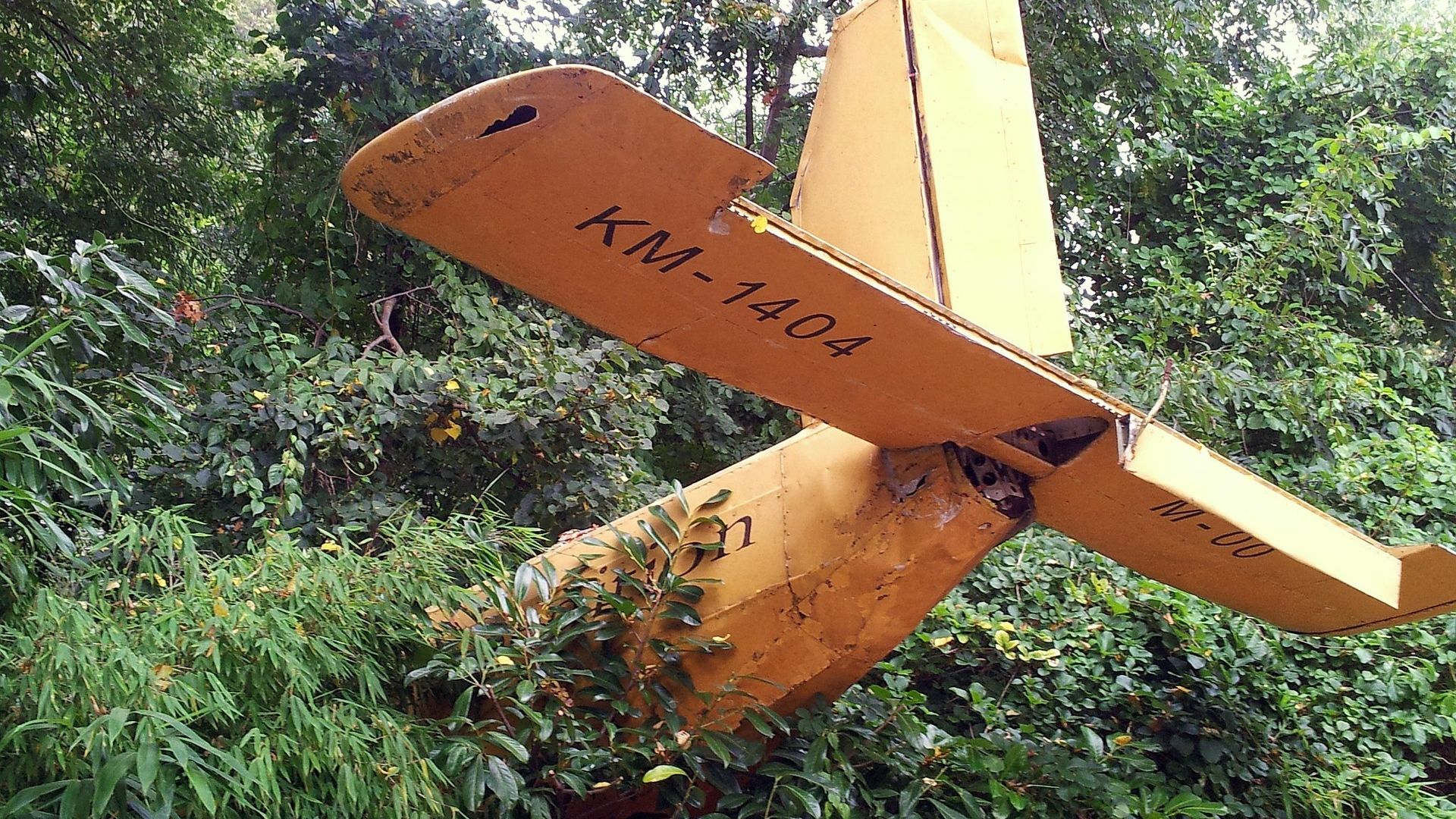
The pilot had only moments to respond, so he guided the Cozy Mk IV toward any space that looked safe enough to reach. He cleared a road and some bushes and kept the nose steady as the aircraft dropped lower. The glide ended short of the runway, and the plane struck part of the landing system. He came to a stop beside the structure and received care for minor injuries after getting out.
AAIB Findings On Component Quality
AAIB investigators reviewed the failed induction elbow and noted that the plastic never matched the heat levels around the engine. The report stated that the material choice didn’t suit the environment, so the part softened and collapsed. Inspectors also pointed out that the elbow came from an air show purchase and entered the aircraft during a later modification. Their findings pushed the discussion toward safer guidance for any future 3D printed components.
LAA Plans For New Safety Actions

The Light Aircraft Association responded soon after the report came out and moved toward new guidance for builders and inspectors. The group prepared an alert that focused on 3D printed components and how they should be reviewed, so inspectors can catch any material concerns early. The plan aims to keep owners aware of how certain plastics react to heat. The alert will also reach those who approve future modifications.
Ongoing Steps Toward Safer Builds
A closer look at the failed part gave everyone involved a clearer direction, and the next steps are already in motion. Groups connected to light aircraft builds now push updated guidance so owners know what to watch for. The Cozy Mk IV crash drew attention to how small parts can affect a flight, so inspectors want builders to stay alert. Updated checks and better material choices help keep future modifications steady and predictable.