Geologists Just Found the US Military’s Next Big Resource in Utah
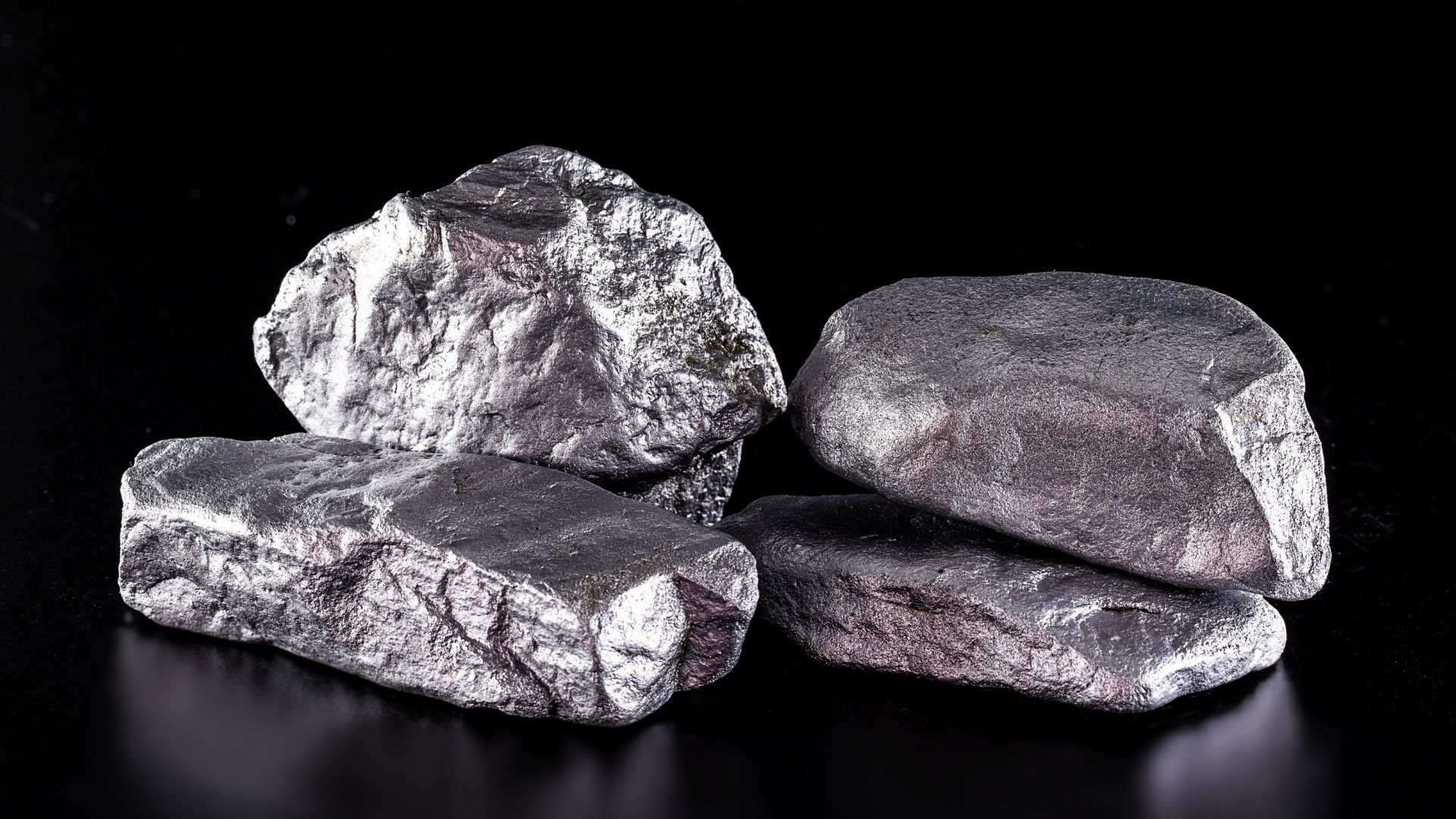

Geologists working in central Utah have identified a mineral deposit that quietly reframes how the United States thinks about its own supply chain. The finding sits far from coastal ports and global shipping lanes, yet it points straight toward modern defense systems and advanced electronics. Rather than arriving through diplomatic negotiations or overseas contracts, the materials surfaced beneath familiar ground. That detail alone changes the conversation around where military-grade resources come from. As attention turns inward, the discovery begins to feel less like a remote geological note and more like a domestic recalculation.
The site near Provo contains a dense mix of minerals tied to vehicles, aircraft, and high-performance computing hardware. Those materials already underpin fighter jets, guidance systems, and semiconductor production. With that context in mind, the location starts to matter as much as the composition. Proximity shortens supply chains and limits exposure to foreign pricing pressure. From there, questions move toward scale, access, and how quickly extraction could follow analysis.
China’s long grip on the rare mineral supply adds another layer to the moment. U.S. agencies have tracked that dominance for years, often through reports and hearings rather than drills and excavation. Now the focus narrows toward domestic ground that can answer part of that imbalance. Federal interest has followed quickly, driven by policy aimed at accelerating production. As geological surveys continue, the Utah site sits at the center of a broader national conversation that’s only starting to take shape.
Defense and Technology Uses of Utah’s Mineral Deposits

Minerals identified at the Utah site align closely with modern defense manufacturing needs. Those materials feed directly into vehicle frames, aircraft components, and precision-guided systems. As production requirements increase, access to domestic sources shortens supply timelines. That connection places the deposit within existing military procurement conversations. Attention then moves toward how these materials support electronics tied to advanced weapons platforms.
Germanium stands out because manufacturers rely on it for semiconductor fabrication. Those chips support radar systems, communications hardware, and computing infrastructure tied to artificial intelligence. Alongside germanium, lithium, and alumina support energy storage and structural components. As those uses overlap, the deposit begins to resemble a multi-purpose input rather than a single-resource site. That overlap tightens links between defense contractors and domestic extraction.
Rubidium and cesium extend the relevance into timing and navigation systems. Atomic clocks depend on those elements to maintain synchronization across satellites and military networks. Scandium adds another layer through lightweight alloys used in aircraft and missile structures. With each material feeding a different system, the Utah deposit connects multiple defense programs through a single source.
Federal Efforts to Expand Domestic Mineral Production

Federal agencies have increased attention on domestic mineral extraction as strategic concerns grow. That focus gained momentum after geologists confirmed the scale of the Utah deposit. With that confirmation, policy discussions moved closer to implementation. Officials began treating mineral access as an operational matter rather than a long-term objective. That framing placed federal departments into direct coordination.
The Trump administration responded through executive action aimed at accelerating site readiness. Orders directed the Departments of Defense, Interior, Agriculture, and Energy to bring mineral locations to a production status. That directive aligned with earlier statements describing regulatory delays as a national concern. As agencies reviewed permitting processes, timelines started to compress. The Utah site entered those conversations as a tangible reference point.
Congress added pressure through a bipartisan investigation centered on China’s control of mineral markets. Lawmakers argued that state subsidies and pricing controls shaped global supply conditions. Those findings supported calls to expand domestic output and strengthen coordination with allied nations. As policy tools stack up, federal involvement continues to narrow toward execution rather than assessment.
What the Utah Discovery Signals Next
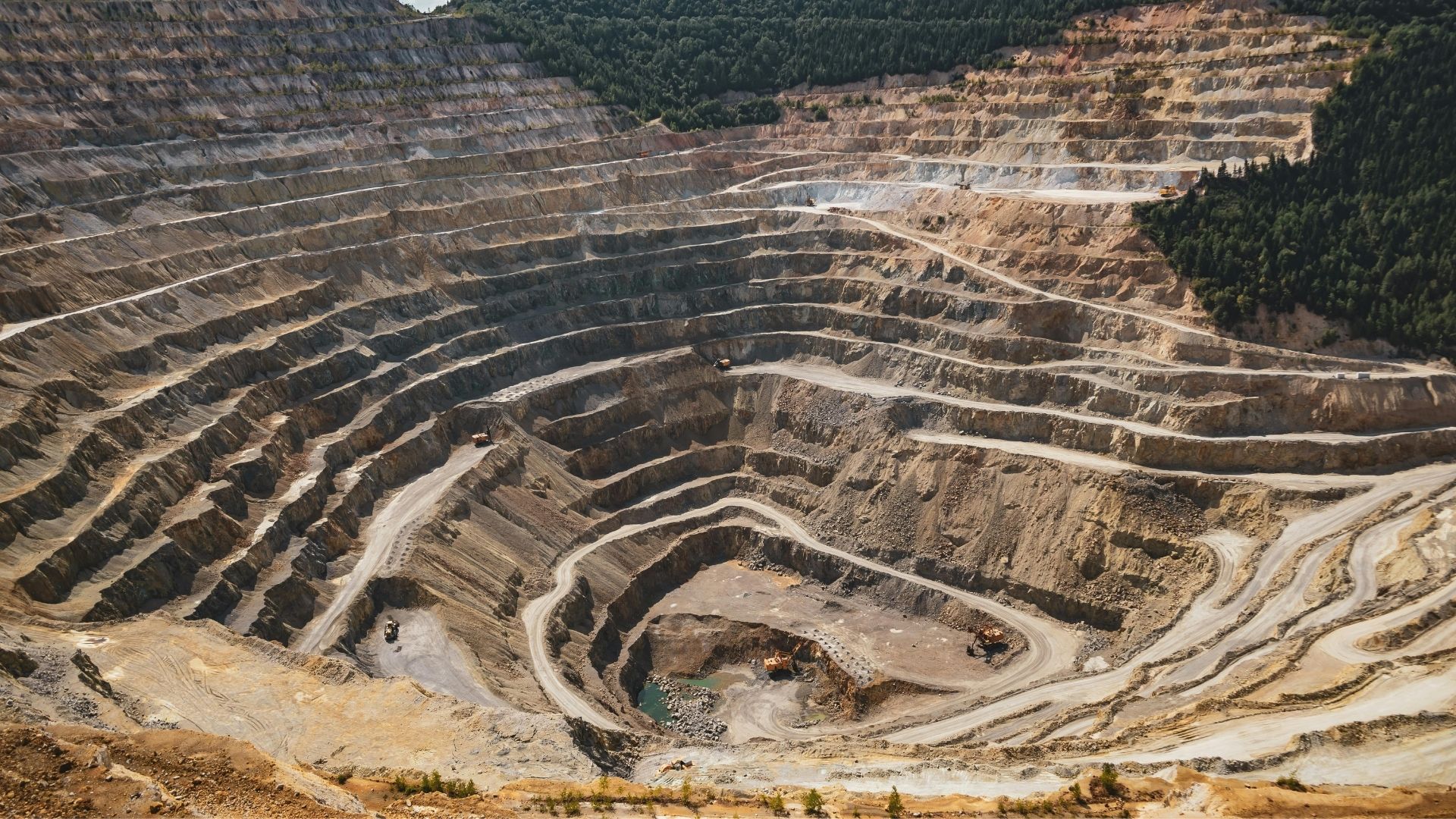
Attention now turns toward how quickly the site can move from evaluation into controlled development. Geological confirmation opens the door for feasibility studies, infrastructure planning, and workforce preparation. As those steps line up, state and federal agencies face coordination questions tied to transport, processing, and oversight. That practical focus brings the discussion closer to timelines rather than projections.
Local economic effects also enter the picture as planning advances. Mining operations require skilled labor, technical services, and long-term site management. As hiring needs come into view, nearby communities may see expanded training programs tied to mineral processing and materials science. That connection links regional growth with national production goals.
Longer term, the Utah deposit introduces a test case for how domestic mineral strategy unfolds. Policymakers now have a physical site to measure permitting speed, interagency cooperation, and private sector readiness. As data accumulates, future deposits may follow a clearer path shaped by what happens here.