Catholic Statues in Massachusetts Spark Heated Debate About Separation of Church and State
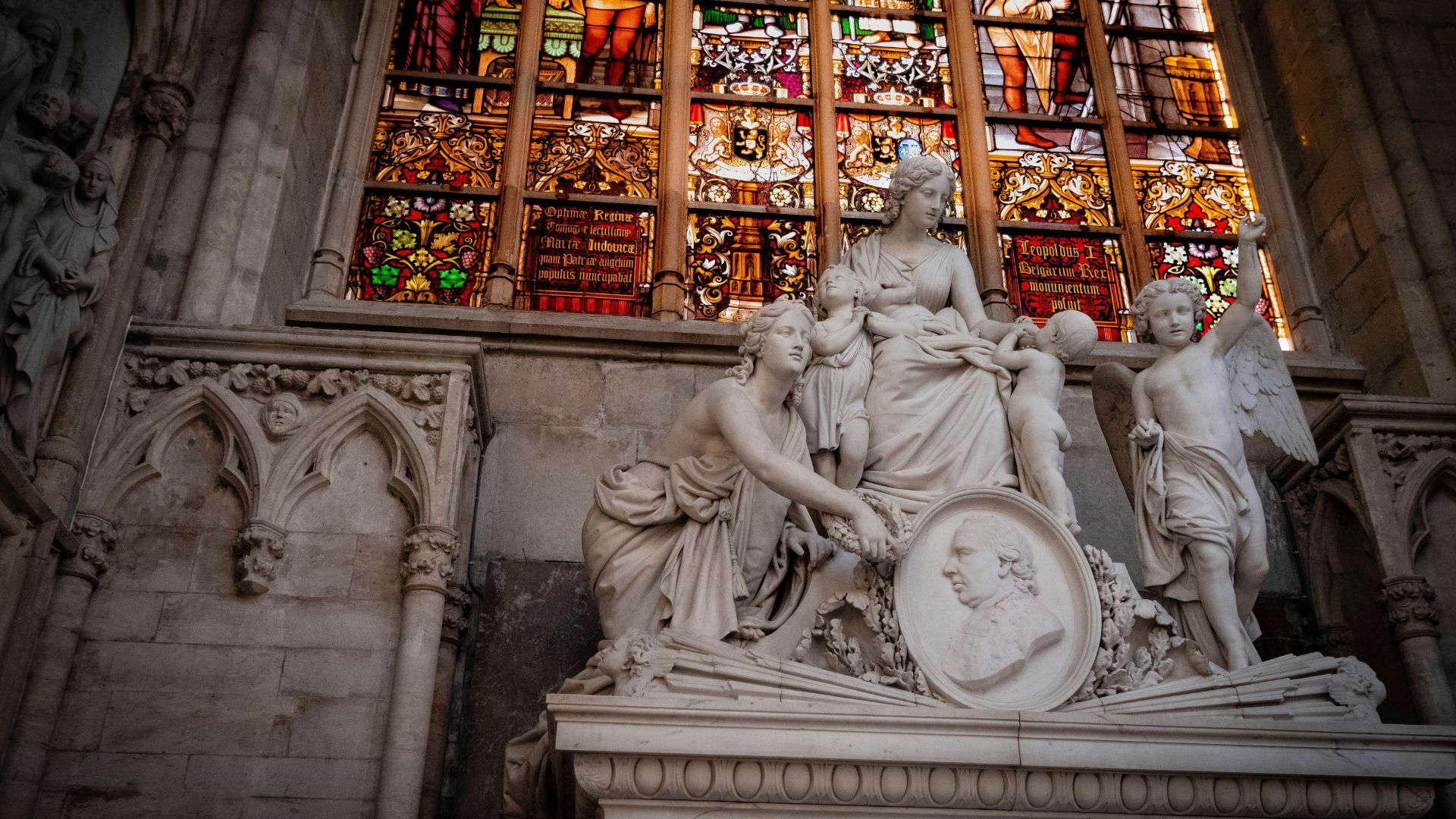

A pair of statues in Quincy, Massachusetts, has stirred up more than local attention. The figures of St. Michael and St. Florian, planned for the city’s new police headquarters, have sparked debate about where faith fits in public spaces. Residents filed a lawsuit saying the project crosses a constitutional line, and a judge temporarily blocked the installation. City officials, however, say the statues honor first responders, not promote religion.
Quincy’s Plan to Honor First Responders

Residents Challenge the Statue Installations
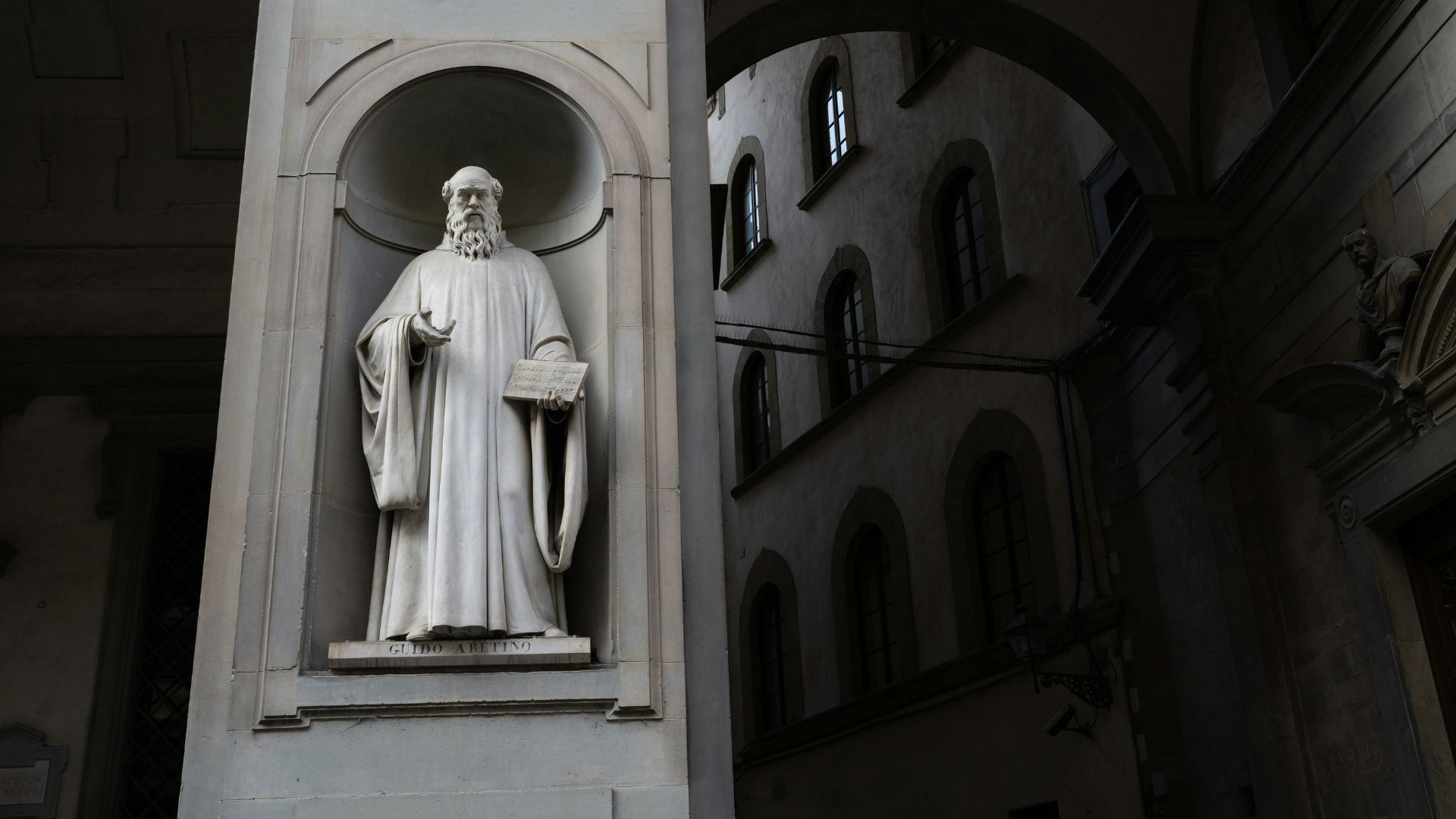
Not everyone in Quincy agreed with the plan. More than a dozen residents filed a lawsuit saying the statues cross a line between church and state. They argued that placing Catholic figures on a government building violates the state constitution’s call for religious neutrality. So, what started as a tribute to first responders turned into a legal battle. A judge later stepped in and temporarily stopped the city from moving forward with the installation.
Court Halts the Project During Legal Battle
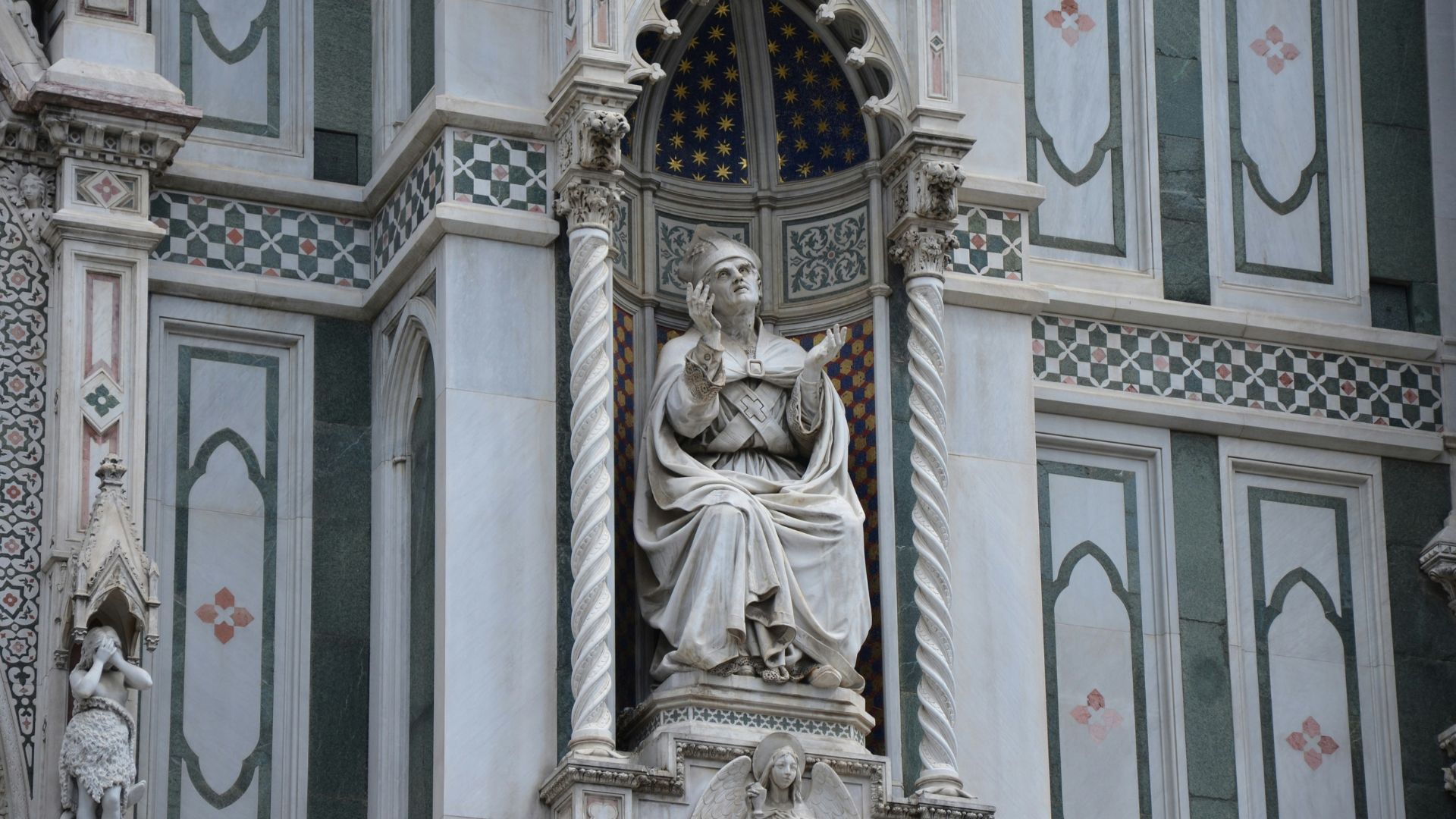
The case moved quickly once it reached court. A judge granted a preliminary injunction in mid-October, stopping the city from putting up the statues while the lawsuit moves forward. The ruling doesn’t end the case, but it puts everything on hold for now. Mayor Koch said the city plans to appeal because officials still believe the statues honor service and bravery, not faith. So, for the moment, the figures will stay in storage.
Mayor Koch Defends the City’s Decision
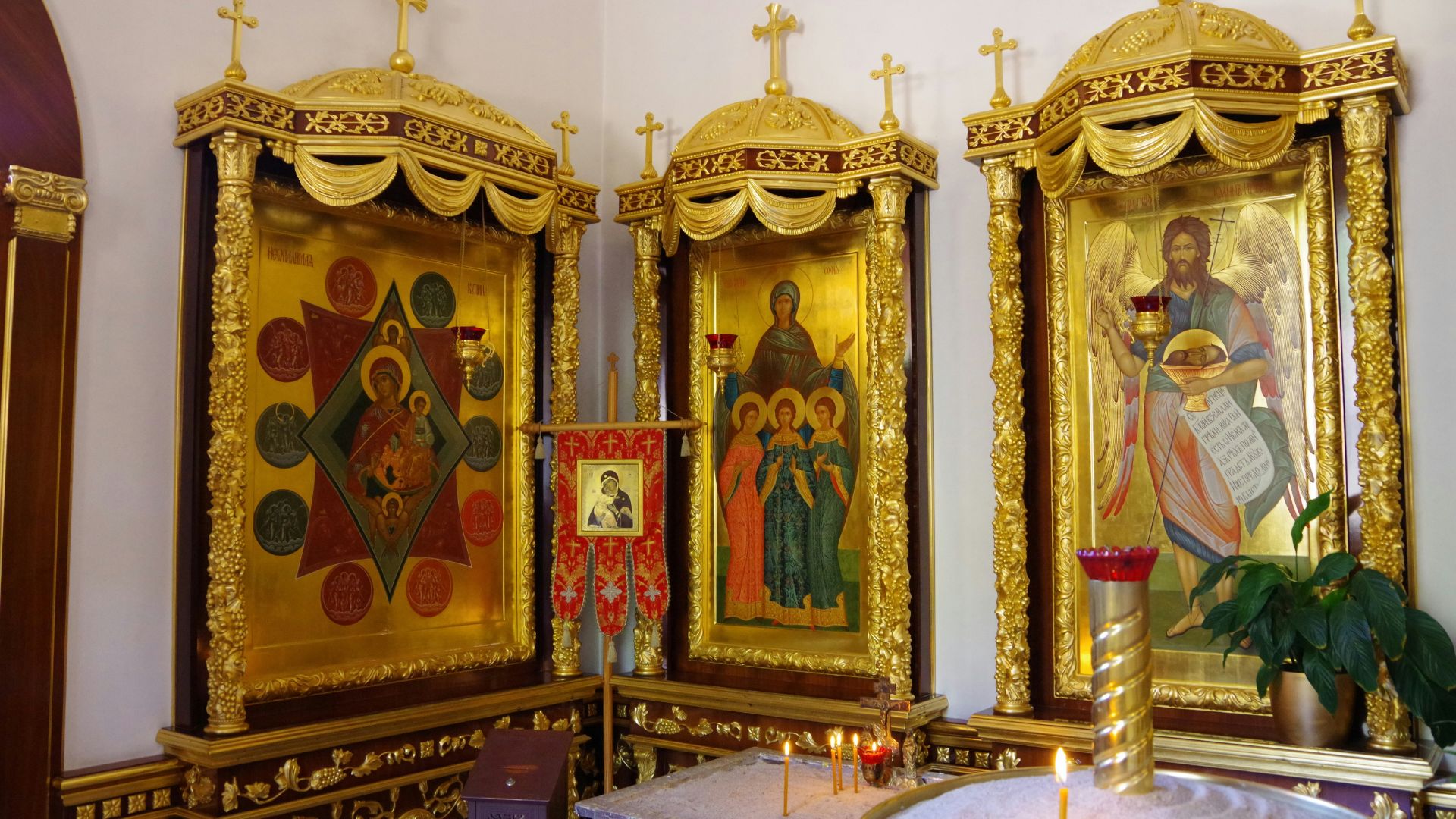
Mayor Thomas Koch stood by his choice to include the statues, saying they were never meant to promote religion. He explained that St. Michael and St. Florian are long recognized as symbols of courage within police and fire departments. So, he saw them as a fitting way to honor local first responders. Koch said the city plans to appeal the court’s decision because officials believe the statues simply celebrate bravery and service in Quincy.
Becket Fund Steps In to Represent Quincy
The city didn’t face the lawsuit alone. The Becket Fund, a legal group known for defending religious liberty cases, stepped in to represent Quincy. The organization said its goal is to protect the right to express faith in public life. It’s the same group that represented Hobby Lobby in a major Supreme Court case involving employer health coverage and religious beliefs. So, Quincy’s defense quickly drew national attention from both supporters and critics of the statues.
Similar Lawsuits Over Religious Displays Nationwide

The fight in Quincy isn’t happening in isolation. Other states have faced similar lawsuits over displays of religious symbols, including efforts to post the Ten Commandments in public school classrooms. Those debates have sparked questions about how far government spaces can go in showing faith-related imagery. So, the conversation around the statues connects to a much bigger national discussion about where religious expression fits in public institutions today.
Trump-Era Views on Religious Liberty and Government

The national debate over religion in public life also grew during the Trump administration. Trump often spoke about bringing faith back into government spaces. His Religious Liberty Commission argued that the First Amendment allows the government to promote religion rather than stay completely neutral. So, those statements encouraged states and cities to test new limits, leading to lawsuits like the one in Quincy and sparking even more questions about how far those freedoms should go.
Long History of Court Rulings on Public Religious Symbols
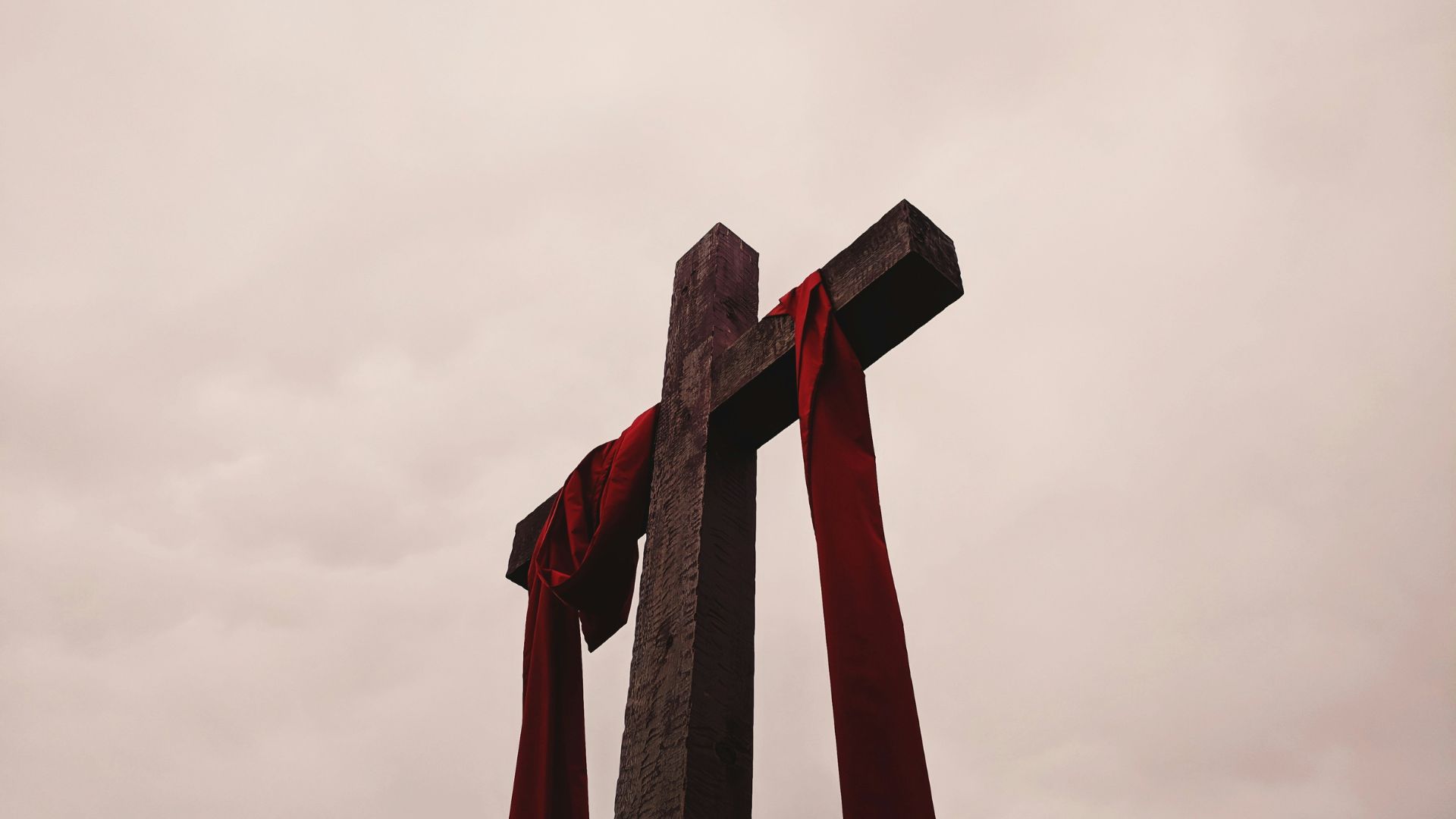
Arguments about religious symbols on public property have been around for decades. The Supreme Court has handled many of them, including a 2019 case that allowed a large cross to stay on government land in Maryland. The court said it had taken on a historical meaning beyond religion. Years earlier, a case in Rhode Island permitted a nativity scene at a city display, saying its connection to religion was limited and mostly part of a broader holiday celebration.
Debate Over Faith and Public Spaces Continues

The conversation in Quincy shows how questions about faith and government keep sparking nationwide discussions. Some see the statues as art that honors service, while others believe they blur the line between church and state. The court’s final decision will likely shape how cities handle public displays in the future. For now, many are watching closely to see how Quincy’s story unfolds and what it could mean elsewhere.