Why Your Backyard Could Be Inviting Ticks (And How to Stop It)
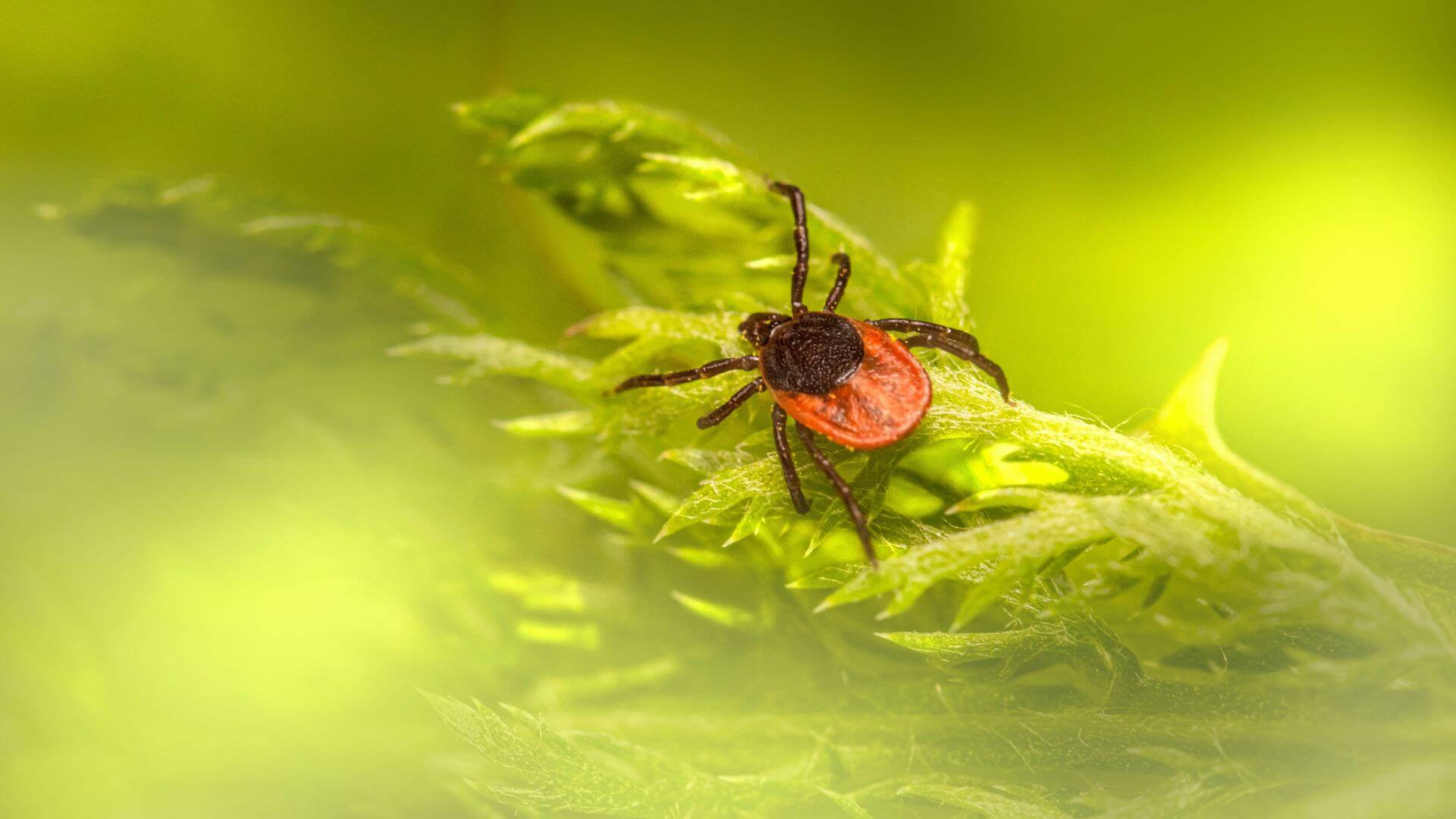

Ticks are drawn to certain landscapes and plant choices, and without realizing it, your yard might be rolling out the welcome mat.
From overgrown grass to moisture-loving plants, these sneaky culprits create the perfect environment for ticks to thrive. The good news is that a few strategic changes can make your outdoor space far less inviting to them.
Here’s how to spot the problem areas and take simple, effective steps to keep ticks at bay.
Tick-Attracting Trees Are Setting Up Shop
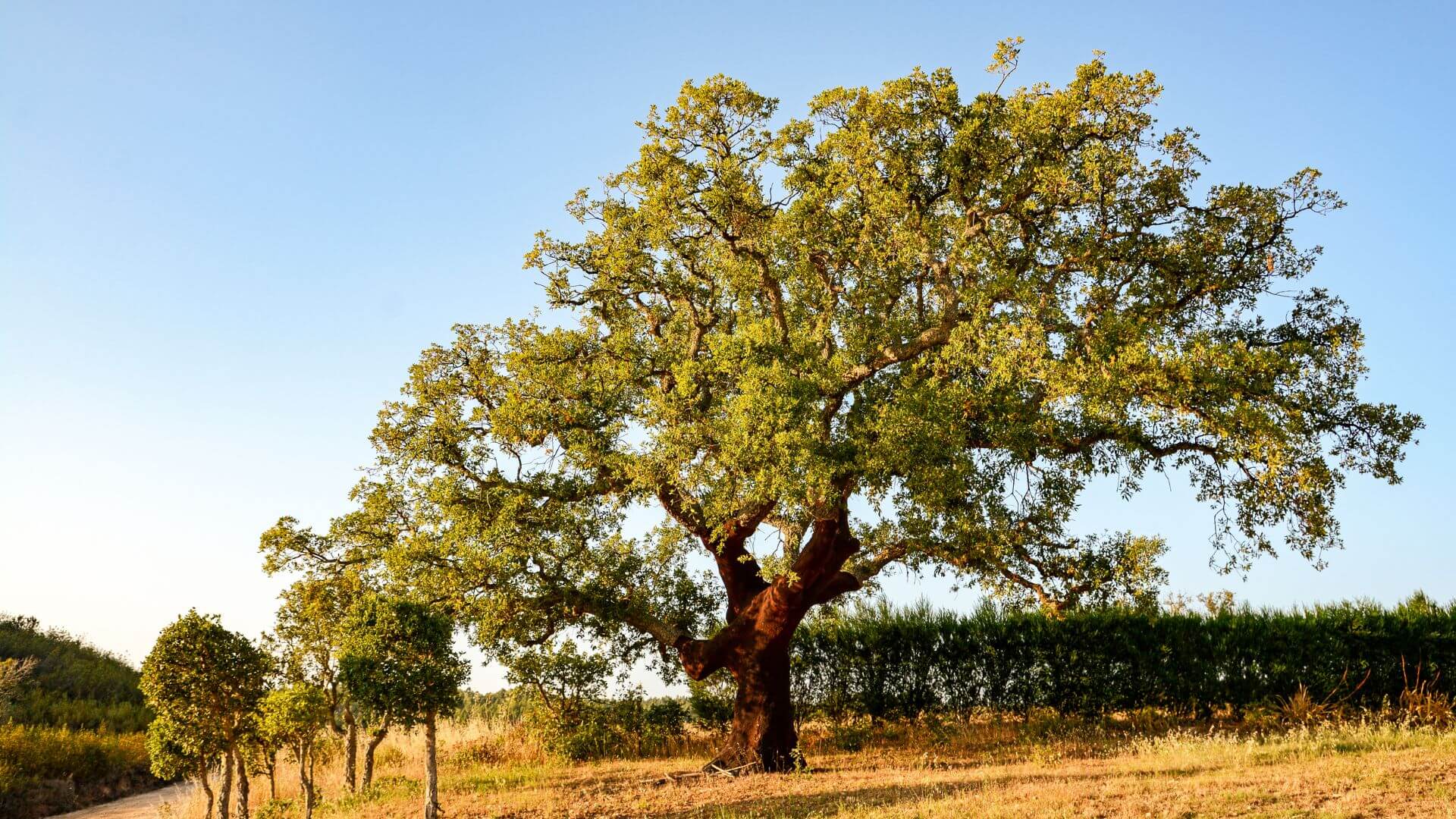
Trees like oak, hickory, and beech might be gorgeous, but they’re also tick magnets that create ideal conditions for these pests to thrive.
These deciduous giants drop leaves that create perfect hiding spots while their broad canopies provide the shade that ticks absolutely love. The bark crevices and leaf litter around these trees offer protection and moisture that ticks need to survive.
While you don’t need to chop down your favorite shade tree, understanding this connection helps you take targeted action in these high-risk areas.
Untrimmed Grasses Are Tick Highways

That overgrown grass you’ve been meaning to cut isn’t just an eyesore—it’s basically a tick superhighway leading straight to your ankles.
Long grasses provide the perfect launching pad for ticks to grab onto passing hosts (that’s you, your kids, and your pets).
These areas stay moist longer after rain or morning dew, creating the humid conditions that ticks need to prevent drying out.
Ground-Covering Plants Are Tick Hideouts

Clover, squash, and legumes might seem like innocent garden additions, but they’re creating cozy tick condos right in your yard.
These low-growing plants provide the perfect combination of shade, moisture, and protection that ticks need to survive and reproduce. The dense foliage creates microclimates that stay consistently humid, while the proximity to the ground makes it easy for ticks to hop onto passing hosts.
Consider replacing these tick-friendly ground covers with less appealing alternatives that still beautify your landscape.
Low-Hanging Branches Create Tick Launching Pads
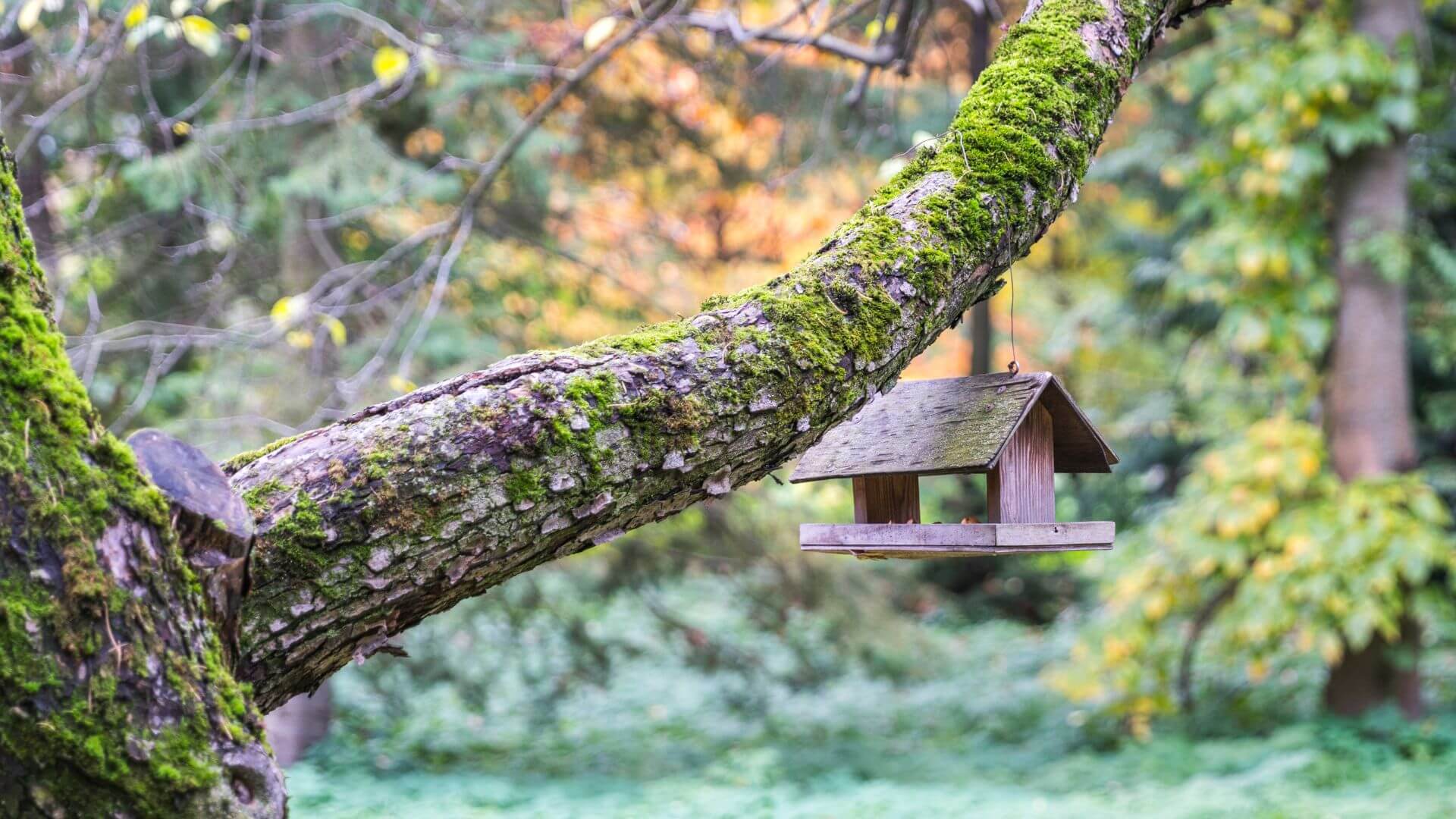
Spruce and pine trees with branches that dip close to the ground are basically giving ticks VIP access to you and your family.
These evergreen branches create perfect pathways for ticks to climb up and wait for their next victim to brush past.
The dense needles and year-round foliage provide consistent shelter and maintain the moisture levels that ticks love.
Unmanaged Moisture Is a Tick Paradise
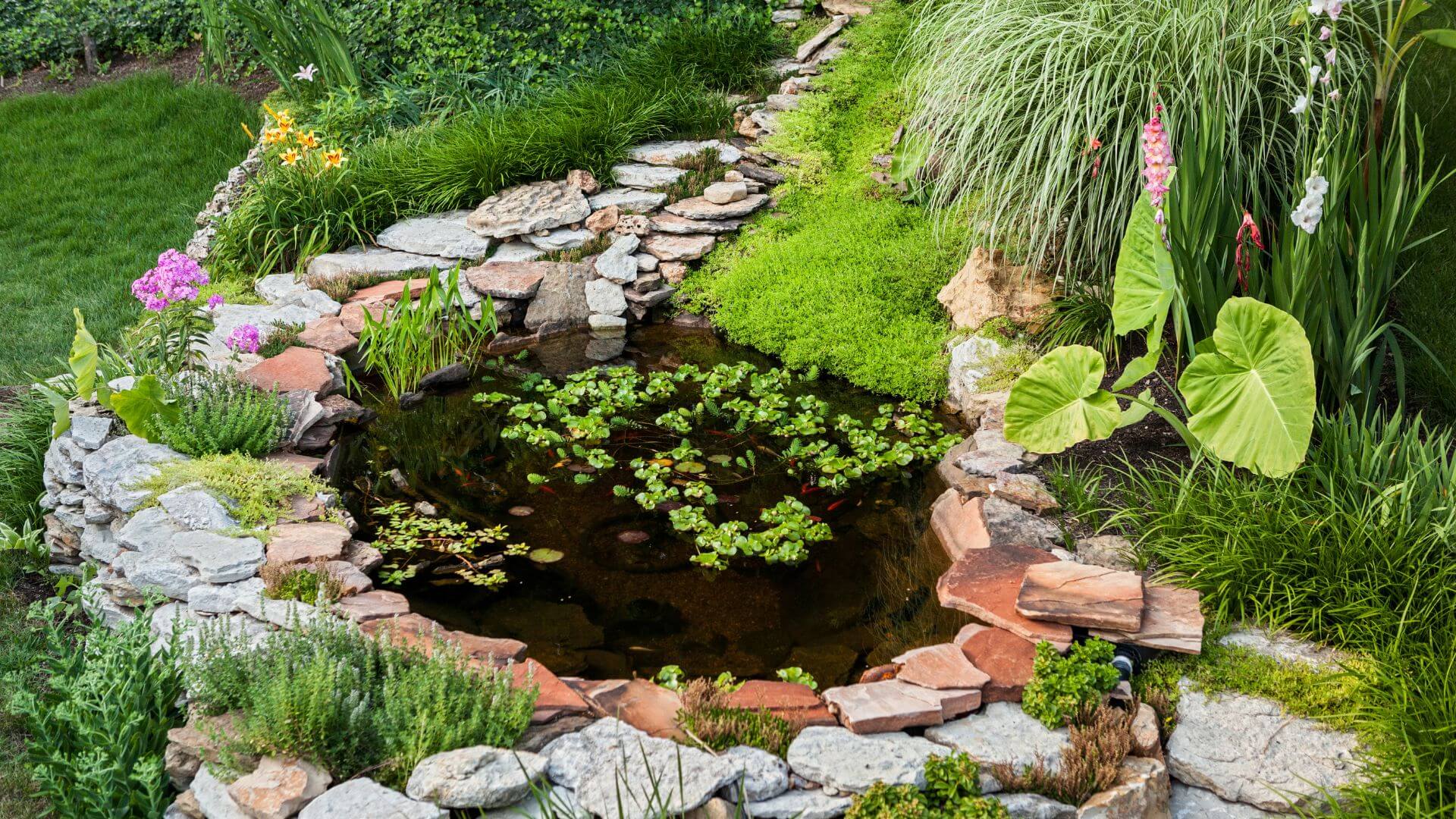
High moisture environments don’t just support diverse ecosystems—they’re rolling out the welcome mat for ticks and their favorite hosts.
Plants like reeds, sedges, and cattails create consistently damp conditions that ticks thrive in, while stagnant water areas become breeding grounds for the insects and small animals that ticks feed on.
These soggy spots also attract the rodents and wildlife that carry ticks into your yard in the first place.
Dense Foliage Trees Are Tick Apartments
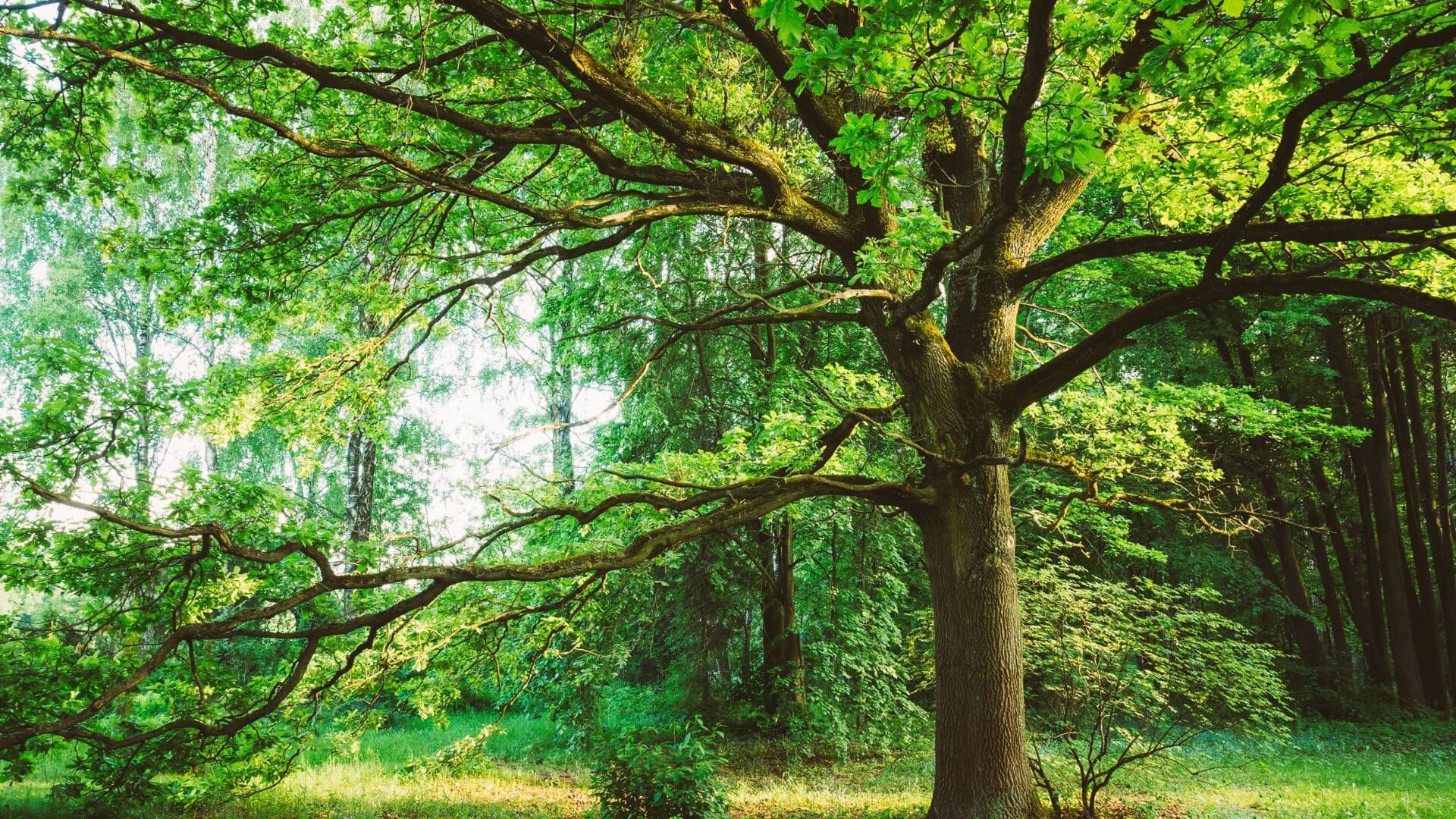
Deciduous trees with thick, leafy canopies create the perfect tick apartment complex with multiple floors of hiding spots and consistent shade.
These trees block sunlight from reaching the ground, maintaining the cool, moist conditions that ticks need to survive hot, dry weather.
The dense foliage also provides protection from wind and creates stable microclimates that ticks find irresistible.
Leaf-Dropping Trees and Plants Are Tick Hotels

Maple and fruit trees might be lovely additions to your landscape, but all those falling leaves are building luxury hotels for ticks.
The constant leaf drop creates thick layers of debris that stay moist and provide perfect hiding spots for ticks to wait for their next meal.
These decomposing leaves also attract the small insects and invertebrates that juvenile ticks feed on, creating a complete tick ecosystem.
Mulch Becomes Tick Central Station
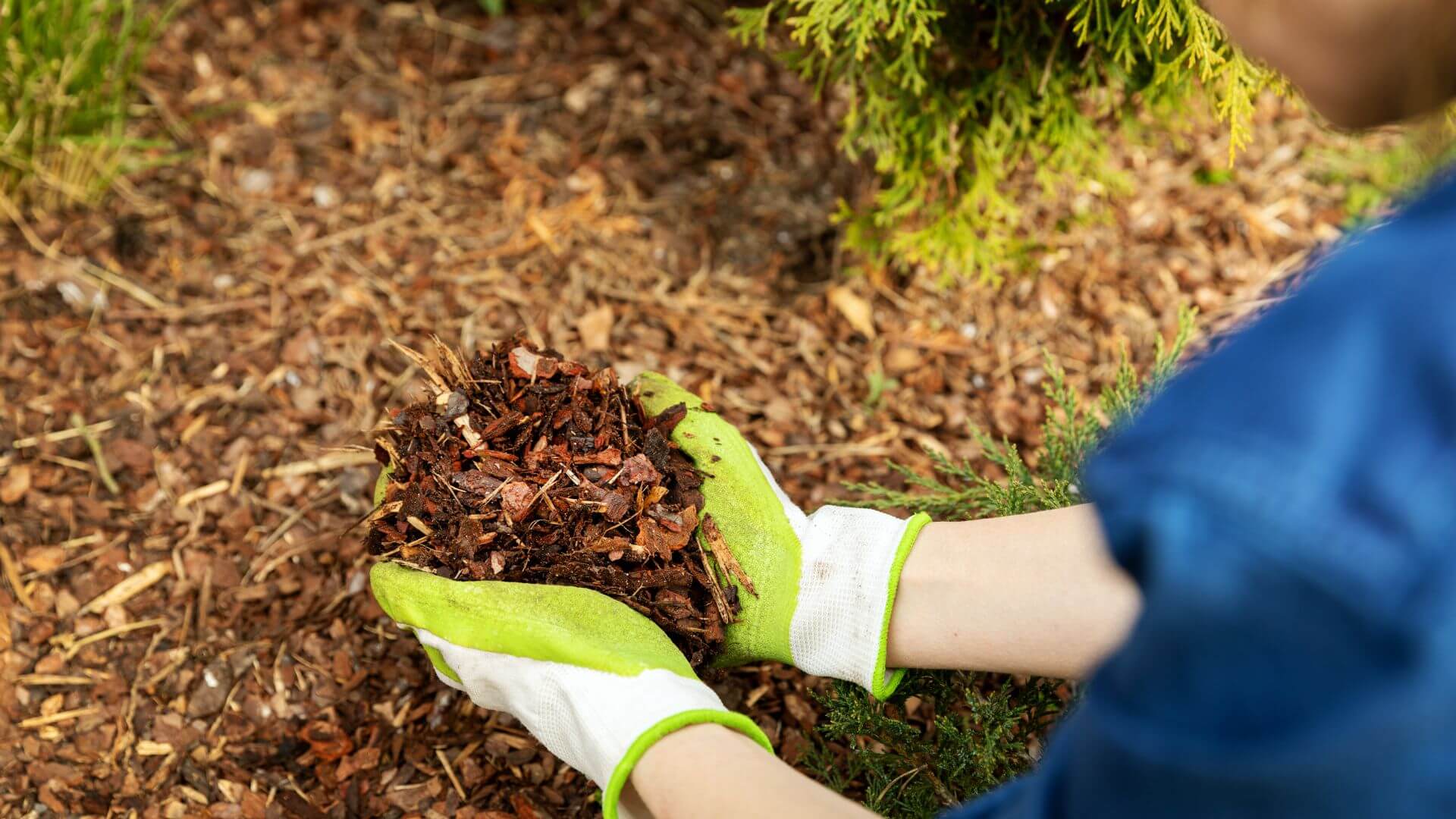
That organic mulch you thought was helping your garden might actually be creating tick headquarters right in your flower beds.
Mulch retains moisture, provides shelter, and creates the perfect environment for ticks to hide while staying protected from predators and weather. It also attracts the small creatures that ticks feed on, making mulched areas incredibly attractive to tick populations.
Consider switching to cedar mulch or inorganic alternatives that are less appealing to these unwanted guests.
Ferns Are Tick Sanctuaries

Those elegant ferns adding a woodland feel to your garden are unfortunately also providing five-star accommodations for ticks.
Ferns thrive in the same cool, moist, shaded conditions that ticks love, making them natural partners in creating tick-friendly environments. They provide excellent cover and maintain humidity levels that help ticks survive, while their preference for damp soil creates the perfect breeding ground.
If you love ferns, consider relocating them away from high-traffic areas where family and pets spend time.
Overgrown Vegetation Is Tick City

That wild, overgrown corner of your yard isn’t just unsightly—it’s basically tick city with a booming population.
Overgrown vegetation creates dense, humid microclimates that ticks absolutely love, while providing countless hiding spots and protection from predators.
These areas also attract the rodents and wildlife that serve as tick hosts, creating a complete ecosystem that supports tick reproduction and survival
Wildlife-Attracting Plants Are Tick Taxis
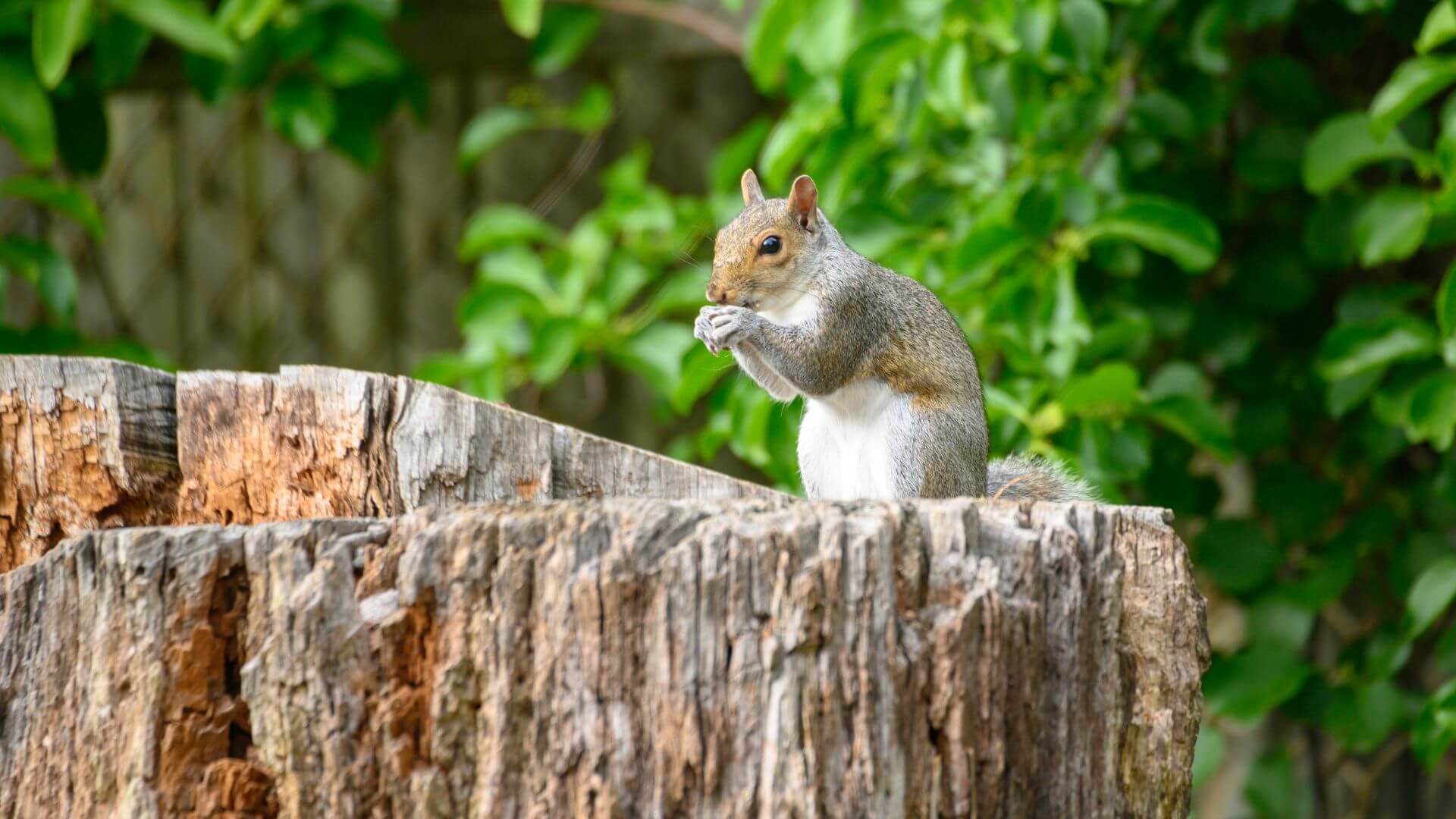
Fruit and nut trees might seem like innocent additions to your edible landscape, but they’re actually operating as tick taxi services.
These trees attract squirrels, chipmunks, and other small mammals that carry ticks into your yard and drop them off like unwanted passengers. The fallen fruits and nuts create feeding stations that draw in tick-carrying wildlife from surrounding areas.
While you don’t have to eliminate these trees, understanding their role in tick transportation helps you take preventive measures in these high-risk zones.
How to Cultivate a Tick-Free Yard

Creating a tick-free yard isn’t about turning your landscape into a barren wasteland—it’s about making smart choices that discourage these pests while keeping your outdoor space beautiful and functional.
The key is understanding what ticks need to survive and systematically removing or modifying those elements. With the right combination of maintenance, plant selection, and targeted treatments, you can significantly reduce tick populations and reclaim your yard for safe family enjoyment.
Mow Your Lawn Like Your Life Depends on It

Regular mowing isn’t just about curb appeal—it’s your first line of defense against tick invasions.
Keeping grass short eliminates the humid microclimates that ticks need to survive and removes their favorite launching pads for grabbing onto hosts. Aim for a height of three inches or less, and don’t forget to trim around trees, fences, and garden beds where ticks love to hide.
The sun exposure and air circulation that come with a well-maintained lawn create conditions that are hostile to tick survival.
Remove Leaf Litter Like You’re Spring Cleaning
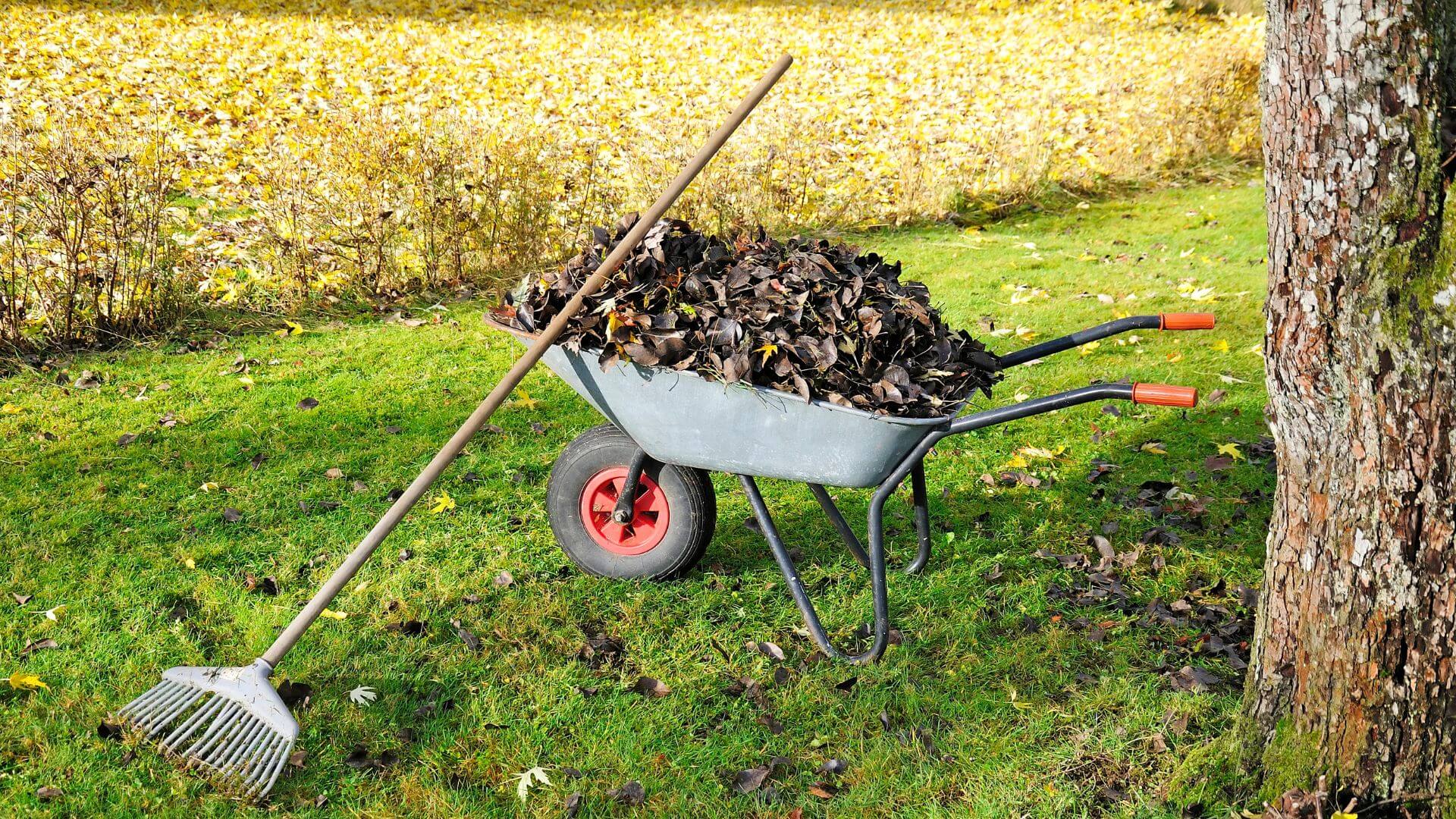
Leaf litter might look natural, but it’s basically tick real estate that needs constant eviction notices.
Regular removal of fallen leaves, especially around trees and shrubs, eliminates the moist hiding spots that ticks depend on for survival. Pay special attention to areas under oak, maple, and fruit trees where leaf accumulation is heaviest and tick populations tend to be highest.
This simple maintenance task dramatically reduces tick habitat and makes your yard far less appealing to these unwanted guests.
Create Barriers That Ticks Can’t Cross
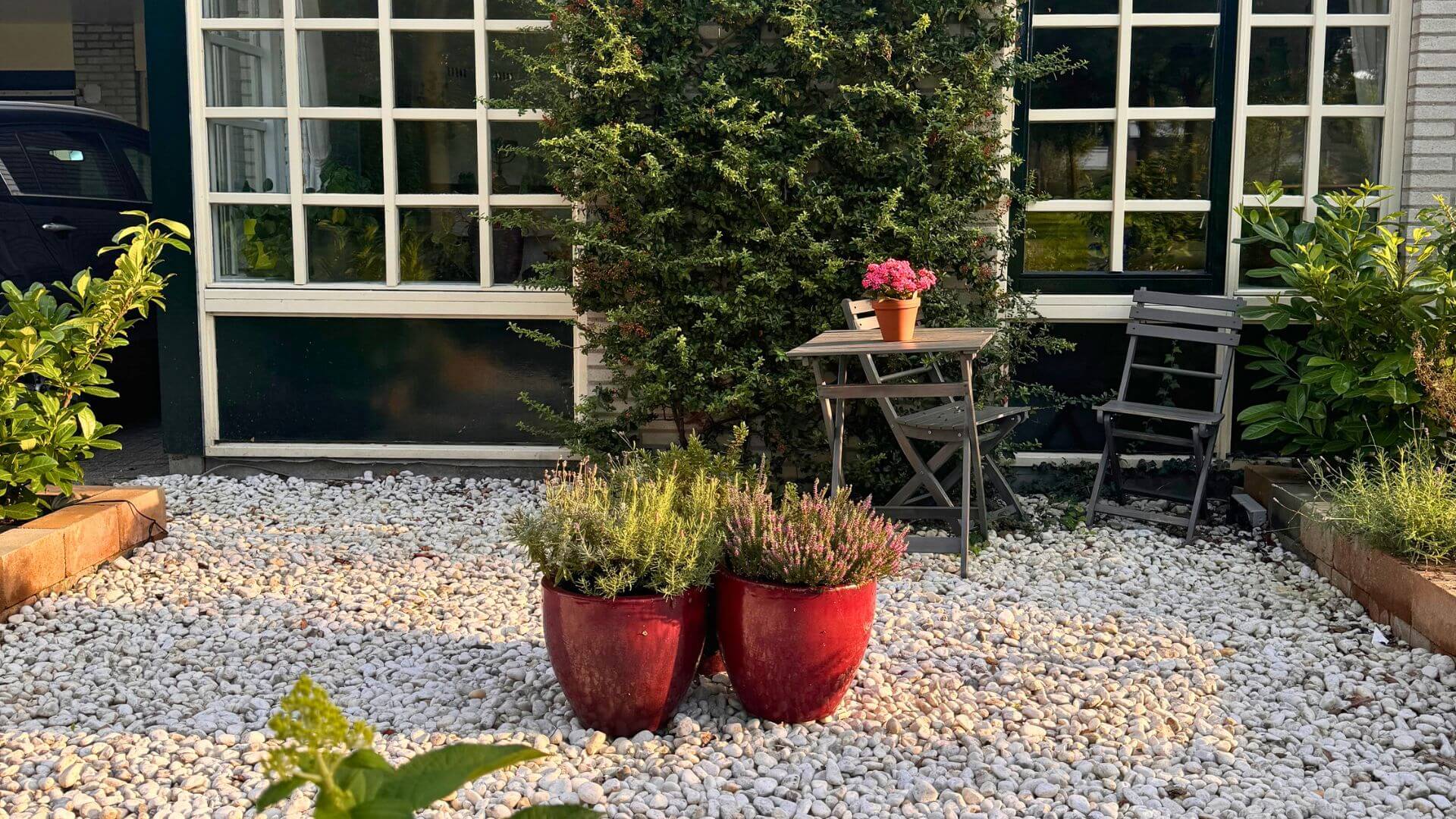
Installing a three-foot barrier of wood chips or gravel around your yard’s perimeter creates a dry, inhospitable zone that ticks struggle to cross.
This barrier works by creating conditions that are too dry and exposed for ticks to survive, effectively creating a moat around your property. Focus on areas where your yard meets wooded areas, tall grass, or other tick-friendly environments that could serve as invasion routes.
The barrier also makes it easier to spot and treat any tick activity before it reaches your main living areas.
Trim Trees and Shrubs to Eliminate Tick Condos

Strategic pruning is more than just aesthetics—it’s about eliminating the shady, humid conditions that turn your landscaping into tick condos.
Trim branches to at least three feet from the ground and thin out dense canopies to increase sunlight penetration and air circulation. Pay special attention to areas where branches hang over walkways or outdoor seating areas where family members are most likely to encounter ticks.
This simple maintenance dramatically reduces tick habitat while improving the overall health and appearance of your plants.
Keep Your Yard Dry Enough to Discourage Ticks
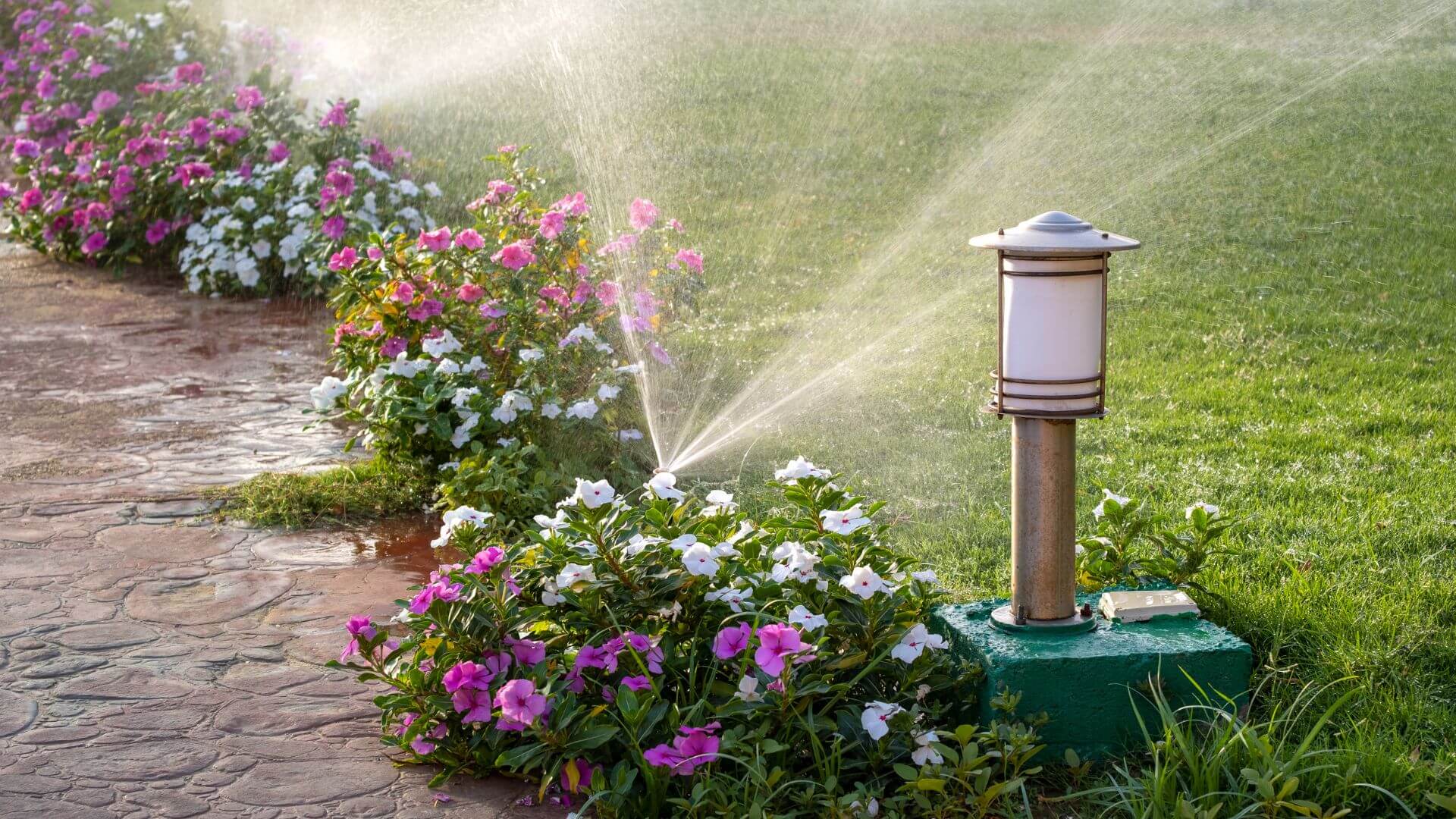
The goal isn’t to create a desert, but to manage moisture levels so your plants thrive while ticks struggle to survive.
Improve drainage in chronically wet areas, fix irrigation systems that create standing water, and ensure proper grading directs water away from outdoor living spaces. Consider replacing moisture-loving plants in high-traffic areas with drought-tolerant alternatives that still provide beauty without the tick appeal.
Smart water management creates an environment that supports your desired plants while making life difficult for ticks.
Use Tick-Repellent Plants as Natural Defenders

Certain plants naturally repel ticks and can serve as beautiful, fragrant bodyguards for your family.
Lavender, rosemary, mint, and marigolds contain compounds that ticks find offensive, making them excellent choices for borders and high-traffic areas. Plant these natural repellents around patios, walkways, and children’s play areas to create protective zones that look and smell amazing.
While they’re not 100% effective alone, these plants add an extra layer of protection while enhancing your landscape’s appeal.
Consider Nematodes as Your Invisible Army
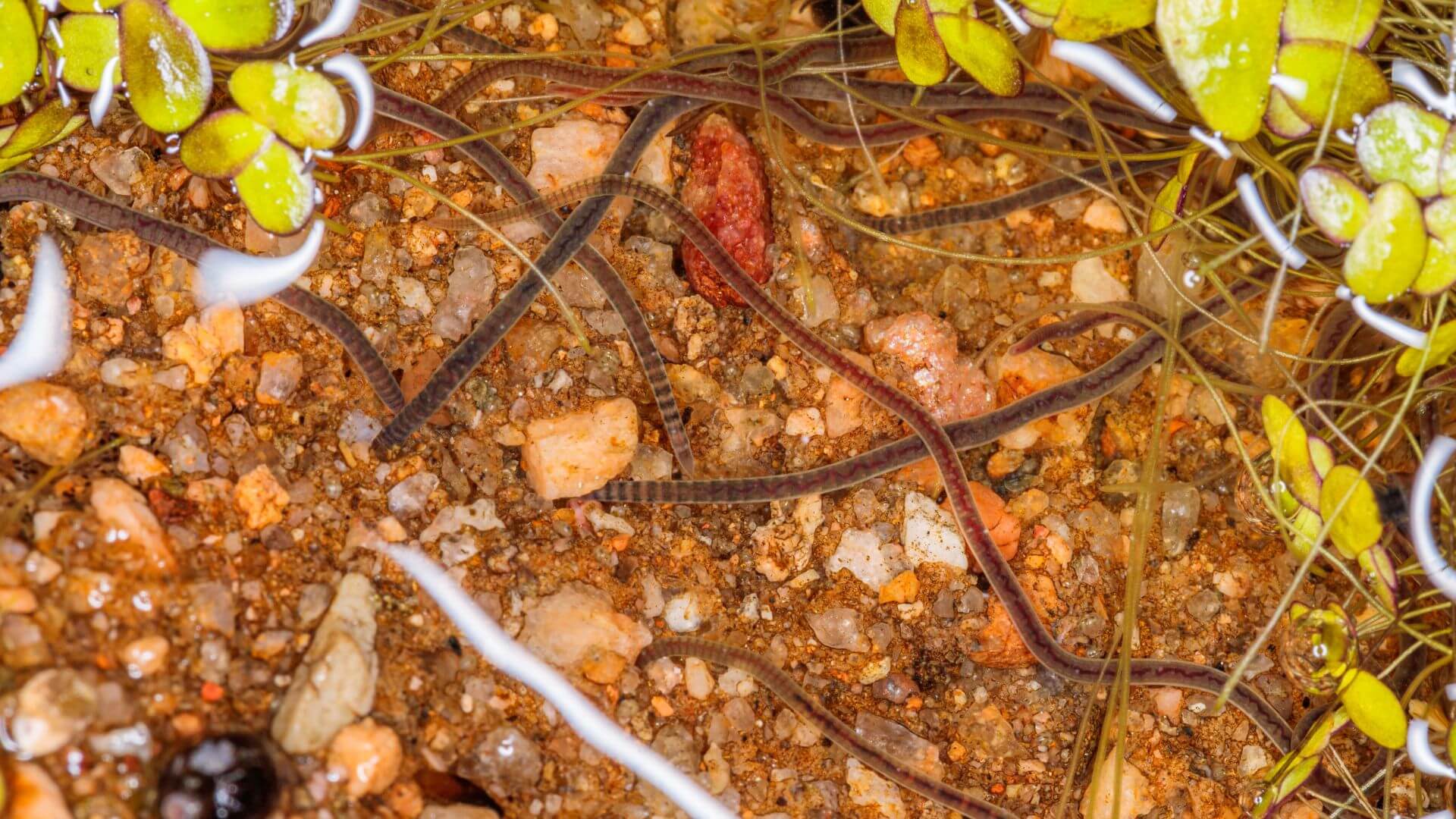
Beneficial nematodes are microscopic worms that hunt down and destroy tick larvae and nymphs in your soil—think of them as your invisible tick-fighting army.
These natural predators are completely safe for humans, pets, and beneficial insects, but they’re devastating to developing ticks. Apply them to moist soil in shaded areas where ticks are most likely to be developing, and they’ll quietly go to work eliminating the next generation.
It’s a completely natural, long-term solution that works 24/7 without any effort from you.
Apply Tick Control Products Strategically

When choosing tick control products, focus on natural, organic options that are safe for your family and pets while still being effective against ticks.
Cedar oil, essential oil blends, and diatomaceous earth can provide significant tick control without introducing harmful chemicals to your environment. If you have pets, research pet-friendly pesticides that won’t harm your furry family members who spend time in treated areas.
Apply these products strategically to high-risk areas rather than blanket-treating your entire property.
Use Tick-Control Tubes for Targeted Control
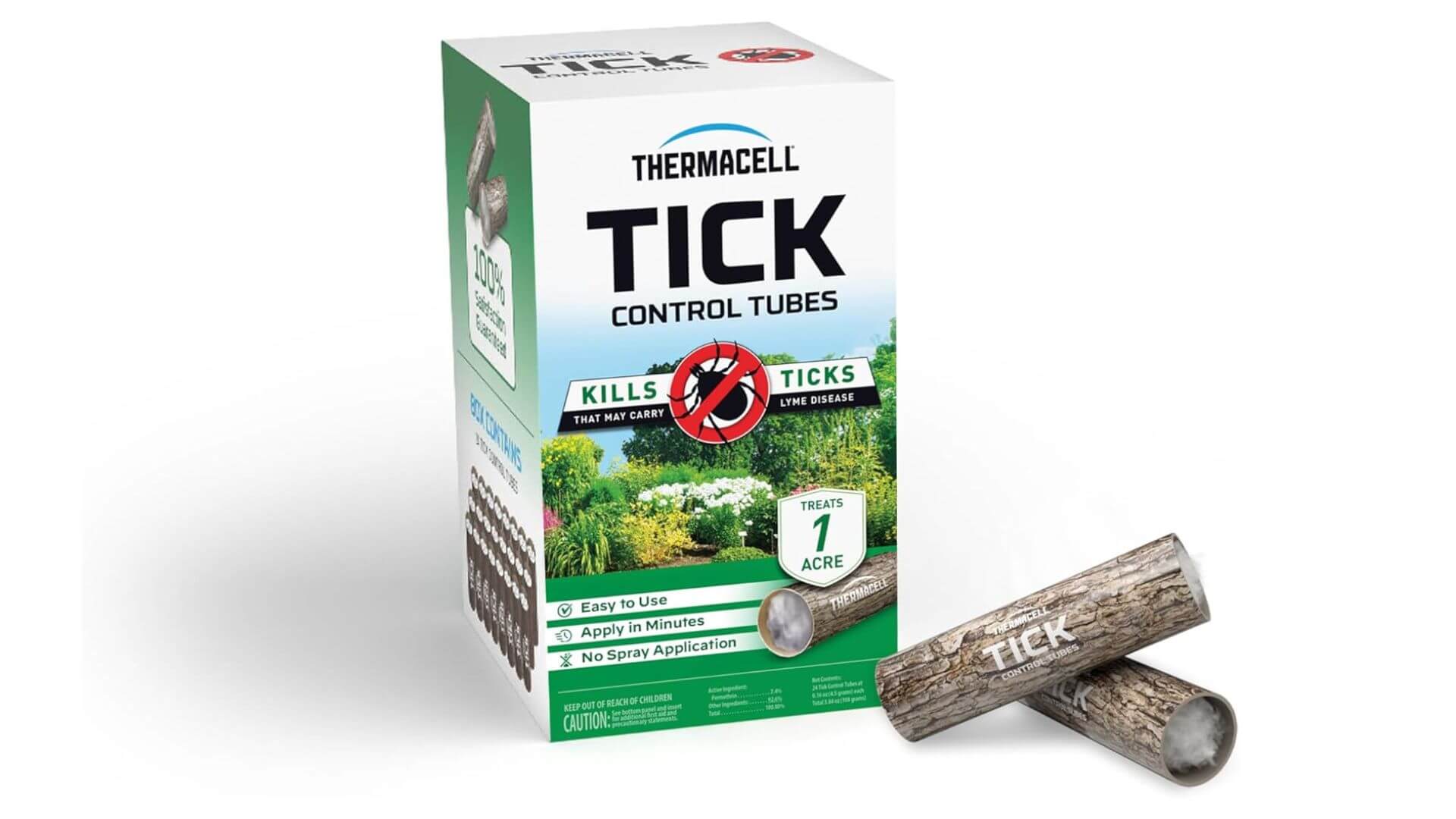
Tick-control tubes, like the ones from Thermacell, are ingenious devices that use mice to deliver tick-killing treatment directly to their nests, essentially turning the tick taxi service against itself.
These tubes contain cotton treated with permethrin that mice take back to their nests, killing ticks that try to feed on the treated mice. Place them around your property’s perimeter and near areas where you’ve noticed rodent activity for maximum effectiveness.
It’s a targeted approach that disrupts the tick life cycle without requiring you to treat your entire yard.
Companion Planting for Natural Protection

Companion planting is a smart strategy for creating natural tick barriers throughout your landscape.
Plant tick-repelling herbs like rosemary and thyme alongside your favorite flowers, or use marigolds as colorful borders around vegetable gardens. Strong-scented plants like garlic, chives, and catnip can also help deter ticks while serving practical purposes in your garden.
This approach creates a multi-layered defense system that’s both beautiful and functional.
Improve Your Landscape Design to Eliminate Tick Habitat

Strategic landscape design can dramatically reduce tick populations by eliminating the conditions they need to survive and thrive.
Create open, sunny areas with good air circulation, use hardscaping to reduce organic debris, and design plant groupings that don’t create dense, humid microclimates. Consider raised beds for vegetables and flowers to improve drainage and reduce ground-level tick habitat.
Smart design choices can make your yard naturally inhospitable to ticks while creating a more enjoyable outdoor space for your family.
Attract Natural Enemies to Fight Your Battles
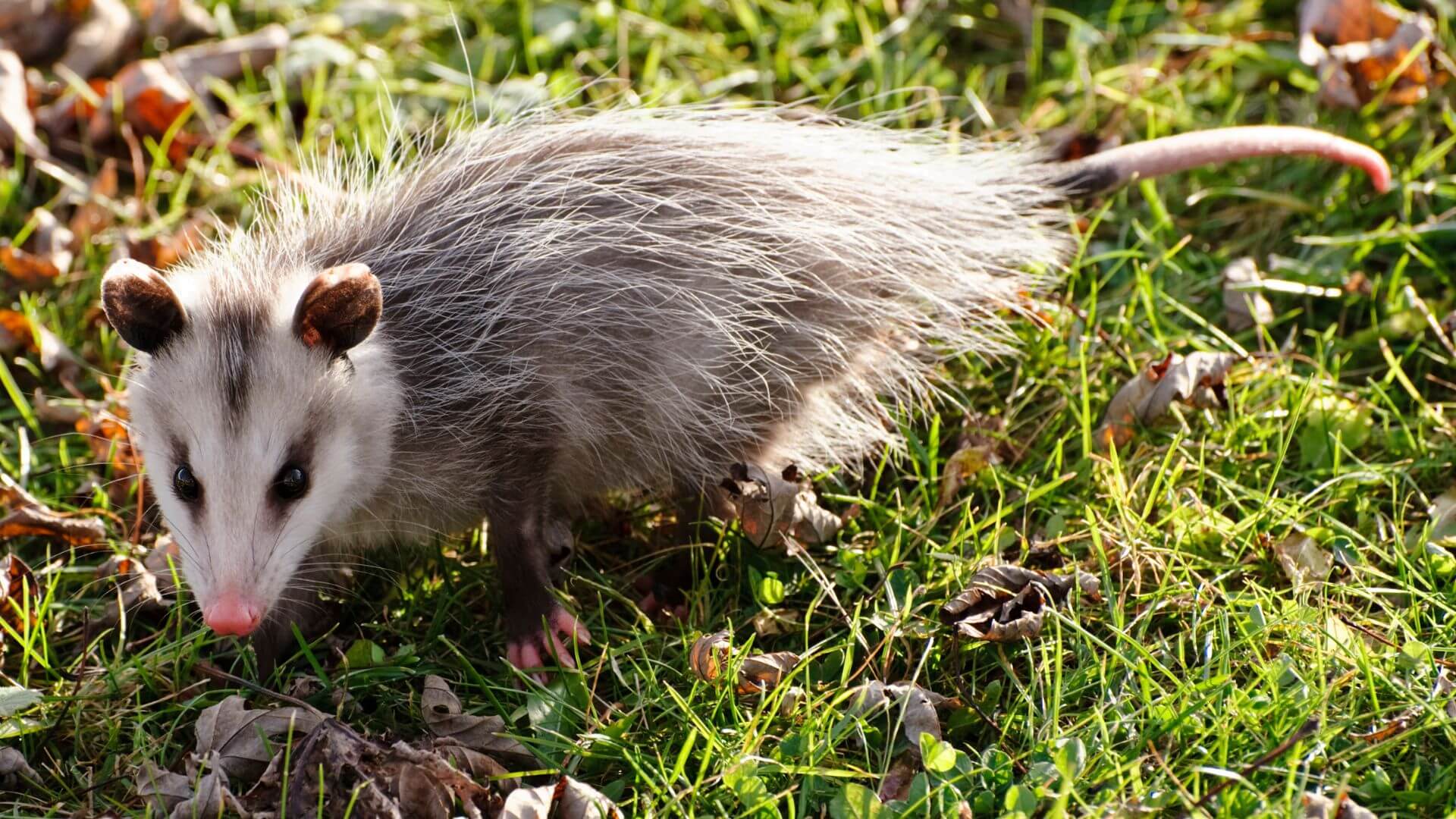
Birds, opossums, and other small mammals are voracious tick eaters who can help control populations naturally, but attracting them requires smart management.
Install bird houses and feeders to encourage tick-eating birds, but place them away from high-traffic areas to avoid conflicts. Create habitat for beneficial wildlife while maintaining enough control to prevent them from becoming nuisances themselves.
The key is finding the right balance that harnesses natural tick control without creating new problems in your yard.
Regular Maintenance Is Your Best Defense

Consistent yard maintenance is like brushing your teeth—it might seem boring, but it’s essential for preventing bigger problems down the road. Establish a regular schedule for mowing, pruning, leaf removal, and general cleanup that keeps tick habitat from developing in the first place.
Weekly maintenance is far easier than dealing with established tick populations, and it keeps your yard looking great while protecting your family’s health. Think of it as preventive medicine for your landscape that pays dividends in safety and enjoyment.
A Few Changes Go a Long Way

By understanding what attracts ticks and systematically addressing those factors, you can reclaim your backyard for safe family enjoyment.
The combination of proper maintenance, strategic plant choices, and targeted treatments creates an environment that’s hostile to ticks but perfect for making memories.
Your yard should be a place of joy, not worry, and with these strategies, it can be exactly that.