Public Erupts in Anger After CIA Finally Declassifies Document on Possible Cancer Cure Hidden for 60 Years
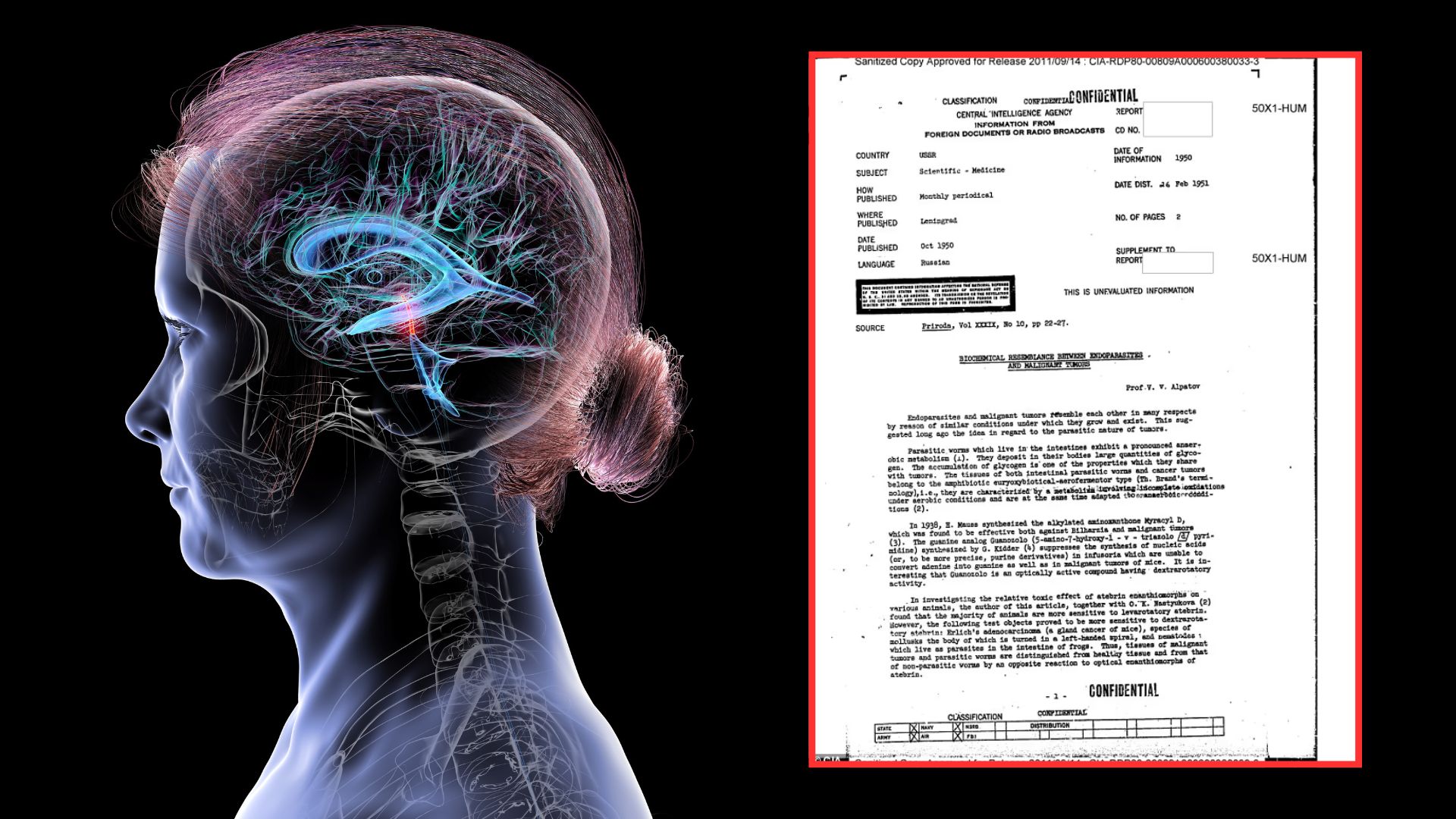

A document buried inside U.S. intelligence archives for decades has exploded onto the internet, and people are furious. The file, stamped “CONFIDENTIAL,” was produced by the CIA in February 1951 and sat locked away for more than 60 years before it was declassified. Now that the public has seen what’s inside, the reaction has been swift and angry. At the center of it all is a troubling question: Did American intelligence once hold early clues to fighting cancer and say nothing?
The document itself is two pages long. It summarizes a Soviet scientific paper published in 1950 in a journal called Priroda, written by Professor V.V. Alpatov, a researcher studying organisms that live inside the body. His findings were startling for the time: parasitic worms and malignant tumors appeared to share deep biological similarities, not just in appearance, but in how they survive and grow inside a human host.
What made the CIA pay attention was the implication underneath the science. If parasites and cancer cells operate in similar ways, then drugs designed to kill parasites might also be able to attack tumors. The Soviets had tested compounds, observed results in laboratory animals, and compiled their findings into a published paper that American intelligence analysts considered significant enough to translate and circulate internally.
The CIA filed it away, labeled it “unevaluated information,” and the world moved on. But in 2014, the document was quietly released as part of a routine declassification process. It sat on the CIA’s own website for years, largely unnoticed, until social media found it in early 2026. Since then, the fallout has been relentless.
What the Soviet Scientists Actually Discovered
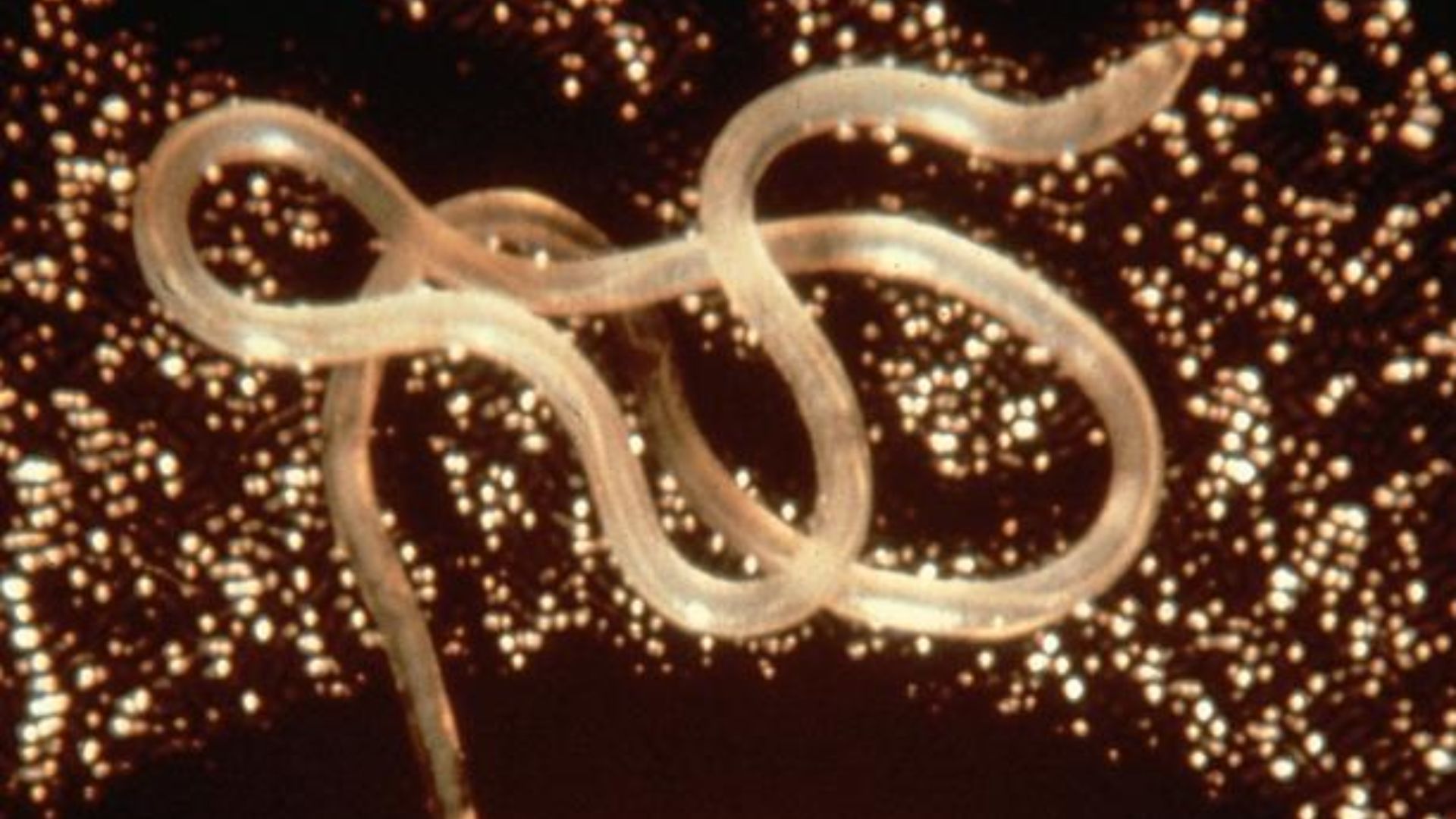
The Soviet research was built around a striking biological observation. Parasitic worms that live inside the human intestine survive in low-oxygen environments using a process called anaerobic metabolism. They do not need large amounts of oxygen to generate energy. Tumor cells appear to behave in a comparable way, often relying on altered metabolic pathways that allow them to survive in oxygen-poor conditions inside the body. To researchers in 1950, the overlap was too significant to ignore.
Both parasites and tumors were also found to stockpile glycogen, a molecule cells use to store energy. Scientists noted that cancer cells behave like parasites to evade the host’s immune system and steal nutrients, a concept that is still explored in contemporary research. was not fringe thinking then, and it is not fringe thinking now. The metabolic behavior of tumors remains one of the most studied areas in modern oncology.
The researchers also tested a drug called Myracyl D, a compound first synthesized in 1938 to treat bilharzia, a disease caused by blood-dwelling parasites. According to the Soviet research, the drug also showed activity against malignant tumors, suggesting that medicines developed to fight parasites might also influence cancer cells. This finding sat in a CIA file for over six decades before the public laid eyes on it.
A second compound discussed in the report was Guanozolo, which interferes with the production of nucleic acids, the chemical backbone of DNA. In laboratory tests on mice, the substance slowed the replication of cancer cells. Because tumors grow by dividing rapidly and uncontrollably, disrupting that process is one of the core goals of cancer treatment today. The Soviets were exploring that principle in 1950.
How the Public Found Out and Why They Are Angry
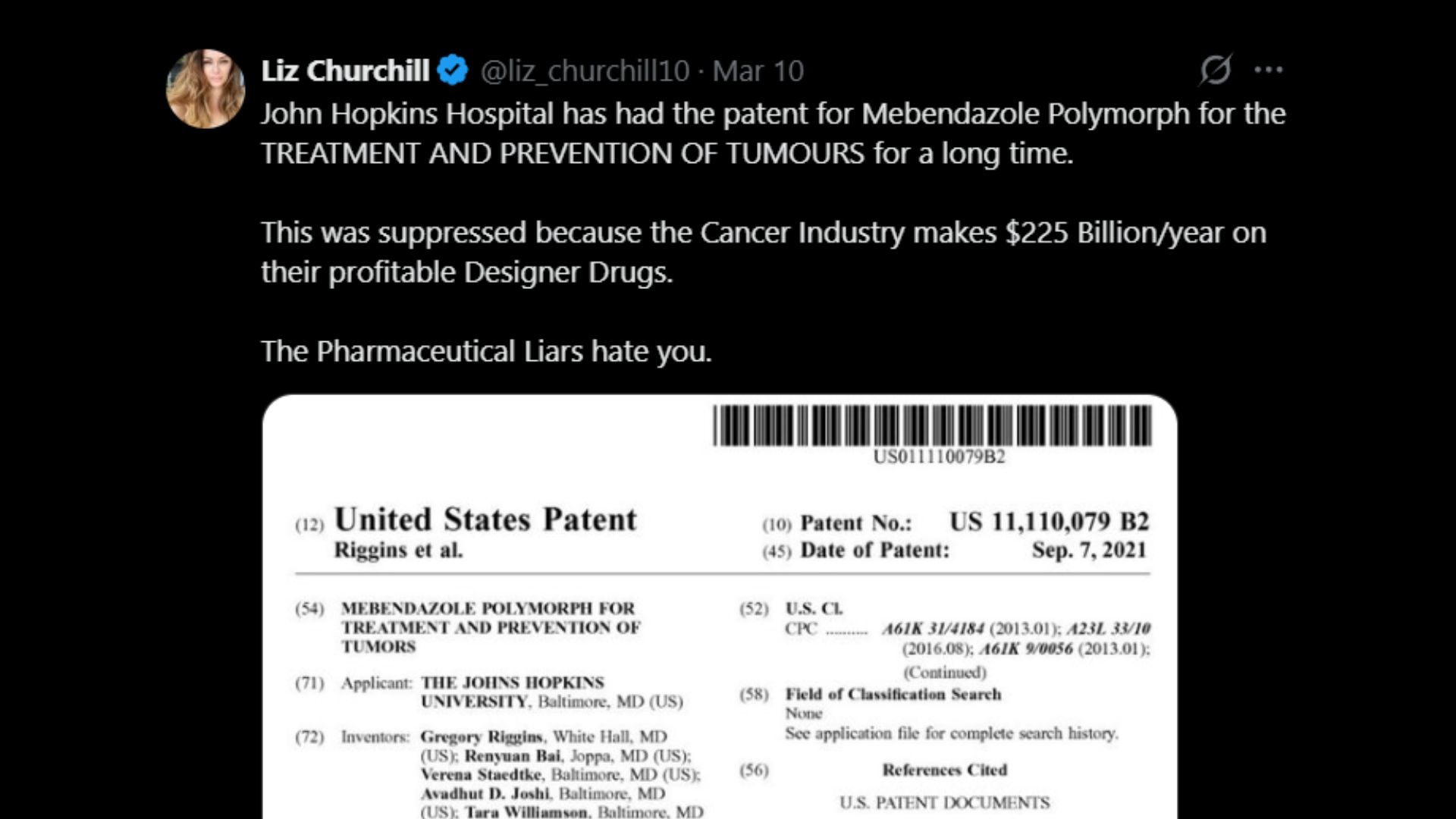
When the document began circulating widely on social media in early March 2026, the reaction was immediate. Users on X shared the files with captions that ranged from shock to outrage. “The Americans knew. They read it, classified it CONFIDENTIAL, and locked it in a vault for 60 years,” one person wrote, sharing the CIA documents in the post. Another declared, “The CIA knew from 1951 that cancer was parasites.”
The anger was not limited to fringe corners of the internet. Mainstream users joined in, many asking why early-stage research that pointed toward possible cancer treatments had been sitting inside an intelligence archive while millions of people died of the disease. Some pointed to the pharmaceutical industry, arguing that cheap antiparasitic drugs would threaten the profitability of expensive chemotherapy and immunotherapy treatments that can cost patients more than $100,000 a year.
Others went further. “They hide cures because big pharma wouldn’t be able to make money from maintenance medicine and prolonged chemo therapies. End of the day, it’s the cancer of capitalism that will kill us all,” one user wrote on X. The post drew thousands of likes and shares within hours. Within days, the topic was trending in multiple countries.
Historians and intelligence analysts pushed back, pointing out that the CIA routinely classified Soviet scientific papers during the Cold War, including research on agriculture, physics, and medicine. The document was declassified in 2014 as part of a standard Freedom of Information Act release and has been publicly available for over a decade. There is no evidence it was withheld to protect pharmaceutical profits or hide a cancer cure. The CIA itself labeled the contents “unevaluated information,” meaning analysts noted its existence but made no judgment on its accuracy.
What the Document Does and Does Not Say
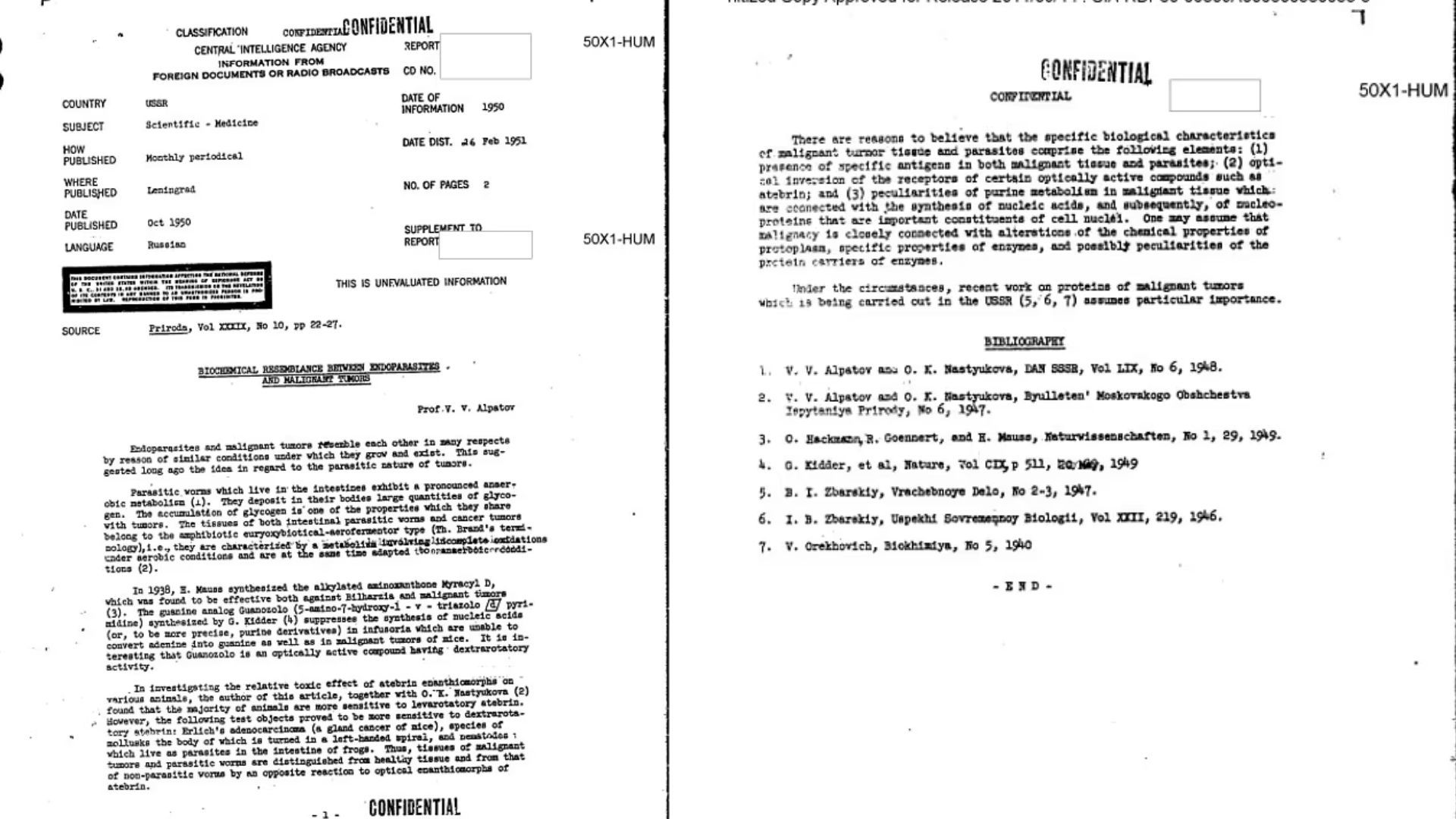
This is where the facts matter most. The CIA did not hide a cancer cure. The agency did not endorse the document’s contents, did not advance its findings, and did not classify it to suppress a treatment. American intelligence translated and filed the Soviet paper because monitoring foreign science was standard Cold War practice. The document does not claim that cancer is caused by parasites. It records early observations that the two share certain biological features.
The distinction is important. Modern medicine is clear: the vast majority of cancers arise from mutations in the body’s own cells, triggered by factors like genetics, aging, tobacco, sun exposure, certain viruses, and environmental exposures. These are not foreign invaders. They are the body’s own cells turning against themselves. That understanding is built on decades of research that did not exist when Alpatov wrote his paper in 1950.
That said, science does recognize limited but real connections between certain parasites and specific cancers. Liver flukes are linked to bile duct cancer. The bacterium H. pylori raises the risk of stomach cancer. The parasite Schistosoma is associated with bladder cancer. These are well-documented, well-studied exceptions. But they do not mean all cancer is parasitic in origin, which is what many of the viral posts claimed the CIA document proved.
The strongest, evidence-based reading of the document is that it is historically interesting and warrants scientific follow-up, not that it proves a buried cure. Experts who reviewed it this week were consistent on that point. The file is genuine. The science behind it is partially valid. The conclusion being drawn online, however, goes far beyond what the evidence supports.
The Real Science Behind Parasites and Cancer Today
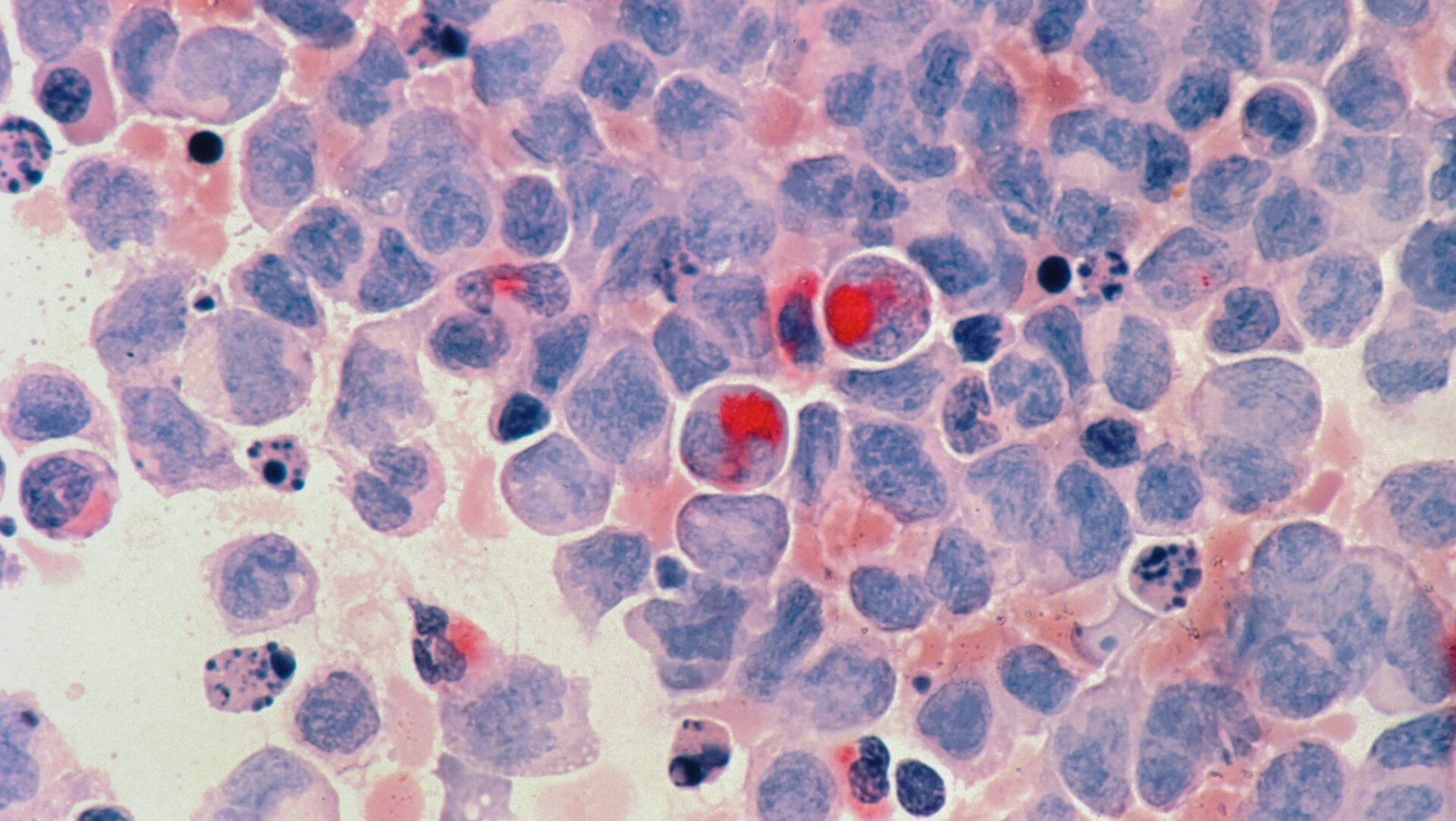
What makes this story more than a conspiracy theory is that serious researchers are, in fact, studying the overlap between antiparasitic drugs and cancer. Cancer biologist Dr. Thomas Seyfried of Boston College has argued that parasites and cancer cells share certain mitochondrial energy pathways, so drugs designed to kill parasites can sometimes hit those same pathways in tumors. That is a legitimate and active line of research.
Ivermectin, best known as an antiparasitic drug that transformed global health, is now being investigated for a role in oncology. Laboratory and preclinical studies suggest it may interfere with cancer cell growth, promote tumor cell death, and enhance immune recognition of tumors. These findings are preliminary, but they are being taken seriously in clinical settings. The CIA document did not create this line of inquiry. But it shows how early the biological logic behind it was recognized.
The connection was not entirely lost to history, either. A 2017 report highlighted a Johns Hopkins cancer researcher who observed that rats given both cancer and pinworms saw their tumors shrink after treatment with antiparasitic medication. The finding echoed what Alpatov had described in 1950. It did not prove a cure, but it reinforced that the relationship between parasites and tumor biology is real enough to study seriously.
The science remains unfinished. Researchers are careful to stress that laboratory results in mice and cell cultures are a long way from proven human treatments. No antiparasitic drug has been approved to treat cancer in a general clinical setting. But the growing body of preclinical work signals that the Soviet observations, once filed away in a CIA vault, were pointing in a direction that modern science is now actively exploring.
Why This Story Hit So Hard in 2026

The timing of the viral moment matters. Public trust in institutions, including intelligence agencies, government health bodies, and pharmaceutical companies, has been under sustained pressure for years. When a document emerges showing that the CIA held research touching on a possible cancer connection and kept it classified for six decades, people do not interpret it charitably. They interpret it through the lens of what they already believe about who gets protected and who gets left behind.
Cancer is not an abstract threat. It is personal. More than 600,000 people die from cancer in the United States alone every single year. For families who have lost someone, or who are in the middle of losing someone right now, the idea that early research was buried rather than pursued is not a political talking point. It is a source of real grief and real anger. That emotional reality is driving much of what is being shared online, regardless of what the document technically says.
The frustration also points to a broader critique of how medical research gets funded and prioritized. Critics have long argued that treatments without patent protection, including older, inexpensive drugs like the antiparasitics mentioned in the CIA file, do not attract the same investment as proprietary drugs developed by pharmaceutical companies. Whether or not that argument applies to this specific document, it resonates with people who feel that the healthcare system is not designed with their interests first.
What the 1951 CIA file actually represents is a window into a moment when cancer science was still searching for its footing, and when researchers on both sides of the Iron Curtain were willing to follow unexpected threads. The outrage it has sparked in 2026 says less about what the CIA knew and more about how far public trust has eroded. The document did not hide a cure. But the fury over it reveals something equally worth paying attention to.