

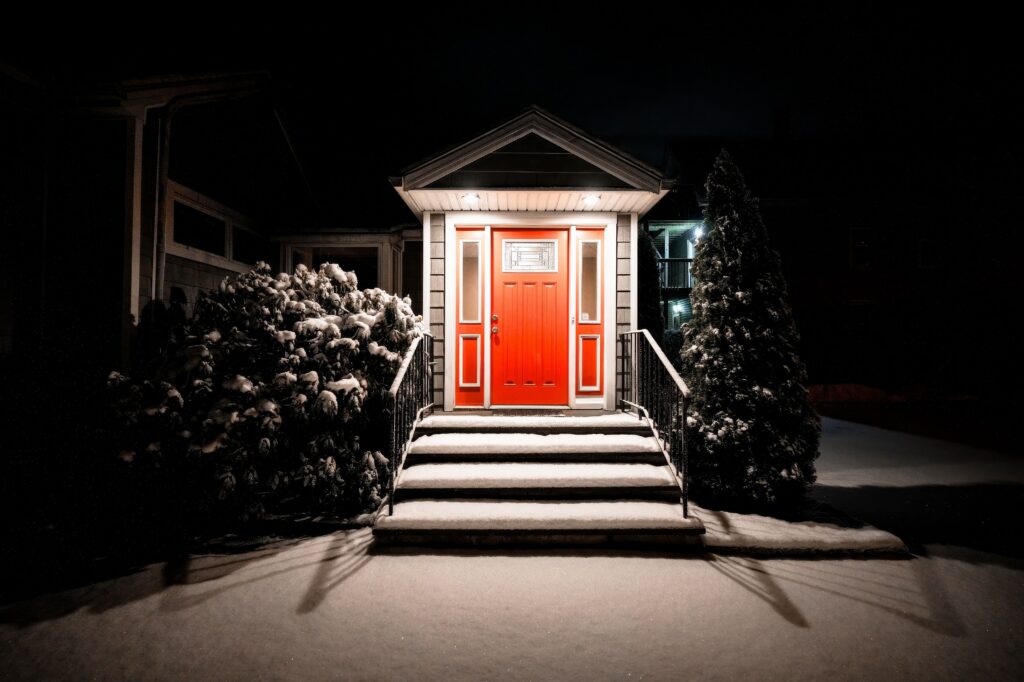
A porch light glowing after dark feels almost instinctively reassuring. It helps guests find the door, illuminates steps, and can make a house seem occupied. The problem begins when that useful evening light stays on until sunrise, night after night. Home and security experts point to consequences ranging from wasted electricity and irritated neighbors to insects and disrupted wildlife. More surprisingly, an always-on light is not necessarily the security advantage many homeowners assume it is.
More Light Does Not Automatically Mean More Security
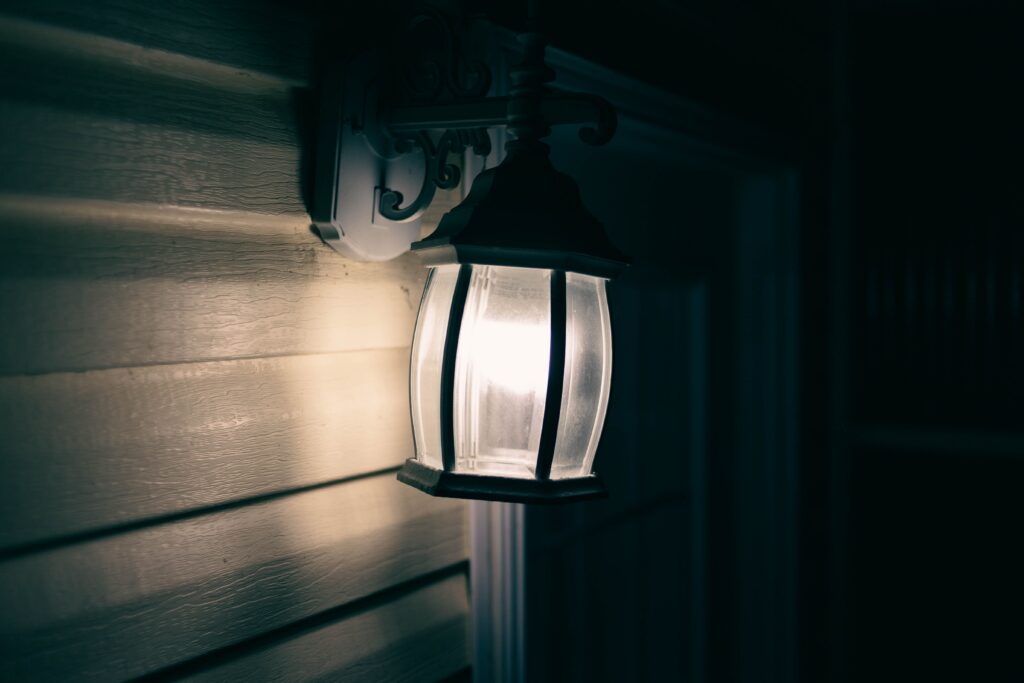
There is some nuance here. CPI Security president Melissa Weaver says outdoor lighting can deter crime, since burglars may seek dark areas where they can approach unnoticed. But she also says determined burglars sometimes continue through well-lit areas, making lighting alone insufficient protection. Another security expert, Sara Harshbarger of Brinks Home, warns that poorly positioned lights can even draw attention to potential entry points. The takeaway is not “dark equals safe.” It is that one glowing bulb should not be mistaken for a security system.
An Always-On Light Can Create the Wrong Pattern
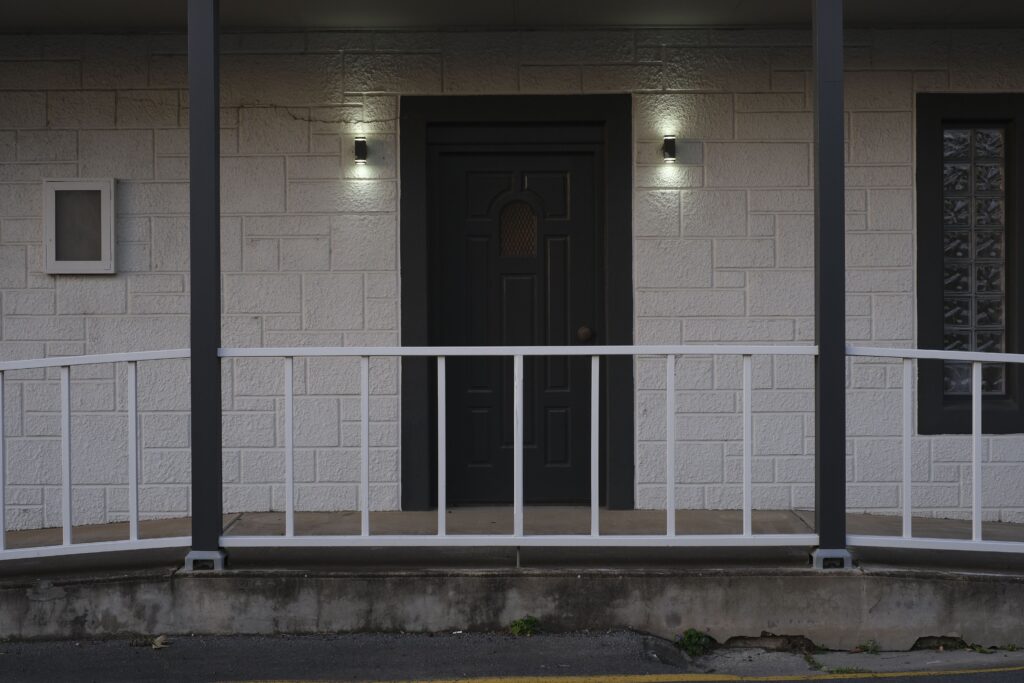
Here is where the familiar vacation trick gets complicated. Leaving the same porch light blazing continuously can become predictable rather than convincing. Southern Living notes that when lights remain on every night without changing, they may give the impression that a home is vacant. Hunker similarly warns that someone watching a property could notice the pattern. Timers and smart lights that switch on and off at varying times can create a more realistic impression of normal activity when nobody is home.
Your Neighbor May Be Getting the Worst of It
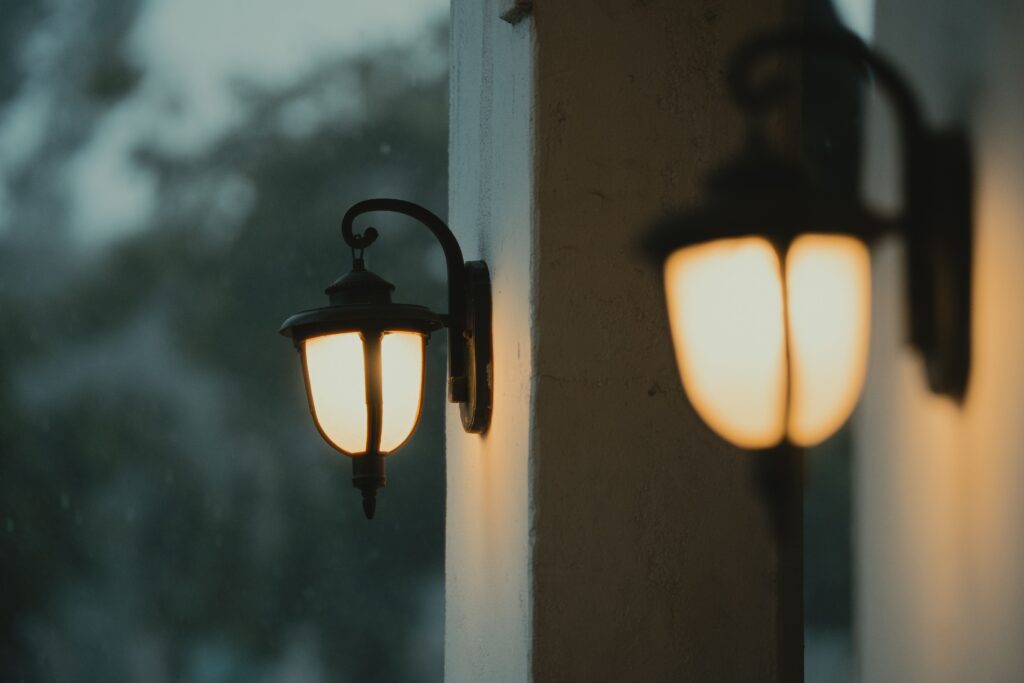
Your porch light may illuminate more than your porch. A bright fixture pointed outward can spill directly through a neighbor’s bedroom window, which becomes particularly irritating for people sensitive to light. One homeowner in Subreddit r/homeowners put the issue plainly: u/elhorno said, “I don’t appreciate neighbour’s lights coming through my window.” The practical compromise is simple: shield fixtures or angle them downward and away from neighboring windows rather than flooding the street with light.
Then There Is the Electricity You Never Actually Use
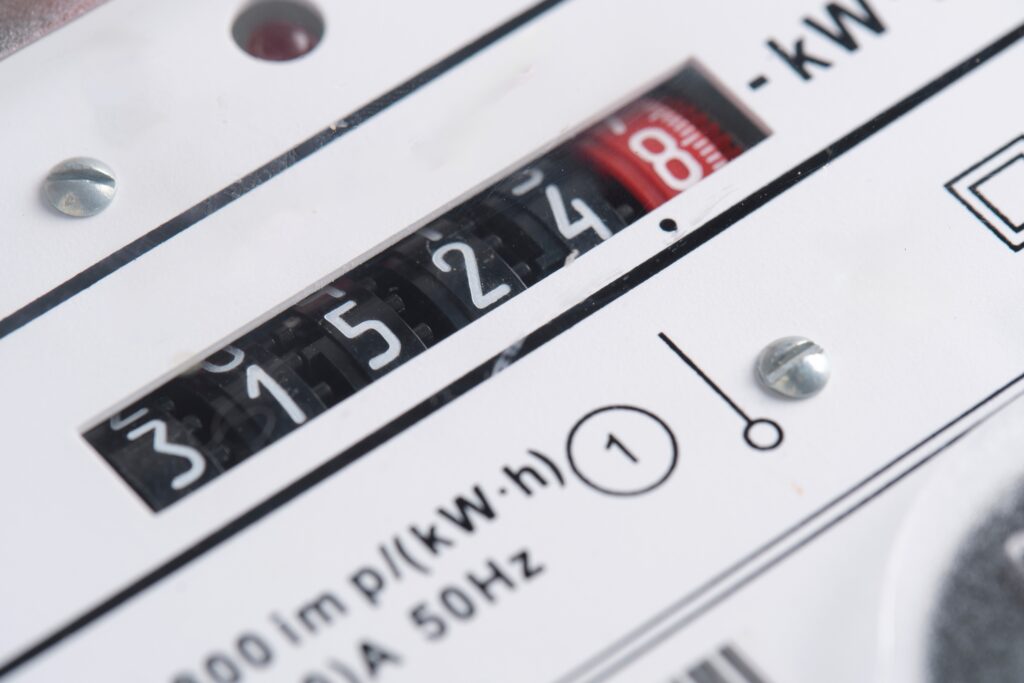
One porch bulb is unlikely to wreck a household budget, but unnecessary overnight use still adds up. Contractor Danny Niemela estimates that a 60-watt incandescent bulb running 12 hours nightly costs about $20 per year in electricity. Several exterior fixtures could push that considerably higher. LEDs use less energy, but an efficient bulb burning when nobody needs it is still consuming electricity. Timers and motion sensors solve the problem without forcing homeowners to stumble through darkness when lighting is genuinely useful.
Your Porch Light Is Also an Insect Magnet

Anyone who has opened a front door and immediately encountered a cloud of moths already knows this one. Nighttime lighting attracts insects, which can turn the area around doors, windows and fixtures into a gathering point. Constant use can also mean more dirty fixtures and bug debris around lens covers. One r/homeowners commenter, u/sevargmas, described another familiar consequence: leaving exterior lights on led to “tons of spiderwebs around the front patio and cars.” Turning unnecessary lights off removes the attraction rather than continually cleaning around it.
The Effects Stretch Beyond Your Front Door

Artificial light at night does not stop mattering at the property line. DarkSky International says outdoor lighting can disorient migrating birds, draw turtle hatchlings away from the ocean and contribute to nighttime insect deaths. Harshbarger also notes that exterior lighting can disrupt natural animal behavior. One household fixture is obviously only a small piece of a much larger light-pollution problem, but millions of small sources collectively brighten nighttime environments that wildlife evolved to experience as dark.
Brightest Is Not Necessarily Best-Looking Either

More illumination can actually make a house look worse after dark. Niemela says harsh exterior lighting can bleach colors, exaggerate architectural shadows and flatten attractive finishes. That makes thoughtful placement more useful than sheer brightness. Subtle pathway lighting can help people navigate safely, while downward-facing fixtures illuminate the area where light is actually needed. The goal is contrast rather than turning the entire facade, driveway and neighboring yard into something resembling a parking lot.
Motion Sensors Offer a Much Smarter Middle Ground

Fortunately, this is not an argument for approaching your front door in total darkness. Motion-activated lighting offers a practical compromise: the fixture stays off or dim when nothing is happening, then brightens when movement is detected. Homeowners in the Reddit discussion repeatedly described using that setup, including lights that remain at roughly 30% brightness before switching to full brightness when triggered. Timers, low-voltage pathway lights and smart controls provide other ways to keep useful illumination without leaving everything blazing until morning.
The Better Question Is When You Actually Need the Light
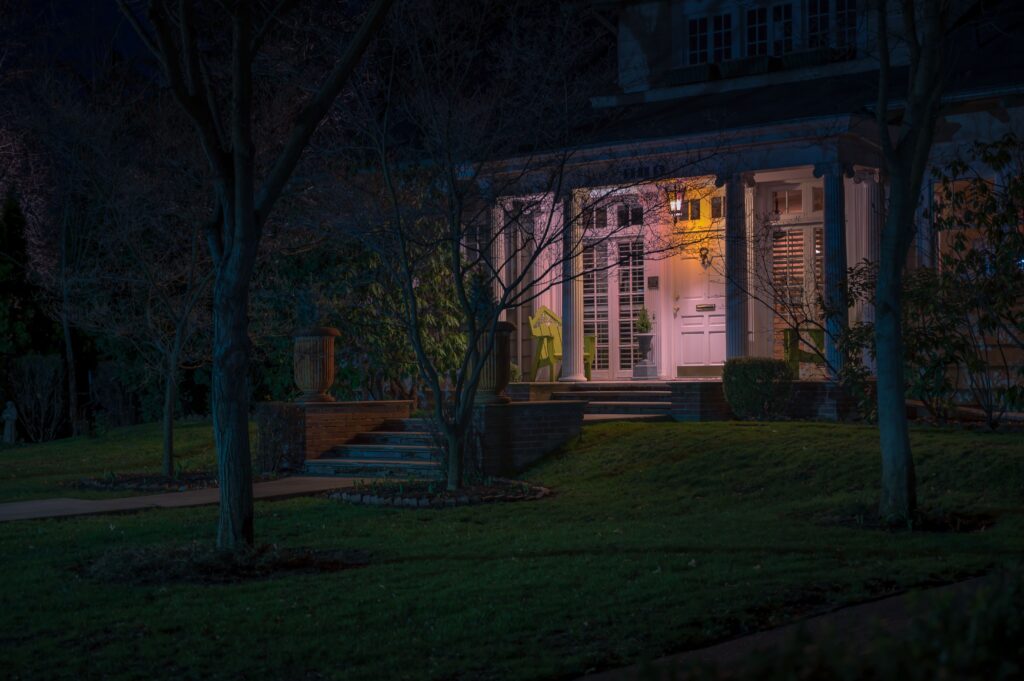
Porch lights still have a job. Keep one on when someone is arriving late, guests are expected, people are using the walkway or extra visibility is genuinely useful. What experts challenge is the assumption that all night, every night is automatically safer or better. As motion sensors, timers and dimmable smart fixtures become increasingly practical, homeowners no longer have to choose between a pitch-black entrance and eight uninterrupted hours of glare. The smarter porch may simply be one that knows when darkness is perfectly fine.