Discovery of Intraterrestrials Shows Life Can Survive in Earth’s Deepest and Harshest Places
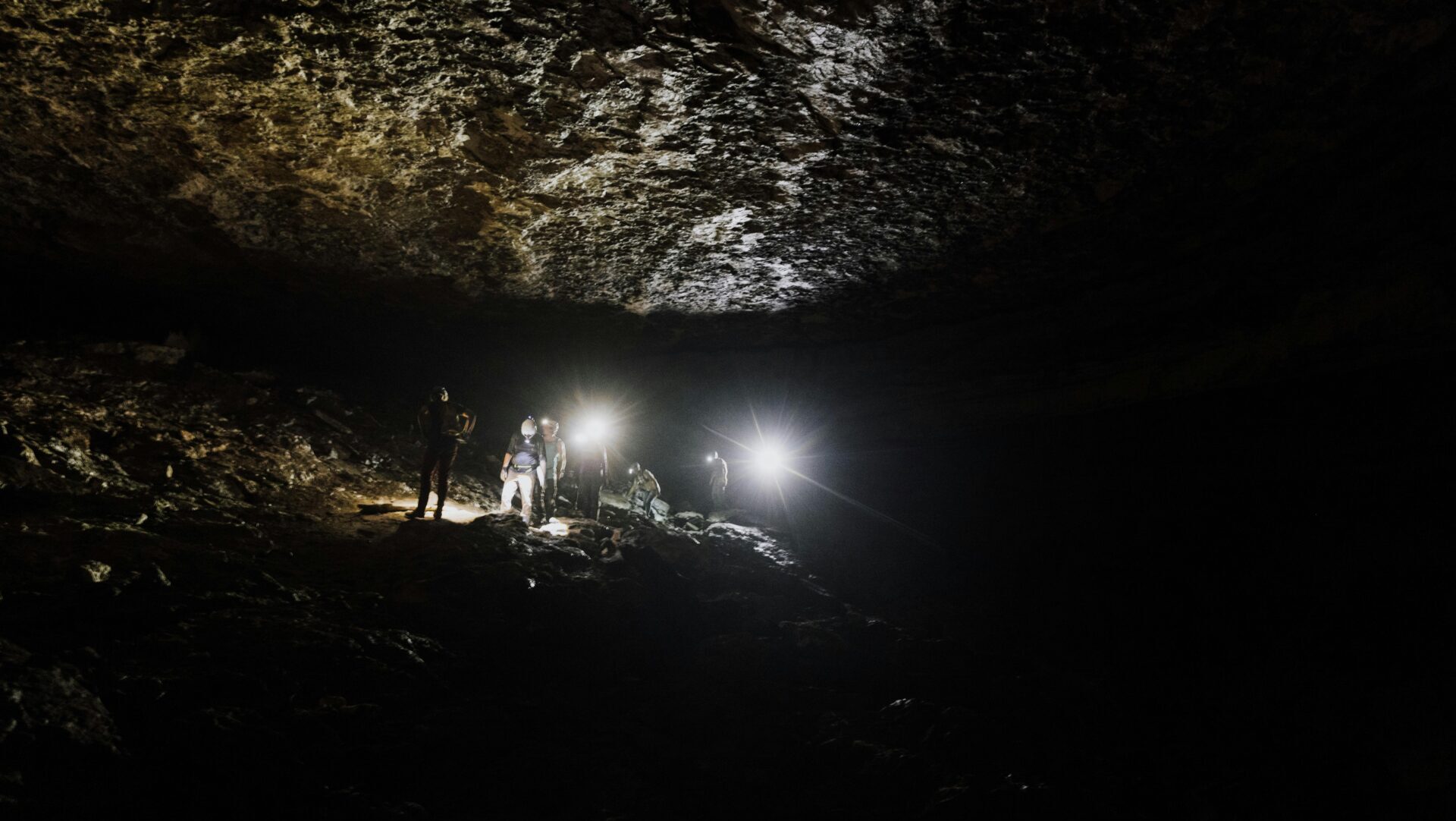

For decades, scientists suspected that life might exist deep beneath Earth’s surface, hidden in rock fractures and ocean crust. Early discoveries were often dismissed as contamination from drilling equipment. That skepticism has largely vanished. Evidence now confirms a vast, enduring biosphere thriving kilometers underground.
The Case For “Intraterrestrials”

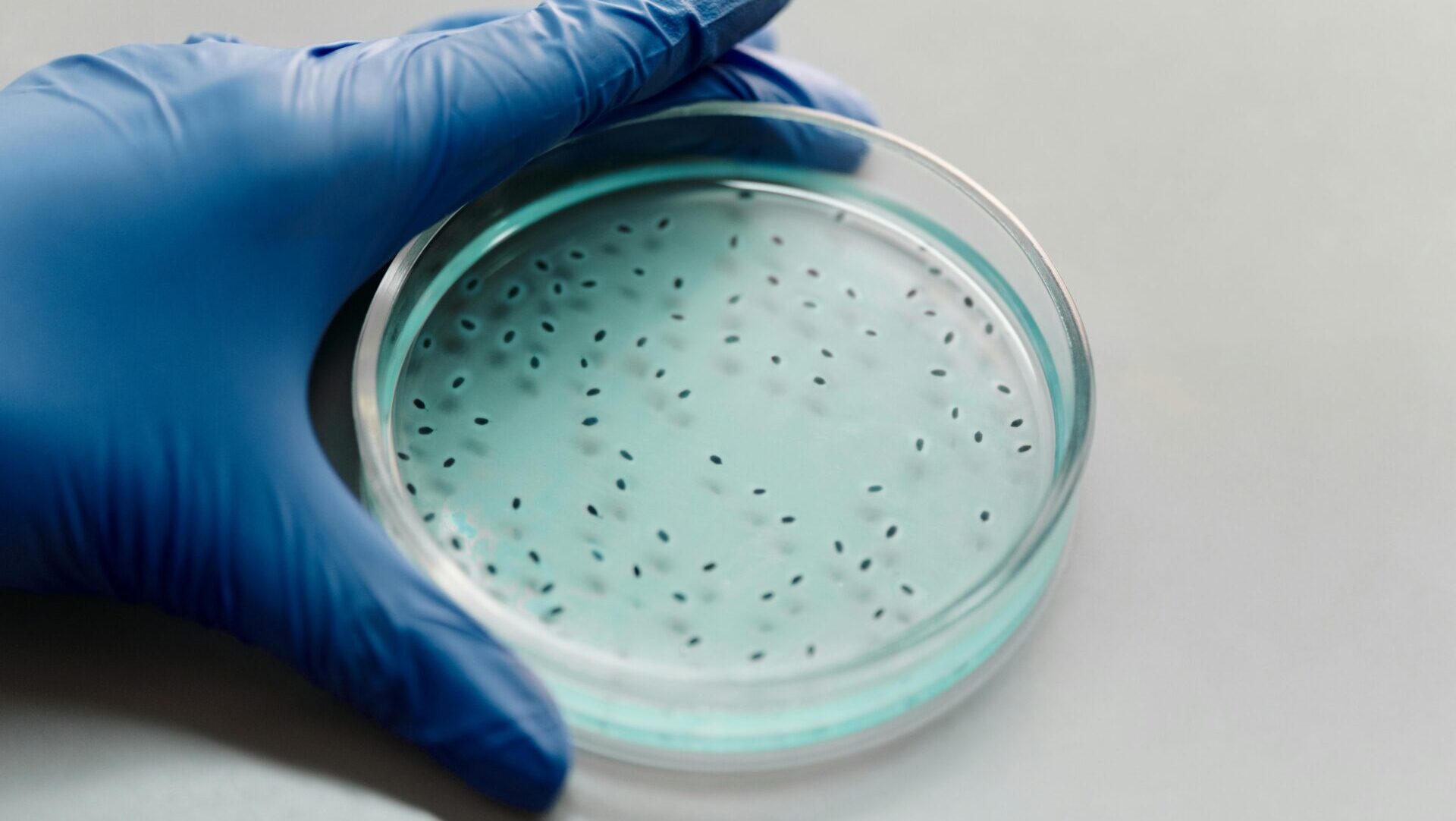
In Intraterrestrials: Discovering the Strangest Life on Earth, published by Princeton University Press, microbiologist Karen G. Lloyd synthesizes decades of research into deep subsurface life. Genetic sequencing shows that many of these microbes are not recent arrivals from the surface. Instead, they are uniquely adapted to extreme, energy starved environments. The term “intraterrestrials” captures their status as native inhabitants of the planet’s interior.
Life Without Sunlight or Oxygen
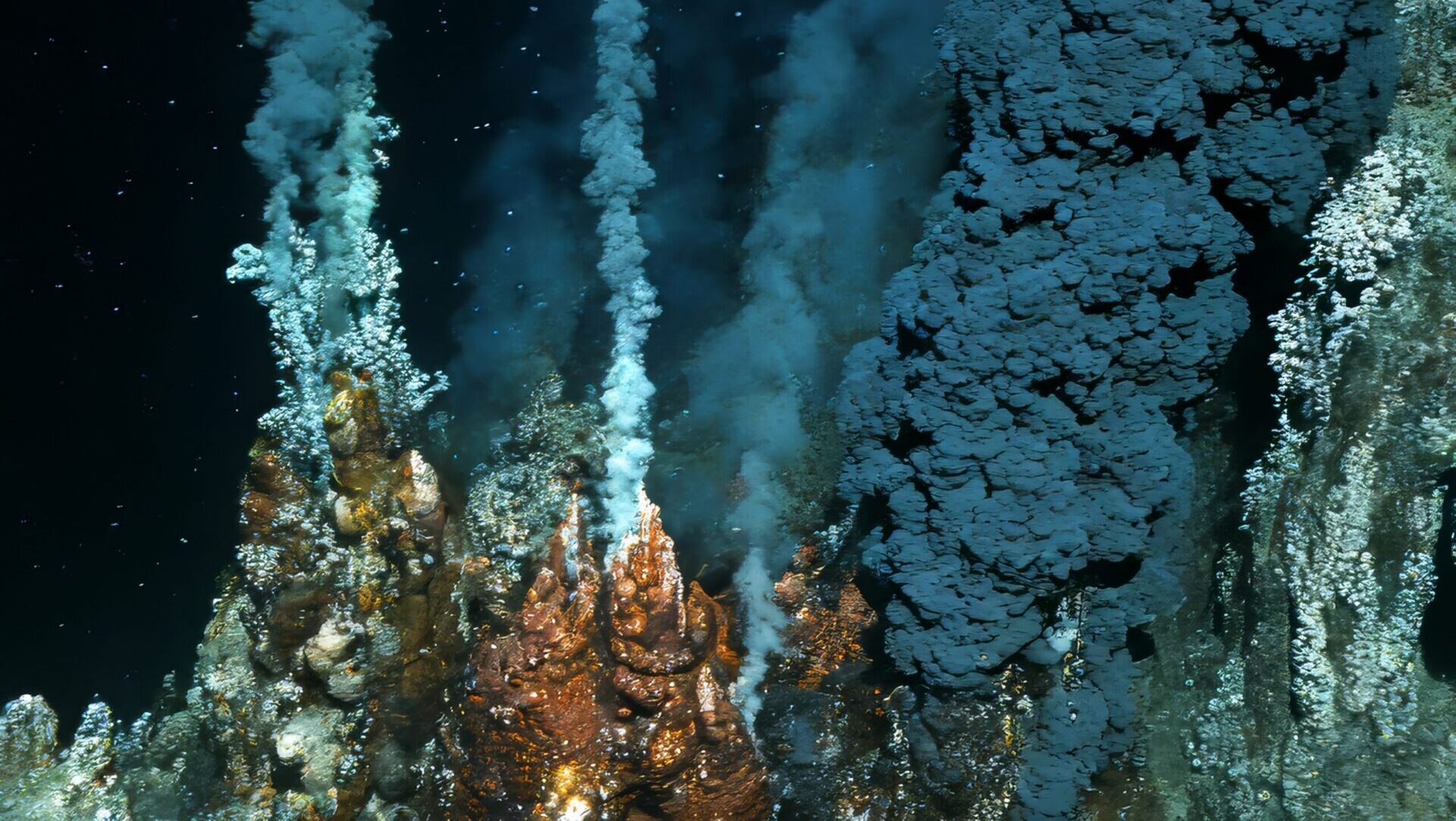
Surface ecosystems depend largely on photosynthesis and oxygen rich metabolism. Deep life operates by entirely different rules. Many subsurface microbes extract energy from chemical reactions involving hydrogen, methane, sulfur, and metals. In total darkness and crushing pressure, they survive without any reliance on sunlight.
Confirmed Across The Globe
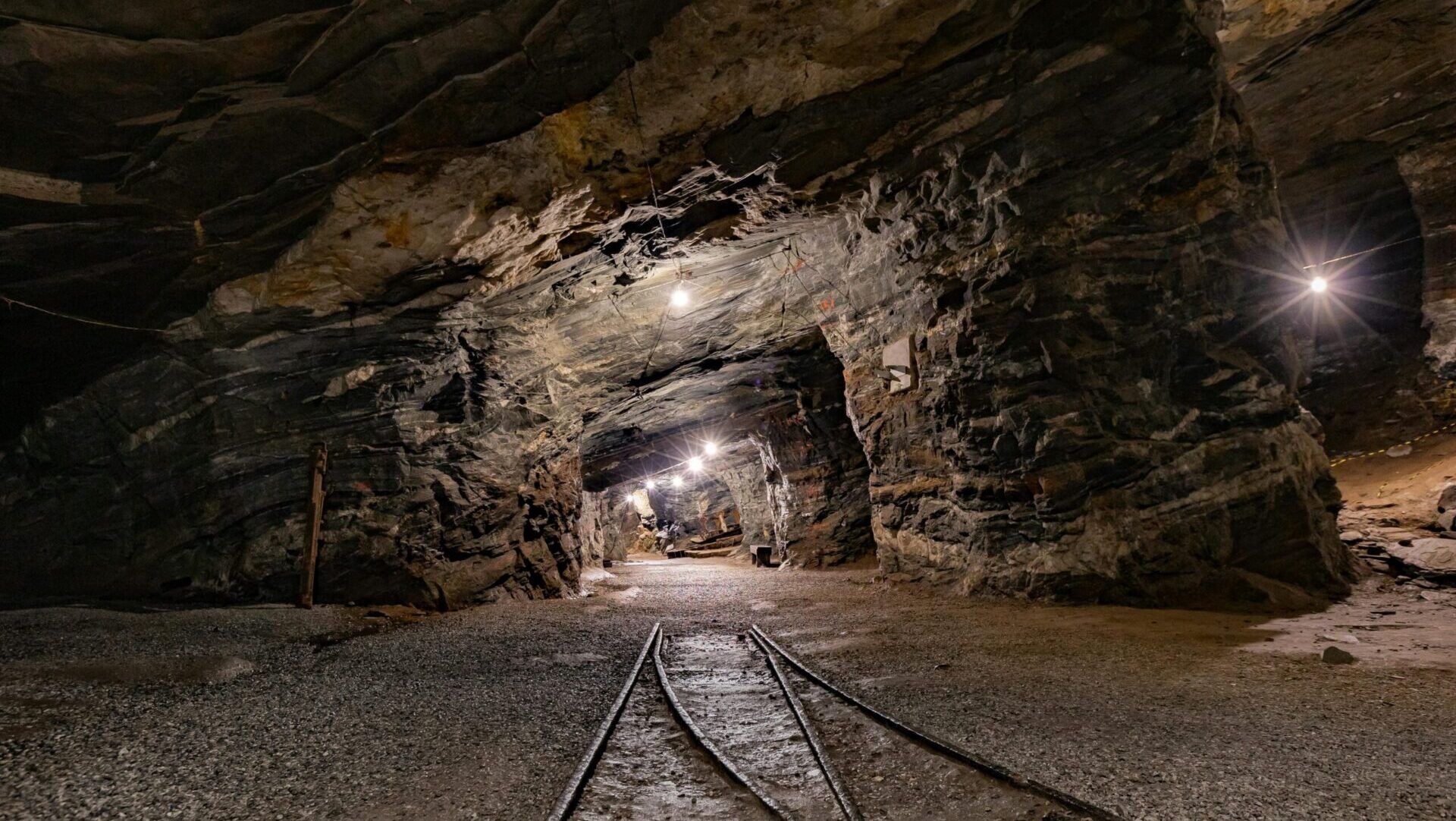
Evidence for deep life comes from ocean drilling sites, continental boreholes, and deep mines in South Africa. Microbes have been recovered from kilometers below the seafloor and far beneath terrestrial crust. Genetic analyses reveal stable, structured communities shaped by chemical gradients rather than light. These findings demonstrate that the deep biosphere is widespread, not isolated.
A Biomass That Rivals The Surface
Estimates suggest that the total microbial mass below ground may represent a substantial fraction of Earth’s overall biomass. Individual cells are sparse, but they persist over immense geological timescales. Slow growth allows populations to accumulate quietly over millions of years. The result is a hidden ecosystem of surprising scale.
Evolution In Isolation
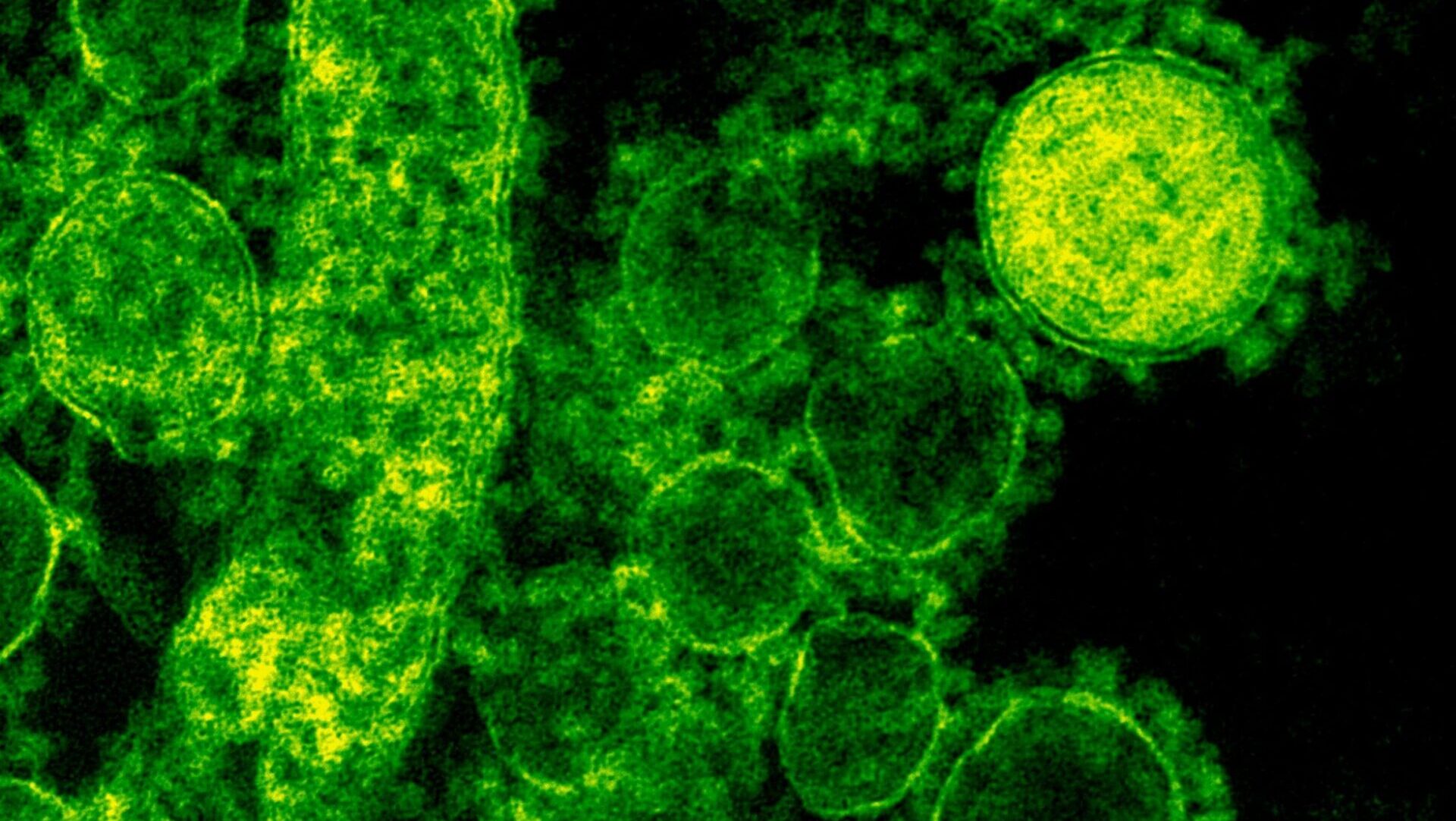
Genomic data indicate that some deep lineages diverged from surface relatives millions of years ago. Their DNA reflects prolonged isolation rather than recent burial. In energy limited conditions, mutations accumulate slowly, preserving ancient genetic signatures. These organisms are not temporary refugees but long term residents of the subsurface.
Metabolism At Geological Speeds
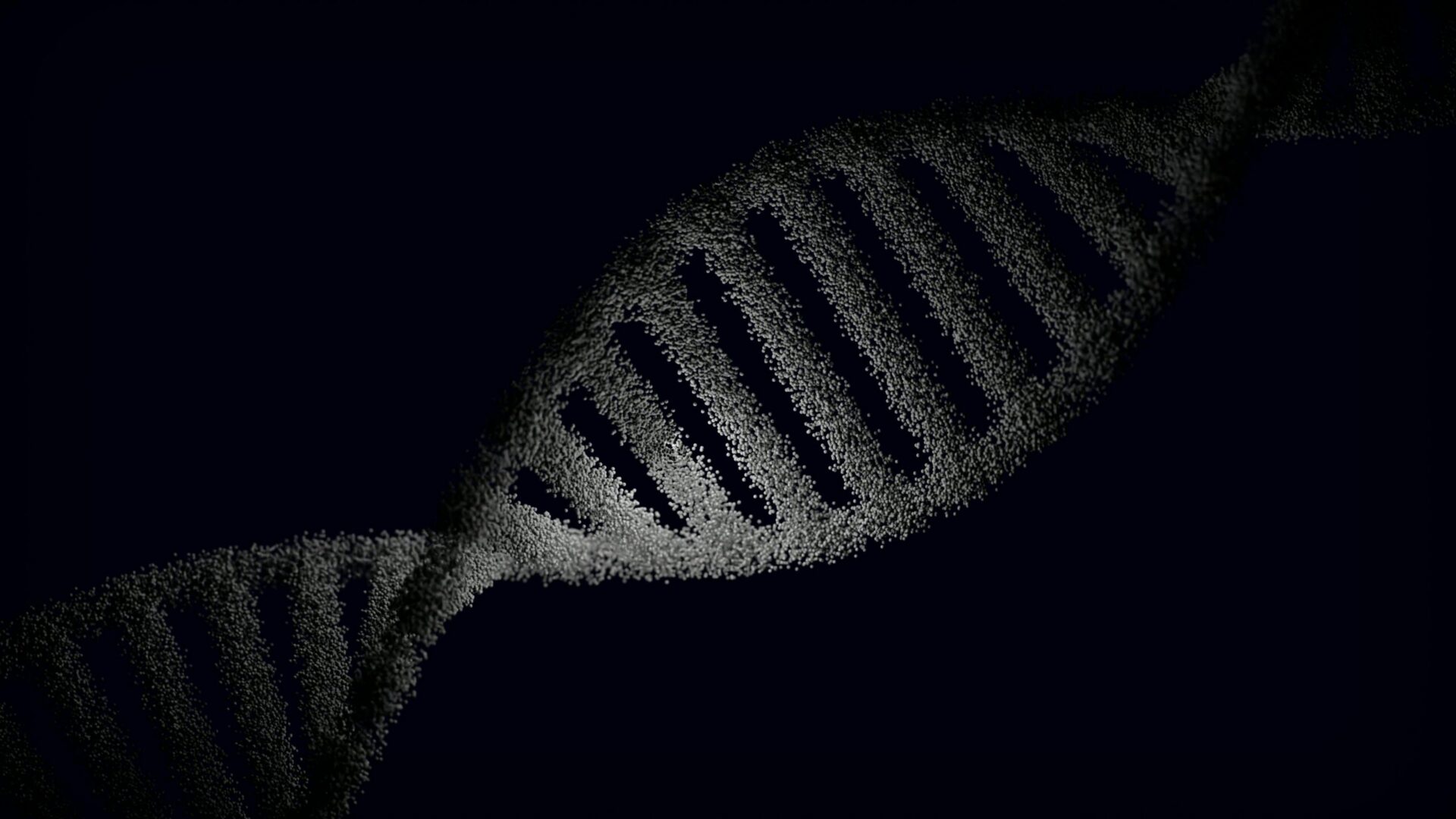
Unlike bacteria in nutrient rich environments, subsurface microbes operate near the minimum energy threshold for life. Some may divide only once in decades or even centuries. Survival often takes precedence over reproduction. This glacial pace forces scientists to rethink what it means for life to be “active.”
Quiet Architects of Planetary Chemistry
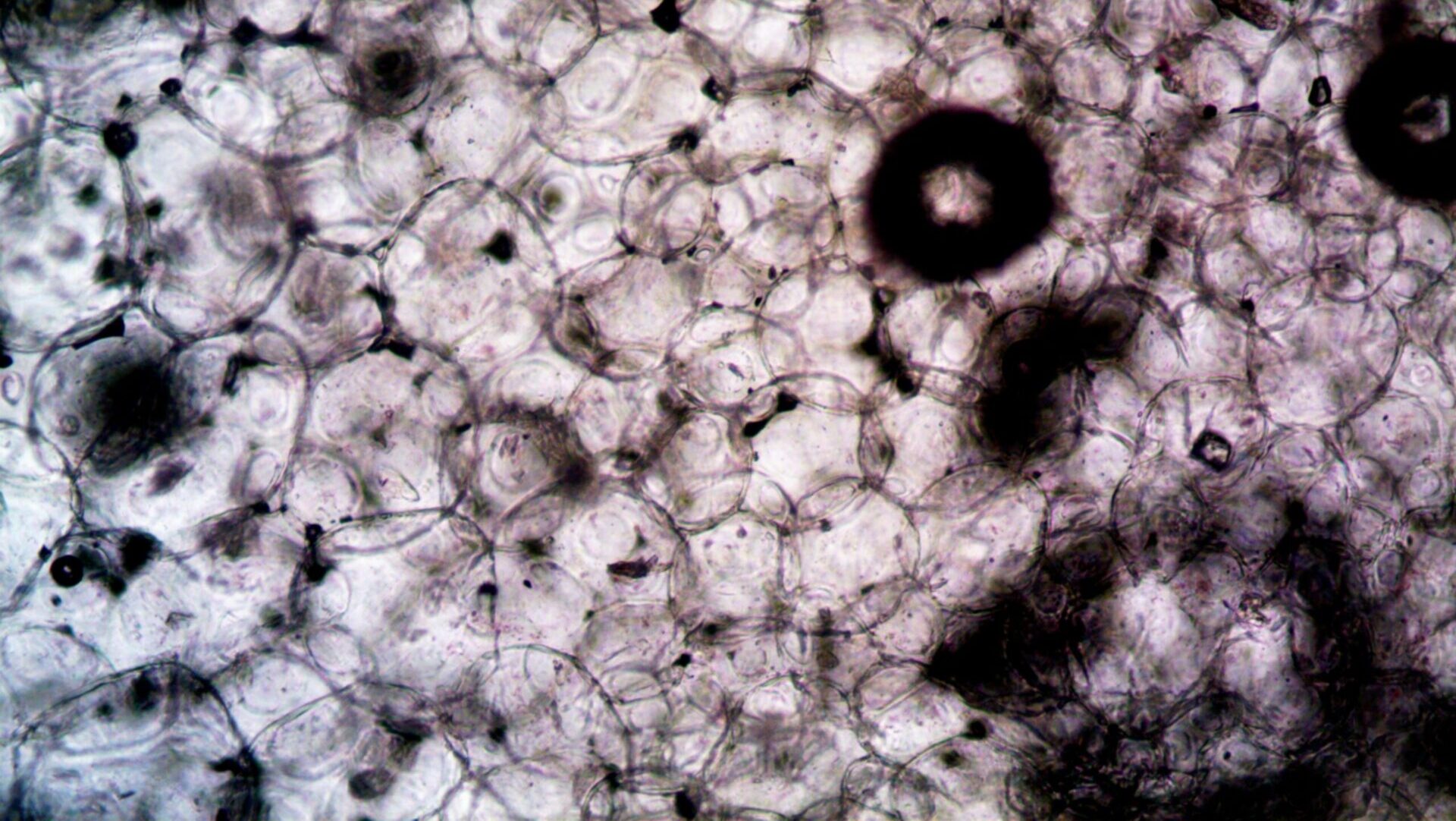
Though invisible to us, deep microbes influence global chemical cycles. Their interactions with rock affect carbon, sulfur, and methane fluxes over vast timescales. These processes can shape groundwater composition and even atmospheric chemistry indirectly. The deep biosphere participates in Earth’s long term geochemical balance.
A New Lens for Astrobiology
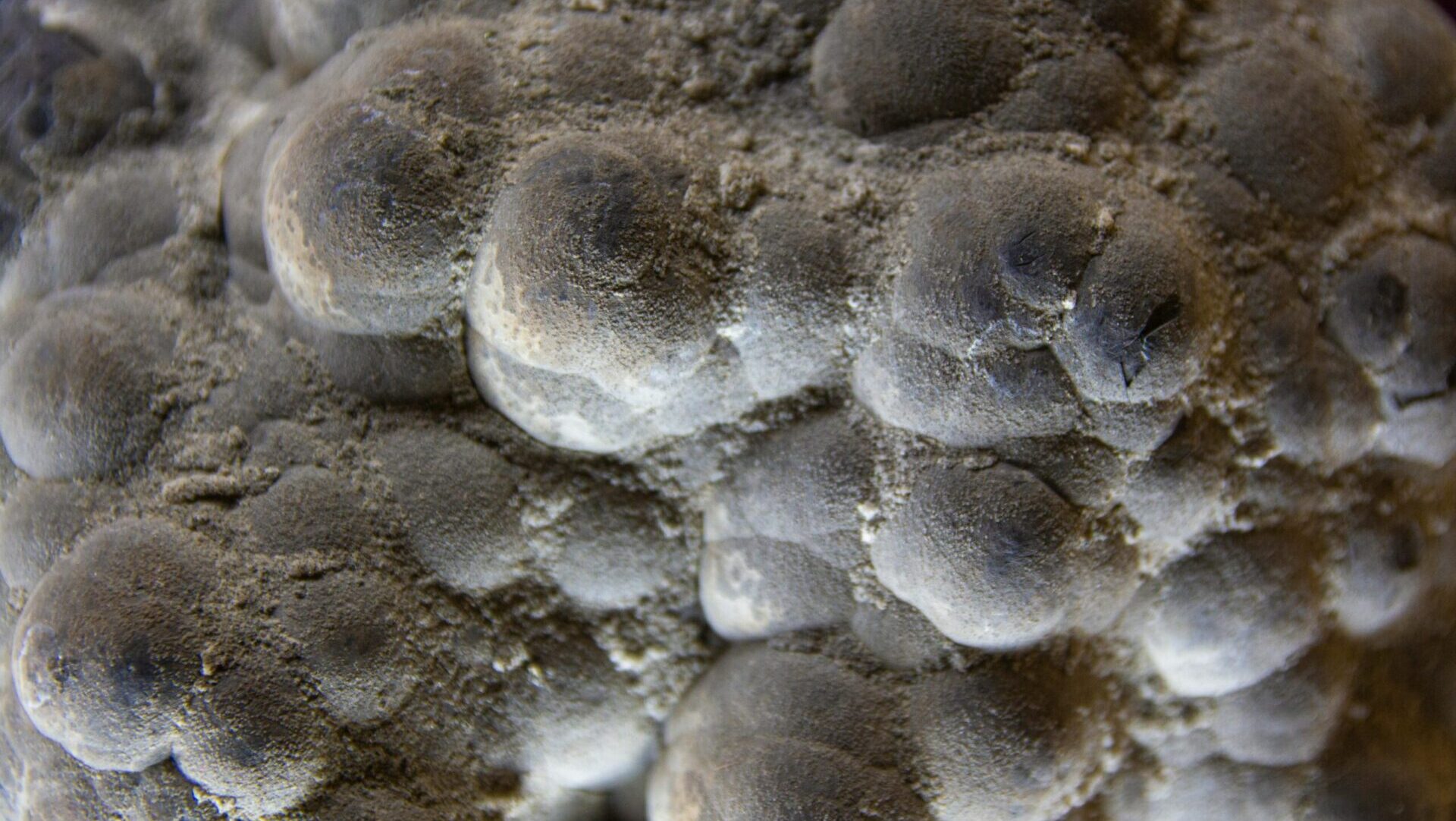
The discovery of life thriving without sunlight expands the search for organisms beyond Earth. Subsurface environments on Mars or icy moons like Europa may offer chemically driven habitats similar to those underground here. If life does not require surface conditions, the definition of habitability broadens dramatically. The implications extend far beyond our own planet.
Redefining Where Life Exists
The confirmation of a deep, ancient biosphere reshapes our understanding of Earth itself. Life is not confined to forests, oceans, and skies, but permeates rock and sediment far below. These intraterrestrials have endured for millions of years in silence and darkness. In recognizing them, science expands the boundaries of the living world.