13 Animals You Are Legally Not Allowed to Remove From Your Home or Garden

Your home and garden feel like your space, but some animals have legal protections you need to respect. You can’t just chase them away or move them without running into trouble. Certain creatures have laws shielding them because of their role in nature or their population status. You’ll find it interesting to see which visitors you have to leave alone. Here are 13 animals you’re not allowed to remove from your property.
Woodpeckers
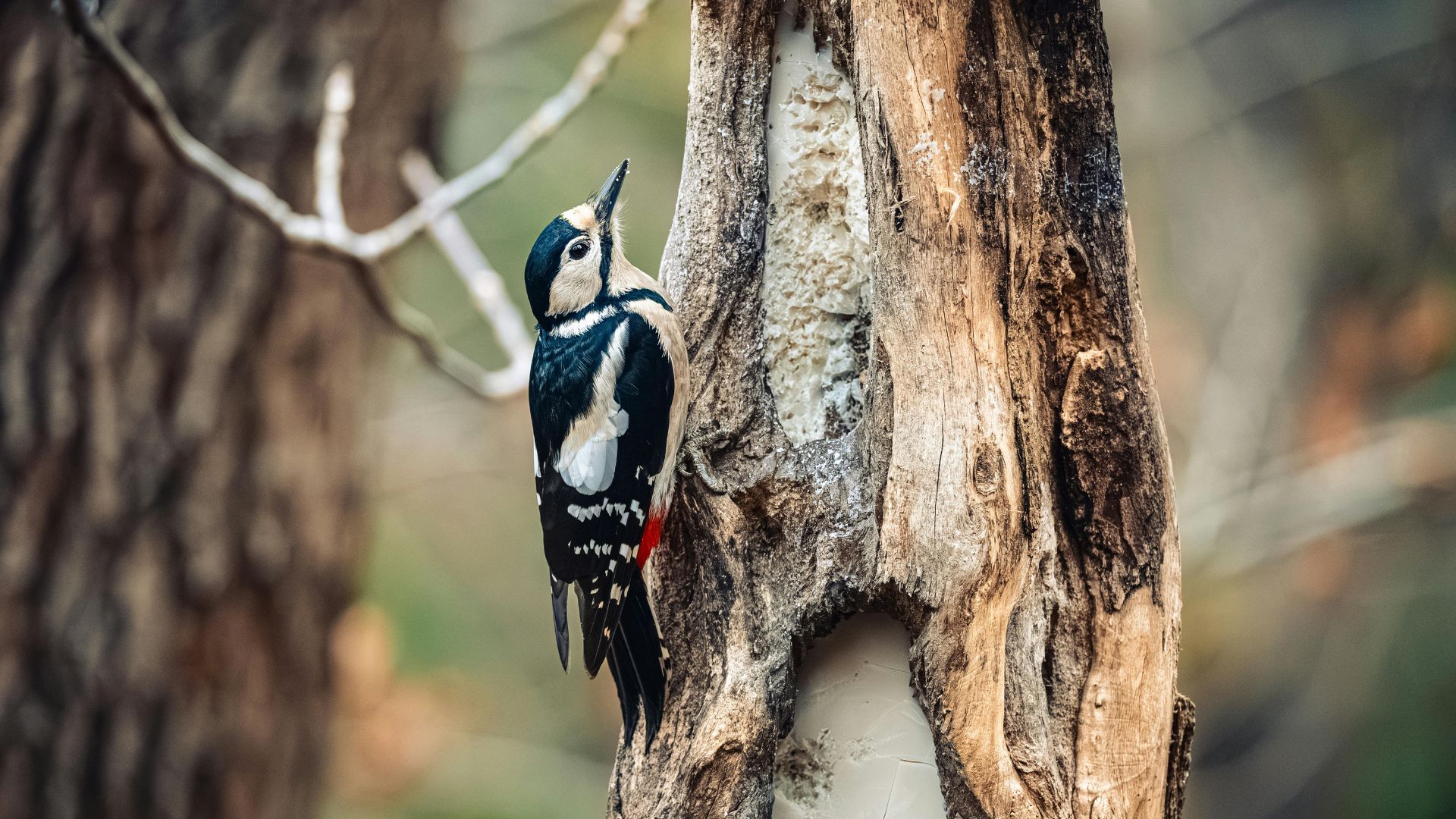
Woodpeckers love tapping on trees and sometimes your siding too, so you might notice them more than you’d like. They’re protected under the Migratory Bird Treaty Act, which means you can’t remove them or their nests. These birds also help control insects that burrow into trees, so they’re quietly keeping your trees healthier while hanging around your yard. Watching them work can actually be kind of fascinating, even if they make a bit of noise.
Migratory Birds
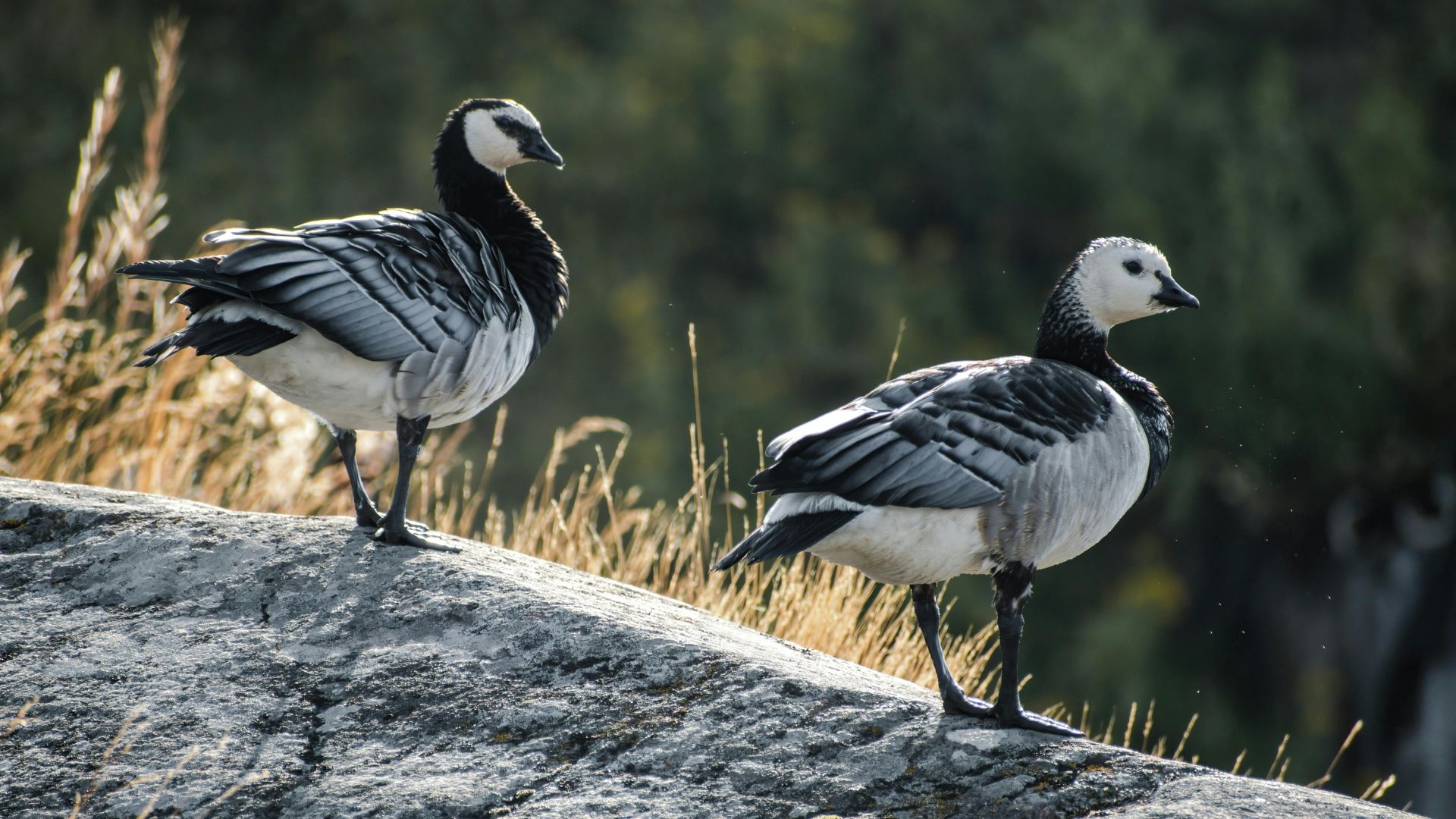
Migratory birds cover over 1,000 species, so you might spot robins, swallows, or sparrows setting up nests around your home. The Migratory Bird Treaty Act of 1918 protects them, which means you can’t touch their nests, eggs, or feathers. If a bird decides to make your porch its home, you’re basically hosting a seasonal guest. Watching them flutter around can be fun, and it also gives you a front-row seat to their busy routines.
Non-Venomous Snakes
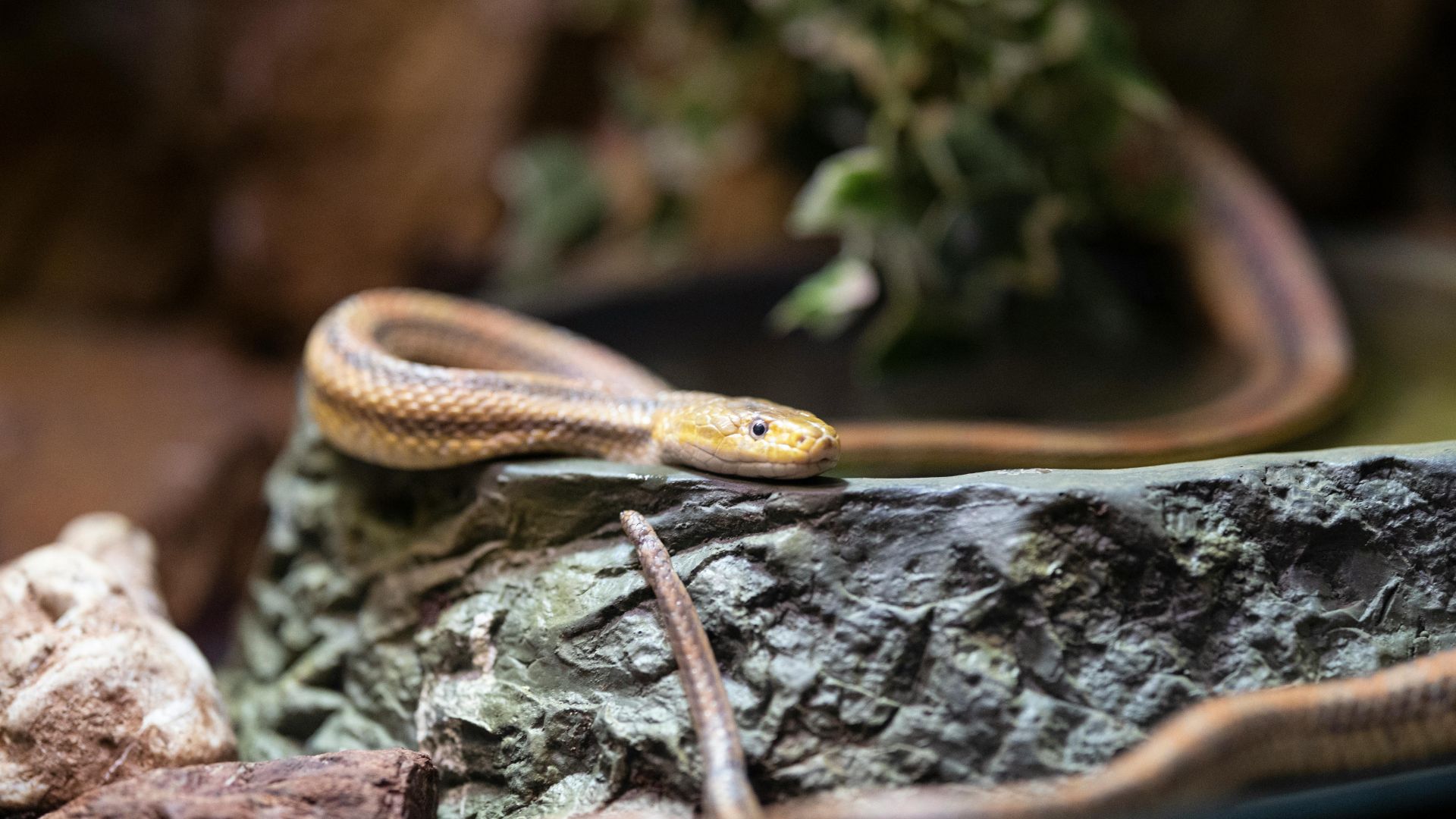
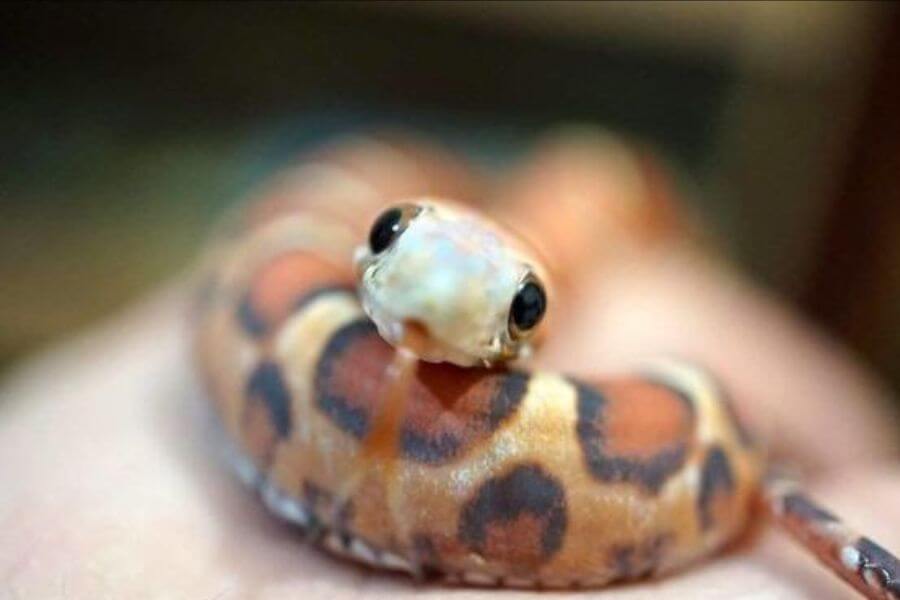
Non-venomous snakes like garter snakes or milk snakes can show up in your yard, so spotting one might surprise you at first. Certain species are protected in parts of the U.S., meaning you can’t remove or harm them. They also help keep pests like slugs and rodents under control, which can actually help your garden thrive. Observing them quietly can be interesting, and you’ll know you’re following the rules while letting nature do its thing.
Frogs and Toads
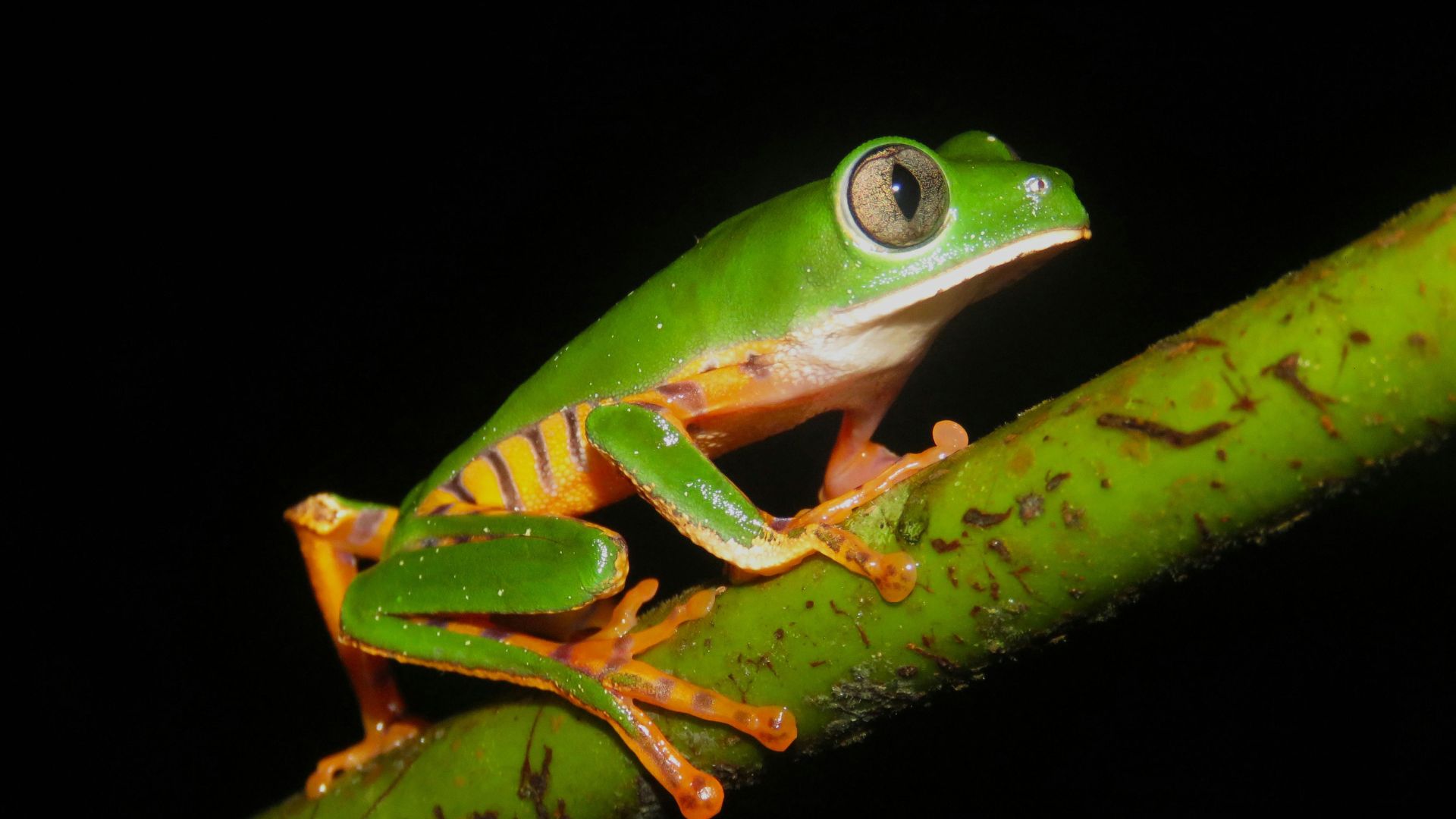
Frogs and toads often show up near ponds or damp spots in your yard, so you might hear their calls at night. Some species face population declines and are protected, which means you can’t just catch or move them. They also help keep insects in check, so your garden benefits from their presence. Watching them hop around or listening to their croaks can be surprisingly entertaining while you follow local wildlife rules.
Gopher Tortoises
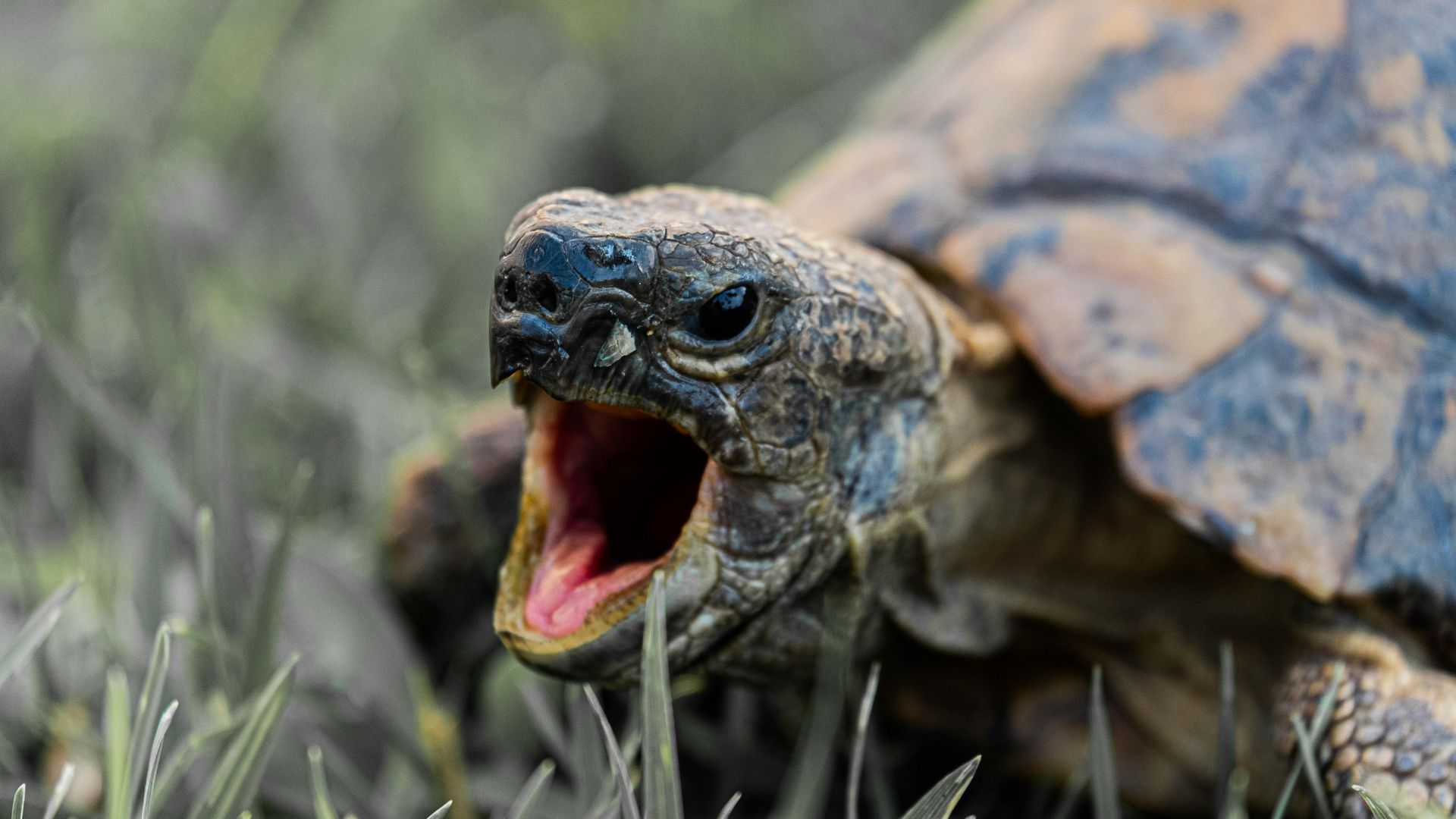
Gopher tortoises live in the southeastern U.S., so you might spot one slowly making its way through your yard. They dig burrows that house hundreds of other creatures, so each tortoise creates a little neighborhood underground. Laws protect them and their burrows, which means you can’t move, harm, or disturb them, even if the burrow is on your property. Watching them wander can be surprisingly interesting, and it’s a way to enjoy wildlife while following the rules.
Sea Turtles
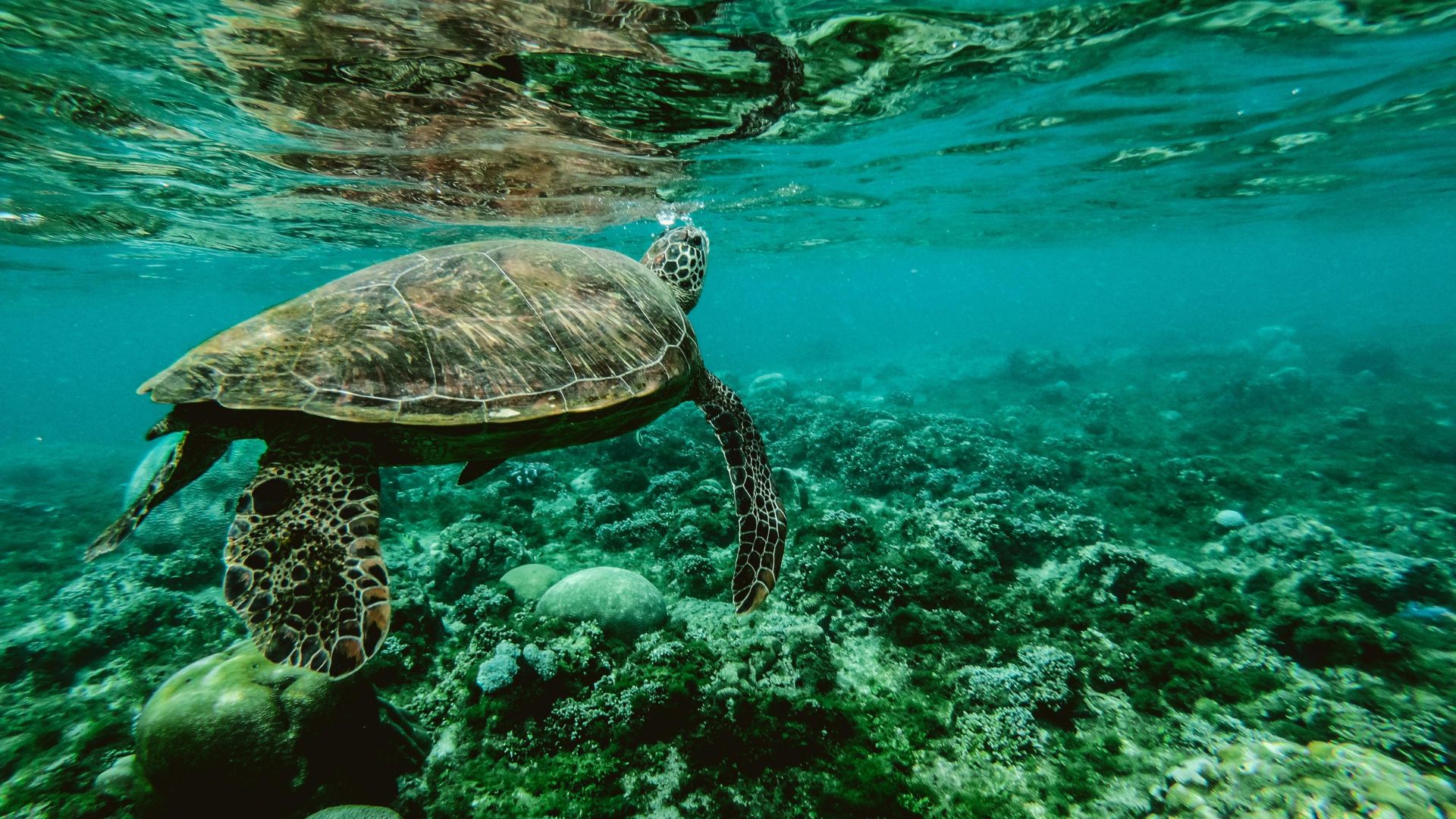
If you live near the coast, you might spot a sea turtle coming ashore, so it’s worth knowing how protected they are. All six species in U.S. waters fall under the Endangered Species Act. Nesting sites and hatchlings are off-limits, and disturbing them can lead to serious federal penalties. Observing them quietly lets you enjoy the moment safely. You can also contact local wildlife authorities if a turtle needs help, keeping both you and the animal out of trouble.
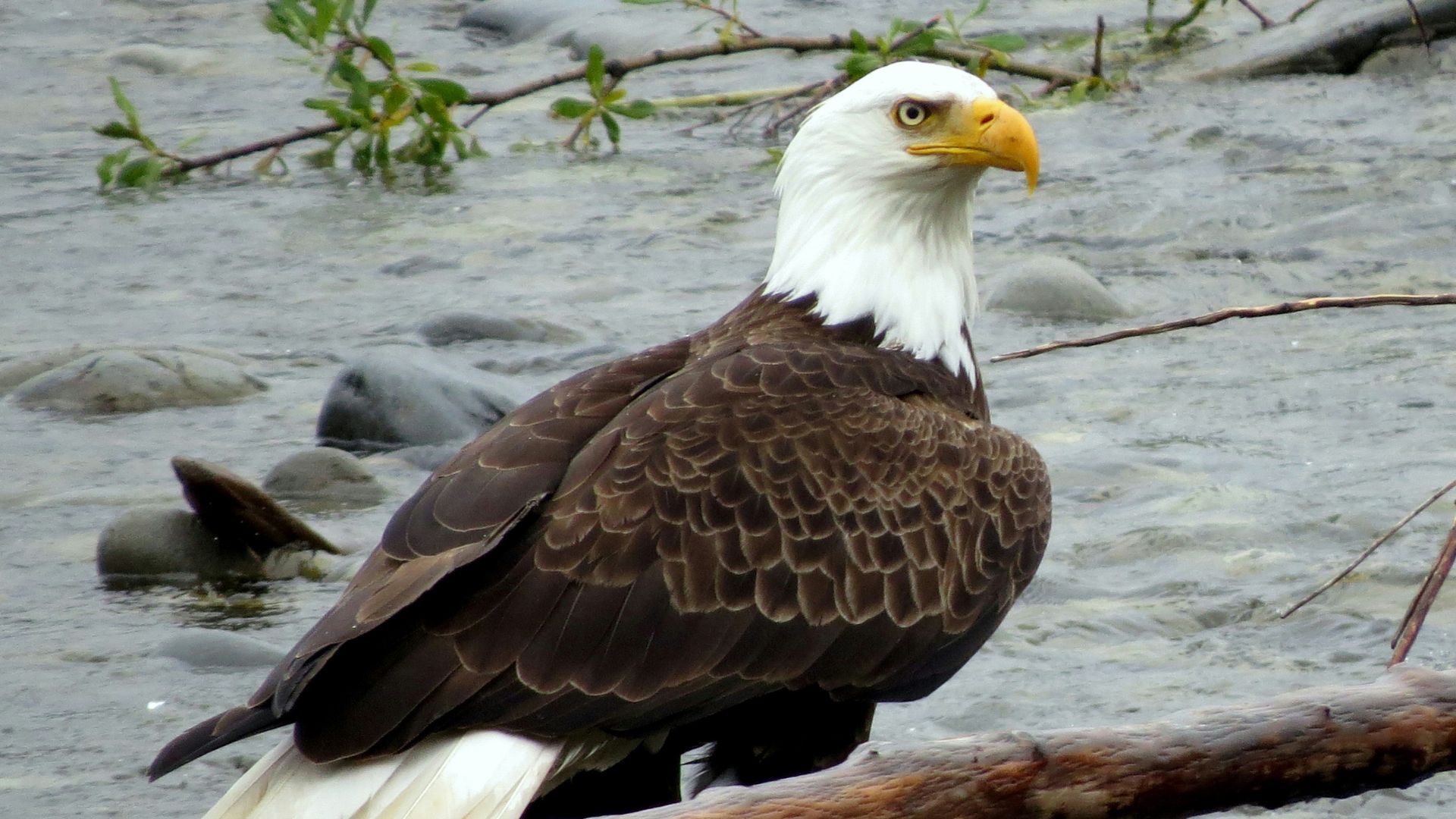
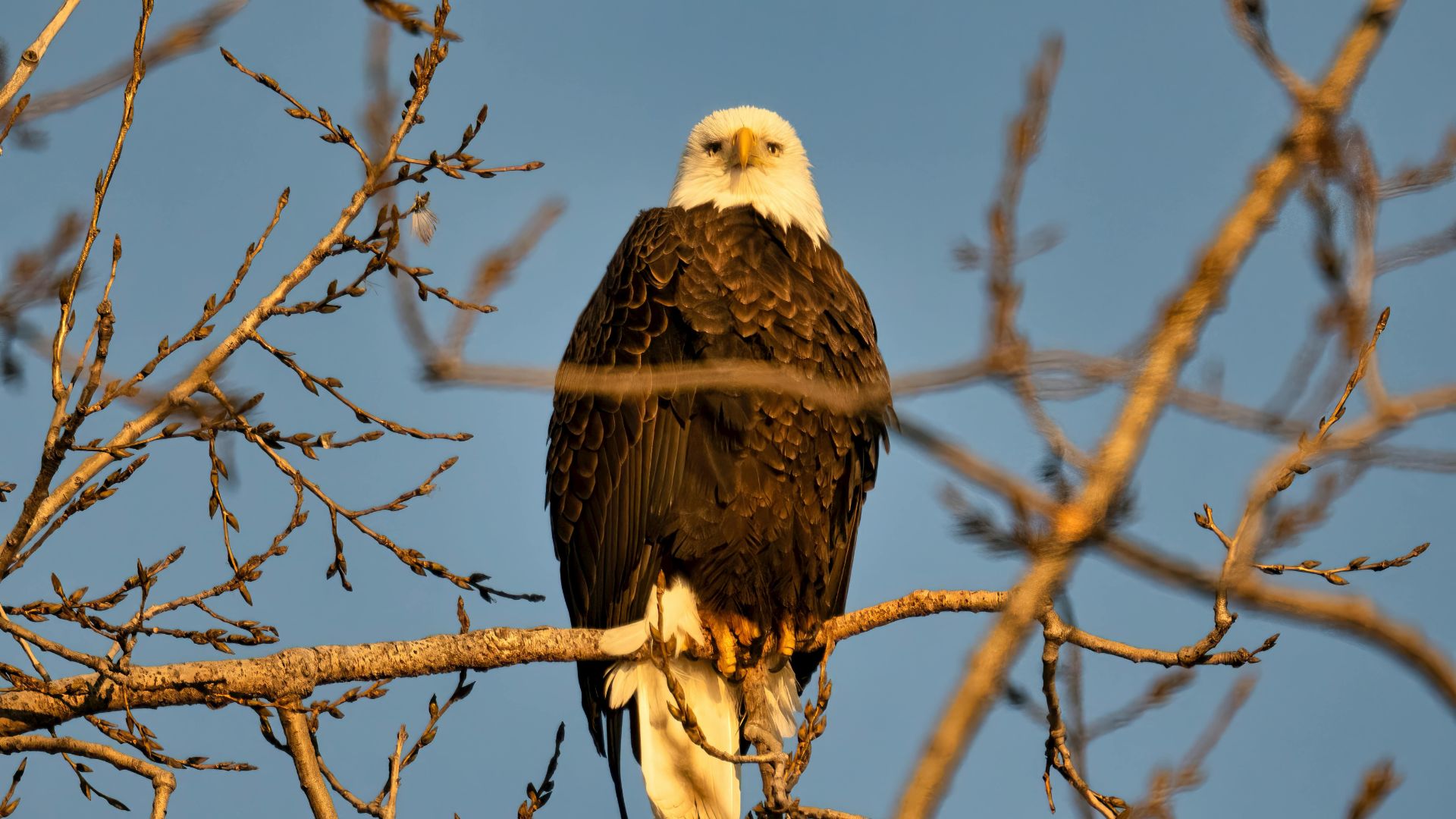
Bald and Golden Eagles
Owls
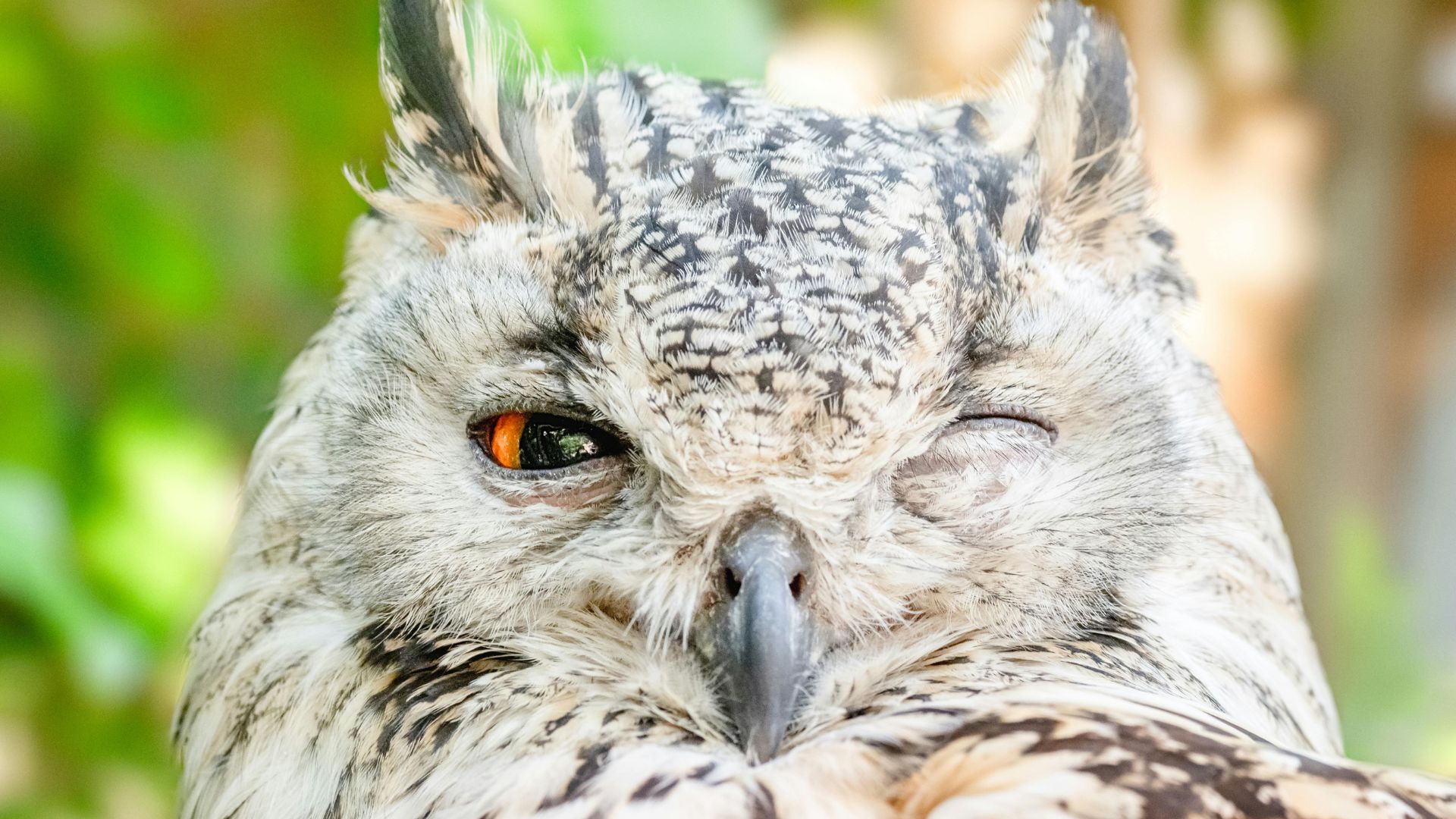
Owls, from tiny elf owls to Great Horned Owls, are protected under the Migratory Bird Treaty Act, so you can’t touch their nests or eggs. Spotting one nesting on your property can feel like a quiet surprise, and you also get a front-row seat to their nightly routines. They hunt quietly and keep rodent populations in check, which benefits your garden. Watching an owl up close can be fascinating and gives you a small connection to local wildlife.
Hummingbirds
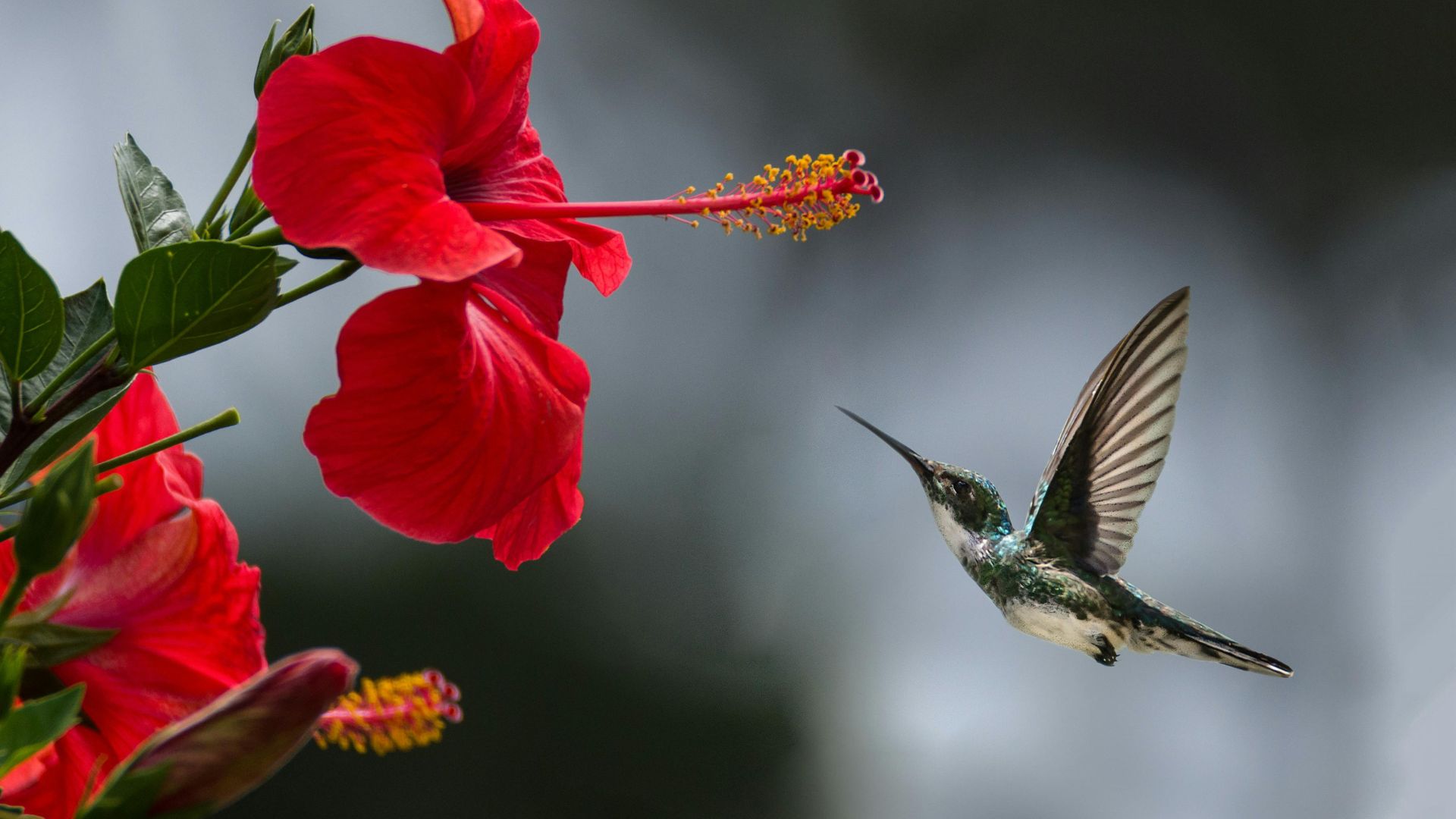
Hummingbirds zip around your garden, so watching them hover at flowers can be mesmerizing. They’re protected under the Migratory Bird Treaty Act, which means you can’t touch their tiny nests or try to capture them. Their nests are often smaller than a thimble, so handling them is out of the question. You can also enjoy feeding them safely, which attracts even more of these colorful birds. Observing their quick movements adds a lively touch to any backyard.
Protected Lizard Species
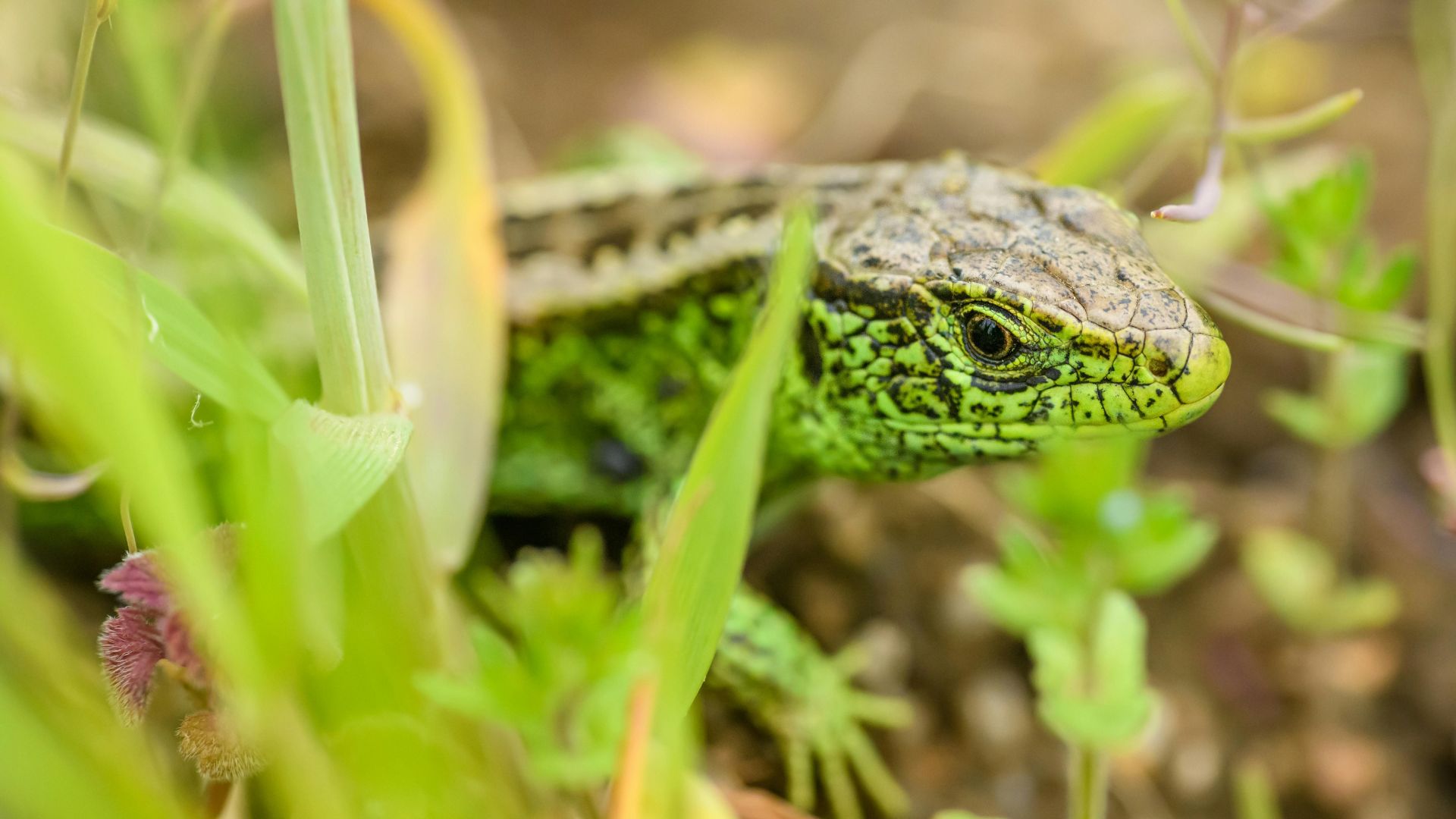
Certain lizard species are protected in different parts of the U.S., so spotting one in your garden means you should let it be. They often hide under rocks or logs, so you might only notice them if you look closely. Lizards also help control insects, which keeps your garden a little more balanced. Checking local wildlife rules before moving or disturbing them ensures you stay on the right side of the law while enjoying these small, quick visitors.
Bats
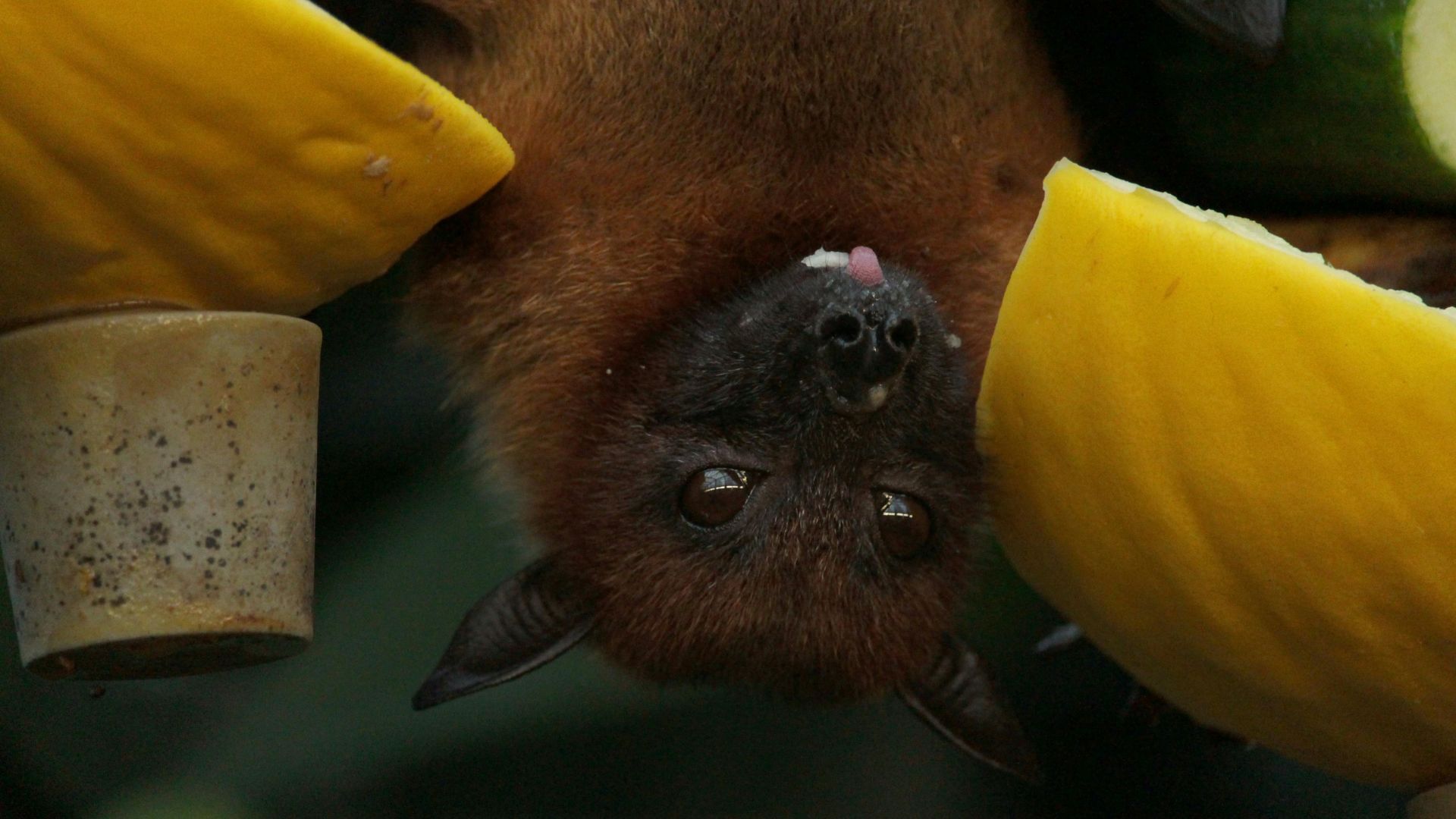
Bats swoop around at night, so you might hear them before you see them. They eat thousands of insects every evening, helping keep your yard bug-free. Many species are protected under federal and state law, so you can’t disturb their roosts or remove them without a permit. Maternity colonies get extra protection, and interfering with them can lead to hefty fines. Watching them fly can be fascinating, and letting them stay keeps both you and the bats safe.
Certain Butterfly Species
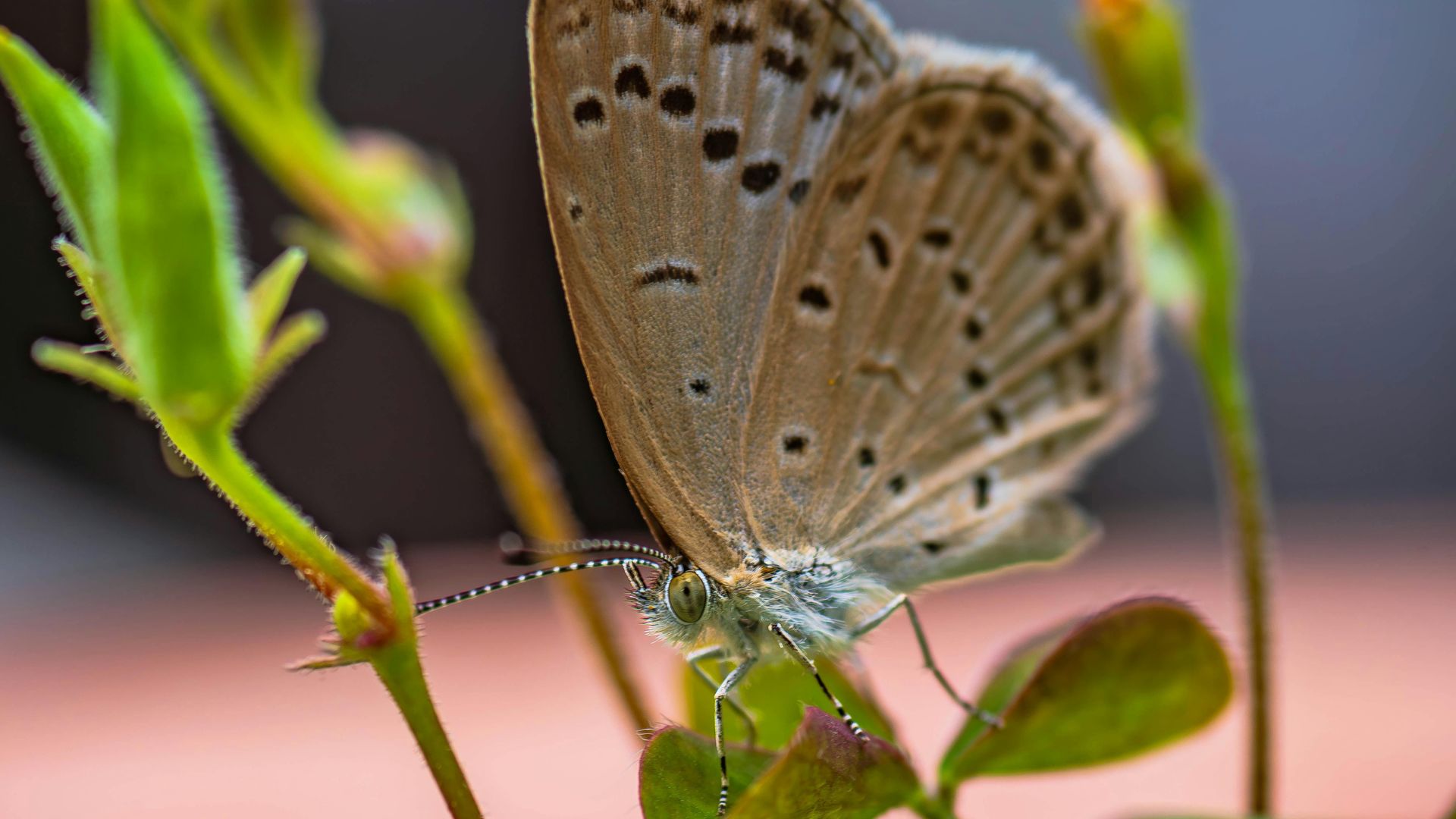
Some butterflies, like Monarchs, get special attention because of conservation efforts, so you might see them fluttering around your garden. You can’t harm them or destroy their habitat, especially if they’re federally protected. Planting milkweed or other nectar plants also helps support their populations while giving your garden a splash of color. Watching them land and feed can be calming, and letting them move freely ensures you’re following guidelines while enjoying these delicate visitors.
Squirrels
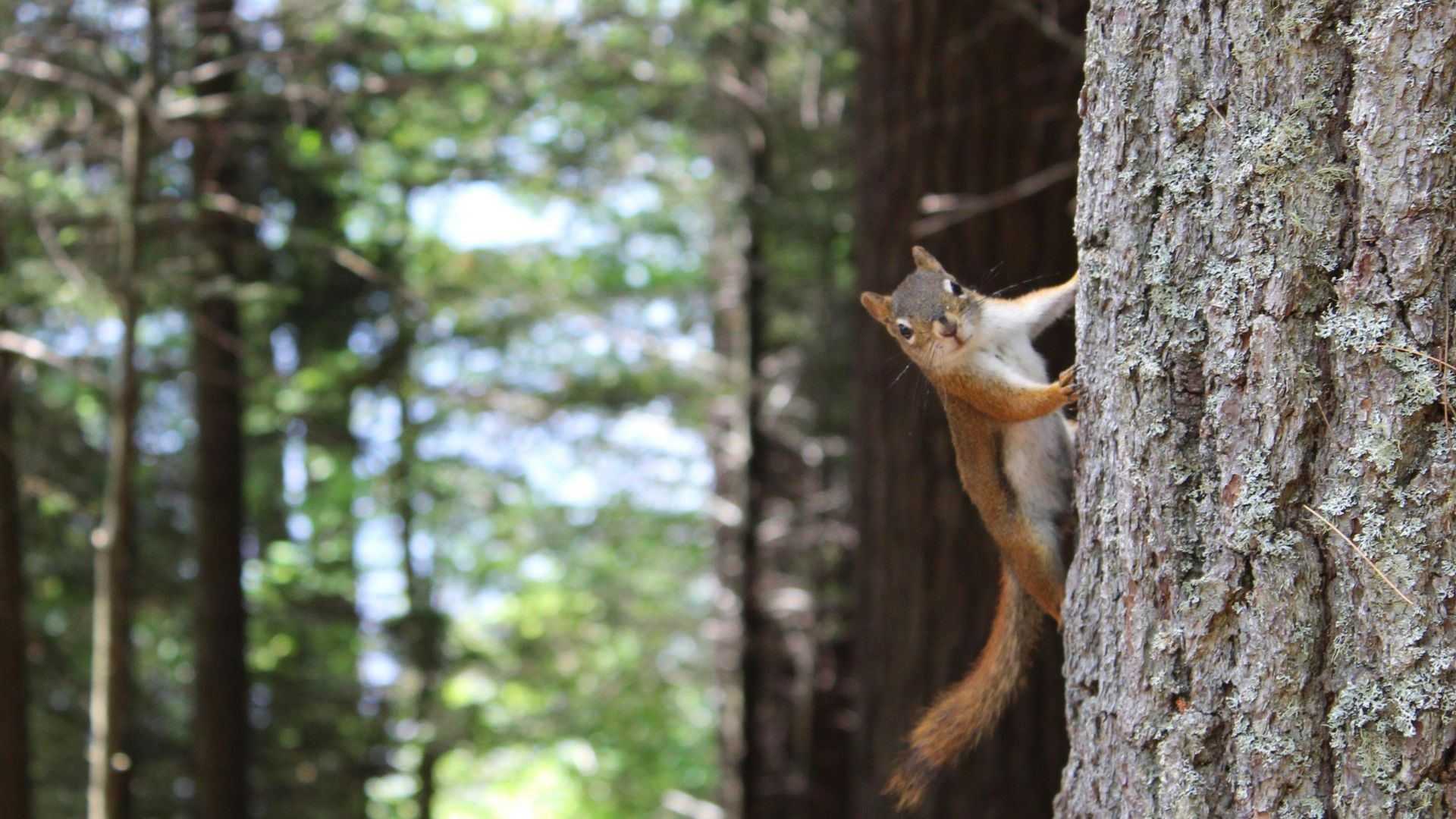
Squirrels scurry through yards and trees, so you might notice them nibbling on birdseed or hiding acorns. Some areas have local laws that protect native squirrels, meaning you can’t remove or harm them yourself. City wildlife services often handle any relocation or removal. You can also watch their busy routines from a distance, which can be entertaining. Checking local rules ensures you stay legal while sharing your garden with these energetic little visitors.
Living with Protected Wildlife