Union Says SoFi Workers ‘Could Walk Off The Job’ During World Cup Matches If Pay And ICE Concerns Aren’t Addressed
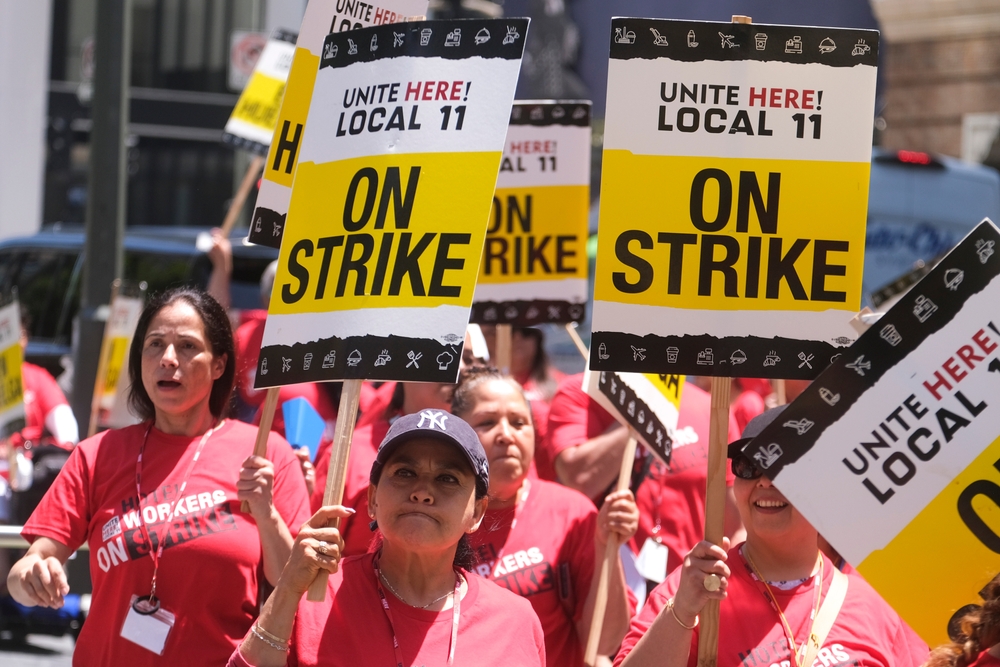

Just days before SoFi Stadium hosted World Cup matches, thousands of hospitality workers signaled they were prepared to disrupt one of the world’s largest sporting events. Members of UNITE HERE Local 11 voted overwhelmingly to authorize a strike, warning that workers could walk off the job during tournament matches if negotiations over wages, job security, and immigration-related concerns failed to produce an agreement.
The Workers Behind The Threat
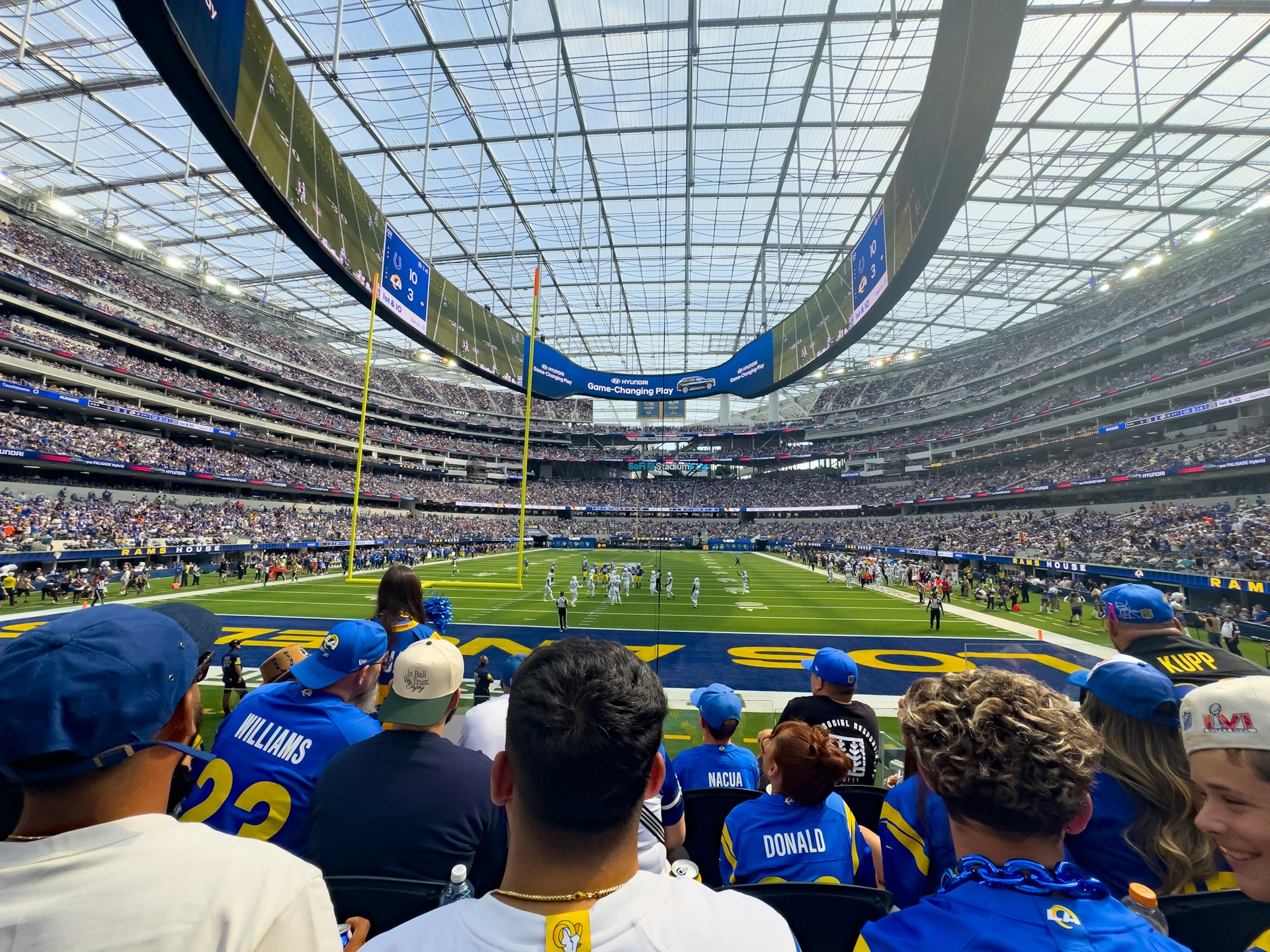
The dispute involved roughly 2,000 food and beverage employees working at SoFi Stadium in Inglewood, California. The bargaining unit included bartenders, cashiers, concession workers, cooks, dishwashers, servers, and food attendants employed through Legends Hospitality, the company responsible for hospitality operations at the stadium. Their work would be central to serving fans attending World Cup matches, including the U.S. men’s national team’s opening game against Paraguay.
Why Workers Authorized A Strike
Union officials announced that 96% of participating workers voted in favor of strike authorization. The vote did not automatically trigger a work stoppage, but it gave union leaders leverage during negotiations and allowed workers to strike if talks broke down. Union representatives said discussions with Legends had been moving at a “glacial” pace despite the approaching tournament and the economic importance of the event.
Pay And Job Security Were Central Issues

Workers argued that the World Cup would generate substantial revenue while many employees continued to struggle with rising living costs. The union sought stronger wage increases, protections against subcontracting, and safeguards for existing union jobs. According to union leaders, some proposed wage increases were modest, while certain categories of workers faced potential wage freezes despite the scale of the international event.
Immigration Enforcement Became A Major Flashpoint
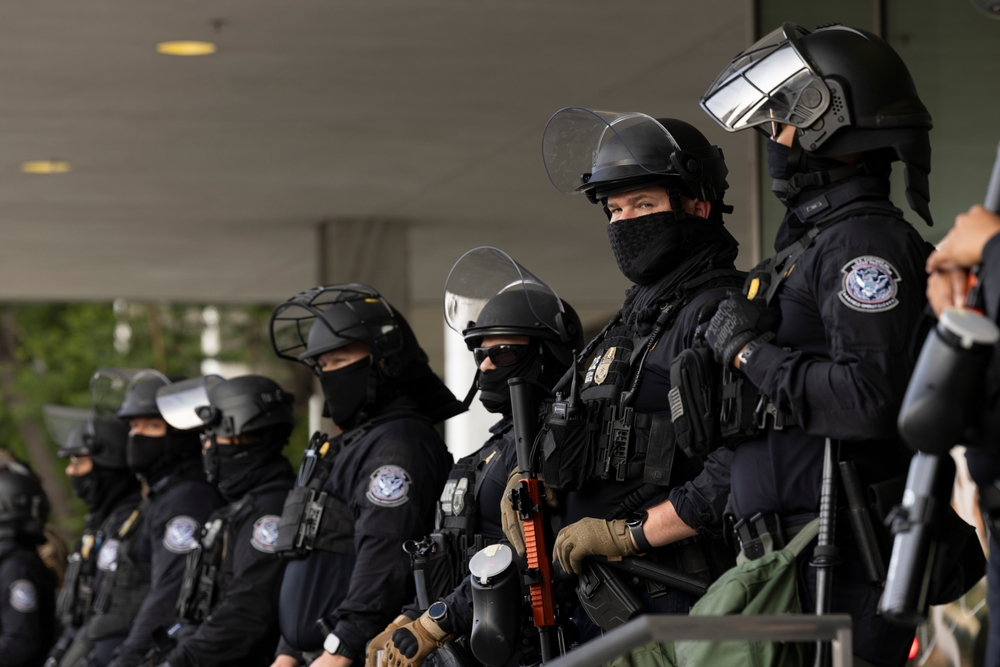
Beyond traditional labor issues, workers repeatedly raised concerns about federal immigration enforcement. The union argued that many employees feared possible ICE activity connected to World Cup operations and wanted stronger guarantees that immigration enforcement would not affect workers, fans, or surrounding communities. Those concerns emerged amid broader national debates over immigration enforcement policies and the role of federal agencies at major public events.
Calls For FIFA To Exclude ICE From The Event

UNITE HERE Local 11 pushed FIFA to seek assurances that Immigration and Customs Enforcement and Border Patrol would play no role in World Cup operations. Workers also expressed concerns about personal information collected through accreditation processes, arguing that sensitive data could potentially be shared with government agencies or other entities. These demands became a central element of the broader contract campaign.
Officials Offered Mixed Signals About Federal Presence
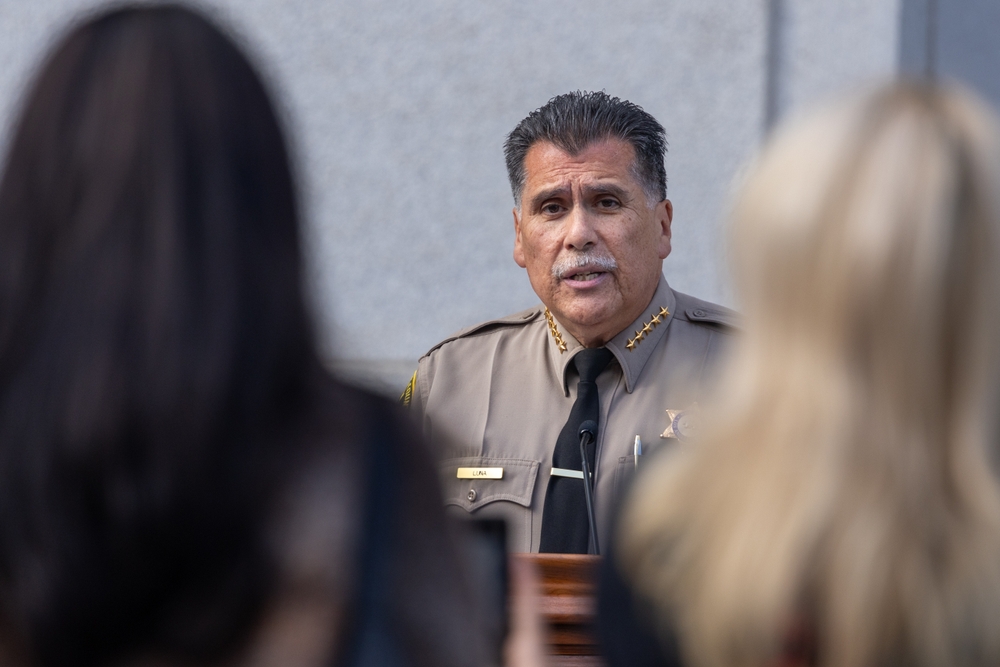
NPR reported that Los Angeles County Sheriff Robert Luna said Department of Homeland Security officials had informed him that federal personnel would be present to help secure World Cup events but would not be conducting civil immigration enforcement at the matches. At the same time, federal officials stopped short of providing absolute guarantees, noting that agencies would participate in security operations associated with a major international sporting event.
Political Leaders Joined The Debate
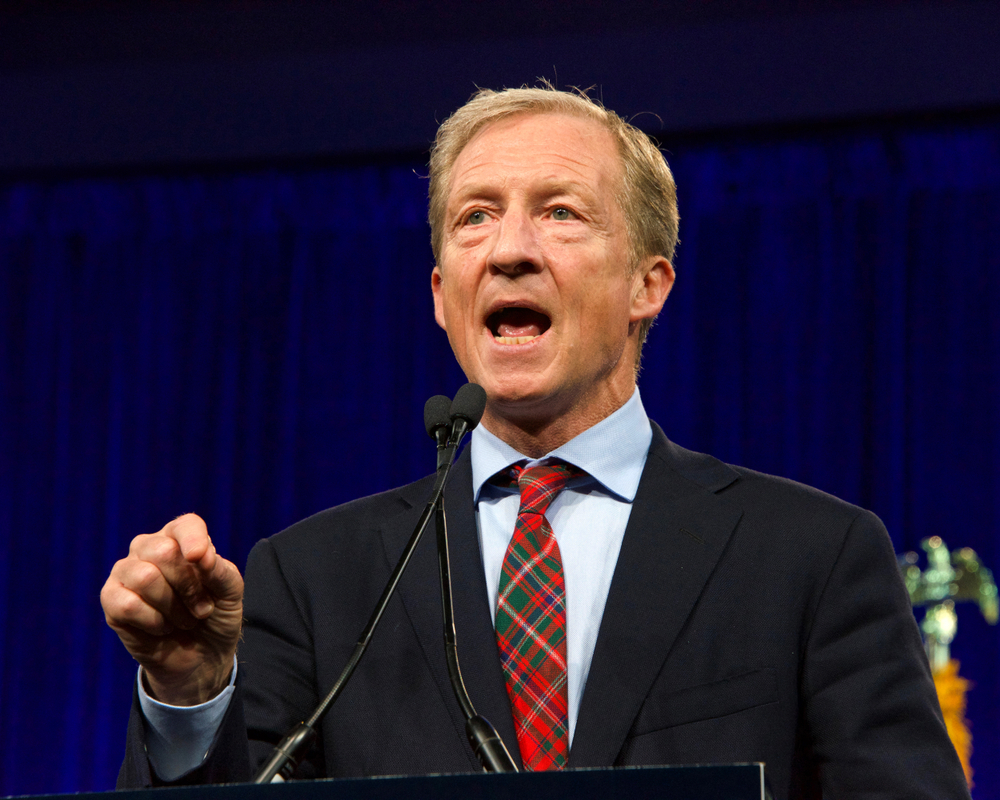
The labor dispute attracted attention beyond the workplace. California gubernatorial candidate Tom Steyer appeared alongside workers and publicly called for ICE to have no role in the World Cup. Worker advocates also urged California Attorney General Rob Bonta to investigate FIFA’s accreditation process, alleging potential privacy concerns under California law. The controversy expanded the negotiations into a broader political discussion about labor rights, immigration policy, and major sporting events.
Legends And The Union Presented Competing Views
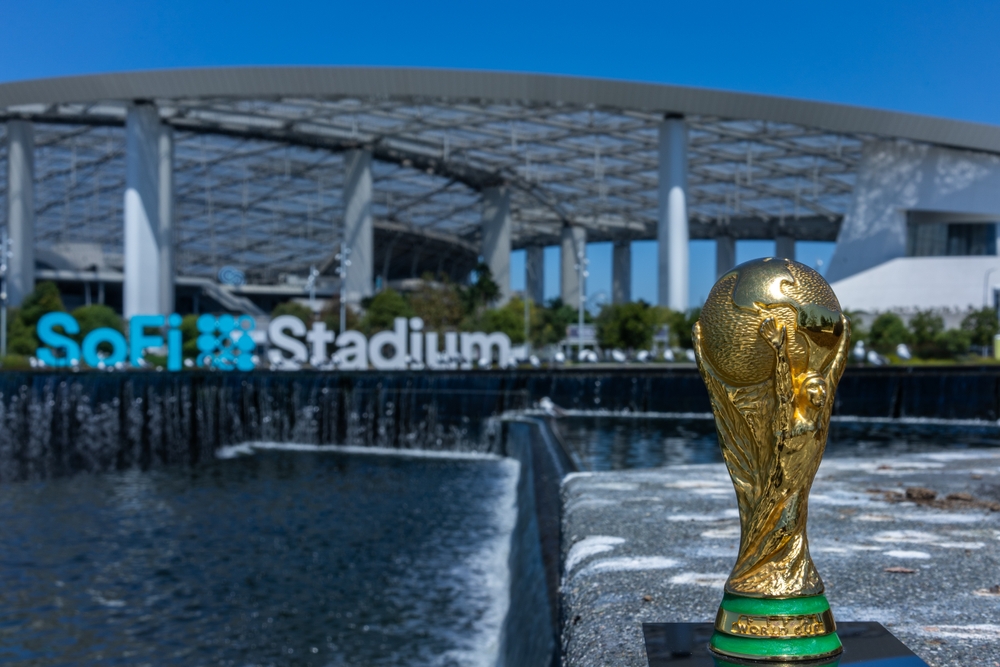
Legends Hospitality maintained that it had enjoyed a productive relationship with the union for more than a decade and said it remained committed to reaching a fair agreement through good-faith negotiations. Union leaders countered that workers deserved stronger protections before helping deliver a global showcase expected to generate enormous profits for organizers, sponsors, and hospitality providers.
A Deal Arrived Before The Walkout
Ultimately, the strike threat helped accelerate negotiations. On June 9, UNITE HERE Local 11 announced a tentative agreement covering approximately 2,000 workers at SoFi Stadium. The proposed contract included major wage increases, housing-related funding commitments, restrictions on automation and subcontracting, expanded privacy protections, and an unusual provision preserving workers’ right to strike if federal immigration actions were deemed to threaten worker safety during World Cup matches. The agreement appeared to avert a disruption to the tournament while highlighting how labor issues can intersect with immigration policy, privacy concerns, and global sporting events.