Utah Startup Discovers Vast Clean Energy Source Underneath the Nevada Desert Using an ‘Unusual’ Method
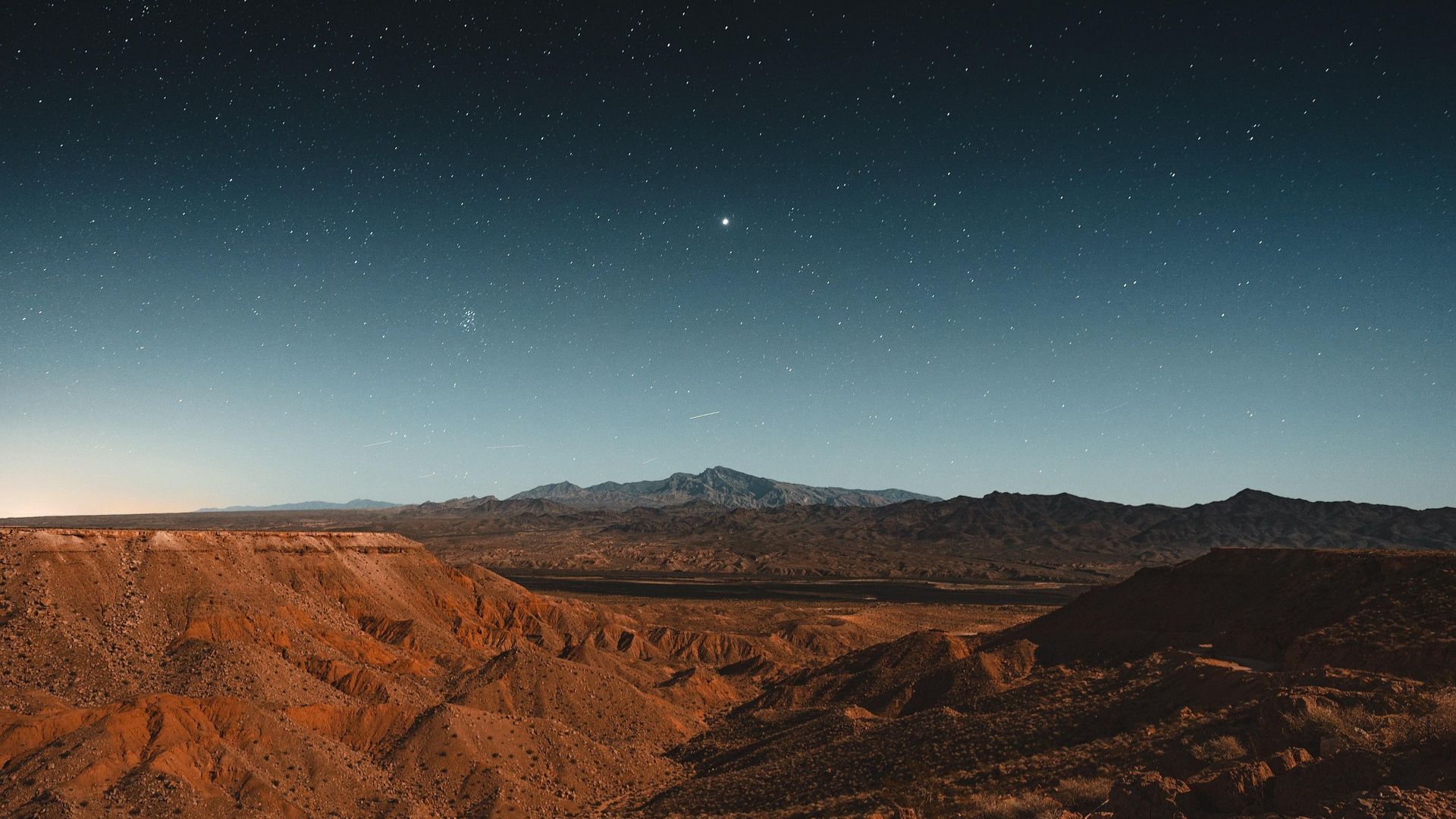

At first glance, a remote stretch of western Nevada appears unchanged and unremarkable, a dry desert plain framed by rugged mountain ranges. There are no surface clues suggesting anything extraordinary below. Yet deep underground, this quiet landscape conceals a powerful source of clean energy that could reshape how geothermal resources are discovered in the United States.
A Utah-based company, Zanskar Geothermal and Minerals, revealed that it identified a high-temperature geothermal reservoir thousands of feet beneath this terrain. The discovery did not rely on traditional visual markers such as hot springs or geysers. Instead, it emerged from a data-driven approach that challenges long-standing assumptions about where viable geothermal energy can exist.
The site has been named Big Blind, a term used for geothermal systems with no obvious surface expression and no prior exploration history. According to the company, it represents the first industry-led discovery of a blind geothermal system in more than thirty years, suggesting that many similar resources may still lie undetected across the western United States.
Why Geothermal Has Been So Hard to Find
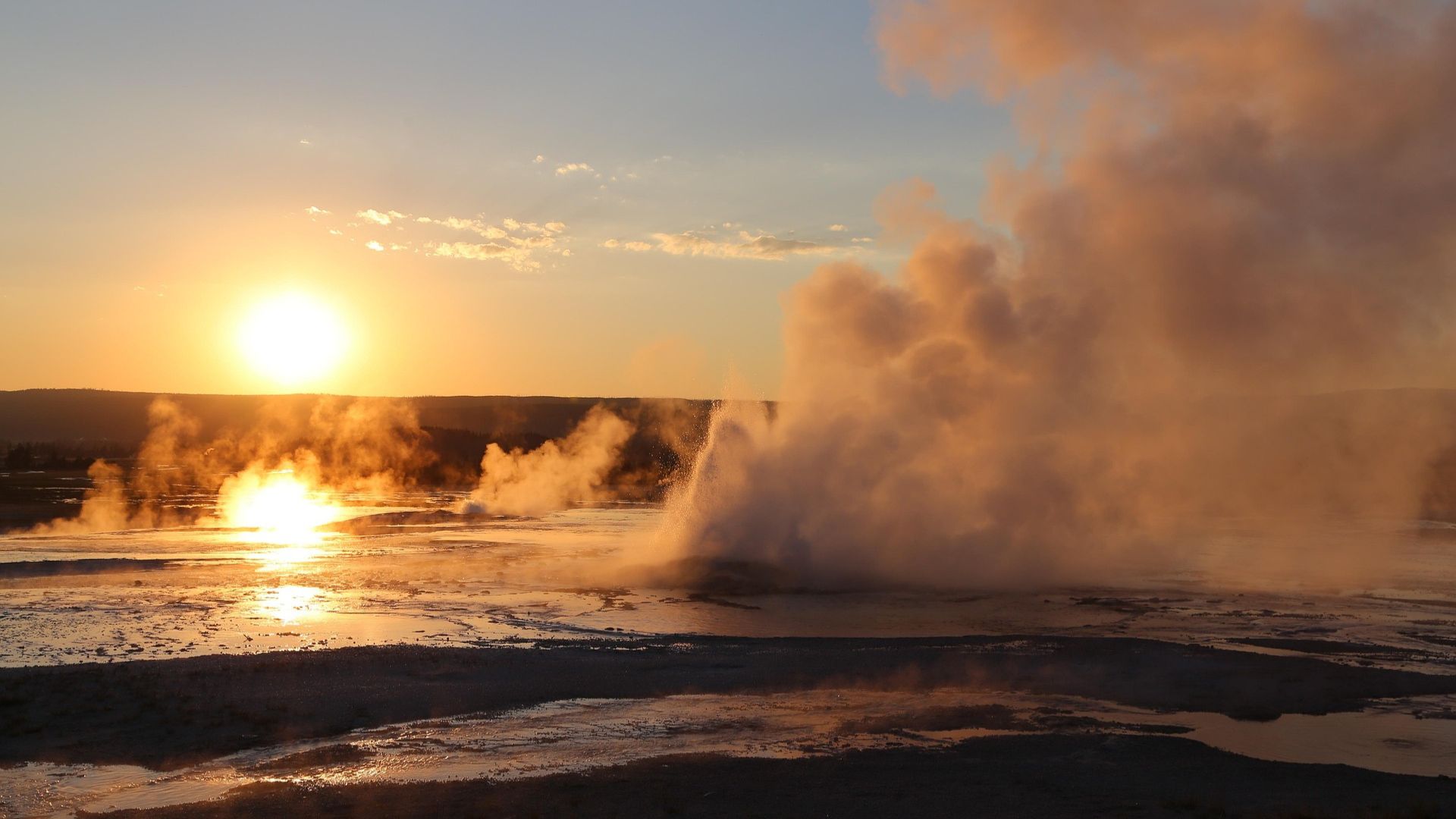
Geothermal energy holds enormous promise. It delivers constant power, produces minimal emissions, and does not depend on weather conditions, unlike solar or wind. Despite these advantages, its expansion has been limited for decades, largely because locating suitable underground conditions is both complex and expensive.
Successful geothermal projects require a precise combination of heat, water, and permeable rock formations. In past decades, energy companies invested heavily in drilling campaigns, only to face low success rates and high financial risk. By the mid-1980s, enthusiasm faded as many projects failed to justify their costs.
Experts often describe geothermal exploration as a problem of connecting weak signals scattered across many datasets. No single measurement can confirm what lies beneath the surface. Instead, subtle geological, chemical, and physical indicators must be interpreted together, a task that has historically exceeded human analytical capacity.
How Artificial Intelligence Changed the Search

Zanskar approached this challenge by training artificial intelligence models on data from known blind geothermal systems discovered unintentionally during oil and gas drilling over the past century. These existing examples provided a valuable reference for teaching algorithms what patterns to look for underground.
The models analyze vast and varied datasets, including rock chemistry, subsurface structures, gravity measurements, and magnetic fields. By processing these inputs simultaneously, the system can detect relationships that would be nearly impossible to identify manually. Over the past decade, advances in machine learning have made this kind of signal extraction far more reliable.
Once the AI highlighted a promising location, traditional drilling methods were used to verify the findings. At Big Blind, wells reached depths of roughly 2,700 feet, revealing porous rock and temperatures around 250 degrees Fahrenheit. The results confirmed the presence of a reservoir large enough to support utility-scale electricity generation.
A New Chapter for Clean, Reliable Power
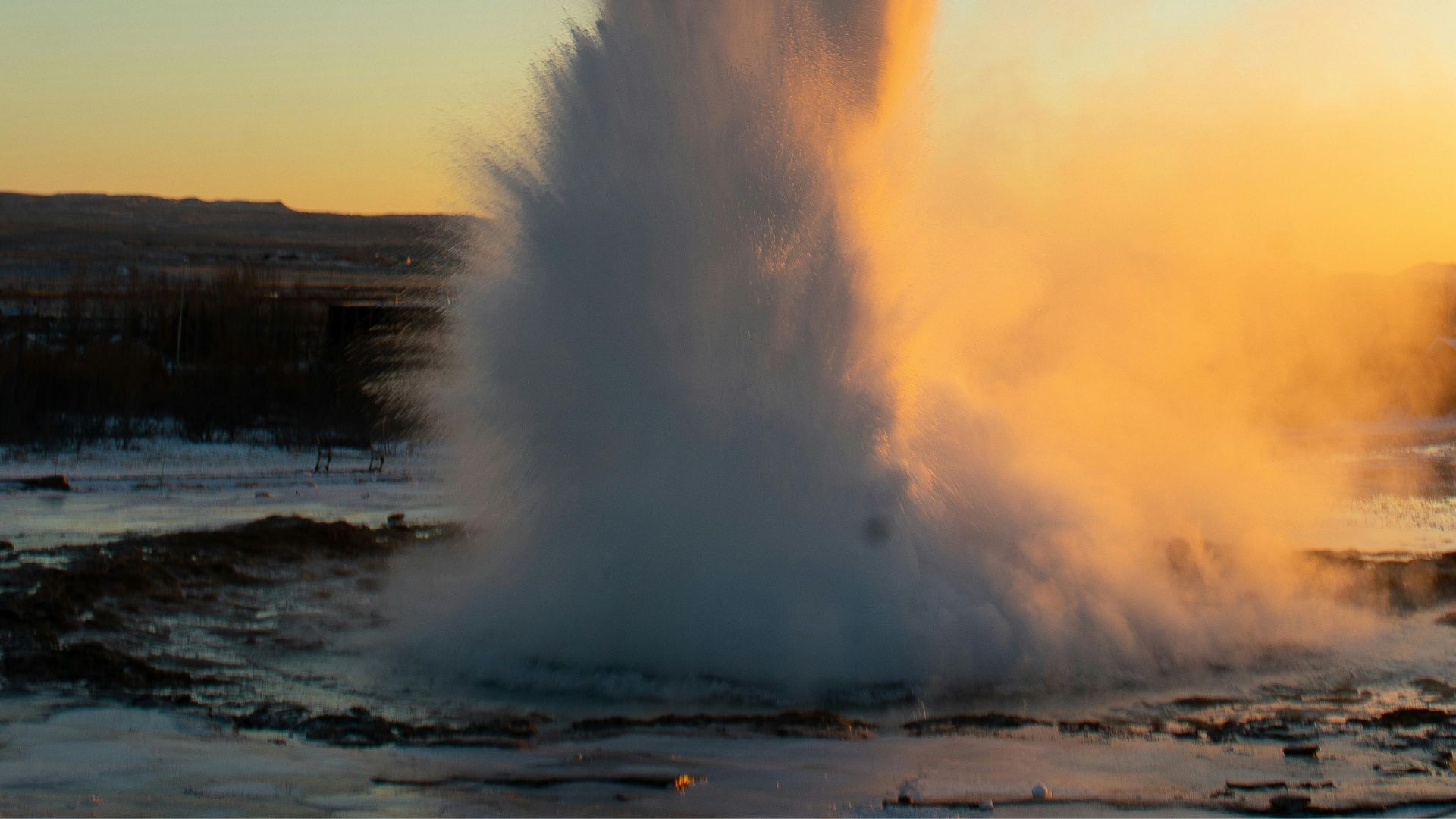
The discovery at Big Blind is widely seen as a meaningful step forward for the geothermal sector. Researchers estimate that most geothermal resources in the United States remain hidden, with no surface indicators at all. Improving the ability to locate these systems could unlock tens or even hundreds of gigawatts of clean power in the western regions alone.
Beyond the technical achievement, the timing is notable. Geothermal energy benefits from existing drilling expertise developed by the oil and gas industry, which helps control costs and reduce development risks. It also faces a relatively favorable policy environment, positioning it for steady growth in the coming years.
As electricity demand rises, particularly from data centers and advanced computing systems, geothermal offers a rare combination of reliability and sustainability. The success of AI-assisted exploration suggests that conventional geothermal resources may be far from exhausted. For many experts, this marks the beginning of a broader geothermal revival, driven by smarter tools and a renewed understanding of what lies beneath the surface.