The Global EV Market is Thriving, So Why is Tesla Floundering?
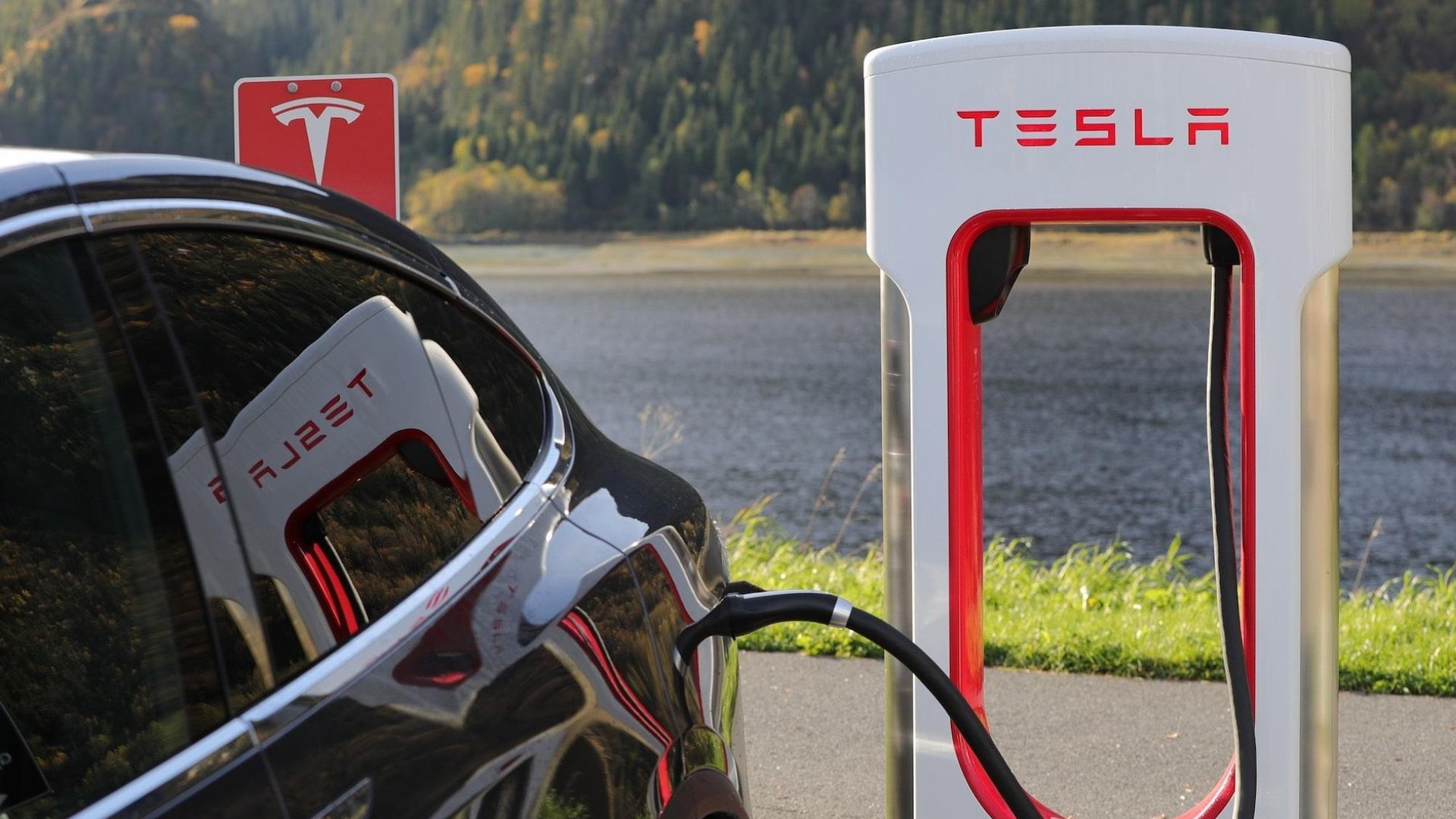

The recent narrative surrounding the electric vehicle industry has been heavily focused on Tesla’s persistent sales challenges, leading many to believe the entire sector is in retreat. However, a closer look at international data reveals that this struggle is an isolated phenomenon rather than a market-wide trend.
While North American sales experienced a 4% dip in 2025, this was largely due to the expiration of federal tax incentives in the United States. In contrast, the rest of the world tells a much more optimistic story of growth and adoption.
Global demand for sustainable transportation remains robust, even as certain legacy leaders find themselves at a crossroads. The disconnect between Tesla’s performance and the broader market highlights a significant shift in consumer preferences and regional economic dynamics.
Beyond the Headlines of a Market in Transition

According to recent data from the Benchmark Mineral Institute, the global electric vehicle market achieved a landmark milestone in 2025. Total sales reached 20.7 million units, representing a substantial 20% increase compared to the previous year.
This growth was particularly concentrated in regions that prioritized infrastructure and competitive pricing. China continues to lead the charge as the world’s largest EV market, accounting for 12.9 million vehicles sold while maintaining a steady 17% growth rate.
Europe emerged as a powerhouse of adoption, boasting a 33% increase in sales. Even regions outside of the traditional automotive centers saw a nearly 50% surge in demand, illustrating a worldwide commitment to decarbonizing transportation.
The Emergence of New Industry Leaders
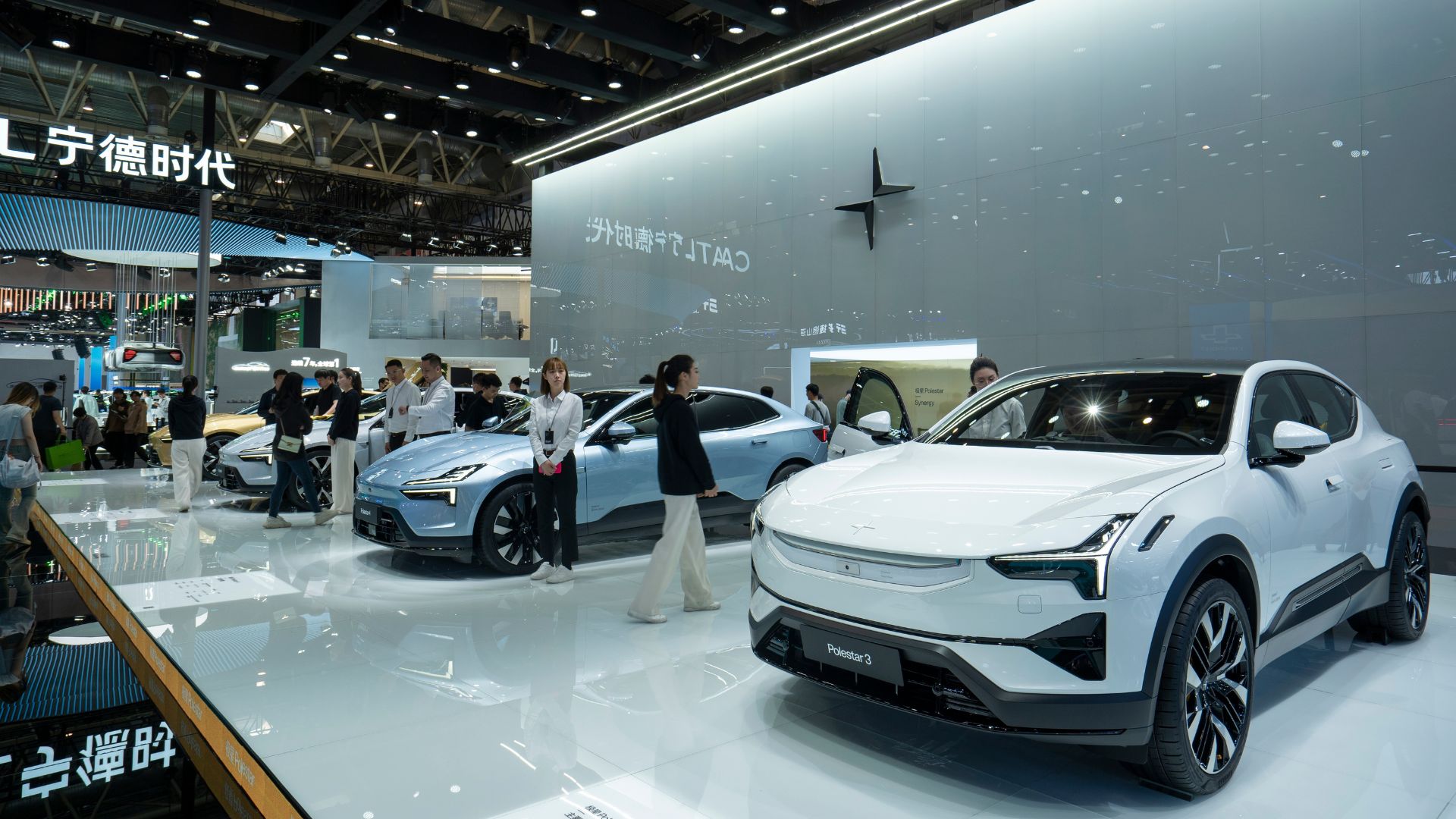
A significant turning point occurred in 2025 when the Chinese manufacturer BYD officially surpassed Tesla to become the world’s leading electric vehicle producer. This transition was fueled by strategic expansion into European markets and a product lineup that resonates with price-conscious consumers.
BYD’s success is exemplified by achieving a one-million-unit sales milestone for a single vehicle model. This feat underscores the brand’s growing global influence and its ability to capture market share in a highly competitive environment.
Europe has become a primary battleground for this new era, with Chinese manufacturers now accounting for approximately 14% of all EV sales in the region. This influx of variety provides consumers with more choices, often at price points that established Western brands struggle to match.
Navigating the Future of Sustainable Transport
In contrast to the global gains, Tesla reported its second consecutive year of declining sales. The company is navigating a “perfect storm” of challenges, ranging from increased competition to the loss of financial incentives and shifting brand perception.
While some icons have faltered, other manufacturers have found a way to thrive within the same landscape. In the United States, brands like Volvo, Volkswagen Group, and General Motors emerged as notable winners by capturing the interest of buyers looking for reliability.
The global EV market is thriving, but it is doing so in a way that demands innovation and a keen understanding of a crowded landscape. Brands that adapt to regional demands are pulling ahead, while those relying on past prestige are being forced to recalibrate.