Spain Make Brave Move to Block Social Media Access for Kids Under 16
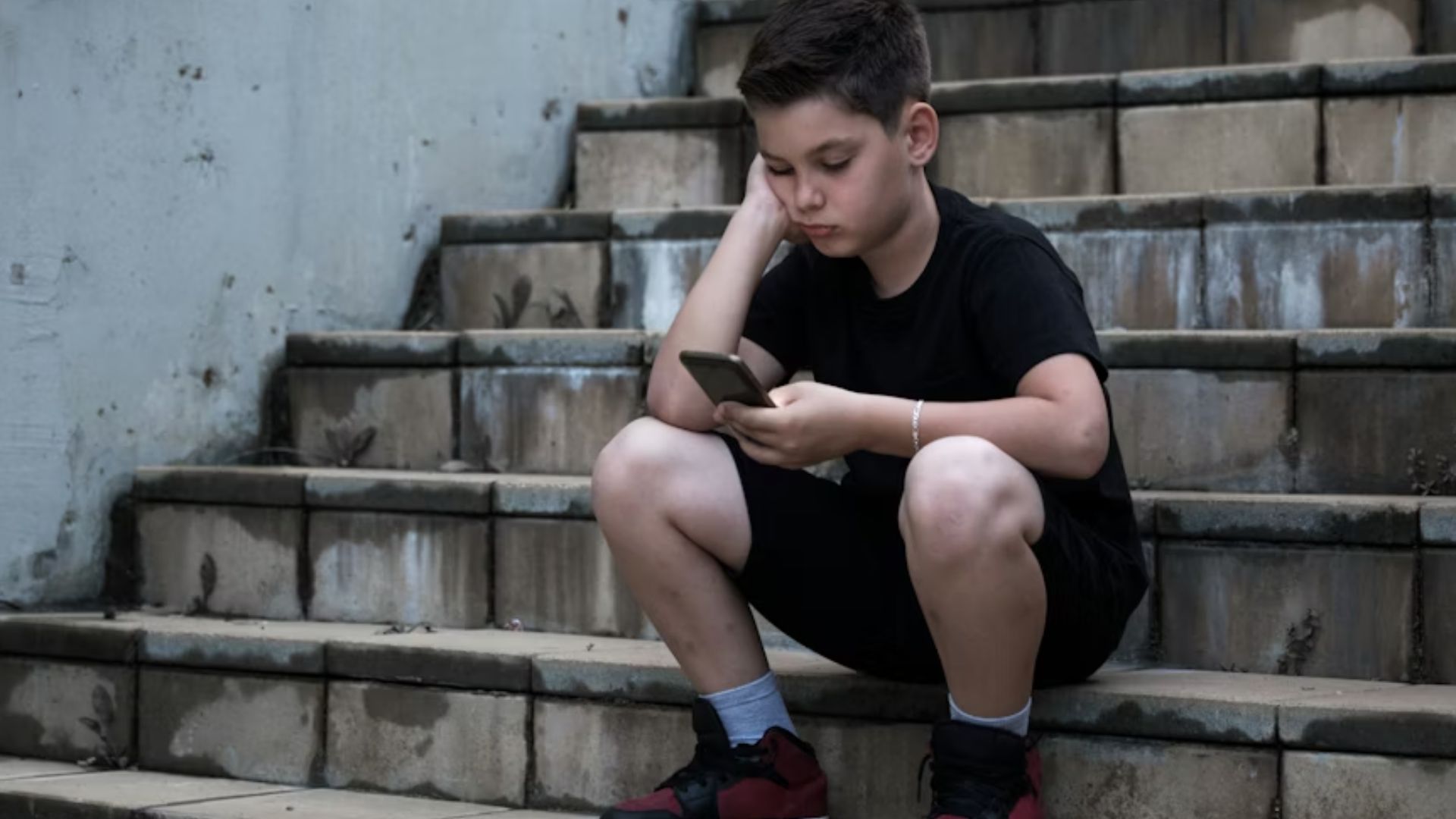

Spain has entered a pivotal global debate by proposing rigorous legislative measures to restrict digital platform usage for minors. This initiative reflects a growing international trend where governments prioritize the psychological well-being and safety of younger generations over the unrestricted reach of big tech.
Establishing a New Digital Frontier

The Spanish government is taking a firm stance against the unregulated nature of the internet, with Prime Minister Pedro Sánchez describing the current landscape as a digital wilderness. By proposing a ban for children under the age of 16, the administration aims to curb exposure to harmful environments while holding tech leaders personally accountable for the content hosted on their platforms. This move signals a shift toward active intervention, prioritizing the mental health of the next generation.
Global Momentum for Age Restrictions

Spain joins a growing list of nations like Australia, France, Denmark, and Austria that are reevaluating the presence of minors in digital spaces. While Australia was the pioneer in implementing such a ban, European neighbors are now closely monitoring these developments to determine the viability of their own national age limits. The United Kingdom is also exploring similar territory, reflecting a widespread belief that the status quo of social media access is no longer sustainable.
The Reality of Digital Vulnerability

During the World Governments Summit, Sánchez emphasized that today’s youth are navigating sophisticated environments never designed for their developmental stage. He pointed to the prevalence of addictive algorithms, instances of abuse, and the spread of violent imagery as primary reasons for the intervention. The Spanish leadership argues that society can no longer ignore these darker corners, asserting that it is the state’s fundamental duty to shield children from such pervasive influences.
Implementing Effective Verification Barriers

A central component of the proposed law involves the transition from simple checkbox confirmations to robust age verification systems that cannot be easily bypassed. Previous attempts in other regions have struggled with loopholes, such as minors using adult photos to trick sensors, but Spain seeks to implement genuine barriers. These technical requirements aim to close the gap between policy and practice, making it significantly harder for underage users to inhabit platforms built for adults.
Targeting Algorithmic Manipulation

Beyond simple access, the new legislation seeks to criminalize the intentional manipulation of algorithms that prioritize harmful content for financial gain. The government intends to investigate specific actors and platforms that allow disinformation to flourish through automated systems lacking moral filters. By challenging the notion that technology is neutral, Spain is demanding transparency from companies that use complex code to drive engagement at the cost of social stability.
Monitoring Division and Digital Hate

The Spanish initiative also includes plans for a specialized system to track how various digital interfaces contribute to social polarization and the amplification of hate speech. Although the specific technical details remain under development, the intent is to create a more harmonious online culture for young citizens. This proactive approach aims to identify the root causes of digital conflict, ensuring that platforms do not become echo chambers that fuel real-world hostility.
Investigating Corporate Accountability

Part of this legislative package involves the active prosecution of crimes linked to specific artificial intelligence tools and social media giants. Recent international concerns regarding the creation of unauthorized sexualized imagery and the extraction of private data have placed companies like X and TikTok under intense scrutiny. With European authorities already conducting raids and investigations, Spain is aligning its legal framework to ensure tech entities operate within the boundaries of human rights.
The Resistance from Industry Giants
Unsurprisingly, major social media corporations have pushed back against these restrictions, arguing that bans are difficult to enforce and could lead to social isolation. Some tech leaders have even characterized these legislative efforts as an assault on free speech, sparking a heated debate between private interests and public safety. This tension highlights the difficult balance governments must strike between maintaining an open internet and protecting those most susceptible to its negative effects.
Political Challenges and Domestic Support

While the proposal has gained significant international attention, it still faces hurdles within the Spanish parliament due to the current coalition’s lack of a clear majority. Interestingly, the conservative opposition has expressed some level of support, noting they have advocated for similar protections in the past. However, the plan remains a point of contention among different political factions, meaning its successful passage will require a delicate negotiation of national priorities.
Leading the European Charge
As Spain prepares to vote on these changes, the eyes of the world remain fixed on the Mediterranean nation to see if it can successfully enforce these boundaries. With France also aiming for a similar ban for under-15s by the next school year, the European landscape is rapidly shifting toward a more regulated digital experience. The outcome of this legislative push will likely set a powerful precedent for how modern societies manage the intersection of technology and childhood.