Scientists Warn the ‘Doomsday Glacier’ Is Holding On by its Fingernails
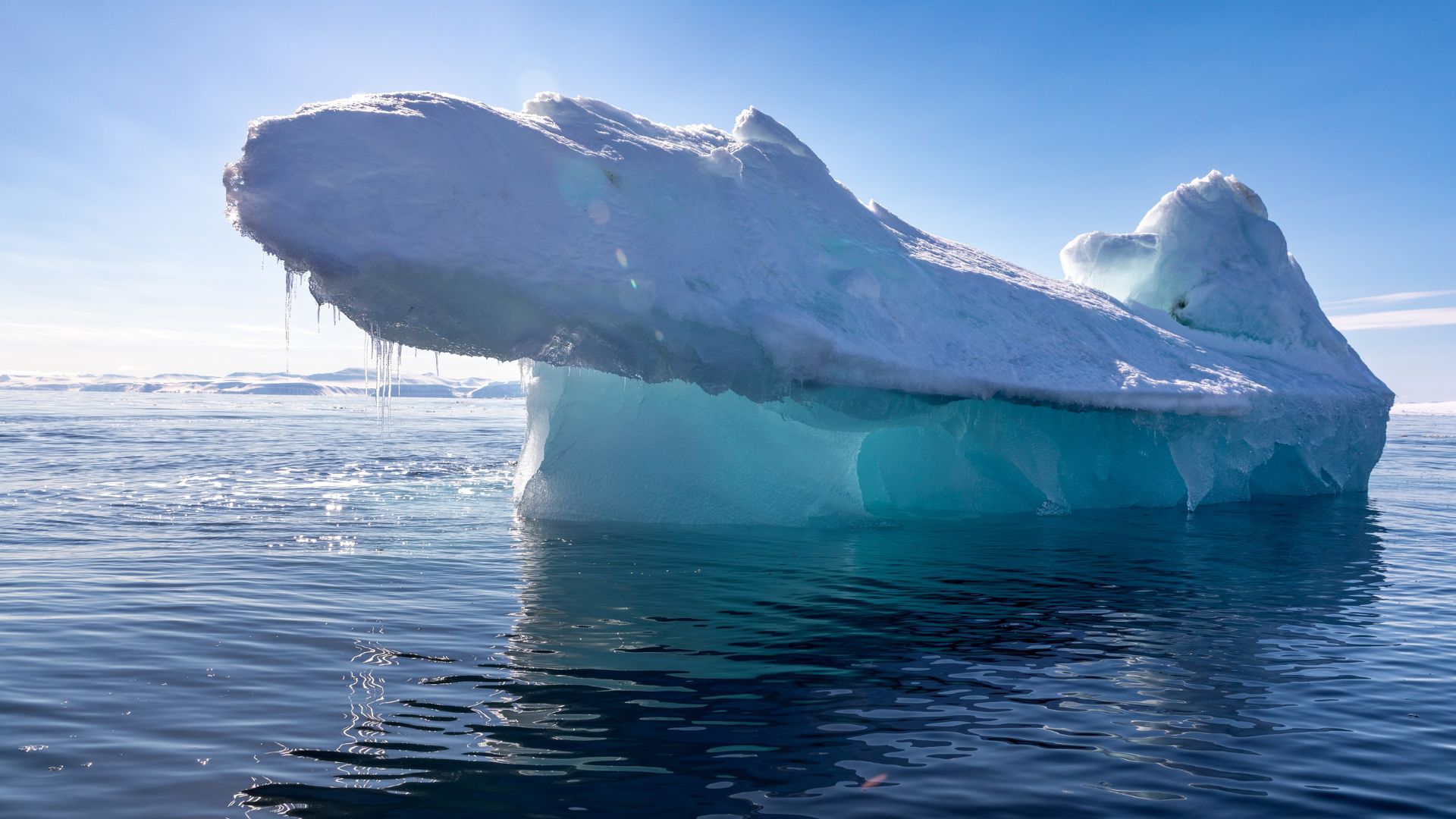

Satellite observations are offering an unprecedented look beneath Antarctica’s Thwaites Glacier, revealing a fragile system under far greater stress than scientists once believed. Often called the “Doomsday Glacier,” Thwaites is now showing signs that warm ocean water is penetrating deep below its surface, accelerating melting from the inside out. This hidden interaction between ice and sea is reshaping how researchers understand the glacier’s stability and its potential impact on the planet.
The new findings suggest that current projections of global sea level rise may not fully capture the scale of the risk. As ocean water moves beneath the glacier, it triggers intense melting at critical contact points between ice and bedrock. This process weakens the glacier’s foundation, making it more susceptible to rapid change in a warming world.
Thwaites already plays a measurable role in rising seas, contributing roughly four percent of the global total. What makes it especially concerning is its position, acting as a natural barrier that helps hold back vast amounts of ice in West Antarctica. If that barrier were to fail, the consequences would extend far beyond the polar region, affecting coastlines worldwide.
What Radar From Space Is Revealing

Using high resolution satellite radar data collected over several months, a team of glaciologists has been able to observe daily changes beneath the glacier with remarkable precision. This technology functions like an X ray, allowing scientists to track how seawater moves under the ice and how the glacier responds to tidal cycles. For the first time, researchers can see these processes unfolding continuously rather than relying on isolated snapshots.
One of the most striking discoveries is how far and how fast seawater travels beneath Thwaites. Driven by tides, ocean water can push many miles inland, briefly lifting the glacier’s surface by centimeters before retreating again. This constant motion increases melting because newly melted freshwater is quickly replaced by warmer, saltier water, sustaining the cycle.
These observations challenge the traditional idea of a fixed “grounding line,” the point where ice meets the seabed. Instead, scientists are now describing a dynamic grounding zone that shifts over several miles within hours. This mobility introduces new instability into a glacier already considered one of the most vulnerable on Earth.
Why This Changes Sea Level Forecasts
The presence of widespread seawater intrusion beneath Thwaites adds a critical factor that has not yet been fully incorporated into climate and ice sheet models. By speeding up melting at the glacier’s base, this process could amplify ice loss beyond current expectations. Researchers caution that even small underestimations at this scale can translate into significant differences for future sea level rise.
Experts not directly involved in the study describe the findings as both compelling and concerning. They highlight that understanding these hidden mechanisms is essential for improving forecasts and preparing coastal communities for what may come. While the process has been observed in specific areas of the glacier, its influence could extend further as conditions continue to evolve.
There is still uncertainty around whether this phenomenon is relatively new or has been occurring unnoticed for decades. Regardless of its history, scientists agree it represents an important piece of the puzzle that must be accounted for when assessing Antarctica’s future contribution to rising seas.
Antarctica in a Changing Climate
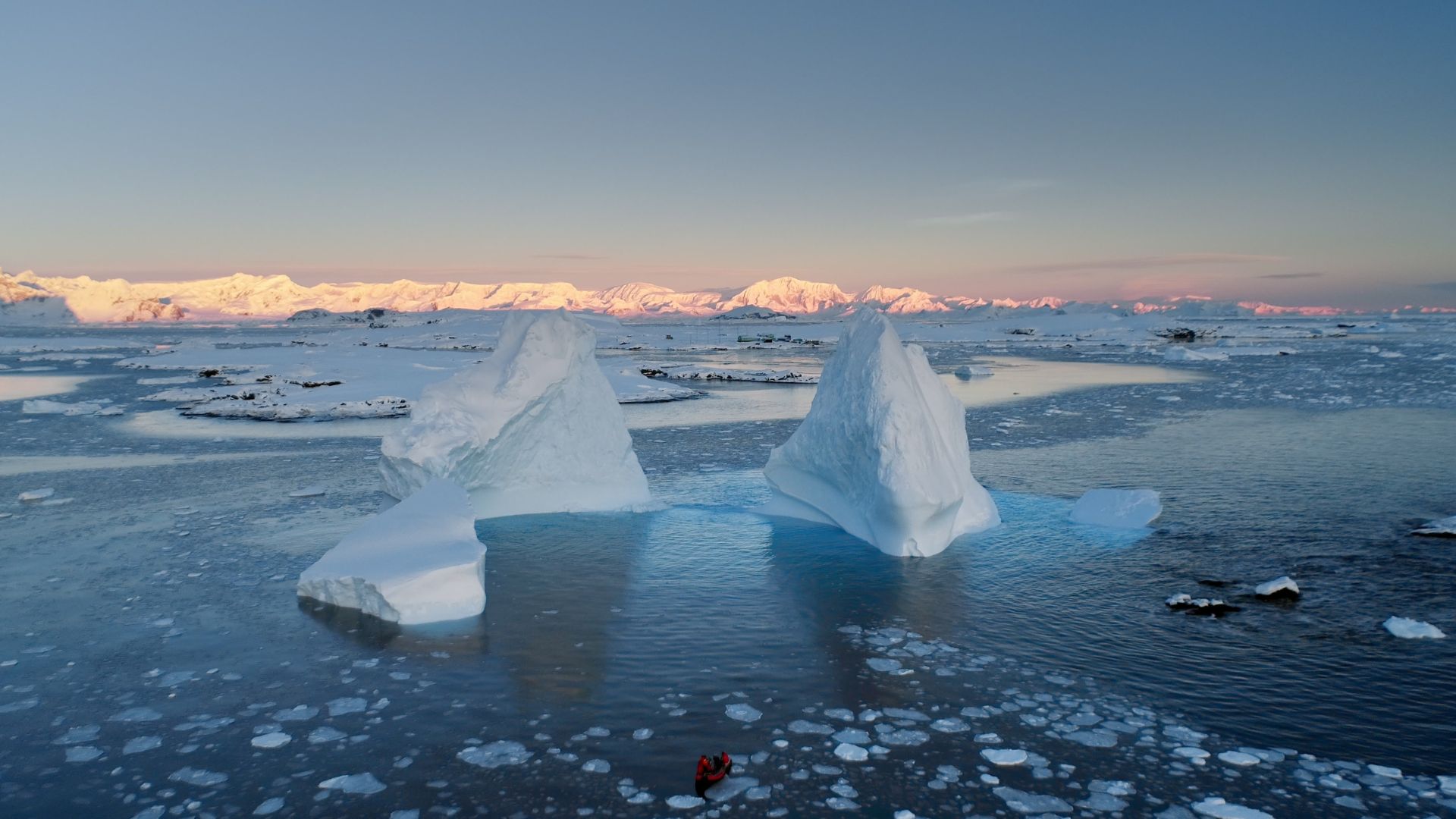
The situation at Thwaites reflects a broader shift underway across Antarctica. Once considered largely insulated from rapid change, the continent is showing increasing sensitivity to rising global temperatures. Recent studies of Antarctic sea ice have recorded unprecedented lows, outcomes that climate models suggest would be highly unlikely without human driven warming.
Advances in satellite technology are playing a crucial role in uncovering these trends. By observing Earth from space, scientists are gaining insights into remote regions that were previously difficult to study in detail. This growing body of evidence is reshaping our understanding of how interconnected the climate system truly is.
While many questions remain about the pace and scale of future changes, the message from researchers is clear. Processes unfolding beneath Antarctica’s ice are not distant or abstract, they are active now, and their consequences will be felt far beyond the polar ice.