NASA Is Sending One Final Signal to Rescue Its Silent Mars Orbiter After a Month of Silence

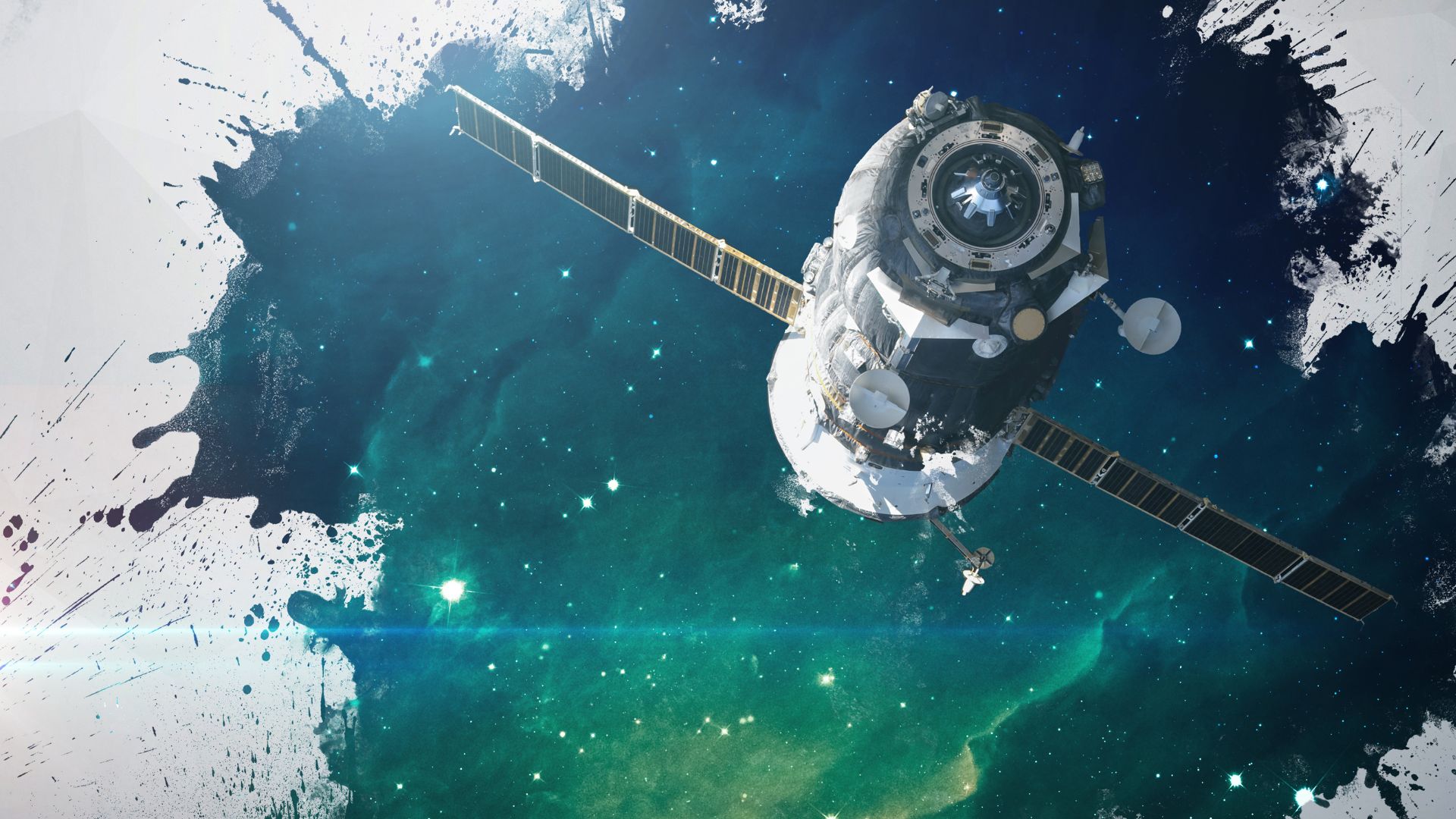
NASA is preparing one last attempt to reconnect with the MAVEN spacecraft, a Mars orbiter that has remained unresponsive for more than a month. After a carefully planned pause caused by a solar conjunction, the space agency is once again listening for any sign from a mission that has played a vital role in understanding the Red Planet.
The renewed effort follows the end of a period when the Sun aligned directly between Earth and Mars, a configuration known to disrupt radio communications. During these intervals, NASA intentionally suspends contact with spacecraft to prevent corrupted signals from triggering unintended commands.
With that window now closed, engineers are resuming contact attempts, fully aware that the odds of recovery are slim but not entirely exhausted.
The Silence That Followed a Routine Maneuver
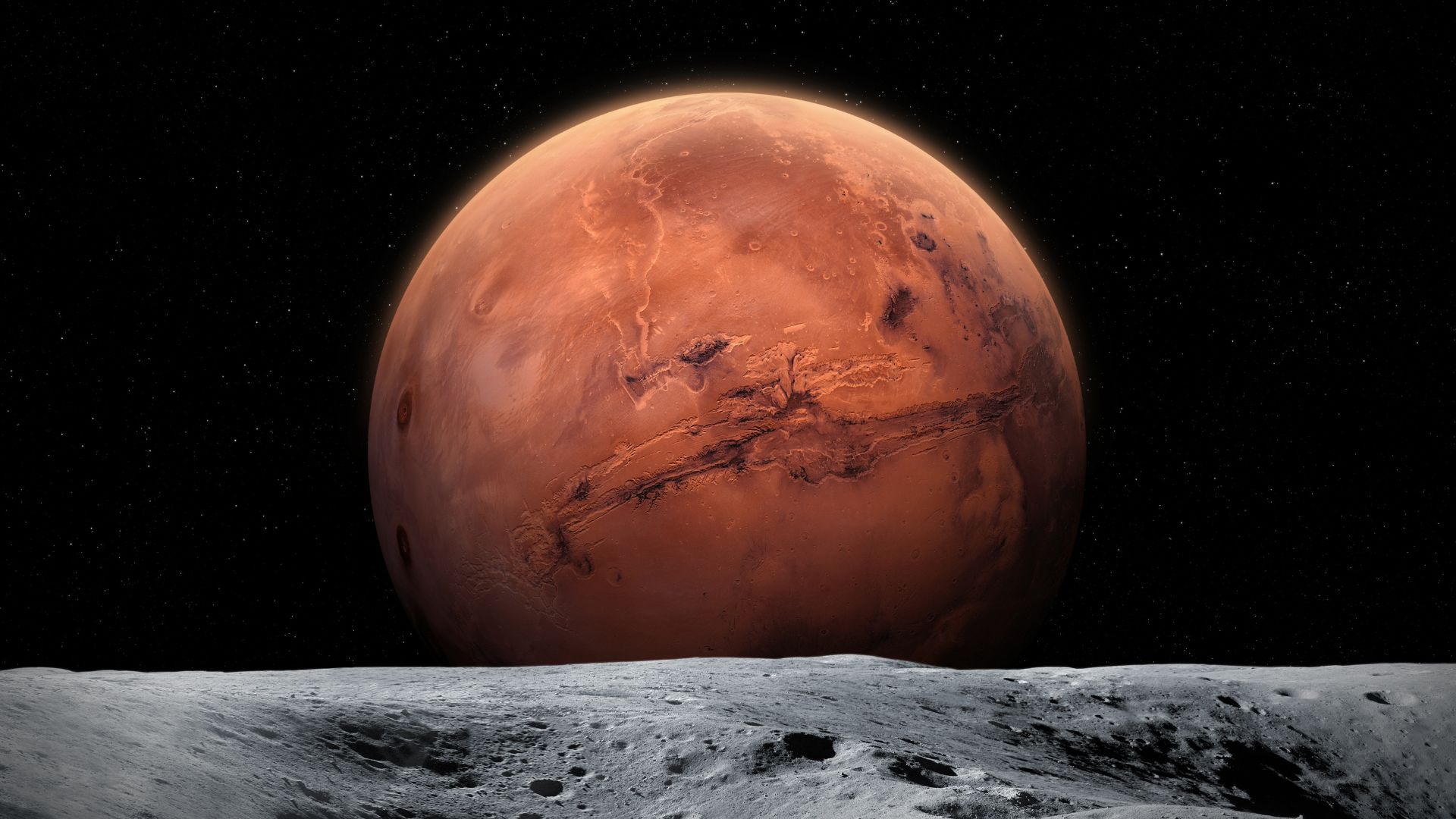
Communication with MAVEN was lost in early December after the spacecraft passed behind Mars, a normal and predictable event during its orbit. Typically, contact resumes shortly after the spacecraft reemerges, but this time, the Deep Space Network failed to reestablish a connection.
Data received before the loss indicated that MAVEN’s systems were functioning properly. However, limited tracking information gathered at the moment contact was lost suggested that the spacecraft may have been rotating in an unexpected way and drifting away from its planned orbital path.
Despite multiple attempts to reach the orbiter, including visual checks by the Curiosity rover as MAVEN was expected to pass overhead, no confirmation of its location or status has been obtained.
Why MAVEN Matters Beyond Science
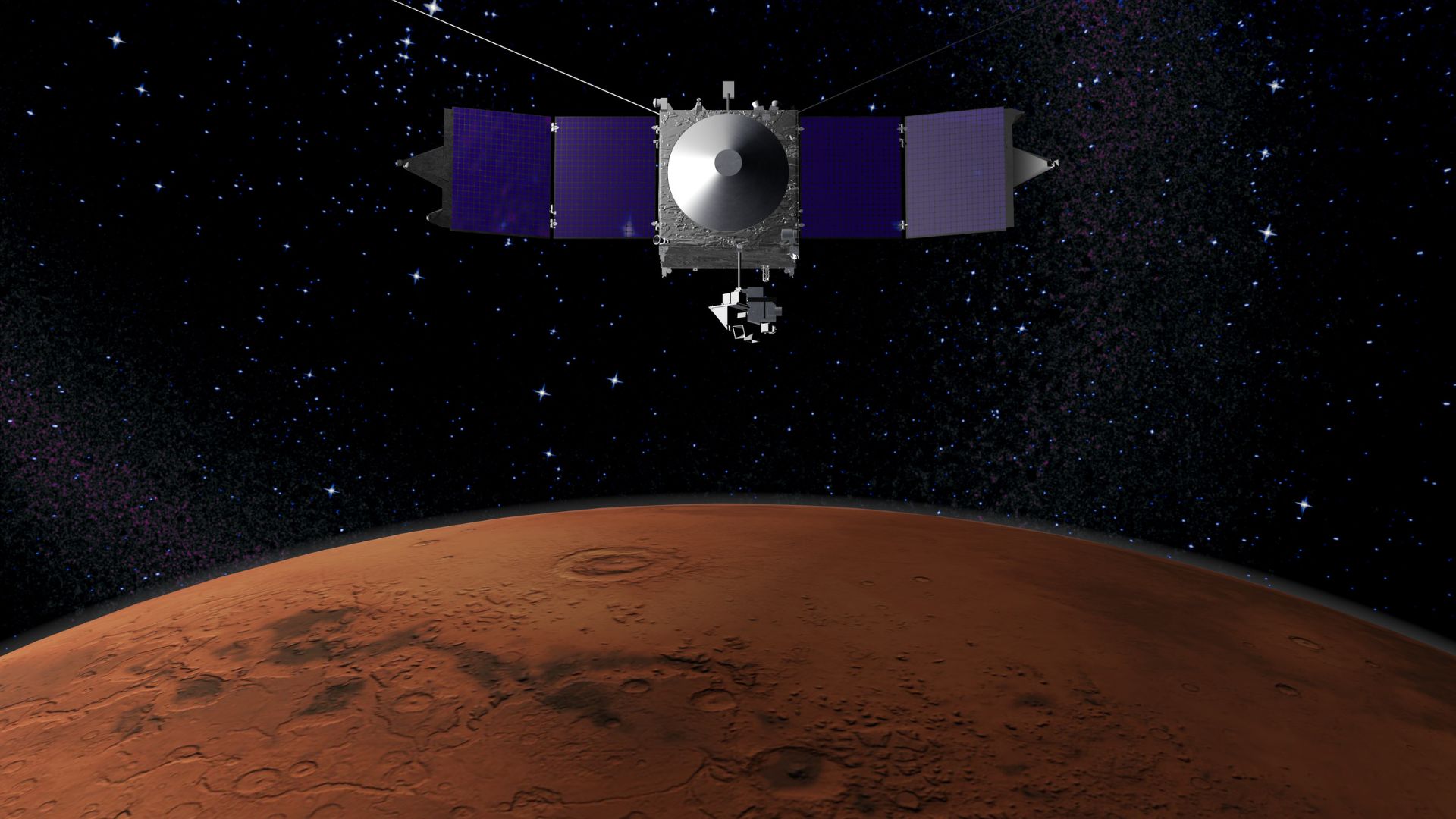
Launched in 2013, MAVEN arrived at Mars in 2014 with a mission to study the planet’s upper atmosphere and its interaction with solar wind. Over time, it delivered critical insights into how Mars lost much of its atmosphere, transforming from a potentially habitable world into the cold, dry planet seen today.
Beyond research, MAVEN serves as a key communications relay between Earth and surface missions, including the Curiosity and Perseverance rovers. While other orbiters can fill this role, MAVEN has carried a significant portion of the daily data traffic supporting ongoing exploration.
With MAVEN offline, NASA has adjusted rover schedules to rely more heavily on remaining orbiters, ensuring that surface science can continue, albeit with tighter operational constraints.
A Mission Tested by Time and Uncertainty
MAVEN’s silence is especially concerning given its history of technical challenges. In recent years, the mission faced issues with navigation hardware responsible for determining the spacecraft’s orientation, forcing engineers to rely on alternative star-based navigation methods.
Although these solutions allowed the mission to continue operating, earlier disruptions reduced scientific output and temporarily limited MAVEN’s role as a communications hub. Still, the spacecraft has enough fuel to remain in orbit for several more years and had its mission formally extended through 2025.
If contact cannot be restored, the loss would ripple beyond a single mission. It would further strain Mars exploration efforts at a time when the scientific community is already facing uncertainty around future projects, including the planned return of Martian samples to Earth. For now, NASA listens, holding onto a final hope that MAVEN may yet answer back.