Ancient Jerusalem Discovery Could Confirm Details Described in the Bible
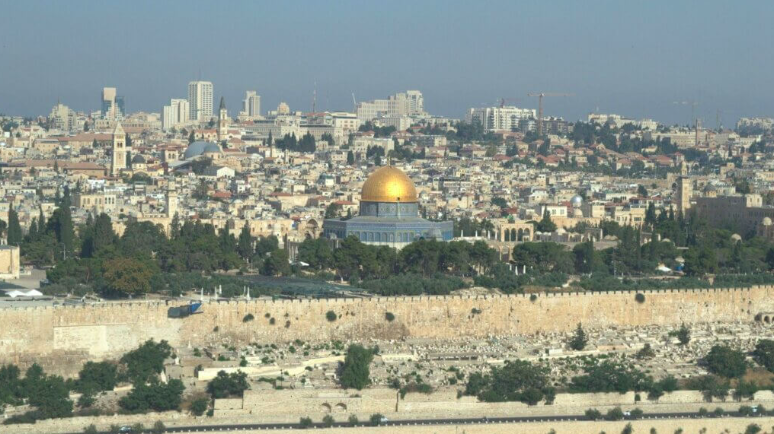

Archaeologists working in the City of David have exposed a remarkable carved structure that reshapes our view of Jerusalem’s Iron Age landscape. The discovery, a vast trench cut into bedrock, offers tangible evidence for long-standing textual descriptions and invites renewed discussion about how the ancient city was organized and defended.
The find below the city
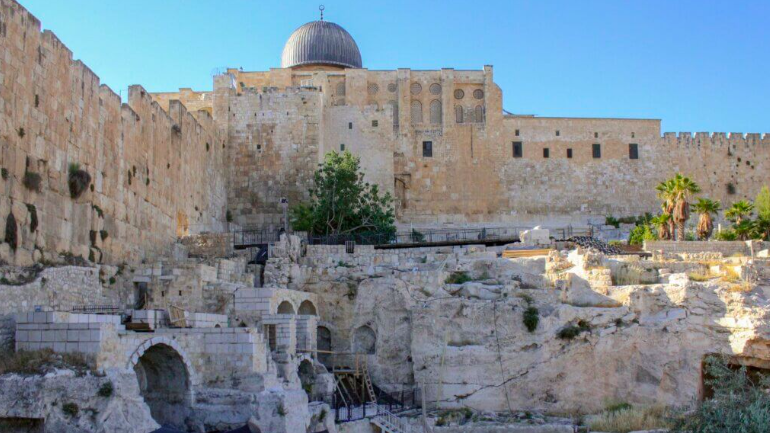
Beneath layers of later occupation, excavators revealed a wide, rock-cut feature whose scale immediately commands attention, stretching across a significant swath of the early urban area and descending sharply into the bedrock.
A colossal cut in stone
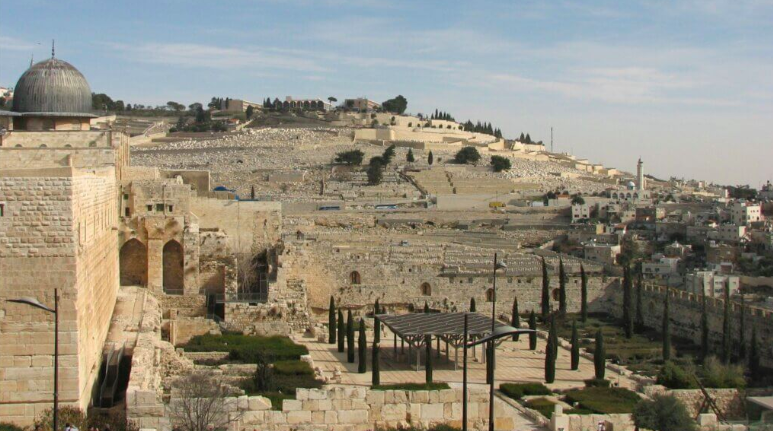
The feature measures close to 100 feet across and drops some 30 feet along sheer faces, its clean angles and depth suggesting deliberate planning rather than a natural hollow, and pointing to ambitious engineering for its time.
Resolving a long debate

For more than a century scholars argued about whether Jerusalem had distinct upper and lower zones, now the physical separation created by this cut offers a clear spatial solution to that debate.
Linking text and terrain

Ancient texts mention a feature called the Millo, and the newly exposed excavation provides a plausible match, creating a rare moment when archaeology and written sources intersect in a way that clarifies historic descriptions.
Dating the construction
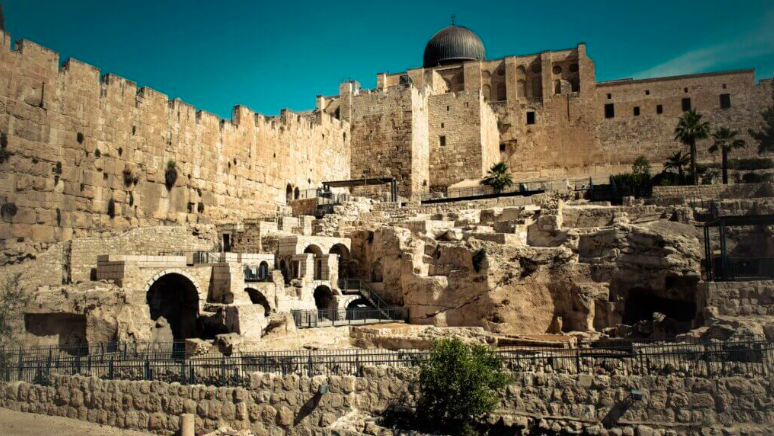
Material remains and stratigraphic relationships place the structure within the First Temple period, supporting the interpretation that it belonged to the urban fabric of Judah’s capital during the early Iron Age.
A divider of neighborhoods

Functionally, the trench worked as more than a defensive element, it defined social boundaries by isolating the lower residential quarter from the elevated administrative and ritual precincts to the north.
Reassessing earlier work
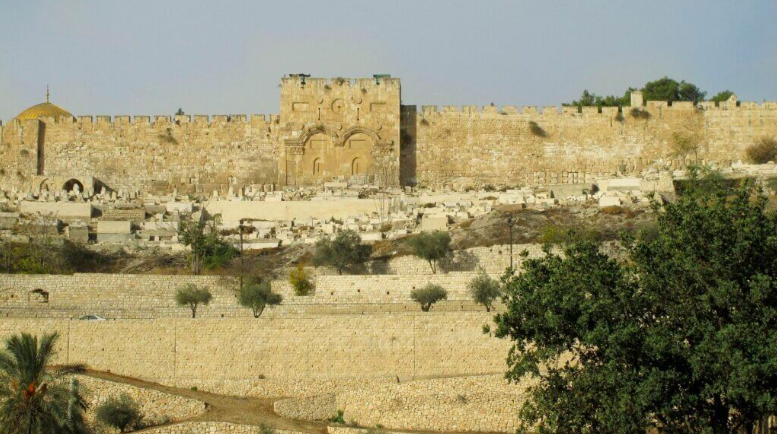
Earlier digs uncovered fragments of this system but were read as natural features, recent investigations show those earlier exposures were parts of the same engineered complex, prompting a re-evaluation of earlier maps.
Power and protection

Beyond stopping enemies, the cutting demonstrated centralized control, only achievable through mobilizing labor, materials, and direction, sending a clear message about the rulers’ capacity to shape the landscape.
Text and trenches in harmony

When paired with biblical passages that describe filling breaches and fortifying the city, the trench becomes a concrete illustration of how ancient narratives recorded visible elements of urban life.
Organizing ancient labor
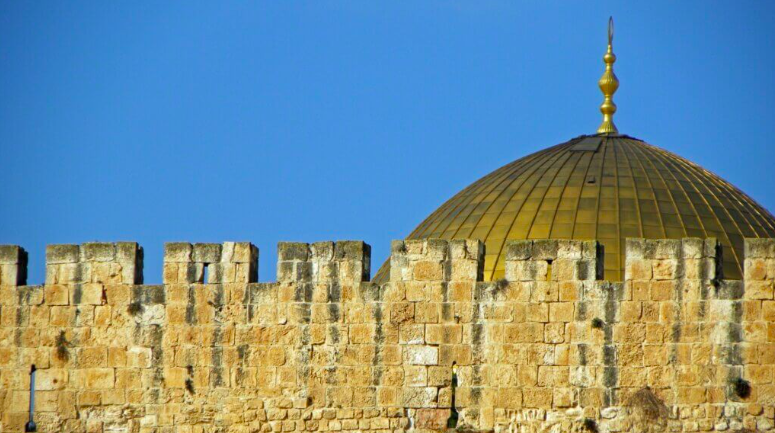
Standing at the trench’s base, it is possible to imagine coordinated teams at work, moving stone and earth under sustained leadership, a reminder that monumental projects reveal much about social organization and governance.