What Archaeologists Are Finally Revealing About the Great Sphinx
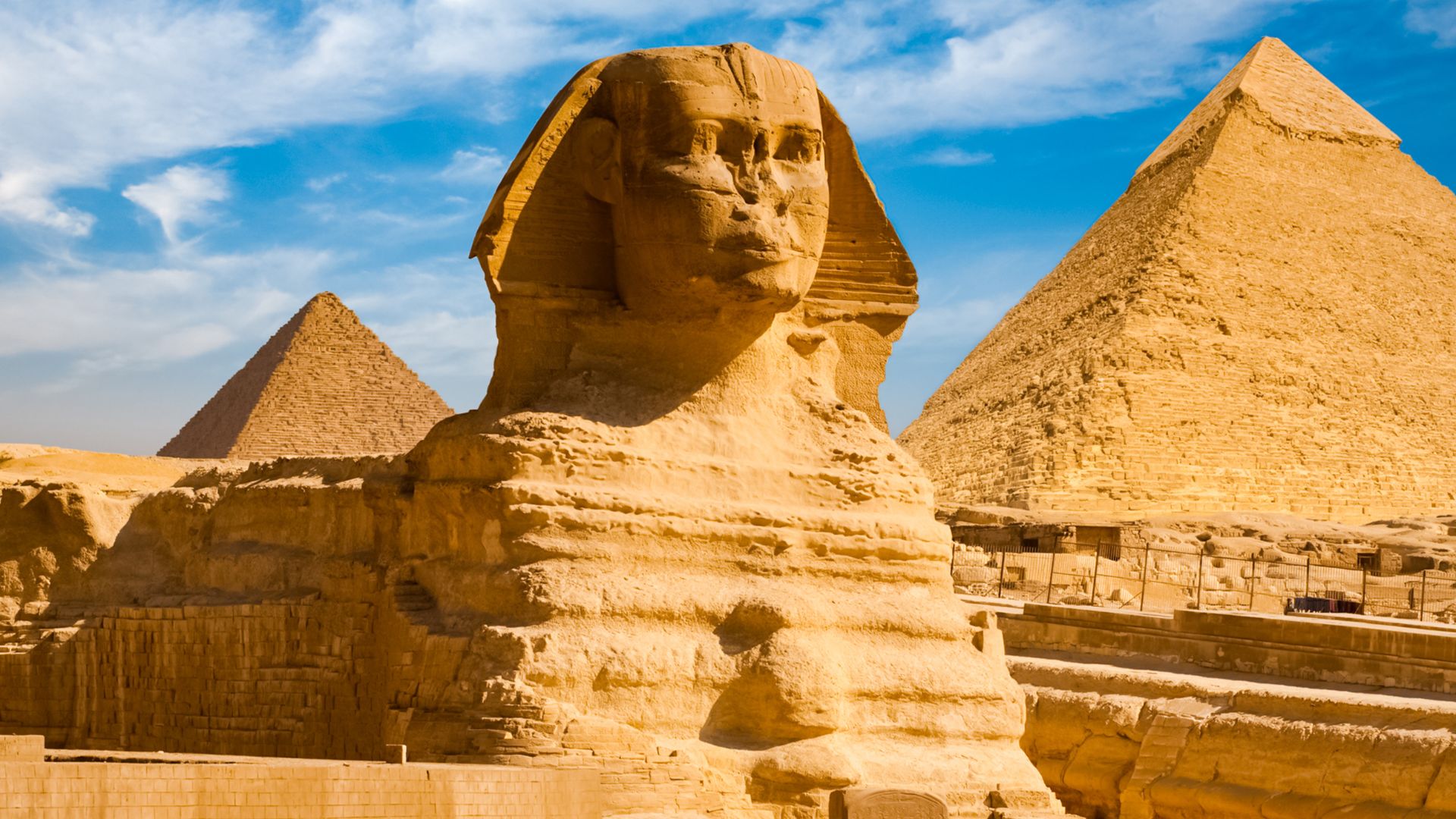

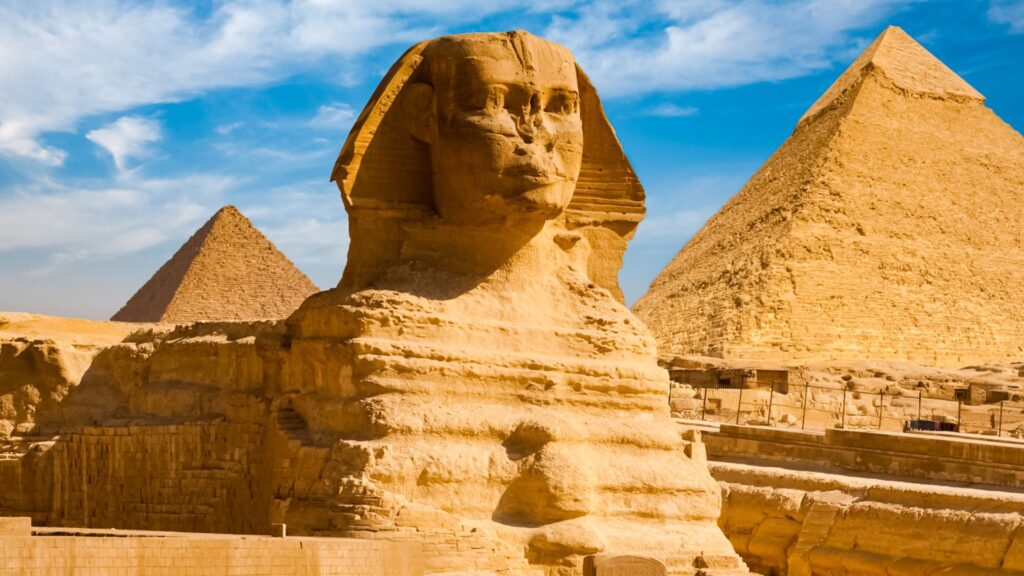
The Great Sphinx of Giza has towered over Egypt’s desert for more than 4,500 years, yet it’s still far from giving up all its secrets. Long thought to be a silent guardian of the pyramids, modern research shows it’s a monument with a far more complex and still evolving story. From its ancient origins to breakthroughs in high-tech scanning, here’s what archaeologists are uncovering now.
Built for a Pharaoh—Or Was It?
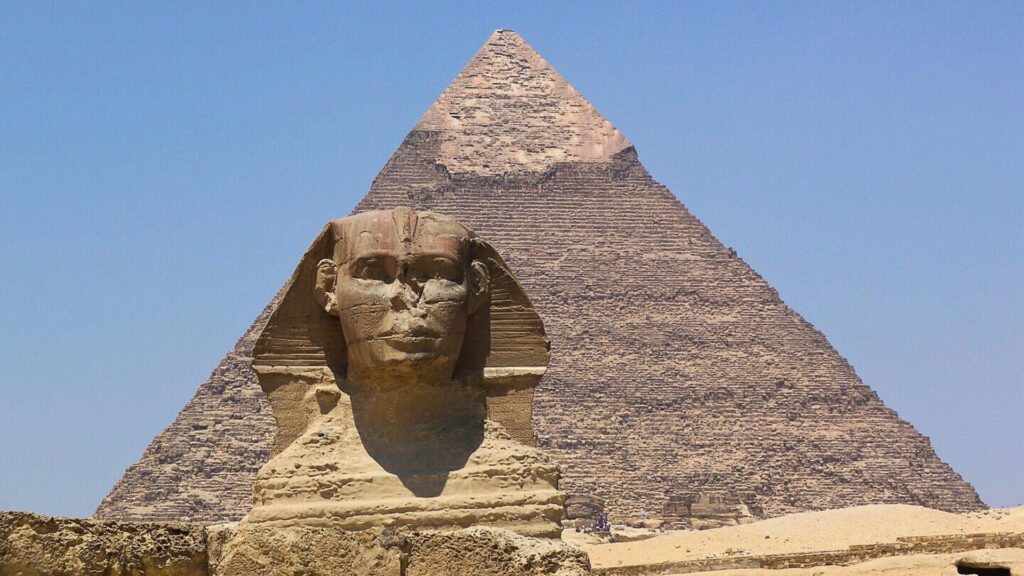
The mainstream view is that the Sphinx was carved around 2500 BCE during Pharaoh Khafre’s reign, its face modeled after the ruler himself. Yet geological studies suggest it may have existed in some form much earlier, when Egypt’s climate was wetter. Some researchers argue it could predate Khafre by centuries or even millennia, possibly repurposed by his artisans into the iconic lion-bodied guardian we see today.
Buried and Resurrected
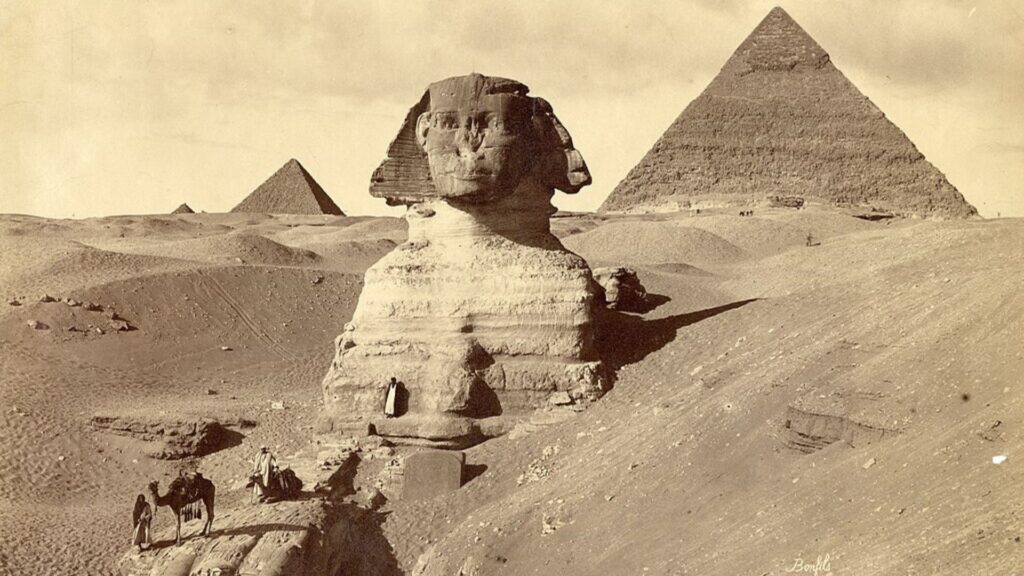
By 1400 BCE, shifting sands had swallowed the Sphinx up to its neck. The Dream Stele, erected by Thutmose IV between its paws, claims the monument promised him kingship if he freed it from the desert’s grip. This act of excavation not only restored the Sphinx’s form but also reinforced its role as a sacred symbol tied to royal authority and divine favor in ancient Egypt.
Layers of Repair Over Millennia
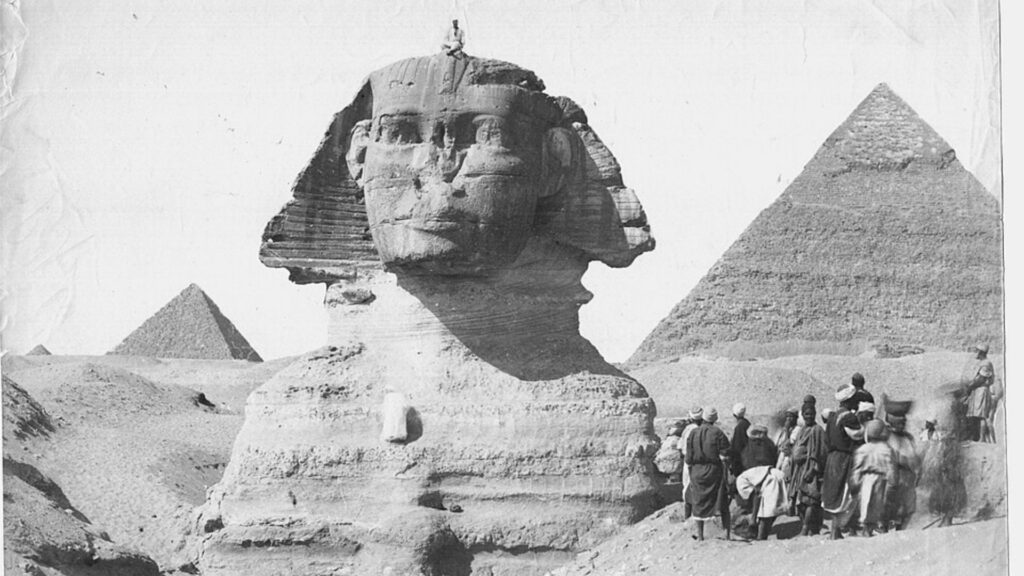
Over thousands of years, the Sphinx has been patched and reinforced multiple times. Ancient stonemasons replaced eroded limestone blocks, while later rulers applied plaster to stabilize its weathered body. These repairs span from the New Kingdom period through the Roman occupation, each leaving behind subtle clues about changing construction techniques and proving the monument’s enduring cultural significance across shifting dynasties and civilizations.
Rediscovered by the Modern World
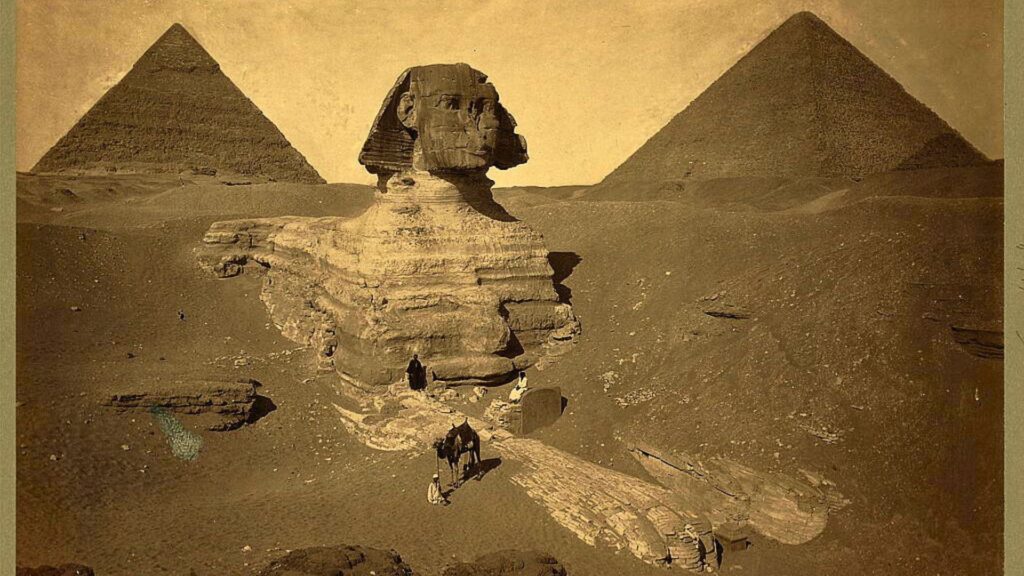
In the early 1800s, European archaeologists and adventurers began fully uncovering the Sphinx after centuries of partial burial. Early photographs, surveys, and sketches revealed details lost to time, from tool marks on its body to the faint traces of pigment that hint it was once brightly painted. The modern excavation reignited global fascination and opened the door to more scientific study of the ancient structure.
Geological Clues and Fierce Debates
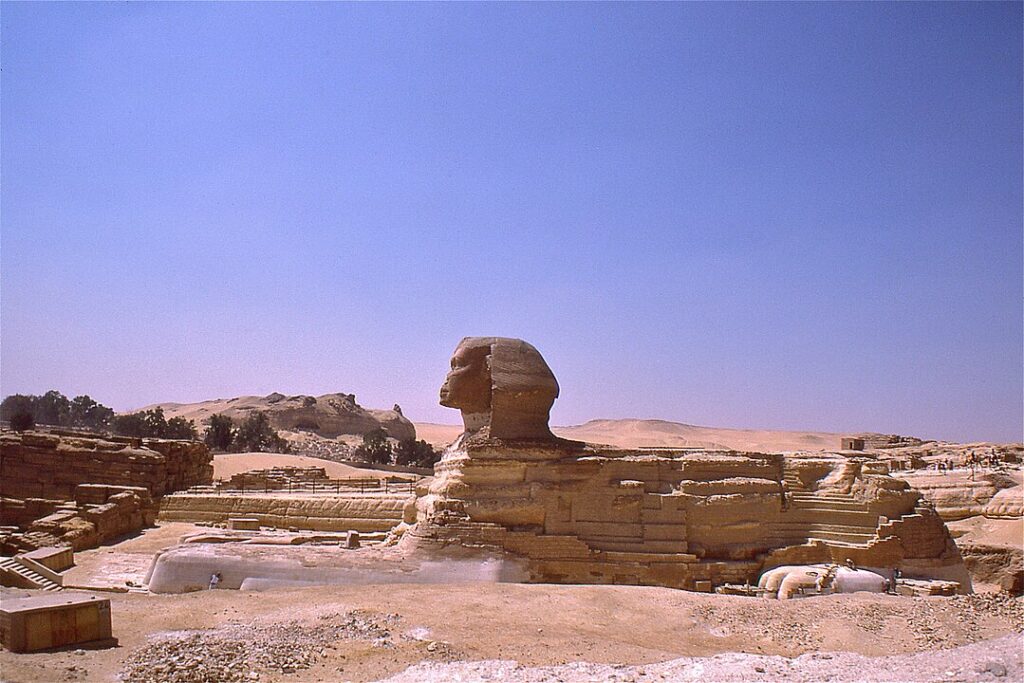
The 1990s brought a new wave of controversy when geologists claimed the weathering patterns on the Sphinx’s body were caused by heavy rainfall, not wind-blown sand. If true, this would mean the monument stood long before Egypt’s arid era and before the reign of Khafre. Egyptologists largely reject the idea, but the debate has pushed researchers to test fresh theories about the Sphinx’s true origins.
High-Tech Scans Reveal Hidden Voids
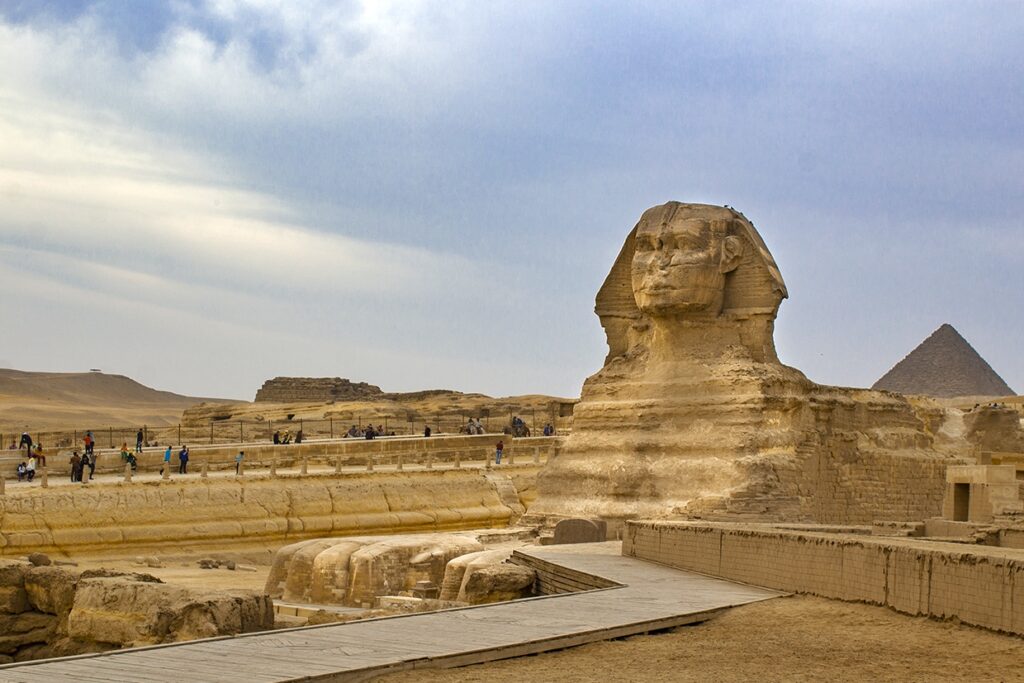
In the 2020s, teams using muon tomography and ground-penetrating radar detected unexplained cavities beneath the Sphinx’s surface. These voids, possibly sealed chambers or tunnels, could hold artifacts or even construction records untouched for thousands of years. While their contents remain a mystery, the findings are fueling hopes that we may soon uncover new evidence to settle some of the monument’s longest-running historical debates.
A Face That May Have Changed Over Time
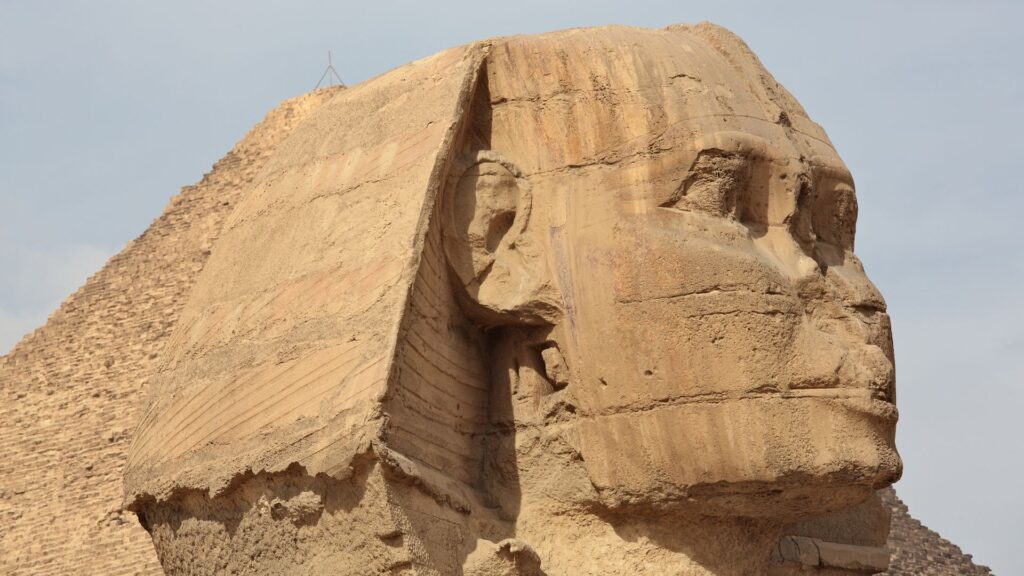
Recent studies suggest the Sphinx’s head might not be original to the body. Erosion patterns and proportions hint that the head could have been recarved from an earlier ruler or even a different figure entirely. If true, this means we’re looking at a heavily modified monument, one that may have once honored a completely different person or deity before becoming Khafre’s enduring symbol.
A Guardian That Still Guards Its Truths
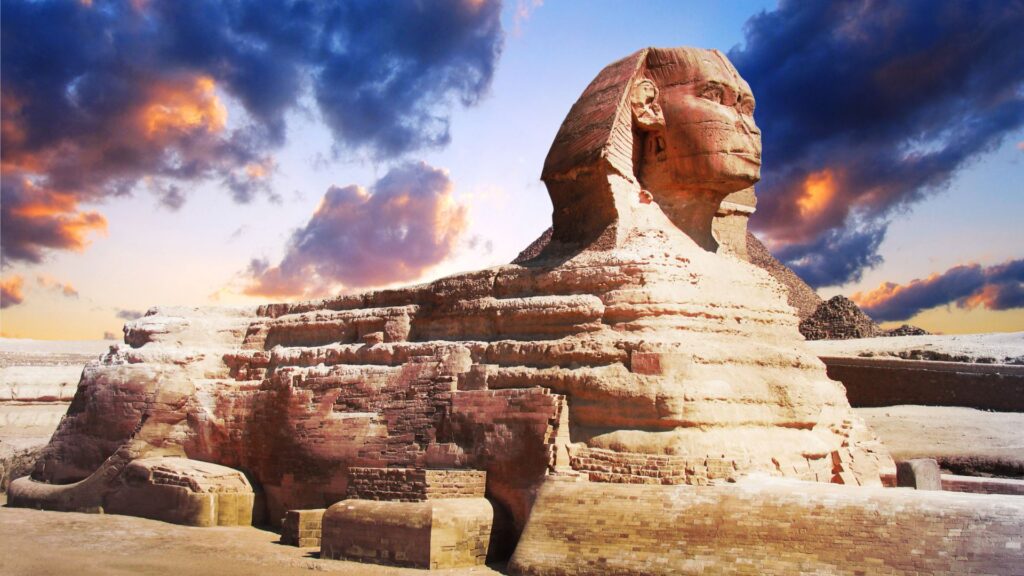
Even with cutting-edge technology, the Great Sphinx keeps much of its story buried in stone and sand. If the hidden voids prove to hold ancient relics, or if its face is indeed a recarved remnant of an earlier era, we may be on the verge of rewriting one of history’s most enduring mysteries. Until then, the Sphinx stands watch, guarding both the pyramids and its secrets.