

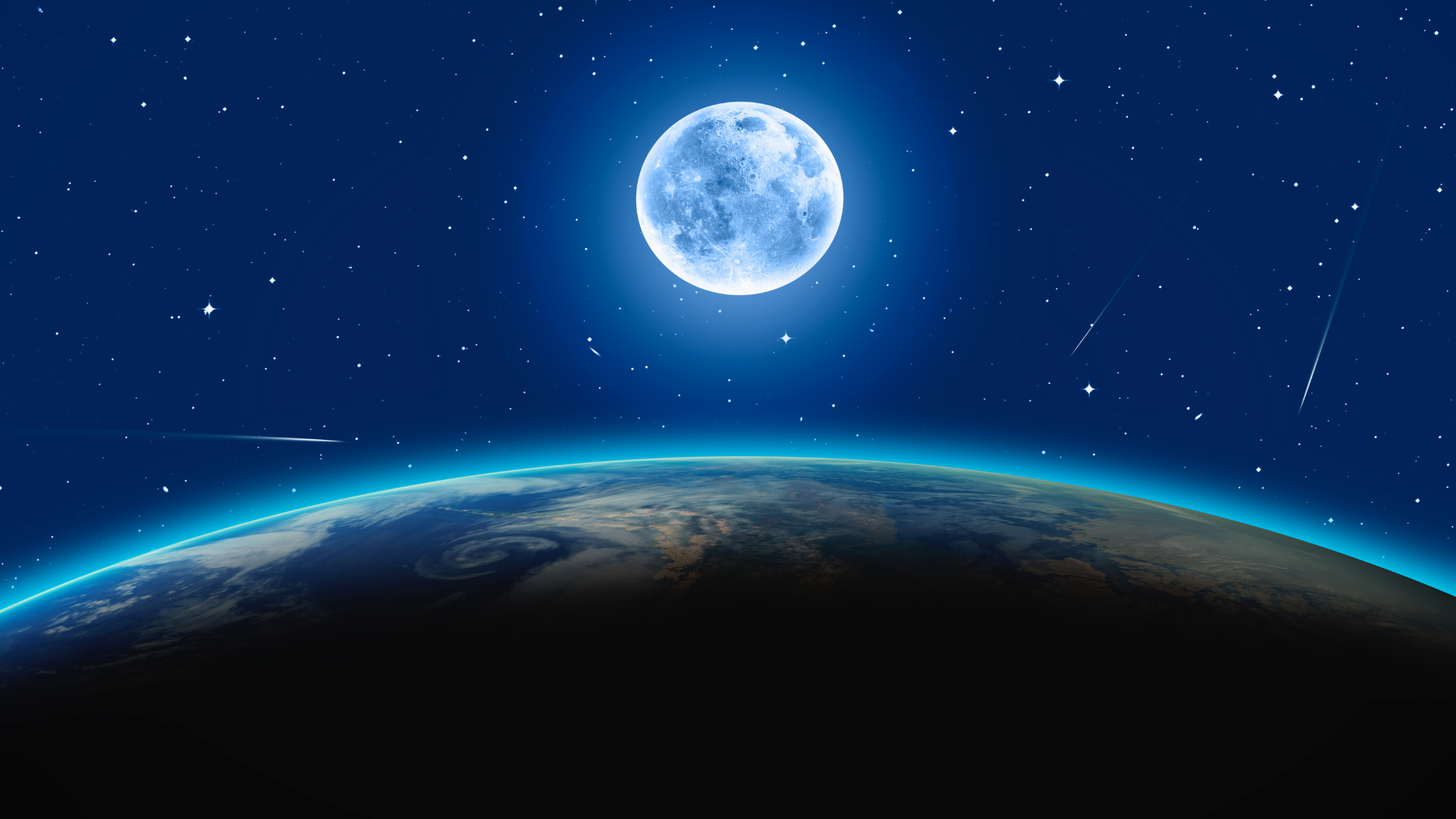
For centuries, observers have noted strange, momentary changes on the face of the Moon. These enigmatic occurrences, known today as transient lunar phenomena, inspire fascination and debate among astronomers. What exactly causes these fleeting blazes, glows, or color shifts on our nearest celestial neighbor? This article explores the history of these sightings and the leading scientific explanations for the Moon’s subtle, yet persistent, luminous secrets.
Tracing the Historical Record of Lunar Lights
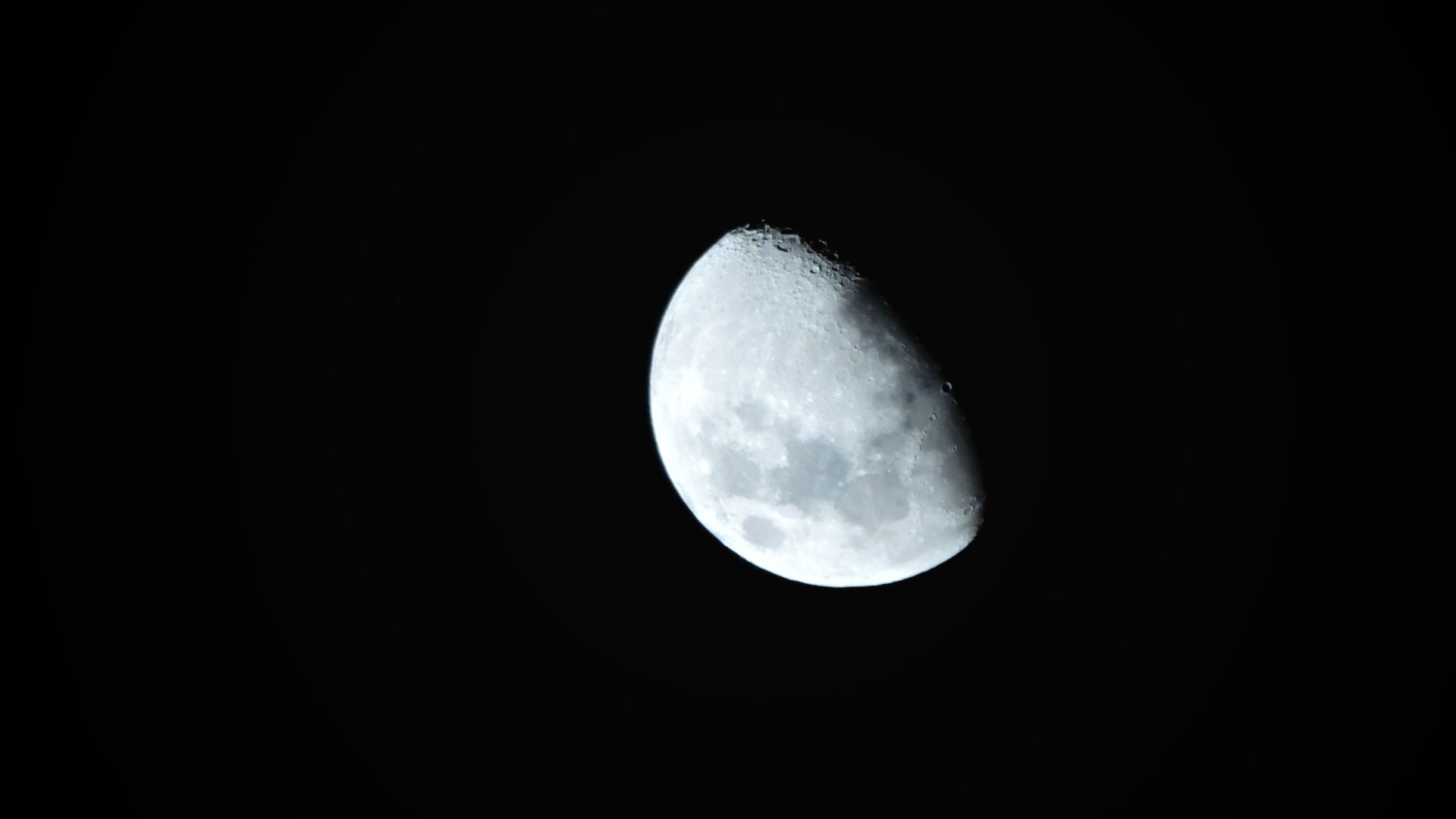
The documentation of temporary lunar sightings stretches back thousands of years, with a particularly famous account from astronomer William Herschel. On the night of April 19, 1787, he recorded an hours-long light, which he described as brilliant as the Orion Nebula, seemingly originating from the unlit portion of the new Moon. This observation is a prime example of a Transient Lunar Phenomenon (TLP), which describes any short-term visual change on a specific area of the lunar surface.
Defining Transient Lunar Phenomena
TLPs encompass a variety of fleeting visual effects observed on the Moon, including brightening, the appearance of reddish or violet blotches, or the development of foggy spots. These events are rigorously documented by countless individuals using various tools. Experts, such as Anthony Cook, a research lecturer in physics at Aberystwyth University, estimate that over three thousand TLPs have been logged across the last two millennia.
The Scientific Challenge of Identifying Causes
The core question surrounding these flashes remains: what physical mechanism is responsible for them, considering a diverse array of natural phenomena could potentially generate a TLP? Crucially, the duration of a specific event, which can span from milliseconds to several hours, provides a significant hint to its underlying cause, according to specialists, making this temporal characteristic a key diagnostic indicator for researchers.
Super-Fast Flickers: The Meteoroid Impact Hypothesis
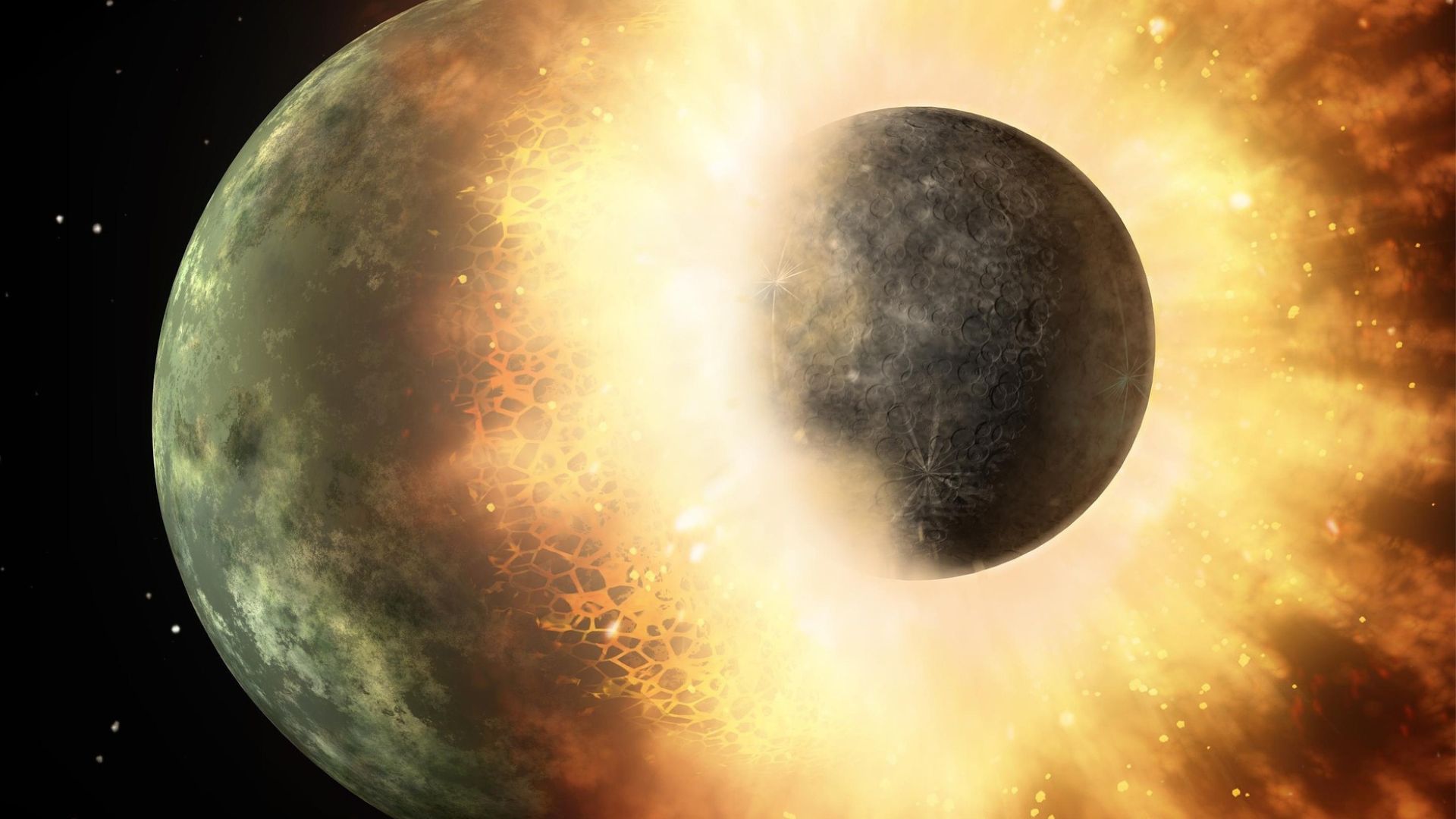
The quickest sightings, often described as super-fast flickers that dissipate in less than a minute, are overwhelmingly attributed to meteoroid strikes. Professor emeritus Masahisa Yanagisawa notes that any meteoroid exceeding about $0.2\text{ kilograms}$ generates an observable flash when it hits the lunar surface. The momentary glow is generated by the tremendous energy of the impact, which rapidly heats the local surface rocks, causing them to radiate light before they cool down.
Confirmation of Lunar Impact Flashes
These flickers were long suspected to be Lunar Impact Flashes (LIFs), but definitive identification remained elusive until the 1990s. This breakthrough was made possible by the increasing availability of high-speed video cameras for constant lunar monitoring, as explained by Yanagisawa. However, the extremely short life of the flashes still posed a difficulty, making it challenging to entirely eliminate the possibility of internal electrical noise within the recording equipment.
Simultaneous Observation for Verification
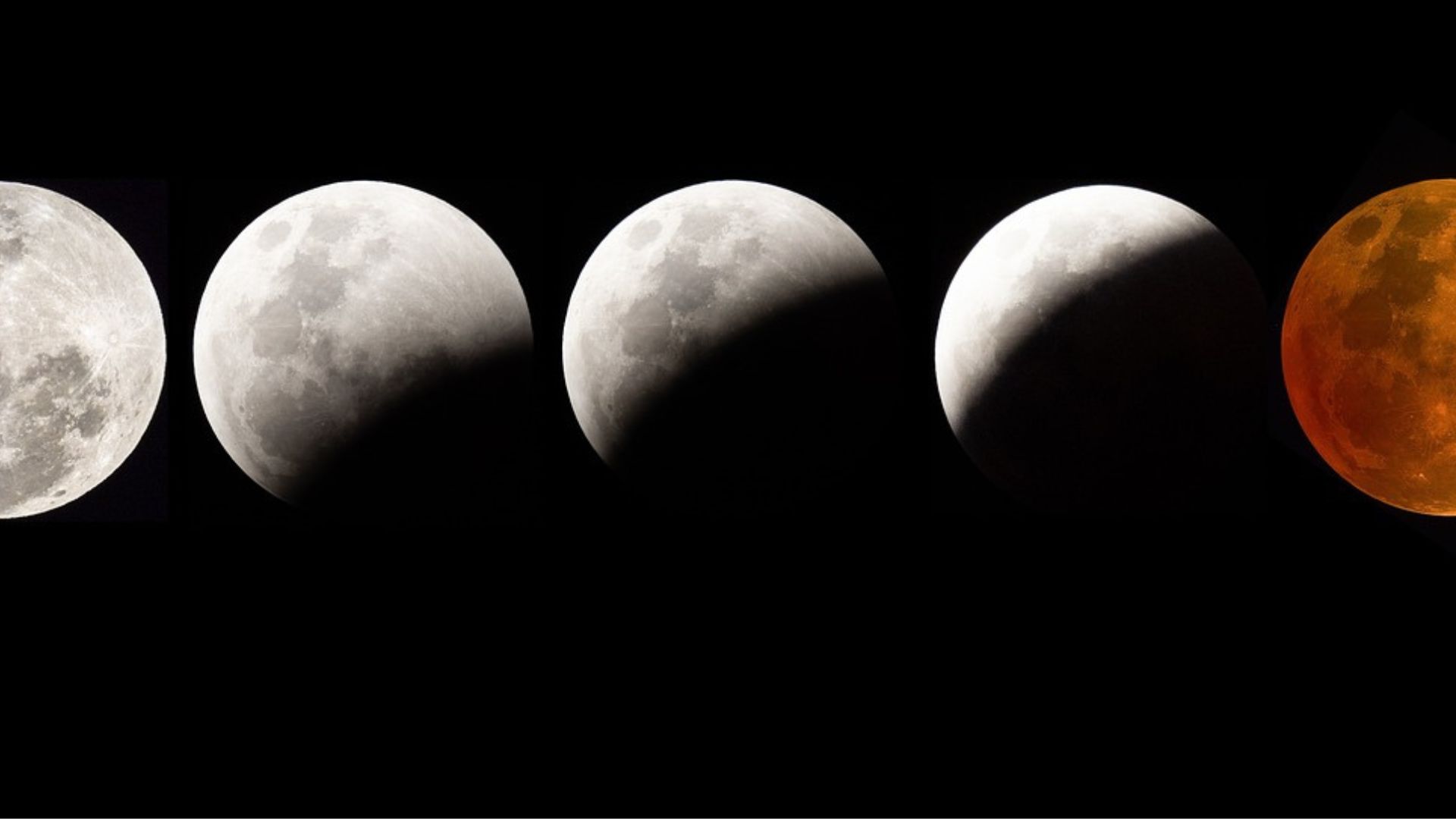
To overcome the ambiguity of single-source data, scientists established a strict protocol: confirming a genuine flash requires simultaneous observations from two or more widely separated geographic locations. This constraint was finally met during the Leonid meteor shower in November 1999, when several flashes were conclusively confirmed. Yanagisawa documented this initial formal confirmation in a 2002 study, paving the way for sustained, confident research into LIFs.
Systematic Recording by Modern Lunar Programs
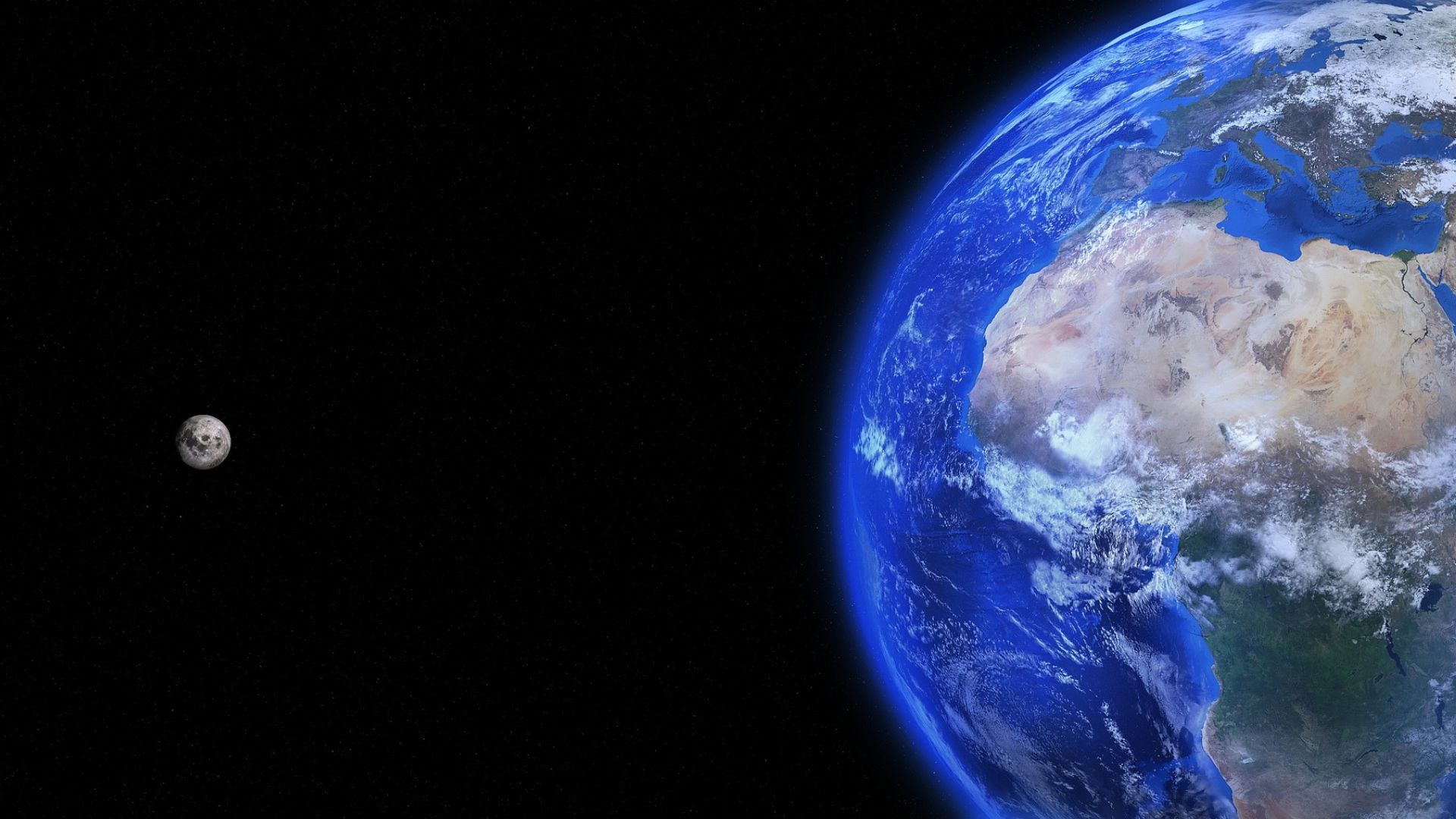
Since those initial confirmations, numerous subsequent LIFs have been systematically cataloged by international efforts, such as the European Space Agency-funded Near-Earth Object Lunar Impacts and Optical Transients program, which has recorded 193 LIFs over a nine-year period. Early analysis of a map charting these events suggested they clustered in certain hotspots, notably the expansive lunar plain known as the Oceanus Procellarum, an area potentially exhibiting tectonic activity.
Challenging the Hotspot Pattern

However, the apparent clustering of impact flashes has been challenged by ongoing analysis. Alexios Liakos, the principal investigator for the NELIOTA project, suggests that this observed pattern is likely an observational bias tied to where telescopes are focused. A 2024 study that he co-authored reinforces this perspective, concluding that the Moon is actually bombarded “almost homogeneously by meteoroids” across its entire surface, discounting the notion of specific impact-prone zones.
Longer-Lasting Glows: The Radon Outgassing Theory

In contrast to the quick impact flickers, lunar light events that persist for several minutes may stem from radon gas emanating from the Moon’s interior. Studies proposed that this phenomenon occurs when gas accumulated beneath the lunar surface is explosively released, potentially triggered by events like moonquakes. The light itself is generated as the radioactive radon gas decays, which makes the emission visible from Earth, a model supported by the significant overlap between the sites where longer-lasting lights are seen and areas known to possess high concentrations of radon.
Hours-Long Sightings and Solar Wind Interaction
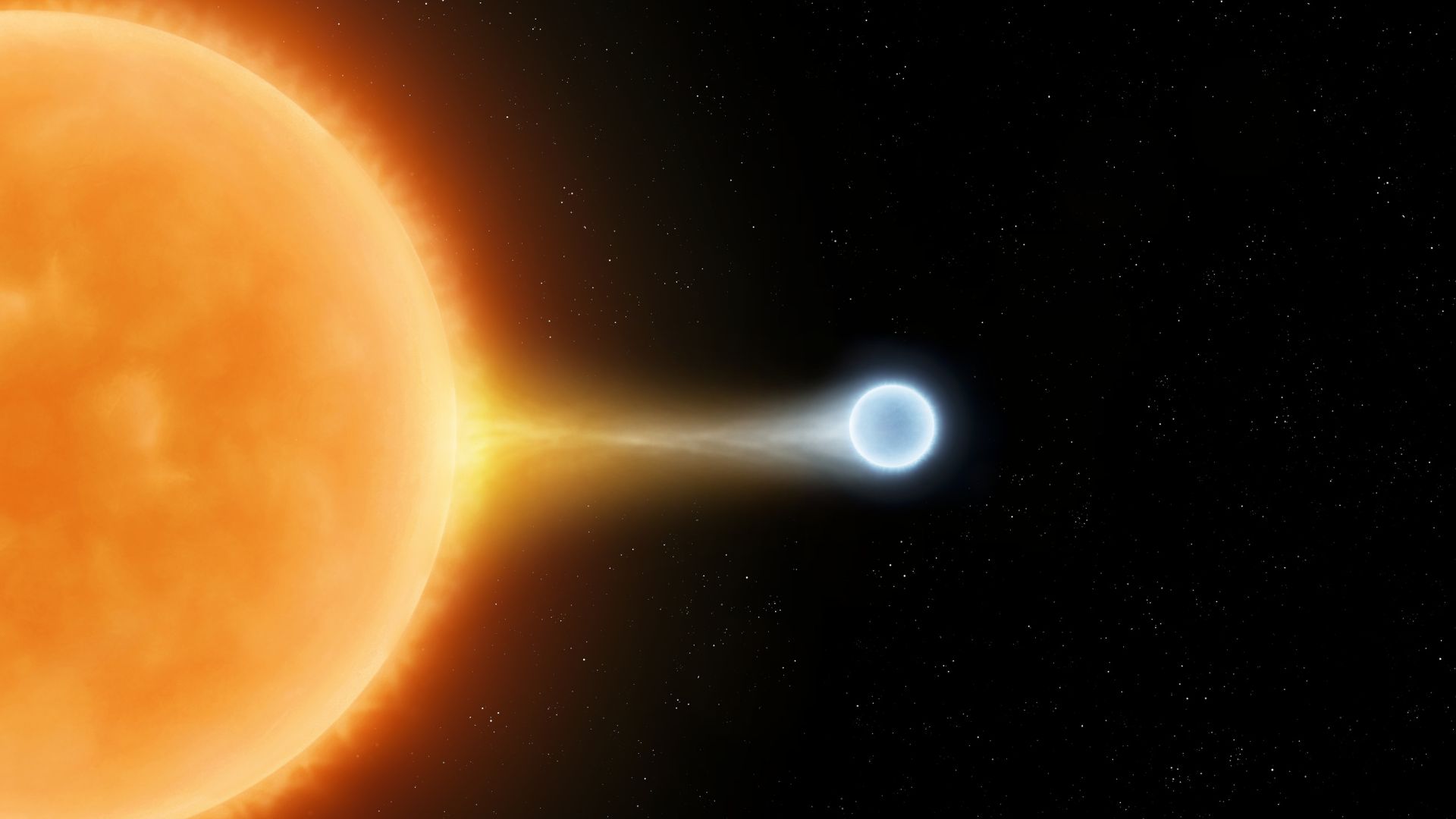
The most puzzling sightings are those that, like Herschel’s, endure for hours, with a 2012 study positing that such extended events may be only indirectly connected to the Moon itself. This hypothesis suggests that the solar wind, a constant stream of charged particles from the Sun, ionizes lunar dust particles, which are then lofted into massive clouds reaching altitudes of $100\text{ kilometers}$. The resulting dust clouds could potentially refract light from stars or other luminous objects, creating the illusion of illumination on the lunar surface.
The Ongoing Debate and a Call for Observation

Despite these theories, the existence of truly long-duration TLPs remains a matter of contention. Some researchers, including Alexios Liakos, express skepticism, noting that their own extensive observation records since 2017 have not yielded any prolonged flashes on the Moon’s night side, with the only “longer” events they observed turning out to be Earth-orbiting satellites crossing the lunar disk. Nevertheless, if you ever spot an unusual light on the Moon, whether it’s a possible satellite reflection or a genuine Transient Lunar Phenomenon, scientists encourage taking meticulous note. You may be contributing to the ongoing effort to unravel one of the cosmos’s most enduring minor mysteries.pitcher