James Webb Telescope May Have Spotted the Universe’s First Stars
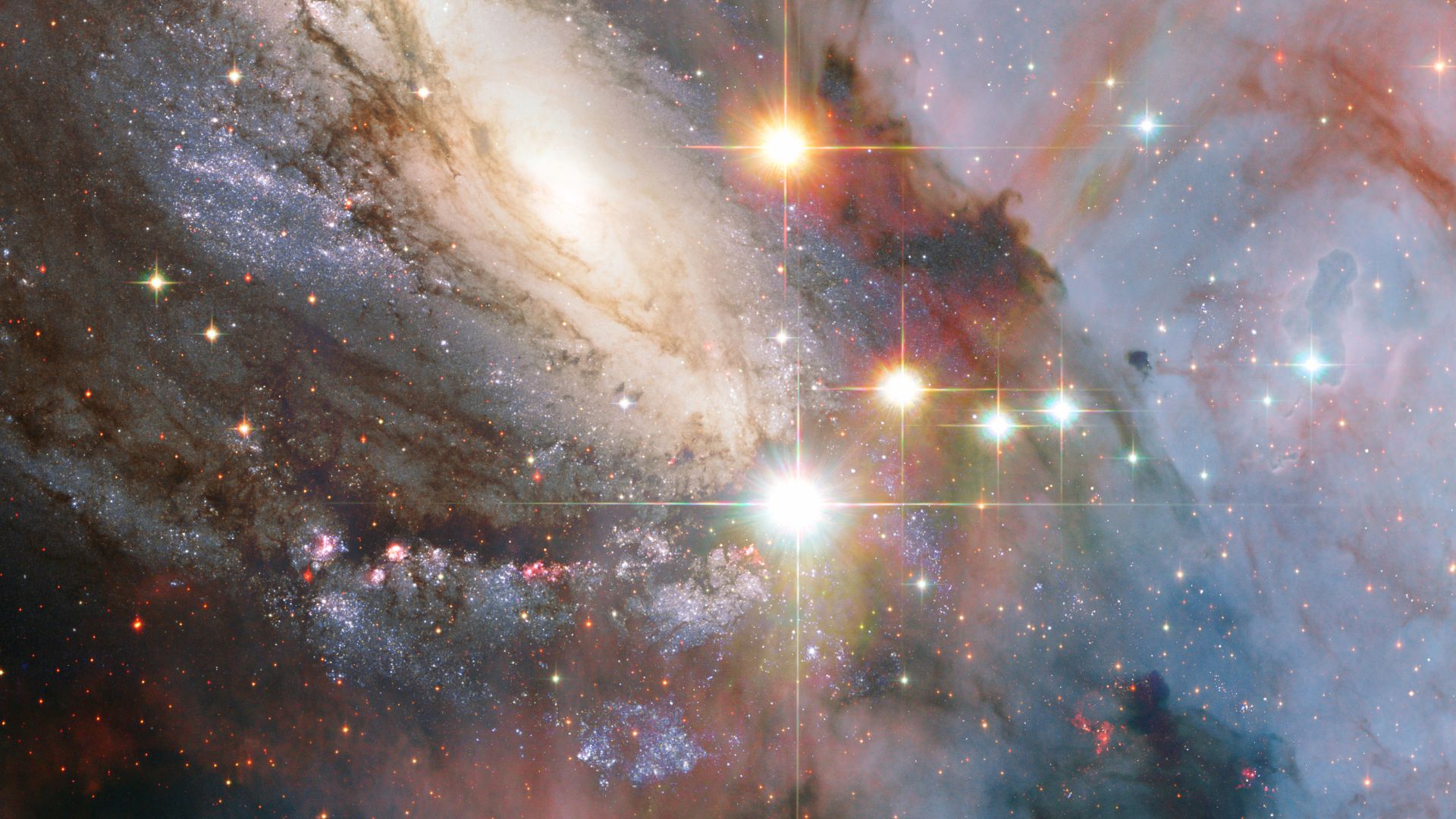

Scientists keep pushing deeper into cosmic history with the James Webb Telescope. Fresh data hints at stars that formed soon after the Big Bang. A distant galaxy called LAP1-B sends light from an era when the cosmos still cooled from its fiery start. Strong gravitational lensing helps Webb catch details that older telescopes missed. Early clues spark fresh curiosity and set the stage for a closer look at the universe’s first sparks of starlight today.
Population III Star Formation

Population III stars formed when the universe held only hydrogen and helium, so their birth looked very different from modern star formation. Gas cooled slowly, so clusters grew large and dense. Astronomers point to LAP1-B as a strong candidate for these early stars because its gas shows minimal traces of heavier elements. Simulations also suggest that early conditions pushed these stars to reach huge masses that shaped the look of their small groups.
Galaxy LAP1-B in Early Cosmic History
Galaxy LAP1-B comes from a time when the universe was still young, so its light spent around 13 billion years reaching Webb. Astronomers view it as it looked about 800 million years after the Big Bang, and that alone makes it a rare target. LAP1-B sits behind a massive cluster that boosts its visibility, so Webb can study details that would otherwise fade away. Its distance and age make it a useful window into early cosmic conditions.
Gravitational Lensing From MACS0416
Gravitational lensing from MACS0416 gives Webb a major boost, so LAP1-B becomes clear enough to study. A massive cluster sits between us and the galaxy and bends incoming light, and that bending works like natural magnification. Webb’s sensitivity pairs well with that extra lift, and astronomers can pick up faint details that would stay hidden. The effect shows how distant targets can stand out when a cluster sits in the right place.
Epoch of Reionization Setting
The epoch of reionization marks a period when ultraviolet light from early stars started changing the universe’s neutral gas into charged plasma, so conditions shifted fast across young space. LAP1-B sits in that era, and astronomers can study how early light shaped the surrounding gas. Webb picks up the galaxy as it existed during that stage, and the view helps researchers understand how the first bright objects affected wider cosmic growth.
Low Metallicity in Early Stars
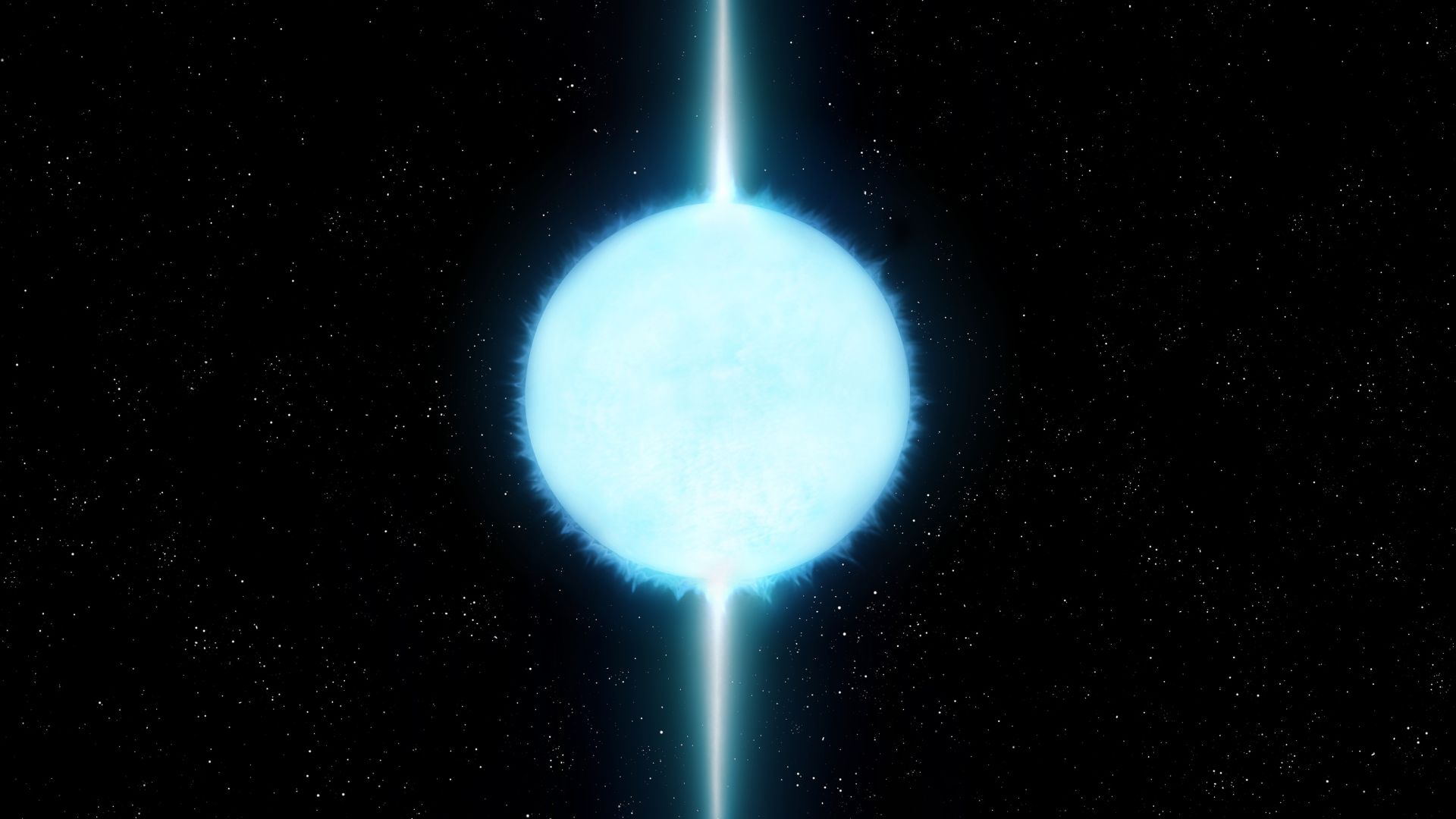
POP III stars formed with almost no heavy elements, so astronomers look for signs of low metallicity when studying early galaxies. LAP1-B shows gas with minimal traces of metals, and that detail helps researchers sort out which stars may belong to the first generation. Early gas cooled slowly, and that slow cooling shaped how these stars gathered. The simple chemical mix gives scientists a clearer path when identifying ancient stellar groups.
Massive Star Groups in LAP1-B
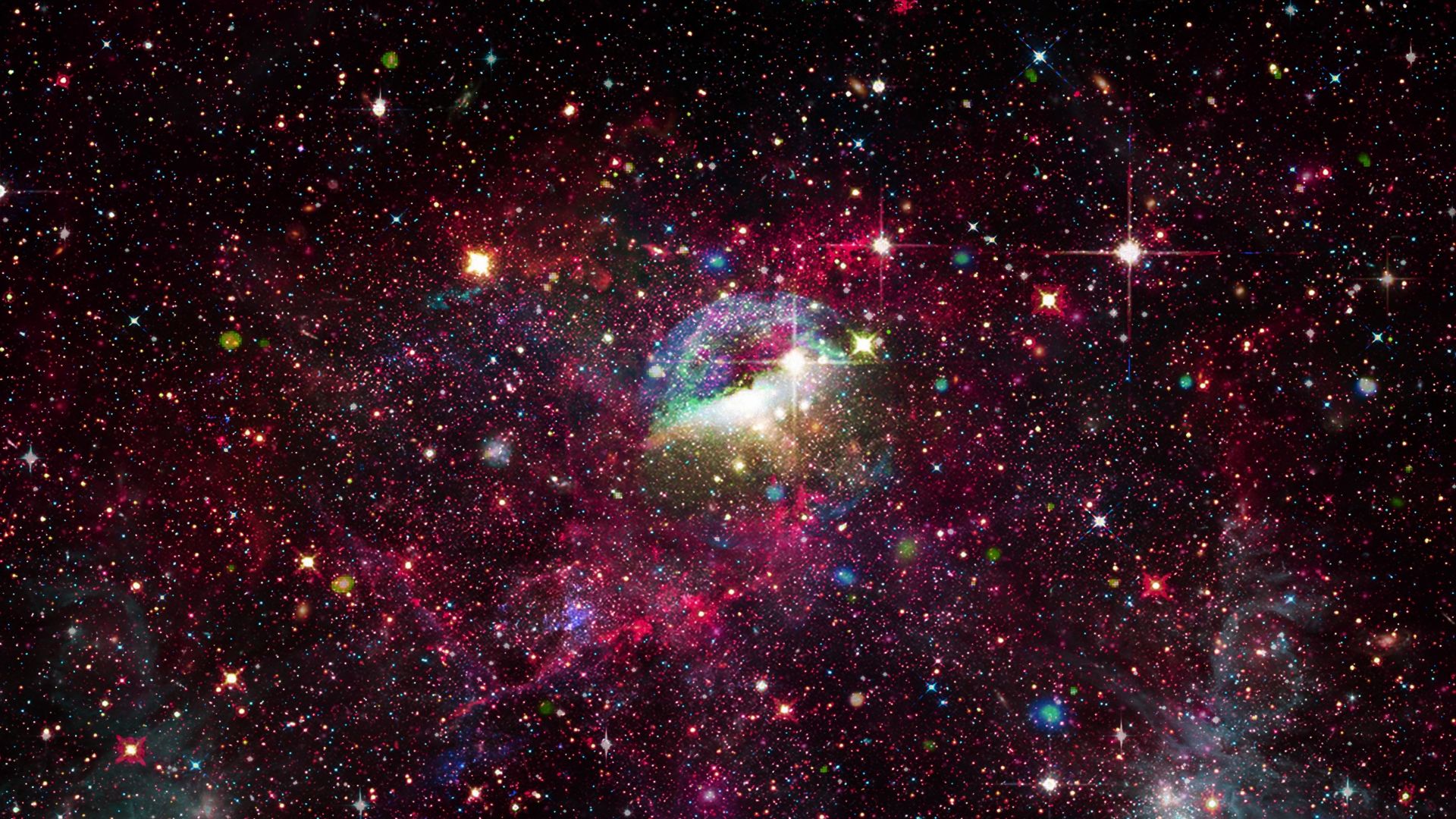
Massive star groups in LAP1-B stand out because early gas conditions pushed stars to grow huge, so clusters reached roughly a thousand solar masses. Astronomers see signs that these stars formed together in tight groups, and that makes the galaxy even more interesting for early universe studies. The large sizes come from the simple chemical mix in young space, and Webb’s view helps researchers track how these groups shaped their surroundings during early cosmic growth.
Dark Matter Clues From Primordial Stars
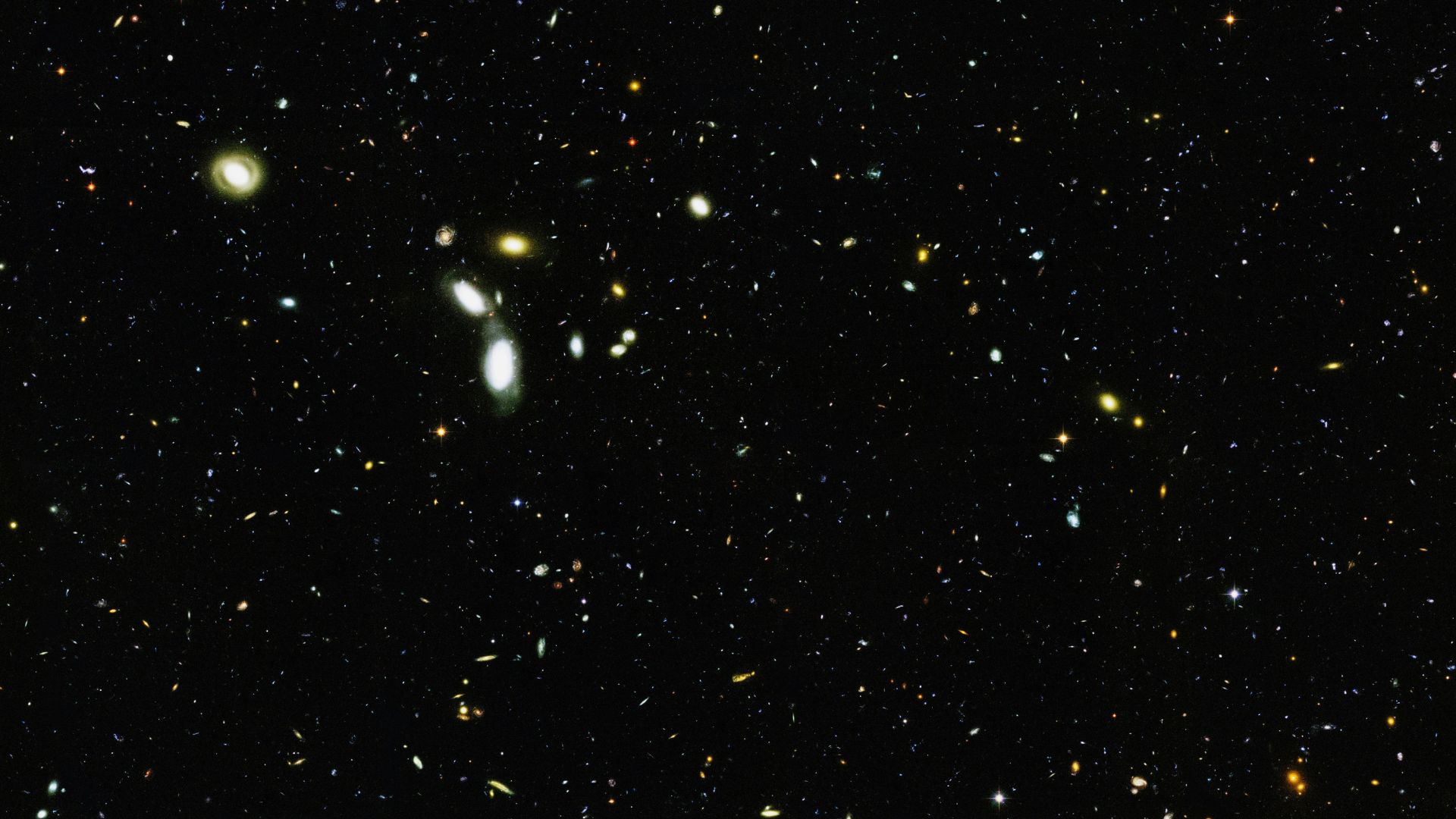
Dark matter ideas connect well with early star studies, so astronomers pay close attention to how POP III stars formed in small dark matter structures. LAP1-B gives researchers a useful view because its early gas and clustered stars line up with predictions for dense regions shaped by dark matter. Simulations also point to these stars forming where dark matter gathered first, and that link helps scientists test different models with real observations.
Future Simulations for Early Star Models
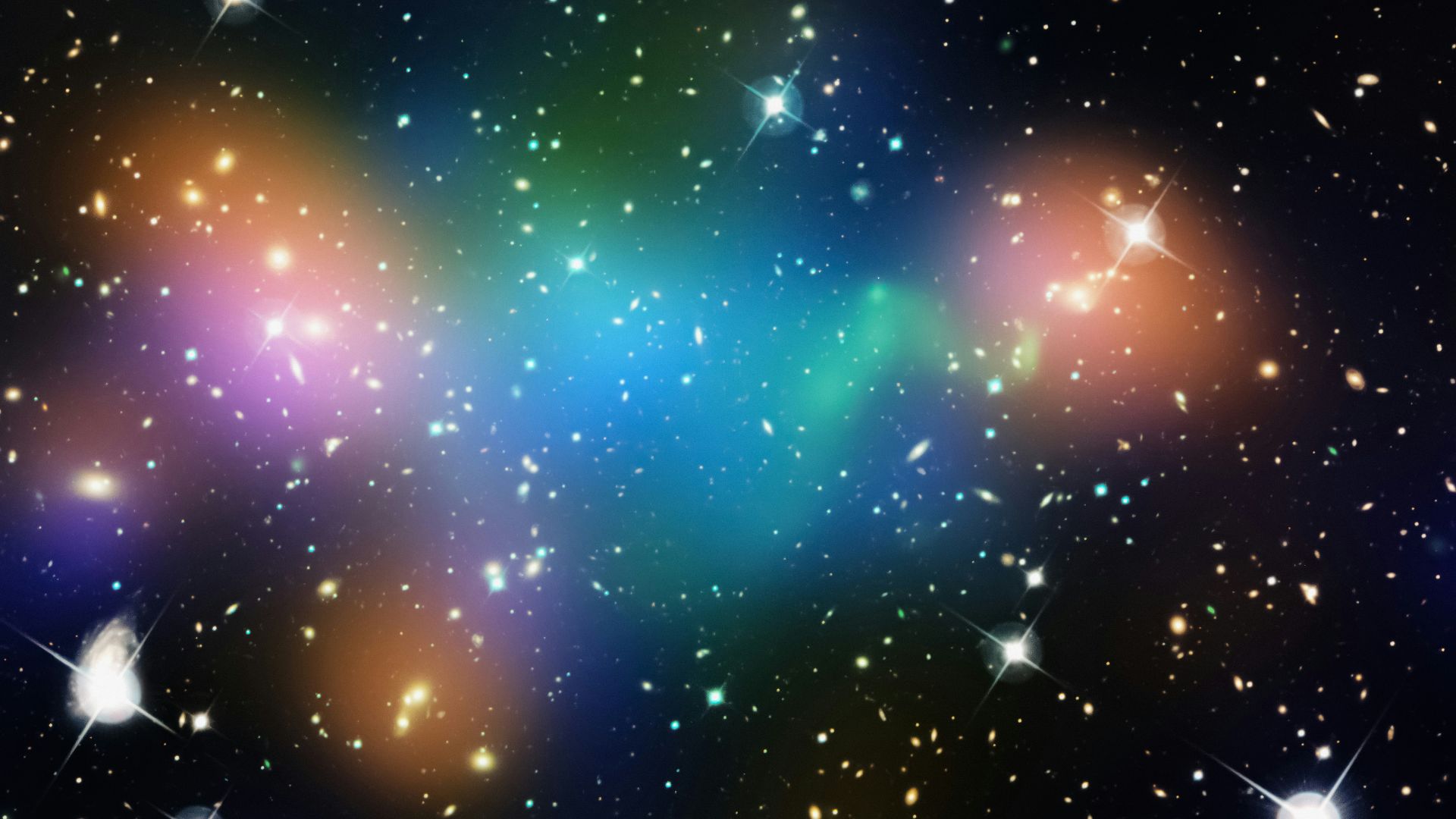
Future simulations aim to map how POP III stars shifted into POP II stars, so researchers plan to test those transitions with models that match LAP1-B’s spectrum. Hydrodynamical simulations also help scientists check how early gas cooled and gathered, and that work can show whether current ideas line up with what Webb detects. The goal is to build clearer patterns for early star formation and compare them with galaxies found at similar distances.
What Comes Next for the Search
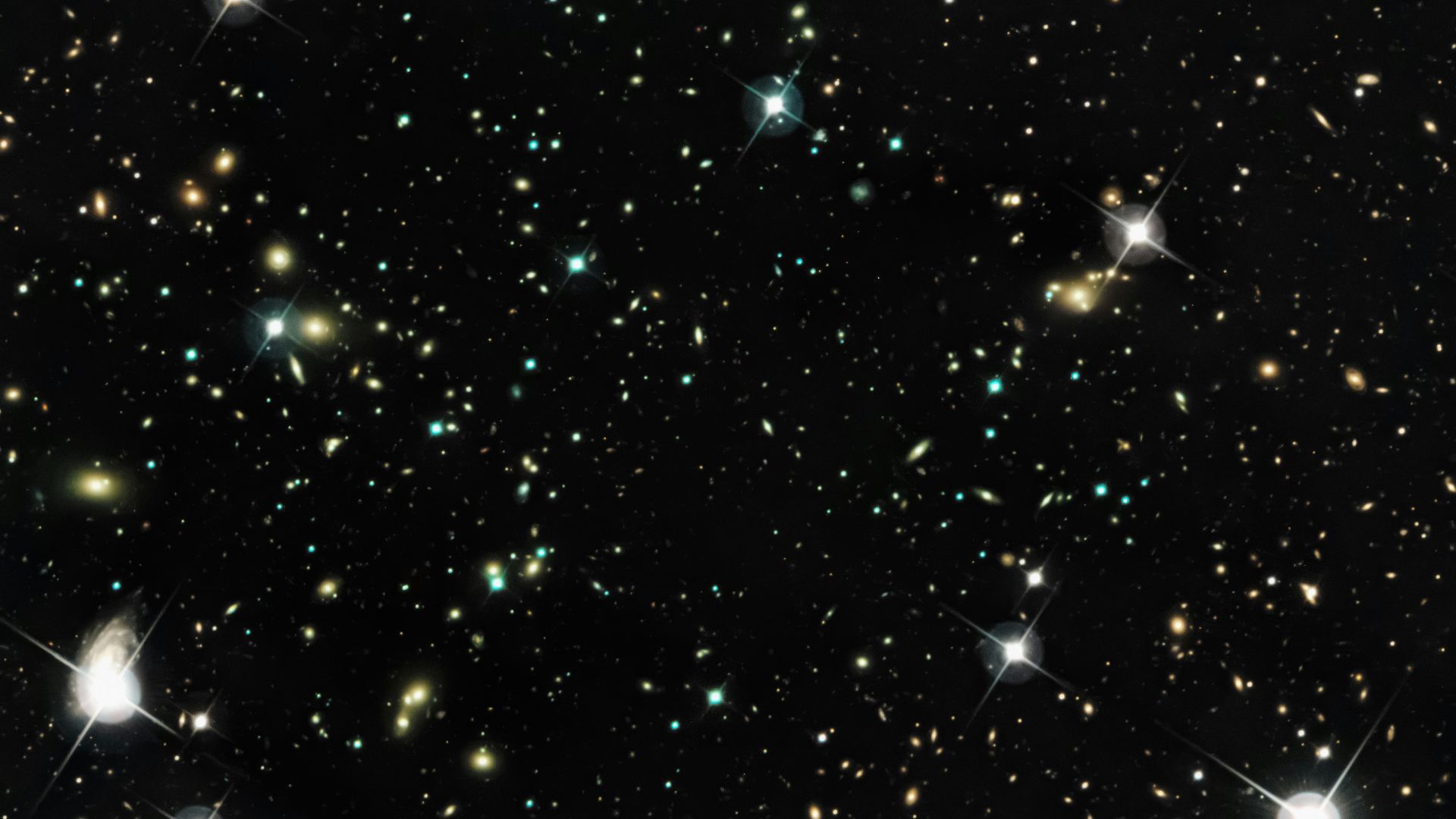
Astronomers now have a fresh target that keeps the conversation going. Webb’s view of LAP1-B hints at a period we rarely get to study, so researchers plan to keep checking galaxies sitting behind strong lensing clusters. Each new find adds another piece to the picture, and the excitement grows as more data comes in. The hunt continues with Webb guiding the way toward even earlier moments in cosmic history.