Bending Ice Produces Electricity – This Could Finally Help Explain The Origin Of Lightning


Ice, a substance most of us associate with frozen lakes or chilled drinks, continues to surprise scientists with unexpected properties. A recent study reveals that bending ice can generate electricity, a discovery that could reshape how we understand lightning and atmospheric phenomena. This finding bridges physics, climate science, and nanotechnology, offering both explanations for natural mysteries and potential pathways for future innovations.
Ice as More Than Just Frozen Water

While ice is one of the most common solids on Earth, its complexity extends far beyond its everyday presence. Researchers have long recognized that water’s solid form plays a crucial role in regulating climate, ecosystems, and even planetary science. Yet, even after decades of investigation, ice still holds secrets that defy traditional expectations.
A Persistent Scientific Puzzle

According to the Catalan Institute of Nanoscience and Nanotechnology (ICN2), new discoveries continue to emerge about ice’s unusual behavior. Despite being heavily studied, this material displays anomalies that suggest our understanding is incomplete. The recent research sheds light on one such anomaly: its ability to produce electricity under certain conditions.
The Role of Crystal Structure
Most natural ice on Earth exists as hexagonal ice, known as ice Ih. Unlike materials such as quartz or ceramics, this structure does not exhibit piezoelectric properties. In other words, it does not typically generate electricity when subjected to pressure or collisions, which makes the latest findings especially intriguing.
Why Ice Isn’t Naturally Piezoelectric
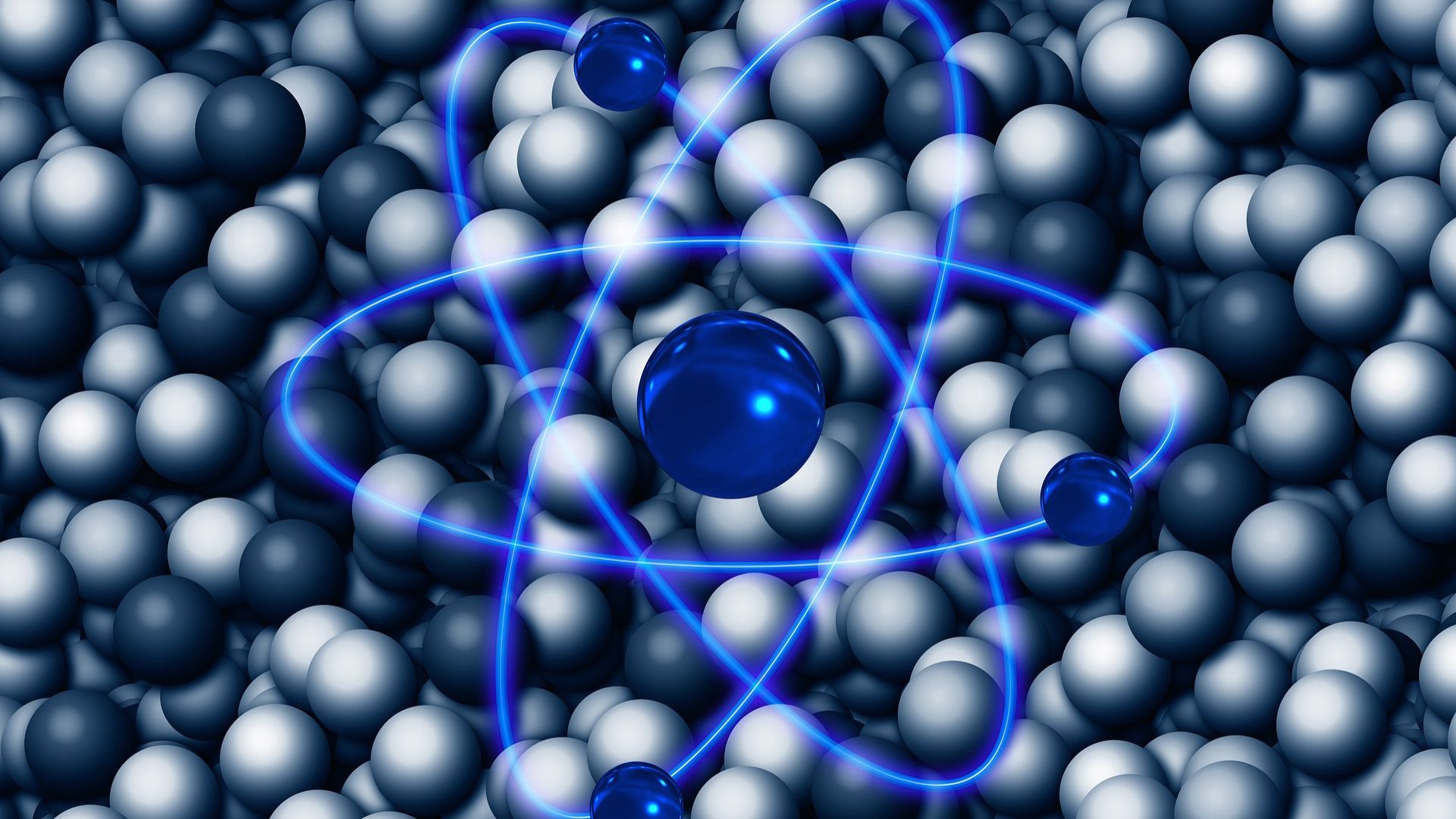
The arrangement of hydrogen atoms within ice Ih prevents long-range electrical order. While oxygen atoms align in a regular lattice, hydrogen atoms remain randomly distributed. This disorder disrupts the creation of large-scale polarization, explaining why ice does not usually behave like piezoelectric crystals.
Clues from Thunderstorms
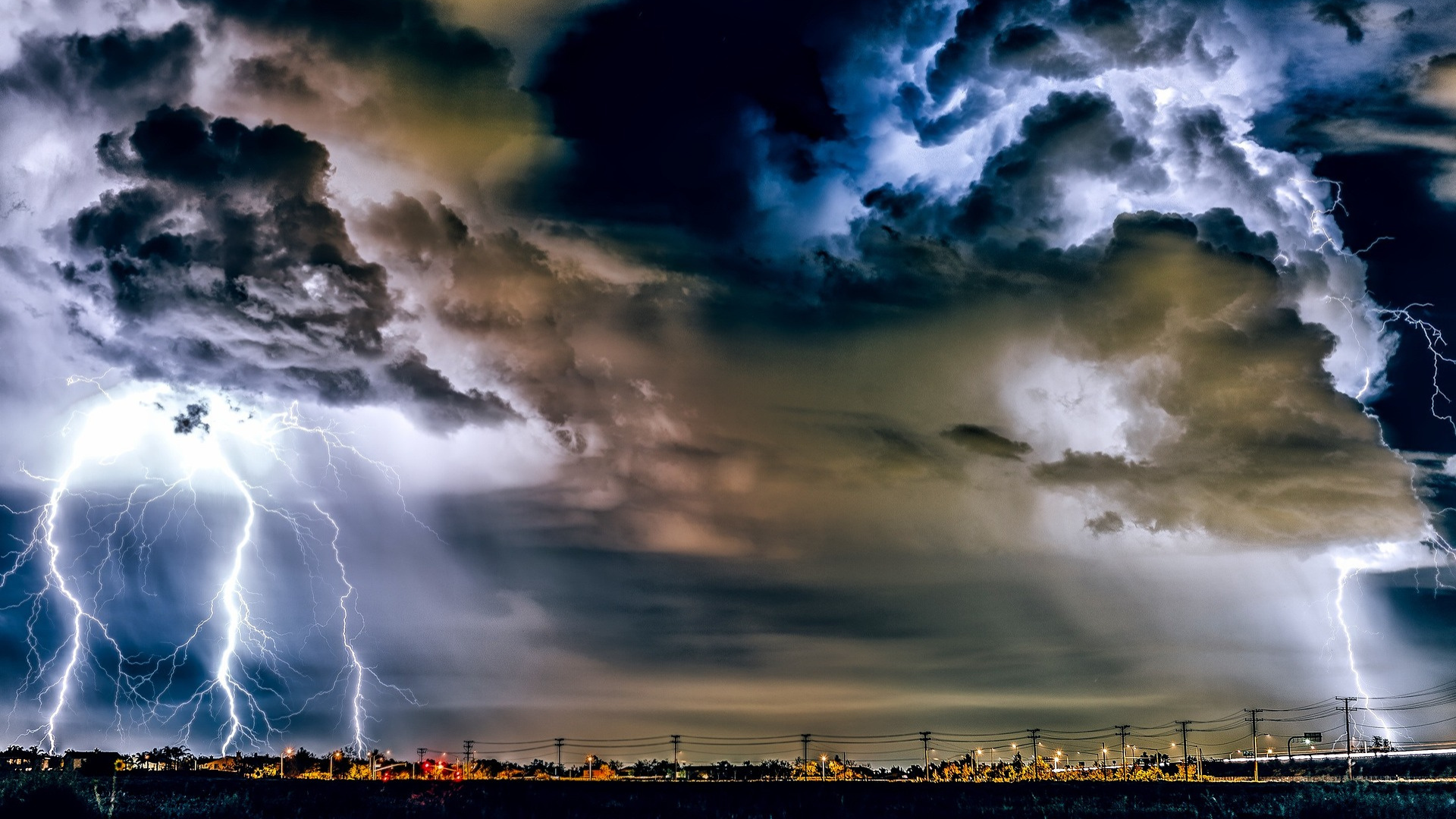
Despite this structural limitation, nature has long hinted that ice can accumulate charge. During thunderstorms, collisions between ice particles in clouds generate static electricity, eventually discharging as lightning. Until now, the precise mechanism behind this charge buildup remained uncertain.
The Bending Experiment

To investigate, scientists designed a simple yet revealing experiment. By bending a block of ice placed between two metal plates, they measured the electric potential it produced. The results closely mirrored the electrical behavior observed during natural ice-particle collisions inside storm clouds.
The Flexoelectric Effect in Action
The researchers concluded that bending ice triggers what is known as the flexoelectric effect, a phenomenon where materials generate an electric charge in response to uneven mechanical stress. Remarkably, the effect in ice was strong enough to rival advanced electroceramic materials like titanium dioxide, widely used in sensors and capacitors.
A Hidden Ferroelectric Layer

Another breakthrough emerged at extremely low temperatures. Below –113 °C, ice develops a thin ferroelectric layer at its surface. This layer can switch its polarization under external influence, similar to how a magnet’s poles can be reversed. The presence of both flexoelectricity and ferroelectricity means ice may hold more than one mechanism for generating electricity.
Implications for Understanding Lightning
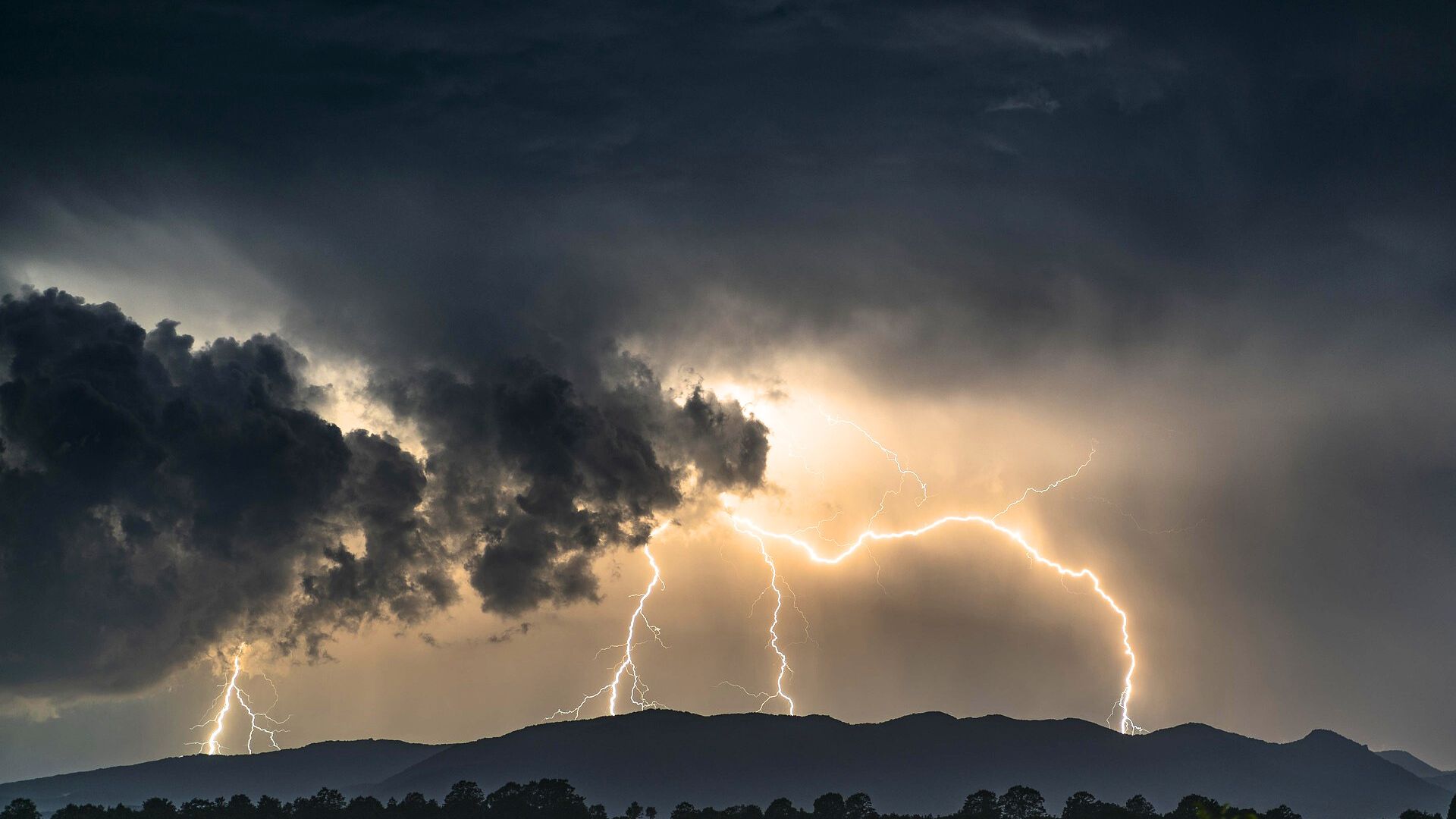
This dual ability helps explain how clouds accumulate massive amounts of charge. Flexoelectricity could drive electrical buildup in typical storm conditions, while ferroelectricity may play a role in colder atmospheric layers. Together, these processes provide a compelling explanation for the origin of lightning.
Looking Ahead: From Storms to Technology

The discovery opens not only scientific but also technological doors. If ice can be harnessed as an electrical material, it could inspire new devices designed for extreme environments. From energy capture in polar regions to innovative sensing technologies, the potential applications are as fascinating as the natural mystery it helps solve.