Unexpected Discovery along the US-Mexico Border Unveils a Fascinating Ancient Tradition
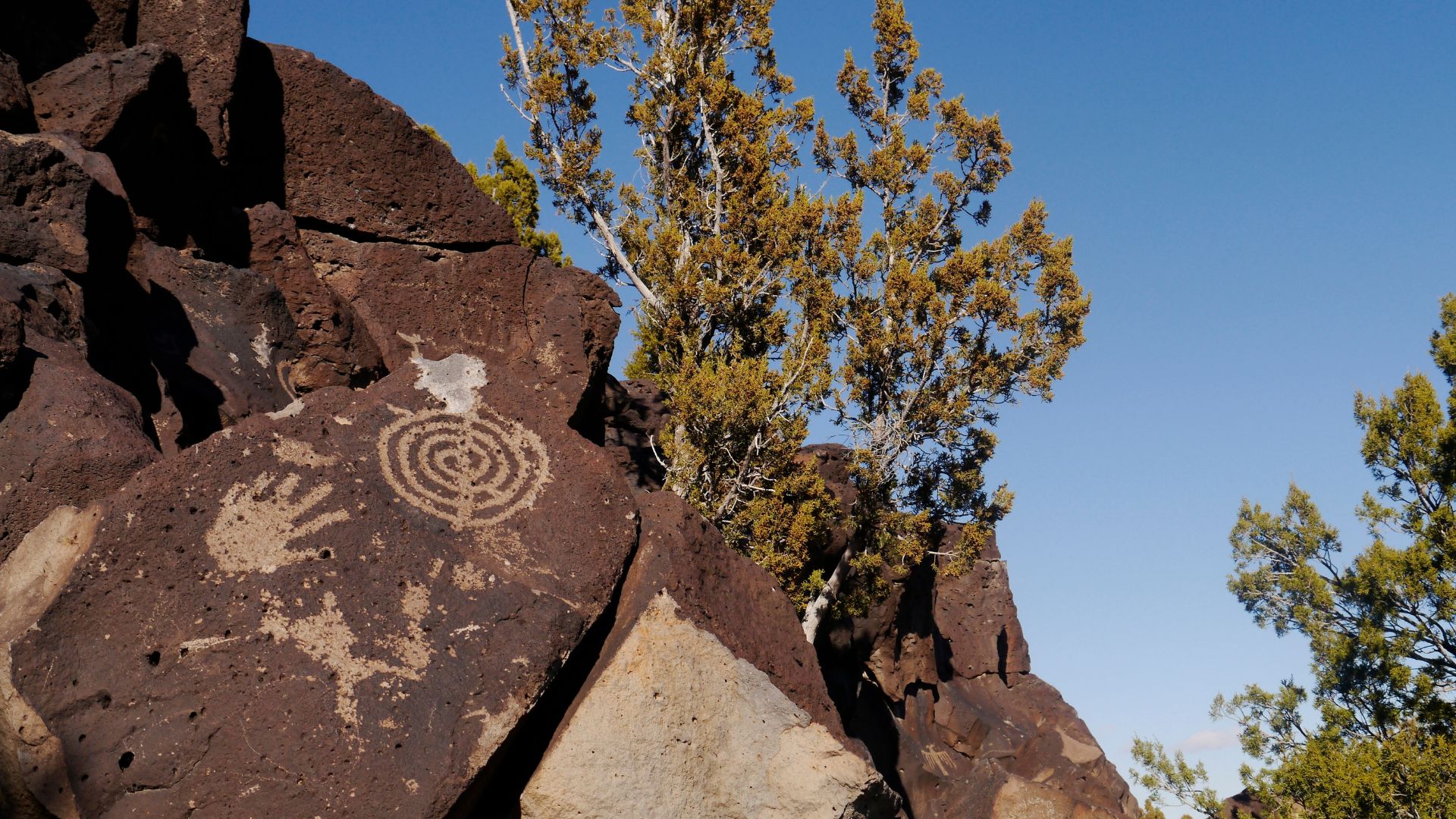

Along the quiet stretches of the US-Mexico border, archaeologists have been rethinking what early North American life looked like. Rock shelters scattered across the region hold painted scenes that feel intentional rather than incidental. For decades, their age stayed uncertain. Recent research now offers clearer answers, pointing to a long artistic tradition shaped over thousands of years. The findings invite readers to reconsider how deeply rooted storytelling and belief once were in this area region today.
Pecos River Murals Hidden Across Borderland Rock Shelters
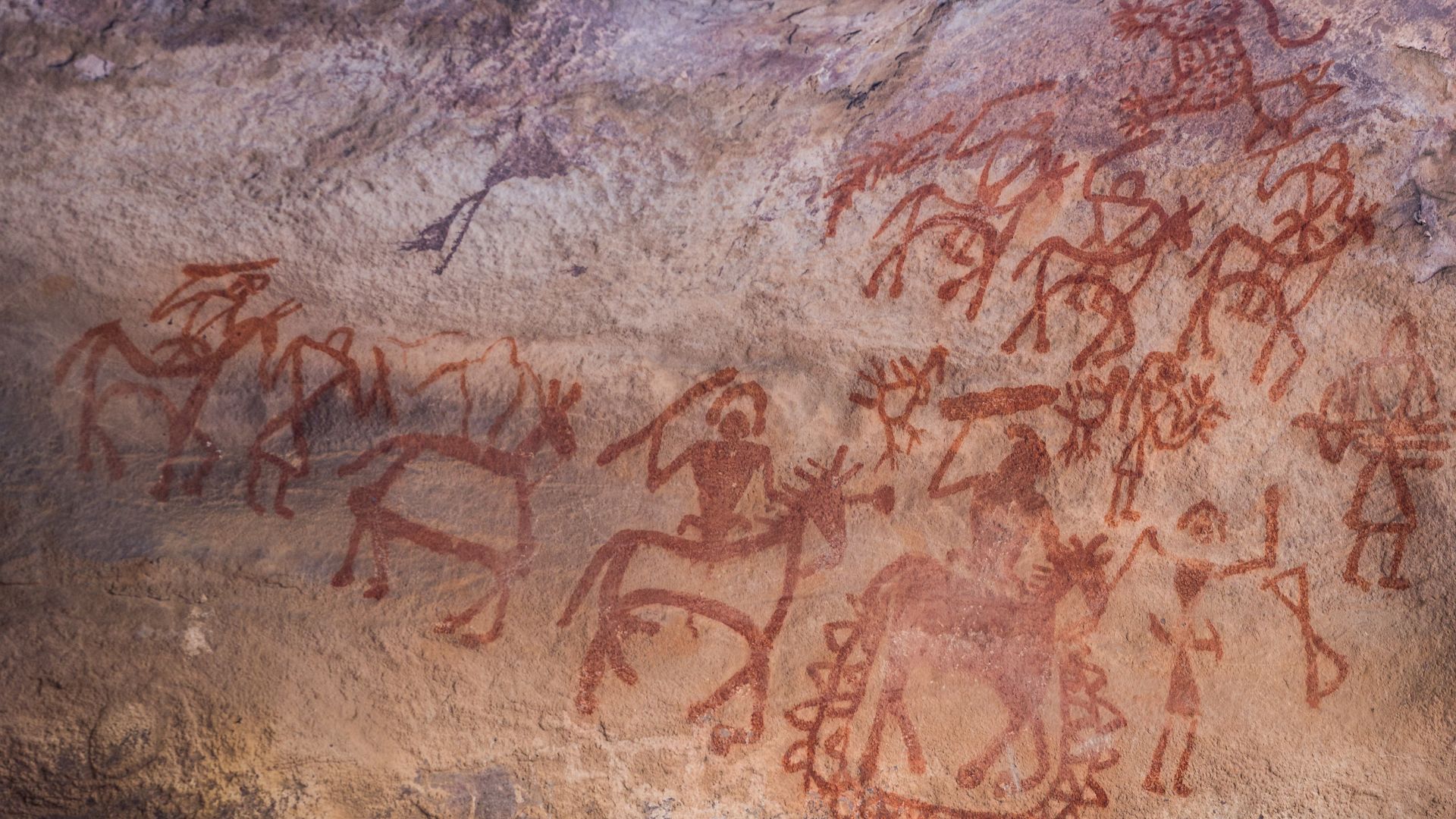
Rock shelters along the US-Mexico border hold murals that many people never notice. Painted across stone walls and ceilings, these scenes show human figures, animals, and repeating patterns that feel intentional. Archaeologists have documented more than 150 sites north of the Rio Grande, with just as many across the border in northern Mexico. The scale alone suggests artists shared ideas across generations, so these shelters read less like isolated artworks and more like a connected record.
Early Recognition of a Shared Artistic System

Researchers noticed early on that these murals followed a shared visual language. Similar figures, layouts, and color choices appeared across distant shelters, so the paintings felt connected rather than isolated. Patterns repeated from site to site, and scenes seemed arranged with care. That consistency suggested artists followed agreed ideas about storytelling and design, and archaeologists began to see the shelters as parts of a broader system instead of separate locations.
Radiocarbon Dating Unlocks Mural Timelines

Radiocarbon testing finally gave researchers a clearer timeline for these murals. Scientists sampled tiny traces of plant material and animal fats trapped in the paint, so the artwork itself provided the evidence. Advanced lab methods measured carbon with precision, and the results surprised many researchers. Dates reached back nearly 6,000 years, and they showed painting activity continued for thousands more, offering a much longer view of artistic practice in the region.
Materials and Methods Used in Ancient Paints
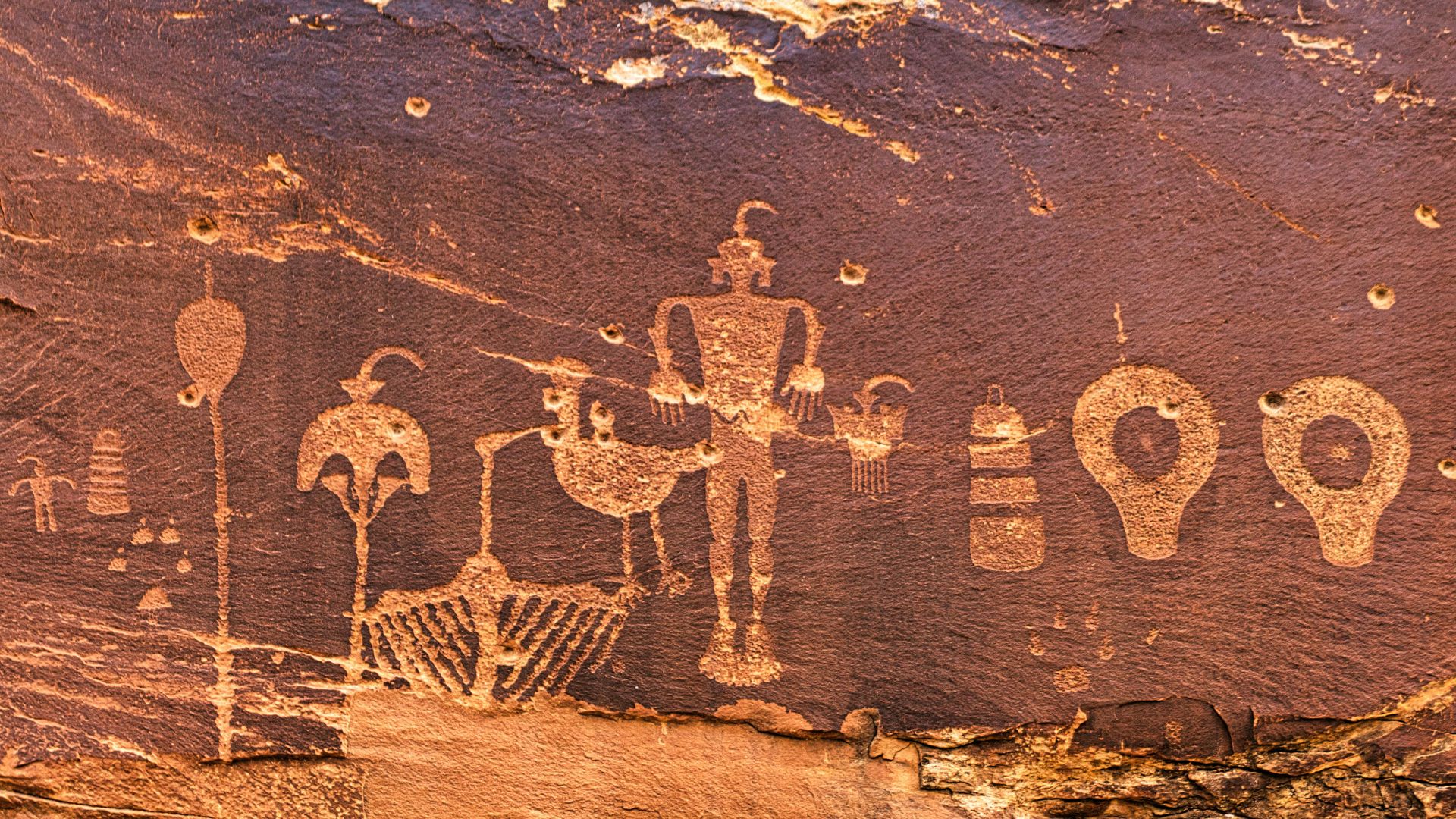
Artists mixed natural materials to create paints that lasted for thousands of years. Researchers found traces of plant fibers and animal fats blended into pigments, so the murals held more than color alone. Those organic binders helped paint cling to stone surfaces inside the shelters. Careful preparation mattered, and repeated methods appeared across sites. That shared approach suggests painters learned techniques through close teaching and long practice rather than casual experimentation.
A Painting Tradition Spanning Thousands of Years
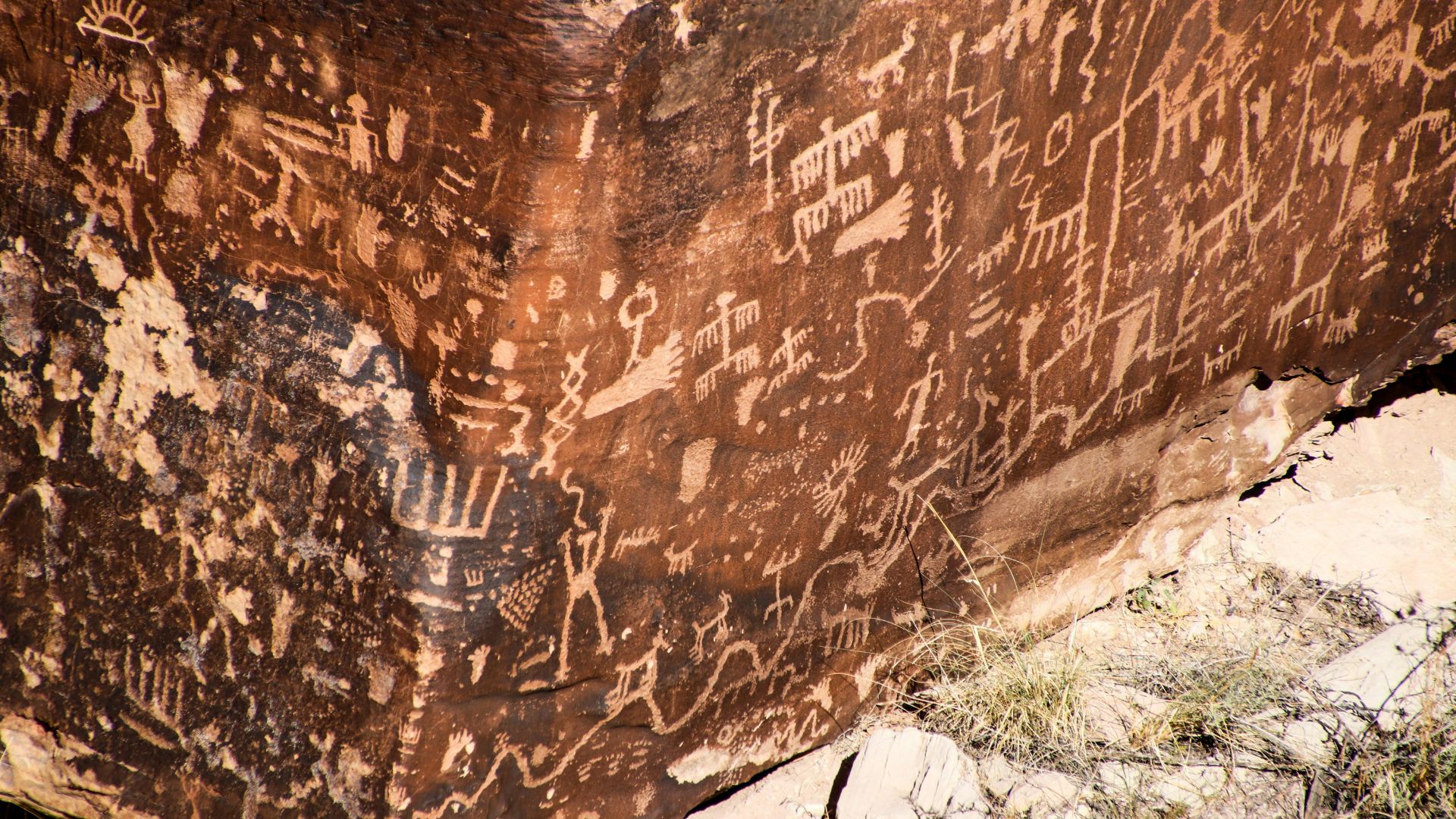
Consistent Visual Rules Across Generations
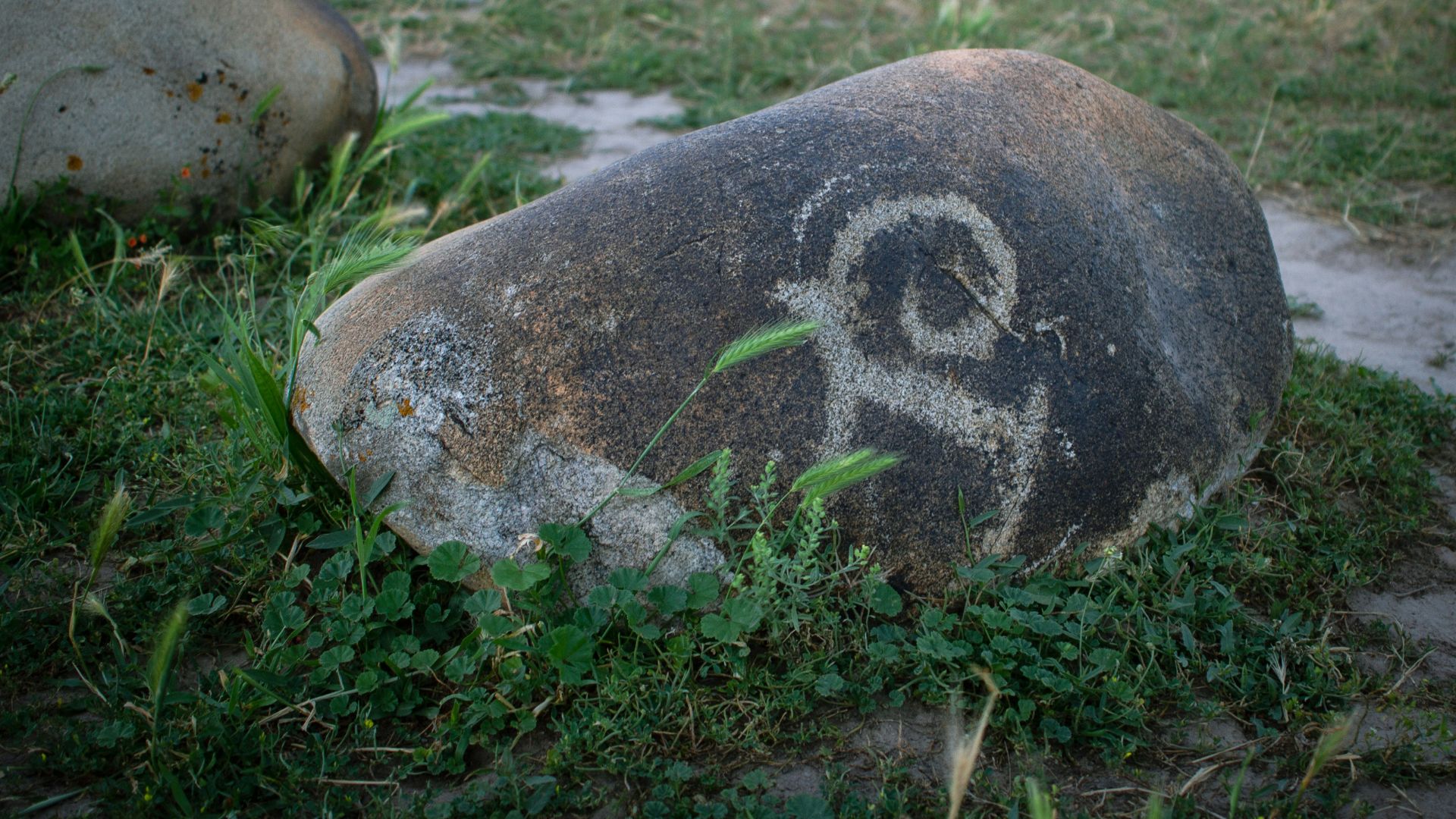
Across centuries, artists followed the same visual habits. Figures appeared in familiar poses, scenes kept similar spacing, and colors layered in predictable ways. That repetition feels intentional, so painters likely learned from those who came before them. Younger artists seem to have copied trusted patterns rather than inventing new ones each time. Over time, those shared rules helped murals remain recognizable even as generations changed.
Murals Linked to Early Indigenous Cosmology
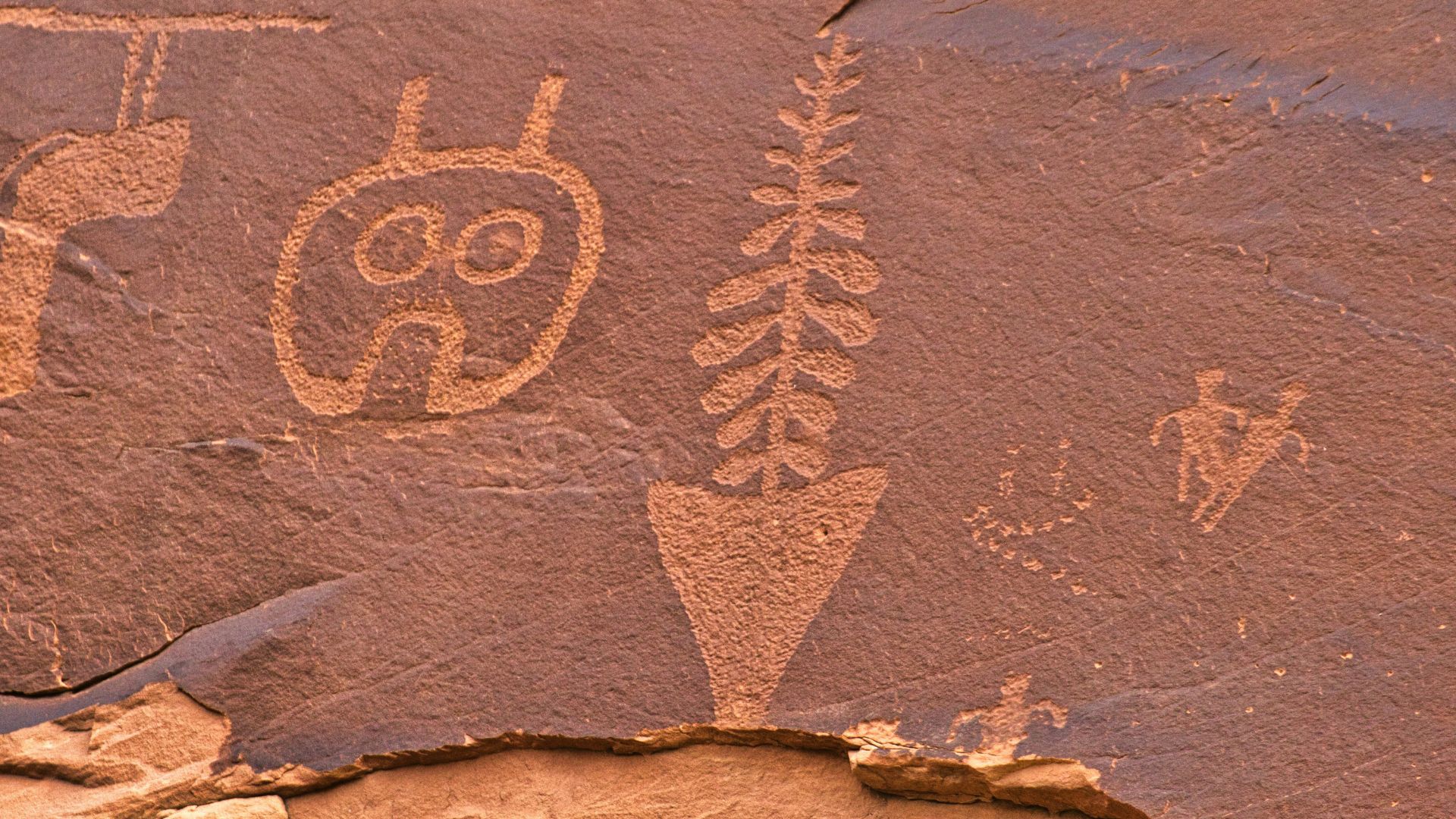
Researchers noticed that many mural scenes reflect shared ideas about origins, time, and the natural order. Human figures appear alongside animals and repeating symbols, so the images feel structured rather than random. Similar themes appear across many shelters, which suggests painters communicated beliefs visually. Those ideas align with traditions found in later Indigenous cultures across North America, offering a rare look at early systems of thought expressed through art.
Why the Lower Pecos Record Stands Apart
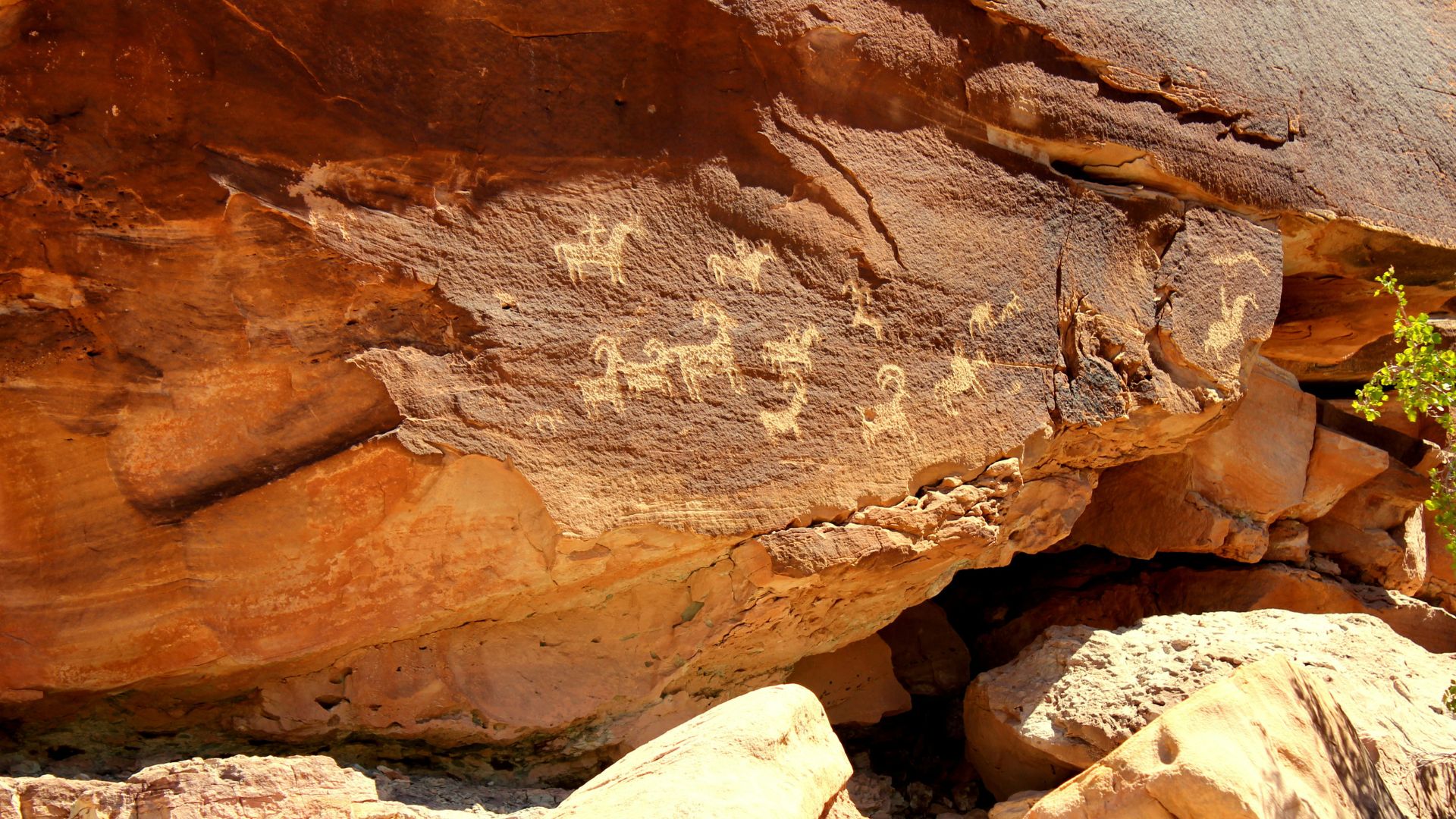
The Lower Pecos record offers rare clarity because the murals received direct dating from the paint itself. Organic binders preserved tiny traces that allowed precise testing, so timelines rest on physical evidence rather than estimates. Many images also cluster around single painting events, which points to planned visual storytelling. Combined with the number of sites, the record provides an unusually continuous view of artistic activity across a long span.
What These Murals Mean for How We View Early North America
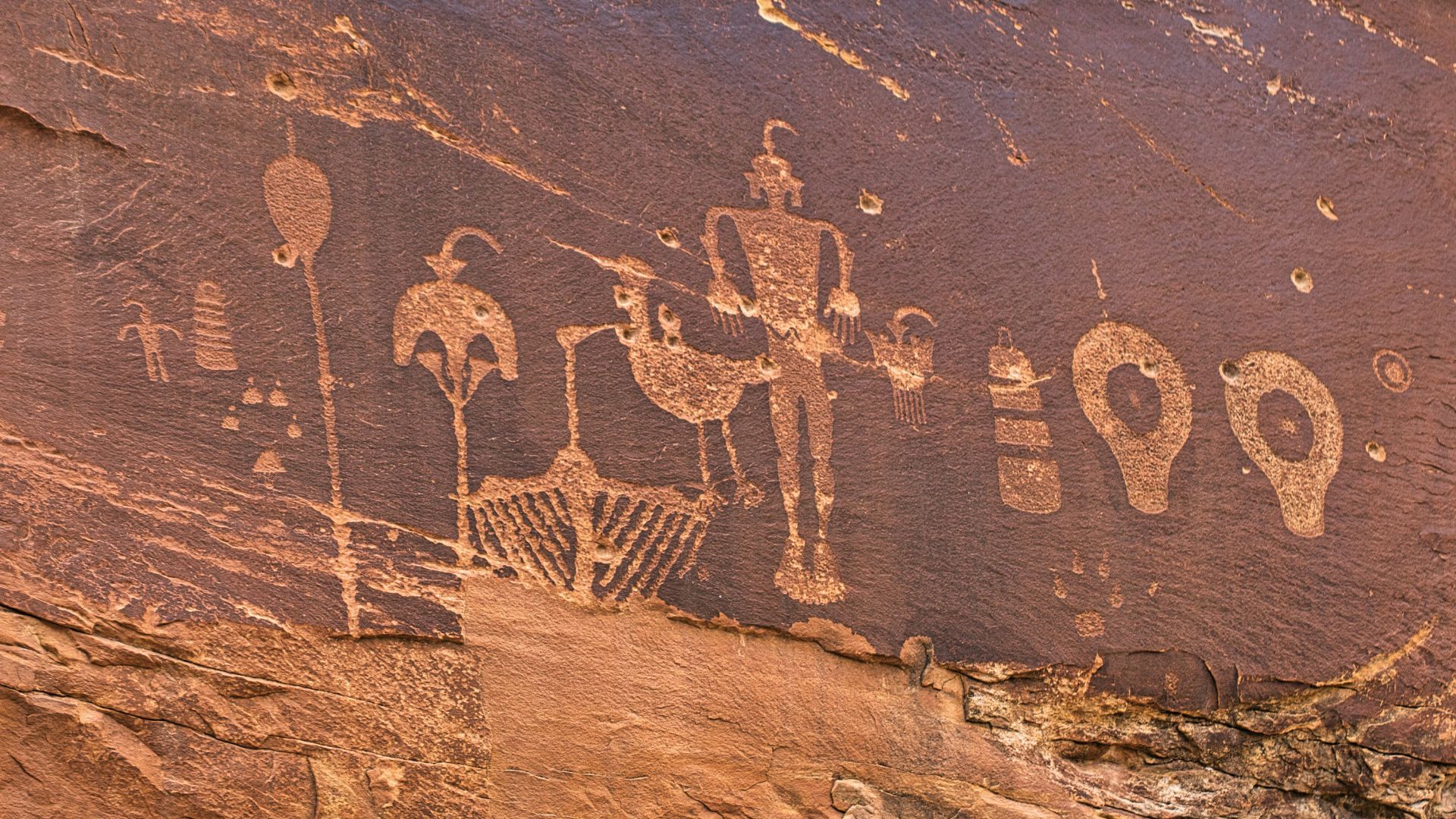
The Lower Pecos murals invite readers to look at early North American history with fresh eyes. Paintings preserved on stone show how people shared ideas, memories, and beliefs across long stretches of time. Researchers continue to study more sites, so timelines and interpretations may shift again. For now, the murals offer a clear reminder that storytelling through art shaped daily life along the borderlands for generations.