Scientists Find Signs That Mars May Once Have Been Covered by an Ocean
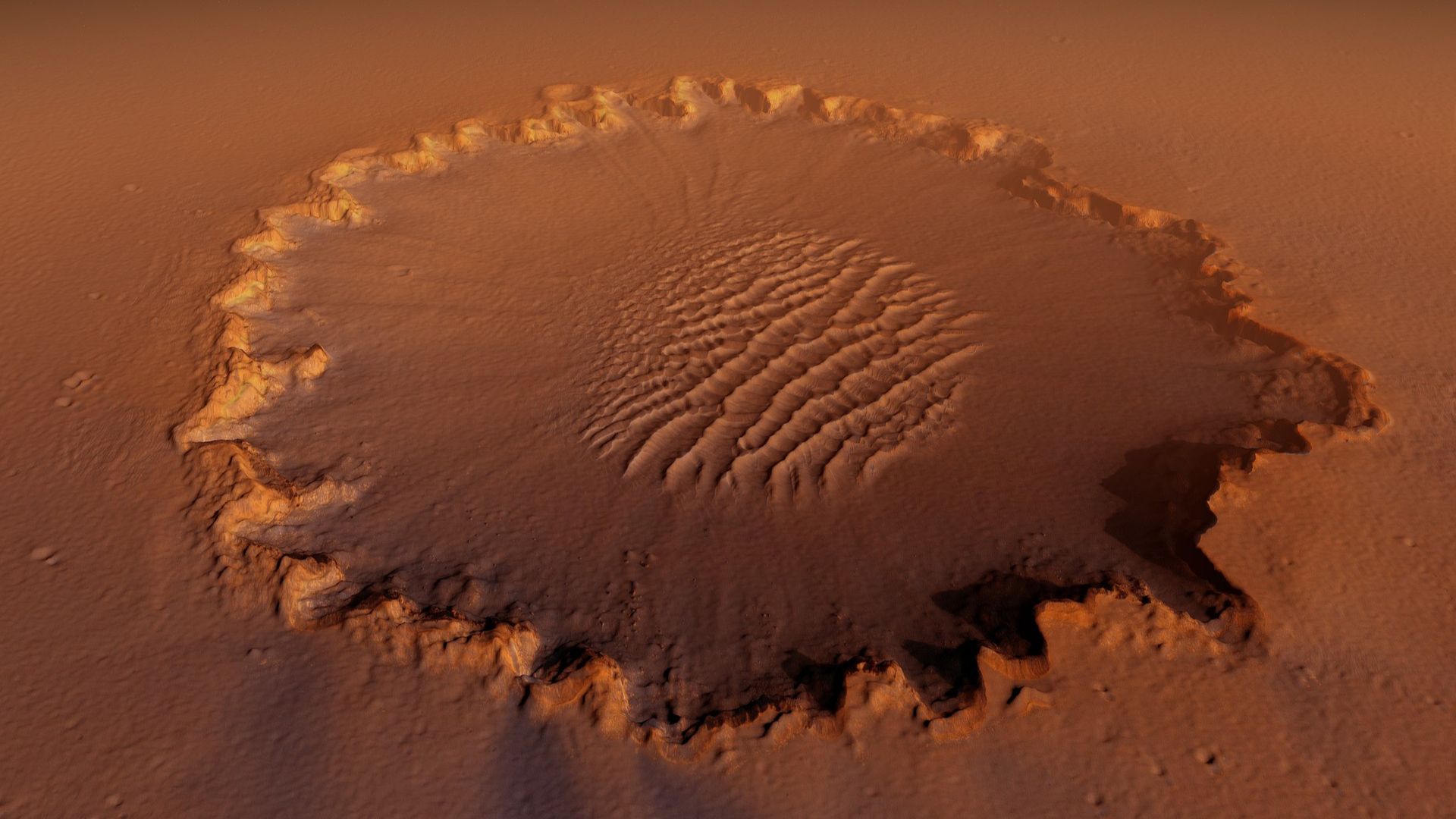

Mars may have looked very different billions of years ago. New scientific evidence suggests that the Red Planet once hosted a vast body of water, possibly comparable in size to Earth’s Arctic Ocean. This finding adds depth to the long-standing idea that Mars was once wetter, and potentially more hospitable, than it appears today.
For decades, researchers have uncovered traces of dried riverbeds, sediment layers, and mineral deposits that point to a watery past. Yet the true scale and stability of that water has remained uncertain. The latest study offers fresh geological clues that help clarify how extensive those ancient Martian waters may have been.
By closely examining the planet’s surface with modern orbital technology, scientists are beginning to piece together a clearer narrative of how water once shaped Mars. This emerging picture suggests not just scattered lakes or short-lived floods, but interconnected systems that may have endured over long periods. The study reinforces the idea that understanding Mars’ past is essential for interpreting its present. Each new discovery helps refine theories about planetary evolution, climate change beyond Earth, and the conditions required for life to emerge.
Geological Clues Hidden in a Vast Martian Canyon
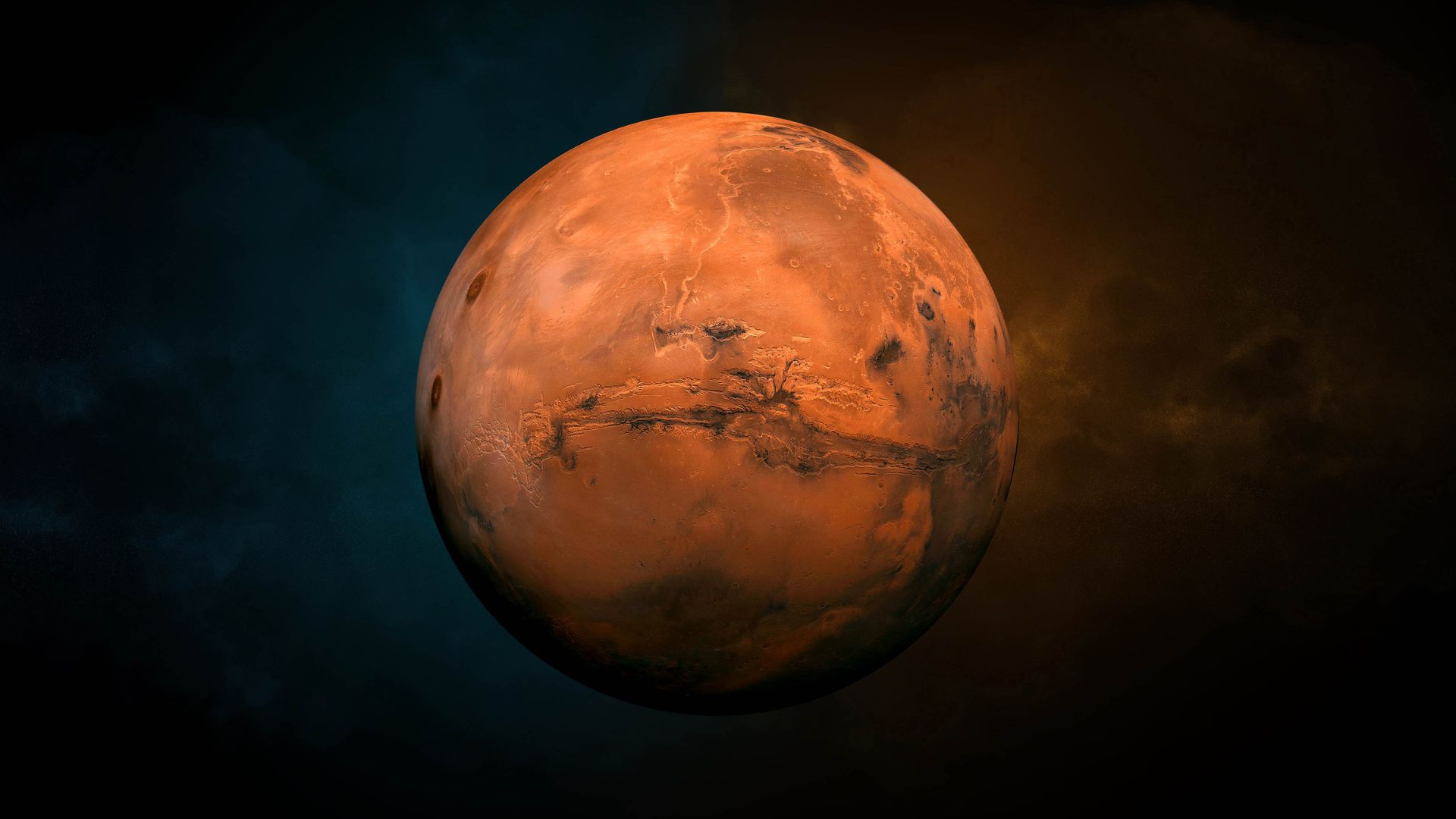
The research focused on Coprates Chasma, a massive canyon located within Valles Marineris, the largest canyon system in the solar system. Stretching thousands of kilometers along Mars’ equator, this region preserves layers of geological history exposed by erosion over billions of years.
Scientists concentrated on specific formations known as scarp-faced deposits, found at the lower end of the canyon. These structures display shapes and patterns strikingly similar to river deltas on Earth, which form where flowing water empties into large bodies such as seas or oceans.
Although wind-blown dunes now partially cover these formations, their underlying geometry remains visible in high-resolution images. This allowed researchers to identify their original structure and distinguish them from features created solely by wind or volcanic activity.
What Elevation and Age Reveal About Ancient Water
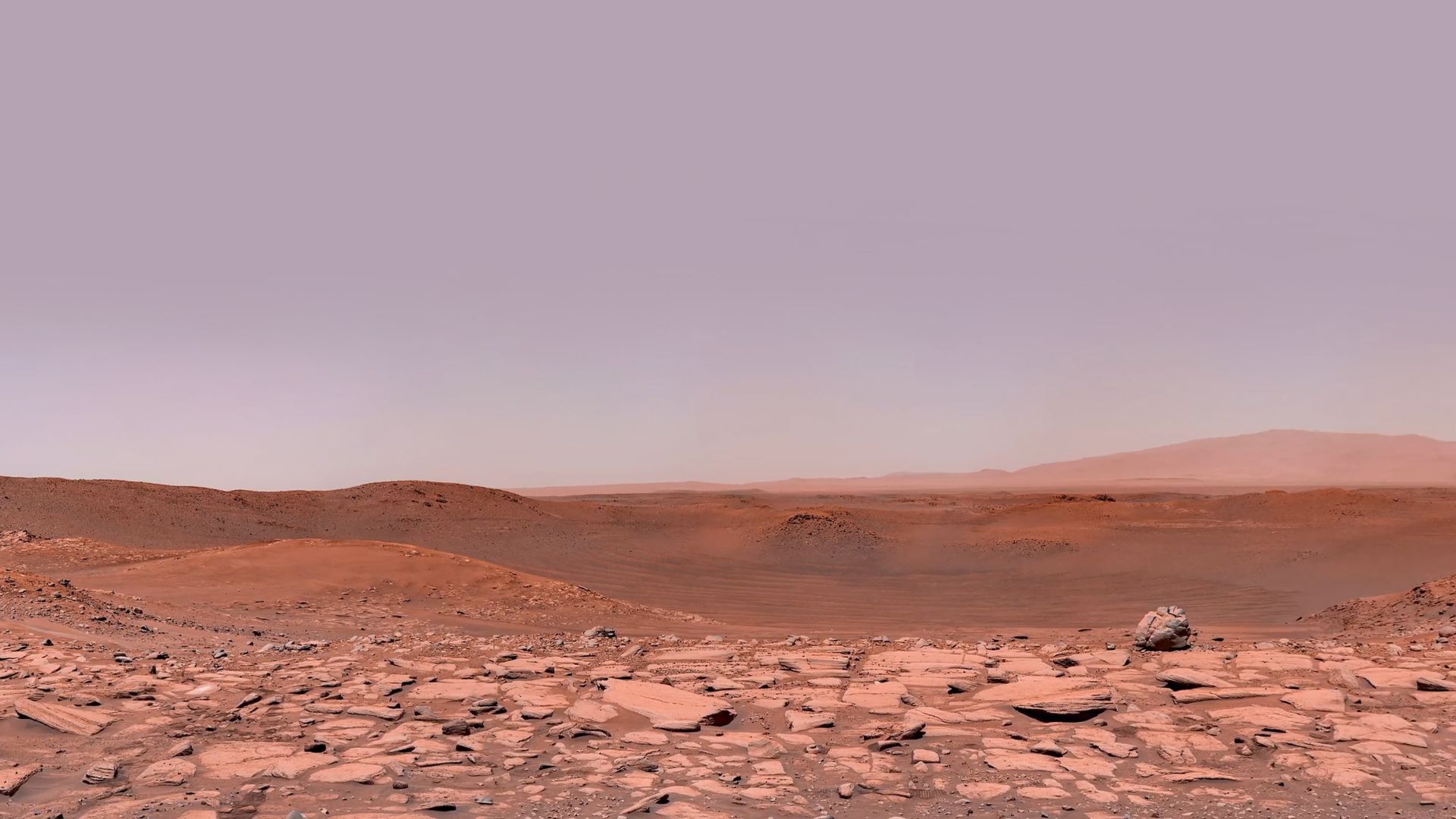
One of the most compelling aspects of the findings lies in the consistency of the deposits. All identified formations appear at nearly the same elevation range, both within Valles Marineris and across the northern lowlands of Mars. Such uniformity strongly suggests the presence of a stable water level over a wide area.
Dating techniques indicate that these structures formed around 3.37 billion years ago, a time when Mars was undergoing significant climatic changes. The alignment in both age and altitude supports the idea of a shared shoreline rather than isolated water events.
Taken together, these clues point toward the existence of a northern ocean that once covered a substantial portion of the planet. If confirmed, this ocean would have connected distant regions through continuous surface water, reshaping assumptions about how water moved across ancient Mars.
Why This Discovery Matters for Mars Exploration

The implications of this research extend beyond geology. Long-lasting, planet-wide water systems increase the likelihood that Mars once had environments capable of supporting microbial life. Stable water is a key ingredient for habitability, making these findings especially significant for astrobiology.
Researchers emphasize that this study does not stand alone, but rather strengthens previous hypotheses with new geological evidence. By narrowing down where ancient shorelines may have existed and how high water levels reached, the work provides a clearer framework for future exploration.
Looking ahead, scientists plan to analyze the composition of ancient Martian soils to better understand how water-driven erosion shaped the planet. Each step brings Mars closer to revealing its full story, offering insights not only into a neighboring world, but into the broader processes that shape planets across the universe.