Massive Sunspots Facing Earth Spark Fears of a Second Carrington Event


A gigantic patch of sunspots just rolled into view, and it’s already stirring plenty of chatter. The cluster points straight at Earth, so interest picked up fast. Astronomers watch it closely because its size mirrors the one tied to the historic Carrington Event. The sight alone grabs attention. The dark patches look active, they look restless, and they arrived during a lively stretch of solar activity that already has people wondering what comes next.
Size Of The AR 4294 4296 Sunspot Cluster
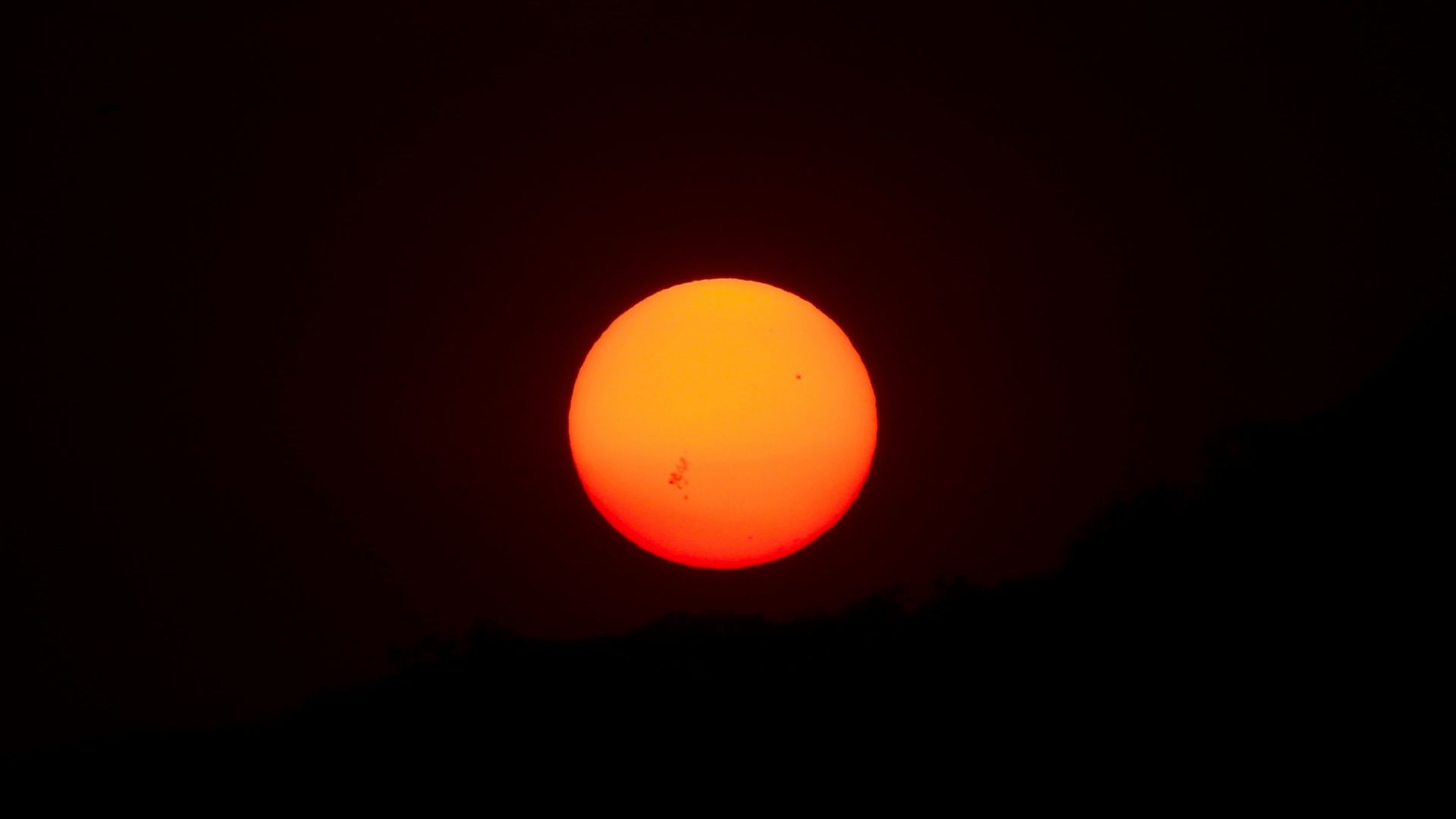
AR 4294 4296 spans a huge section of the solar surface, so interest grew fast once it came into view. The cluster includes two linked groups that formed a broad patch across the sun. Astronomers tracked it as it rotated toward Earth and noted how large the dark areas looked. The spread reaches close to the size of the historic Carrington sunspot, and that comparison drew steady attention from researchers watching current solar activity.
Early Detection From Perseverance

Comparison To The Historic Carrington Sunspot

AR 4294 4296 drew fast attention because its size sits close to the sunspot recorded during the Carrington Event in 1859. The new cluster covers roughly ninety percent of that historic patch, so researchers quickly noted the similarity. The comparison grew stronger once images were placed side by side. The scale alone made people look twice, and the timing added even more interest as the cluster moved across the sun toward Earth.
How Sunspots Produce Solar Flares And CMEs
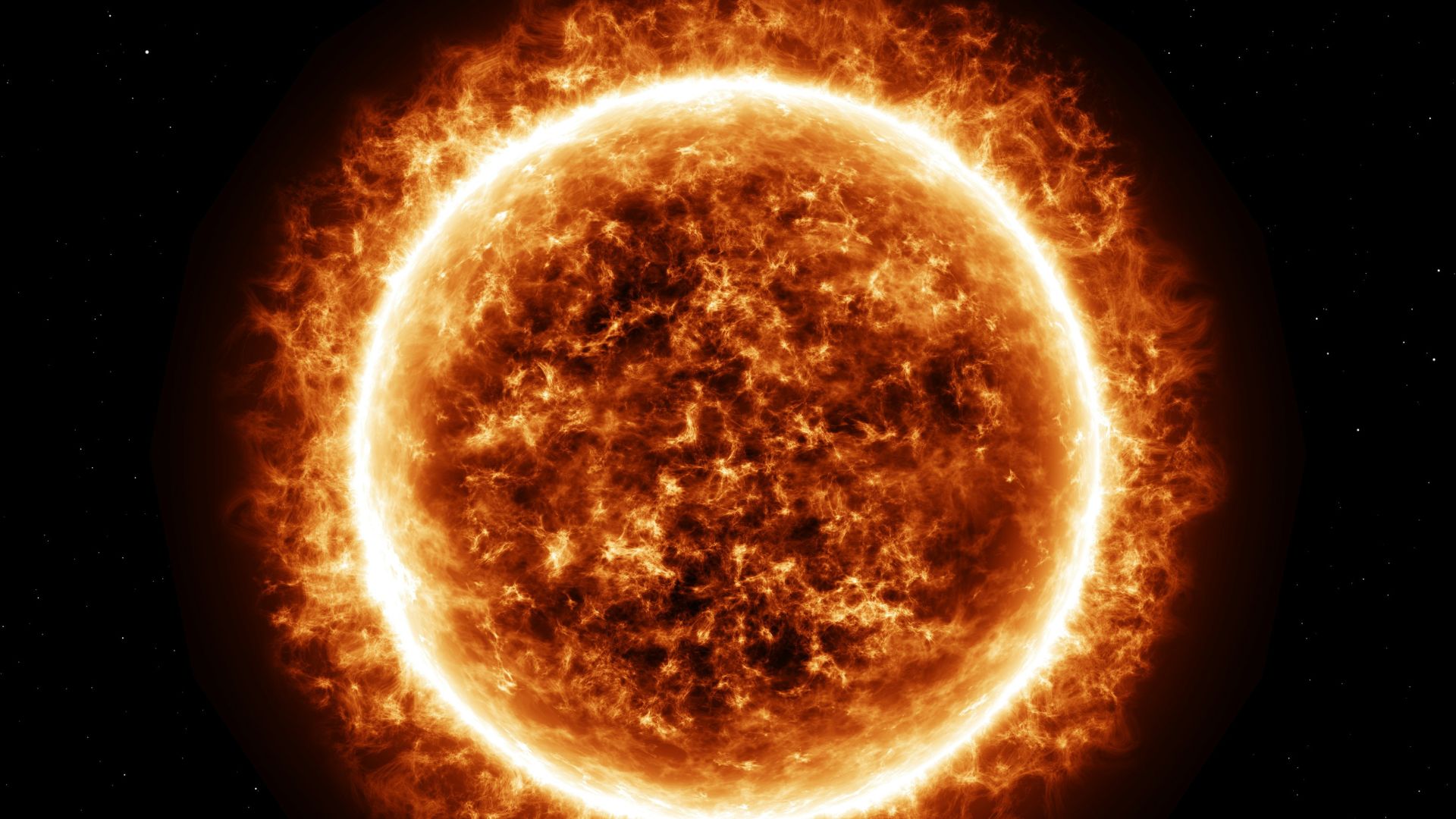
AR 4294 4296 drew fast comparisons to the sunspot linked to the Carrington Event in 1859. The new cluster covers close to ninety percent of that historic patch, so scientists quickly noted the match in scale. Images were placed side by side, and the similarity stood out right away. The size alone pushed interest higher, and people followed updates as the cluster moved into a clear view from Earth.
X Class Flare Potential From The New Cluster
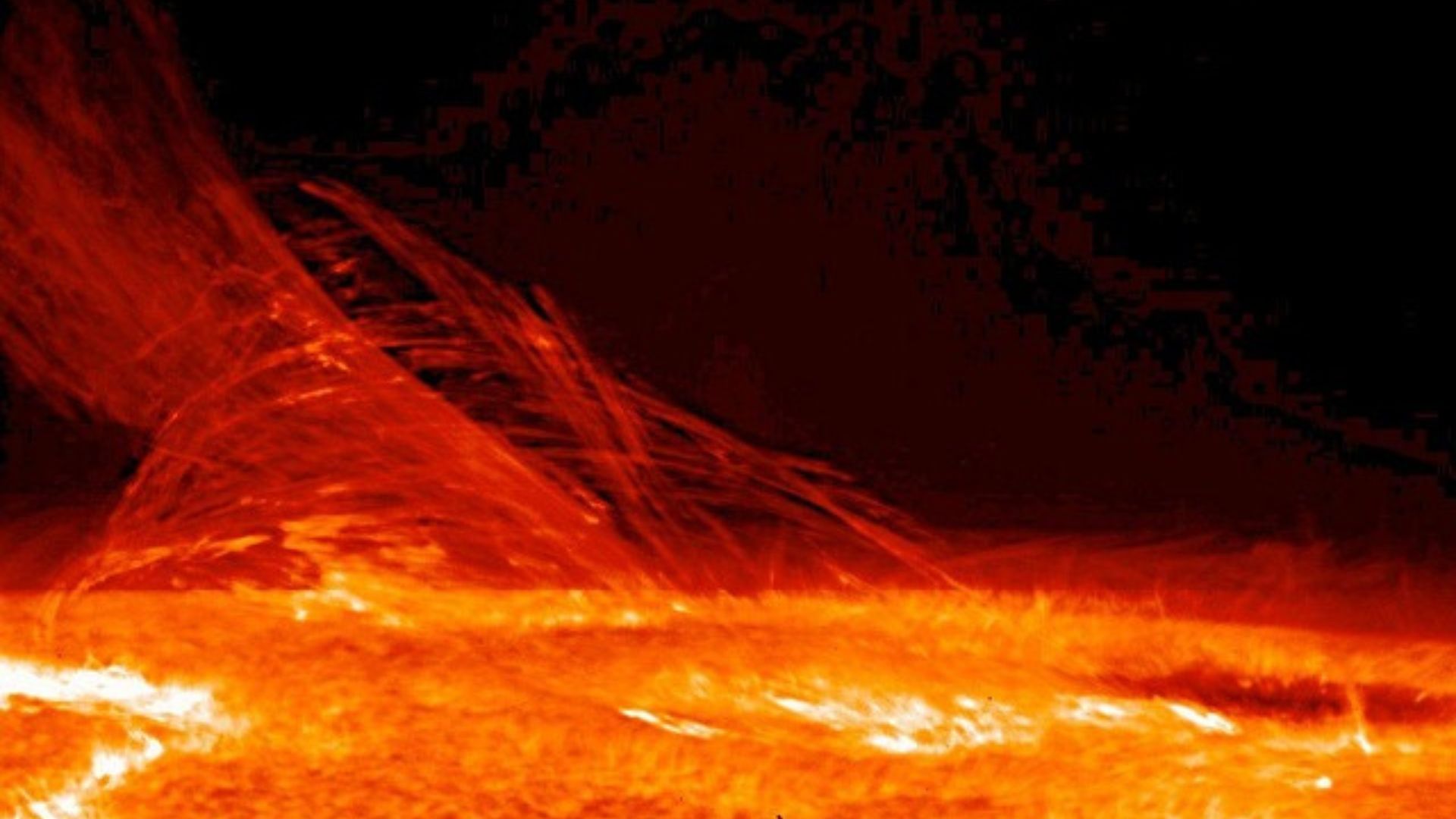
AR 4294 4296 carries tangled magnetic fields, so scientists watch it closely for strong activity. The cluster already produced a possible X-class flare while it sat on the far side, and that hint raised expectations for more. X-class flares sit at the top of the scale used to measure solar outbursts, and the size of the cluster supports that potential. Researchers follow each update and track any sudden bright flashes from the region.
Modern Impact Of An X45 Level Blast

An X45-level blast sits far above anything modern systems have faced, so researchers model its effects to understand the risk. A burst that strong could knock out every satellite in orbit and send severe disturbances through power networks on the ground. Simulations point to damage that could reach into the trillions. The scale of that impact explains why scientists track large sunspots and follow any signs of heightened solar activity with steady attention.
Why Sunspot Size Doesn’t Guarantee A Superstorm

Large sunspots often get attention, so people expect big eruptions from them, but the process works in a more complex way. The magnetic layout inside each cluster guides how active it becomes, and some huge groups stay quiet. AR 4294 4296 shows tangled fields that could produce flares, yet scientists also note that many oversized patches in past years never reached their full explosive potential. The mix of size and magnetic behavior shapes what actually happens.
Rising Activity During Solar Maximum
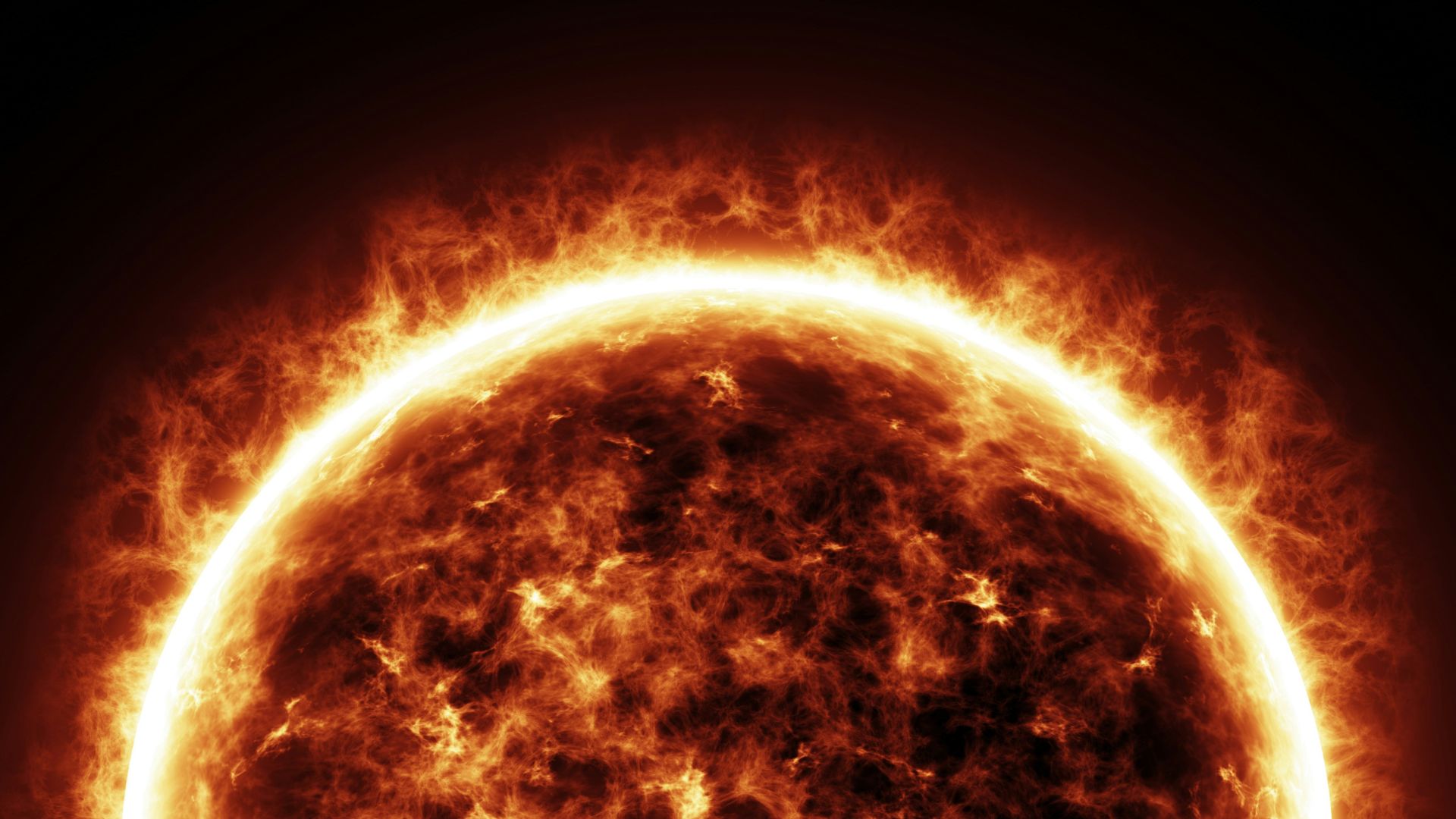
Solar maximum keeps the sun busy, so researchers expect more active stretches like the one unfolding now. The past year already brought a spike in X-class flares, and two back-to-back bursts in November produced a strong geomagnetic storm on Earth. May also delivered a rare event that lit up the skies across many regions. AR 4294 4296 entered the spotlight during that energized phase and added fresh interest to current solar activity.
Staying Alert As Solar Activity Builds
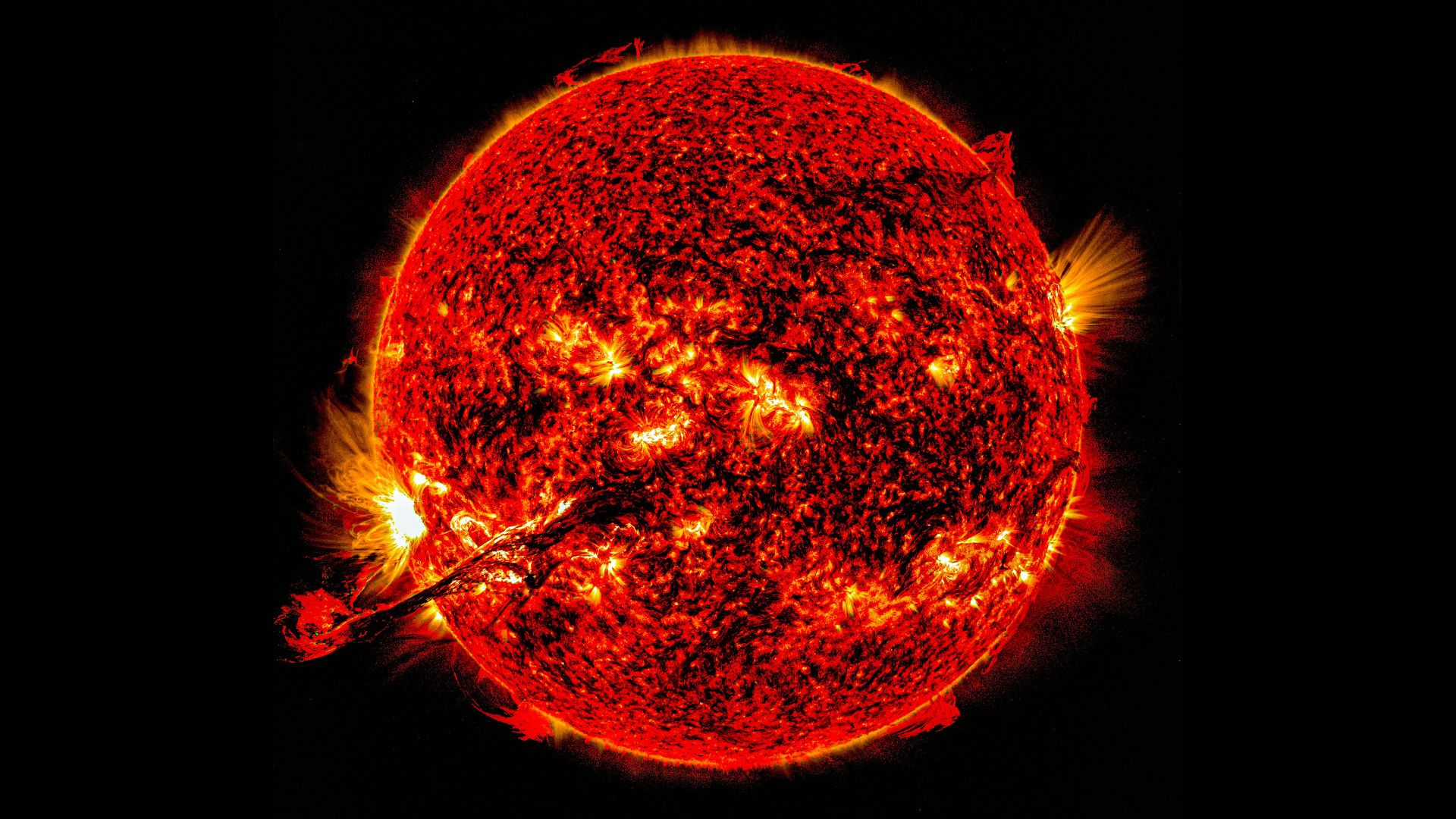
Sunspot clusters like AR 4294 4296 keep interest high, so people watch updates with fresh curiosity. The size alone grabs attention, and the timing lines up with a busy stretch of solar maximum. Scientists track each flare, each shift, and each rotation. Anyone who enjoys skywatching can also check forecasts for possible auroras. Solar activity moves fast, and staying aware adds a bit of excitement to the next few days.