Archaeologists Spot Unexplained Buildings Beside the Pyramids: What Lies Beneath?”
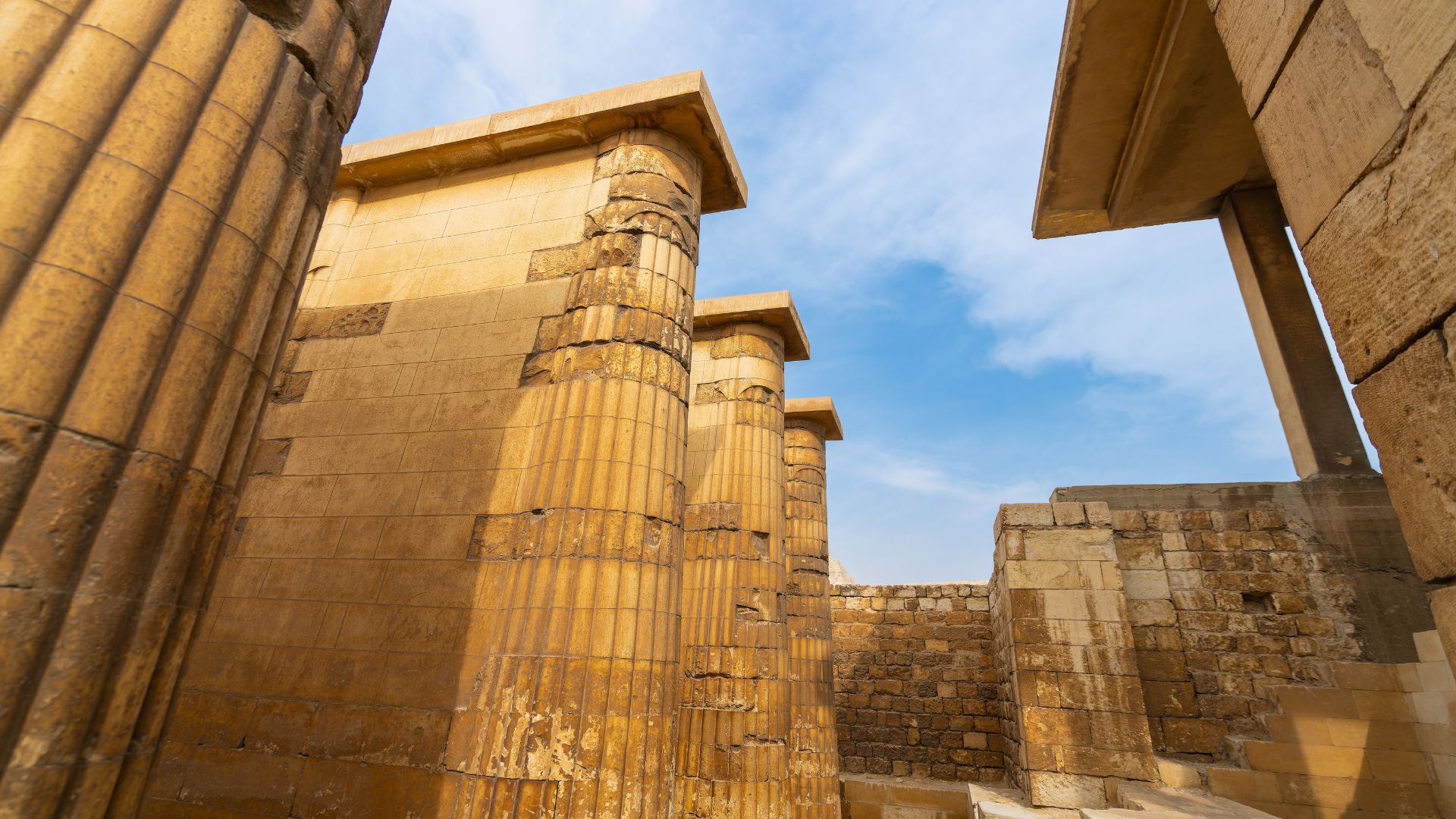

Recent discoveries on the Giza Plateau are drawing fresh attention to one of the most studied archaeological landscapes on Earth. Using advanced technology, researchers have identified hidden features near the Great Pyramid that challenge long held assumptions and open new questions about how the area was used in ancient times.
New Anomalies at Giza
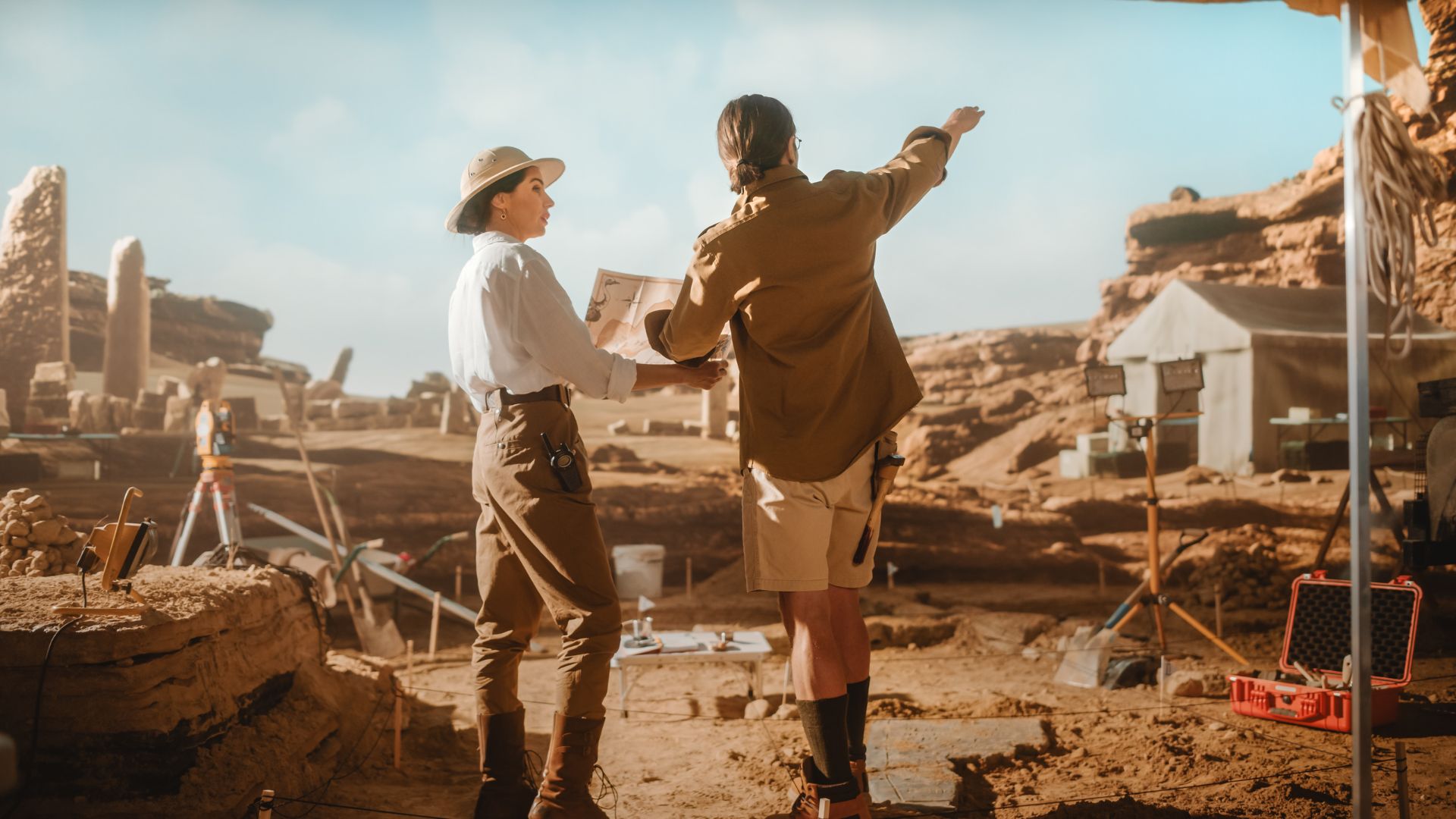
working near the Great Pyramid of Giza have detected previously unknown structures buried just below the surface, suggesting that important architectural elements may still be hidden in plain sight. These findings point to deliberate construction rather than natural formations, raising curiosity about their original purpose.
A Discovery Beside the Great Pyramid
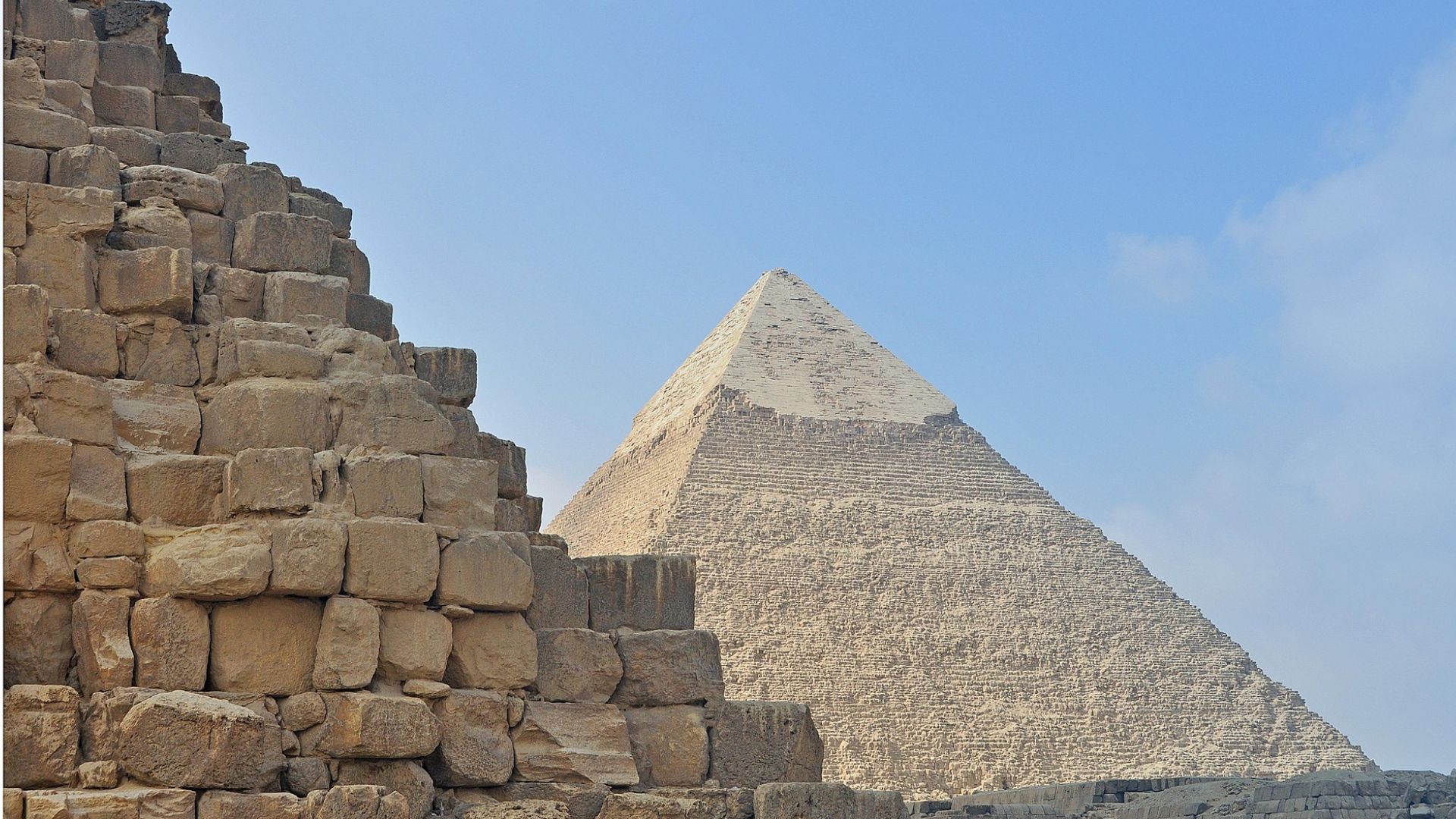
The newly identified features lie close to one of the most iconic monuments in human history, placing them within a zone of exceptional historical importance. Their proximity to the Great Pyramid makes the discovery especially compelling for scholars studying royal and elite activity during Egypt’s Old Kingdom.
Exploring the Western Cemetery
The investigation focused on the Western Cemetery at Giza, an area known for housing the tombs of King Khufu’s relatives and high ranking officials. This burial ground has long been associated with the social and political inner circle of the pharaoh who commissioned the Great Pyramid.
Advanced Technology Reveals the Unexpected
Researchers from Japan and Egypt employed non invasive survey techniques to scan the subsurface, allowing them to map underground features without excavation. These methods revealed two distinct anomalies that had gone unnoticed despite decades of attention.
The L Shaped Structure
One of the anomalies appears as an L shaped feature located about two meters beneath the surface, measuring at least ten meters in length. Evidence suggests it was intentionally backfilled with sand after construction, hinting at a completed structure rather than an unfinished project.
A Deeper and More Puzzling Zone
Beneath the shallow structure, the team identified a deeper area with unusually high resistance, a signal often associated with compacted materials or empty spaces. This characteristic has sparked speculation about the presence of walls, shafts, or even a hidden chamber.
Clues Pointing to Human Design

According to lead researcher Motoyuki Sato of Tohoku University, the precise geometry of the anomalies strongly suggests human origin. Such sharp and regular forms are rarely produced by natural processes, reinforcing the idea that these features were carefully planned.
Expert Reactions from Egyptology
Independent experts have also weighed in on the discovery, noting the significance of the location within a seemingly empty section of the cemetery. While L shaped offering chapels are known at Giza, they are usually above ground, making this subterranean example particularly intriguing.
From Scans to Excavation
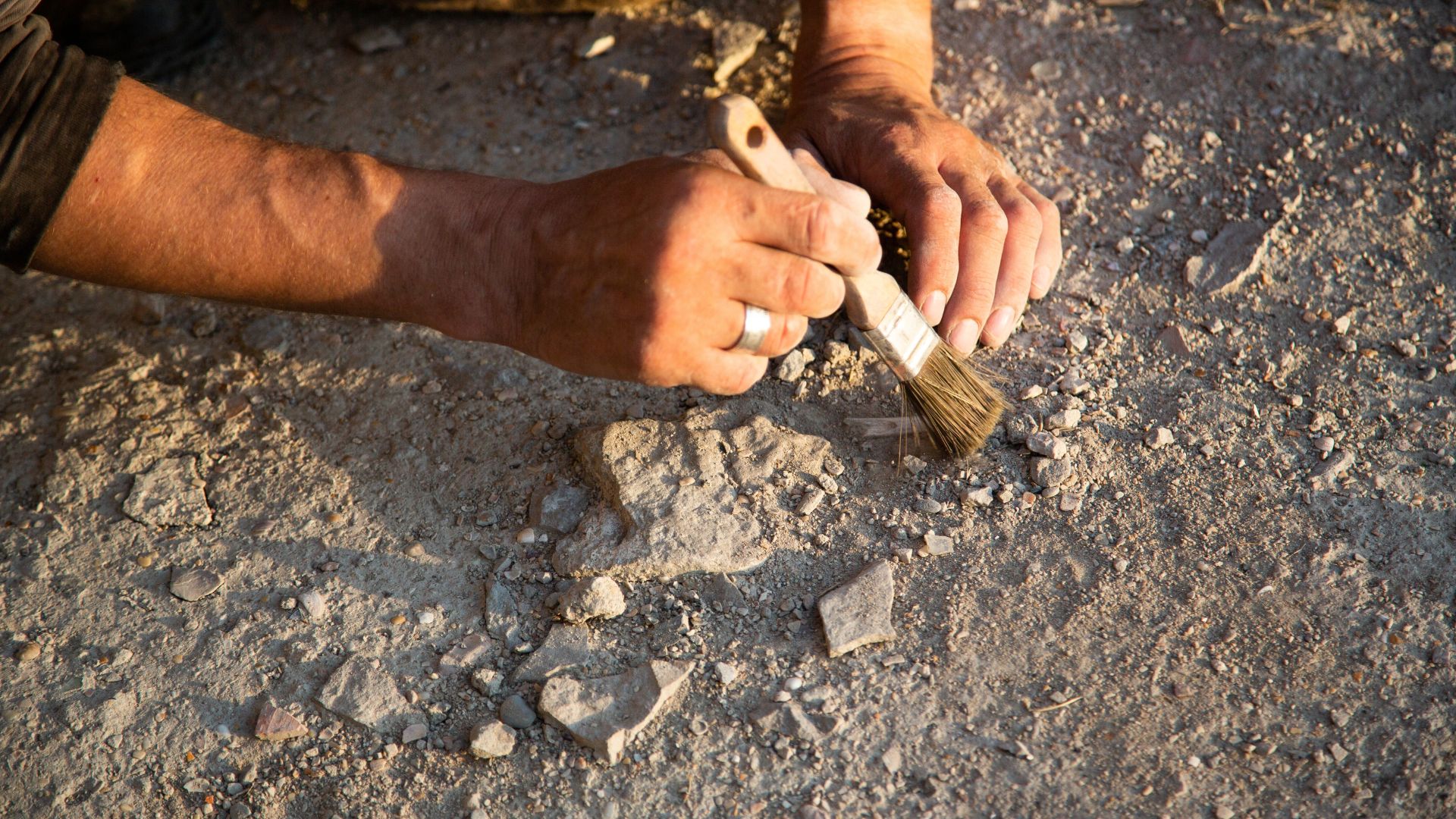
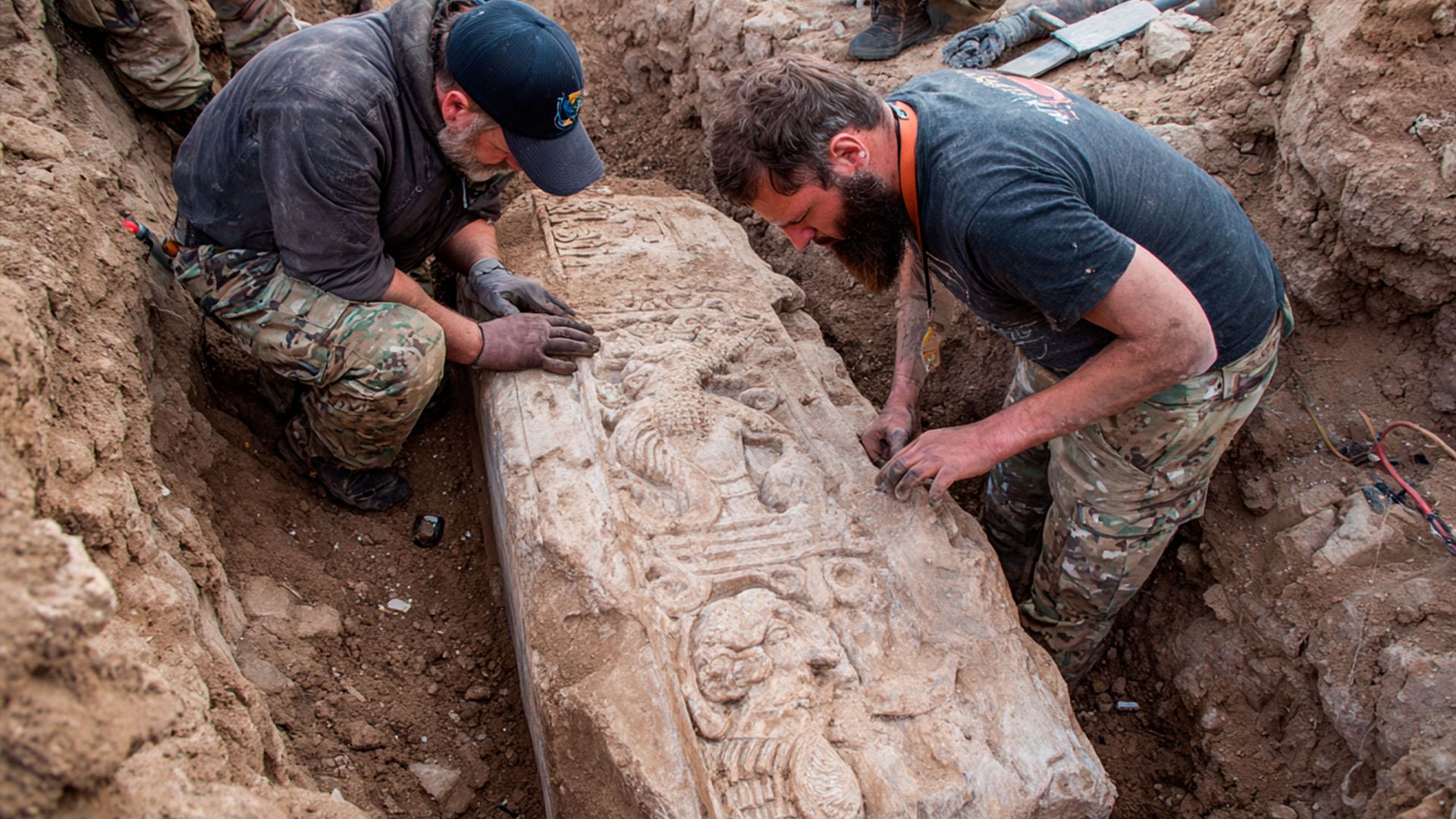
To confirm the nature of the findings, archaeologists have begun targeted excavations to verify the scan results. This step is essential to determine whether the anomalies truly represent architectural remains linked to burial practices.
Why This Discovery Matters
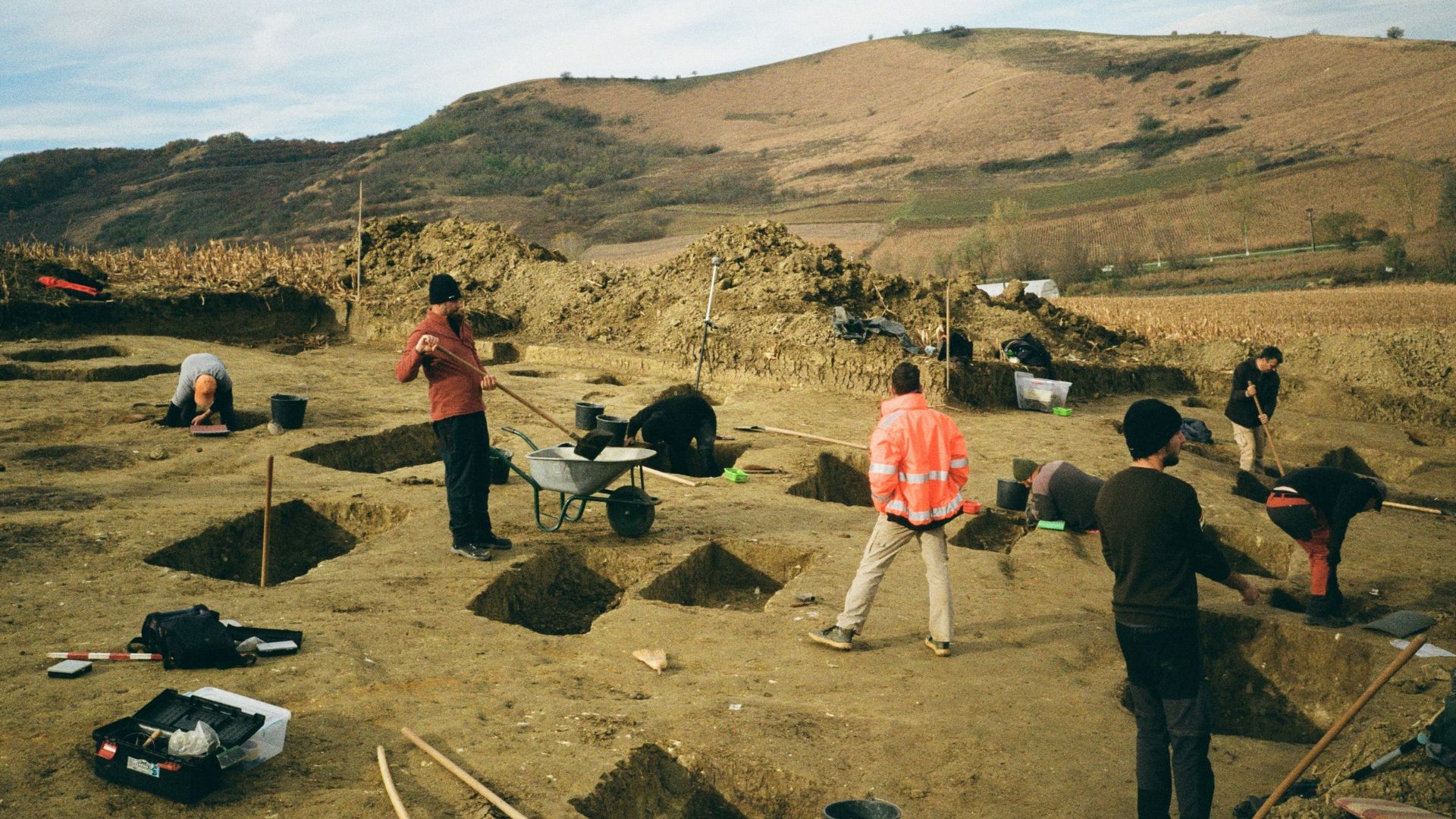
If the structures lead to an undiscovered tomb or chamber, they could reshape current understanding of how Khufu’s family and elite were buried on the Giza Plateau. Such a revelation would add a new layer to the story of ancient Egypt, reminding us that even familiar sites can still hold profound secrets.