The Doomsday Clock Shifts Again as Scientists Reveal a Stark New Time
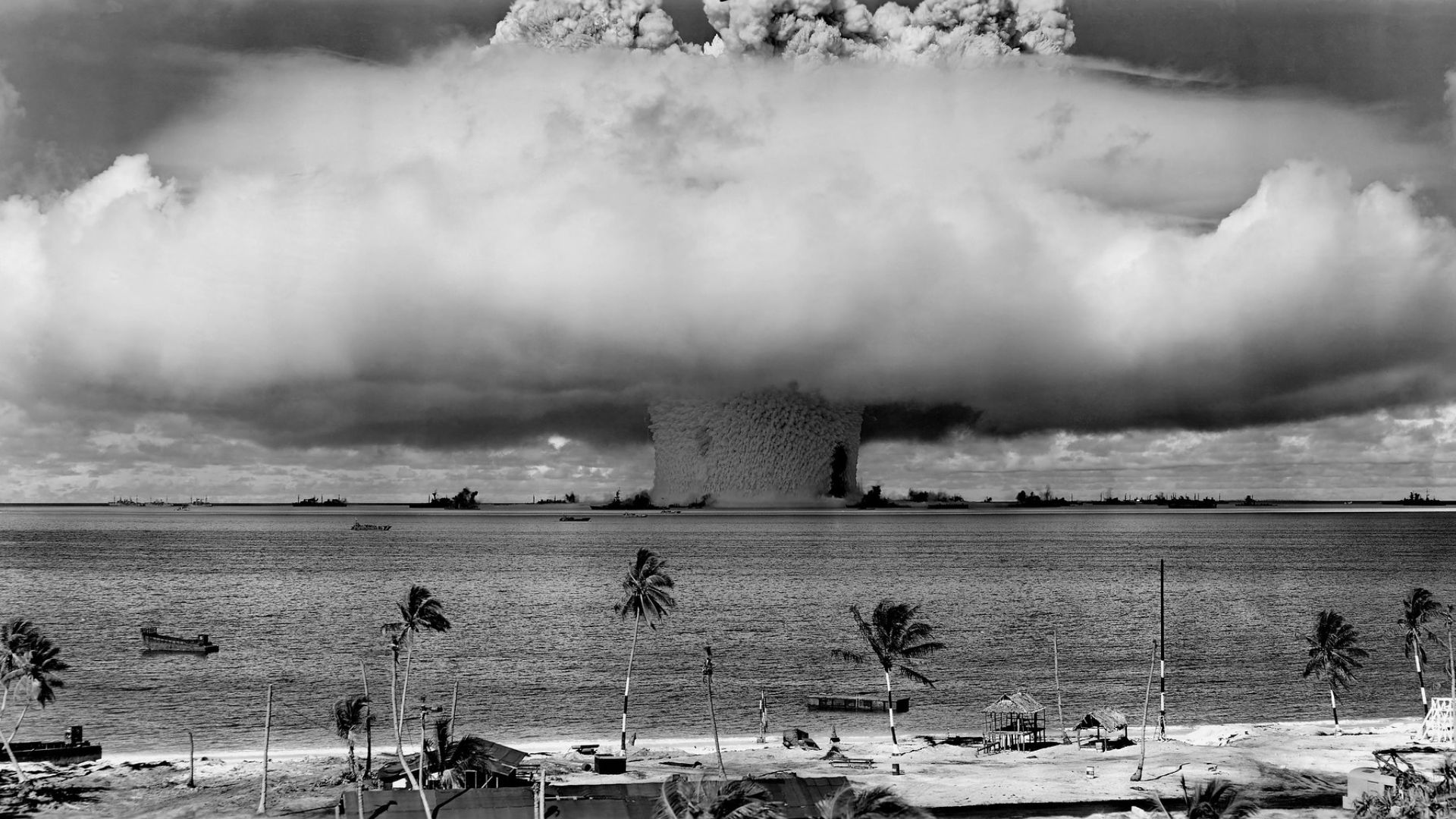

Scientists who track global risks have nudged the symbolic clock closer to catastrophe, issuing a new reading meant to provoke discussion about threats that could endanger civilization. This update summarizes why experts adjusted the time, what the indicator represents, and how individuals and leaders might act to reduce danger.
Origins and purpose

Created in 1947 by researchers connected to the Manhattan Project, the timepiece was devised as a vivid way to communicate the dangers posed by nuclear weapons. Over decades it evolved into a broader barometer, intended not to predict outcomes but to focus public attention on existential hazards.
This year’s adjustment

The Bulletin of the Atomic Scientists set the dial at 89 seconds to midnight, the nearest reading in its history, reflecting their assessment of growing risks across several domains. The change signals increased concern among the organization’s scientific advisers about the state of global stability.
Drivers behind the decision

Experts pointed to expanding nuclear arsenals, regional wars, accelerating climate impacts, and rapid advances in powerful technologies as the main factors that moved the hand. These elements interact, amplifying overall vulnerability and complicating efforts to manage individual threats.
Nuclear dynamics and proliferation
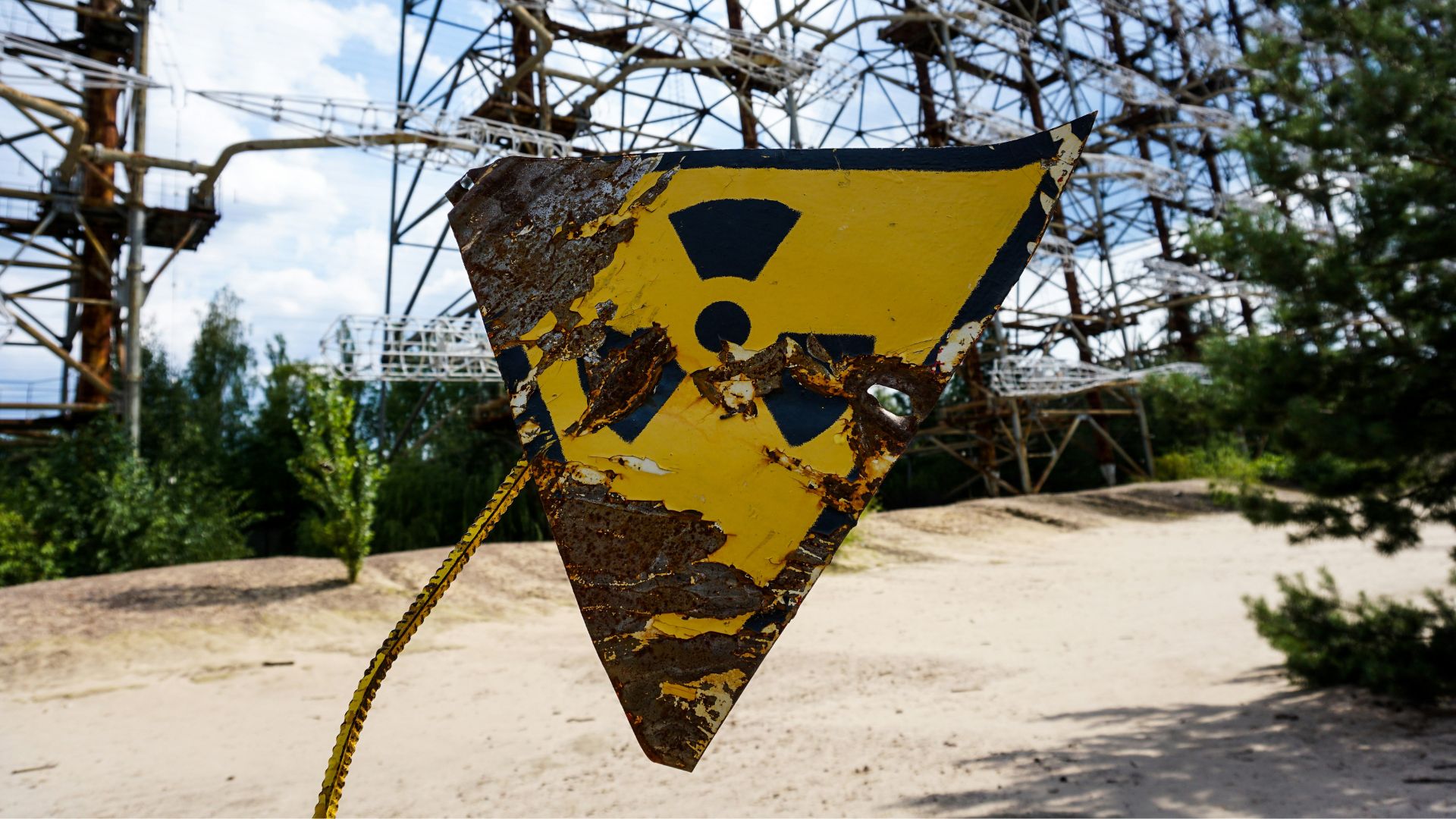
Nuclear policy choices remain central to the Bulletin’s judgment, with major powers modernizing forces and describing larger roles for nuclear weapons, creating an elevated likelihood of miscalculation. The prospect of an arms race, combined with political tensions, shapes much of the urgency in current assessments.
Climate pressure and environmental risk

Long-term warming, extreme weather, and slow-moving ecological collapse were included in the evaluation, because these processes can undermine societies, economies, and institutions, making coordinated global responses more difficult. The organization treats environmental harm as a core component of systemic risk.
Emerging technologies outpacing oversight

Developments in artificial intelligence, biotechnology, and space capabilities are proceeding faster than regulatory frameworks, increasing the chance that new tools will be misused or produce unintended consequences. The gap between innovation and governance is a recurrent theme in experts’ warnings.
Information disorder as a multiplier

Misinformation and coordinated disinformation campaigns degrade public debate and decision making, experts say, by obscuring facts and polarizing communities. When societies cannot agree on what is true, managing complex, cross-border threats becomes far more challenging.
What the indicator can achieve
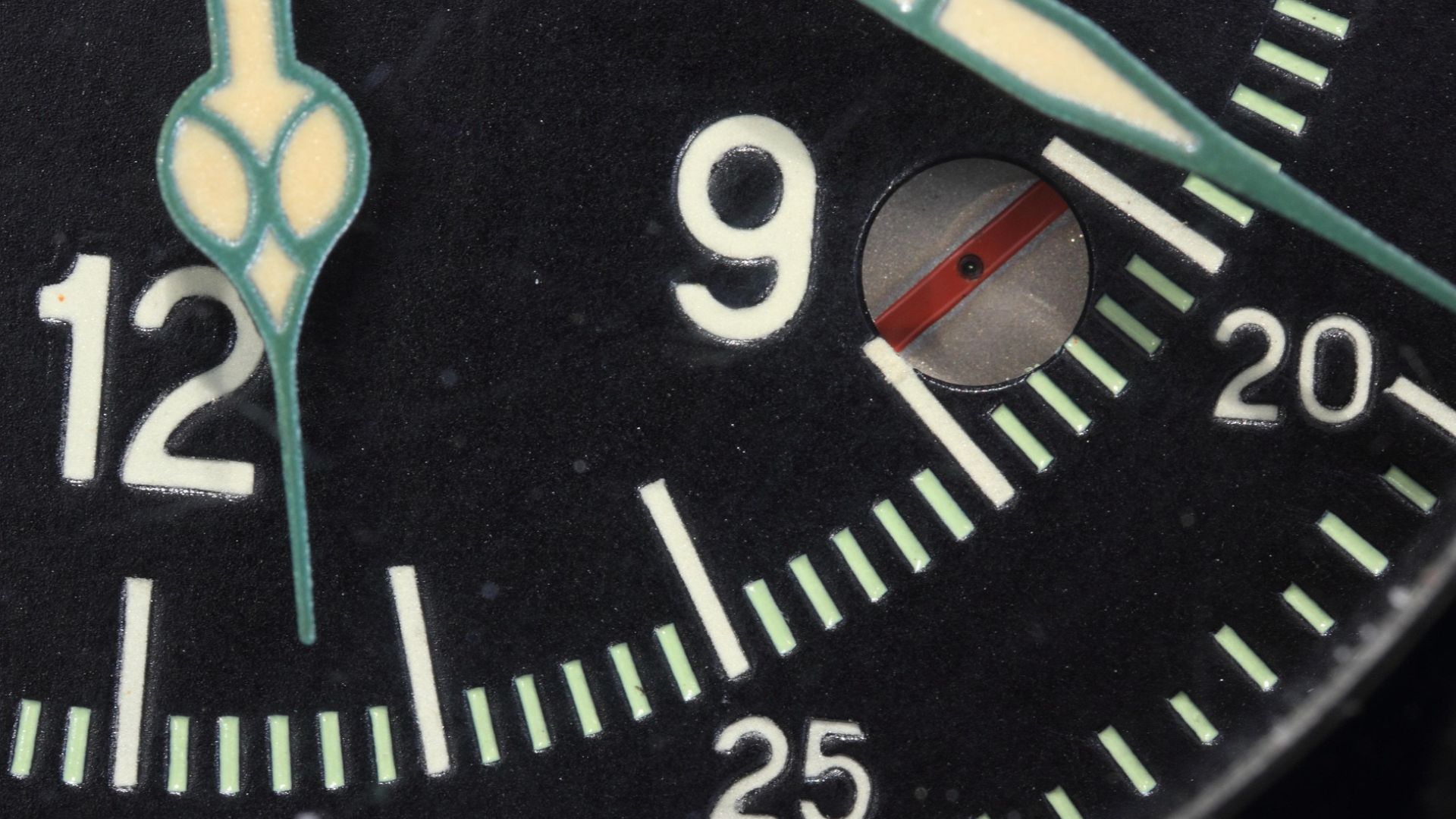
Though imperfect as a scientific instrument, the clock functions as a rhetorical device, prompting debate among policymakers, scientists, and citizens. Its value lies in encouraging reflection about collective priorities and the policies required to lower collective risk.
Paths to move the hand backward

History shows reduction of danger is possible through diplomacy, treaty commitments, strengthened regulations, and civic engagement. Individual actions, from lifestyle choices that reduce emissions to participating in public discourse, combine with political leadership to create meaningful change.