Supercomputer Predicts ‘Triple Whammy’ Extinction Event For Humanity
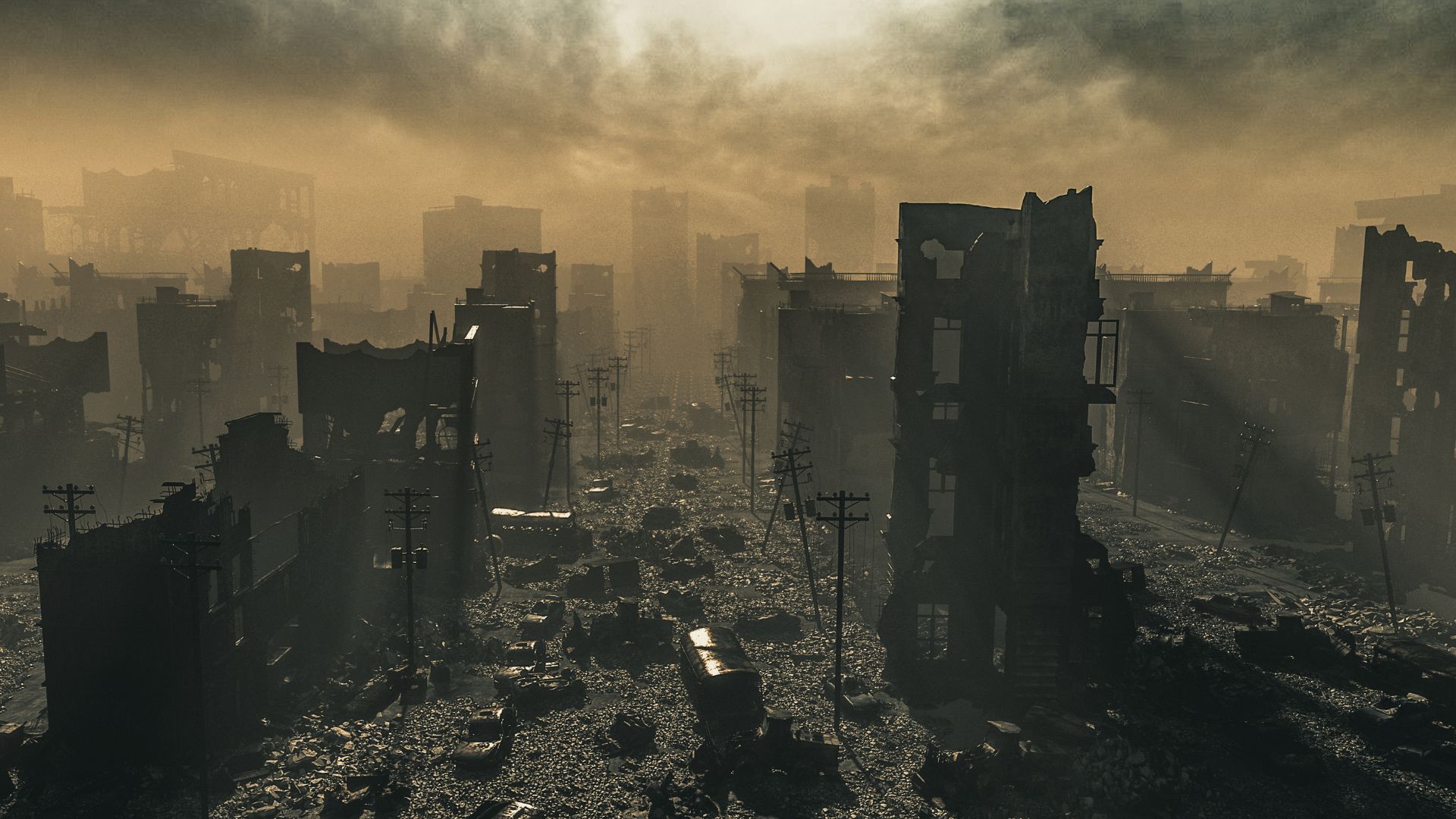

A new study offers a glimpse into Earth’s very distant future, suggesting that humanity, and most mammals, may one day face extinction. The prediction comes not from a sudden catastrophe, but from a combination of natural processes that will reshape the planet over hundreds of millions of years.
A Planetary Shift

Scientists believe that in about 250 million years, all continents will merge into a single supercontinent. This transformation will drastically alter Earth’s geography, atmosphere, and ecosystems, creating a world where survival for mammals becomes nearly impossible.
The Sun’s Growing Power

By that time, the Sun will emit more radiation than it does today, steadily increasing Earth’s surface temperature. This added heat, layered over other environmental pressures, would contribute to long-lasting and extreme climate stress.
Volcanic Forces at Work
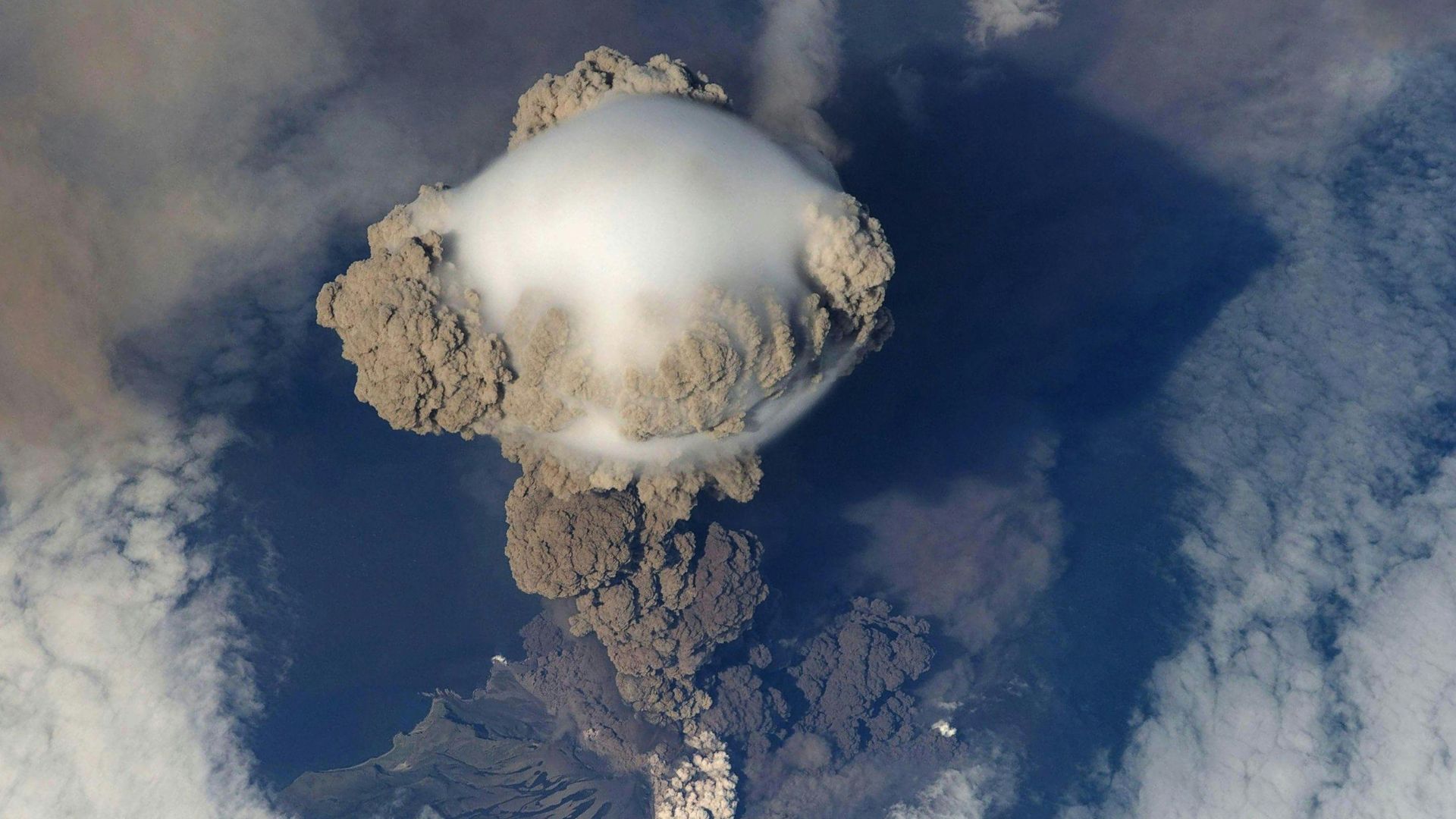
The formation of a supercontinent would also drive intense volcanic activity. Frequent eruptions would release vast amounts of carbon dioxide into the air, pushing greenhouse gas levels far beyond what modern humans have ever experienced.
The Triple Threat Explained

Researchers describe this future as a “triple whammy”: stronger solar radiation, higher concentrations of carbon dioxide, and the unique climate effects of a single, massive continent. Together, these forces would create hostile conditions across most of the globe.
Why Mammals Cannot Survive
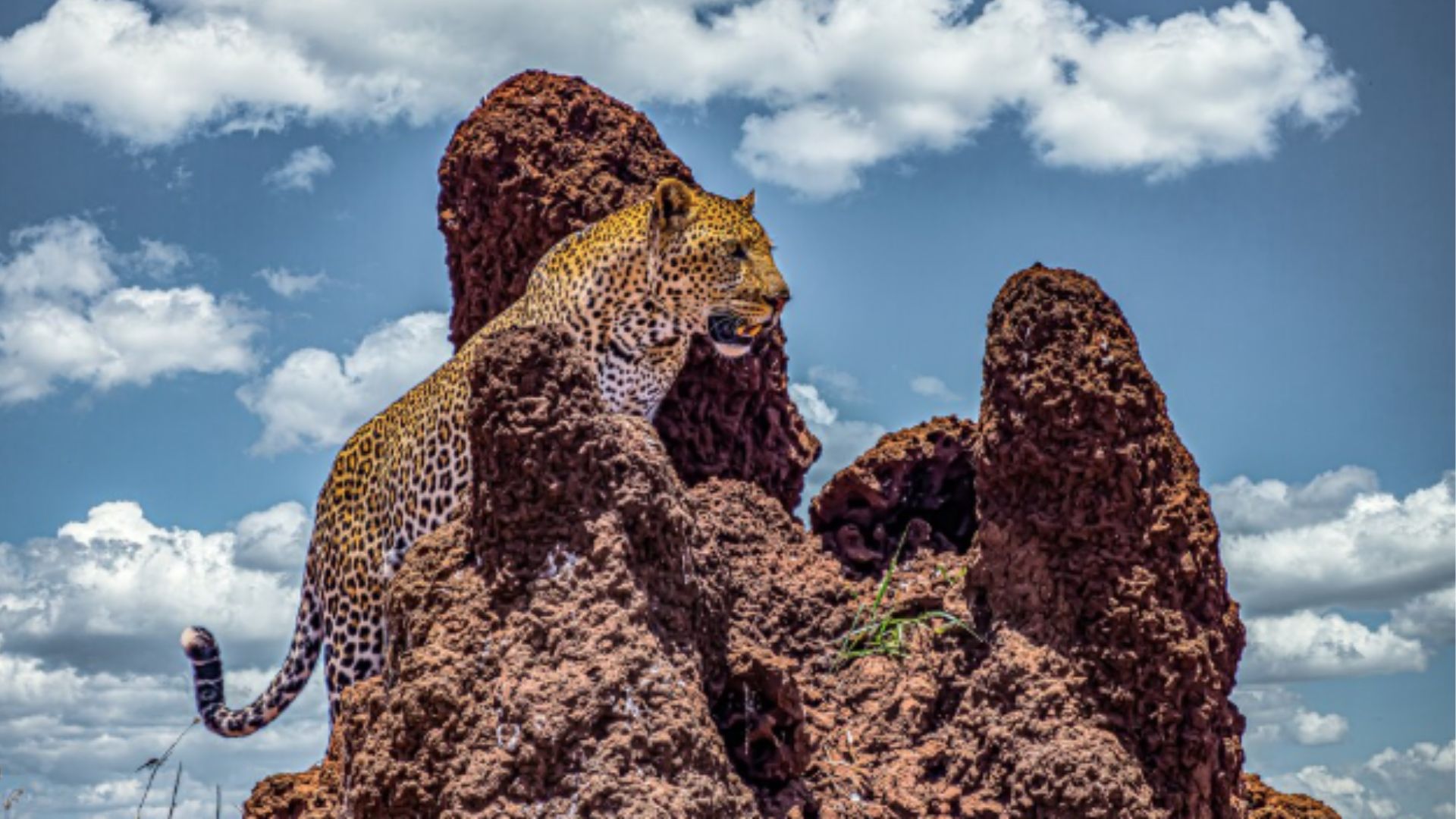
In such an environment, mammals would struggle to regulate their body heat. With limited water sources and rising land temperatures, even sweating, a primary way humans cool themselves would no longer be effective. Life would become unsustainable.
Simulating the Future
To reach these conclusions, an international team modeled factors such as temperature, rainfall, wind, and humidity. Their simulations of the future landmass, named Pangea Ultima, suggest that only 8% to 16% of the planet’s surface would remain habitable for mammals.
Lessons for Today

Although this scenario is set far into the future, scientists emphasize that the present climate crisis demands urgent attention. Rising temperatures caused by human activity are already affecting health and ecosystems, reinforcing the need to cut greenhouse gas emissions.
Habitable but Unlivable
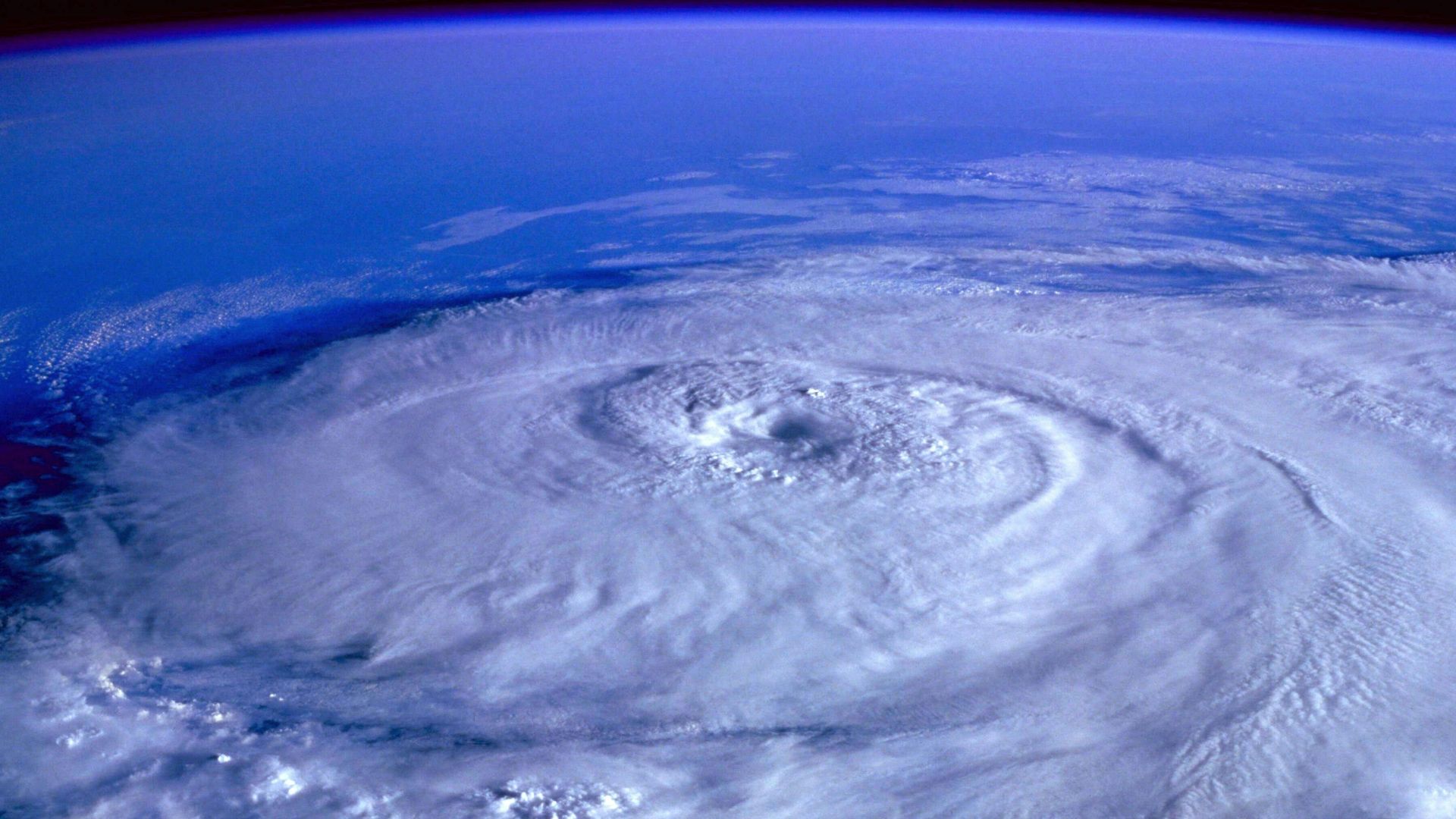
The study also highlights an important distinction: even if Earth remains within the Sun’s so-called “habitable zone,” that does not guarantee comfortable living conditions. Geography and atmospheric composition are equally crucial in shaping whether a planet can truly sustain life.
Looking Ahead

Published in Nature Geoscience, the research serves as both a warning and a reminder. While the extinction event it describes is unimaginably distant, the challenges we face today are immediate. The future of humanity will depend on the choices we make in the coming decades.
The Next Supercontinent, Pangea Ultima

Scientists have already named the future landmass Pangea Ultima. It could form as tectonic plates slowly bring today’s continents back together. The Atlantic Ocean might close as Africa and the Americas collide, creating a vast stretch of connected land. Though it sounds far away, this process follows the same natural cycle that once formed the original Pangea millions of years ago.
When Oceans Disappear
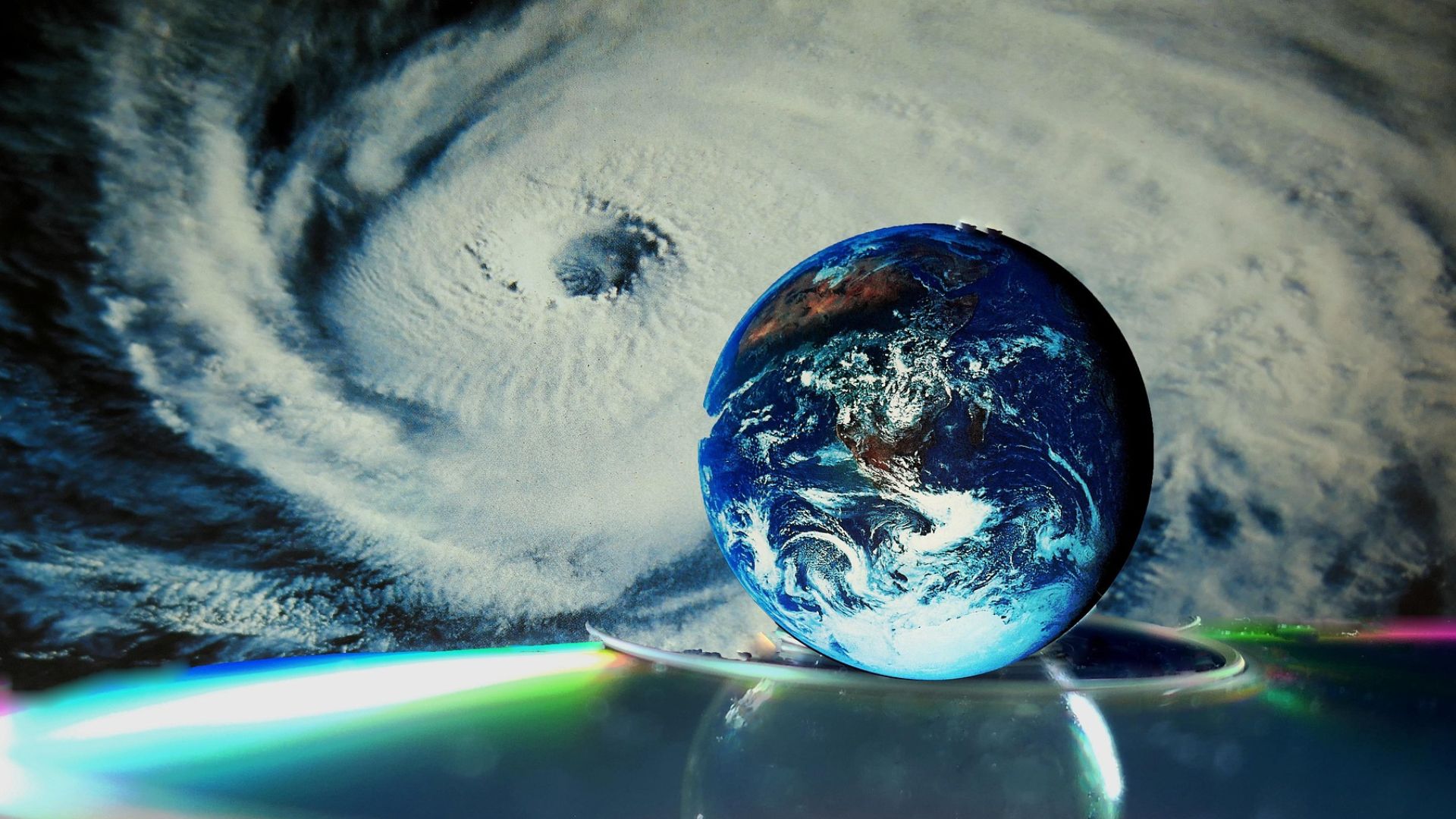
As continents merge, oceans would shrink, wiping out countless marine species. The loss of coastal ecosystems would disrupt the global food chain and reduce the planet’s ability to regulate temperature. The oceans, which now act as Earth’s climate stabilizers, would no longer cushion the effects of heat or carbon buildup.
The Atmosphere of the Future

In this distant age, Earth’s air could become dense and suffocating. Volcanic eruptions would release vast amounts of carbon dioxide, while stronger solar radiation would heat the atmosphere. Breathing might be difficult for any surviving life forms, and oxygen levels could drop far below what mammals need to survive.
A Broken Climate Engine
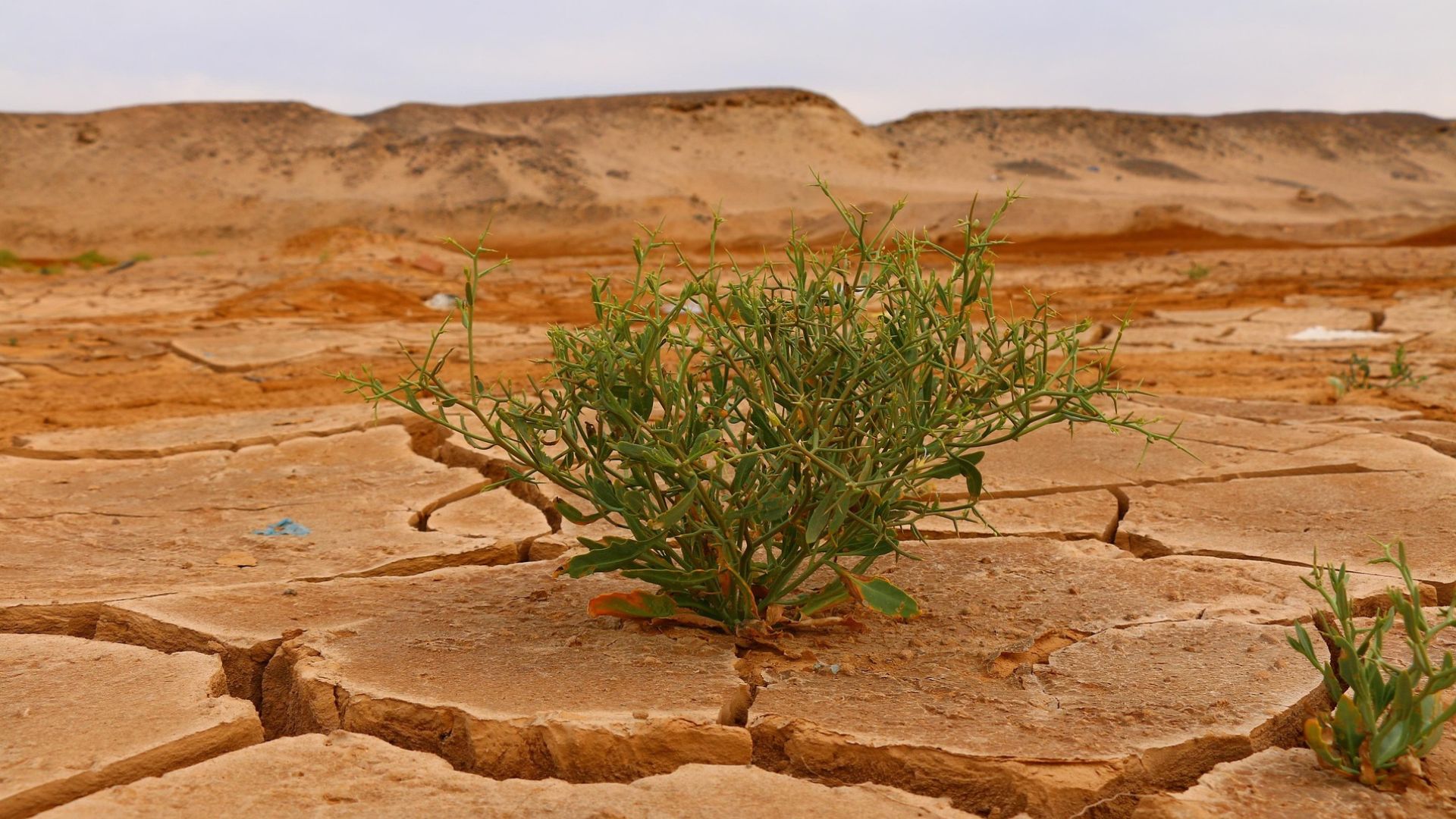
Ocean currents that now balance global temperatures would collapse. Without them, interior regions of the supercontinent would become unbearably hot and dry. Meanwhile, coastal areas would face violent, unpredictable storms. The planet’s once-stable climate would spiral into chaos.
Deserts Without End
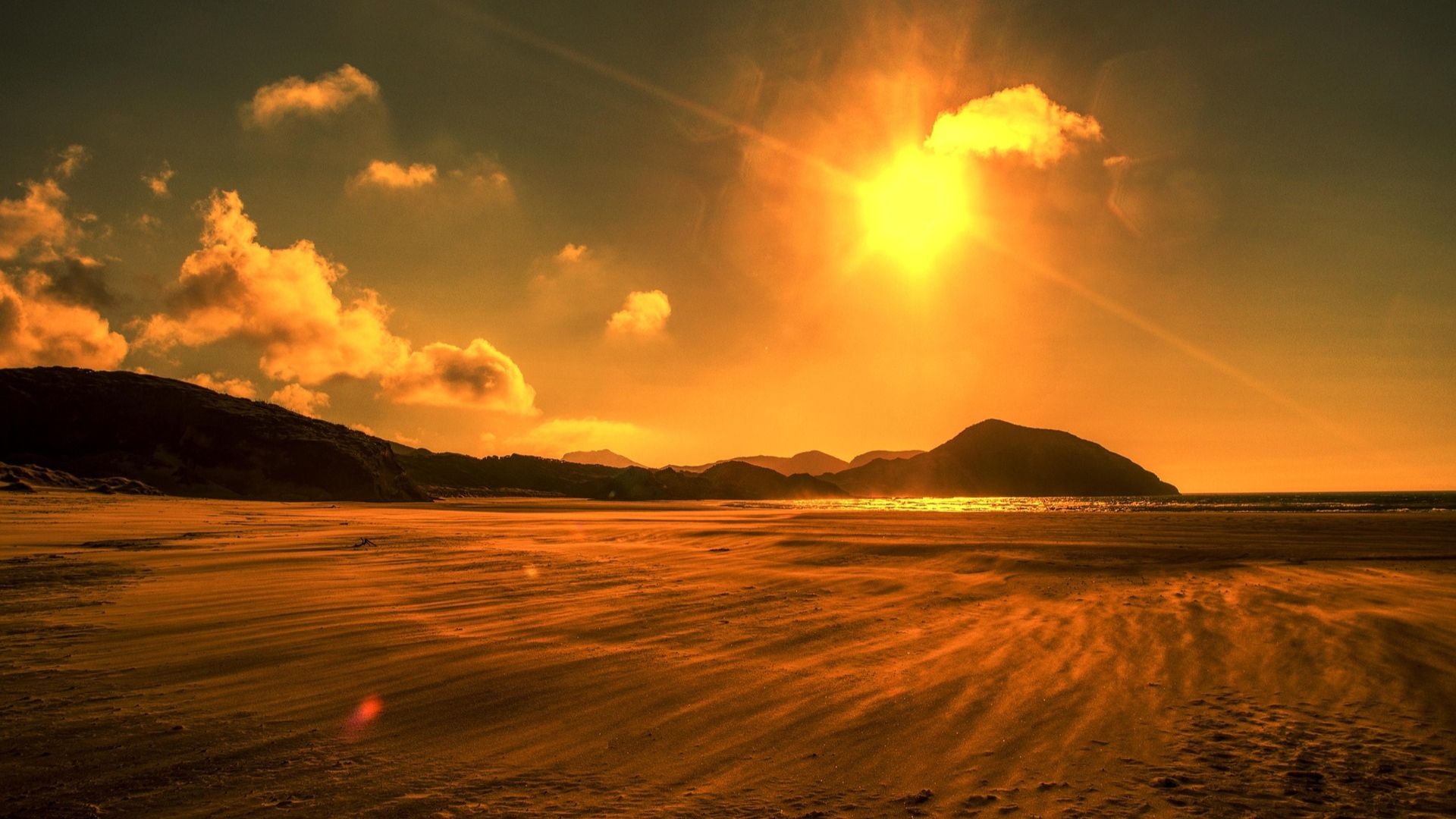
Most of Pangea Ultima would turn into desert. Rain would rarely reach the inner lands, and daytime temperatures could soar past 60°C. Even at night, the ground might radiate intense heat. Only the hardiest plants and microorganisms could survive such endless dryness.
The Long Decline of Mammals
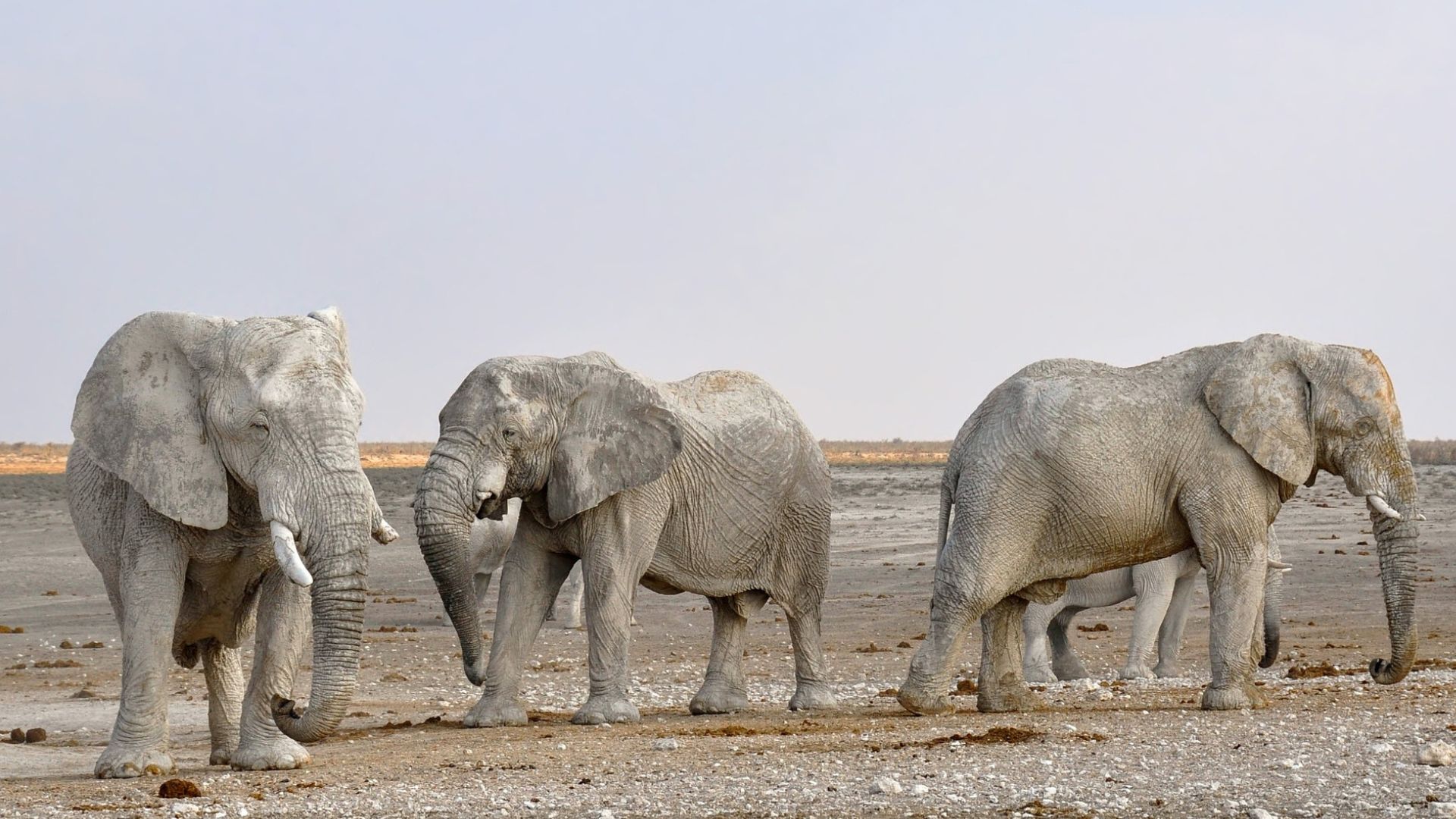
Before disappearing, mammals might shrink in size and become nocturnal, seeking refuge from the heat. But as temperatures and carbon levels keep rising, their ability to adapt would fail. Slowly, ecosystems would collapse, leaving only a few resilient species clinging to life.
The Return of Reptilian Dominance

In the scorching world of the future, reptiles could once again rule. Their cold-blooded bodies are better suited for conserving energy in extreme heat. Much like in the age of dinosaurs, these creatures might become the dominant survivors of Earth’s next great transformation.
Traces of Humanity

Even if humans vanish, traces of our civilization could endure. Metals, plastics, and synthetic materials would remain buried beneath layers of rock. Future species, if they ever emerge, might one day uncover fragments of our cities or satellites and wonder who we were.
Lessons for the Present
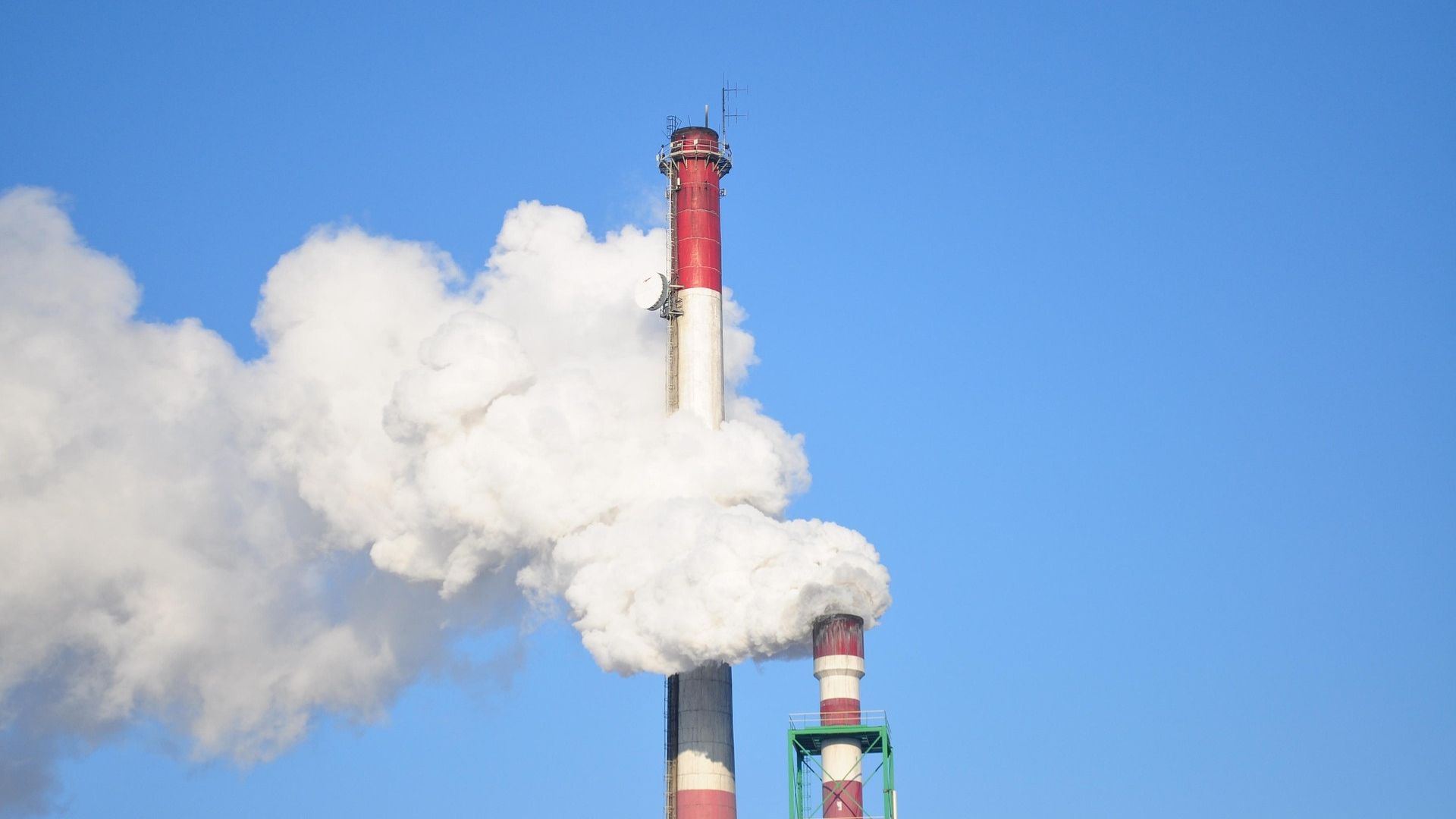
This distant prediction offers a warning for today. Human-driven climate change is speeding up the very processes that could one day make the planet uninhabitable. Understanding Earth’s long-term evolution reminds us how fragile our place in the climate system really is.
A World Reborn

Life has always found a way back. After each mass extinction, new species emerge, adapted to the planet’s new conditions. Even in a world too hot for mammals, evolution would continue, writing a new chapter in Earth’s long and unpredictable story.