Scientists Find New Clues Beneath Saturn’s Moon That Could Support Life
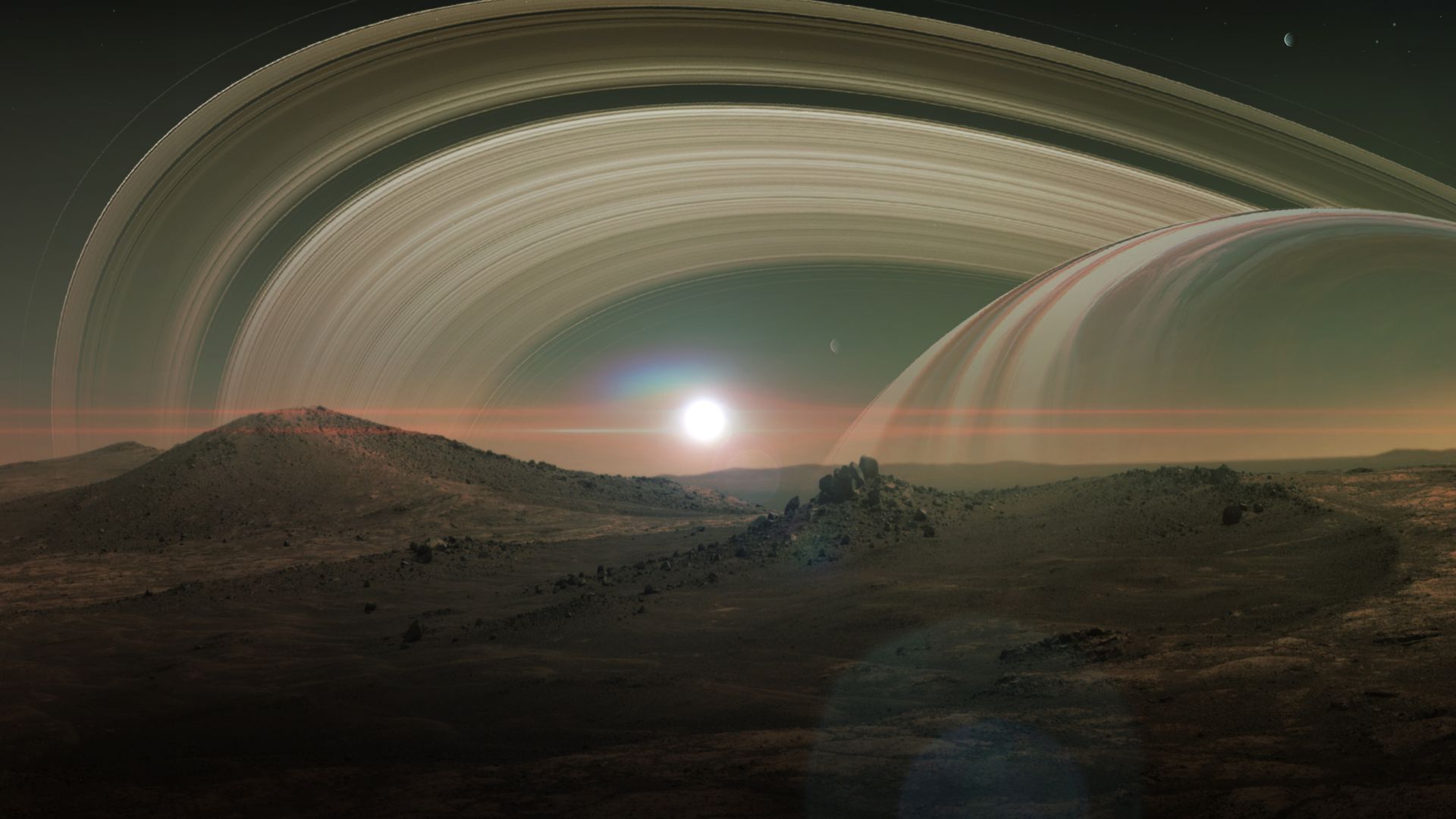

Saturn’s moon Titan has long felt distant and familiar at once, so it’s easy to sense why new findings beneath its icy surface invite a closer look. Scientists now suggest the moon’s interior behaves less like a hidden ocean and more like layered ice and slush, which means conditions may shift over time. From there, subtle warmth and liquid pockets raise questions about chemistry and survival, so attention turns back to Titan with fresh curiosity.
Titan’s Interior Rethought as Ice and Slush

Scientists now think Titan hides layered ice and slush instead of a single buried ocean, so the moon feels more active than once believed. Cassini data, reworked with newer processing, points to delayed surface movement, which means the interior responds slowly to Saturn’s pull. From there, models suggest melting zones trapped within ice, so attention shifts to how warmth and chemistry might quietly persist below.
Cassini Data Reanalyzed With New Modeling
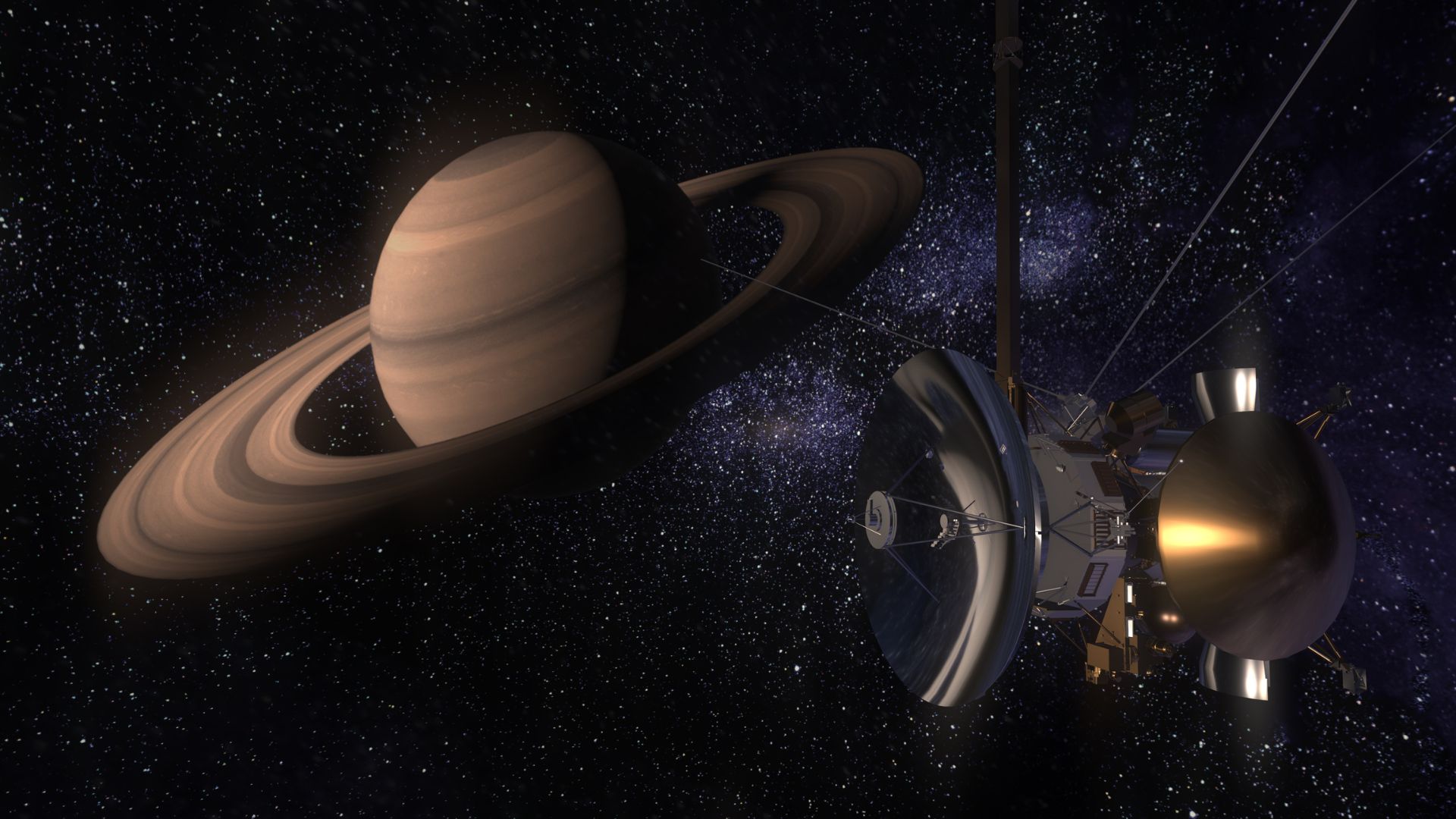
Researchers revisited Cassini’s gravity and motion readings with refined processing, so older assumptions came under review. The team focused on how Titan’s surface reacted to Saturn’s pull, which means timing mattered more than raw force. A measurable delay appeared between the tug and surface rise, so then models adjusted Titan’s interior structure. From there, simulations aligned with slushy layers rather than free-moving water.
Pockets of Liquid Water Beneath the Ice

Models now suggest Titan’s interior traps liquid water within thick ice layers, so the moon looks less frozen than expected. Heat from slow melting appears to collect in pockets, which means water stays liquid without a wide ocean. From there, temperatures could reach levels that support complex chemistry, so attention shifts to how these hidden zones stay stable beneath miles of ice.
Thermal Conditions Inside Titan’s Shell

Temperatures inside Titan’s shell appear warmer than once expected, so internal heat changes how ice behaves over time. Models show liquid water could reach about 68 degrees Fahrenheit, which means melting can happen without a deep ocean. From there, heat moves slowly through thick ice, so pockets stay warm longer. At that point, stable conditions allow chemistry to continue beneath the frozen surface.
Tidal Forces and Surface Deformation

Titan stays locked to Saturn, so the planet’s gravity constantly pulls at the moon’s surface. That pull causes the ice shell to rise and fall, which means the ground flexes by several feet during each orbit. From there, scientists tracked how quickly the surface reacted, so the timing revealed details about what sits below. At that point, surface movement became a window into Titan’s hidden interior.
Delayed Gravitational Response Signals
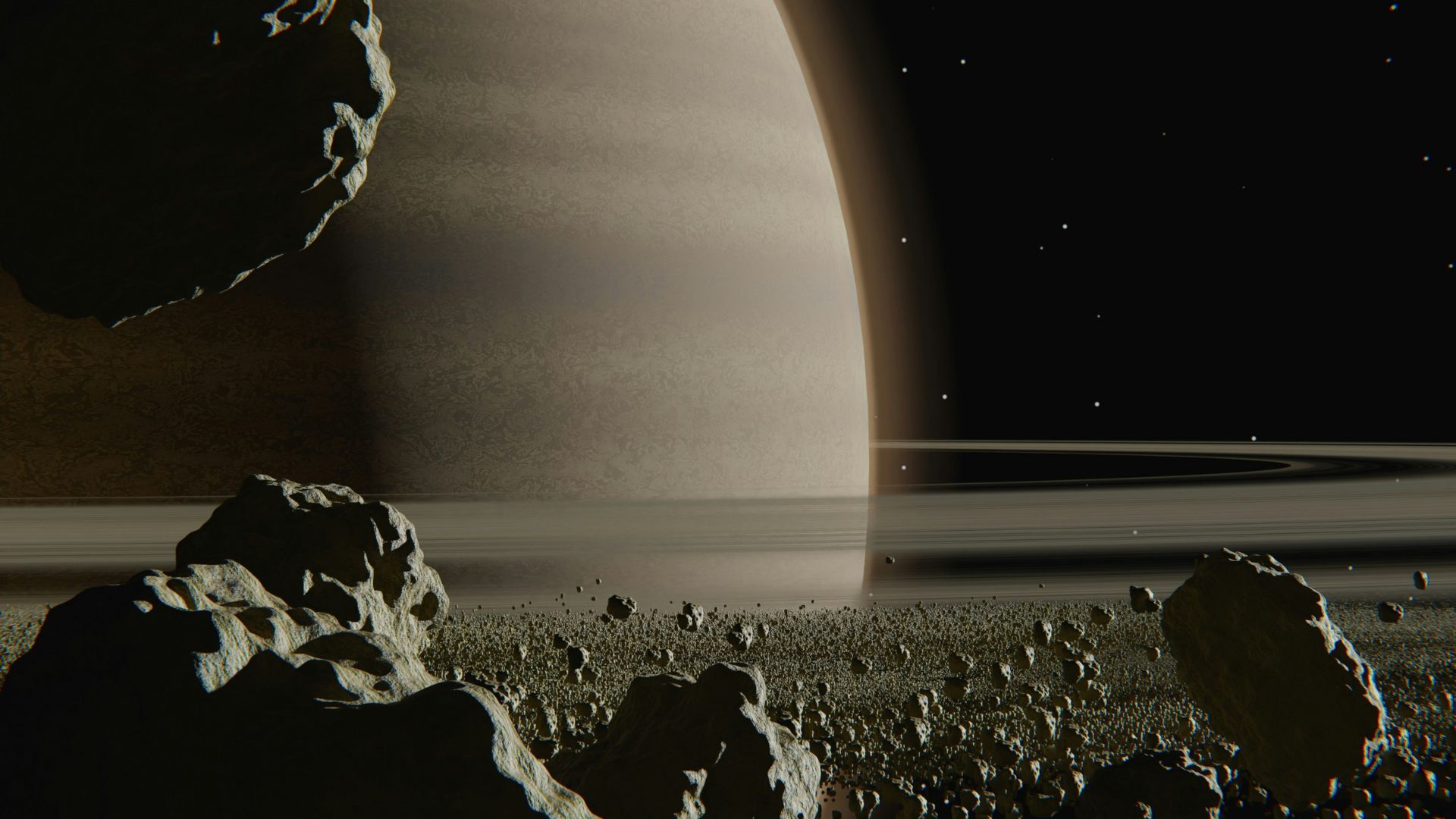
Scientists noticed Titan’s surface did not react instantly to Saturn’s pull, so timing became the focus. Measurements showed a delay of about 15 hours between the strongest tug and surface movement, which means the interior resists motion. From there, researchers linked the lag to slushy ice rather than free water. At that point, gravity data started acting like a slow-motion scan of what lies beneath.
Debate Over Titan as an Ocean World

Some scientists remain cautious about moving Titan out of the ocean world category, so discussion continues within the research community. Earlier Cassini studies pointed toward a hidden ocean, which means newer interpretations face close review. From there, differing readings of the same data sit side by side, so the focus stays on refining models. At that point, Titan becomes a place where scientific ideas stay open and active.
What the Dragonfly Mission Could Reveal

NASA’s Dragonfly mission plans to arrive at Titan later this decade, so attention turns from models to direct observation. The rotorcraft will move across the surface and sample different regions, which means data will come from more than one location. From there, instruments can track chemistry and heat patterns, so internal conditions gain a clearer context. At that point, Titan shifts from distant theory to a place scientists can actively study up close
Why Scientists Keep Watching Titan Closely
Titan keeps drawing attention because each new clue reshapes how scientists think about icy moons, so curiosity stays high. The picture now feels more layered and active, which means questions keep evolving instead of settling. From there, upcoming missions promise direct answers rather than models, so interest shifts toward real measurements. At that point, Titan becomes a place to follow closely, where steady observation keeps pushing ideas forward step by step.