
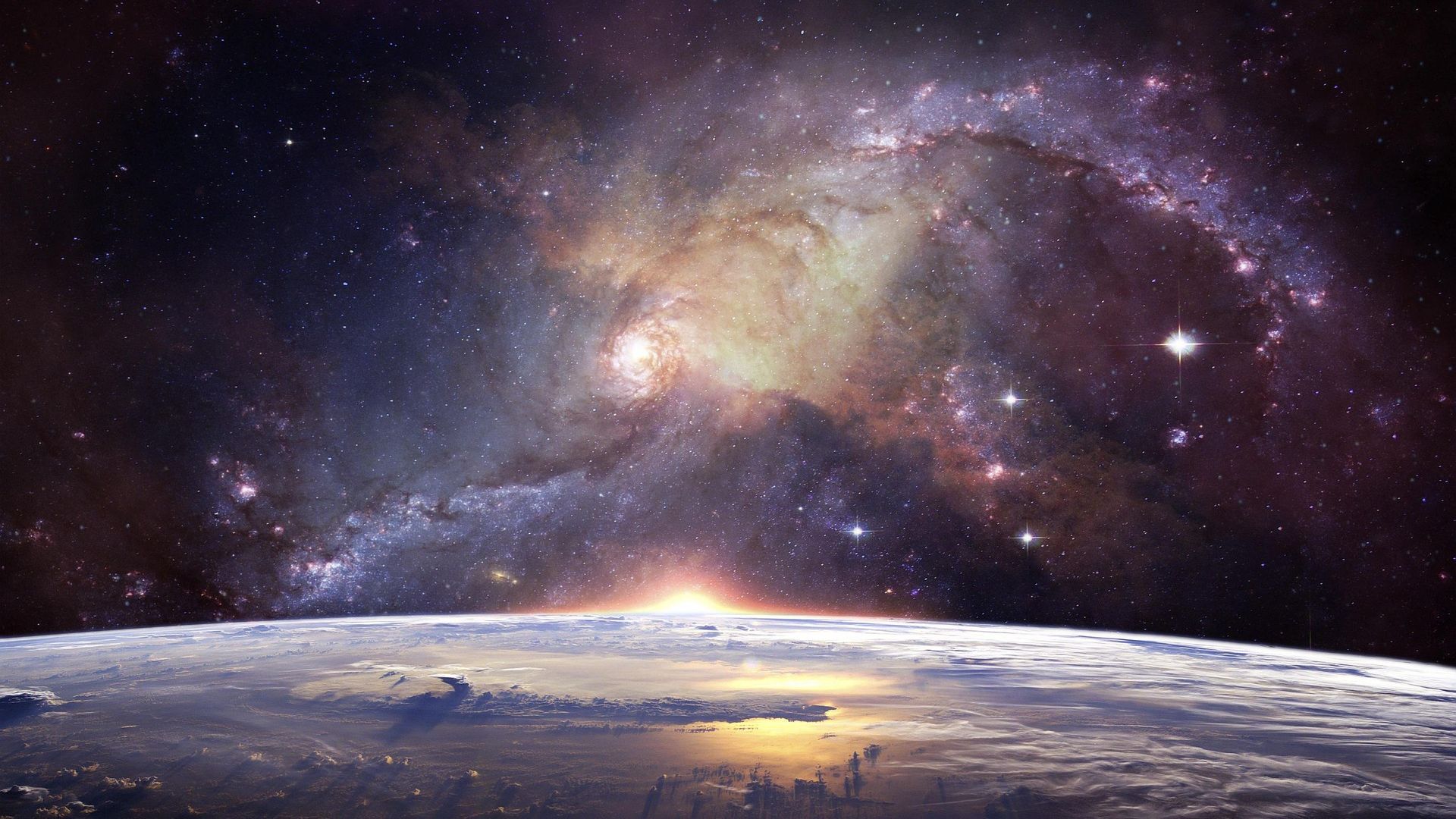
Scientists have just spotted something strange at the very edge of the universe, and no one really knows what it is. It’s not like any star or planet we’ve seen before, and that’s what makes it so fascinating. This mysterious object is raising questions, sparking theories, and reminding us that space still has plenty of surprises in store.
A Cosmic Enigma Emerges
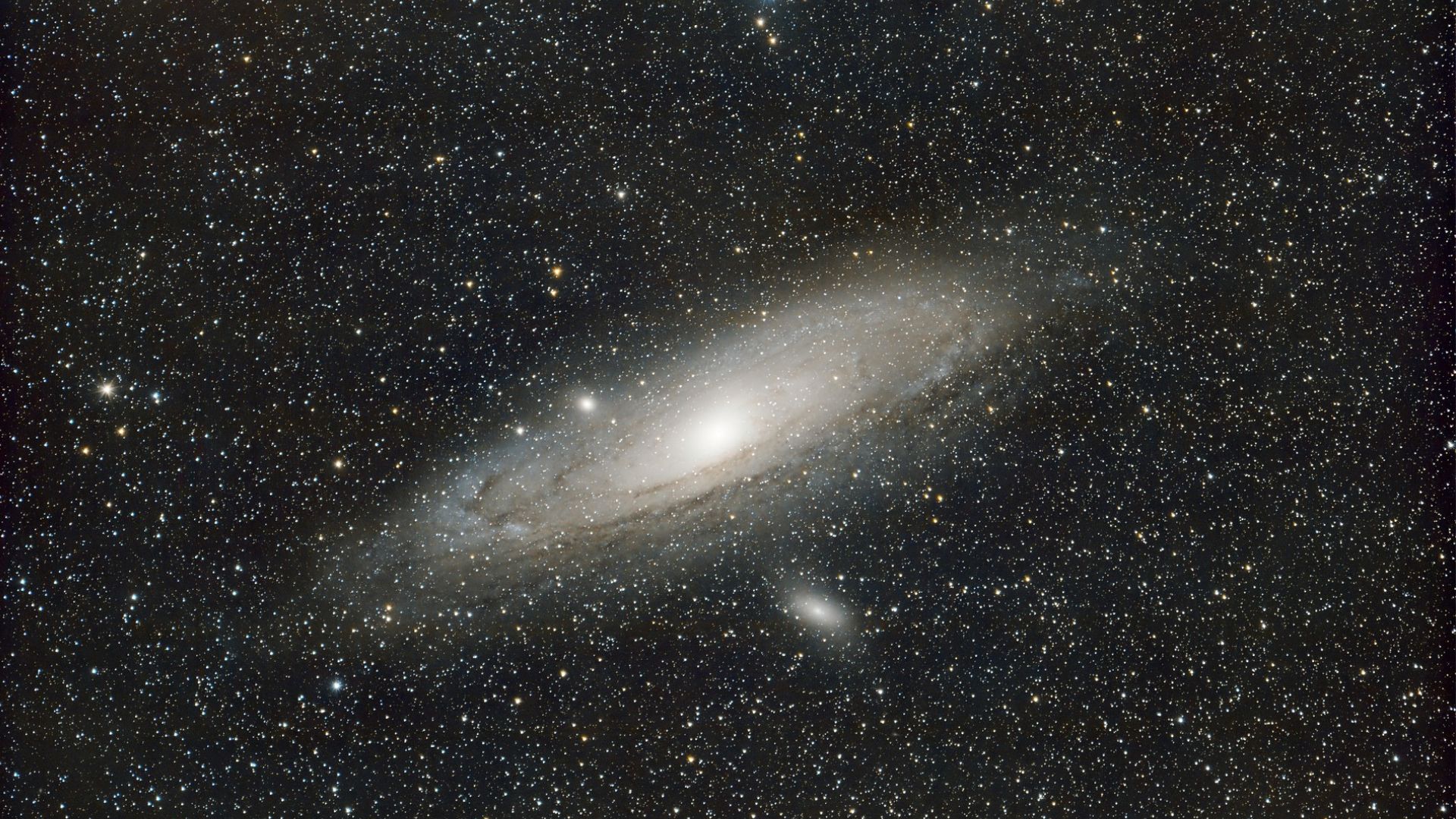
Astronomers have reported the detection of a puzzling object at the furthest reaches of the observable universe. Its discovery has sparked both excitement and debate, as its features defy easy explanation and raise profound questions about the very limits of cosmic knowledge.
A Revelation Through Advanced Telescopes
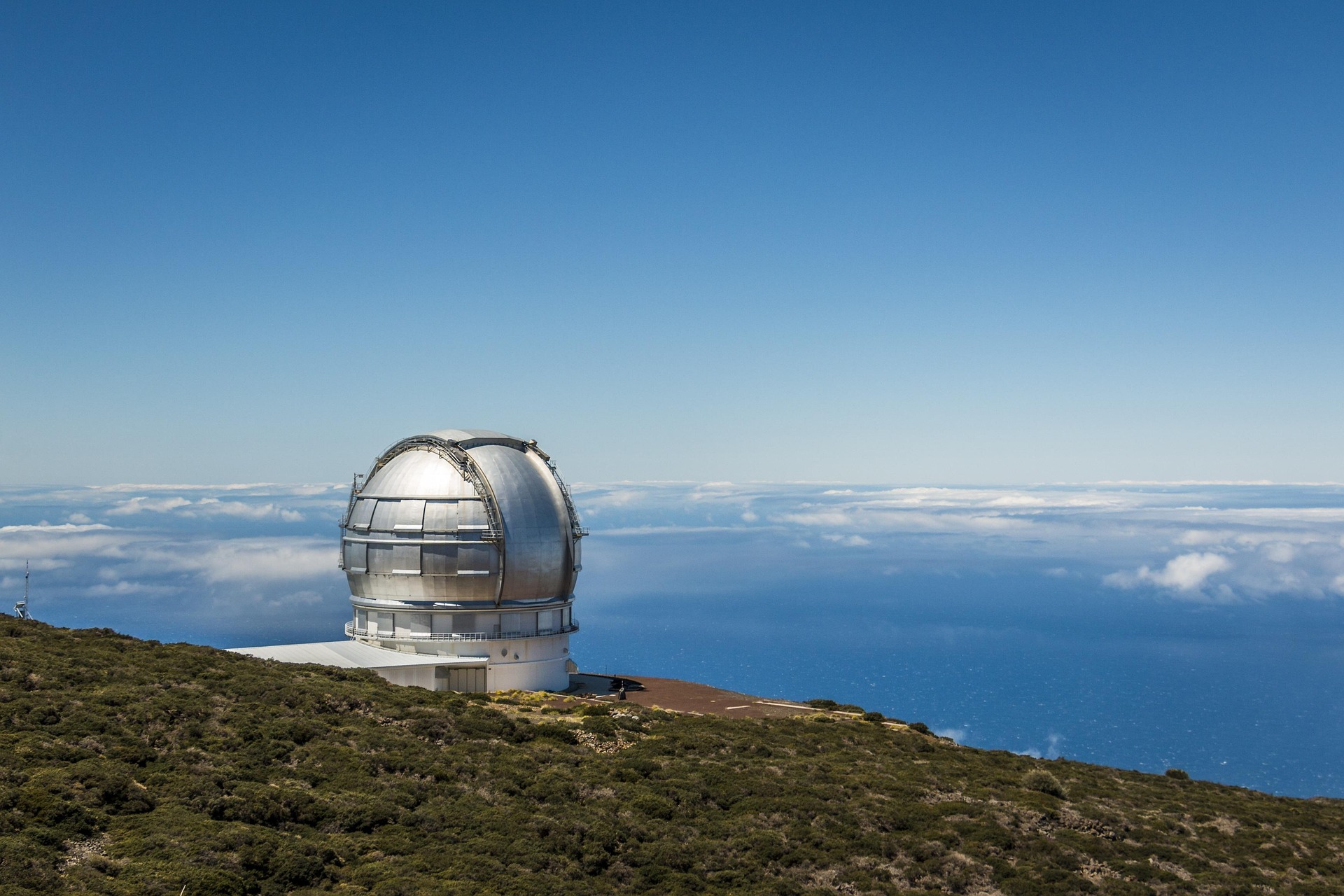
The object was first identified with the help of the James Webb Space Telescope, whose unmatched precision allowed researchers to glimpse its unusual form. Its distinctive light pattern and unexpected motion immediately set it apart from other known celestial phenomena.
A Location That Deepens the Mystery

Situated at the edge of what humanity can observe, the object’s position adds to its allure. Its reflective surface and irregular shape do not align with familiar astronomical bodies, leaving scientists with more questions than answers. Public curiosity quickly followed, fueling discussions across media and online platforms.
Natural Origins Under Consideration
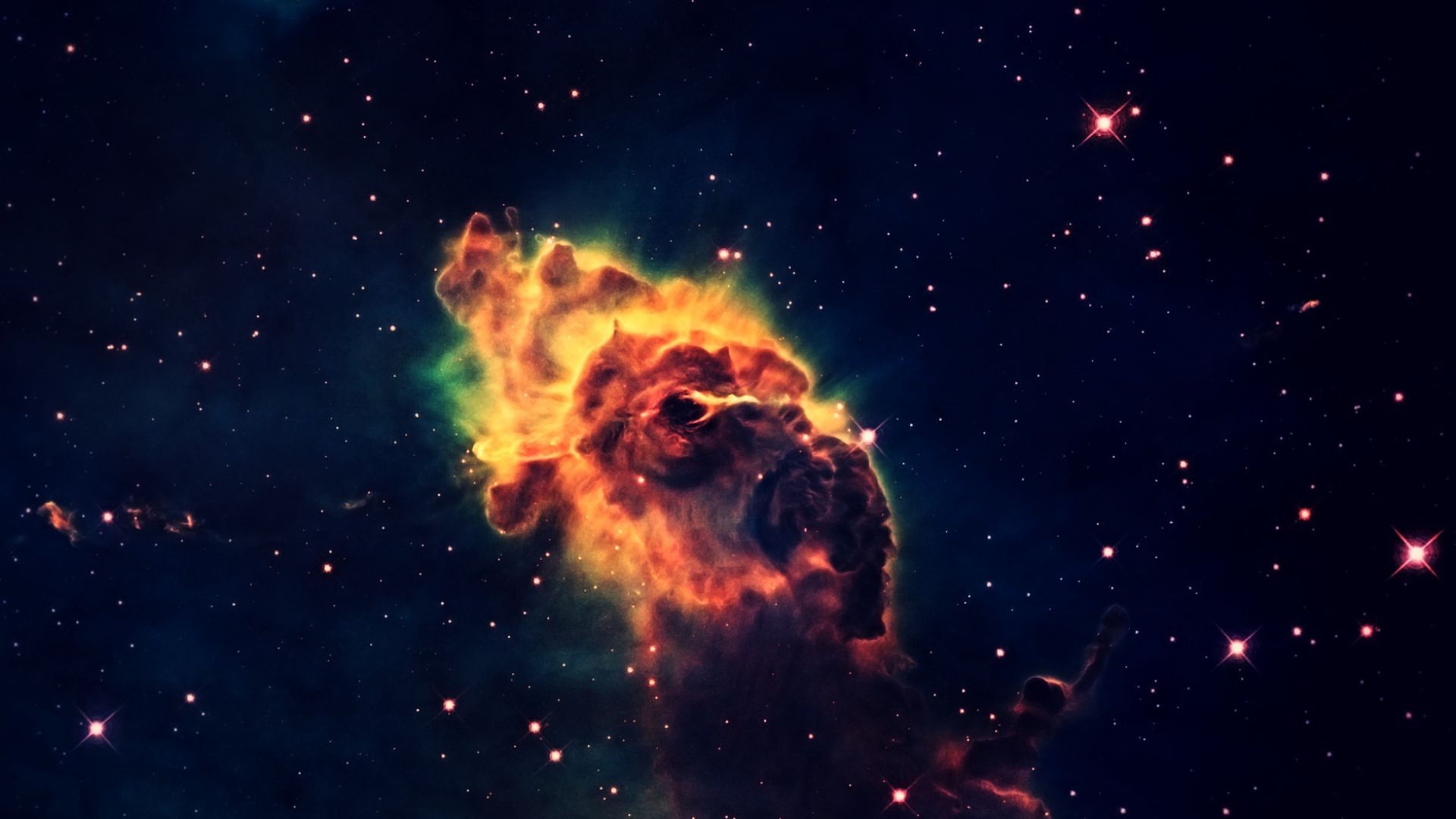
Some researchers believe the object might be a natural remnant of the early universe. It could represent an unfamiliar type of star, a fragment of galactic debris, or even the aftermath of an ancient, large-scale cosmic collision. These explanations remain plausible as investigations continue.
Theories Beyond the Ordinary
Other hypotheses stretch into more extraordinary territory. A number of scientists have speculated that the object may be linked to advanced extraterrestrial technology. If validated, such a possibility would mark one of the most important scientific discoveries in human history.
Investigating with Powerful Tools

To probe deeper, astronomers are combining data from space- and ground-based telescopes. Cutting-edge instruments are being used to capture its behavior in different wavelengths of light, helping to refine models of its nature and possible origins.
Learning from Past Discoveries
Comparisons are being drawn with other enigmatic visitors, such as ‘Oumuamua, the interstellar body that briefly passed through our solar system in 2017. While the two objects differ, both challenge our current understanding of how celestial bodies form and behave.
Implications for Science and Philosophy
Should the object prove to be something previously unknown, it could reshape theories about the universe’s structure and development. Beyond astrophysics, it also pushes humanity to reconsider its place in the cosmos, prompting both scientific and philosophical reflection.
Capturing the World’s Imagination

The discovery has not remained confined to academic circles. Media outlets, writers, and filmmakers have all drawn inspiration from the story, blending science with cultural curiosity. Schools and outreach programs are also using it to engage students in the wonders of space exploration.
A Symbol of Endless Exploration
For now, the object remains an unsolved puzzle, a reminder that the universe still holds countless secrets. As research continues, it stands as both a challenge and an inspiration, proof that discovery never ends at the boundaries of human knowledge.