

Scientists keep uncovering new details about microplastics, and the latest findings hit closer than many people expect. Researchers recently looked at human brain samples and found tiny plastic particles tucked inside. The study raised plenty of questions and sparked fresh curiosity about how these particles move through the body. People already know microplastics turn up in oceans and soil. Now the focus shifts to what happens when they reach places far more personal.
Rising Microplastic Levels in Brain Samples
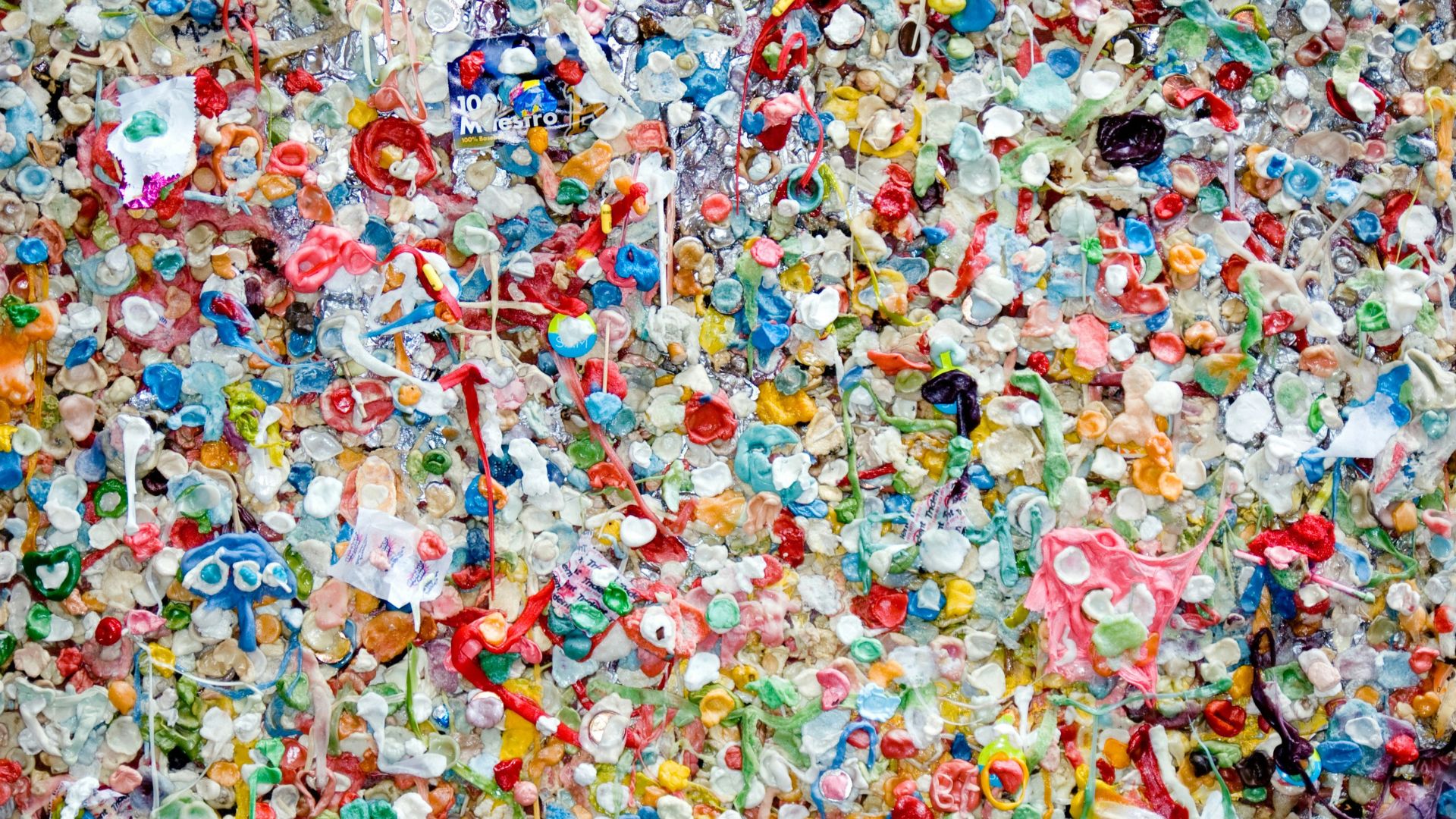
Researchers found far more microplastics in recent brain samples than in samples taken only a few years earlier, so the jump raised plenty of eyebrows. The study measured about seven grams of plastic in an average brain, which equals the weight of a small disposable spoon. Scientists also tracked a steady rise over time, so the trend points to growing exposure. The findings pushed researchers to look closer at how these particles reach such a protected area.
Higher Concentrations Linked to Dementia

Researchers noticed higher microplastic levels in the brains of people with dementia, and the pattern caught their attention right away. Some scientists think these brains may clear toxins less effectively, so tiny particles can build up more easily. The study didn’t confirm a direct cause, but the connection raised new questions that researchers want to understand. The team also plans to check whether certain areas of the brain collect more particles than others.
Microplastics Found in Multiple Human Tissues
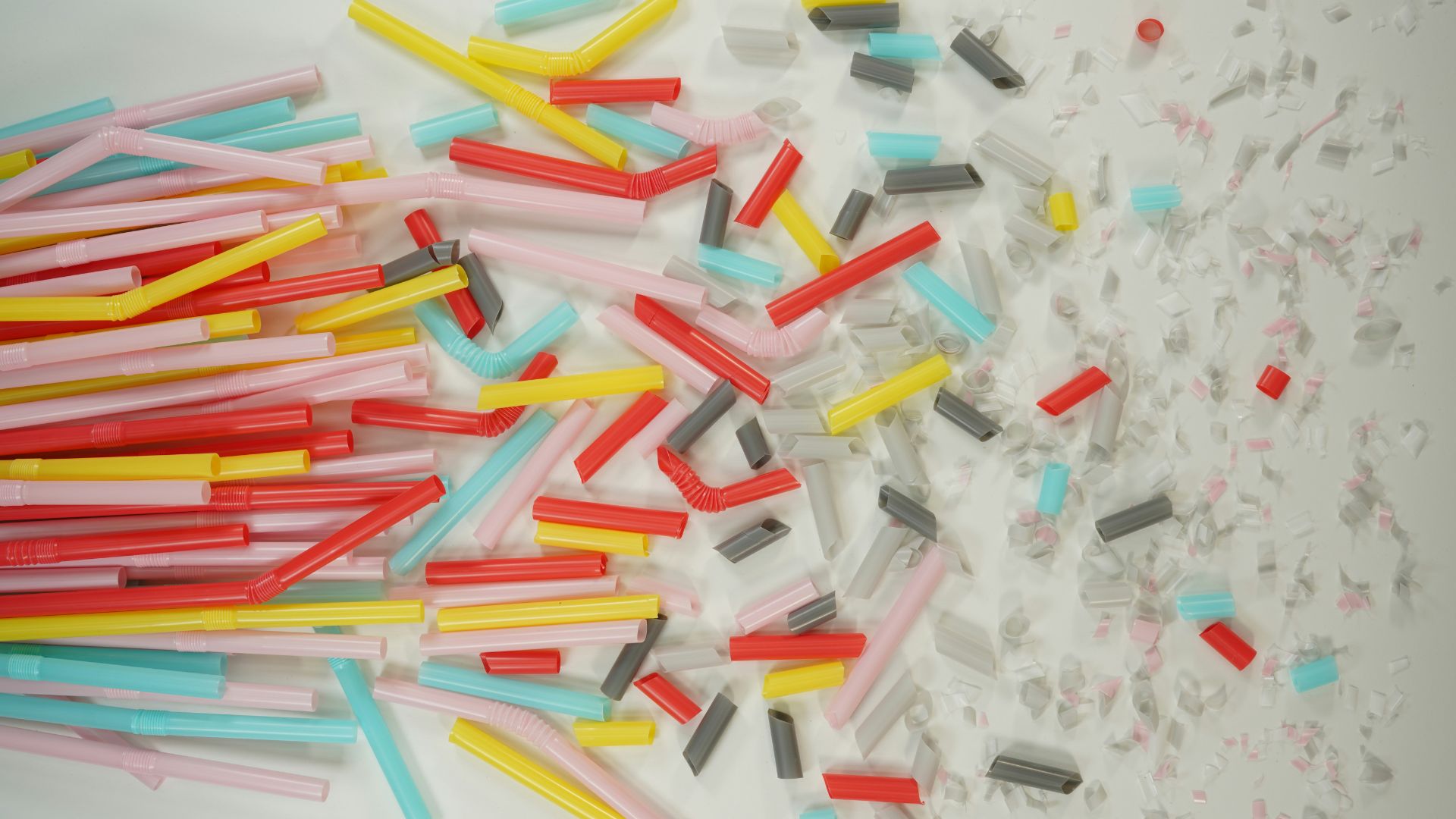
Scientists keep finding microplastics in more parts of the body, and the list grows longer each year. Researchers already identified tiny particles in the placenta, bloodstream, and even a baby’s first stool, so the discovery inside brain tissue fits into a wider pattern. The spread surprised many people, but it also pushed researchers to look at how these particles travel so easily. The findings suggest that exposure reaches far beyond what most people expect.
Environmental Build-Up of Plastic Waste
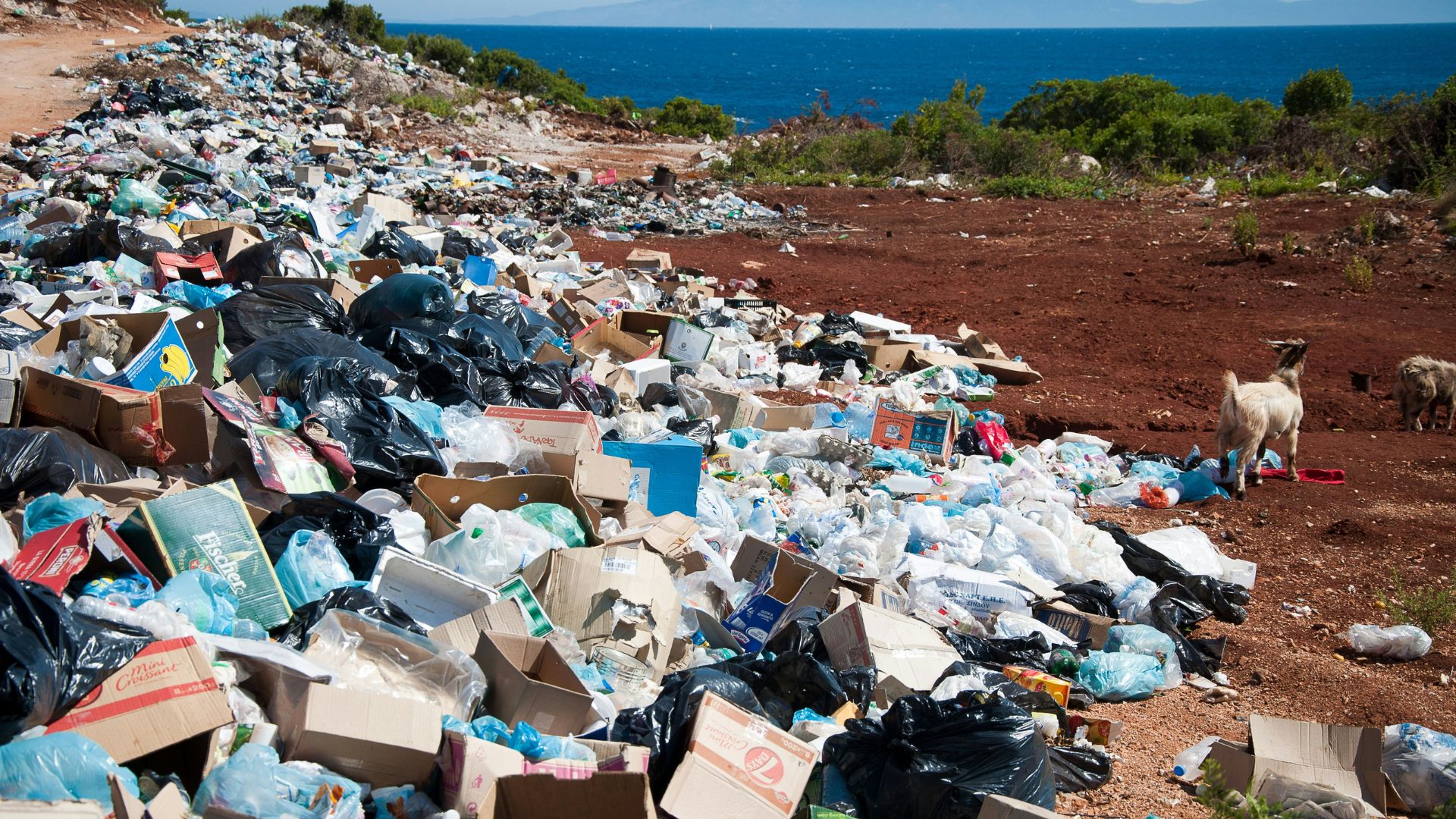
Plastic waste keeps piling up in the environment, and researchers are seeing how that growth shows up in the body too. Microplastics break apart into smaller pieces, so they spread through the air, soil, and water with little effort. The study pointed out how decades of waste linger, and those particles don’t stay put. Scientists also noted how rising pollution levels match the rise seen in recent brain samples, which pushed them to study exposure more closely.
Health Risks Tied to Microplastic Exposure

Researchers linked microplastic exposure to a wide range of health concerns, and the list keeps growing as studies move forward. Some findings point to cognitive decline, memory issues, and hormonal disruptions, so experts want to understand how these particles affect long-term health. Scientists also raised questions about reproductive and immune system impacts. The particles reach sensitive areas quickly, and the research community is working to learn how that exposure shapes overall well-being.
Threats to Wildlife and Food Sources

Microplastics move through soil and water with ease, so wildlife ends up exposed at every stage of the food chain. Animals can take in tiny particles without noticing, and that exposure can affect the food people depend on. Researchers pointed out how long-term pollution builds up in ecosystems, and the spread makes it harder for plants and animals to avoid contact. The issue reaches far beyond human health, and scientists continue tracking how wide the impact becomes.
New Research Aimed at Mapping Plastic Spread

Researchers are expanding their work so they can map how microplastics move through different parts of the brain. The team is studying tissue from one brain to see whether certain regions collect more particles than others. The goal is to understand patterns of buildup, and the early steps already encouraged more testing. Scientists also want to see whether any areas connect to conditions like memory loss or Parkinson’s, so the project continues to grow.
Policy Changes Targeting Single-Use Plastics

Countries and cities are pushing new policies that cut down on common single-use plastics, and the movement keeps gaining attention. France, England, and India already introduced national restrictions, and major cities like Los Angeles and New York also placed limits on items like plastic bags and Styrofoam. Lawmakers want to reduce long-lasting waste, so each ban adds pressure to shift habits. The effort grows as researchers highlight how widespread microplastic exposure has become.
Small Daily Changes to Lower Plastic Exposure

People can make steady progress with small swaps, so simple habits go a long way. Reusable bottles, cloth bags, and glass containers cut plastic use without much effort. Cooking in non-plastic containers also helps. Laundry bags that catch fibers add another layer of protection. Each change feels small, and the steps add up over time. The goal is to lower exposure while researchers keep learning more about how these particles move.