New Study Hints at Breakthrough Treatment That May Reverse Type 2 Diabetes
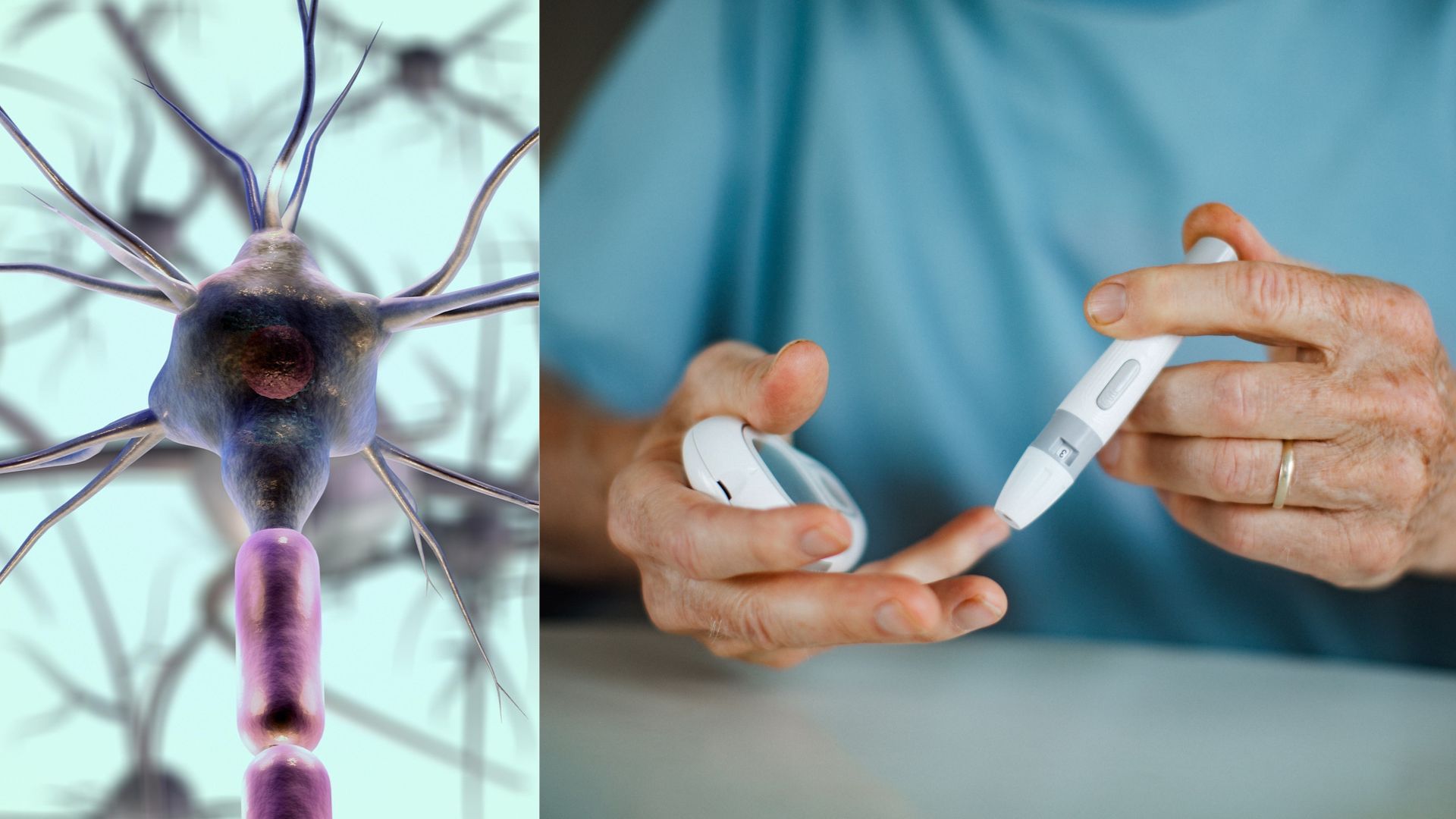

Millions of people have type 2 diabetes, and many carry out the daily routine of medication, blood sugar checks, and constant monitoring. News from a Las Vegas study has started to spark steady attention after early results suggested that a therapy called FGF-1 may push the condition into reversal.
Researchers delivered it through an intranasal method, and a number of participants reached non-diabetic levels after treatment. The idea sounds bold, yet the early responses feel grounded enough to keep people watching for the next update.
Scientists involved in the study focus on neurons that sense glucose. They believe these neurons struggle when blood flow drops, so they aim to support them through FGF-1. Early data lines up with that thinking as more patients in the study report smoother glucose levels and reduced medication use. Interest in the ongoing work grows as the team continues to enroll new volunteers and share steady progress.
How FGF-1 Targets Glucose-Sensing Neurons

Researchers point to a specific group of neurons in the brain that respond to changes in blood sugar. These neurons appear to struggle when they lose proper blood supply, and that disruption affects how the body manages glucose. FGF-1 enters the picture as an angiogenic growth factor that encourages new blood vessel formation. The treatment aims to support these neurons through restored circulation, and early data from the study align with that direction.
The therapy reaches the brain through an intranasal method, which sends FGF-1 along pathways that lead toward the targeted regions. Patients in the ongoing study received the treatment with the expectation that improved blood flow could help these neurons regain normal sensing activity. Updates from the research team note that many participants showed smoother glucose readings after receiving the therapy.
Scientists behind the study describe type 2 diabetes as a condition influenced by neurological signals linked to glucose control. Their approach centers on the idea that once these neurons receive enough support through renewed vascular function, they may help regulate blood sugar more effectively. Early responses from the study continue to guide the next steps in understanding how FGF-1 affects these pathways.
Independent Research Backing FGF-1’s Effects
Scientists from several institutions have examined FGF-1 and reported patterns that match what the Las Vegas team is seeing. Work from the Salk Institute showed that a single dose restored steady blood sugar in diabetic mice for more than two days. Researchers also found that FGF-1 affected glucose control without relying on insulin. These results gave other groups a starting point for deeper studies.
Further support came from researchers working with the Howard Hughes Medical Institute. Their findings showed that FGF-1 influenced pathways connected to blood sugar in models that resisted insulin. Yale researchers followed with evidence that FGF-1 and FGF19 lowered glucose levels through a route tied to the body’s stress axis. Their work helped expand the scientific picture surrounding these growth factors.
The University of Washington added another layer after reporting that a small dose placed directly into the brain produced long-lasting remission in rodents with type 2 diabetes. Their results pointed to a distinct mechanism that boosted glucose clearance. These independent studies continue to shape how scientists look at FGF-1 and guide ongoing efforts to understand how it influences diabetic conditions.
What Comes Next for Patients Watching These Results

People following the study now have a clearer sense of what researchers are trying to accomplish. Early outcomes from the intranasal FGF-1 treatment have sparked steady interest among those who manage type 2 diabetes every day. The idea of supporting glucose-sensing neurons through improved blood flow has carried through the study, and many patients in the trial reported smoother readings after receiving the therapy.
More updates are expected as the remaining participants move through the dosing process.