Archaeologists Recreated Neanderthal Cooking And What They Found Is Disturbing
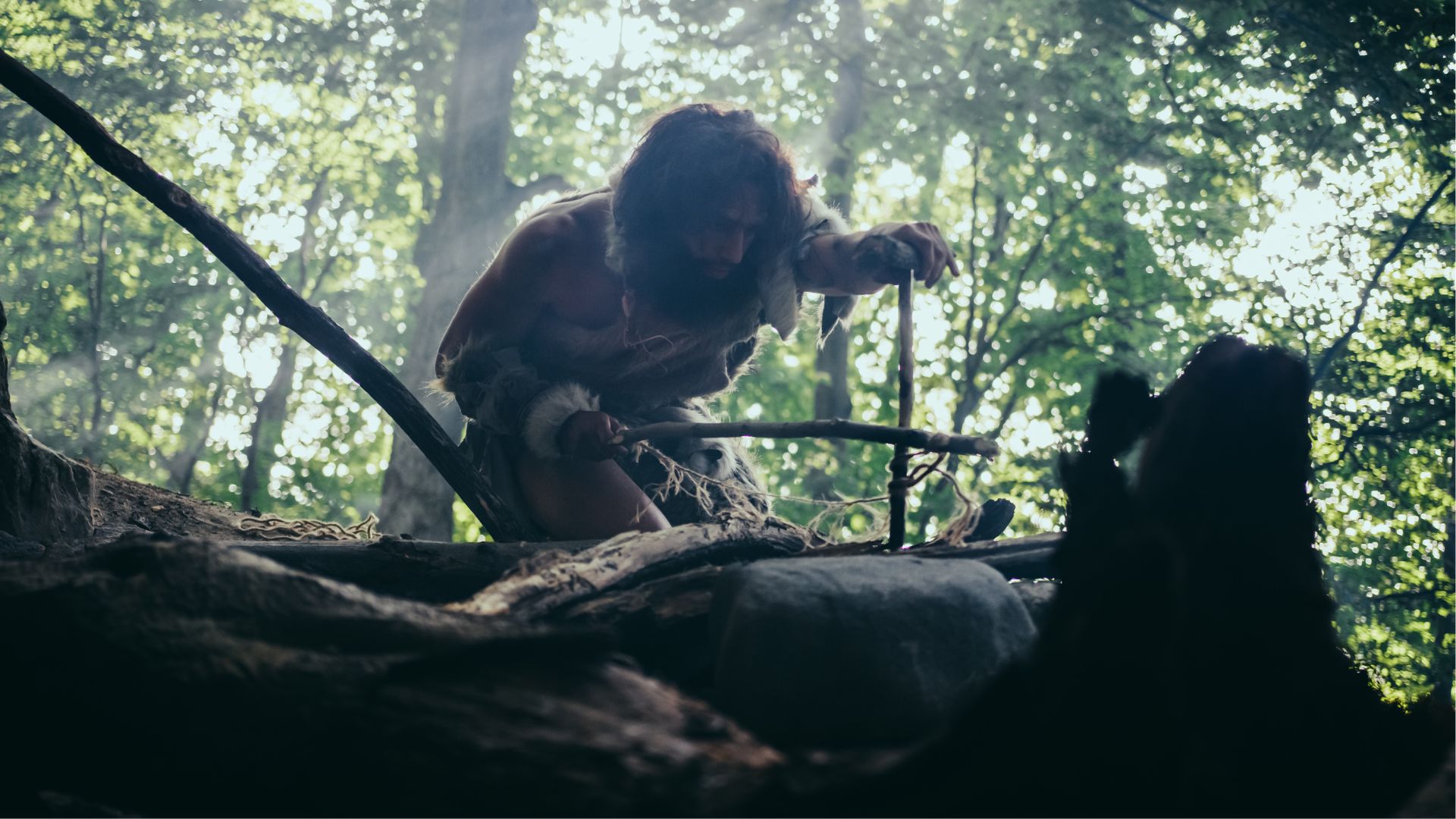

Researchers who recreated Paleolithic cooking and butchery found results that complicate our image of Neanderthal life. Controlled experimental archaeology has shown both practical skill and serious risks in those diets and techniques, prompting fresh questions about health, ecology, and cultural choices.
Fire and Flames, fragile control
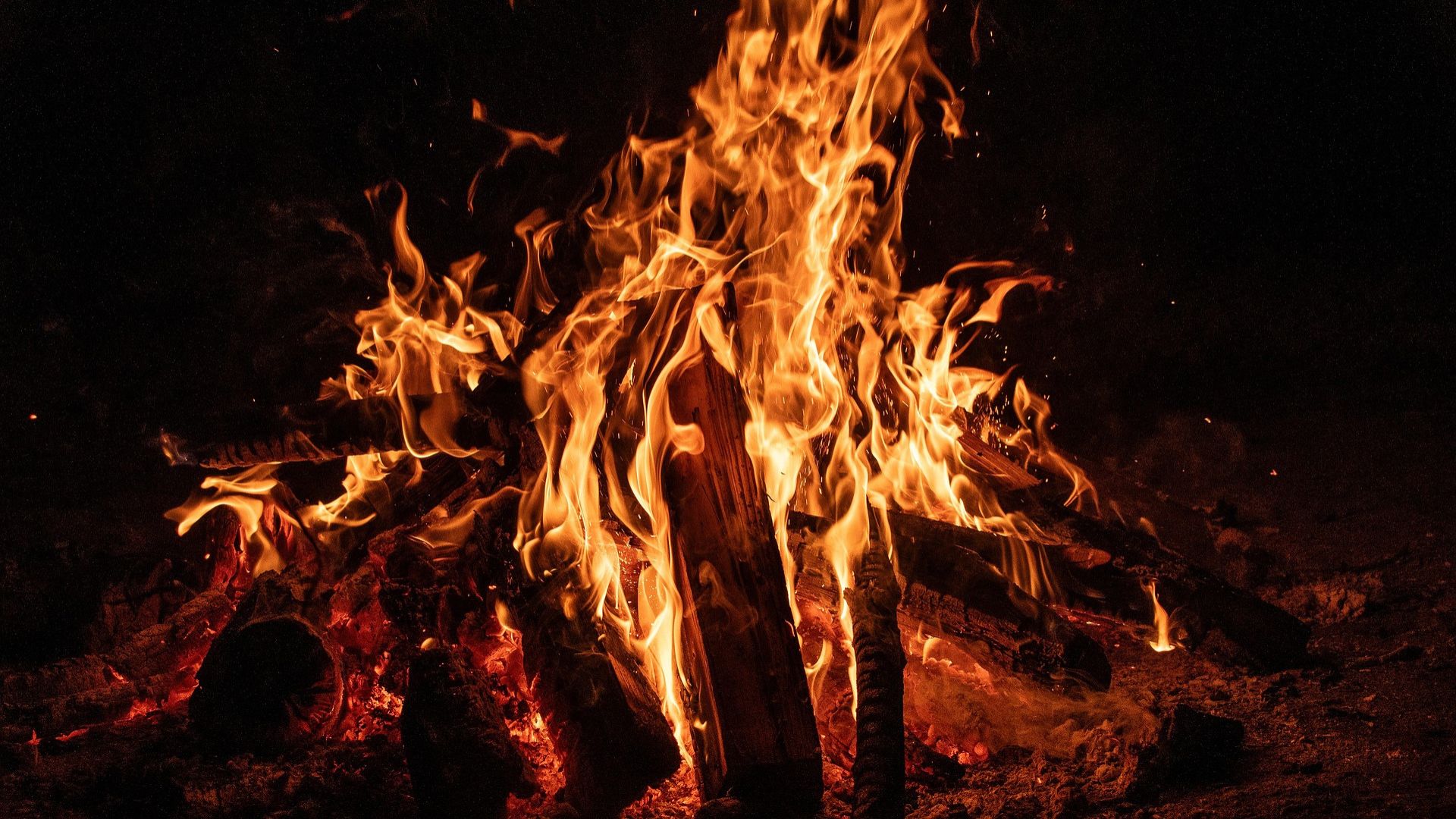
Reproductions of hearths and open flames made clear how difficult it was to keep a steady cooking temperature using only wood and simple hearth structures. The experiments showed that heat fluctuated often, which changed cooking times and the safety of foods.
Tools and the butcher’s art
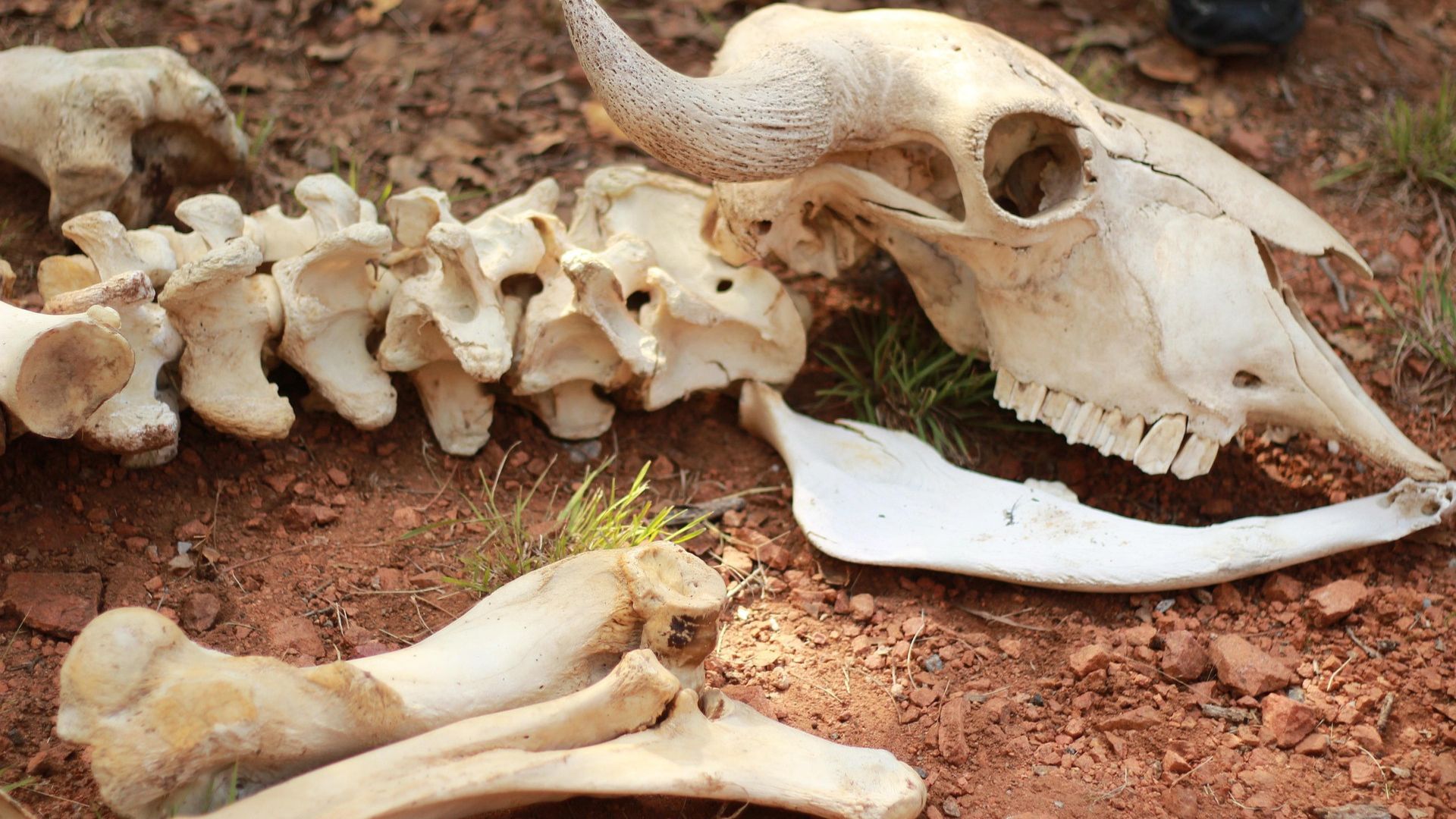
Using flint flakes and stone scrapers to process carcasses proved laborious, revealing how much practice was needed to butcher efficiently. The tactile difficulty of working with sharp but awkward tools helps explain the marks archaeologists find on ancient bones.
Menu from the Ice Age, a rough selection
Reconstruction menus relied on wild game, birds, and gathered tubers typical of the Middle Paleolithic. Those ingredients offered high-calorie returns but required quick consumption and careful handling to avoid spoilage.
Taste and texture, not for the faint-hearted
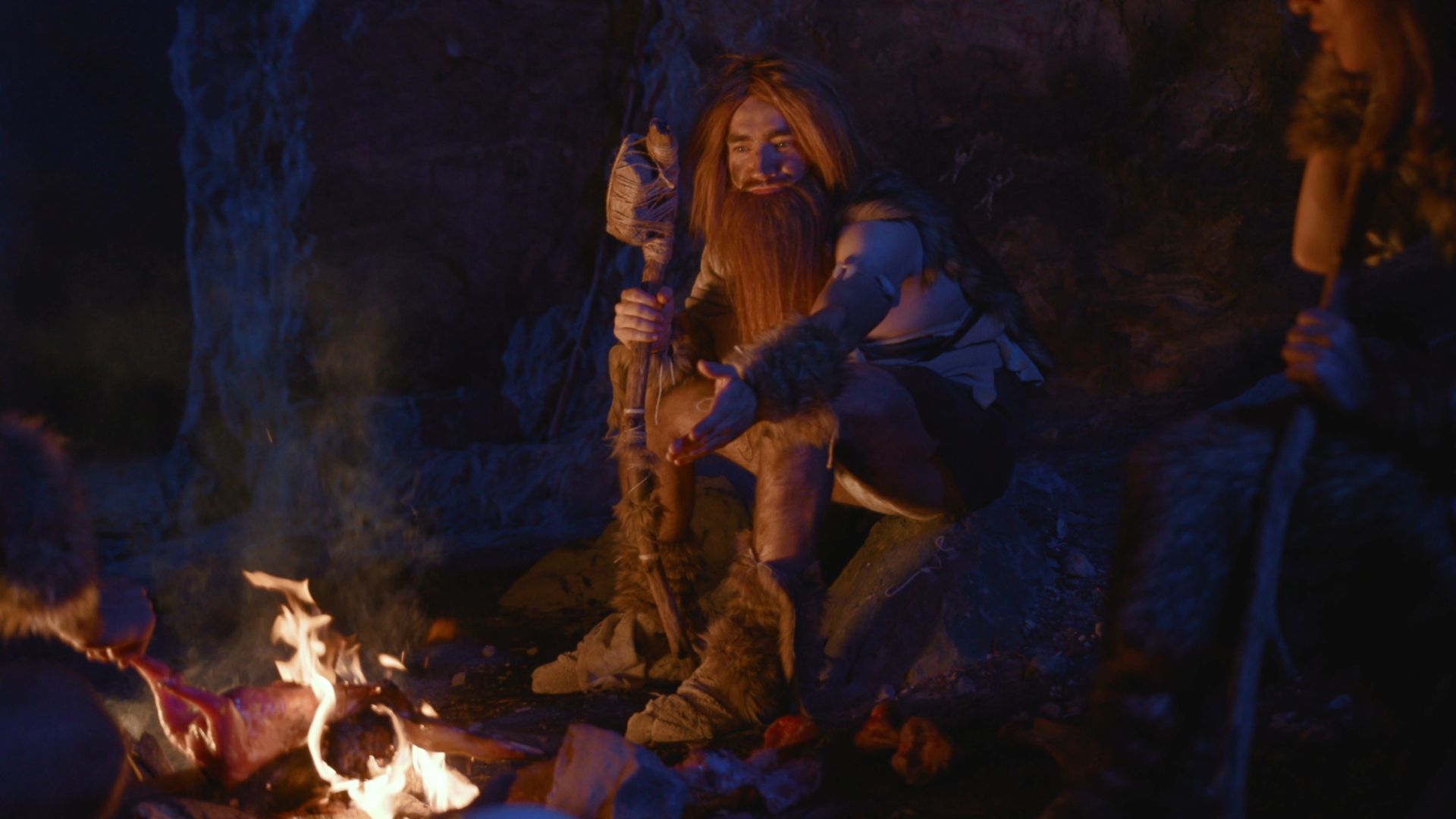
Cooked recreations produced intensely gamey flavors and tough, fibrous textures that only long roasting or repeated handling could soften. Meals would have been filling but monotonous and physically taxing to digest over time.
Nutritional strengths, and clear weaknesses
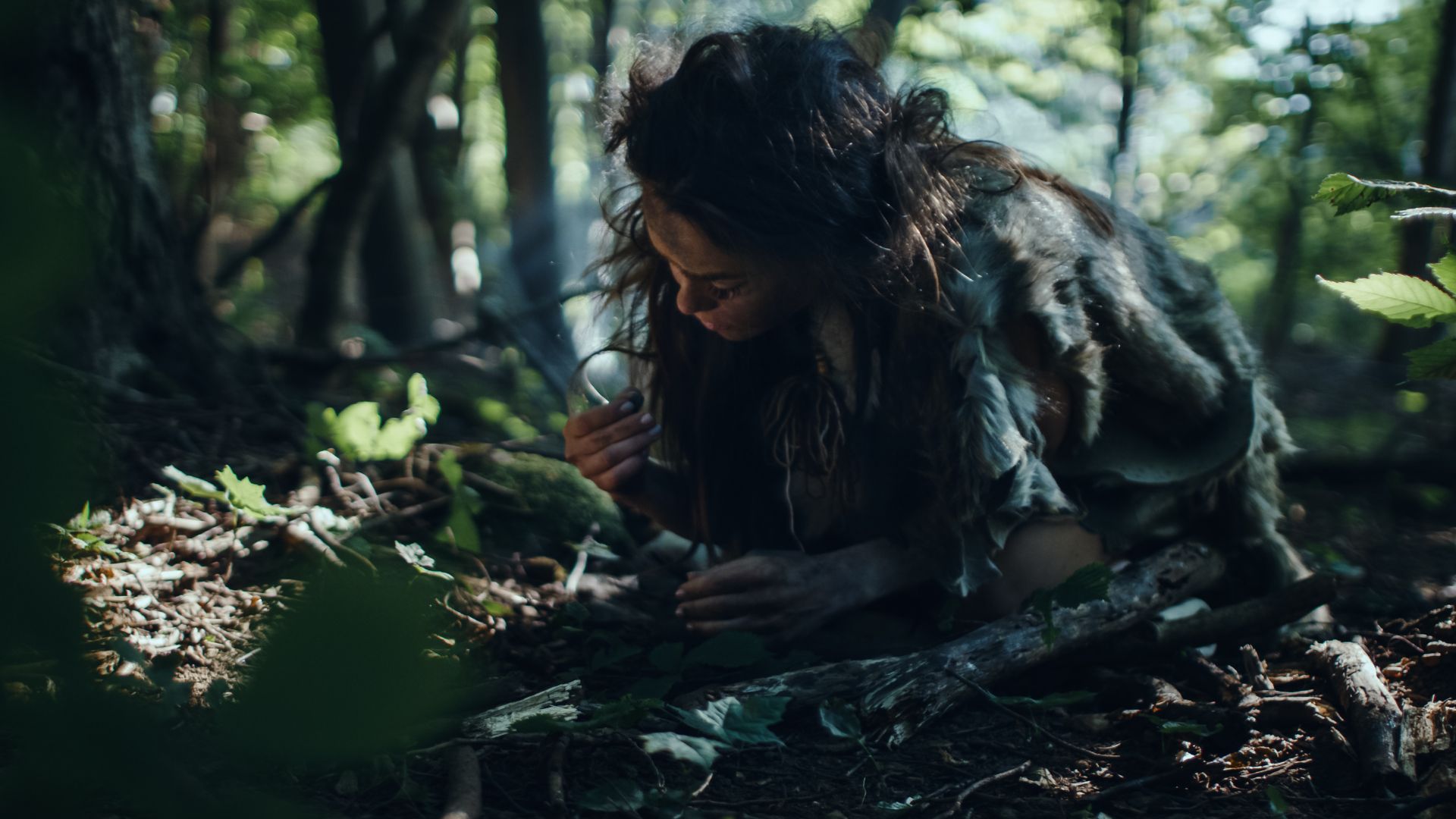
The diet reconstructed by experiments was protein- and fat-rich, supplying energy but lacking in some vitamins and fiber. This imbalance suggests trade-offs between immediate calorie needs and longer-term nutritional health.
Microbial hazards, an unseen threat
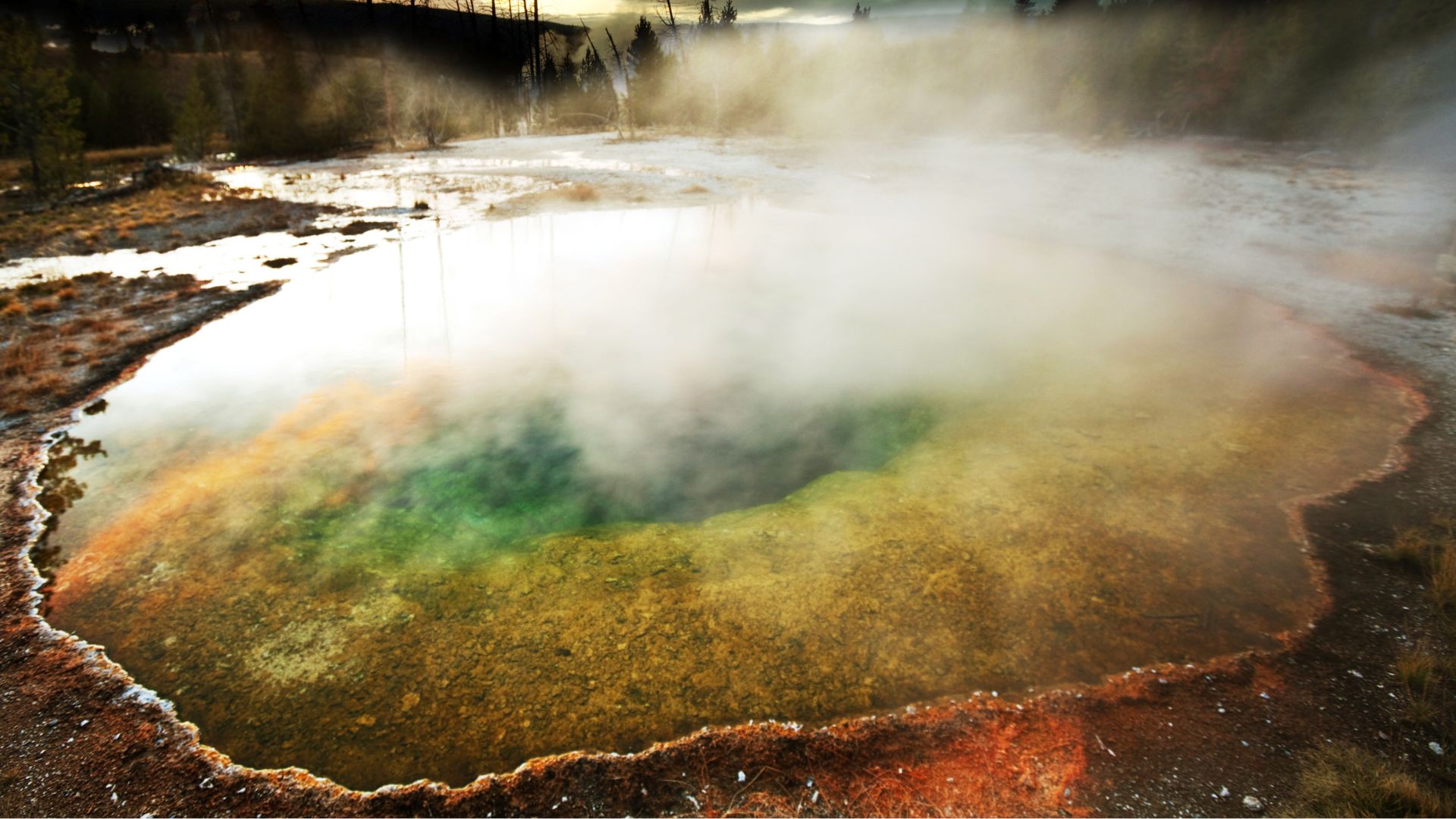
Irregular cooking and limited preservation methods left room for bacterial loads in meat and plants, meaning infections and digestive illnesses were plausible consequences of everyday meals in Paleolithic camps.
Plant toxins, the danger of foraging habits

Relying on particular roots or seasonal plants without processing could concentrate natural toxins. The recreations showed that repeated consumption of some wild plants risks chronic discomfort or worse, depending on seasonal availability.
Landscape pressure, costs to ecosystems
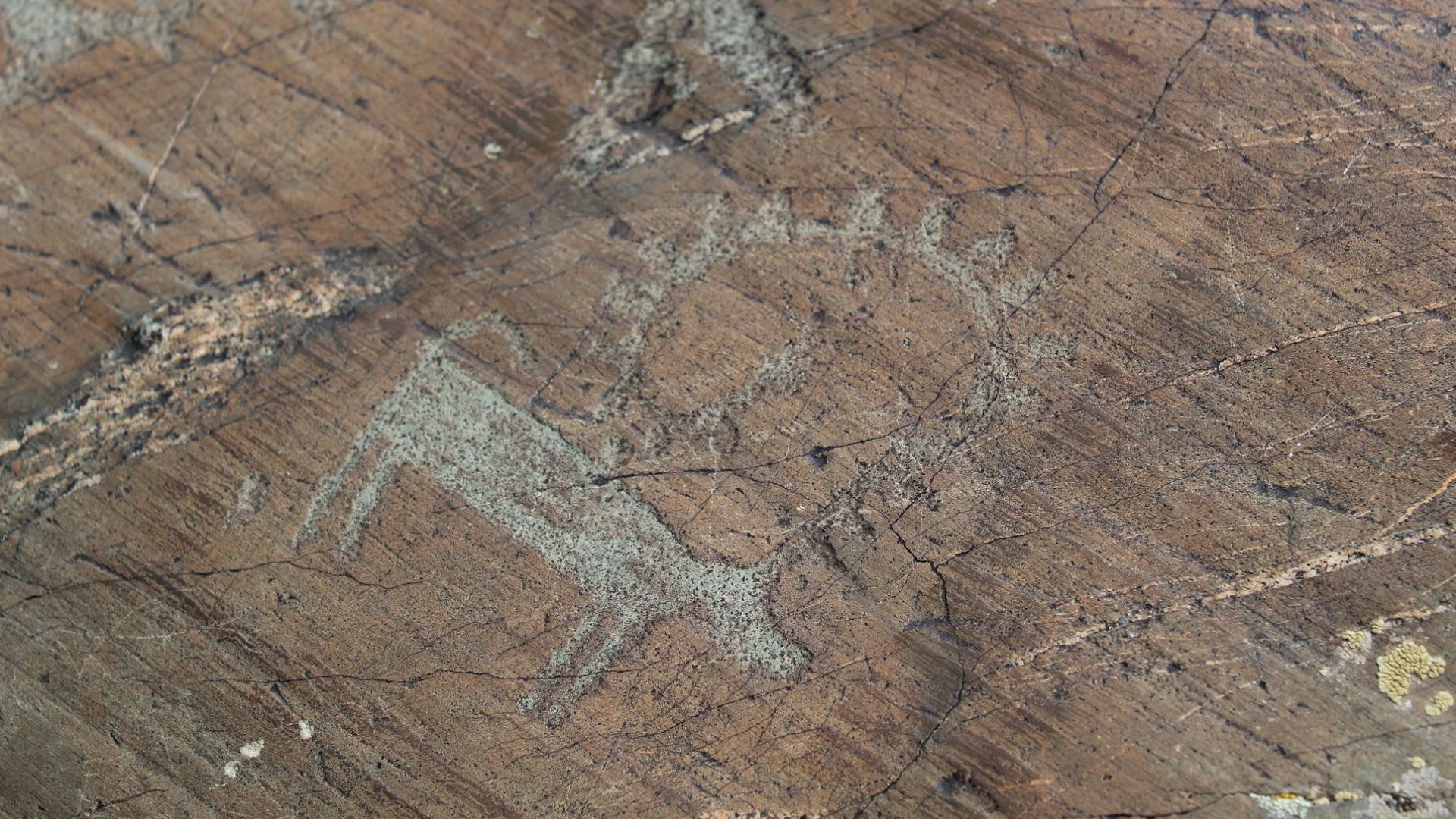
Large-scale hunting and heavy foraging evident in the experiments point to significant strain on local resources. Repeated exploitation of the same zones may have accelerated scarcity, with ecological consequences for groups living there.
Culture in the kitchen, diversity of practice

Variations in butchery and cooking found across sites and mirrored in experiments hint that groups developed different culinary traditions and techniques, reflecting learning and choice rather than uniform behavior.
Lessons for the present, cautionary echoes
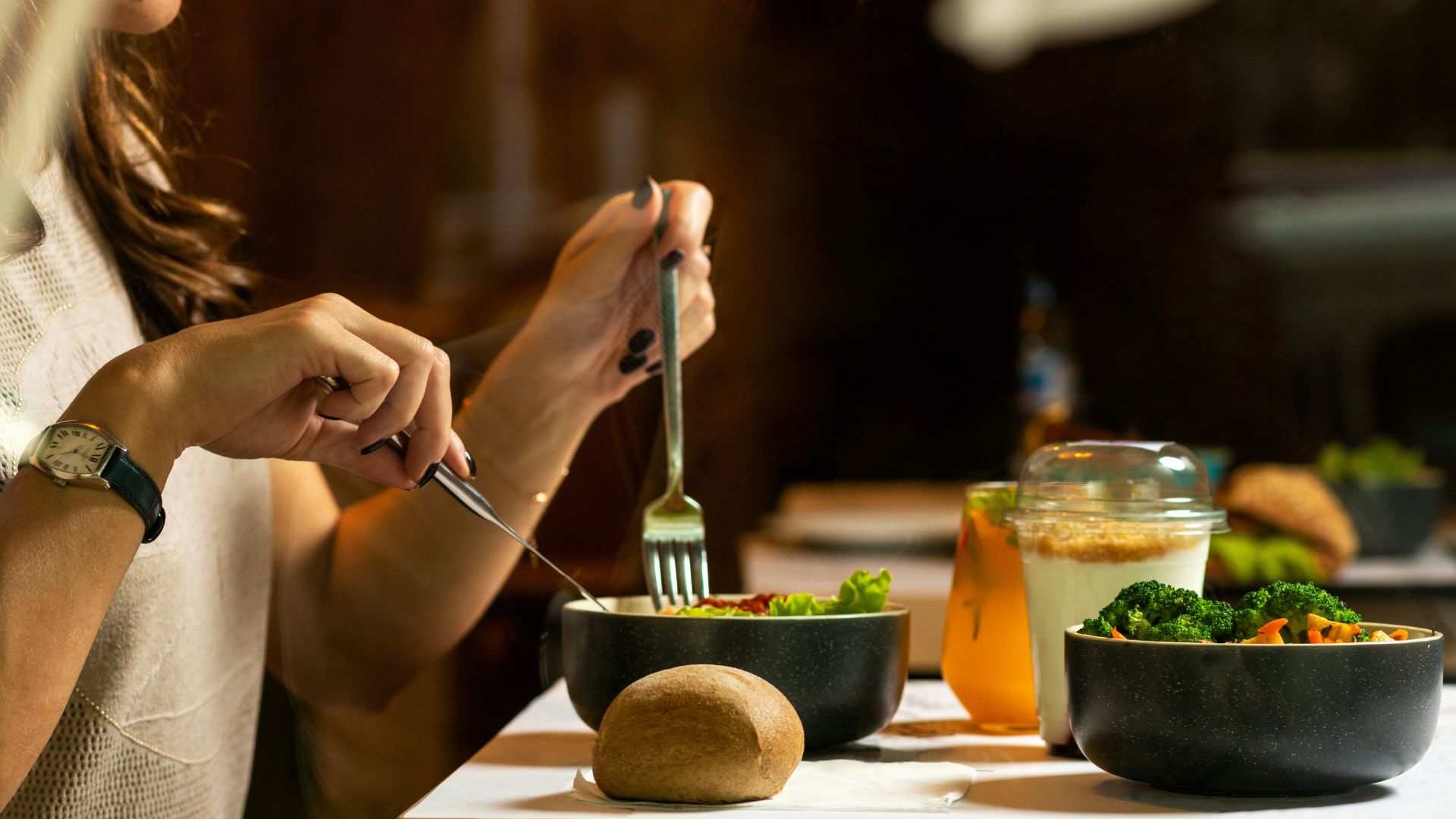
These experimental results remind us that human diets shape health and environments deeply, and that returning to unprocessed or wild-only foods without safeguards carries risks we now better understand.
Closing reflection

Recreating ancient cooking does more than satisfy curiosity, it reframes the story of survival into one of adaptation with real costs. The findings complicate simple romantic views of Paleolithic life, showing skilled behavior intertwined with vulnerability.