After Six Years Digging the Same Field, He Unearths a 1 900‑Year‑Old Roman Treasure


A devoted hobbyist finally struck gold after years of patience, turning a long habit of searching a single plot of land into a remarkable archaeological moment. This piece explains what was found, why it matters, and how a tiny object connected the present to a chaotic chapter of ancient Rome.
Patient pursuit
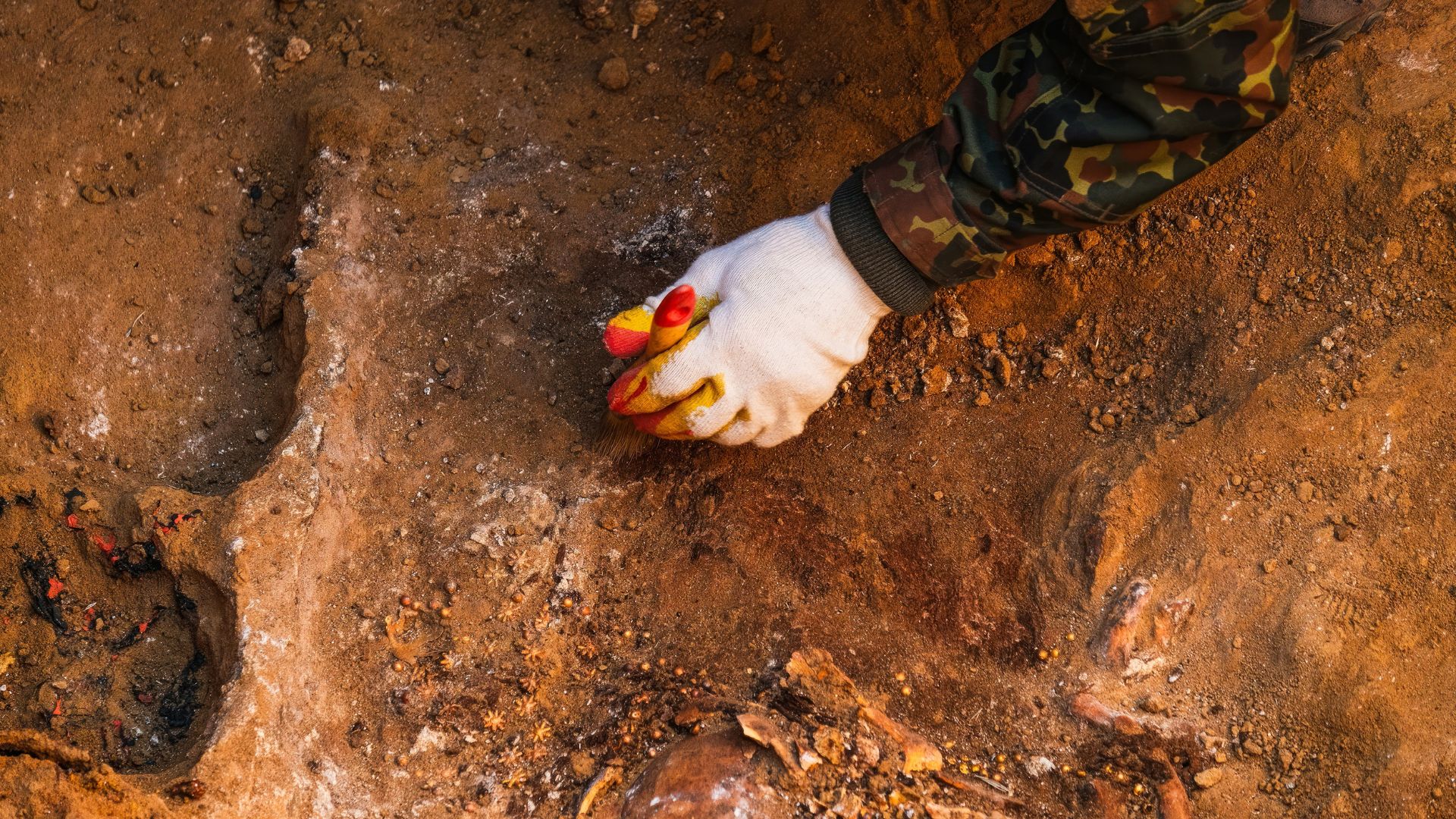
For six seasons the same patch of pasture received his attention, each outing another quiet attempt to coax history from the soil. That steady effort is what eventually produced the exceptional result.
A rare portrait

The bronze bears the likeness of Aulus Vitellius, an emperor whose brief tenure makes images of him exceptionally uncommon. Such rarity is what captures the interest of historians and collectors alike.
A specific discovery

The detectorist pulled the artifact from a field near Dudley, after following a fleeting signal and then breaking open a clod of earth. The moment combined routine technique with pure luck, producing an instant that he calls unforgettable.
Value at auction

Dealers recognized the find’s uniqueness, and bidders paid a premium at a London sale, resulting in a five-figure sterling sum. The price reflected both scarcity and the coin’s excellent preservation.
Split proceeds, shared reward

Following the rules that govern finds on private land, the sale proceeds were divided between the searcher and the landowner. For both parties, monetary gain complemented the thrill of having held a piece of antiquity.
A personal reaction

The retired welder described a racing heart and a quiet walk home after the discovery, the object safely tucked away in his pocket. For him, the emotional impact outweighed financial considerations.
Historical backdrop
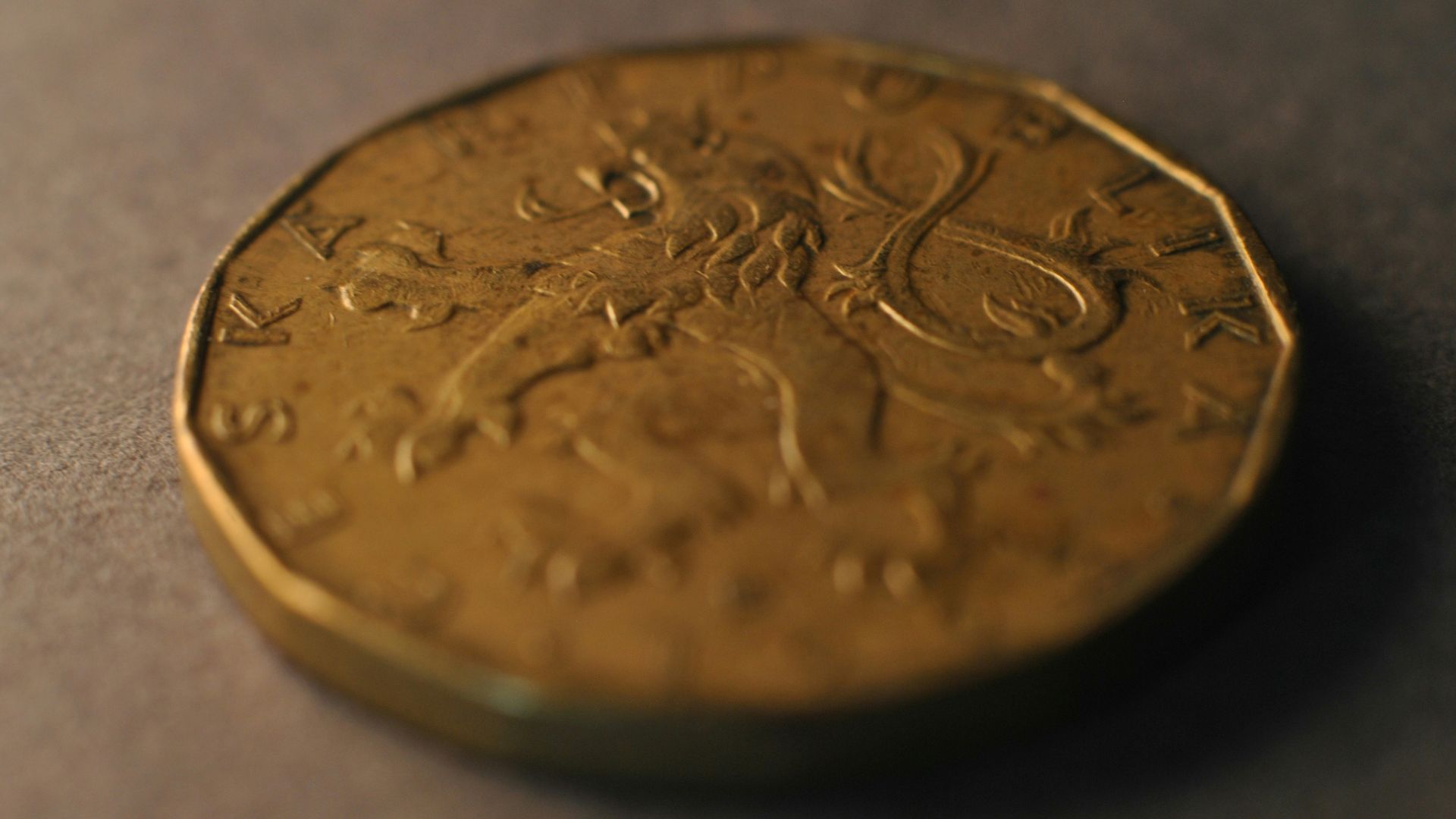
The coin dates to 69 A.D., the so-called Year of the Four Emperors, a period marked by rapid successions and military upheaval. That turbulent context helps explain why artifacts from this moment are scarce.
A mystery of movement

How a piece minted during an imperial crisis traveled to an English field remains uncertain, possibilities include a soldier’s pay or later circulation through trade routes. Each hypothesis links local soil to broader patterns of movement across ancient Europe.
Continuing significance

Beyond its market value, the specimen provides scholars with another data point for mapping Roman influence and circulation. Small discoveries like this enrich our understanding of long-distance connections and everyday exchange.
Final thought
The story combines tenacity, serendipity, and history, reminding us that patient curiosity can recover objects that bridge centuries. What began as a hobby ended as a tangible encounter with the deep past, one that will travel again through museums, research, or private collections.