A New Study Just Shook Neuroscience: Everything We Thought About Consciousness May Be Wrong
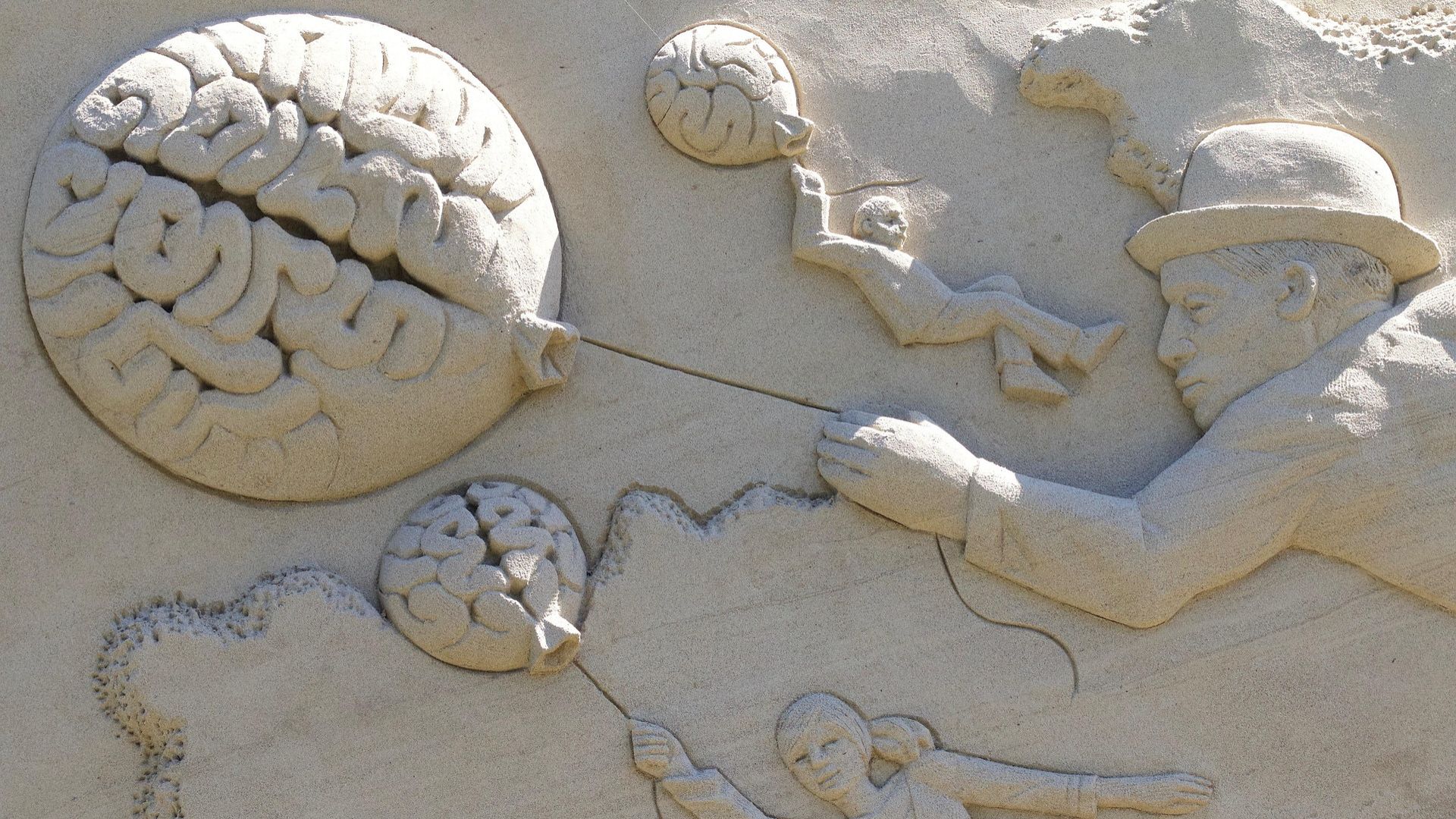

Consciousness remains one of science’s most elusive puzzles, partly because it blends immediate personal experience with questions that demand objective evidence. A recent, wide-ranging review of more than a century of brain research suggests many long-held assumptions need to be rethought, and that revising our frameworks could change both clinical practice and how we view other species.
Origins of the problem
Researchers struggle because consciousness is at once obvious to each person and maddeningly hard to measure, this tension makes designing experiments and interpreting results especially challenging.
Philosophy meets science

Historically the topic has lived in philosophy, yet modern neuroscience tries to map subjective reports to biological mechanisms, creating a dialogue between conceptual analysis and empirical testing.
The neocortex assumption
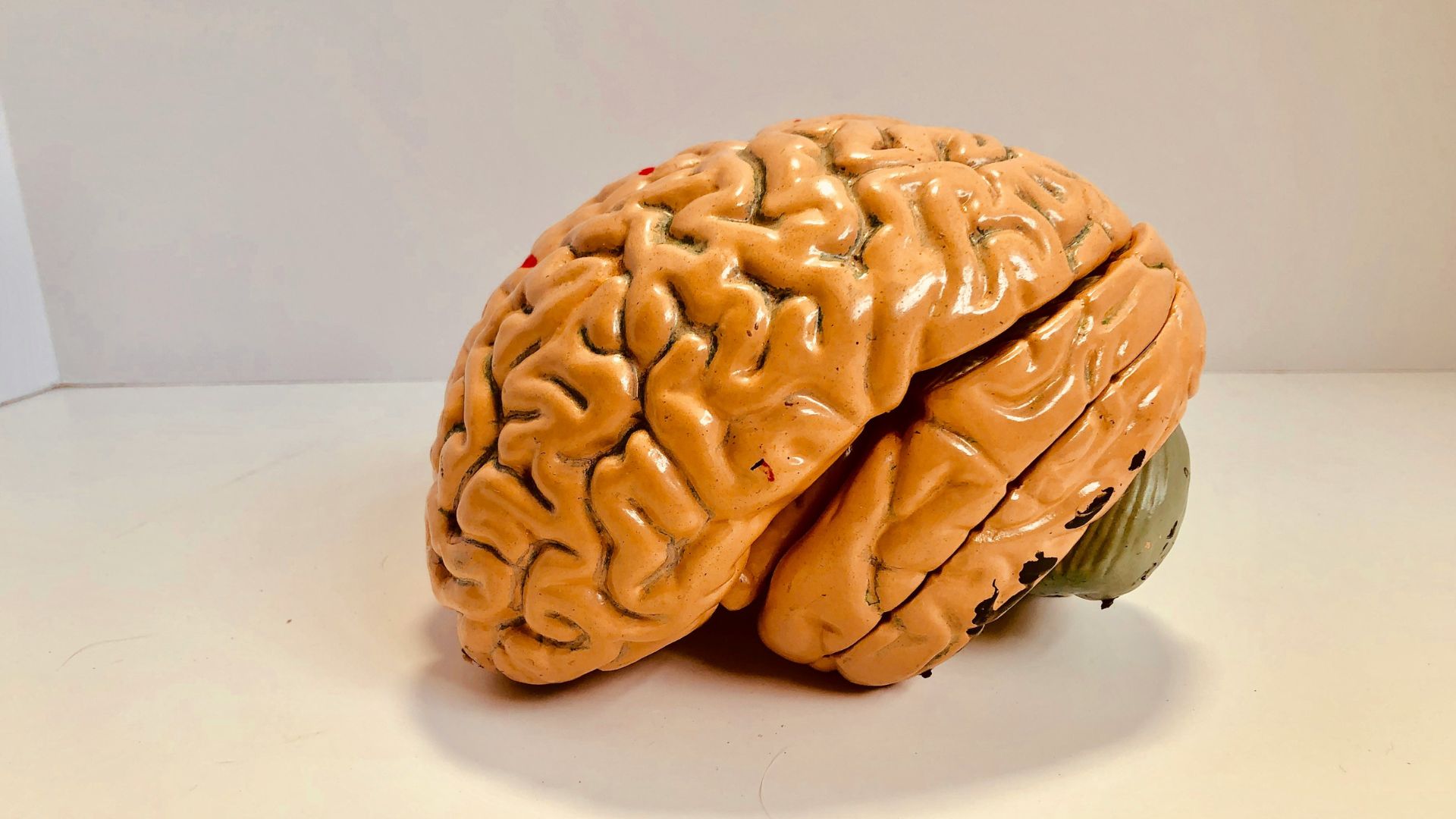
For decades most theories have placed the neocortex, the folded outer layer of the brain, at the center of conscious experience, it has been treated as necessary for awareness.
A surprising literature review

Peter Coppola examined a vast body of studies across species and developmental conditions, his synthesis indicates that the dominant narrative about cortical necessity may be incomplete.
Developmental flexibility

Evidence shows that people born with severe cortical differences can nonetheless show signs of awareness, suggesting that the developing brain can route functions to other structures when needed.
Adult vulnerability

Conversely, injuries to regions like the cerebellum later in life can produce hallucinations or emotional shifts, implying those areas contribute to conscious content more than previously appreciated.
Implications for animal and patient care

If consciousness can arise from multiple neural arrangements, we may need to update how we assess pain, sentience, and ethical treatment in both humans and animals.
Methodological rethink

Coppola’s review urges researchers to design experiments without assuming a single anatomical seat of consciousness, this calls for fresh methods that respect developmental and species differences.
The limits of current study
Practical and ethical constraints still restrict what we can test directly in humans, and animal studies cannot fully report subjective experience, so uncertainty will remain until new approaches emerge.
A call to unlearn and explore

The main takeaway is not a definitive answer but an invitation, scientists should question entrenched models, pursue diverse lines of evidence, and accept that revising our beliefs may be the fastest path to deeper understanding.