
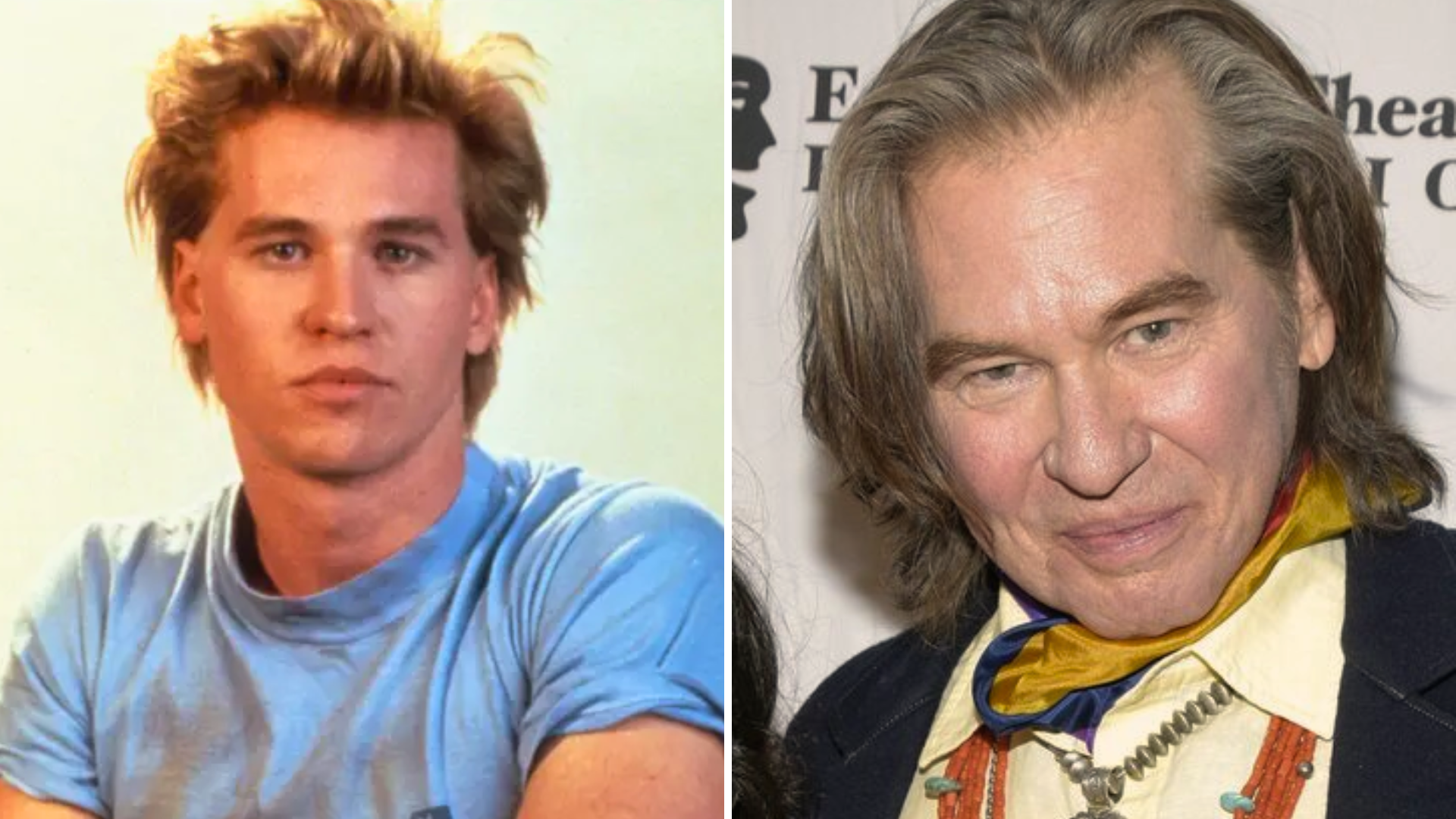
Val Kilmer died in April 2025. Less than a year later, he is headlining a new independent film; not through archival footage, not through a body double, but through an artificial intelligence recreation of his face, his body, and his voice. The movie is called “As Deep as the Grave,” and it has ignited one of the most heated debates Hollywood has seen in years. The question at the center of it is one nobody has fully answered yet: should the dead be allowed to act?
The Role That Was Written for Him
Writer and director Coerte Voorhees had built the character of Father Fintan specifically around Kilmer. The role drew on Kilmer’s Native American heritage and his deep personal connection to the American Southwest. Kilmer was cast, his name was on the call sheet, and the production was ready to shoot. Then his health collapsed. A long battle with throat cancer made filming impossible, and the role sat vacant — until the director found another way to fill it.
How the AI Version of Kilmer Was Built

The production used a combination of photographs from Kilmer’s earlier years, footage of him in the final chapter of his life, and recordings of his voice to construct a digital version of the actor. That version now appears in a significant portion of the finished film. On the IMDb page for the project, the credit reads “digital performer,” with a note clarifying it is an “AI performance as Val Kilmer.” It is believed to be one of the most extensive uses of AI to portray a deceased actor in a theatrical film.
His Family Said Yes — and That Matters
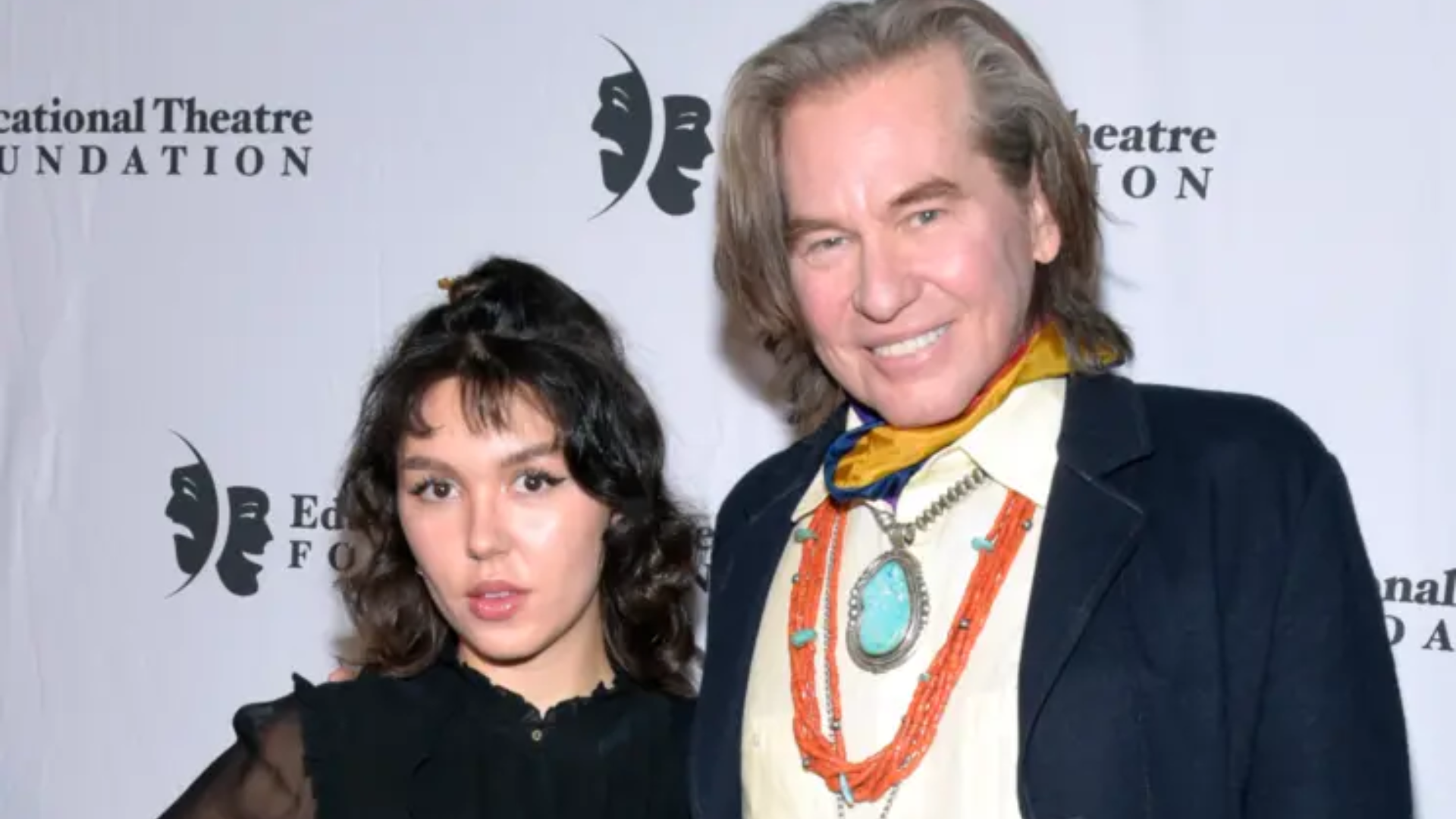
The AI recreation was not done without permission. Voorhees consulted closely with Kilmer’s estate and his daughter Mercedes, who is a filmmaker herself and joined the project as a collaborator. The family was compensated. According to Voorhees, Kilmer’s family repeatedly emphasized how much Val had wanted to be part of the story, describing it as a project he felt was spiritually and culturally important. That family endorsement gave the director the confidence to move forward but it did not silence the public.
The Internet Did Not Hold Back

When the announcement went public, the reaction on social media was swift and sharp. One user on X asked whether Kilmer had ever consented to this kind of use before his death, calling it a “gross thing to do” if he hadn’t. Another said that using AI for a full speaking role made acting itself feel pointless. A third wrote that Hollywood now “resurrects you with AI and forces you to keep working” after death. The language was strong, the sentiment widespread, and the debate showed no sign of settling quickly.
The Loudest Objection: It Should Be Illegal

Among the most forceful responses was a commenter who said flatly that no one should be permitted to recreate the appearance of a deceased person using generative AI, regardless of how much permission was obtained. Others echoed the sentiment, with one person stating the practice was “sick and greedy” and that even the family should be ashamed of allowing it. These reactions point to something deeper than this single film; a growing public unease about where the boundaries of identity, consent, and death actually lie in the digital age.
But Some Fans Saw It Differently

Not everyone was opposed. Several commenters said that if Kilmer himself had wanted this, and his family had approved, outside objections carried little weight. One fan wrote that seeing someone you’ve lost appear on screen again could be genuinely moving, even while wondering whether it would truly feel like the real Kilmer. Others drew comparisons to the use of CGI and body doubles to complete Paul Walker’s scenes in “Furious 7” after his death in 2013, a precedent many audiences ultimately accepted.
Mercedes Kilmer Speaks for Her Father

Kilmer’s daughter addressed the controversy directly, offering the clearest window into how the family views the decision. She said her father had always approached new technology with curiosity and optimism, viewing it as a tool that expanded what storytelling could do. That spirit, she said, is what the film is honoring. Her statement reframed the conversation: this was not a studio exploiting a dead actor for profit, but a family completing something their father had genuinely wanted to leave behind.
The Rules That Govern This New Territory
Voorhees was careful to stress that the production followed SAG-AFTRA’s regulations covering the use of AI for deceased performers. Those rules require that consent not obtained before death must be secured from an authorized representative or the union. He and his brother, producer John Voorhees, told the Associated Press they see the film as a model for how to handle AI use of deceased actors ethically — with proper consent, family involvement, and union compliance. Whether the industry will follow that model is another question entirely.
A Line Has Been Crossed. The Question Is What Comes Next.

“As Deep as the Grave” will not be the last film to do this. The technology exists, the legal framework is being written in real time, and the financial incentive for studios is obvious. What this film represents is a stress test of ethics, of consent, of what we owe the dead and what we owe audiences. Val Kilmer’s family believes he would have embraced it. Millions of others are not so sure. The genie, as George Clooney once warned, is already out of the bottle.