First-Time Home Buyers Shut Out as Builders Choose Million-Dollar Houses Over Starter Homes


The traditional starter home has become nearly extinct in America, replaced by sprawling properties with four or more bedrooms that dominate new construction. Homes with four or more bedrooms made up nearly half of all new builds in 2022, compared with just 1 in 5 in the 1970s, according to Census Bureau data. The U.S. median home price has climbed to $410,800, up nearly $100,000 since 2019. Builders now target luxury buyers instead of first-timers, creating a market where affordable entry points have largely disappeared.
Zoning Laws and Profit Margins Push Builders Toward Luxury

Local regulations and market forces have steered builders away from affordable housing and toward high-end properties with bigger profit margins. “You have zoning requirements that have encouraged large lot sizes,” said Dennis Shea, a housing expert at the Bipartisan Policy Center. “Home builders, particularly in the wake of the Great Recession, where they were very negatively impacted, find it easier to build larger homes that have higher profit margins.” Zoning requirements restrict smaller lots in many communities, making it financially impractical for builders to construct modest homes that first-time buyers could afford.
Building a 1,000-Square-Foot Home Is No Longer Financially Viable

Builders face a stark reality where constructing traditional starter homes simply doesn’t make business sense anymore. “It has become more expensive, almost financially not viable, to build what we thought was a starter home: a 1,000-square-foot home. They’re now incentivized to build million, million-and-a-half, two-million-dollar homes. That’s where the profit is for those builders,” said Christian Kosko, a D.C. mortgage lender who specializes in helping young buyers. Construction costs and land regulations have pushed builders exclusively toward the luxury market.
Modern Buyers Expect Features That Drive Up Costs
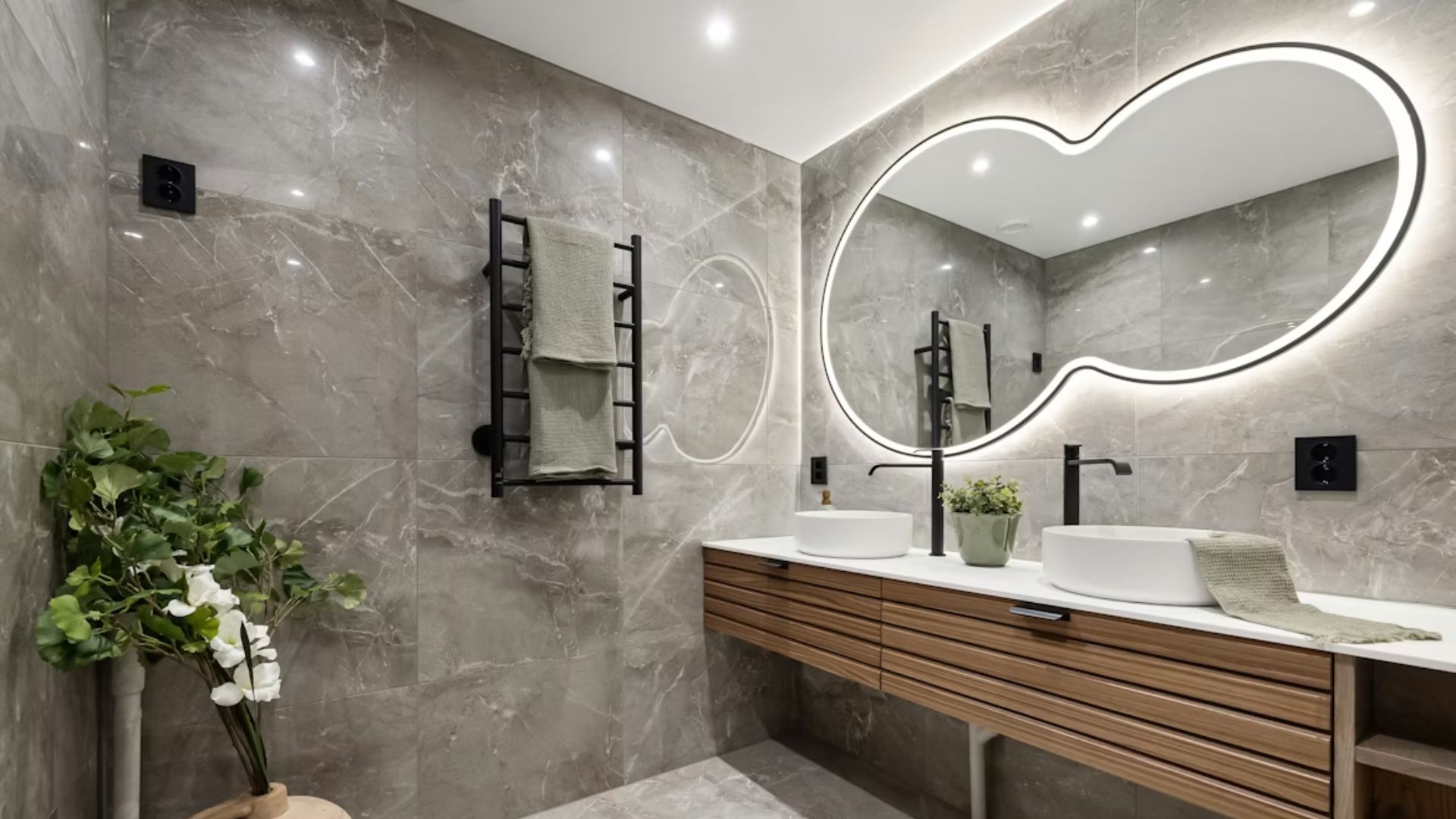
Today’s homebuyers demand conveniences that significantly increase construction expenses and home sizes. Nearly all new houses now include at least two full bathrooms, compared with roughly 60 percent in the 1970s, federal data show. Three-car garages, which were nearly unheard of before the 1990s, peaked at nearly 1 in 4 homes in 2015 and remain common at nearly 1 in 7 today. Meanwhile, new properties with single-vehicle or no garage have become rare, as buyers expect expanded living spaces and storage.
Even Upper-Middle-Class Buyers Struggle in High-Cost Cities
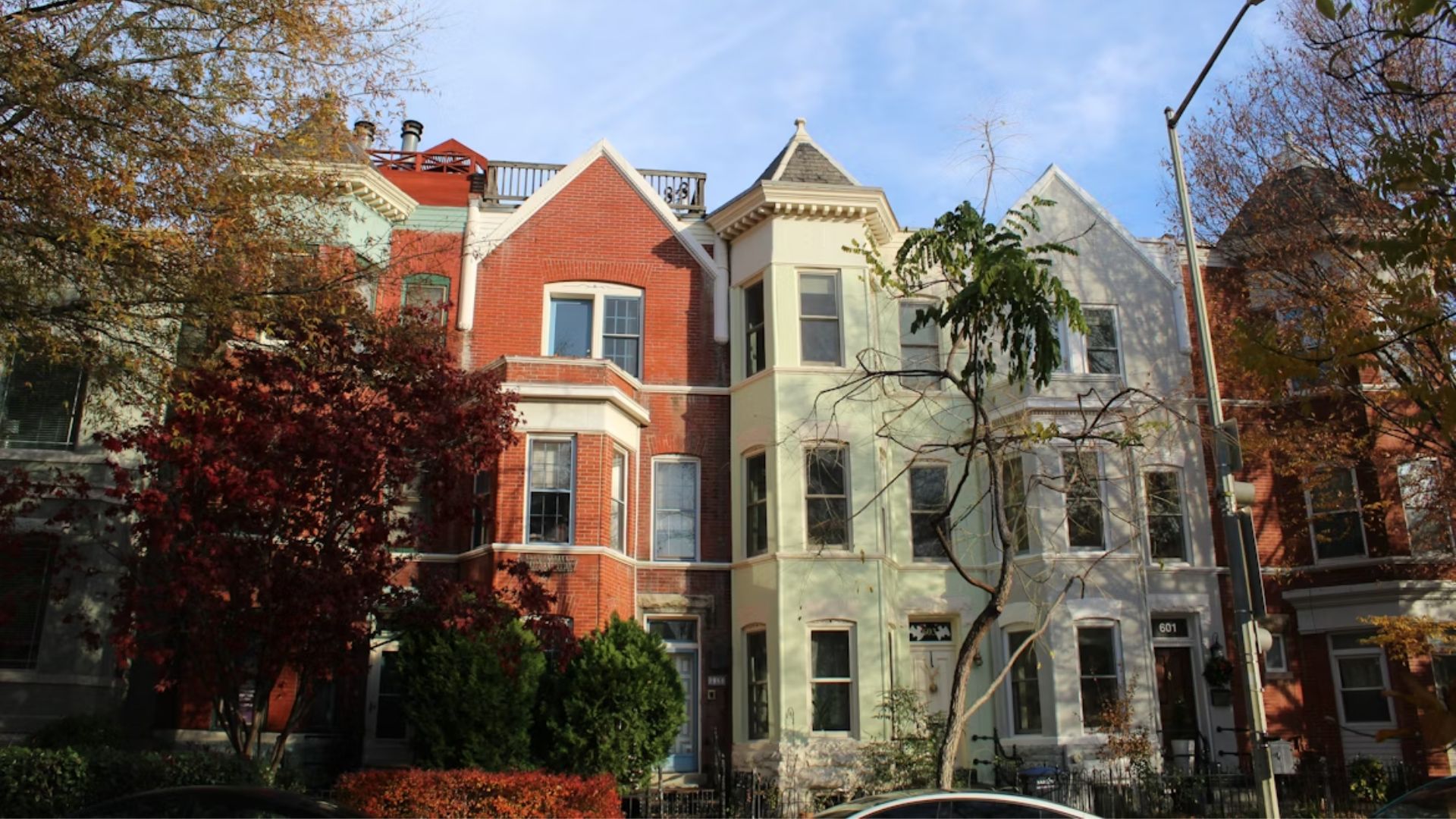
In Washington, D.C., where the median home price sits around $700,000, even buyers with substantial incomes find themselves priced out. “They’re certainly out there. Are there a lot? Absolutely not. If it’s a $400,000 home, it’s older or it has a superexpensive condo fee, or it’s an area they don’t want to be in,” Kosko said. The rare affordable properties that do emerge draw fierce competition from both first-time buyers and investors, creating bidding wars that push prices beyond reach.
Rising Mortgage Rates Forced a Slight Shift Toward Smaller Homes

When mortgage rates more than doubled in 2022, jumping from sub-3 percent levels to more than 6 percent, builders began adjusting their strategies. The share of new two-bedroom homes and smaller homes crept up from 9 percent in 2022 to 12 percent in 2024, according to census data. “In 2022, when mortgage rates more than doubled, the builders started to build smaller. They tried to make the math work for potential home buyers,” said Zillow senior economist Orphe Divounguy. The share of houses under 1,400 and 1,800 square feet also rose.
Lot-Size Regulations Still Block Affordable Construction in Most Markets
Despite builders’ attempts to downsize, restrictive lot-size requirements in many markets make affordable construction impossible. “Prices have increased so much, it’s still very difficult to afford a home, especially in markets that don’t allow for building on small lots,” Divounguy said. “When a builder goes in there and tries to actually build something that would sell in today’s market, they just can’t.” He predicted it would take political change, including laws allowing construction on smaller lots, to create more starter homes.
Some Cities Are Loosening Restrictions to Encourage Starter Homes
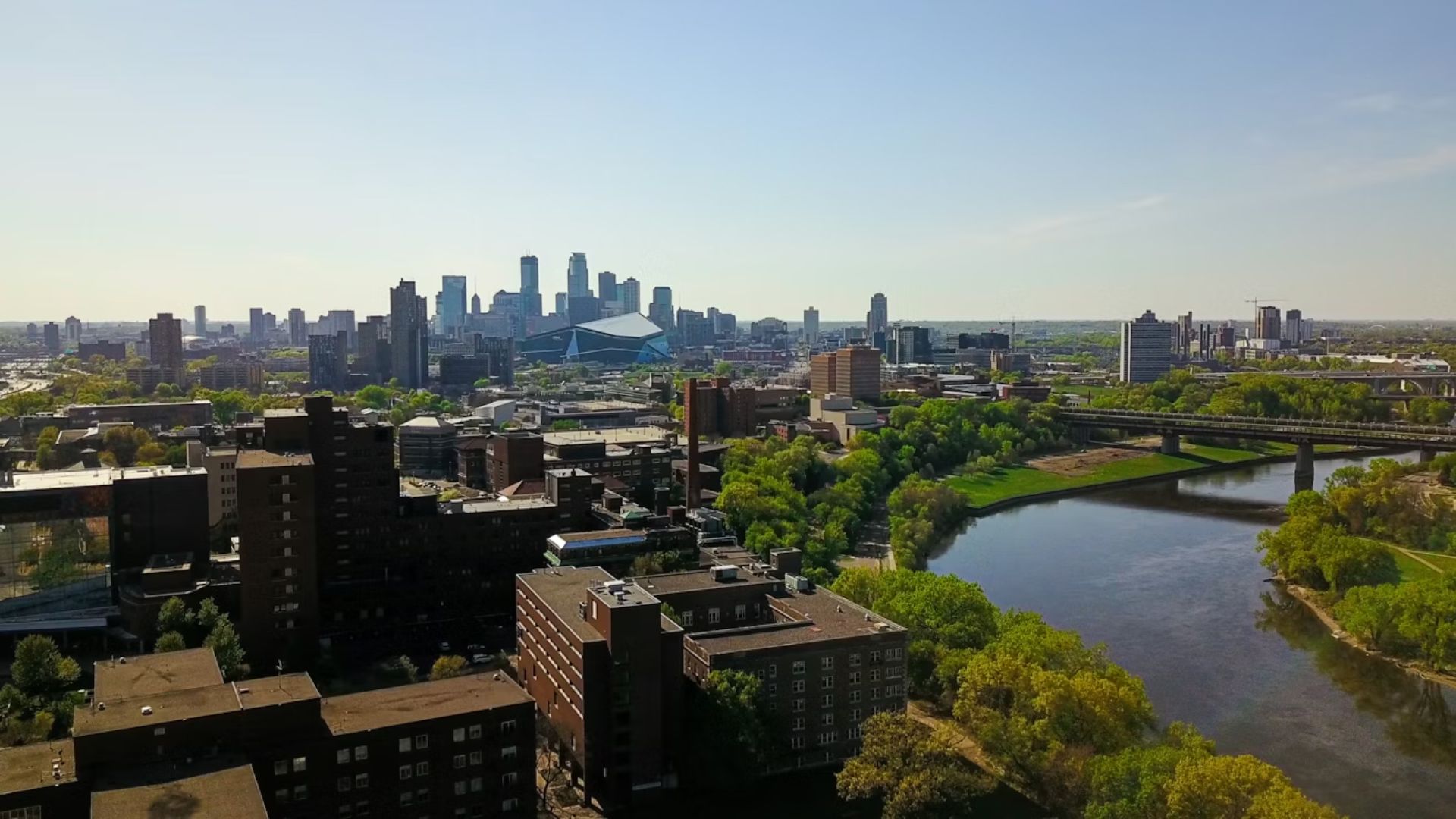
A growing number of municipalities have begun relaxing lot-size requirements to address the affordability crisis. Minneapolis, Salt Lake City, and St. Louis are among the cities that have loosened regulations in recent years. Several states, including Arizona, Utah, Texas, and Colorado, have been crafting initiatives to spur the creation of smaller, starter-friendly homes. “More and more local politicians [are] talking about wanting to do something to fix the housing affordability crisis. So you’ll start to see a wave of change happen across the country,” Divounguy said.
One Couple Made a Dozen Failed Offers Before Buying Land Instead

Sara Persechino and her husband spent three years attempting to buy a home in Hopkinton, New Hampshire, making about a dozen unsuccessful offers. “We would show up to an open house, and there would be dozens of cars. They were packed,” she said. Finally, they bought a 68-acre plot of land for just over $400,000 and plan to sell some acreage to finance construction. “We’re going to build just a small cottage, and it will be our starter home, now that we’re 37 and 40 years old, finally,” Persechino said.
Lower-Priced Homes Are Selling, but Buyers Still Got Unlucky

While owners of higher-priced homes hold onto favorable mortgage rates, those with smaller properties continue moving as families grow. Redfin’s data shows that home sales in the lowest price tier have risen for 14 months straight and are nearly 5 percent higher year over year, with those homes priced 5 to 35 percent of local median prices. Sales at middle and higher price points have risen less than 1 percent. Still, today’s starter-home seekers face unprecedented challenges, says Redfin economist Chen Zhao: “They got pretty unlucky.”