Astronomers Discover a Rogue Planet the Size of Saturn Drifting Through Our Galaxy


Astronomers have detected a rogue planet roughly the size of Saturn wandering alone through the Milky Way. Unlike most planets, it does not orbit a star but drifts through space on its own. This discovery provides a rare opportunity for experts to study a planet that does not abide by the typical rules of our solar system.
Researchers found this planet using advanced telescopes and innovative detection methods. Its isolation makes it challenging to spot, and this find highlights improvements in our ability to observe distant celestial bodies, igniting excitement in the scientific community.
Scientists say the planet’s mass and characteristics place it in a unique category of free-floating worlds. Because it does not receive heat or light from a nearby star, its atmosphere and temperature are unlike any other planet in our solar system. These conditions make it especially interesting for study.
What Makes Rouge Planets Special
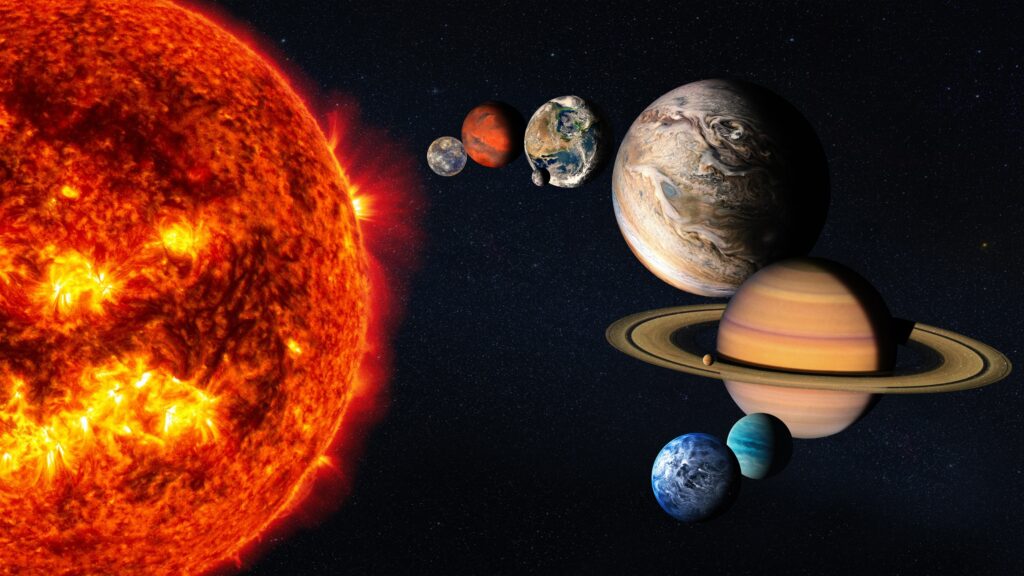
Rogue planets are celestial bodies that have been ejected from their original systems or formed independently of stars. They wander alone through the galaxy, unbound by the gravitational pull of a sun. This particular find is one of the most massive and well-characterized rogue planets discovered so far.
Studying such planets helps astronomers understand the dynamics of planetary systems, including how planets form and evolve. It also sheds light on the mechanisms that can eject planets from their host systems. These insights expand our knowledge of the variety and distribution of planets in the galaxy.
Because rogue planets do not orbit stars, they emit very little light, making them difficult to detect with traditional methods. Researchers instead rely on techniques that measure how their gravity affects background light or other celestial objects. This approach has increased the chances of spotting these elusive worlds.
The Significance of The Saturn-Sized Planet
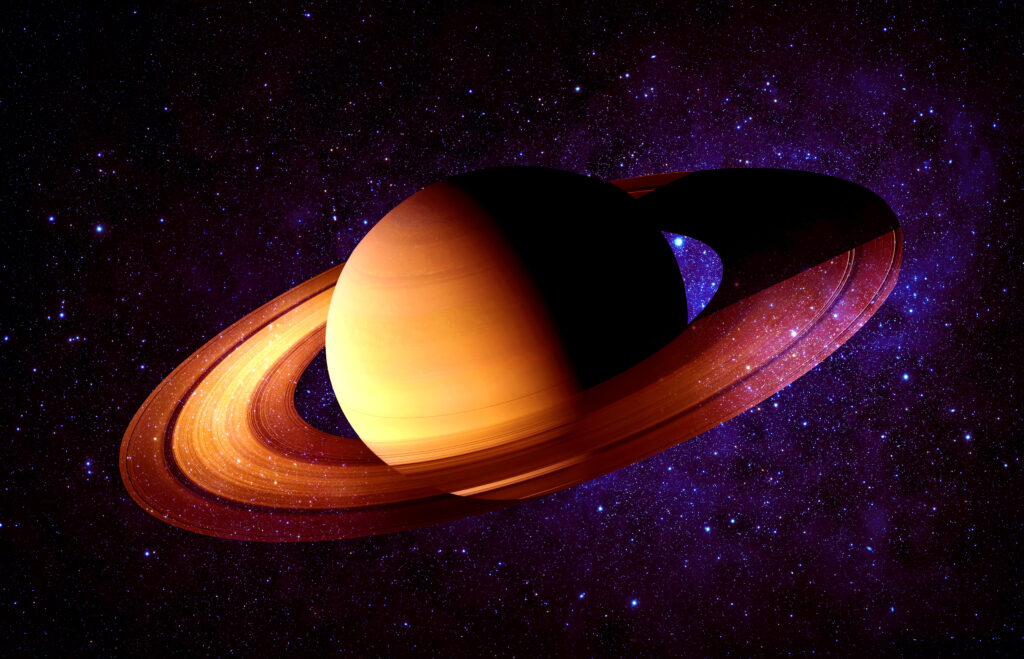
The newly discovered rogue planet is roughly the size of Saturn, placing it among the larger known free-floating planets. Its size suggests it retains a thick atmosphere, though one very different from planets that circle stars. Scientists are eager to learn more about its composition and thermal properties.
This discovery also raises questions about how many more such planets may be drifting unseen through our galaxy. Some estimates suggest that rogue planets could be as numerous as stars. Confirming and studying more of these objects will require continued advances in telescope sensitivity and observational techniques.
Astronomers hope future observations will reveal additional details, including whether the planet has moons or rings. Each new piece of data adds to a more complete picture of these solitary wanderers. Continued research may help answer fundamental questions about planetary origins and the structure of our galaxy.
What This Means For Astronomy and Beyond
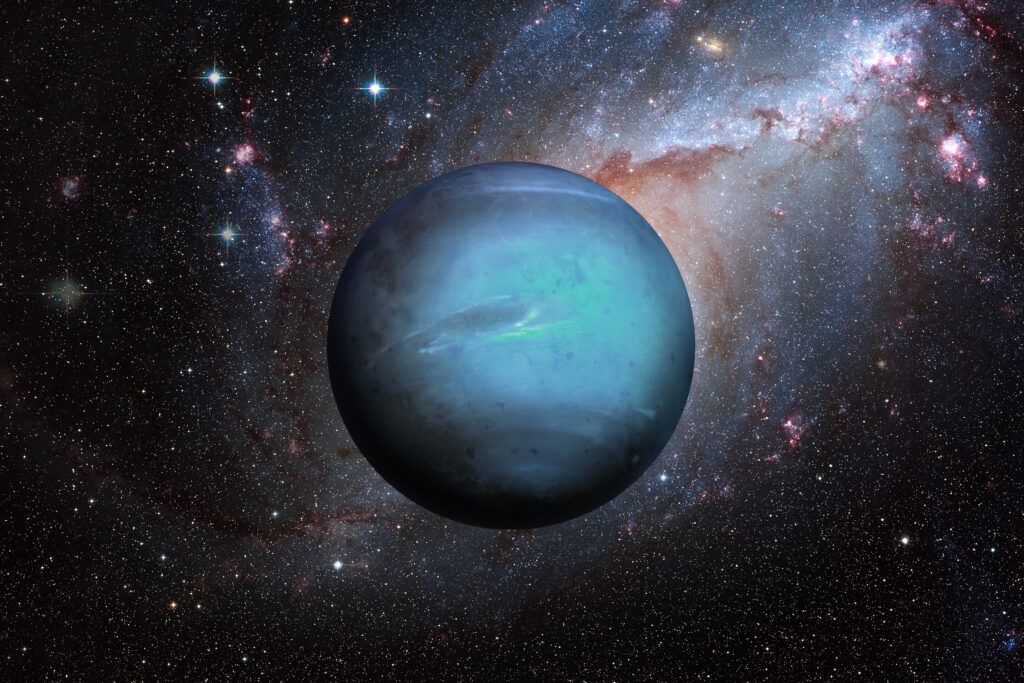
Finding a rogue planet the size of Saturn expands our view of the cosmic landscape. Instead of a galaxy filled only with star-based planetary systems, researchers now confirm that independent worlds also roam the Milky Way. This changes how scientists think about where and how planets exist.
The discovery highlights the importance of persistent exploration and technological innovation in astronomy. Tools that push observational limits are unlocking phenomena once thought hypothetical. As researchers refine their methods, more discoveries like this one are expected.
For the public, it’s a compelling reminder that our galaxy still holds mysteries far beyond our solar system. Each new find provides a glimpse into the complexity and diversity of the universe. Rogue planets, once relegated to theory, are now becoming subjects of direct scientific study.