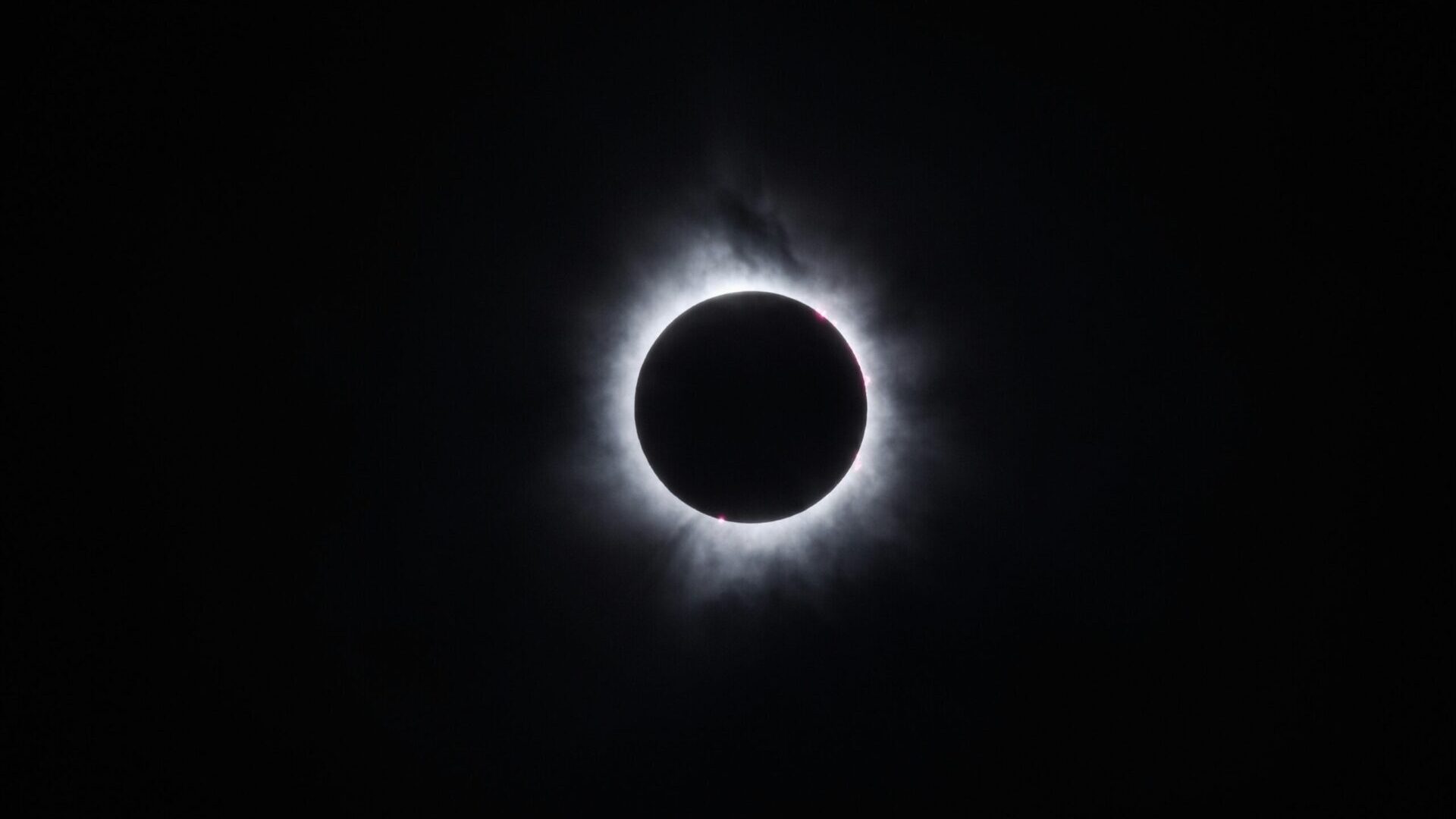
‘Ring of Fire’ Solar Eclipse Set to Appear in 2026


From glowing supermoons to dramatic eclipses and rare planetary meetups, 2026 is shaping up to be an unforgettable year for moon lovers. Whether you’re a casual stargazer or someone who plans nights around the sky, this lunar calendar offers plenty of reasons to look up.
Most of these events can be enjoyed with the naked eye, while binoculars or a small telescope can reveal even more detail. Here are the 13 must-see moon events of 2026, in chronological order.
The year starts bright and close. January opens with a supermoon, and the months that follow deliver eclipses, planetary conjunctions, and one of the closest full moons in years.
Supermoons and Stunning Eclipses
Wolf Moon Supermoon, Jan. 3, 2026, at night. The first full moon of 2026 will also be a supermoon, appearing larger and brighter as it reaches one of its closest points to Earth.
“Ring of Fire” Annular Solar Eclipse, Feb. 17, 2026, during the daytime. The moon will block up to 96% of the sun, creating a fiery ring effect that will be visible mainly from Antarctica and nearby regions. Blood Moon Total Lunar Eclipse, March 2–3, 2026, from night into early morning. The full Worm Moon will turn deep red for nearly an hour during the last total lunar eclipse until 2029.
Eclipses aren’t the only highlights. Total Solar Eclipse, Aug. 12, 2026, during the daytime. The moon will completely block the sun for parts of Greenland, Iceland, and Spain, while much of Europe sees a dramatic partial eclipse. Partial Lunar Eclipse, Aug. 27–28, 2026, after dark. Though not total, this eclipse will still paint most of the moon in reddish hues as Earth’s shadow sweeps across it.
Crescent Moons and Rare Planetary Meetups

Crescent Moon and Mercury, Feb. 18, 2026, after sunset. A razor-thin crescent moon meets elusive Mercury low in the western sky, with Venus and Saturn nearby. Crescent Moon and Venus, March 20, 2026, after sunset. A young moon hangs just above brilliant Venus, creating a striking early-evening pairing. Crescent Moon, Venus, and the Pleiades, April 19, 2026, after sunset. The moon passes close to the Seven Sisters star cluster, with Venus shining below, creating a wide-field skywatching treat.
The fall skies bring even closer encounters. Moon in the Beehive Cluster, Sept. 8, 2026, before sunrise. A waning crescent moon drifts beneath the Beehive Cluster, also known as M44, and is best viewed with binoculars.
Moon and Saturn Conjunction, Sept. 26, 2026, after sunset. Saturn shines near the moon just before it turns full, making the ringed planet easy to spot. Crescent Moon and Jupiter, Oct. 6, 2026, before sunrise. An exceptionally close conjunction places the moon and Jupiter just arc seconds apart, creating a rare and special sight. Crescent Moon with Mars and Jupiter, Nov. 2, 2026, before sunrise. The moon visits Mars, with Jupiter glowing nearby, forming a dynamic planetary trio.
The Biggest Moon of the Year
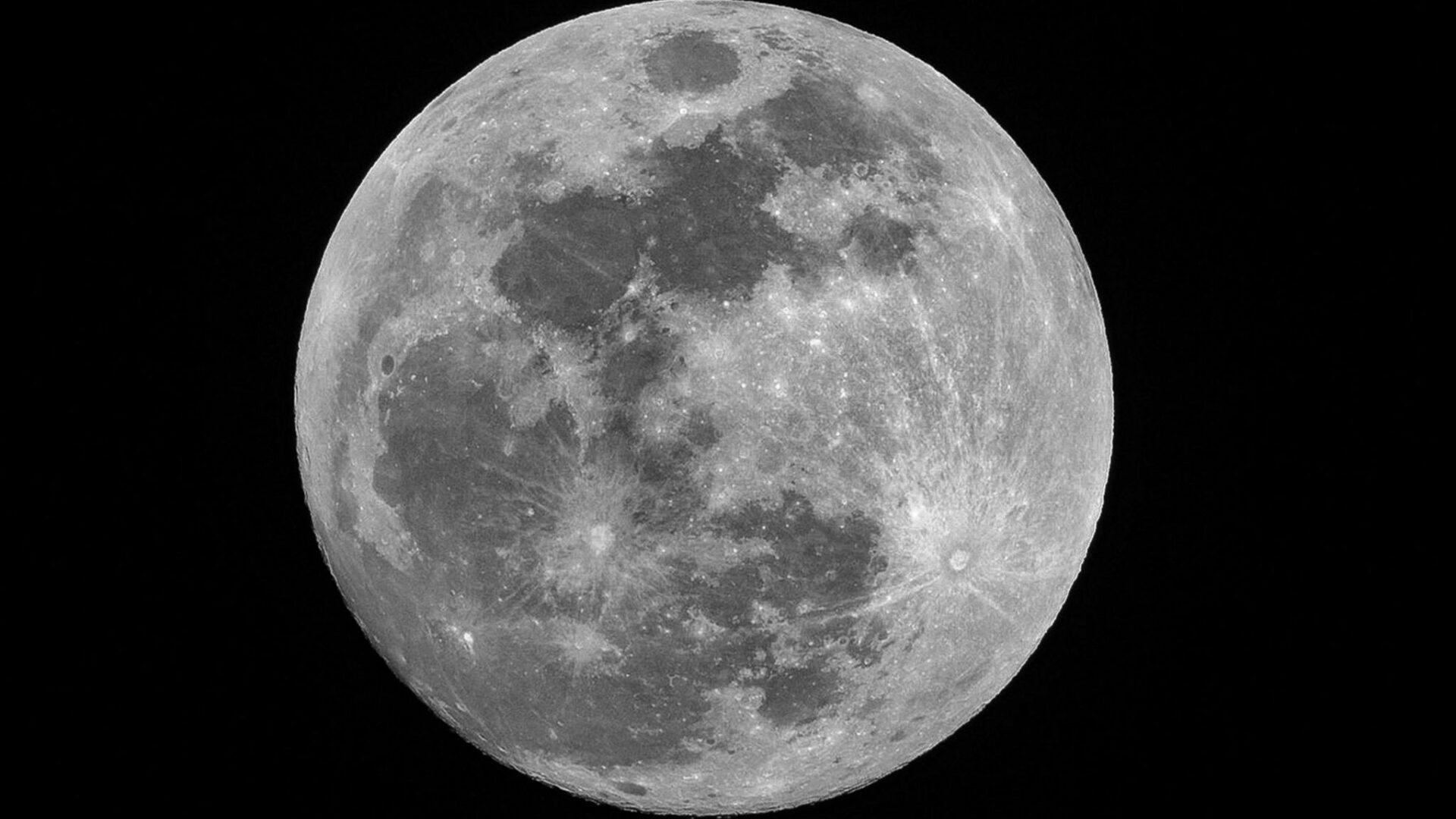
Closest Supermoon Since 2019, Dec. 23, 2026, at dusk. The final supermoon of 2026 will be the closest full moon to Earth in nearly eight years, making it the largest and brightest of the year. At just 221,668 miles away, it edges out the famous 2019 supermoon and won’t be beaten again until 2028 and 2029.
A perfect finale. From eclipses to intimate planetary encounters, 2026 offers a lunar lineup that rewards patience, curiosity, and clear skies. Whether you catch one event or all thirteen, it’s a year that proves the moon never stops putting on a show.