Women Live 13% Longer Than Men, and Scientists Just Found Out Why


No matter where you look in the world, women tend to live longer than men, a pattern that has puzzled scientists for decades. Modern medicine has helped shrink the lifespan gap in some places, but researchers say it is unlikely to disappear altogether. In the largest analysis of its kind, an international team from the Max Planck Institute for Evolutionary Anthropology in Leipzig, Germany, studied how lifespan differences between males and females appear across the animal kingdom.
The scientists examined data from 1,176 species of mammals and birds. Their findings revealed striking patterns: 72 percent of female mammals live 13 percent longer than males on average. Birds showed the opposite trend, with 68 percent of males outliving females by roughly five percent. According to the researchers, these longevity gaps have evolutionary origins that stretch back millions of years, influencing survival patterns we still observe today.
The study points to several biological and behavioral factors working in combination. Genetic differences in sex chromosomes, competitive mating behaviors that physically tax males, and parental investment strategies all contribute to longevity patterns. Understanding why this gap exists requires looking at how evolution shaped reproduction, competition, and caregiving across species. The answers help explain not just human lifespans, but survival differences throughout nature.
Sex Chromosomes Offer Protection, But Only Tell Part of the Story
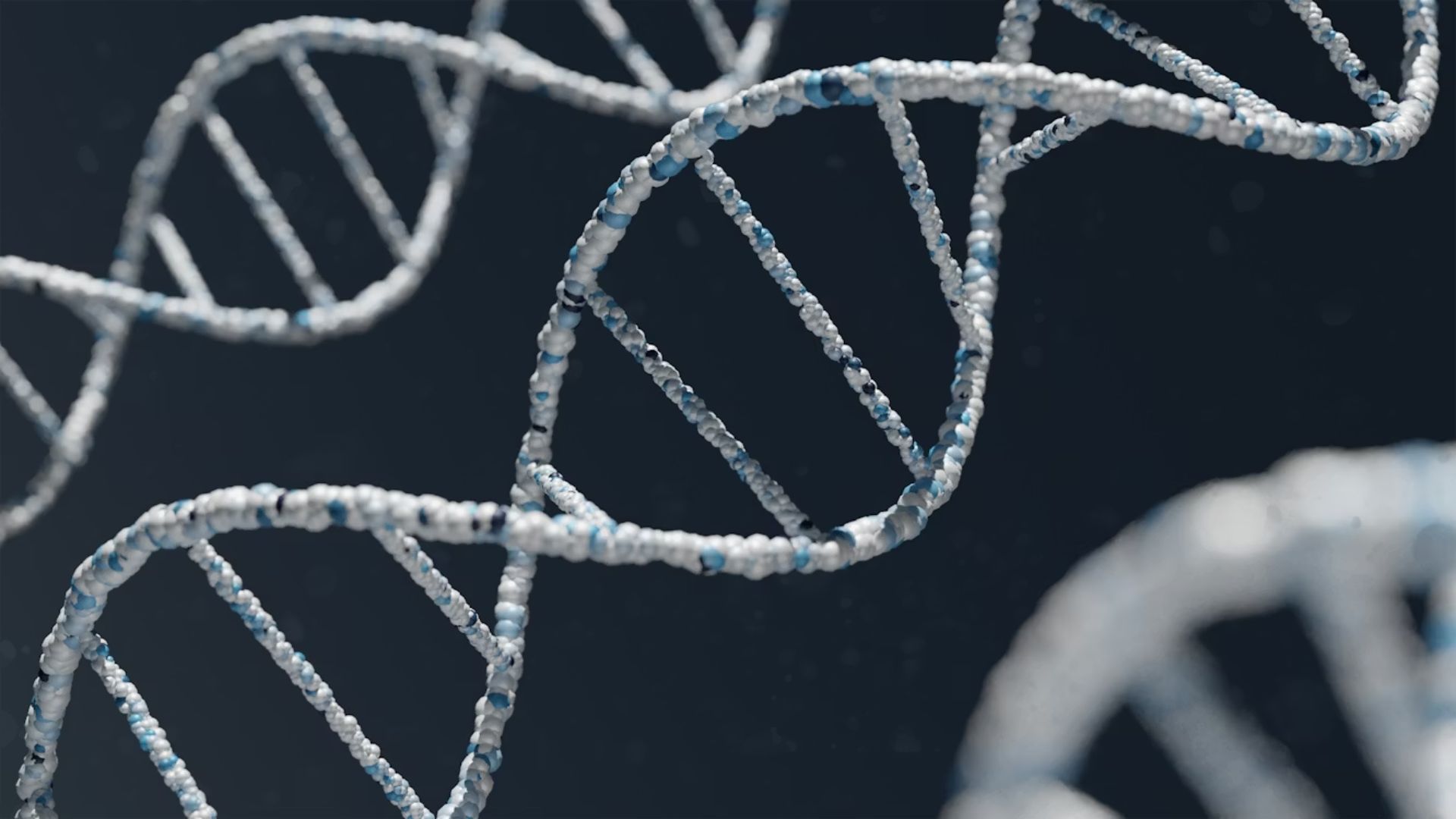
One explanation centers on sex chromosomes, known as the heterogametic sex hypothesis. Female mammals carry two X chromosomes, while males have one X and one Y, making them heterogametic. Research suggests the double X provides a survival edge: if one chromosome carries a harmful mutation, the second can compensate. This genetic backup system may shield females from certain diseases and defects that affect males more severely.
Birds flip this pattern entirely, with females as the heterogametic sex. Yet longevity doesn’t always follow the chromosome rule. Lead author Johanna Stärk pointed out key exceptions. “Some species showed the opposite of the expected pattern,” she said in a statement. “For example, in many birds of prey, females are both larger and longer-lived than males. So sex chromosomes can only be part of the story.”
The chromosome theory provides valuable insight, but it can’t explain every case. Genetic factors interact with the environment and behavior in ways scientists are still mapping. While chromosomal differences create a foundation for sex-based survival gaps, they don’t account for the variety of patterns observed across mating systems and species. Other forces, particularly those tied to reproduction and caregiving, play equally important roles.
Mating Competition and Parental Investment Shape Survival Rates
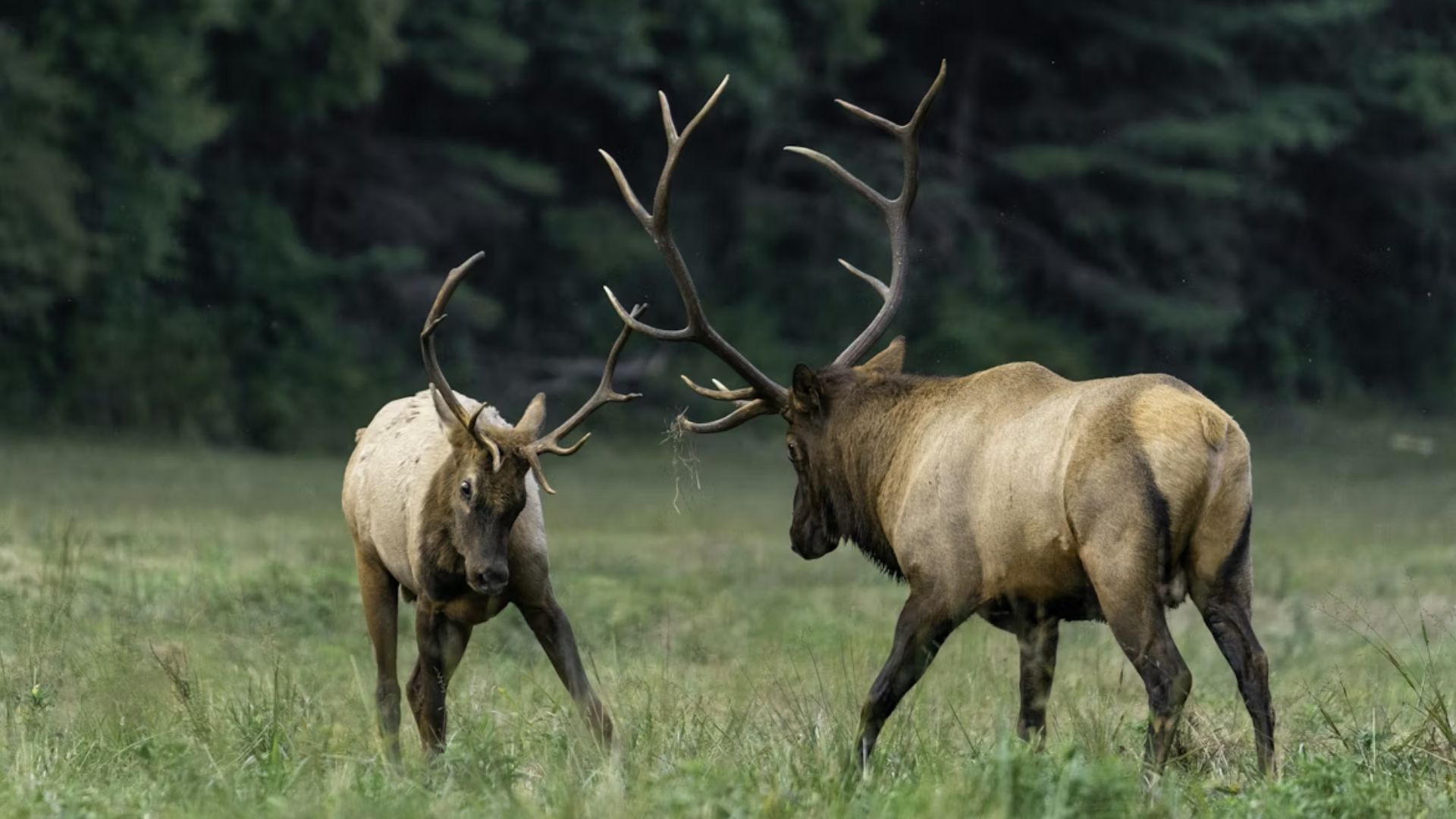
Reproductive strategies strongly influence which sex lives longer. The study found that in polygamous mammals where males compete intensely for mates, males typically die earlier than females. Fighting for territory, battling rivals, and maintaining dominance hierarchies exact a steep physical cost. Injuries from combat, chronic stress, and massive energy expenditure add up over time. These pressures shorten male lifespans in species where securing reproduction means constant competition.
Birds tell a different story. Most bird species practice monogamy, which reduces competitive pressure, and males often outlive females. Without constant battles for mates or territory, male birds avoid much of the physical damage their mammalian counterparts endure. Pair bonding allows males to channel energy toward survival rather than fighting. This contrast between bird and mammal mating systems explains much of the longevity reversal between these groups.
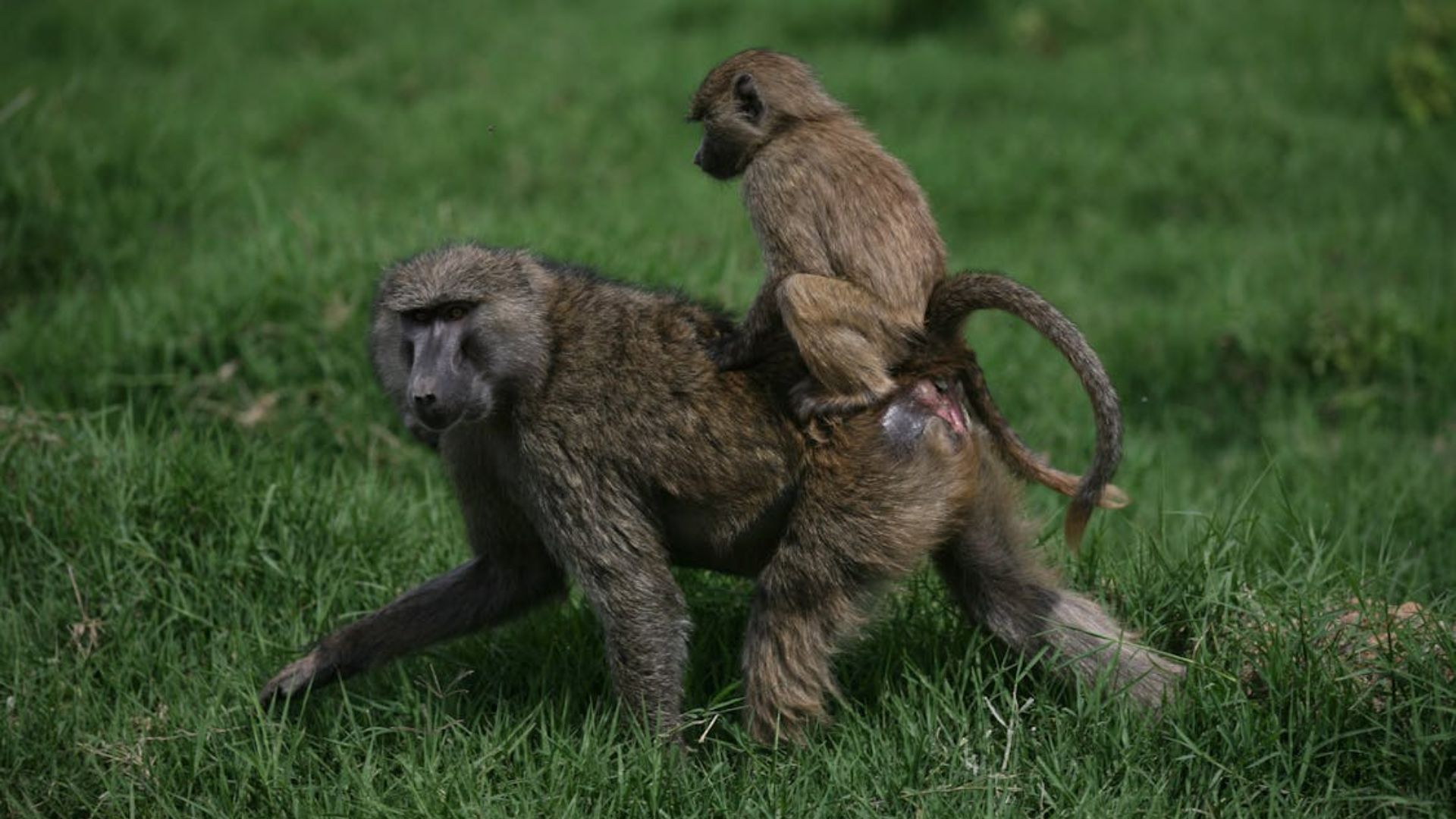
Parental investment creates another survival advantage. The sex that invests more energy in raising offspring tends to live longer, which in mammals usually means females. Among long-lived species like primates, this becomes especially important. Mothers must survive long enough to raise their young to independence or sexual maturity. Evolution favors traits that extend female lifespans in species with lengthy childhood periods, because offspring survival depends on prolonged maternal care.
The Longevity Gap Persists Even in Protected Environments
Researchers also studied zoo populations to separate biological factors from environmental risks. In captivity, animals face no predators, receive consistent food and medical care, and avoid harsh weather. This controlled setting revealed something important: the lifespan gap shrank but didn’t disappear. The finding suggests that while dangers like predation and food scarcity widen mortality differences between sexes, they aren’t the sole cause of longevity patterns.
The gap’s persistence in zoos points to inherent biological differences that exist regardless of external threats. Even with abundant resources and veterinary care, females in most mammal species maintain their survival advantage. The combination of chromosomal protections, hormonal differences, and evolutionary adaptations favoring female longevity operates beyond environmental conditions. Biology, not just circumstance, drives the pattern researchers observed across more than a thousand species.
The analysis reveals that female longevity in mammals stems from interconnected factors rather than one simple cause. Sex chromosomes, mating systems, caregiving strategies, and evolutionary pressures all contribute to the pattern humans share with countless other species. While modern medicine continues improving life expectancies for everyone, these fundamental biological differences suggest the gap will remain. The reasons women outlive men aren’t accidents of circumstance but products of millions of years of evolution.