‘Gateway to Hell’ Supervolcano Wakes Up, Threatens 500,000 Residents in the Red Zone

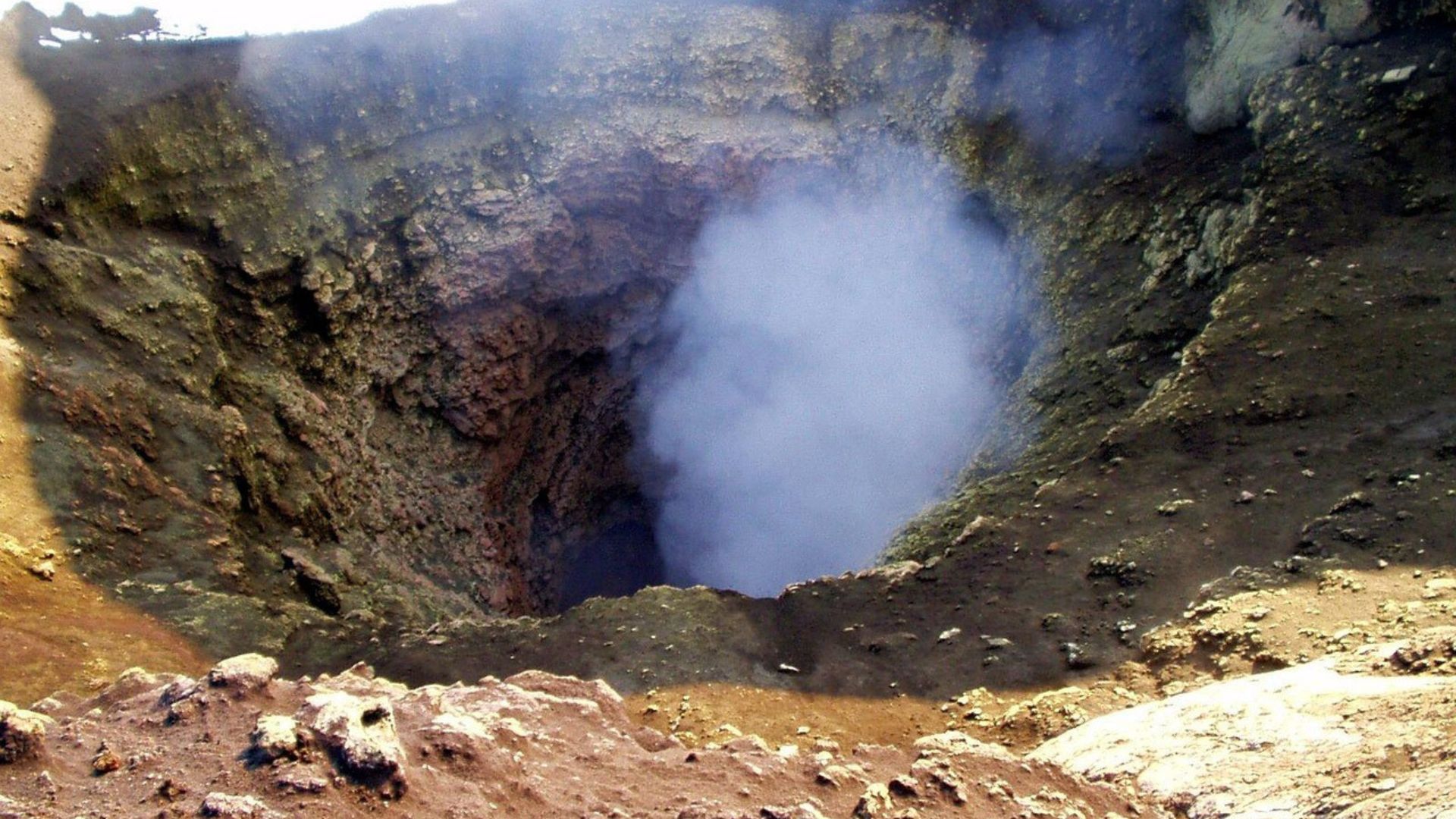
Beneath the western outskirts of Naples, one of Europe’s most complex volcanic systems is entering a phase of renewed unrest. Campi Flegrei, a vast caldera rather than a single volcanic cone, has shown clear signs of acceleration in seismic activity and ground deformation. For scientists, these signals demand close attention. For the roughly 500,000 people living within the official red zone, they raise pressing questions about safety, preparedness, and the future of daily life in a restless landscape.
A Volcanic Giant Beneath Naples
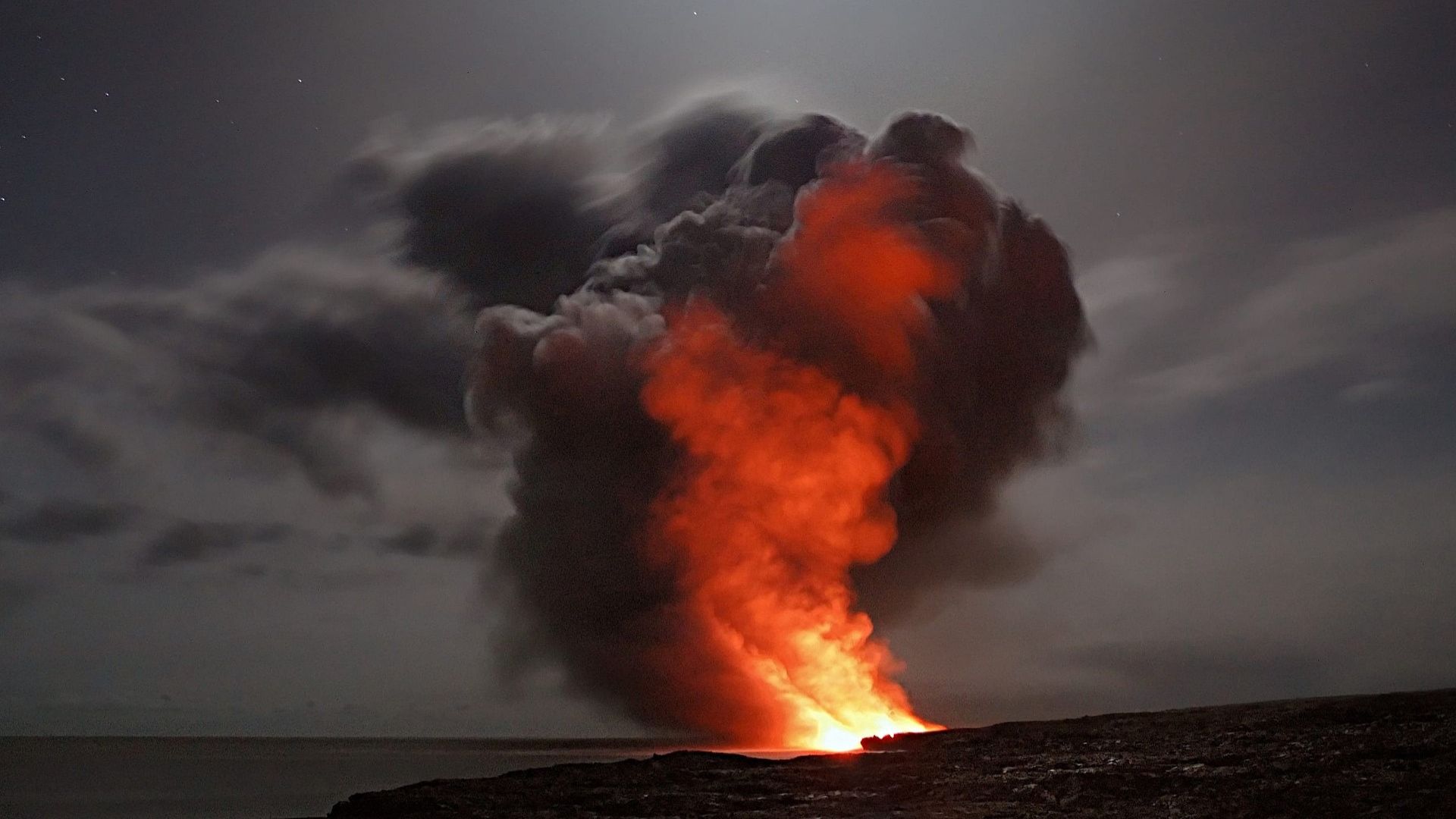
Campi Flegrei covers a broad area west of Naples, encompassing towns, neighborhoods, and critical infrastructure. The caldera was formed by enormous eruptions thousands of years ago, leaving behind a fractured crust that remains sensitive to changes deep underground. Over the past two decades, precise satellite and GPS measurements have recorded several feet of vertical uplift, indicating that pressure continues to accumulate beneath the surface. This slow but persistent movement is one of the clearest signs that the system is active.
A Strong Earthquake Signals Escalation
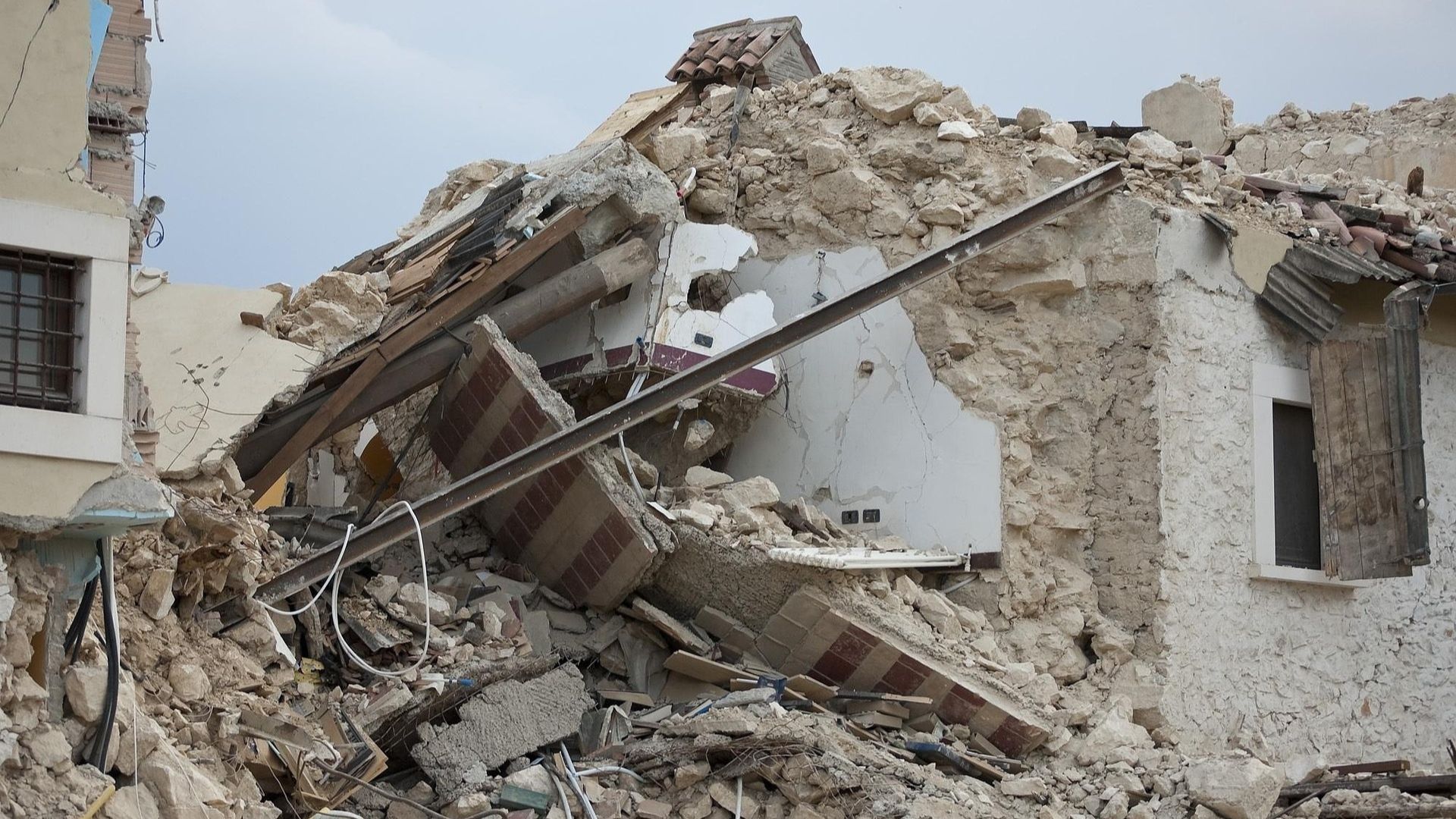
In June 2025, a magnitude 4.6 earthquake shook the region, rattling homes and alarming residents across the bay. It was the strongest tremor recorded in the area in nearly forty years. While the quake caused limited structural damage, its importance lies in its context. Scientists view it as part of an intensifying pattern rather than an isolated event, reinforcing concerns that stress within the caldera is increasing.
The Slow Rise of the Ground
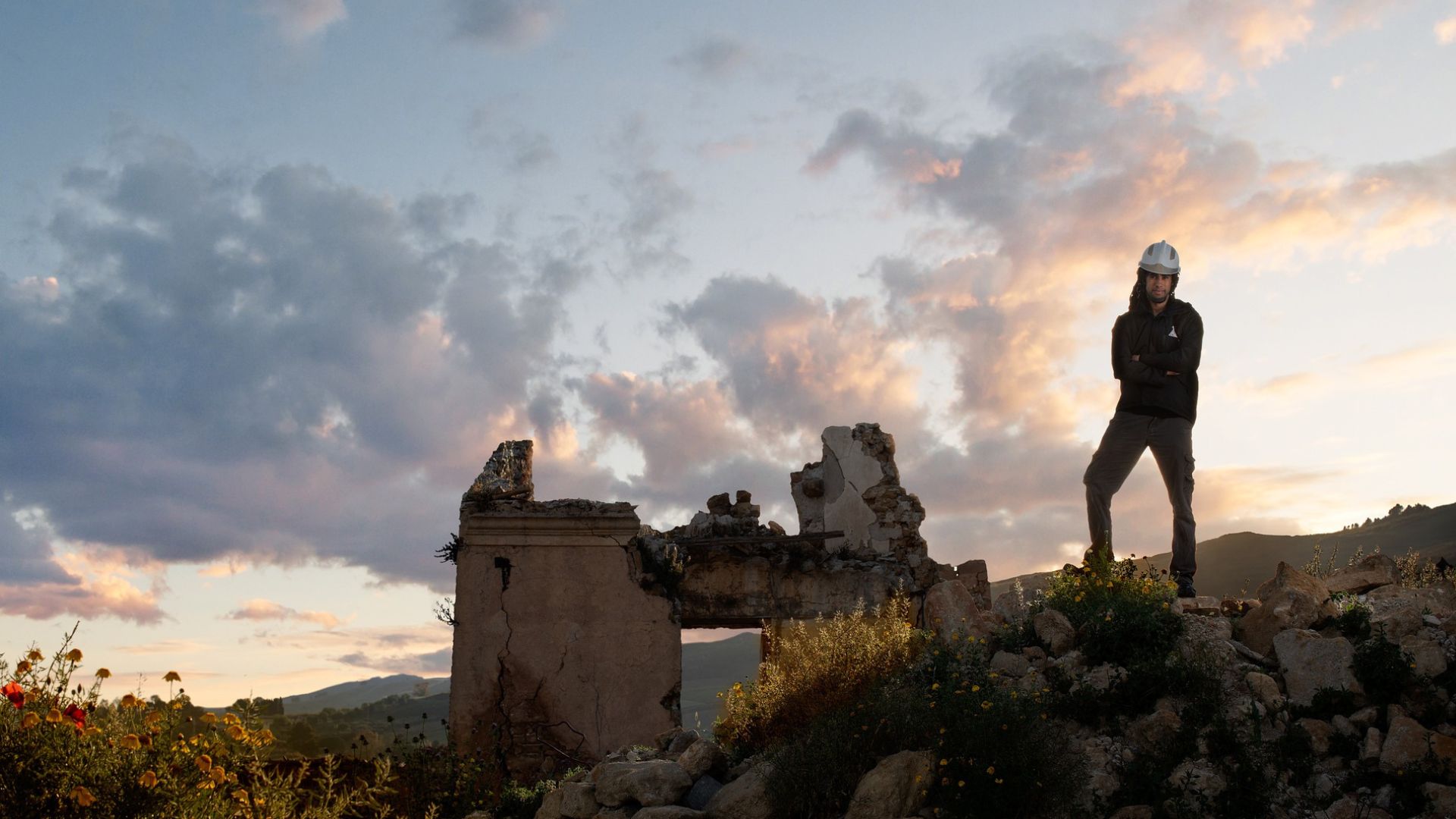
Earthquakes are only part of the story. Since around 2005, the ground around Pozzuoli has been steadily rising, a phenomenon known as bradyseism. In total, uplift now exceeds four feet in some areas. Each phase of upward movement is accompanied by clusters of small earthquakes, suggesting that fluids and gases are pressurizing the shallow crust. These changes may unfold gradually, but their cumulative impact is significant.
Myth, History, and the Underworld
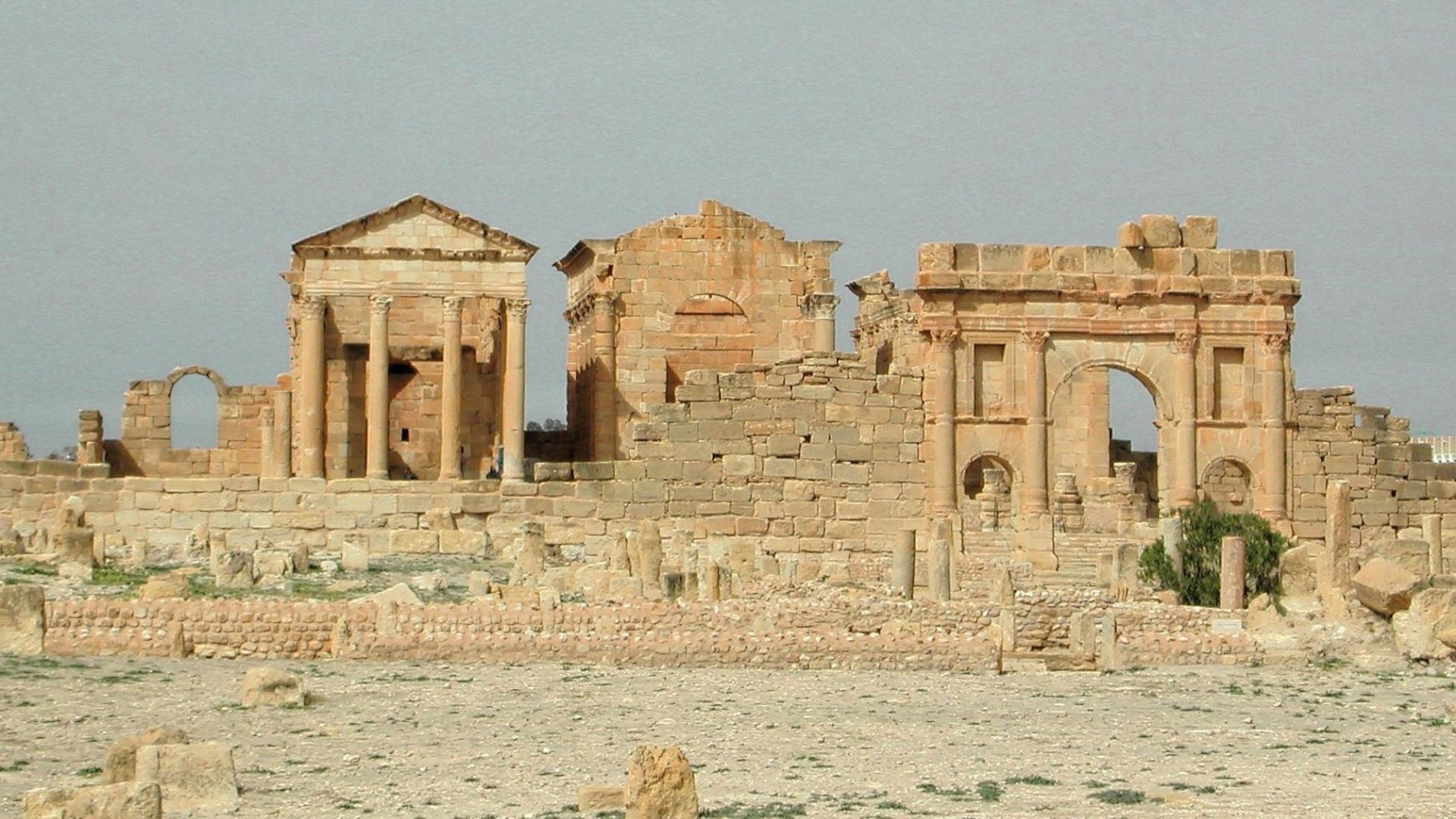
The unsettling nature of Campi Flegrei has been recognized for centuries. Ancient Roman writers described parts of the area, including Lake Avernus, as an entrance to the underworld, citing toxic fumes and barren surroundings. Nearby sites such as Solfatara still release sulfur-rich steam today. While modern science has replaced mythology, the language of gates and underworlds persists as a metaphor for a landscape shaped by powerful forces beneath the ground.
Echoes of Past Crises
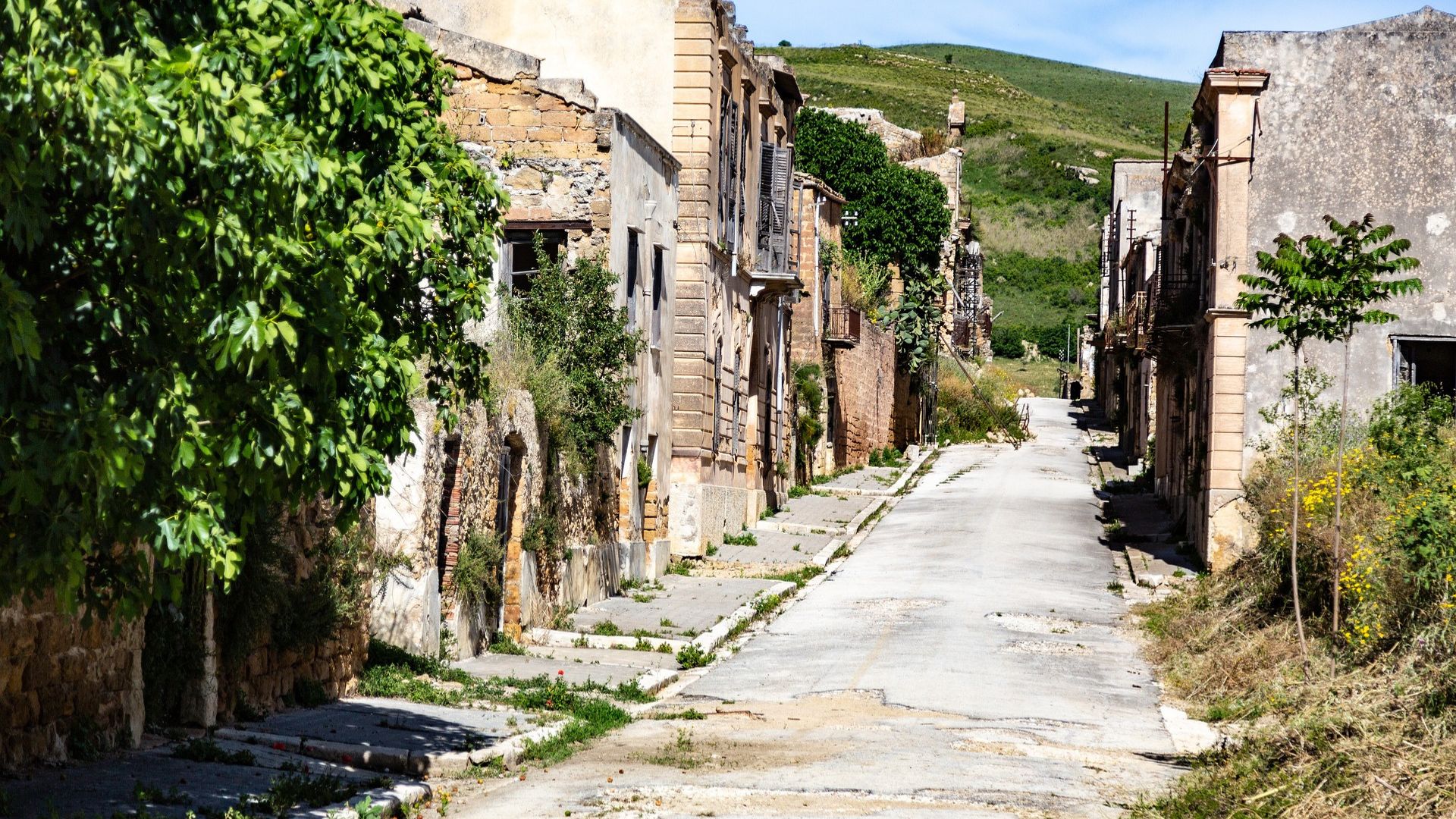
This is not the first time Campi Flegrei has shown alarming behavior. During the early 1980s, rapid uplift and frequent earthquakes forced the evacuation of tens of thousands of residents from Pozzuoli’s historic center. Buildings cracked, streets warped, and entire districts were abandoned. The current phase of unrest resembles that episode, but it has lasted far longer, raising questions about how long the system can remain unstable without erupting.
A Super-Eruption in Deep Time
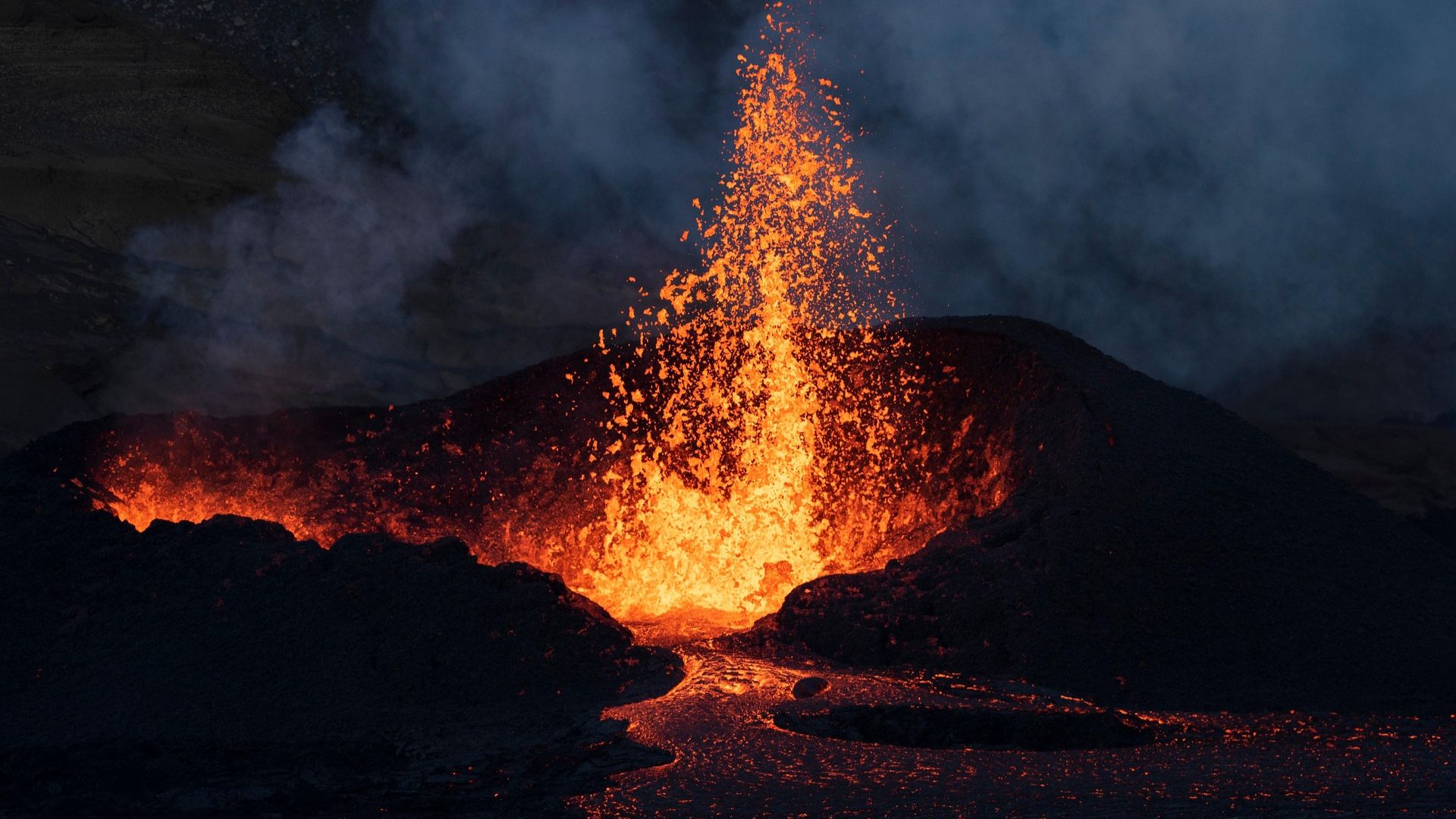
Geological evidence shows that Campi Flegrei is capable of extraordinary eruptions. Around 14,000 to 15,000 years ago, the Neapolitan Yellow Tuff eruption released vast amounts of ash, reshaping the region and affecting much of Europe. That event helped form the caldera seen today. Although smaller eruptions have occurred since, including the Monte Nuovo eruption in 1538, none have matched the scale of the ancient blast.
Half a Million People Inside the Red Zone
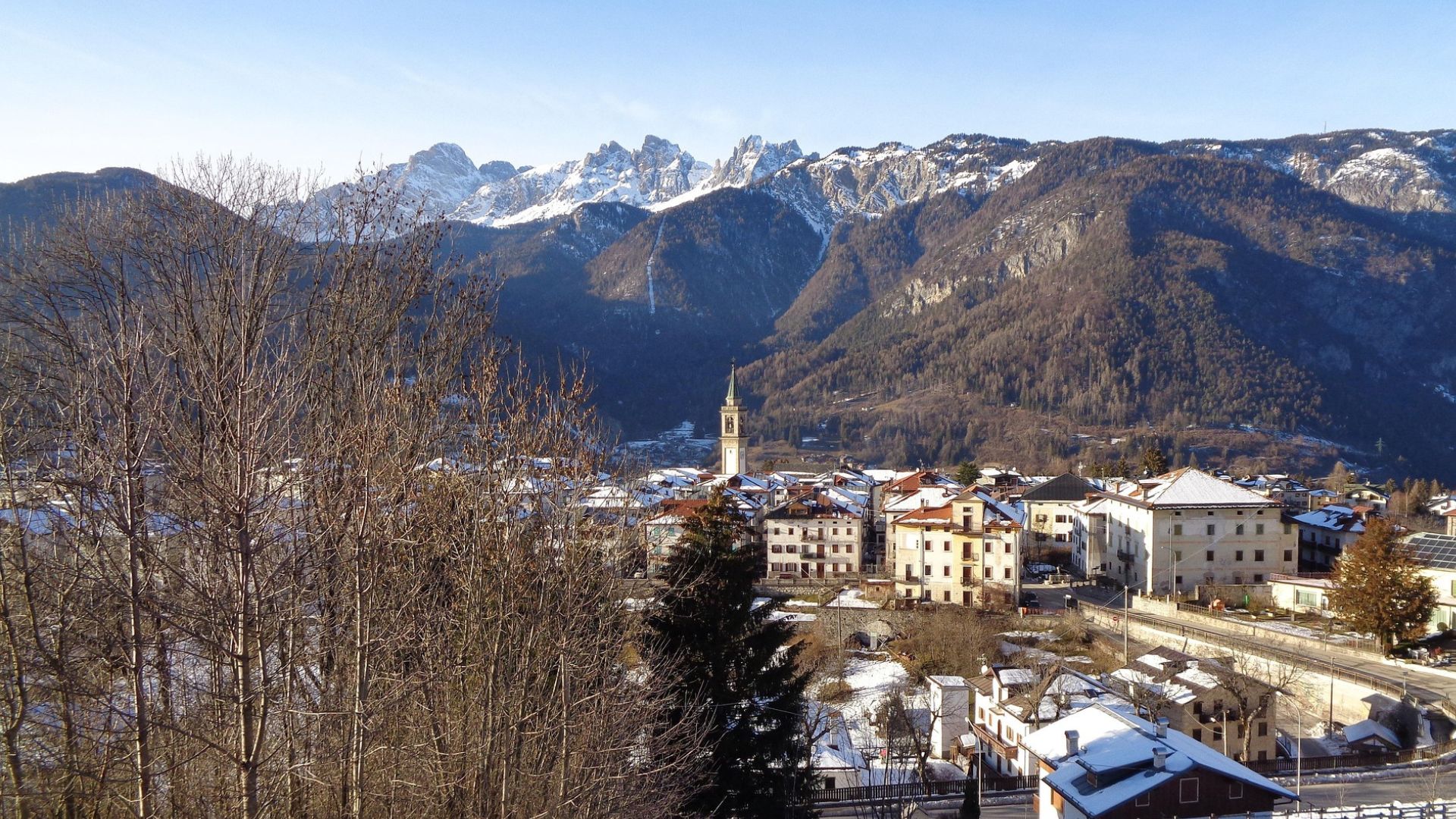
Today, approximately 500,000 people live within Italy’s designated Campi Flegrei red zone. This area includes Pozzuoli, Bacoli, Monte di Procida, Quarto, and parts of western Naples. Civil protection plans outline the evacuation of the entire population within about 72 hours if alert levels rise to the highest stage. On paper, the strategy is detailed, but its real-world execution under pressure remains a subject of debate.
Daily Life Under Constant Shaking
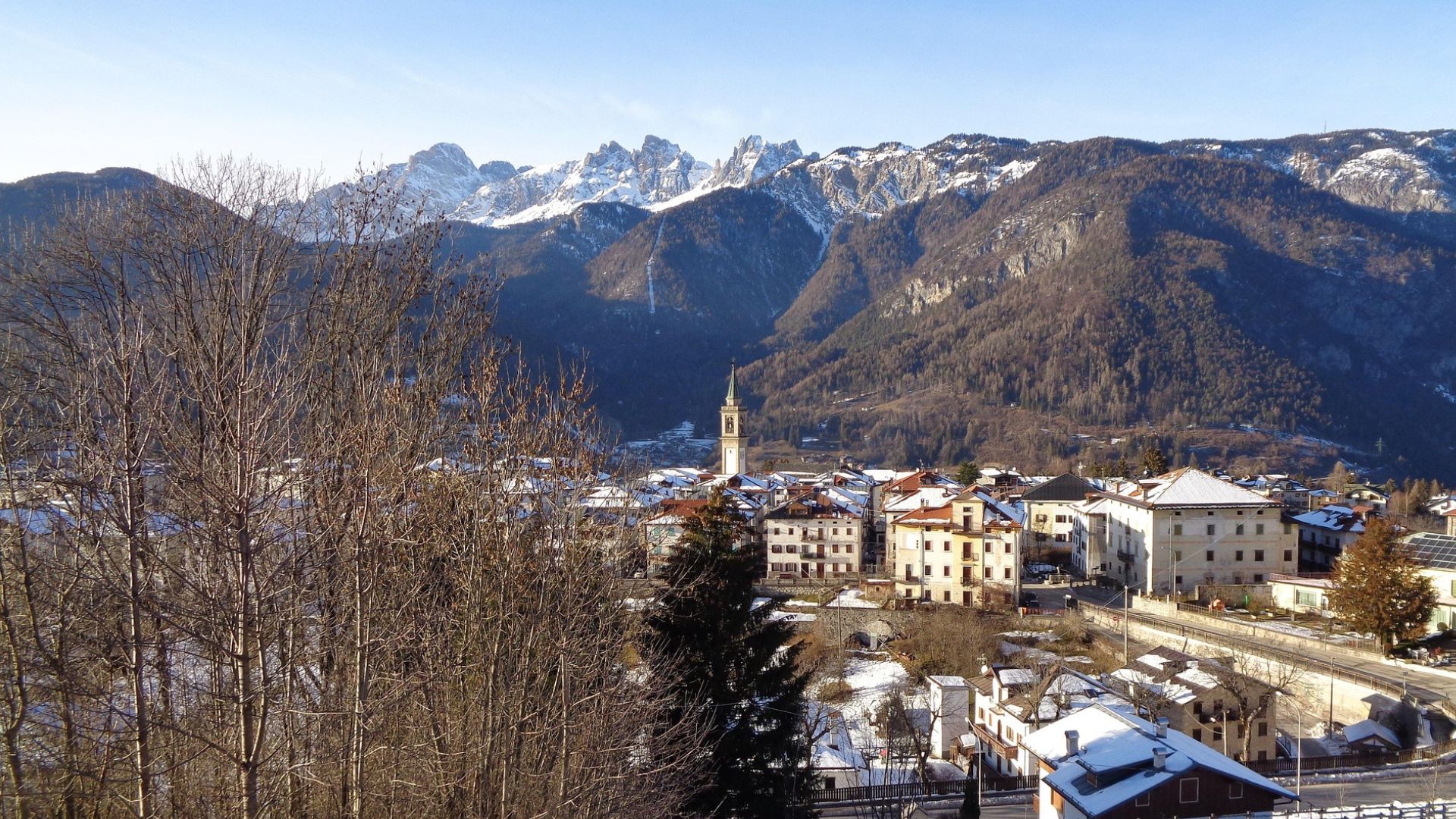
For local residents, volcanic unrest is not an abstract concept. Frequent earthquake swarms, sometimes reaching hundreds or even thousands of events per month, disrupt sleep and rattle homes. Despite this, daily routines continue. Schools remain open, businesses operate, and many residents express reluctance to consider relocation. This uneasy normality reflects both resilience and the psychological toll of living with persistent uncertainty.
A Supervolcano Under Global Watch
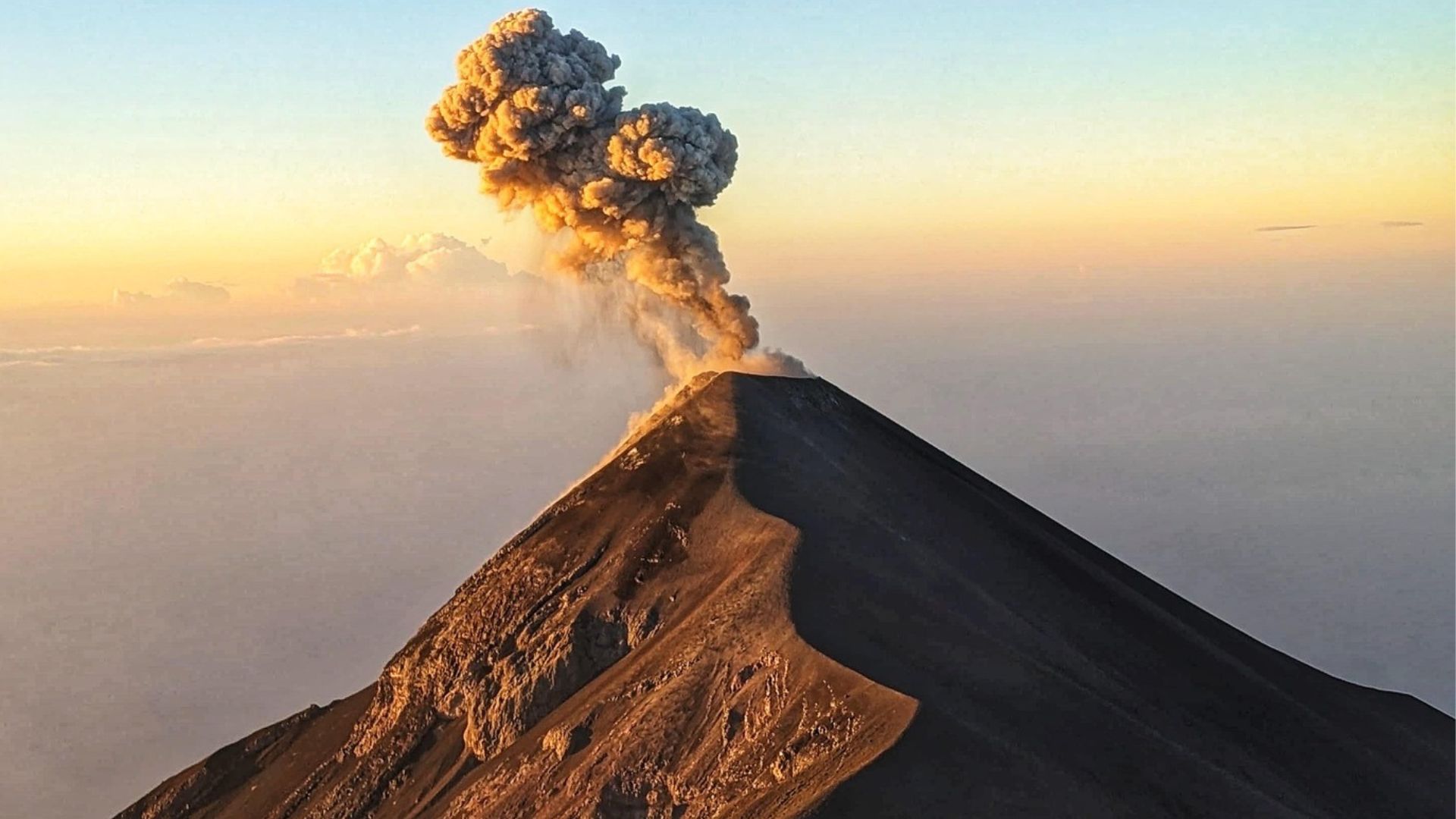
Campi Flegrei is often mentioned alongside volcanic systems like Yellowstone and Toba due to its size and eruptive potential. Its largest eruptions rank just below the most extreme category on the Volcanic Explosivity Index. For this reason, even moderate increases in activity draw global scientific attention. Researchers around the world monitor the caldera closely, aware that changes here have implications far beyond southern Italy.
New Technology Reveals Hidden Stress

Recent advances in artificial intelligence have transformed how scientists analyze seismic data from Campi Flegrei. By reprocessing years of recordings, machine-learning models identified tens of thousands of previously undetected micro-earthquakes. This dramatic increase in detected events points to widespread fracturing in the shallow crust. While many of these quakes are too small to be felt, together they suggest a system under greater strain than once believed.
Rethinking the Nature of the Risk
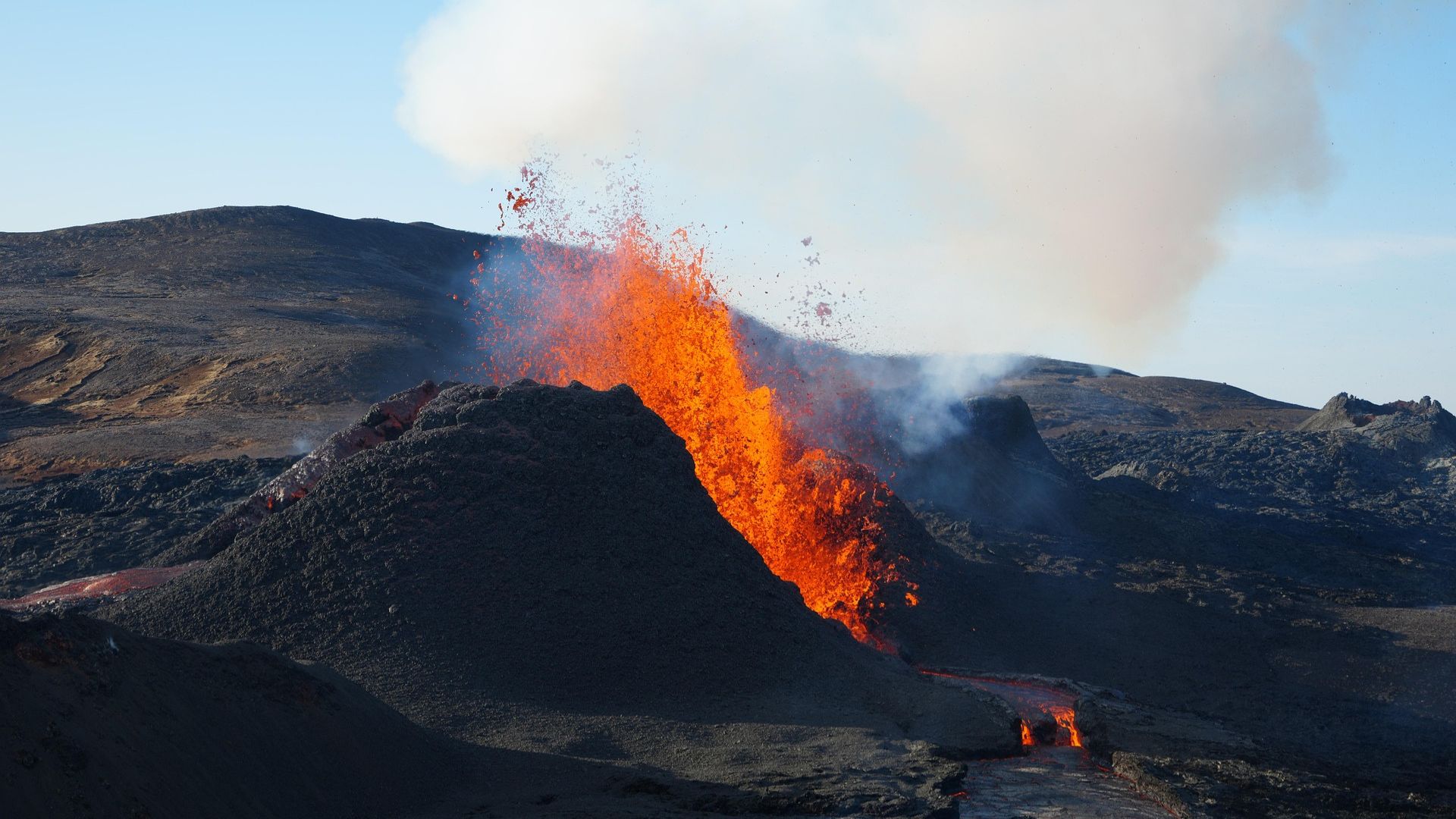
Current research indicates that much of the unrest may be driven by a hot, gas-rich hydrothermal system rather than large volumes of fresh magma rising toward the surface. This shifts expectations toward possible steam-driven or moderate magmatic eruptions instead of an immediate super-eruption. Even so, scientists stress that uncertainty remains high, and each new dataset slightly reshapes the risk assessment.
Living with an Uncertain Future
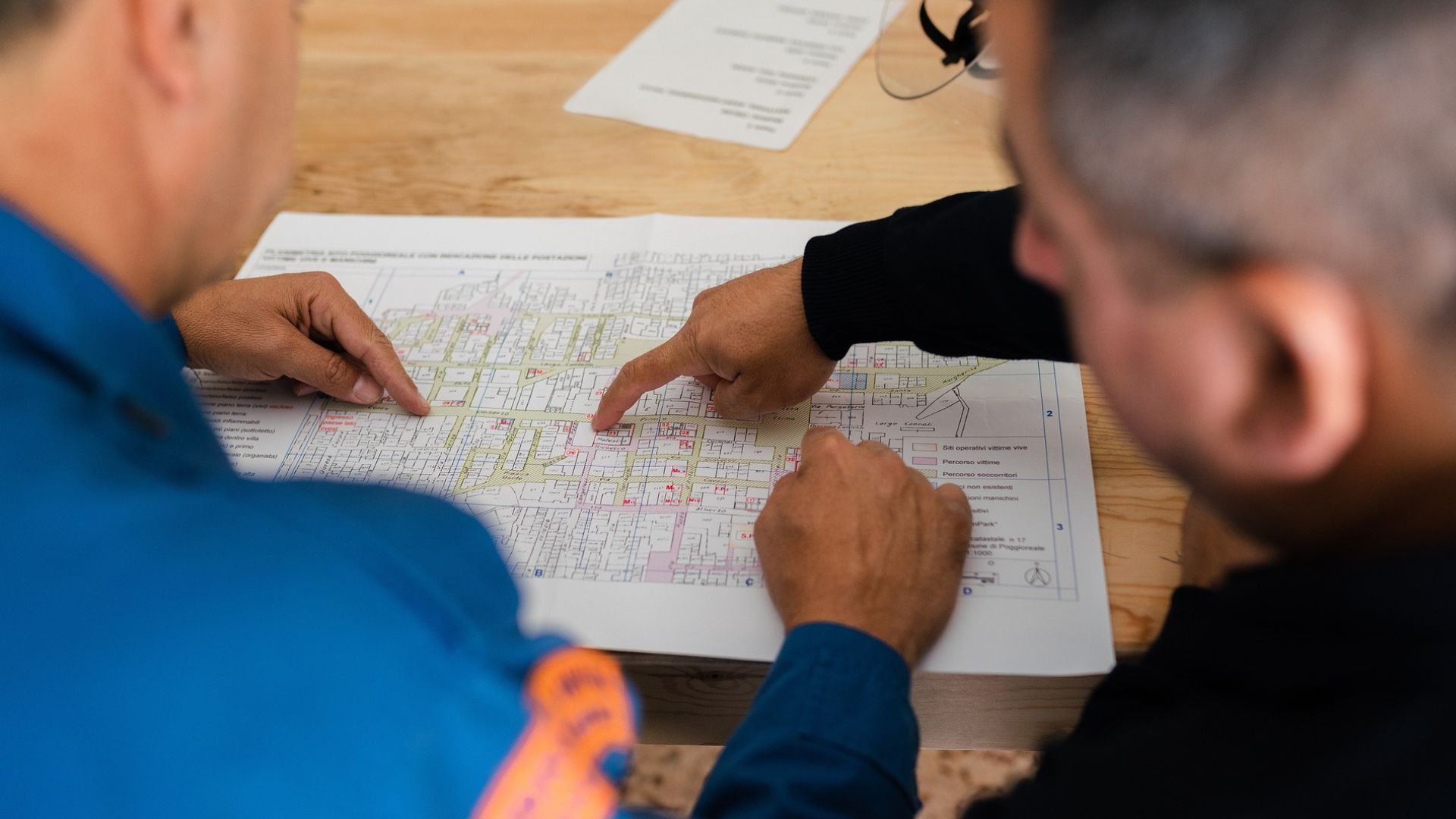
Campi Flegrei presents a profound challenge for Italy. Cultural heritage, economic realities, and family ties keep communities anchored to a landscape that continues to change beneath their feet. Monitoring systems grow more sophisticated, emergency plans evolve, and public awareness slowly increases. Yet the fundamental question persists, how long can so many people safely live within an awakening volcanic caldera.