2025’s Geminid Meteor Shower Could Be Best Stardust Show All Year
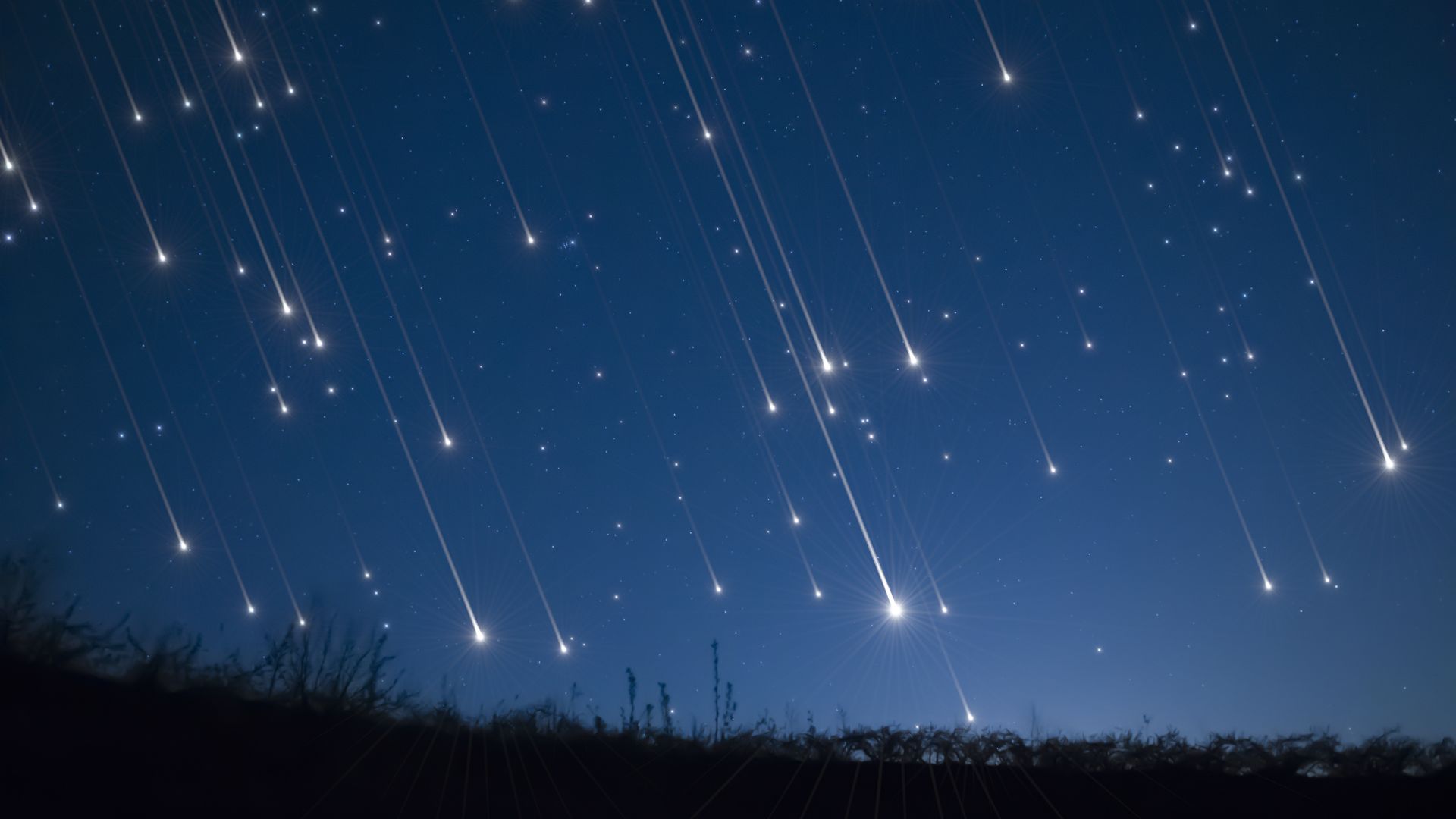

Skywatchers get a bright gift in 2025 as the Geminid meteor shower lines up for a lively show in dark December skies. The forecast points to steady streaks through the night. A mostly quiet moon helps the view, so people can head out and watch the sky spark with color. The shower builds through mid-month and brings a reliable mix of bright, slow streaks that feel easy to spot from many spots across the Northern Hemisphere.
Geminid Activity Timeline

The Geminids start on December 4 and stay active for two weeks, so skywatchers get a long window to plan. The shower builds toward the peak on December 13 and 14 when meteor rates climb and stay steady through the night. Many people watch from the Northern Hemisphere since the view lines up well there. The shower tapers after December 17 but still offers a few late streaks.
Peak Night Conditions in December

The peak on December 13 and 14 lines up with a mostly dark sky, so people get a clear view without heavy glare. A waning crescent rises later in the night and stays dim, so the sky keeps its contrast for meteor watching. The radiant climbs higher as the night moves on and gives viewers steady activity. Many watchers stay out past midnight since the pace picks up.
Moonlight Levels During the Shower
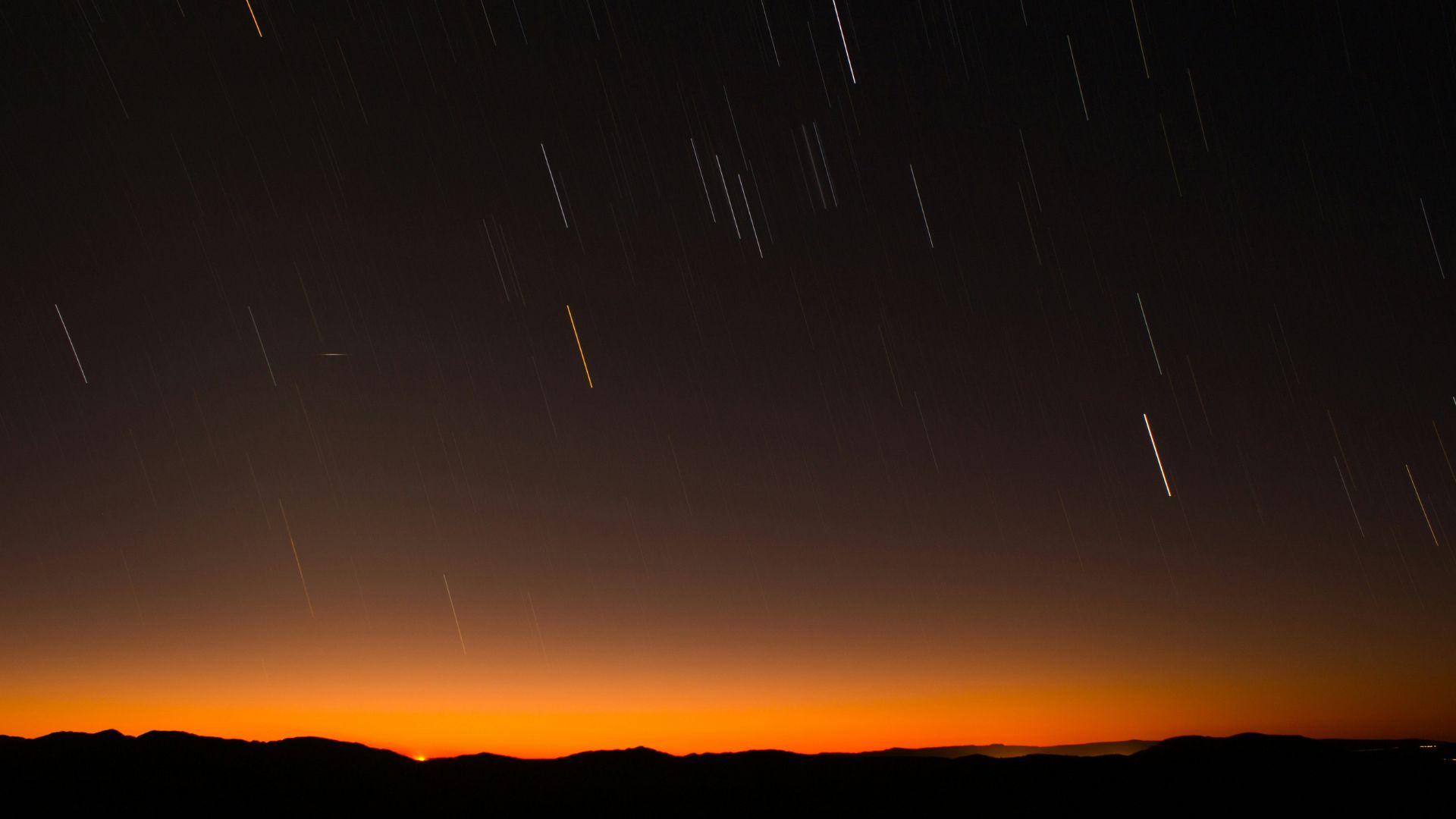
A dim waning crescent helps keep the sky darker for viewers, so people get cleaner sightlines for each streak. The moon rises around 2:30 a.m. in many regions and stays faint enough to avoid washing out the view. Many watchers like this setup since the darker backdrop makes each meteor stand out. The timing also lines up well with the radiant climbing higher in the sky.
Radiant Point Near Castor and Pollux
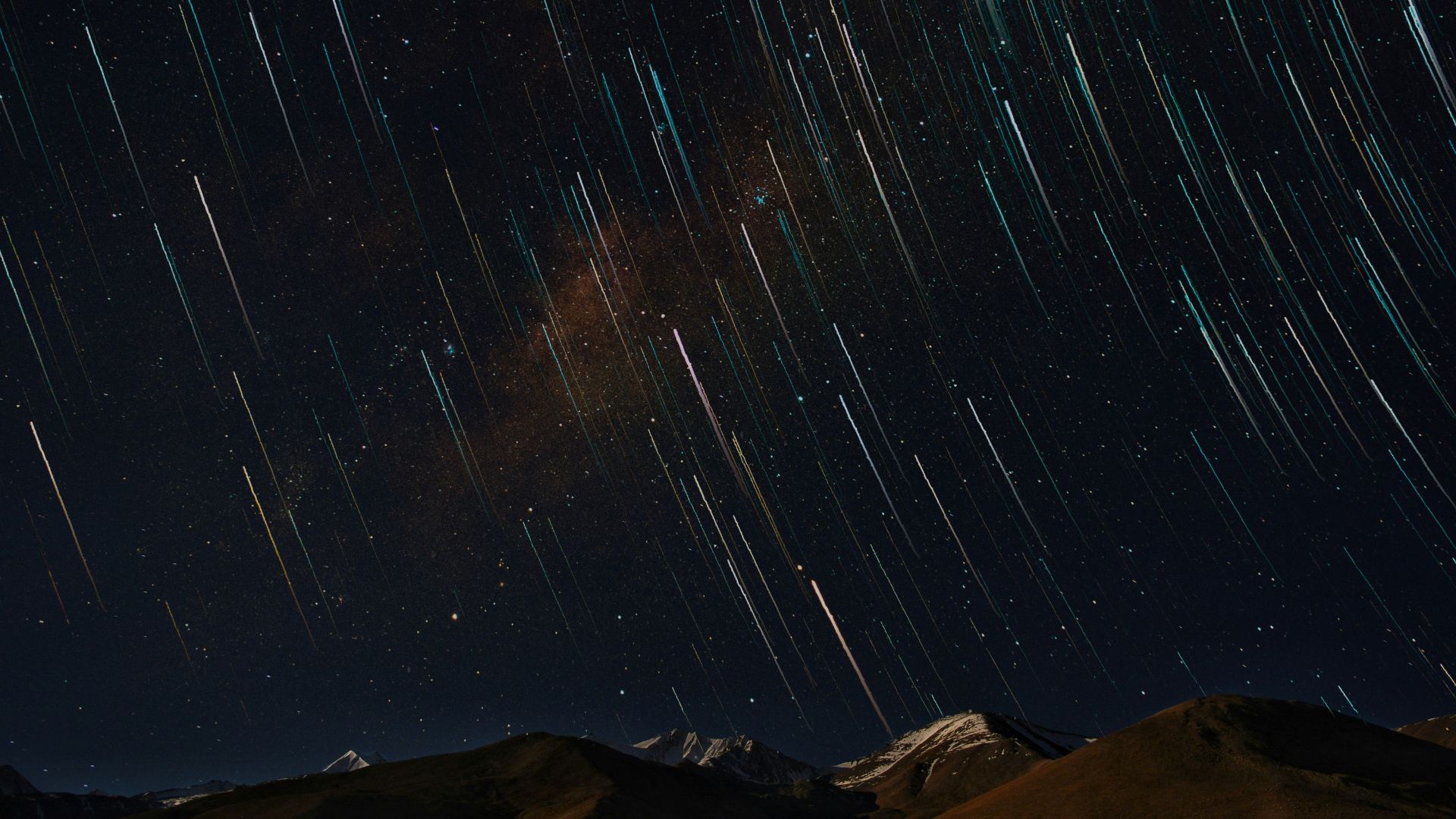
The Geminids appear to fan out from a spot near Castor and Pollux, so many people look toward Gemini once the constellation climbs higher. The radiant rises later in the night and gives viewers a steady flow of streaks across the sky. You can face any direction and still catch activity, but knowing the radiant helps you get a sense of where the shower centers its path overhead.
Brightness and Color Traits of Geminid Meteors

Geminid meteors often appear bright and slow, so people catch them with ease. Many show hints of color because grains from asteroid 3200 Phaethon carry traces of sodium and calcium. These elements heat up and create quick flashes that stand out against the night sky. Viewers like the steady mix of pale yellows, greens, and soft whites, and the slower pace makes each streak easier to follow.
Origin From Asteroid 3200 Phaethon
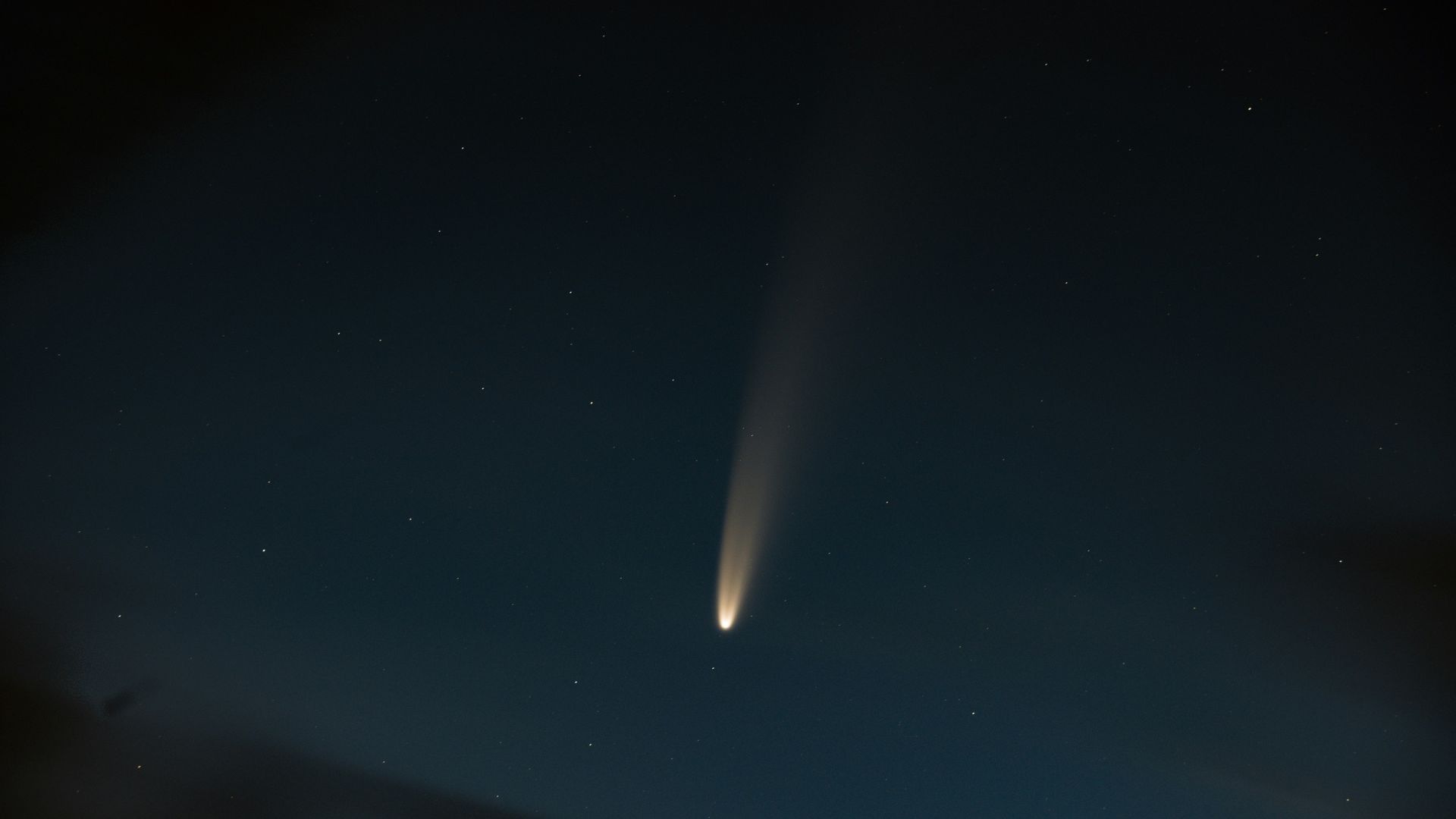
Geminid meteors come from asteroid 3200 Phaethon, so the shower follows a different pattern than comet-based events. Phaethon circles the sun every 1.4 years and sheds dense fragments that enter Earth’s path. Those grains heat up and create the bright, steady streaks viewers expect each December. Many people like knowing the shower comes from an asteroid since it gives the Geminids a distinct character among annual showers.
Viewing Tips for Dark Skies
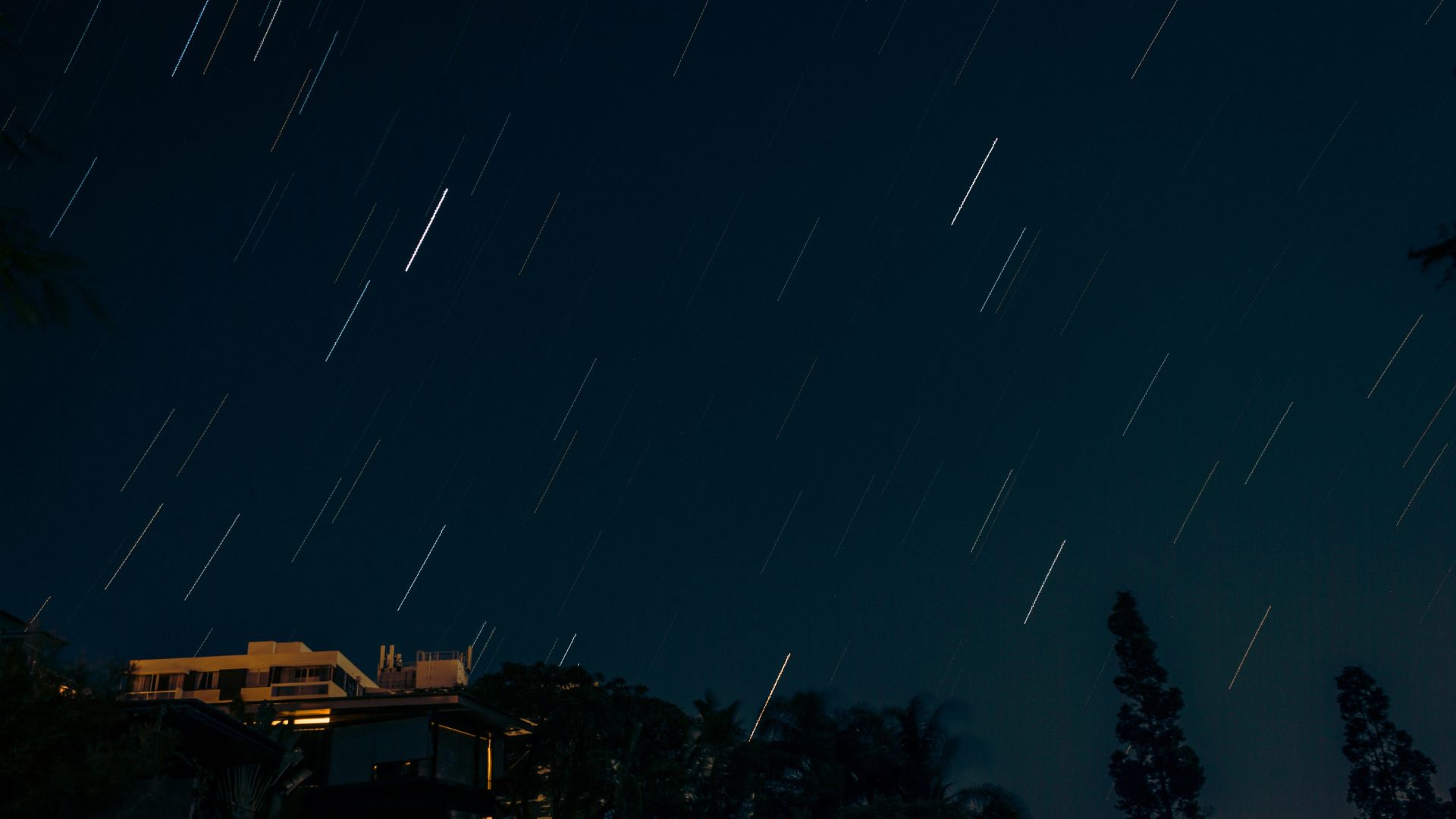
Find a spot away from bright lights so your eyes can adjust. Give yourself about twenty minutes and keep phone screens dim or in red mode. Many viewers like to settle in with a wide view since meteors can appear anywhere overhead. You don’t need gear for this shower, and many people enjoy watching with the naked eye. A calm setup helps you stay out longer and catch more streaks.
Ursid Meteor Shower Later in the Month
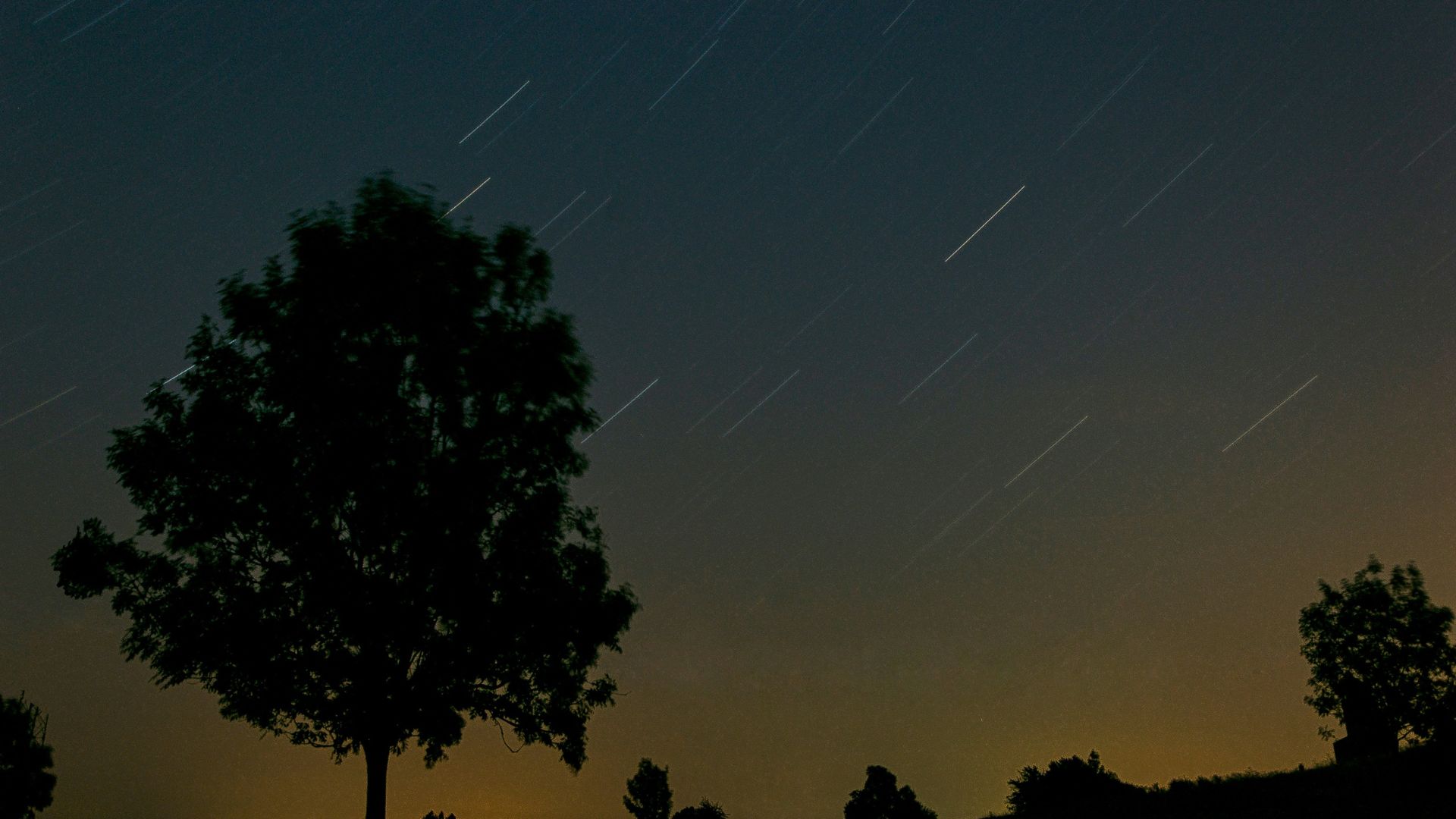
The Ursids step in around December 17 and give skywatchers a smaller but steady shower. The peak arrives on December 21 and 22 and lines up with a new moon, so the sky stays dark for anyone heading out. Rates stay lower than the Geminids, but many people still enjoy catching a few streaks in the quiet winter sky. The timing also makes it an easy follow-up for anyone already watching earlier in the month.
Catch the Best Views While the Skies Stay Dark
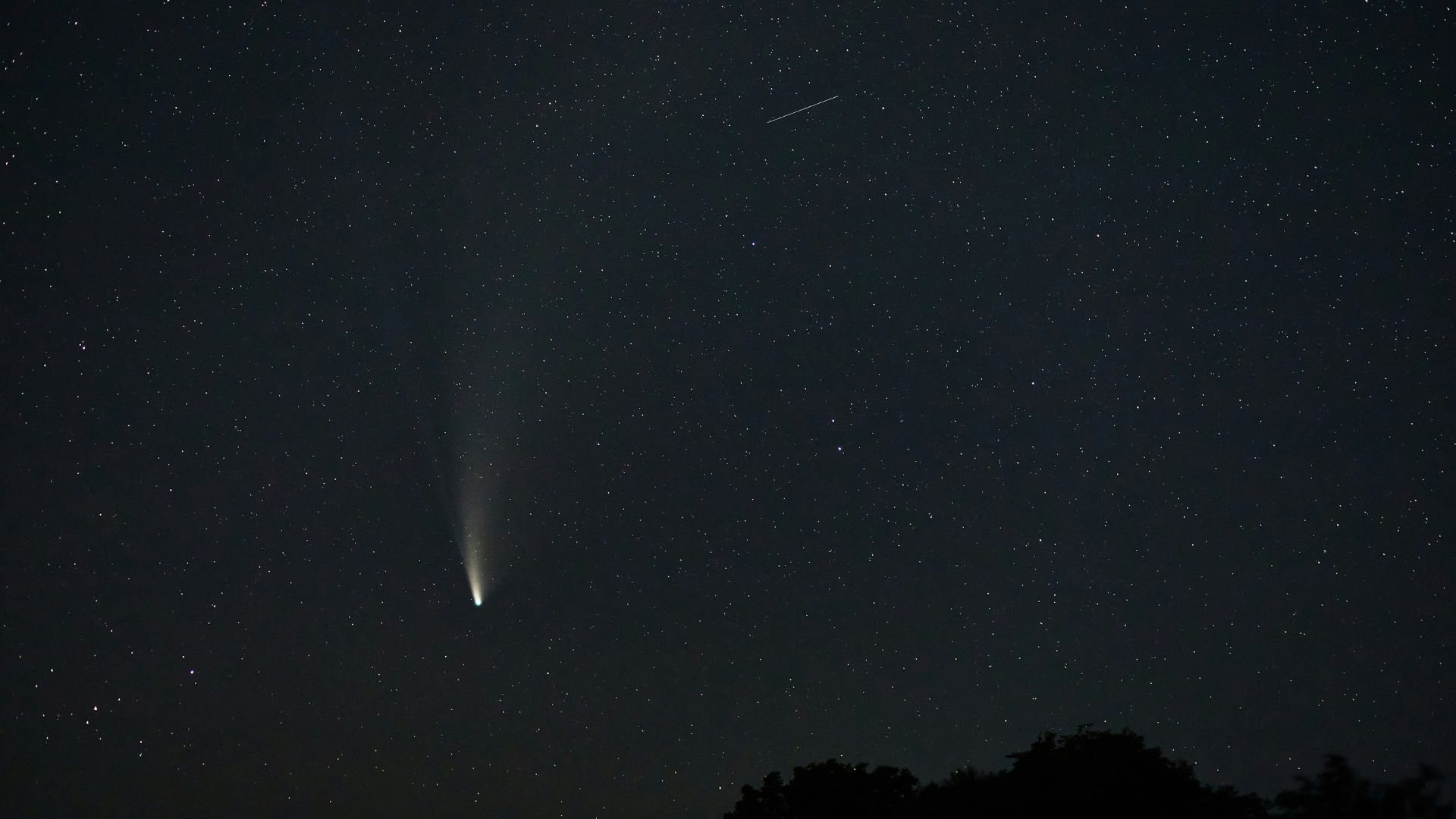
December gives you a bright chance to enjoy two steady showers, so grab a warm setup and head outside when the night settles in. Let your eyes adjust and keep your phone low so the sky stays clear. The Geminids lead the month with steady streaks, and the Ursids follow with a quieter run. A simple plan and a dark spot help you enjoy every flash without rushing the moment.