Experts Warn the EPA’s Recent Rule Reversal Could Result in Dirtier Air and Thousands of U.S. Deaths
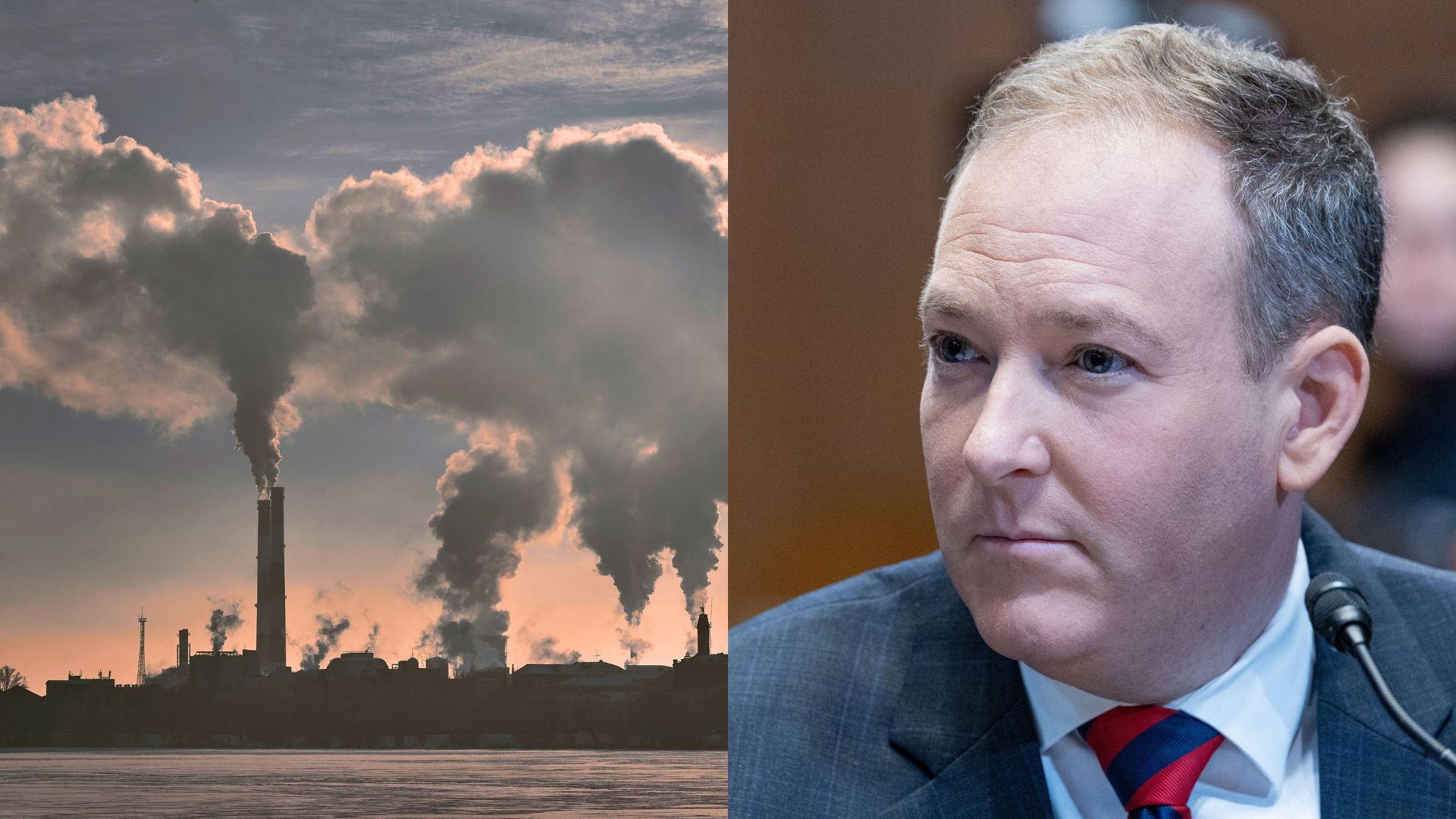

Experts are raising their voices after the EPA stepped back from a rule that targeted fine-particle pollution. The move caught people off guard because the rule aimed to push soot levels down to a safer limit. Many health researchers now worry about rising risks tied to tiny particles that slip into the bloodstream. The debate reached courts and communities fast, and the tone grew tense as questions about public health grew louder.
EPA Pulls Back From Stricter PM2.5 Limits
The EPA stepped away from the soot rule that lowered the national limit on fine particles. The agency told the court it wanted the rule removed before new deadlines arrived, so the shift surprised many people who expected the tighter limit to stand. The reversal also raised concerns among health experts who track how tiny particles move through the air and reach communities that already face higher exposure.
Court Filing Signals Shift in Agency Strategy

EPA lawyers told the court they wanted the soot rule removed, so the filing marked a sharp change in direction. The agency said the previous process didn’t follow the steps required under federal law and asked the court to clear the rule before new deadlines approached. The move also left many advocates confused because the agency had defended the tighter limit for months and tied it to long-term public health concerns.
Cost Concerns Raised Over Tighter Standards
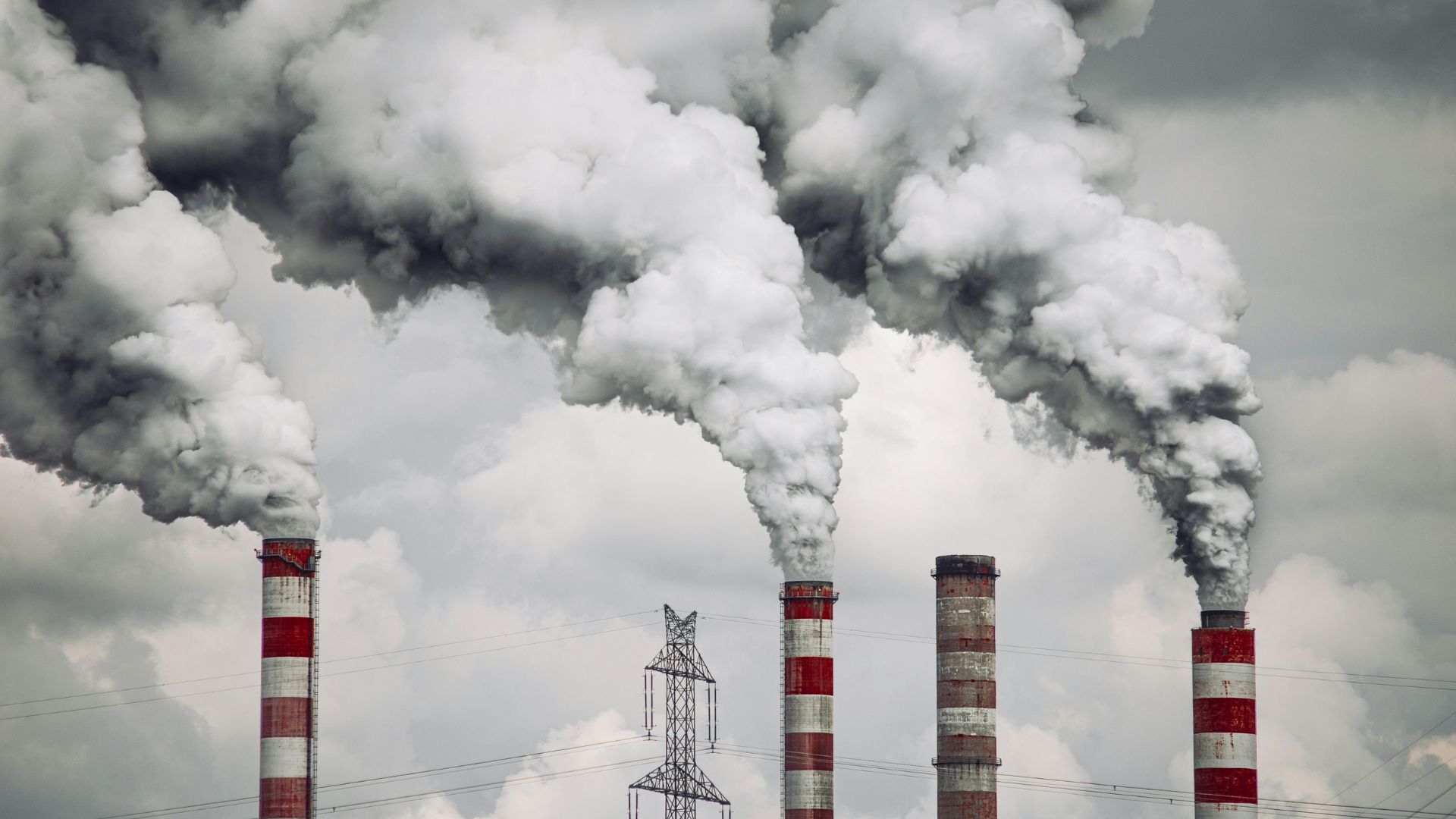
Industry groups pushed back on the lower soot limit and argued that the added requirements would cost far more than expected. EPA estimates pointed to yearly expenses that could reach hundreds of millions, so the reaction grew fast among manufacturers and state leaders. Many said the tighter limit would make permits harder to secure and would place new pressure on plants that already follow strict rules.
Lower Pollution Threshold Set Under Biden

The Biden administration lowered the national soot limit from 12 to 9 micrograms per cubic meter, so the shift set a tougher bar for refineries, power plants and other sources. The update aimed to help communities that face heavier exposure and also targeted long-term health risks tied to fine particles. EPA projections pointed to fewer premature deaths and fewer missed workdays once the standard reached full enforcement.
Health Risks Tied to Fine Particulate Exposure
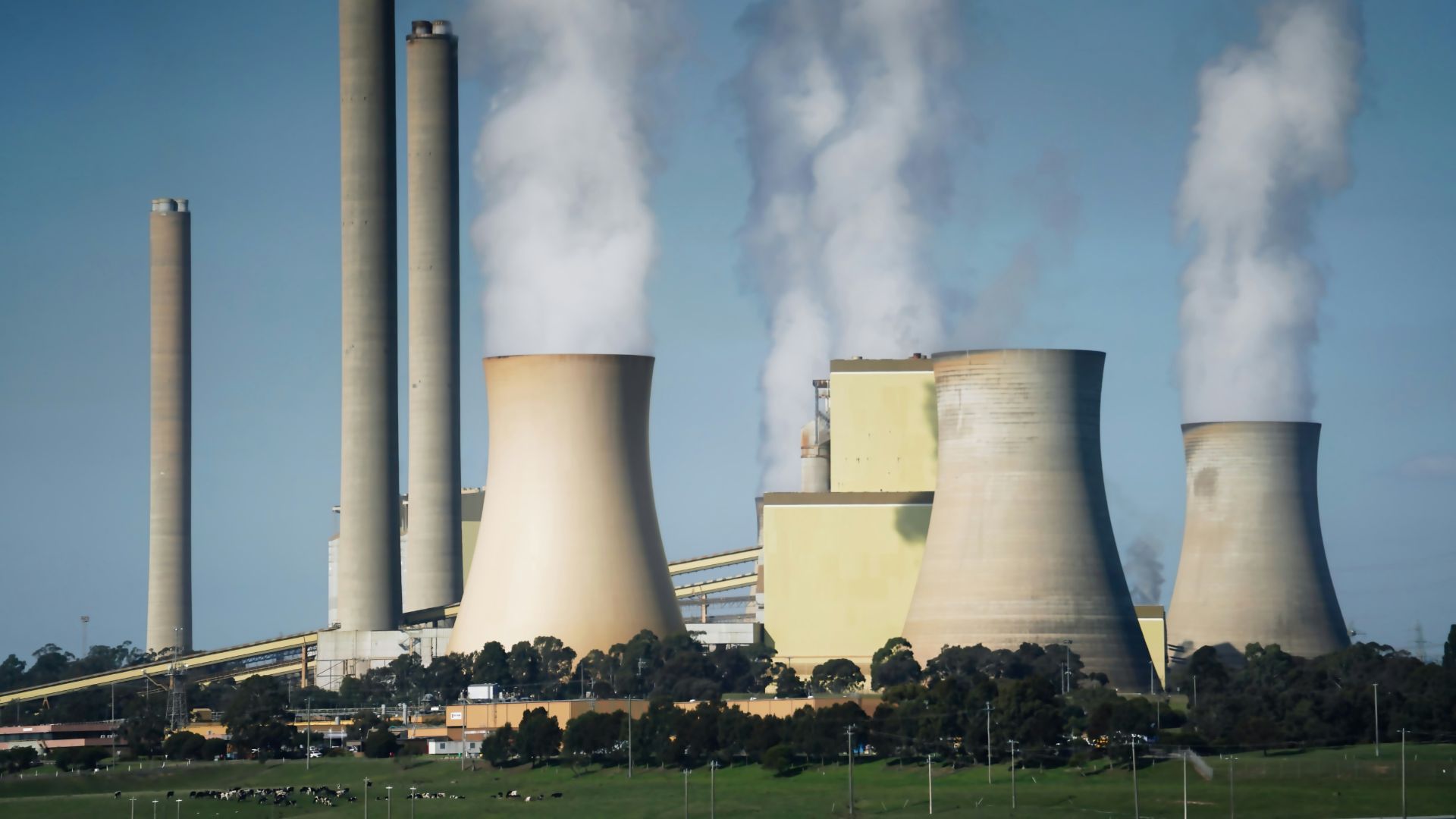
Fine particles move through the lungs and can also slip into the bloodstream, so doctors track them closely. The EPA lists coughing, wheezing and asthma flare ups among the most common reactions. Long-term exposure is connected to heart attack, stroke, and lung cancer. The particles measure far smaller than a strand of hair and spread through communities near refineries, busy roads, and other heavy emission sources.
Industry Groups Push Back on Compliance Rules
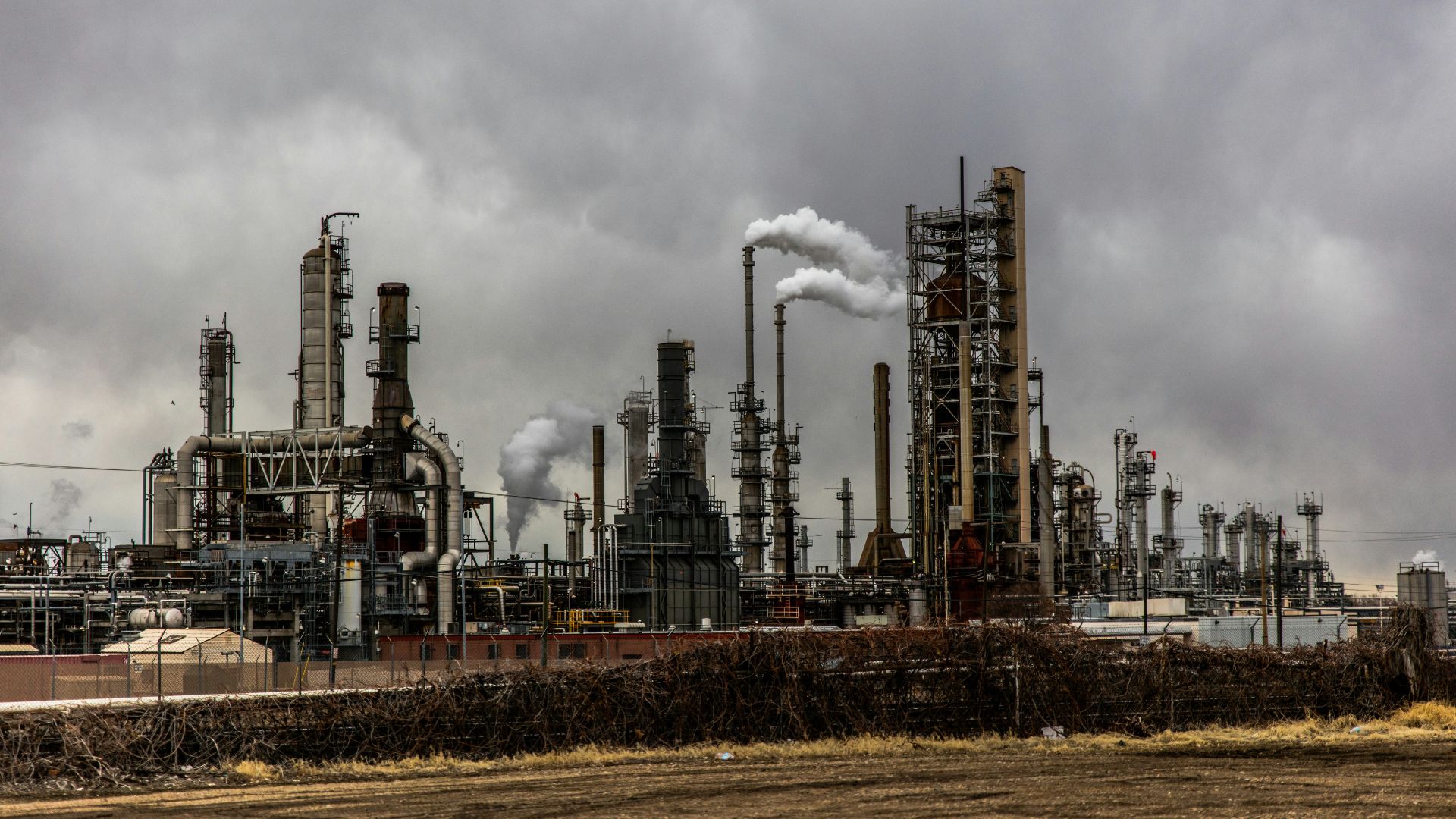
Industry leaders raised concerns as soon as the lower soot limit appeared, and many said the tighter standard would make new permits harder to secure. Attorneys general from conservative states also joined the fight, so the pushback reached federal courts fast. Business groups argued that plants already invest in controls and feared the updated limit would push costs higher and slow new projects tied to manufacturing and energy.
Environmental Advocates Call Out the Reversal
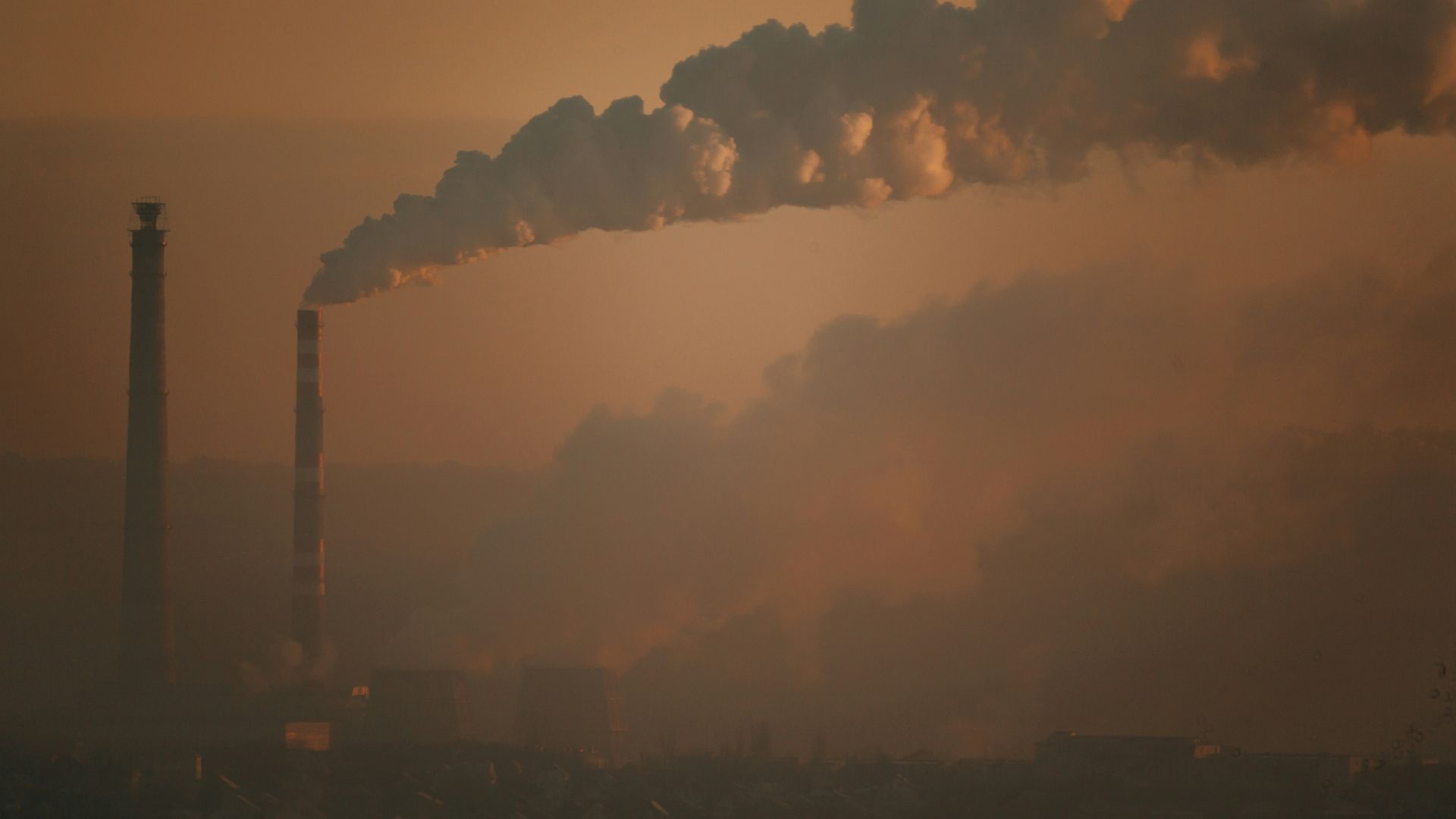
Environmental groups reacted quickly and said the agency pulled away from science when it stepped back from the soot rule. Attorneys who worked on the case also said the shift broke from long-standing practice, so many felt blindsided. Advocates pointed to rising soot levels in vulnerable communities and said the agency’s request to void the rule opened the door for higher exposure and fewer safeguards for people living near heavy emission sources.
Agency Moves Toward Restoring the 2020 Standard

EPA officials told the court they wanted to return to the limit set in 2020, so the agency asked for the newer rule to be cleared. The request pointed to federal requirements that call for a full review every five years and also signaled a shift back to the earlier framework. Many watchers said the move suggested a reset that aligned with the first Trump administration’s approach to soot regulation.
What Readers Can Watch For Next
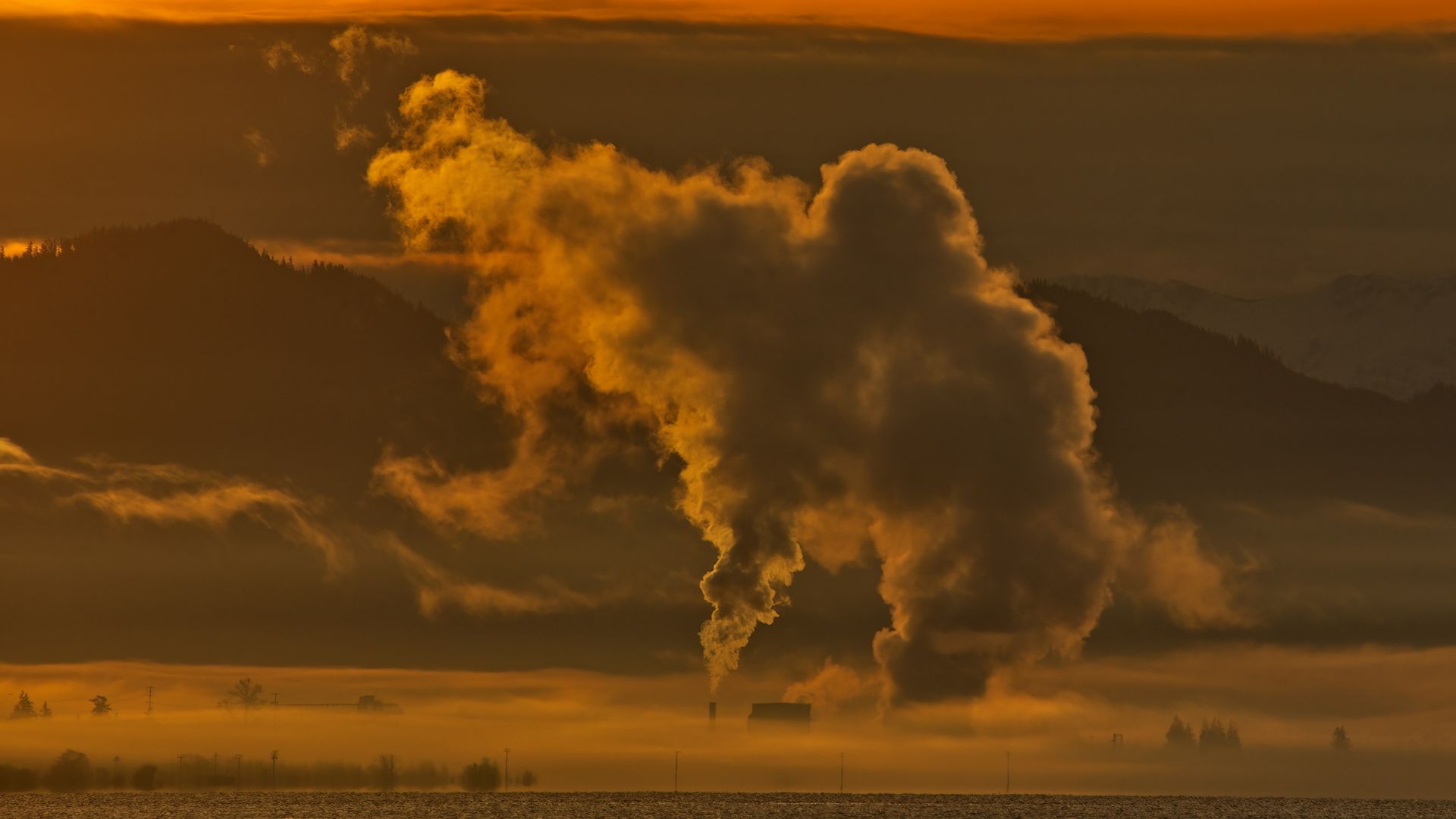
Communities across the country will keep an eye on what the EPA does next, so the story isn’t slowing down. New filings, new reactions, and new questions will keep shaping the conversation. People who track air quality updates will also follow how the agency approaches soot limits in the coming months. Many feel invested in the outcome, so public attention will stay locked on every turn in the process.