10 Phrases American Tourists Shouldn’t Say When Traveling Abroad
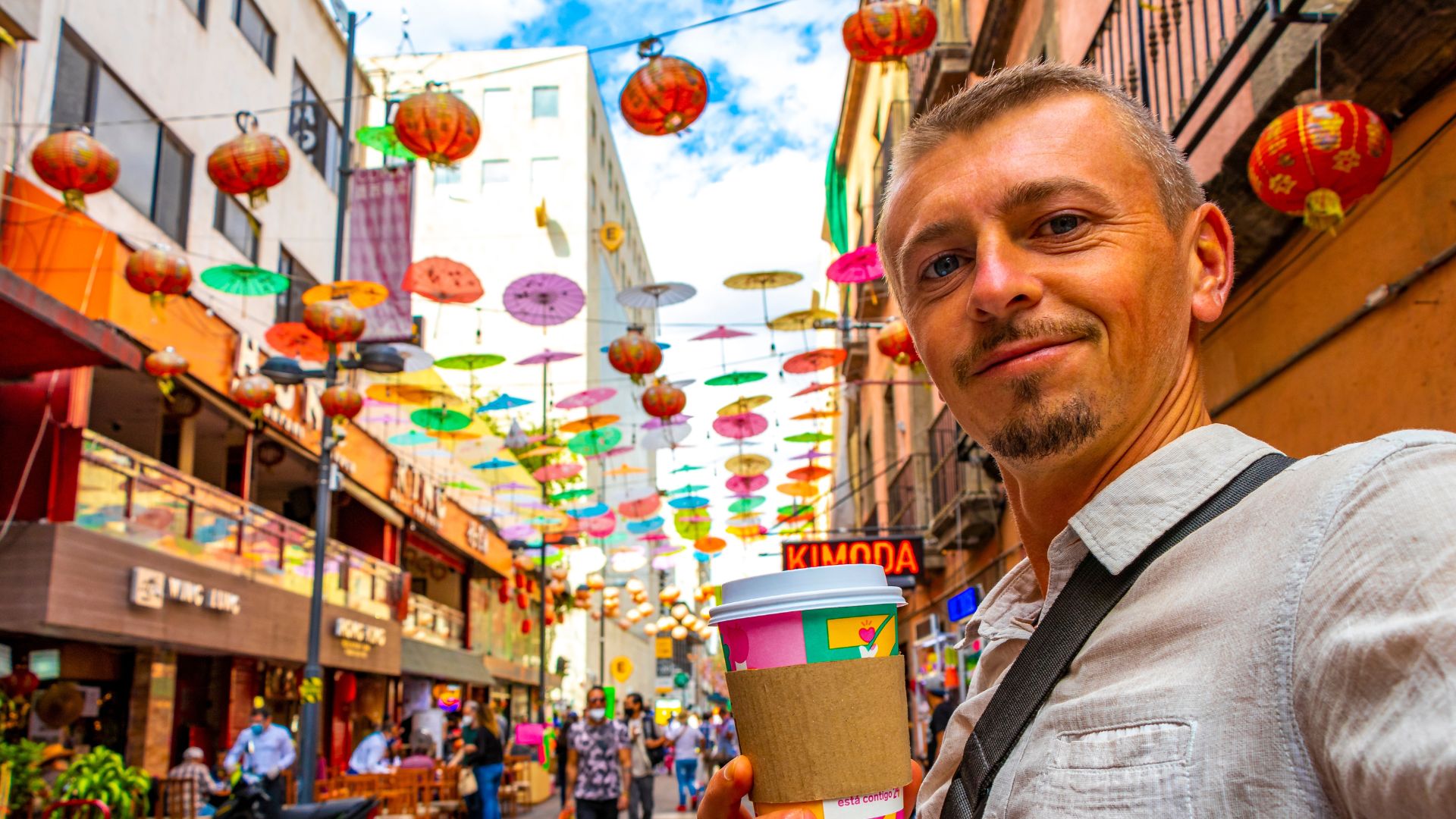

Travel experts who’ve witnessed countless international mishaps agree that certain phrases can instantly brand you as an inconsiderate tourist. Meena Thiruvengadam, a travel writer who’s visited 70 countries across all seven continents, knows the sting of cultural missteps firsthand. Meanwhile, etiquette expert Nick Leighton and ethical travel CEO Chelsea Glass have observed American travelers repeatedly making the same verbal blunders abroad. These 10 phrases reveal deeper attitudes about respect, privilege, and cultural awareness that can sour any international experience before it begins.
Calling People “Exotic” or Places “Authentic”
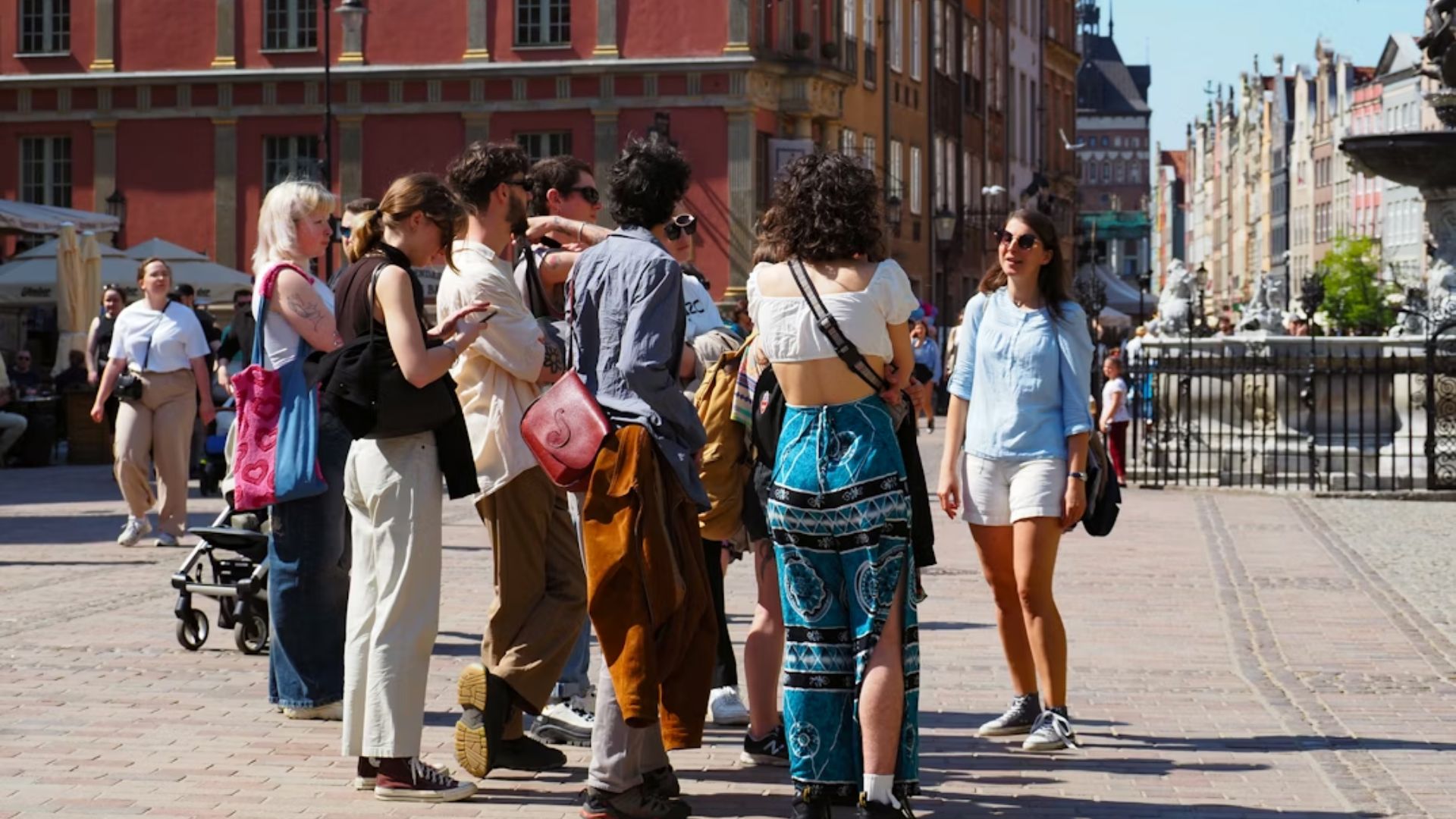
Calling people “exotic” is condescending, even if you mean it in a nice way, according to Leighton. But romanticizing poverty may be even worse. “Anything where we’re starting to romanticize, especially poverty, ‘Oh, this place is so authentic.’ This is also not great,” he explains. Finding charm in different living conditions, whether in international destinations or poorer areas of the United States, comes across in ways you likely don’t intend. The language reveals an uncomfortable distance between observer and observed, turning real lives into aesthetic experiences.
“What’s the Price in Dollars?”
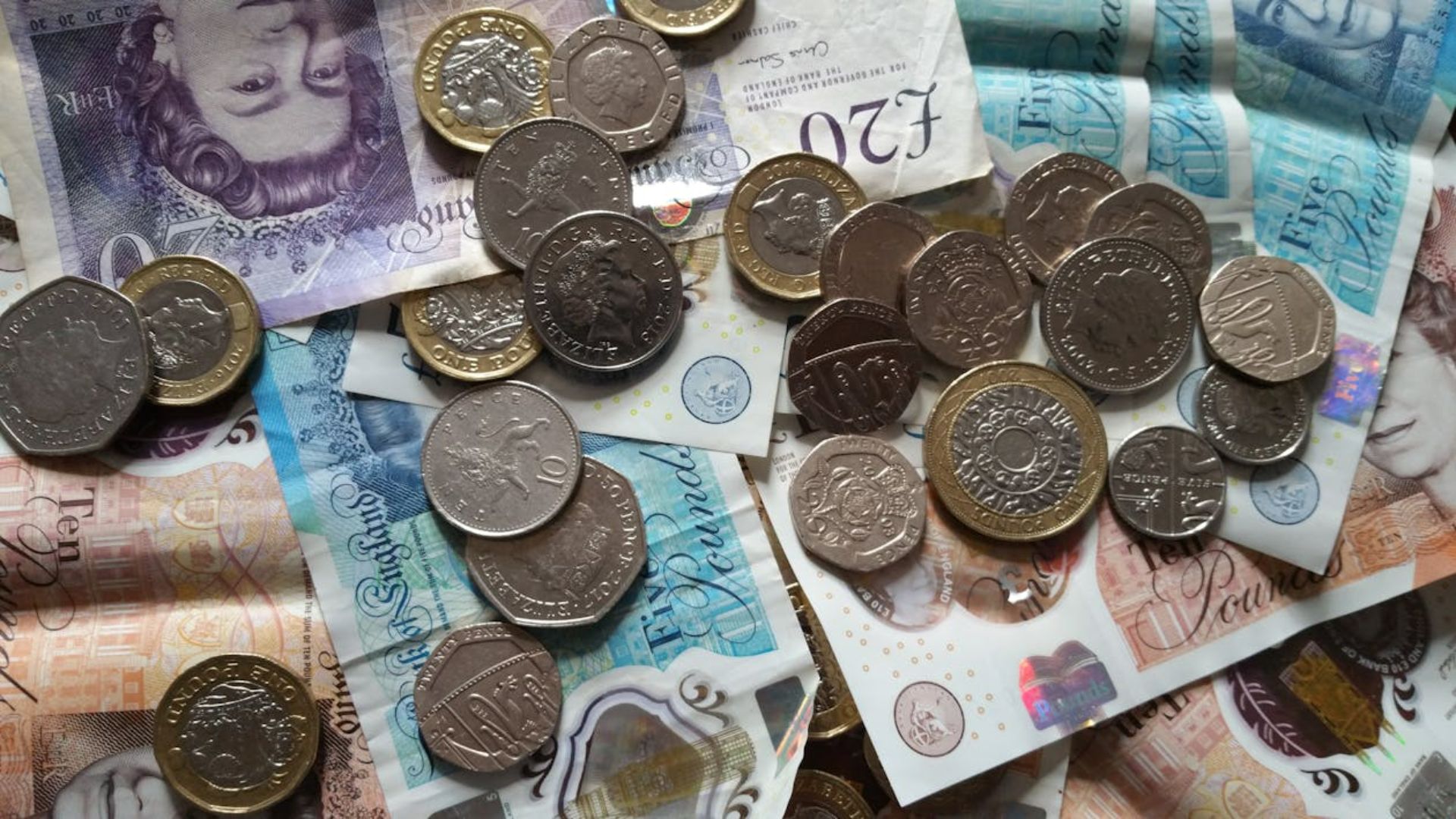
Thiruvengadam can’t count how many times she’s seen this scenario: an American pulls out dollar bills at a foreign market, only to receive a blank stare from the shopkeeper. “The U.S. dollar isn’t the only currency in the world,” she says. Demanding that locals convert prices to dollars, or worse, calling U.S. currency “real money,” makes travelers look clueless and self-centered. Leighton emphasizes the point clearly: “Mexico pesos are also real money. Euros are also real money,” yet people continue treating American currency as if it holds a superior status globally.
“How Much Is It in Real Money?”

This phrase crosses a line even if you don’t intend to comment on dollar supremacy, according to Leighton, host of the “Were You Raised by Wolves?” podcast. “I think people are not saying the phrase ‘real money’ in some sort of way that’s commenting on the dollar standard, but it does come across as like, ‘Oh, our money is real and everything else is not real,'” he explains. Before visiting any country, travelers should research its currency and use conversion apps to track spending.
“Everything Is So Cheap Here”
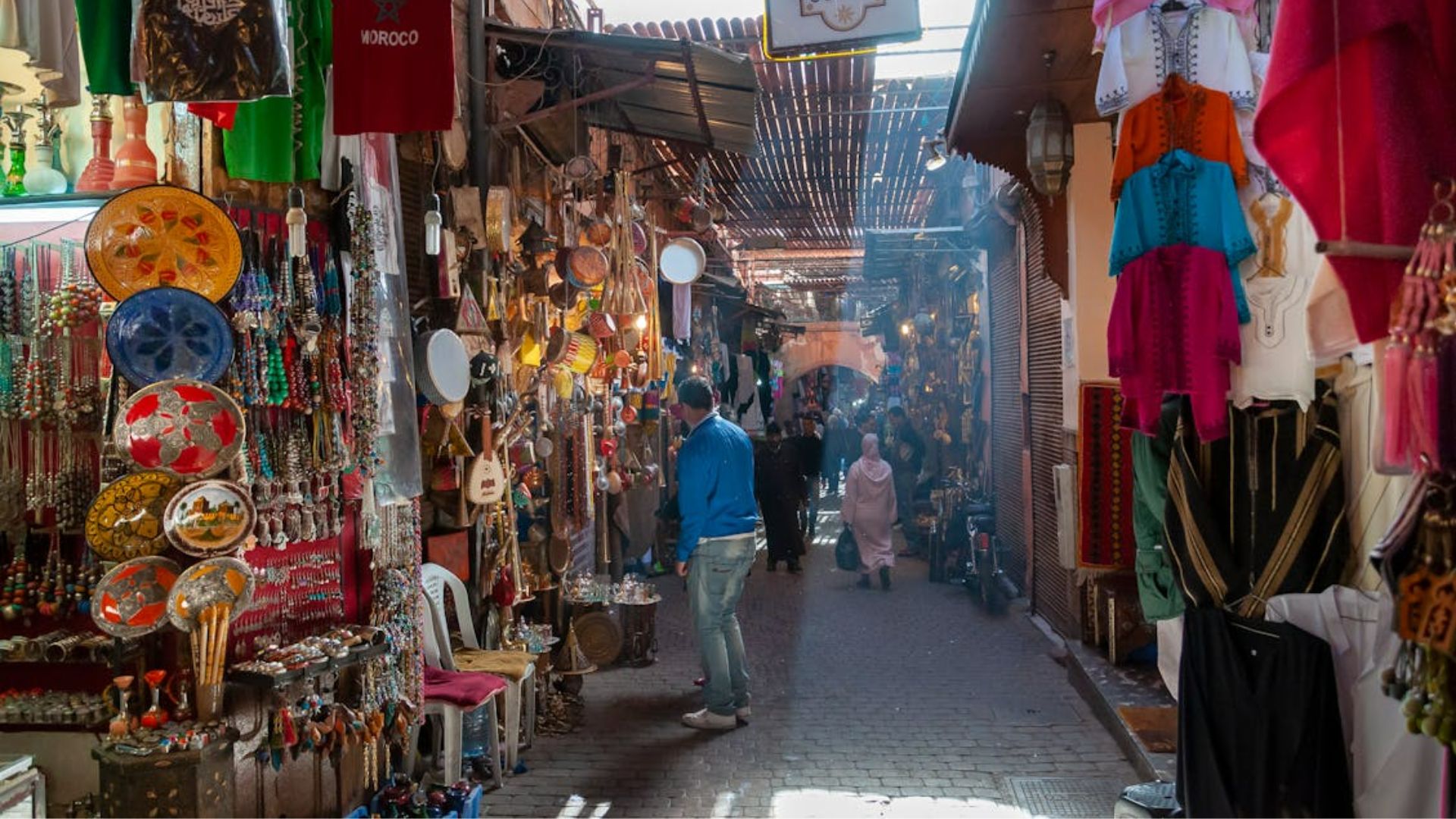
You may as well wear a sweatshirt announcing entitlement and privilege, according to Thiruvengadam. “There are many reasons other countries may be more affordable than where you’re from, and they often involve violence, exploitation, and systems designed to perpetuate global inequality,” she says. Glass adds that travelers have “this gross overestimation that the U.S. dollar is so powerful in these countries.” When examining cost of living and labor conditions, “people are still underpaid in these places,” she notes, contradicting the false narrative of American purchasing dominance.
“The Customer Is Always Right”
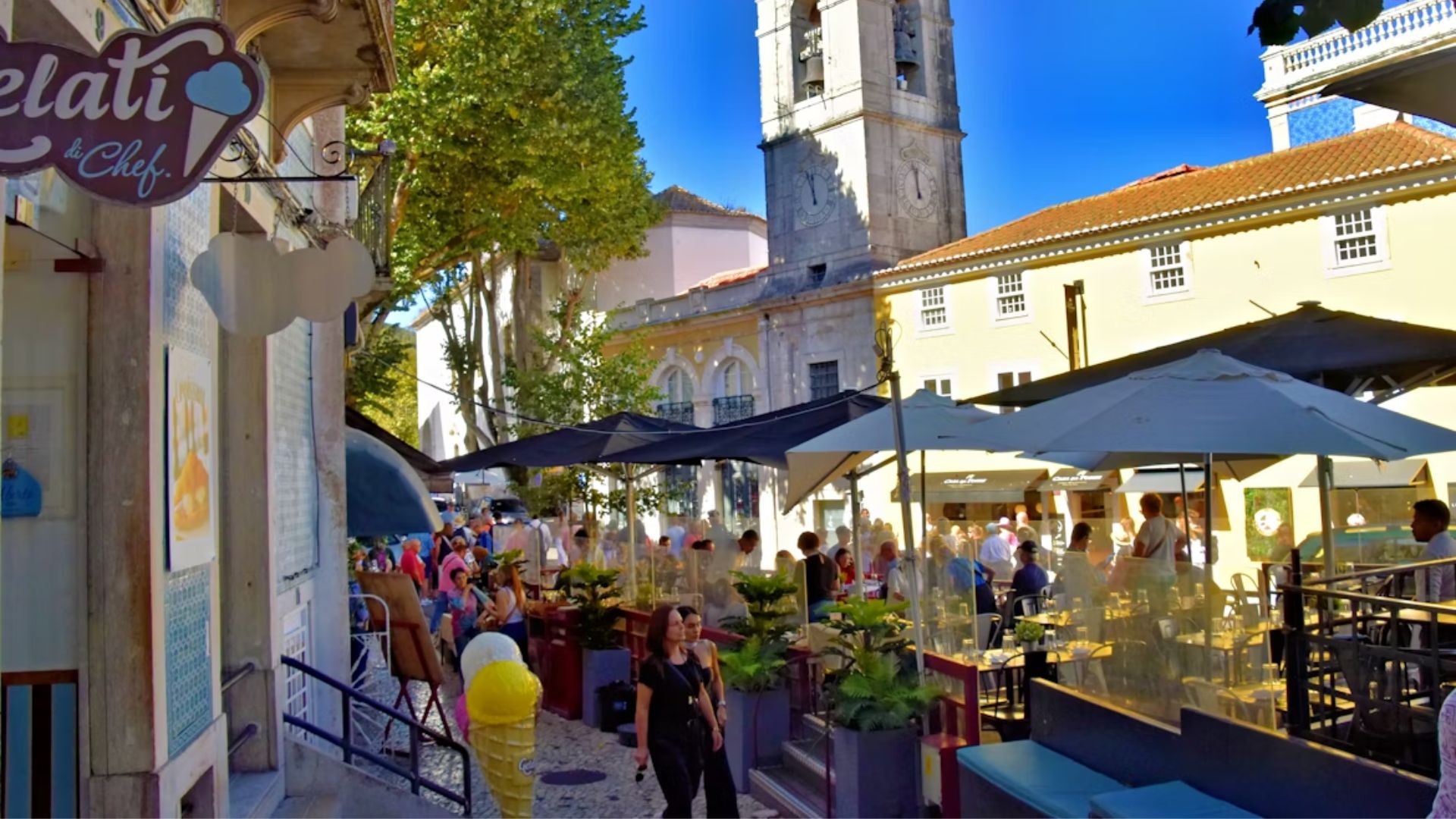
Leighton witnessed this firsthand in London when someone argued with the hotel front desk staff using this phrase. “That’s actually a very American approach to customer service,” he says, noting it’s not a globally shared mindset. “And very often, the customer is not right.” In many places worldwide, businesses happily push back against unreasonable demands. Leighton describes Americans in Italian restaurants requesting Parmesan cheese for fish dishes, only to have the restaurants refuse. “They’re like, ‘No, we’re not gonna let you do that,'” he recalls.
“Third-World Country”
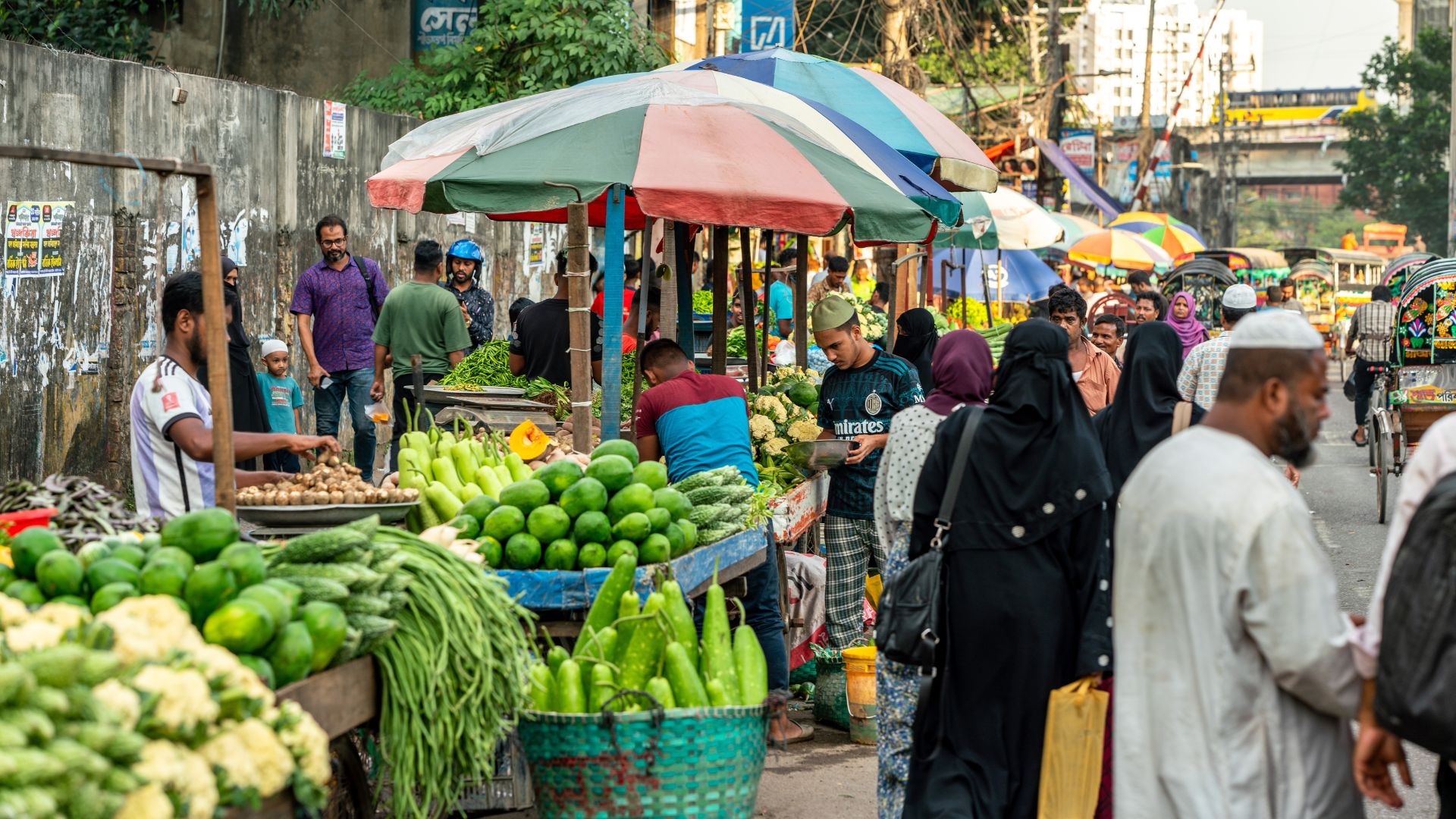
Both Thiruvengadam and Glass reject this terminology entirely, especially when referring to countries you’re actively visiting. “‘Third-world country’ has negative connotations and is also just an inaccurate term,” Glass says. It sounds judgmental to label a destination whose people you hope will welcome you, Thiruvengadam notes. Instead, she uses “developing country,” which doesn’t carry the same loaded implications. Glass emphasizes that visitors should simply use the country’s actual name rather than applying outdated, condescending classifications that diminish entire nations.
“Can You Just Speak English?”

Glass has witnessed this rudeness on multiple occasions, including travelers berating waitresses in Mexico City cafés for not speaking English. “I think one obvious one is when people angrily demand that people in the country they’re visiting speak English when English is not the native language of that country,” she says. Instead, visitors should learn basic phrases in the local language. “Making a little effort with the local language, even if it’s just as simple as learning ‘hello,’ ‘please,’ and ‘thank you,’ that shows a lot,” Glass notes.
“I Can’t Believe They Still Do That Here”
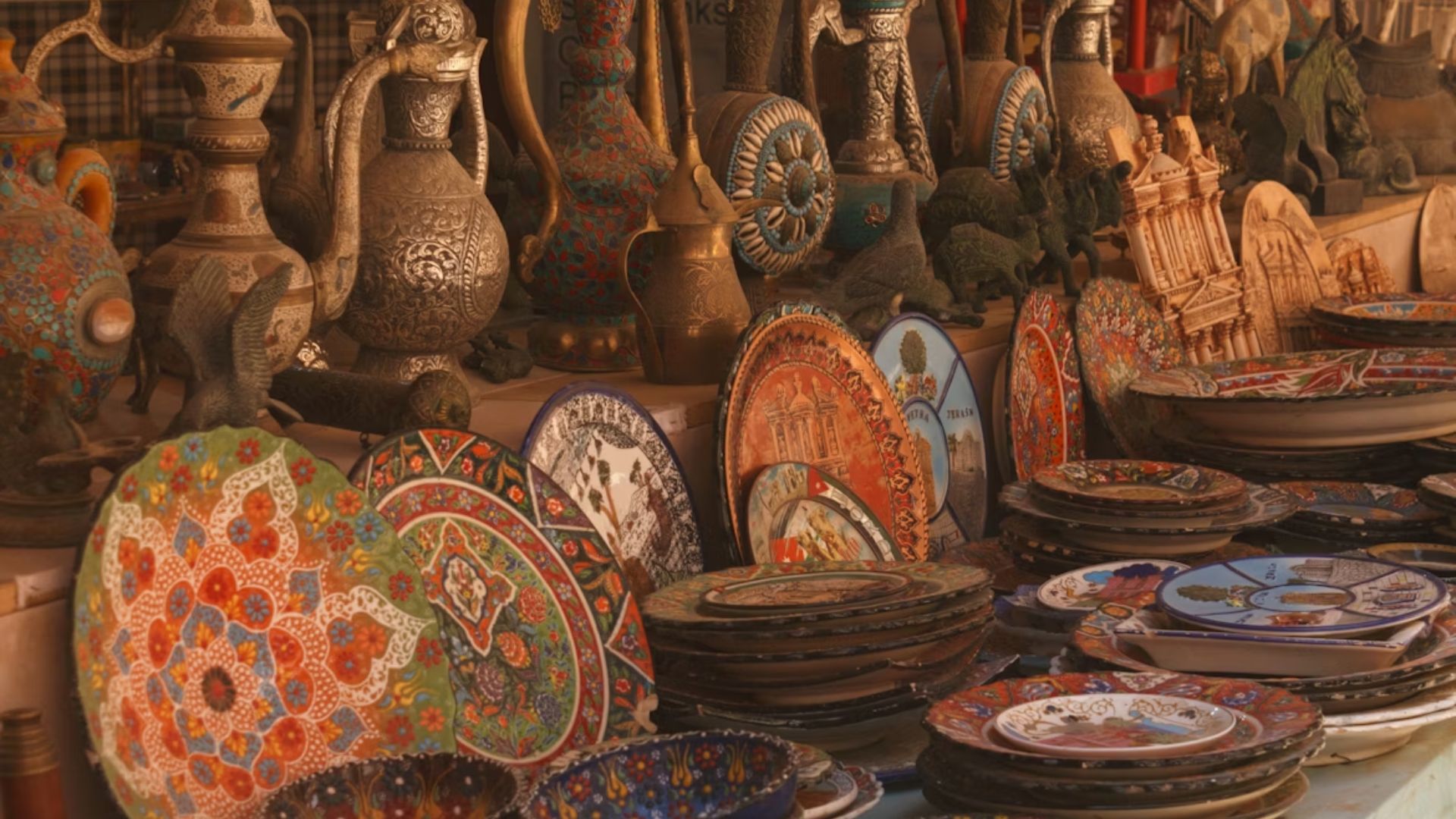
Expressing shock at unfamiliar customs, whether you’ve never encountered them or they’ve disappeared from American life, isn’t your place, Leighton says. “It’s not your place to comment on someone’s culture… that’s their tradition,” he explains, whether referring to plastic straw usage or specific cultural practices. “I think the broader theme is just assuming the way that you do something is the way that it should be done, or is the only way to do something,” he adds. Increased travel teaches that American methods aren’t inherently superior.
“This Isn’t How We Do It Back Home”

Thiruvengadam once attended a Michelin-star tasting menu dinner near Paris, where an American interrupted the meal to request a green salad like he normally eats at home. “I’ve never seen such a mortified waiter, and I don’t think the chef ever complied with the request,” she recalls. “One of the best things about travel is that it exposes you to new ways of thinking and doing things,” she says. Fixating on home routines “can blunt the transformative impact” of international experiences and prevent life-changing perspectives.
“Your English Is Very Good”
English is the most commonly spoken language worldwide, with an estimated 1.5 billion speakers around the globe, according to Thiruvengadam. It’s an official or widely spoken language in the U.S., Canada, the U.K., Ireland, Malta, Singapore, India, Pakistan, the Philippines, Sri Lanka, and several Caribbean islands and African countries. “It should never come as a surprise to encounter someone who has impeccable English in a predominantly English-speaking country,” she says. Yet she’s lost track of how many times people have said this to her in the U.S.
Treat Every Country Like a Friend’s Home

Leighton offers a simple framework for international behavior: approach every trip as a guest in another country. “We would never go to a friend’s house as a guest and then start criticizing everything. So, why do we do that when we’re traveling abroad?” he asks. High vacation costs and limited PTO make people feel entitled to act however they want without consequences, he explains, but etiquette still applies. This philosophy echoes what both Glass and Thiruvengadam emphasize through their own experiences: respect, curiosity, and humility open doors, while entitlement and judgment slam them shut.