Scientists Discover Ancient Tunnels Suggesting a Lifeform Never Before Identified


A group of geologists has uncovered a network of microscopic tunnels preserved inside marble and limestone in the deserts of Namibia, Oman, and Saudi Arabia. These mysterious formations suggest the presence of an ancient lifeform never before identified. Detailed chemical and structural analyses point toward a biological origin, challenging long-held assumptions about how life can adapt to extreme environments.
An unexpected find

During a field study, geologist Cees Passchier from Johannes Gutenberg University Mainz noticed patterns of narrow, branching holes inside eroded rocks. At first, they appeared to be natural fractures, but closer inspection showed that their shape and consistency were too regular to be formed by weather or chemical reactions alone.
Traces hidden in stone
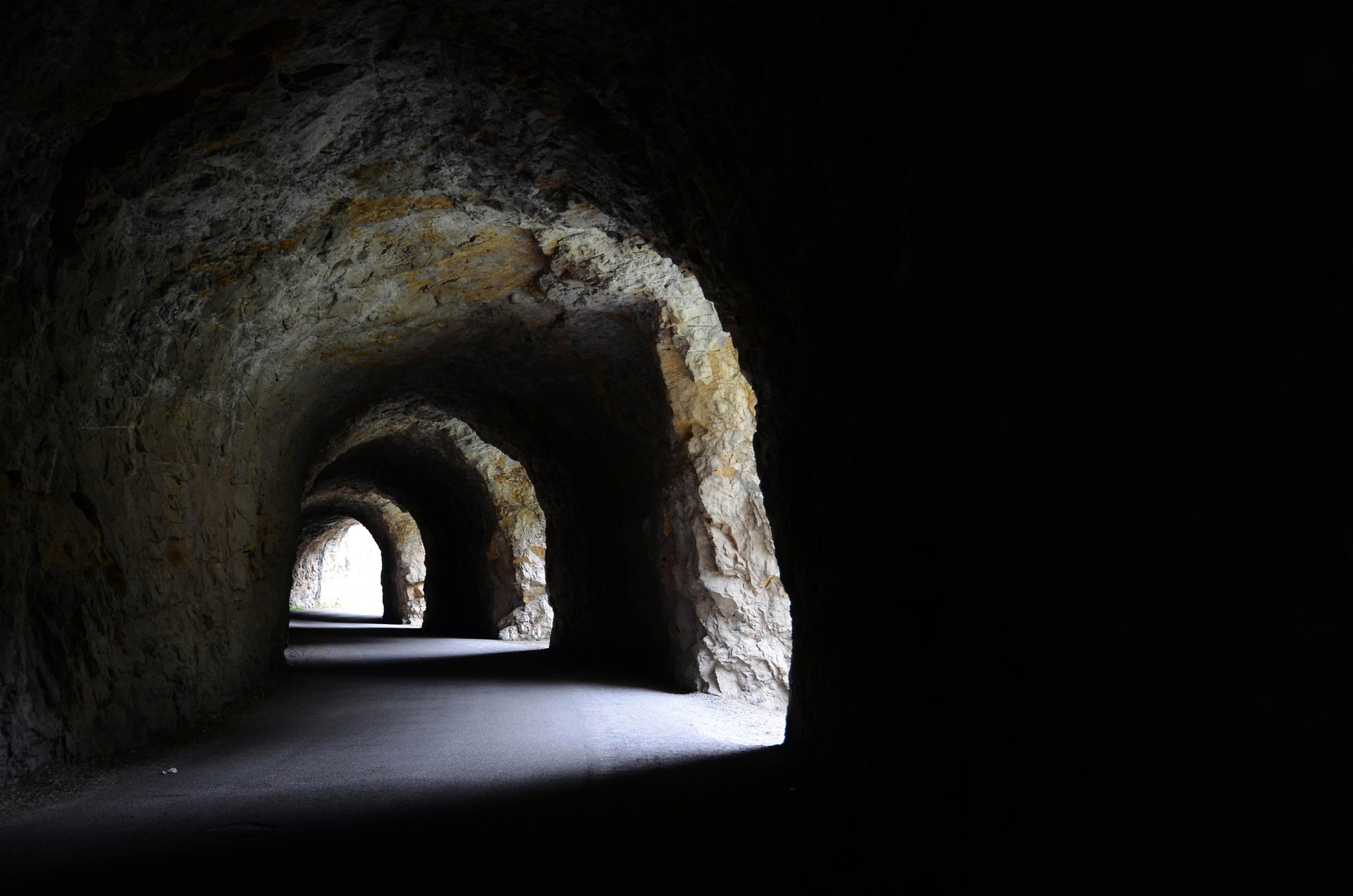
Samples collected from the sites revealed that the tunnels were not surface marks but internal structures carved deep into the rock. Their smooth walls and parallel organization indicated deliberate formation, unlike the irregular patterns produced by wind, rain, or heat.
Evidence of life

Microscopic and chemical analyses revealed biological material trapped within the burrows. The team concluded that no known abiotic process could explain the microscopic and geochemical signatures they observed. Everything pointed to the action of a once-living organism.
Water as a condition for growth
Although these regions are currently among the driest on Earth, they occasionally receive fog and light rainfall. Geological evidence shows that wetter periods occurred in the distant past, suggesting that liquid water may have once allowed microorganisms to thrive within these rocks.
Possible creators
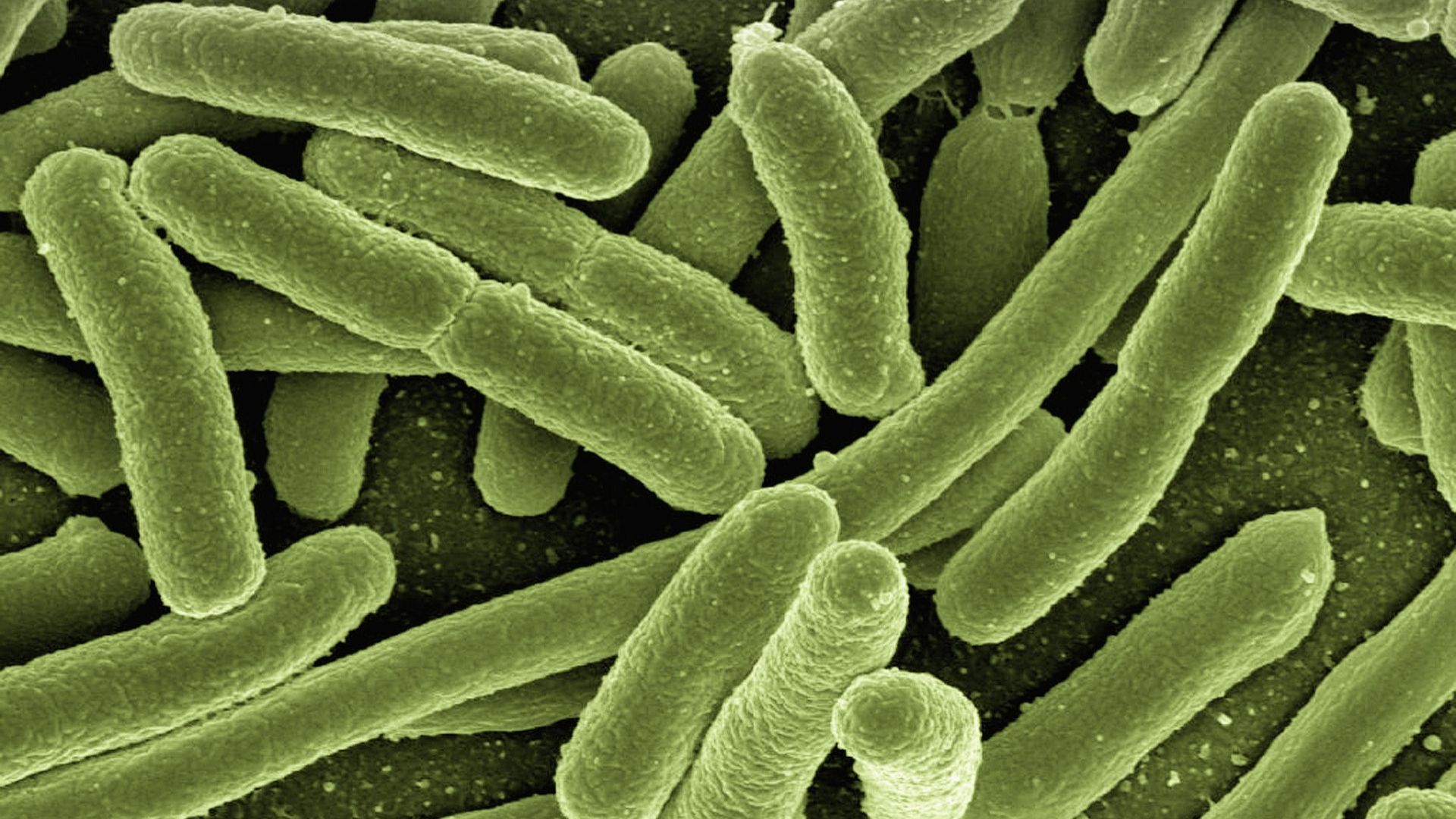
The researchers examined different groups of extremophiles, including bacteria, fungi, and lichens, all known for their ability to survive under severe environmental conditions. Some of these are endolithic organisms, meaning they inhabit the interior of rocks and can alter minerals from within.
Ruling out cyanobacteria

The hypothesis of cyanobacteria was quickly discarded. These organisms depend on sunlight for photosynthesis and typically remain close to rock surfaces, whereas the discovered tunnels extend much deeper, beyond the reach of light.
Fungi and their limits

Fungi were also considered, as some species can bore through rock and leave behind tubular traces. However, fungi produce a network of filaments known as mycelium, which forms structured and branched patterns. The newly found burrows were simple, parallel, and evenly spaced, characteristics inconsistent with fungal growth.
Evidence of microbial colonies

The width and distribution of the tunnels suggest that they were not made by a single organism but by colonies of microbes. Chemical residues such as calcium carbonate dust, often produced by microbial metabolism, were found inside the structures. Although no fossilized cells were discovered, these traces strongly support the existence of ancient microbial communities.
Beyond geological processes

After ruling out natural erosion, heat, and chemical reactions, the study concluded that the tunnels’ formation required biological activity. “No known physical or chemical weathering process can explain these features,” the researchers wrote, emphasizing that life must have played a role.
The mystery continues
Whether these organisms still exist somewhere on Earth or vanished millions of years ago remains unknown. Yet, their tunnels endure as silent evidence of life’s ability to adapt, even in the most unthinkable places, reminding us that our planet still holds secrets waiting to be unearthed.