The Real Reason 96 Million Black Balls Were Released Into the L.A. Reservoir
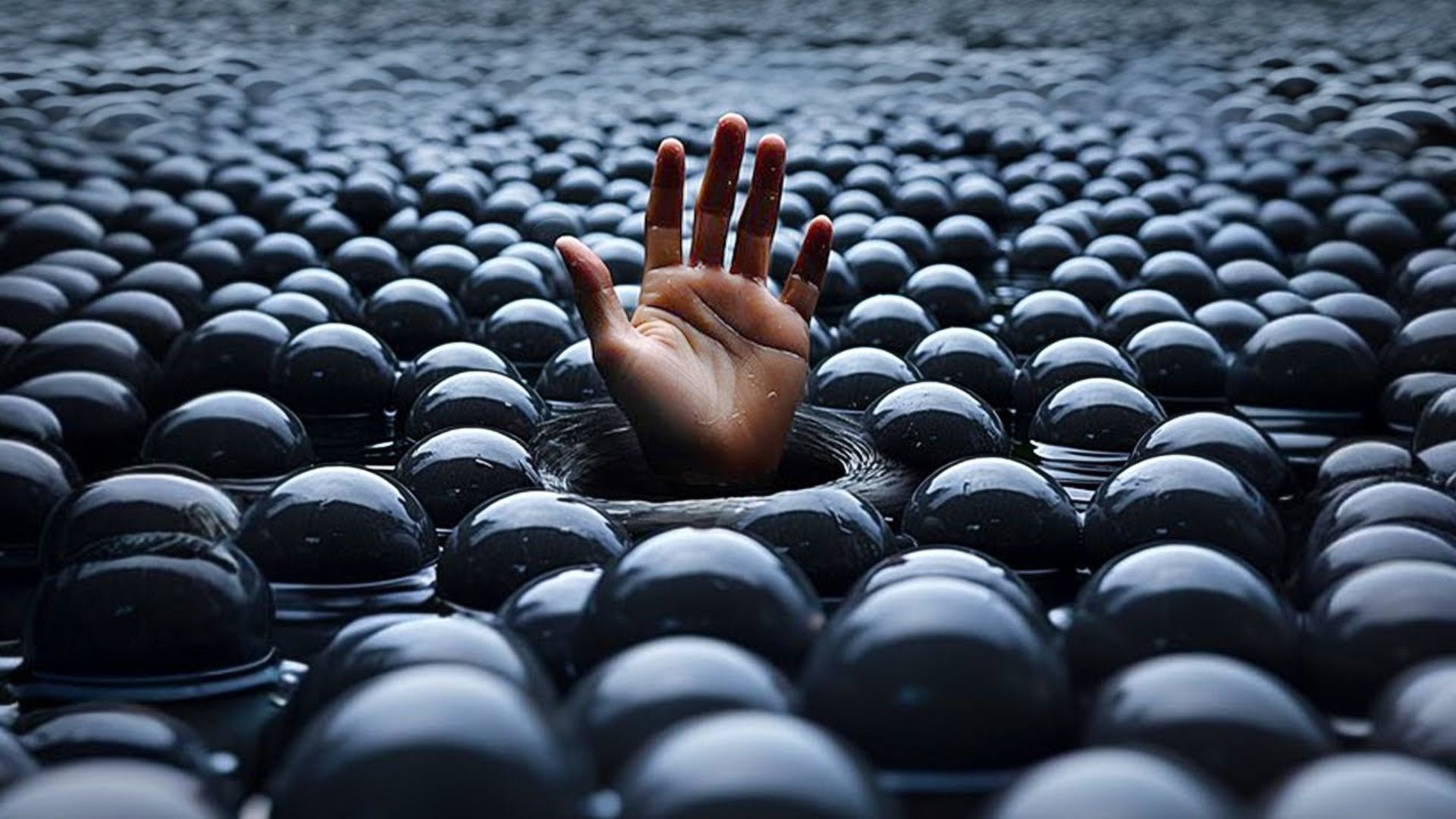

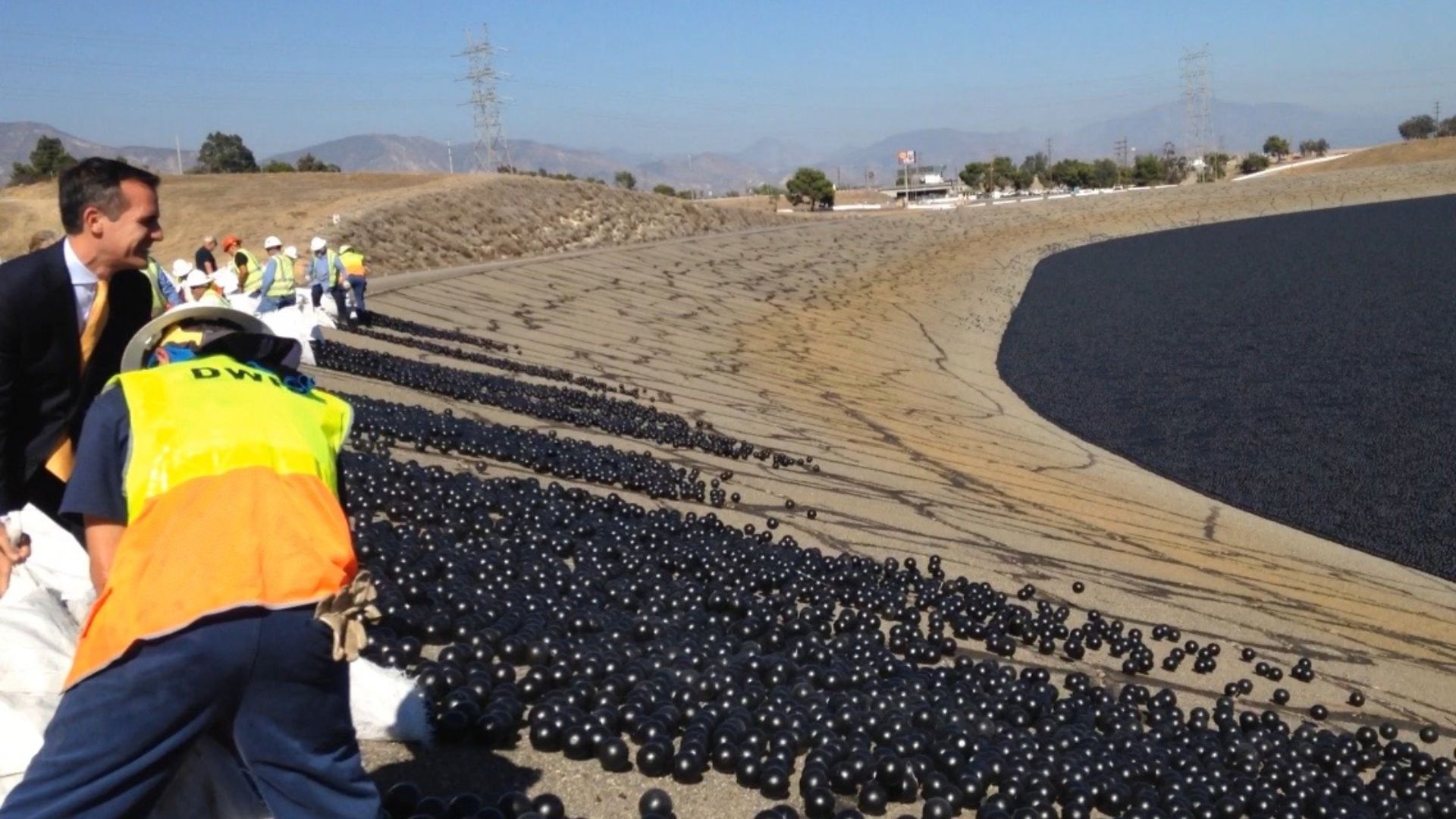
96 million black balls were dumped into the L.A. reservoir during the peak of a record-setting drought in California. Now, we know the real purpose behind this bizarre occurrence that went viral in 2015.
What are Shade Balls?
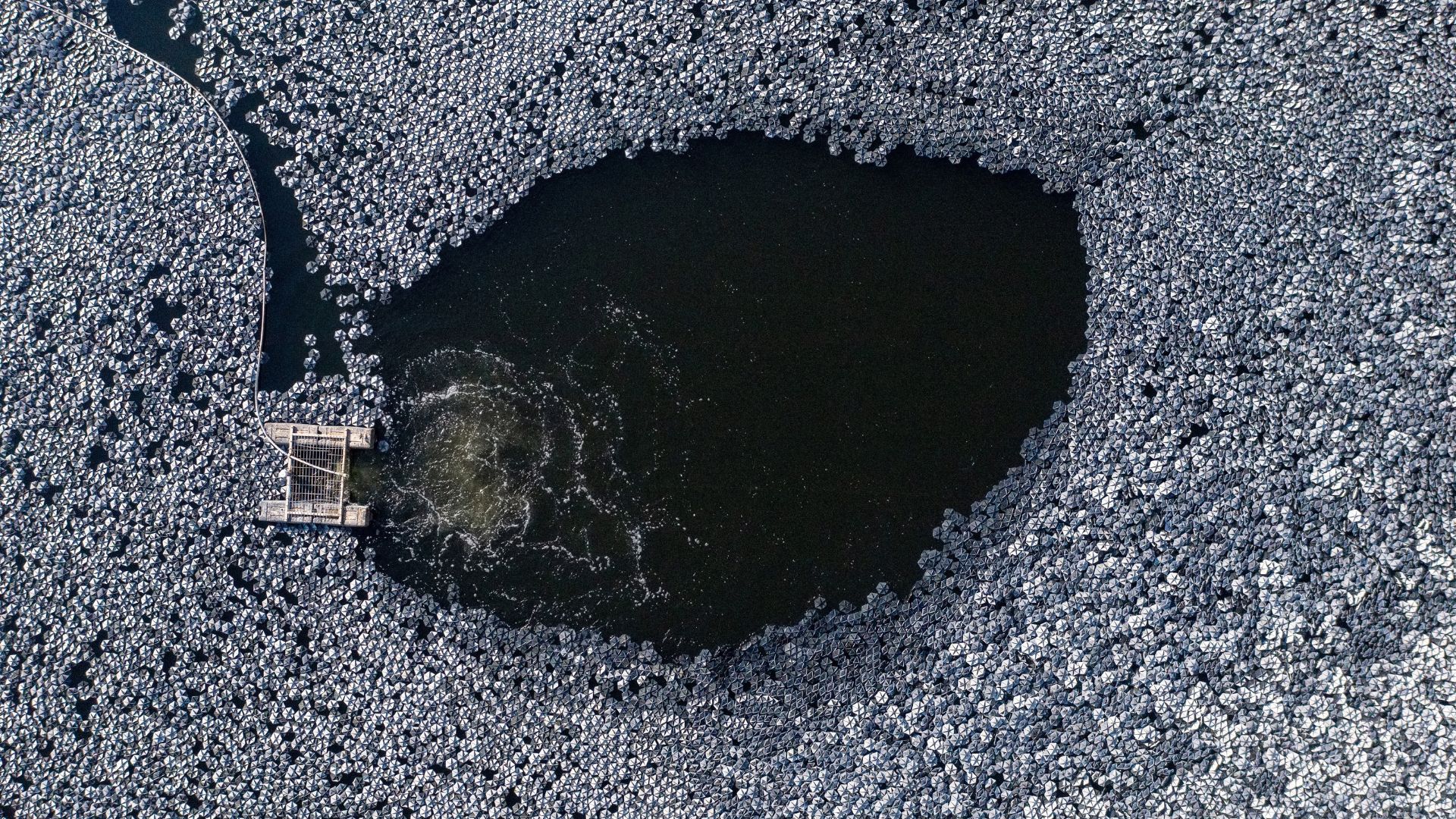
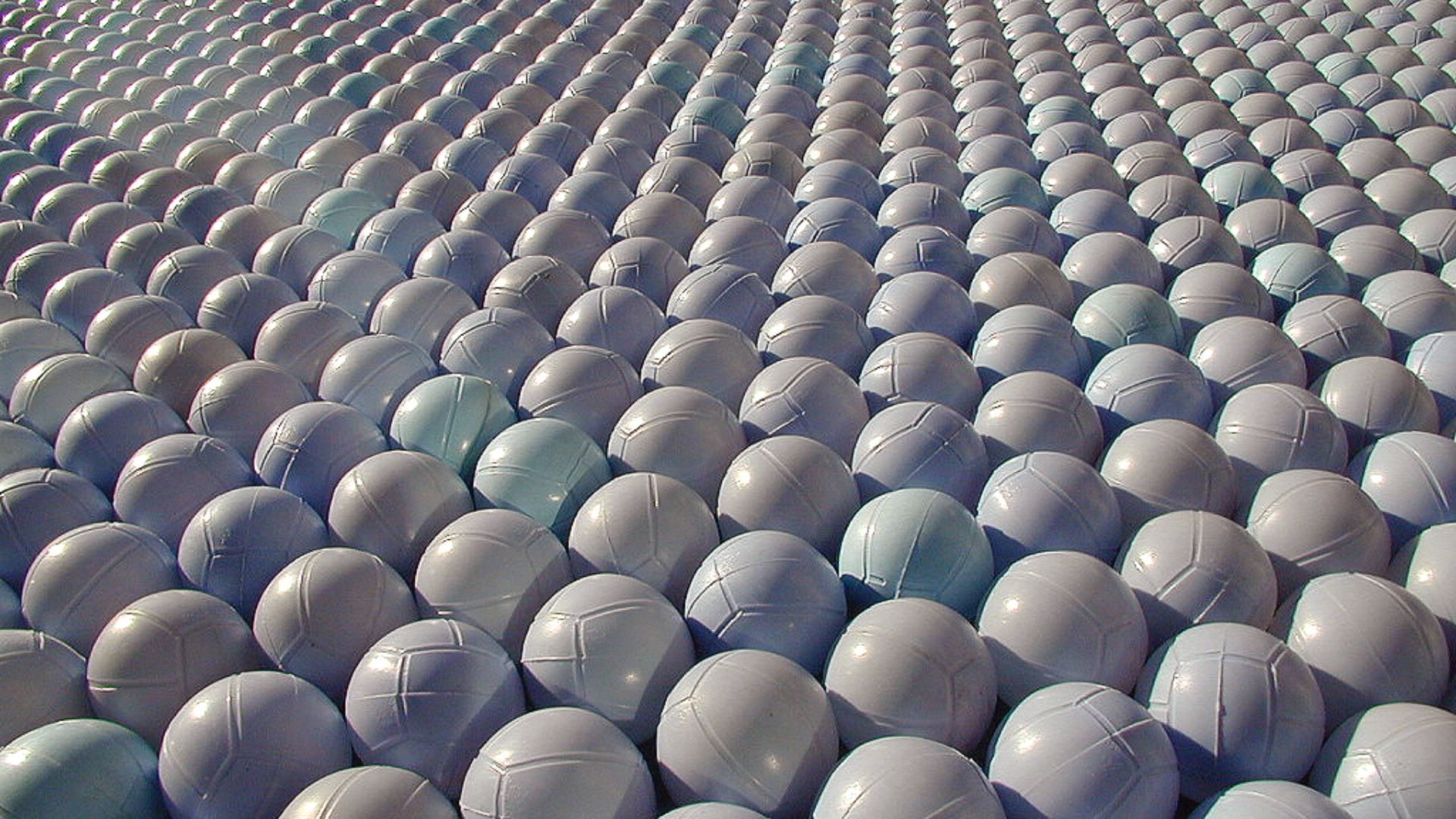
Shade balls are small hollow balls made out of high-density polyethylene (HDPE). They are typically about 4 inches in diameter and float on reservoirs all over the country. But what is the purpose of these fascinating contraptions?
What Do They Do?
Shade balls are released into reservoirs to help reduce evaporation, conserve water, and prevent harmful chemical reactions from occurring in the water that could render it unusable. By floating on the surface of the water, they can reduce evaporation by 80-90%.
How Do They Work?
The shade balls block sunlight from hitting the water, which prevents the formation of bromate. Bromate is a carcinogenic by-product that forms when the UV rays from the sun interact with bromide and chlorine in the water.
The Importance of Protecting Reservoir Water

It is critical that we protect reservoir water because we use it for drinking, domestic supply, irrigation, power, flood control, and more. In California, reservoir water is particularly important to supply clean water to communities in times of drought.
Shade Balls in the L.A. Reservoir
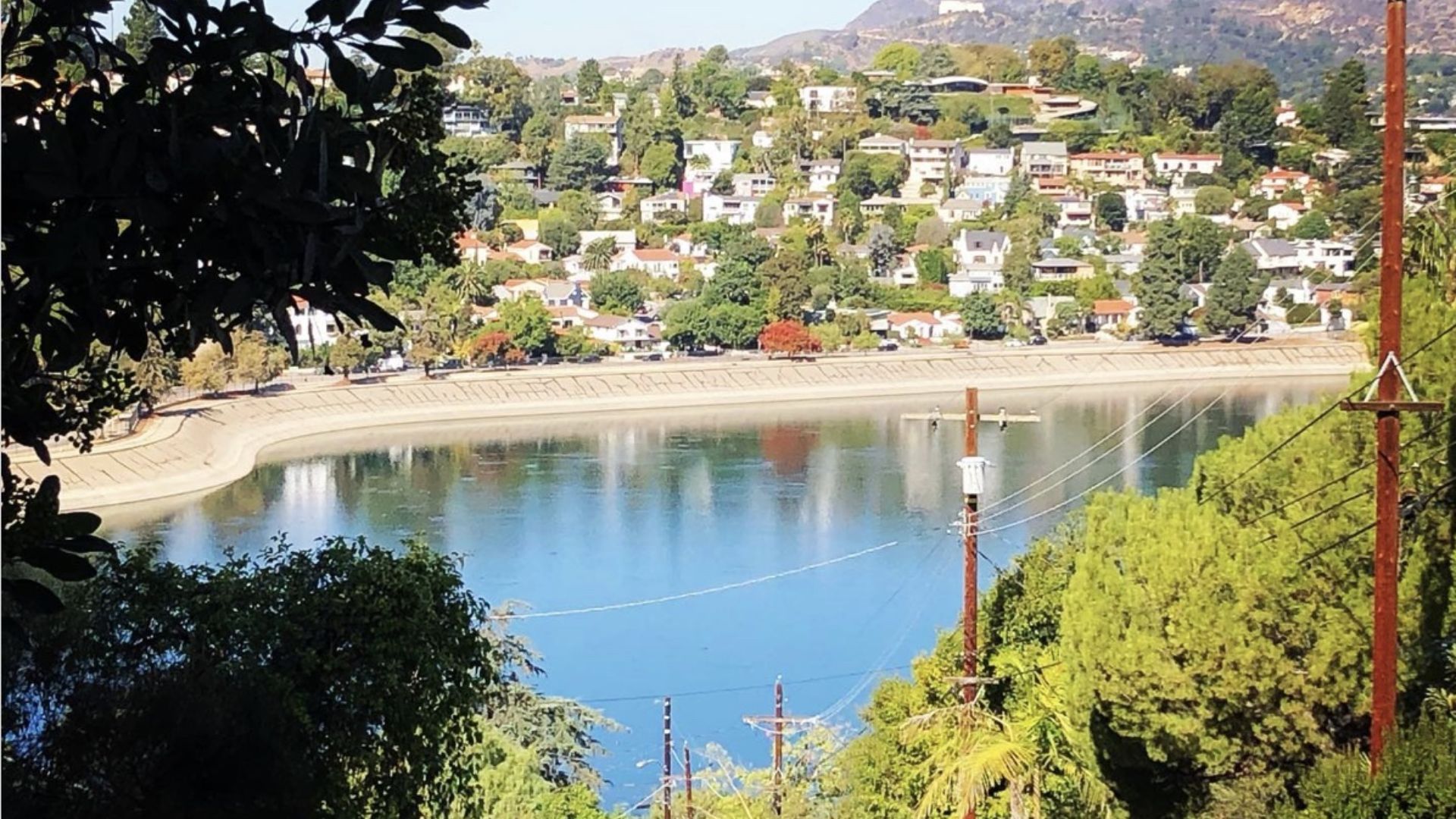
City officials decided to release one of the largest amounts of shade balls into a Los Angeles reservoir in 2015, stating they could save up to 300 million gallons of water annually, which was enough to supply drinking water to more than 8,000 people.
An Affordable Solution
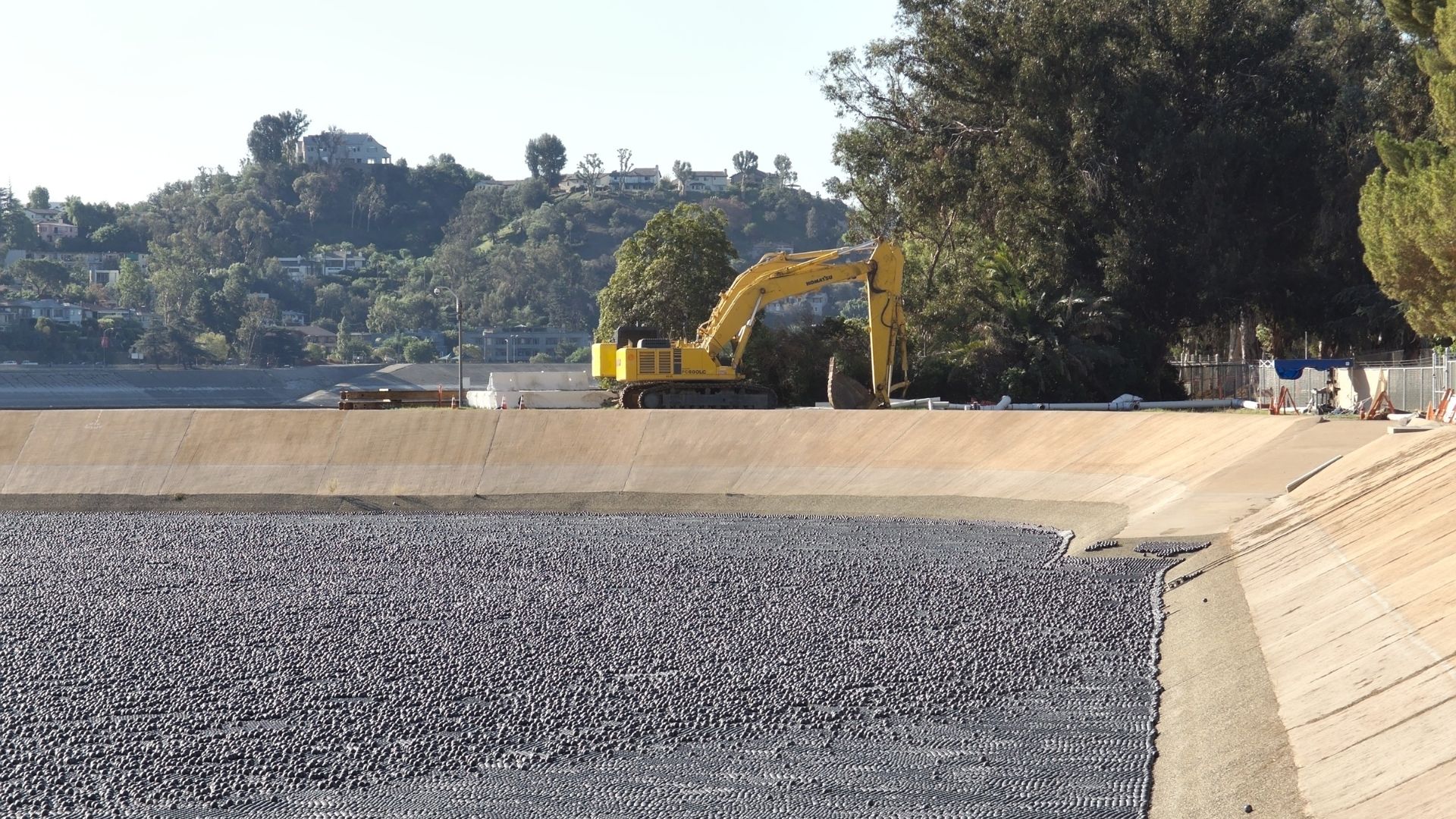
The Los Angeles reservoir is vast, spanning more than 175 acres, so finding a cost-effective way to preserve and protect the water was not easy. The L.A. Department of Water and Power estimated that other covers would have cost more than $250 million more than the shade balls.
Set Backs
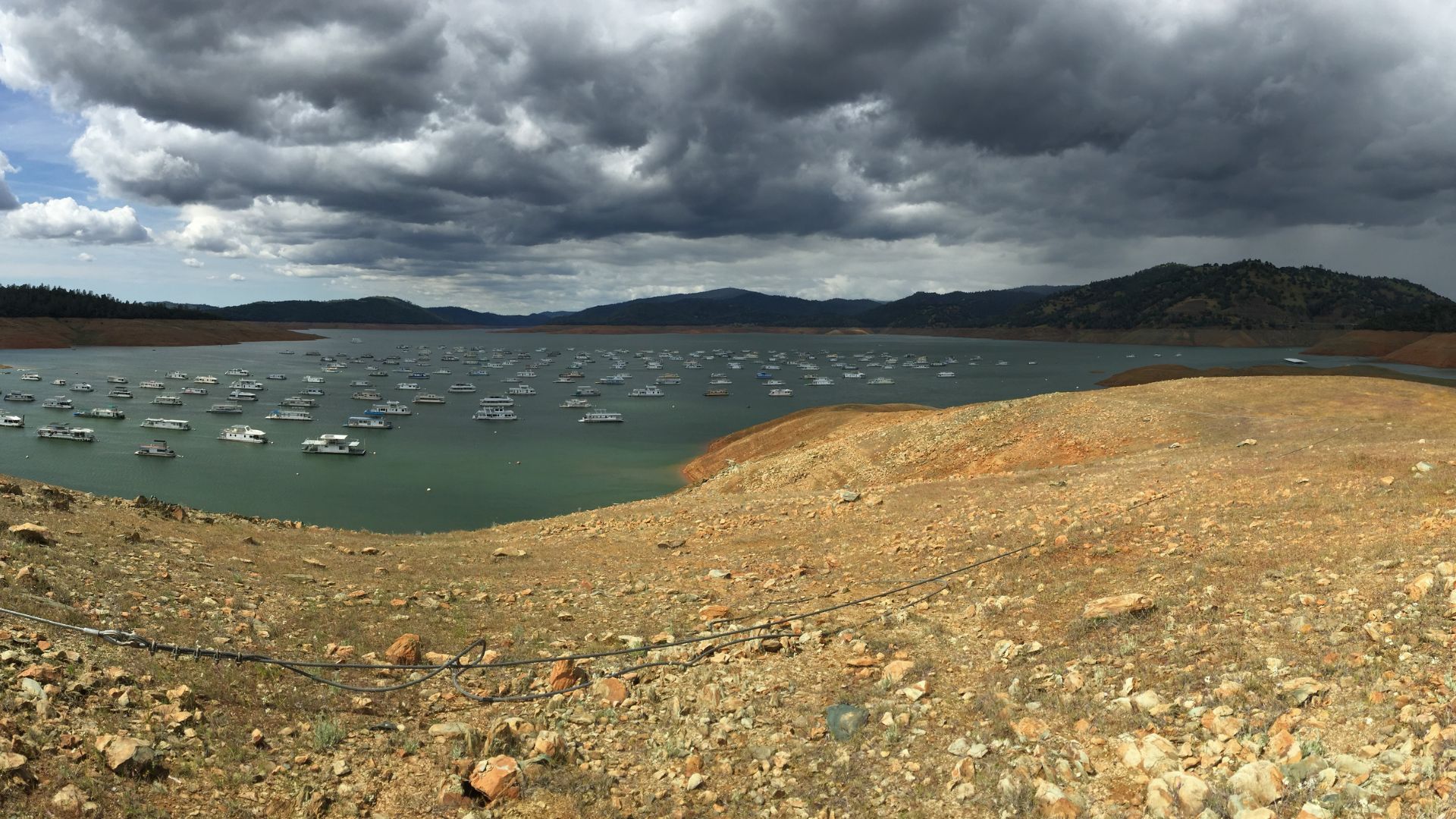
The only problem was that while the shade balls conserve water from the reservoir, they also cost water to make them. A Mechanical engineer at MIT explained, “We know that high-density polyethylene itself is made using oil, natural gas, and electricity… And each of these energy sources are water intensive”. So experts had to make sure the water that was conserved by using the shade balls outweighed the amount of water it requires to make them.
The Solution
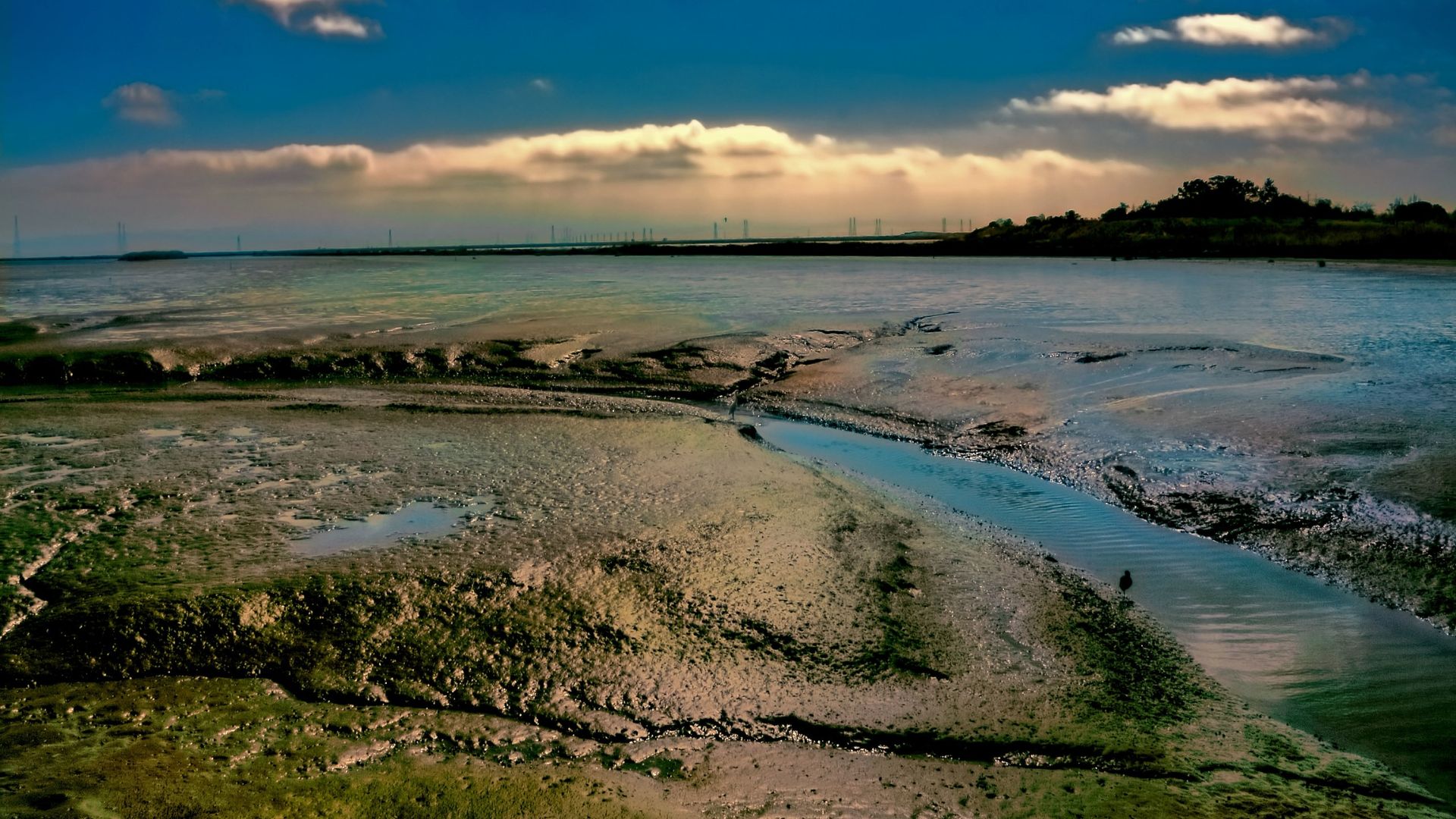
The experts found that the shade balls needed to stay in the Los Angeles reservoir for at least one to two and a half years in order to recover the water that was required to make them. By around 2018, the shade balls had more than made up for that, meaning they saved more water than what they cost to produce.
Conclusion
Because of the success of the shade balls in 2015, the L.A. Department of Water and Power has decided to continue the strategy in the city of Los Angeles to preserve the reservoir.