An Ocean is Forming in Africa, Splitting the Continent in Half

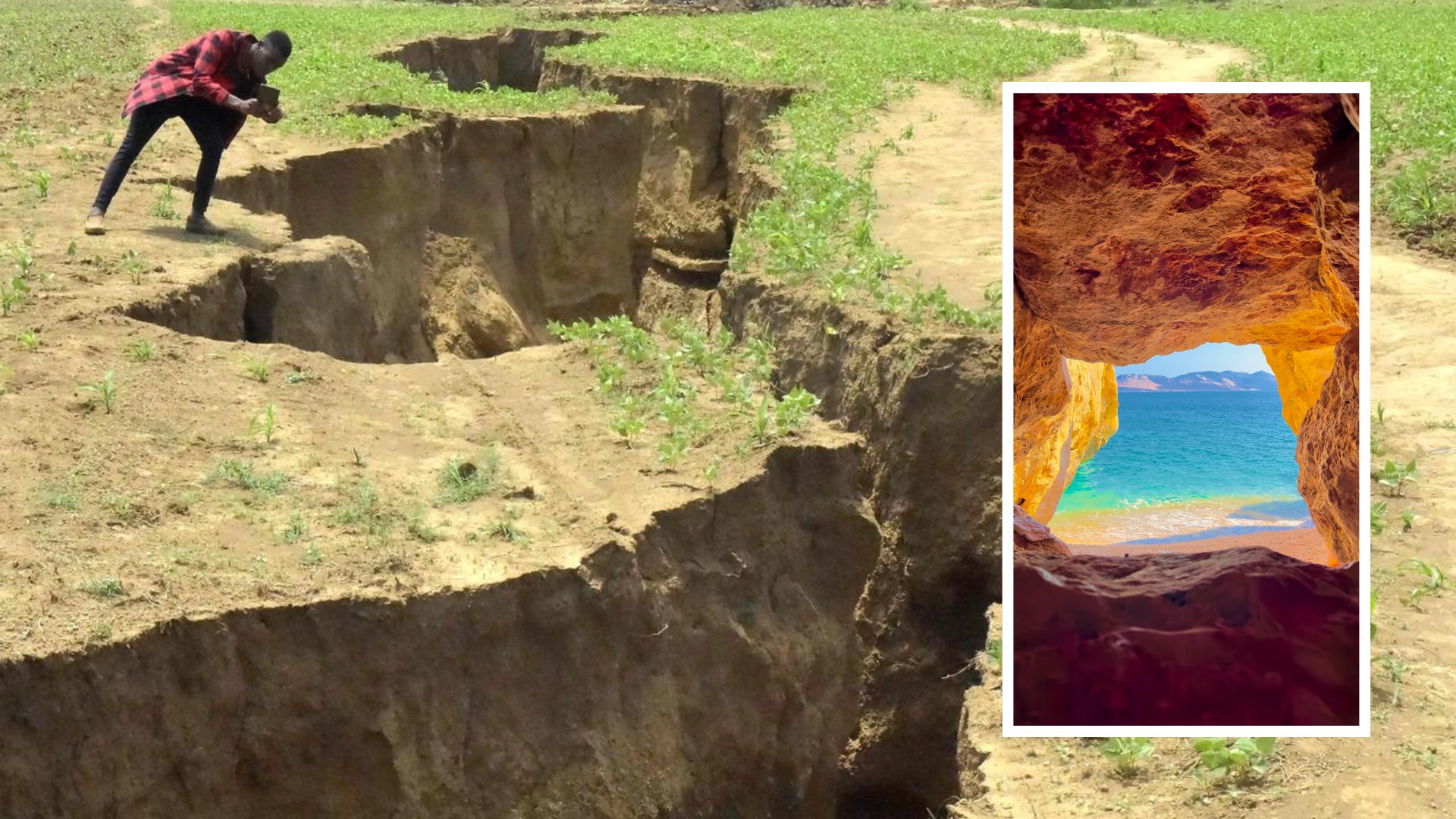
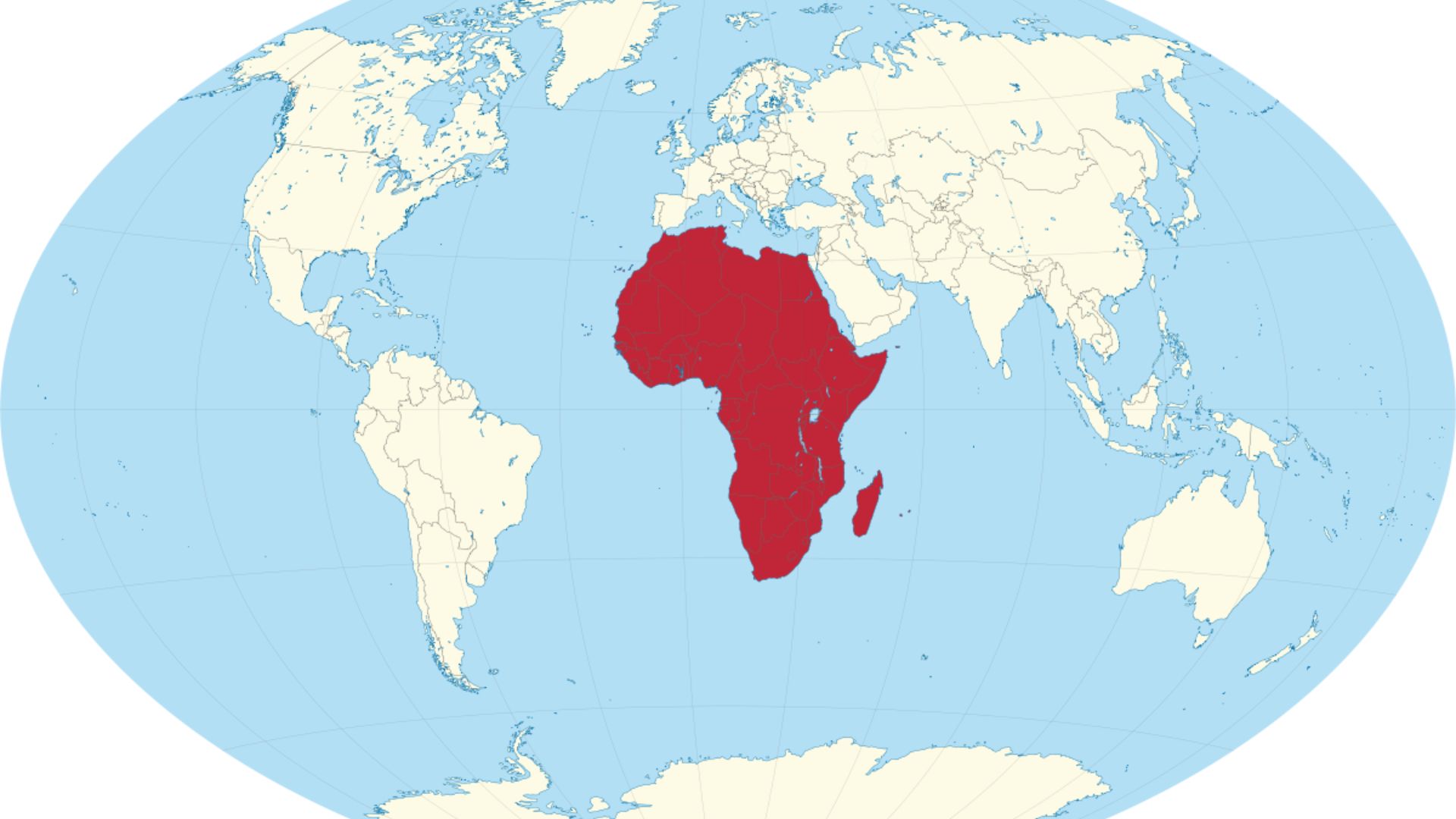
Earth’s seawater is split into five oceans: Pacific, Atlantic, Indian, Southern, and Arctic. But a fascinating geological marvel is unfolding in Africa. A sixth ocean is forming, but the formation of this new seawater basin might just split the continent in half. Here’s what we know.
The Start of the Ocean Formation
In 2005, a 35-mile-long fissure opened up in Ethiopia as part of the East African Rift System (EARS). EARS is an active continental rift zone that is thought to have been developing for at least 22 million years.
Tectonic Plate Shifts
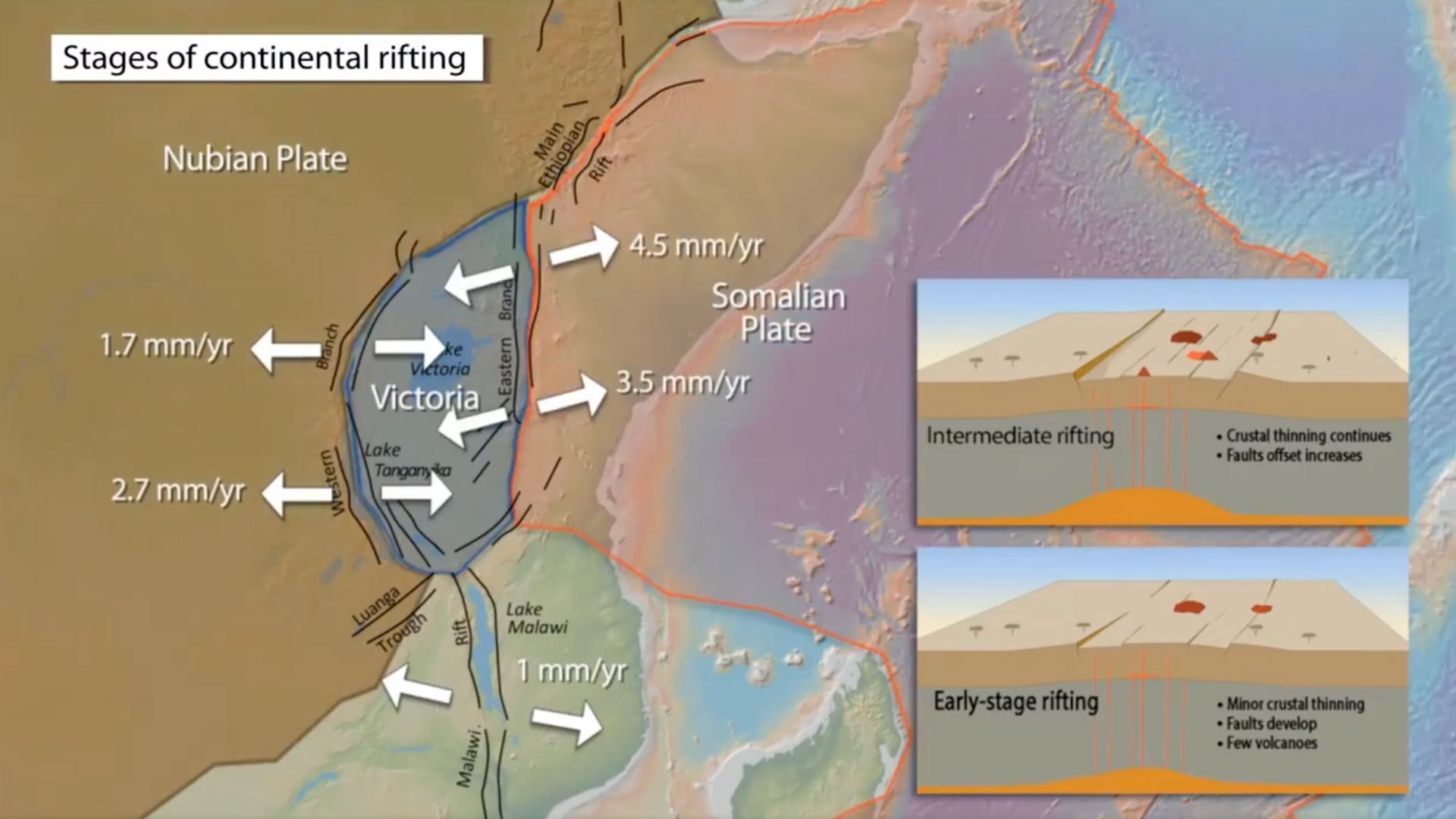
The gradual split of the continent is caused by tectonic activity. The Somali Plate is drifting away from the Nubian Plate in a manner similar to how South America and Africa drifted apart to create two separate continents.
Implications of This shift
Over time, the shift of these plates could have vital geographic significance. Just like the dramatic crisis of South America and Africa, the large crack, as it widens, could create a new ocean that entirely splits the continent of Africa.
What Experts Have to Say
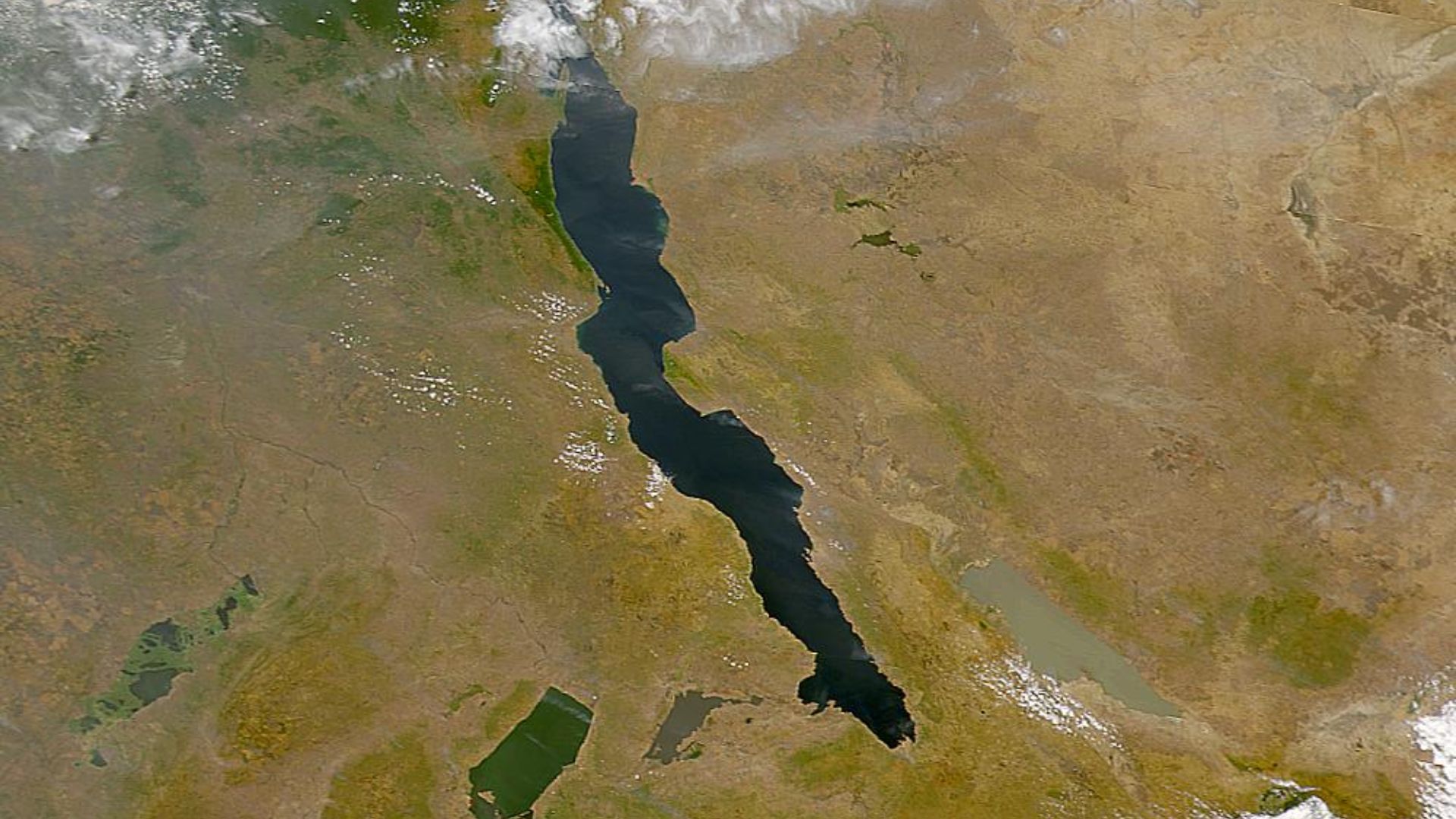
A marine geophysicist and professor at the University of California, Ken Macdonald, explained, “The Gulf of Aden and the Red Sea will flood over the Afar region and into the East African Rift Valley, giving rise to a new ocean. Consequently, this part of East Africa will evolve into its own distinct continent.”
Regions of Africa May Become Coastal

Some regions in Africa, like Ethiopia and Uganda, which are currently landlocked, would become coastal cities if the fissure separates into an ocean. This would increase their ability to participate in trade and boost their economic opportunities.
Climate Implications
The shift would also have implications for climate patterns. A new ocean would disrupt current climate patterns and even ecosystems in Africa. Ocean circulation, heat absorption, and greenhouse gas exchange would all be impacted. Locally, rainfall patterns and geological activity would also be altered.
What’s The Timeline?
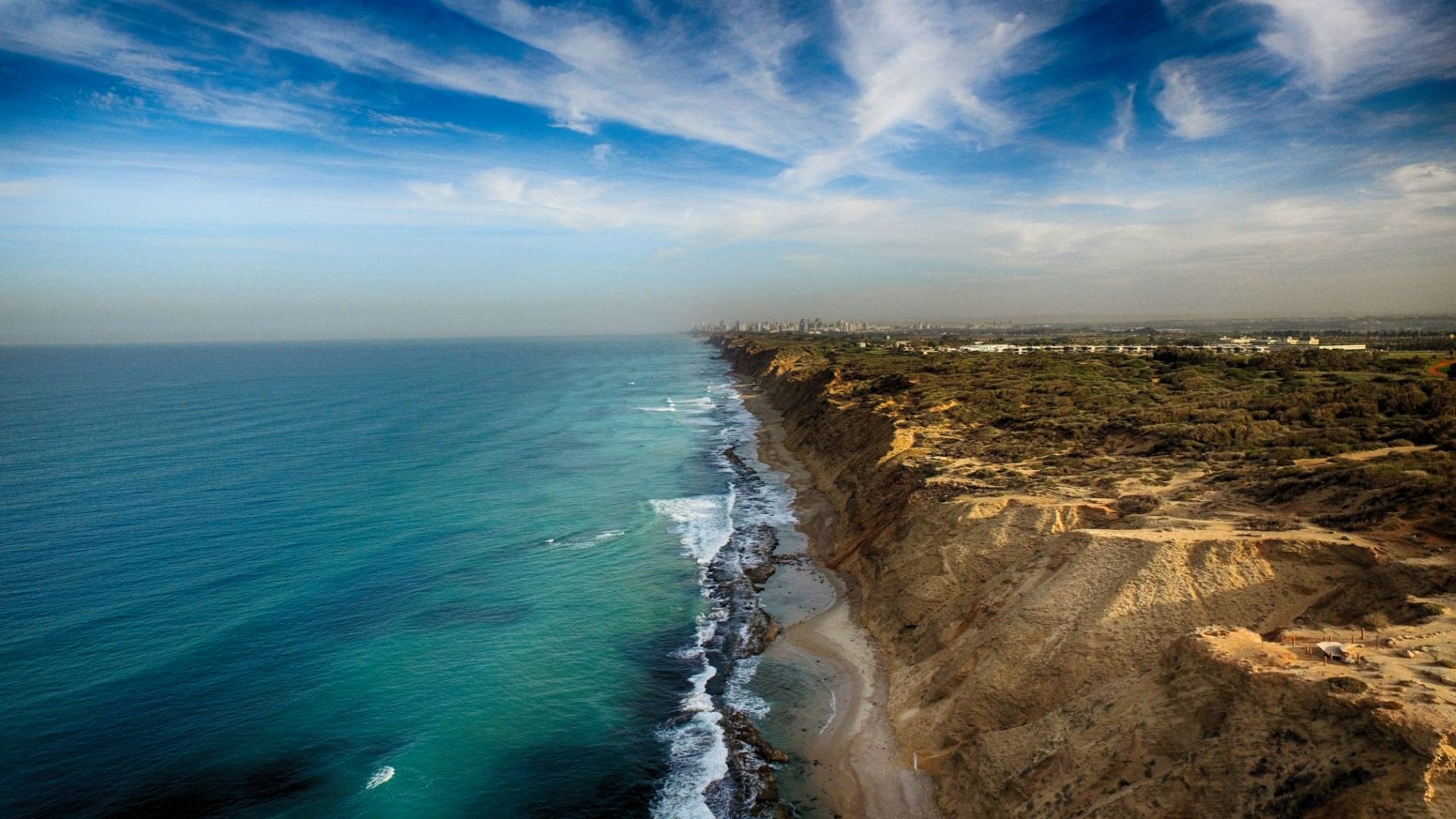
The fissure has been studied since its inception in 2005. Based on the research, scientists have identified that movement occurs at a few millimeters per year, making it a geologically significant event. This means that the ocean is predicted to form in one to five million years.
Africa’s Changing Landscape
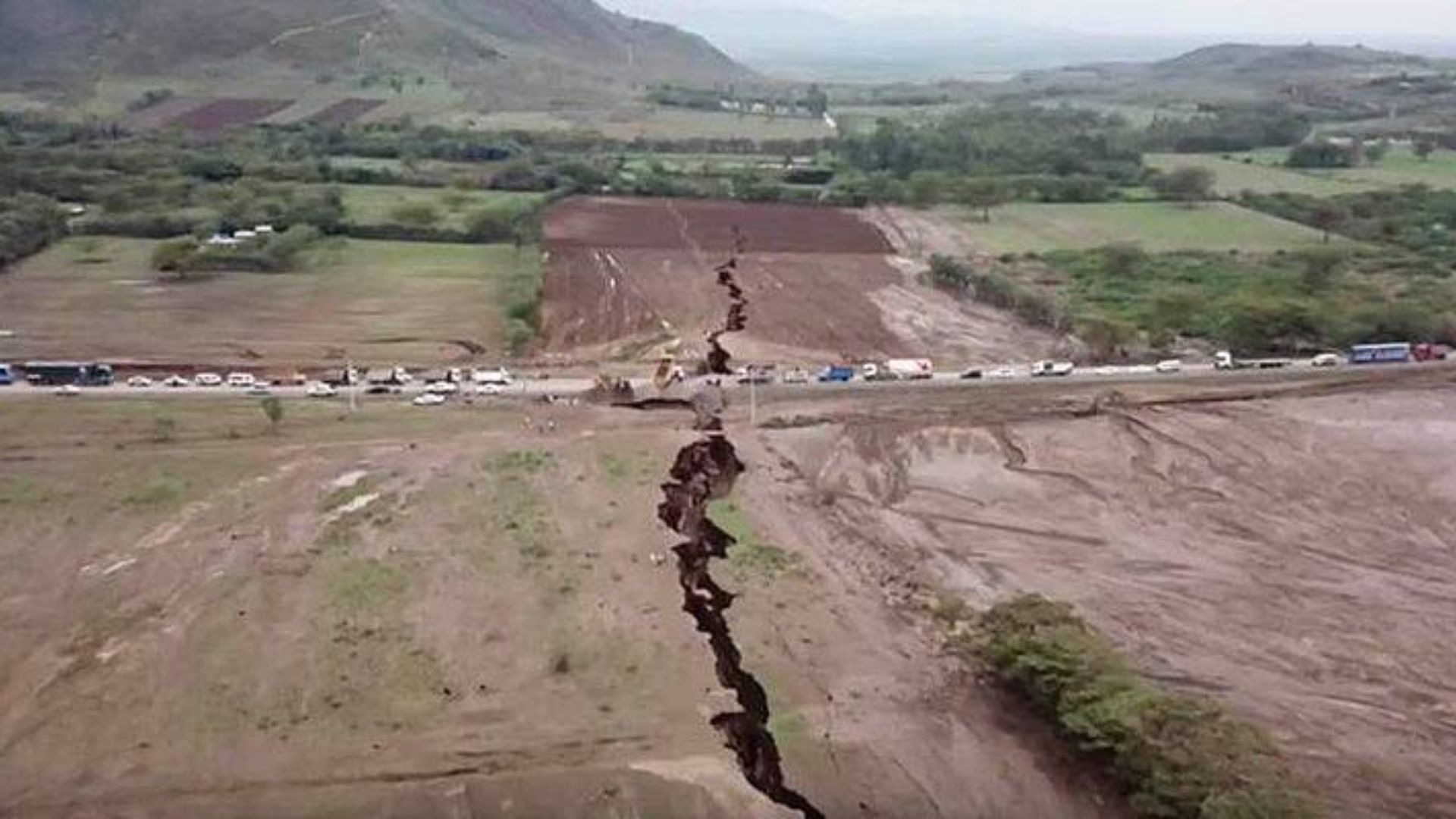
While the progress of the fissure may appear slow, geologists note the region’s high tectonic activity and volcanic history. These factors play a huge role in the country’s evolving landscape and extreme changes in climate could potentially speed up the process.
Conclusion
While not happening right away, the new ocean forming in Africa would split the continent, flooding the fissure with seawater, and having a massive impact on the country’s socioeconomic roles.