Your LED Bulbs May Be Dying Early for a Reason You’d Never Expect
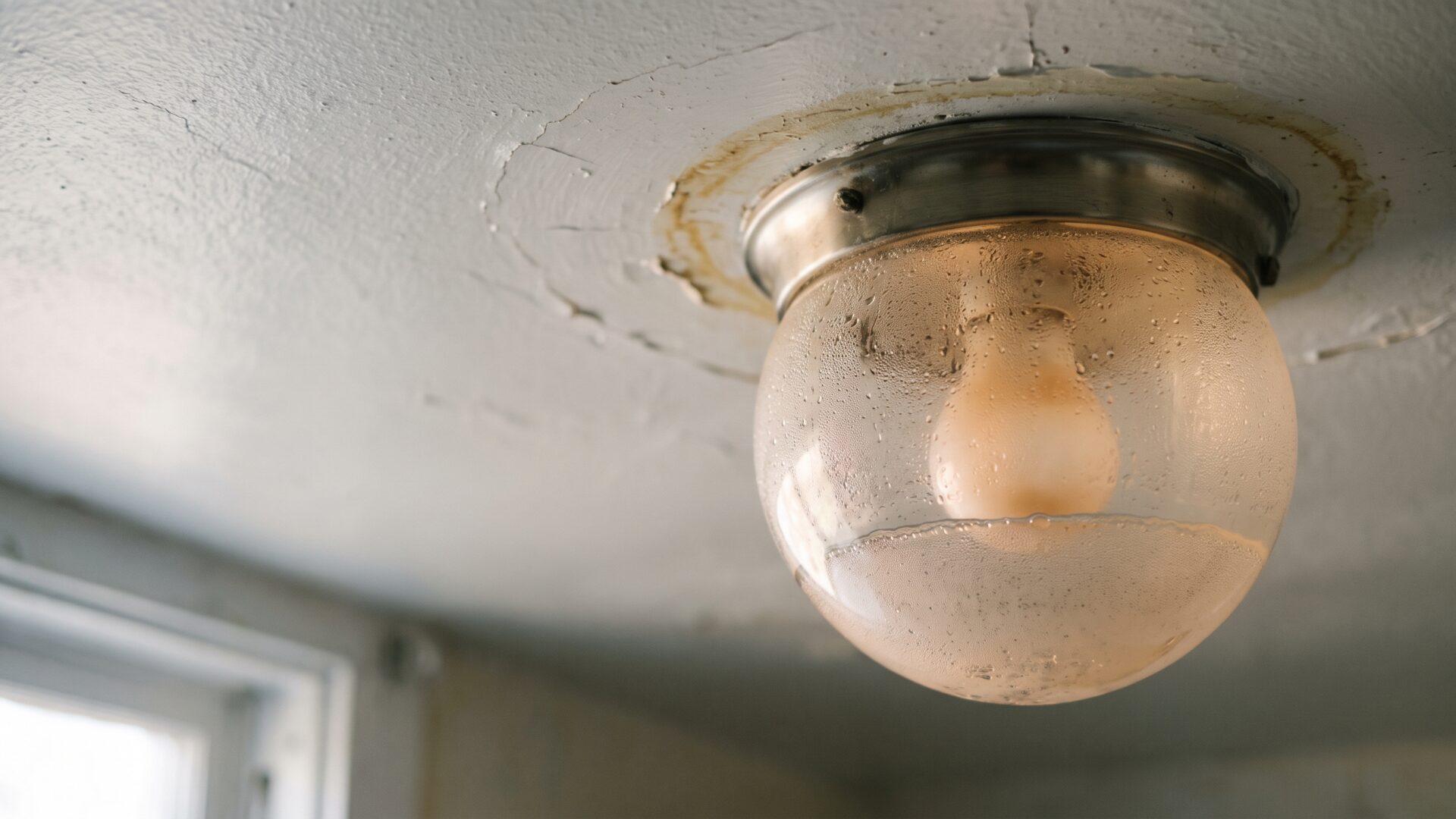

An LED bulb that fails in a bathroom after fourteen months probably was not defective. It was wet. Researchers publishing in IEEE Transactions on Device and Materials Reliability tested LED bulbs across a range of moisture levels and temperatures and watched light output drop as humidity climbed. The mechanism was diffusion: water vapor working its way into the boundary between the packaging materials that encase the diode. That same intrusion caused outright electrical failure in some modules, not just dimming. Bulb makers advertise lifespans that assume a dry fixture. Put the same bulb in a shower room, an unvented basement, or a porch light in a coastal climate and the clock runs faster.
This article was created with the assistance of AI and reviewed by our editorial team for accuracy and clarity.
Efficiency is exactly why humidity hurts LEDs more
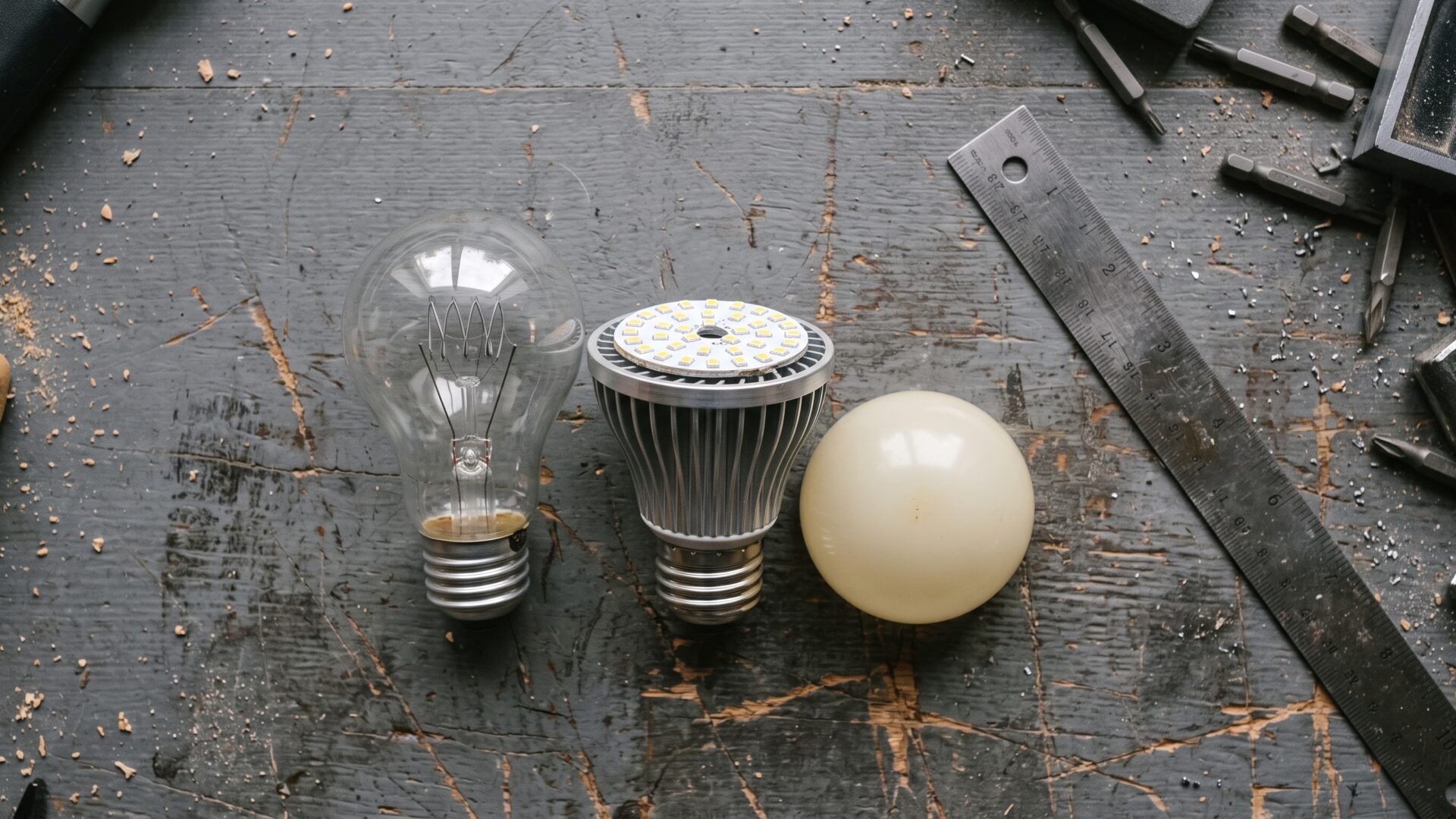
The usual assumption runs the other way. LEDs convert 80 to 90 percent of the electricity they draw into light instead of heat, so they should be the rugged option. An incandescent filament ran hot enough to drive moisture off its own glass. An LED does not. It runs cool by design, which means condensation that forms inside a fixture stays there. The diode is a semiconductor, a material that conducts electricity only under certain conditions, and its connections are fine metal traces on a small board. Water on those traces is a conductor in the wrong place. The trait that makes an LED cheap to run also removes the thing that used to keep it dry.
How water gets inside a sealed-looking bulb
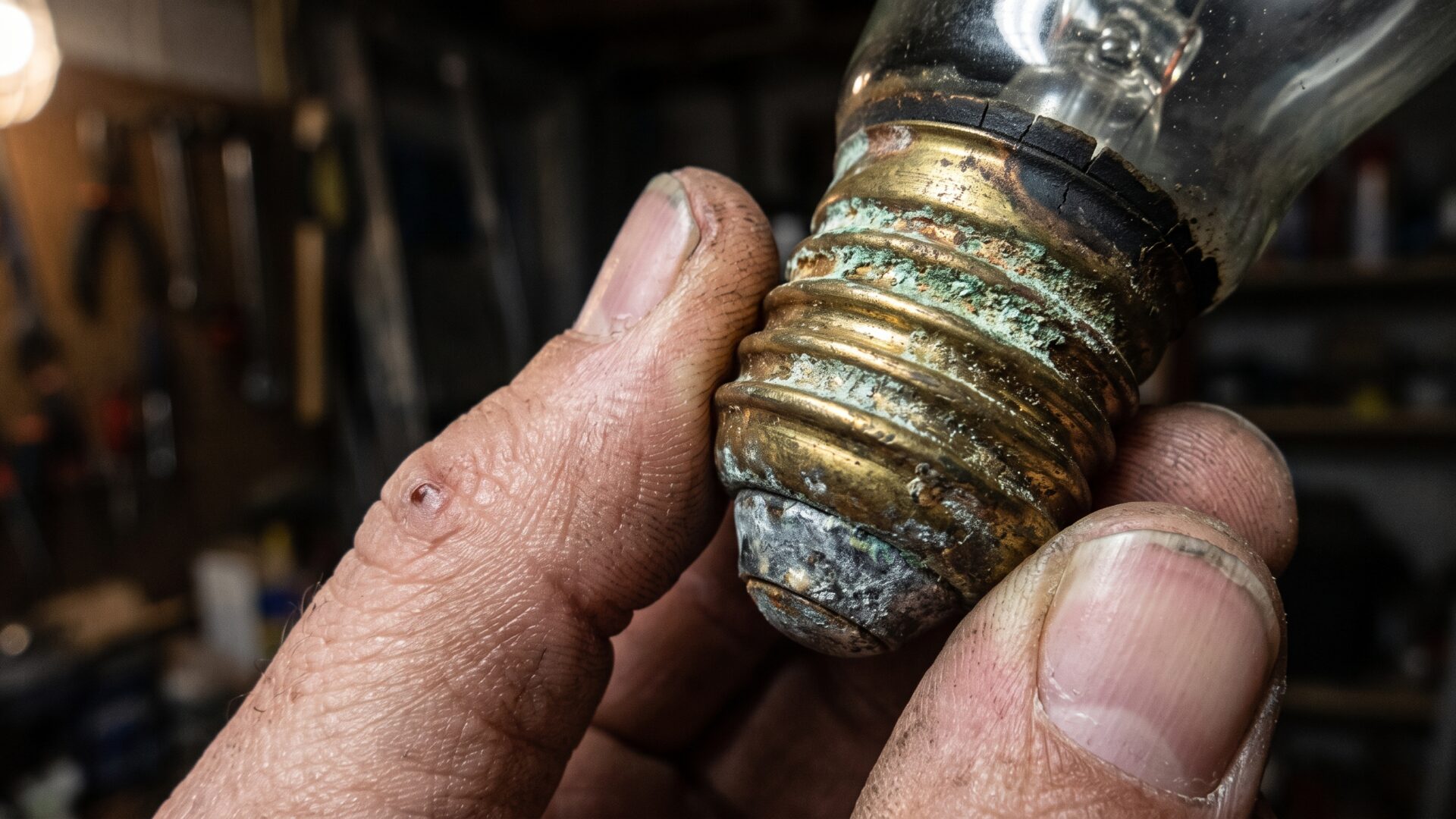
Nothing has to crack. An LED bulb is an assembly of dissimilar materials pressed together: silicone lens, plastic housing, epoxy, metal lead frame, circuit board. Water vapor moves through the joints between them, and through some of the plastics themselves, by diffusion. Molecules migrate from a wetter place toward a drier one. Once inside, vapor condenses when the fixture cools, usually after the light is switched off. Liquid water sits against copper traces and solder joints and corrodes them. Corroded metal has higher resistance, which produces heat, which accelerates the damage. The failure is slow and compounding rather than sudden, which is why the bulb dims for weeks before it quits.
The 100,000-hour promise versus what rooms deliver
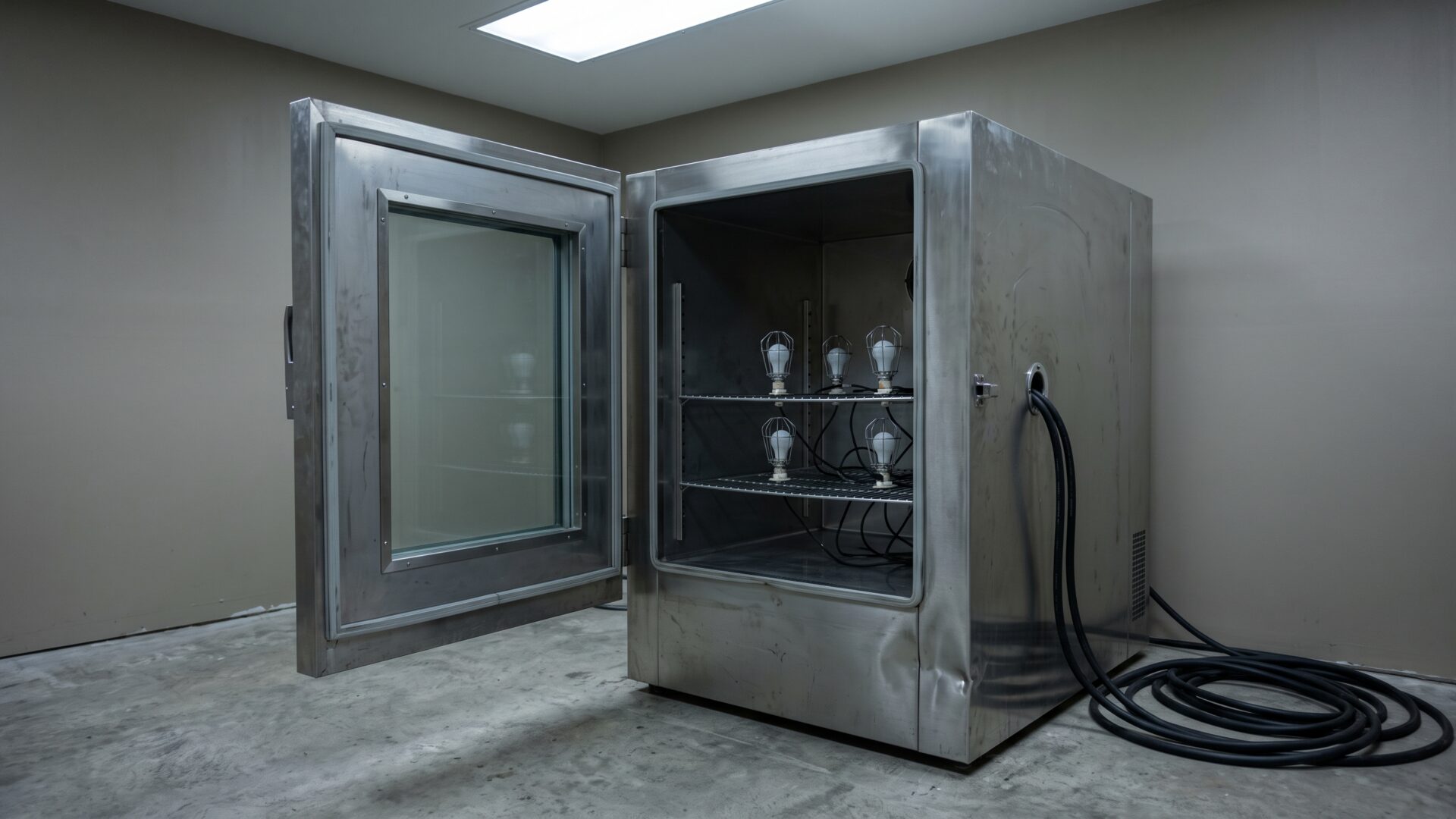
Early LED marketing claimed 100,000 hours. Run eight hours a day, that is roughly 34 years, longer than most people stay in a house. Shelf ratings have since settled lower, commonly 15,000 to 25,000 hours, which at the same eight-hour schedule is five to eight and a half years. Those numbers come from laboratory testing in controlled conditions. A bathroom that runs near saturation twice a day is not that. Neither is a basement in a river valley, an enclosed porch fixture, or a laundry room with a dryer venting into it. The rating describes the diode’s ceiling. The room sets the actual number, and nothing on the box accounts for the room.
What the two digits in an IP rating actually mean
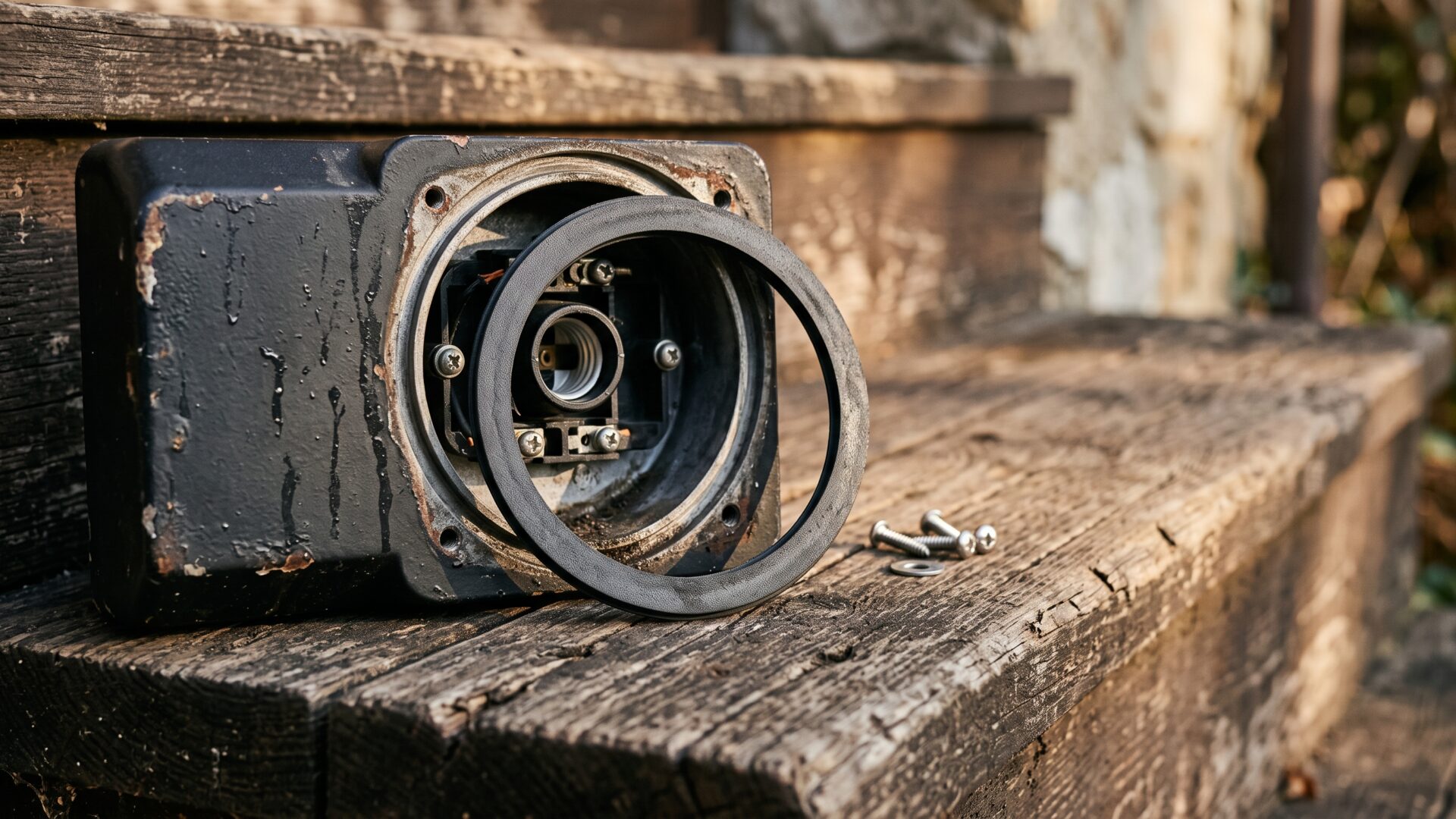
Ingress Protection ratings appear on better bulbs and fixtures as two numerals. The first covers solids, from dust down to fingers. The second covers water, and that is the one that matters here. IP44 handles splashing water from any direction and suits ordinary indoor rooms with some humidity. IP65 handles low-pressure jets and is the common floor for outdoor fixtures and wet locations, where it should hold up under sustained high moisture. A bulb printed with no IP rating at all has not been tested for water intrusion, and in a damp room it is the likeliest one to fail. Manufacturers who seal their housings tend to advertise it.
Check the storage closet before you blame the bulb
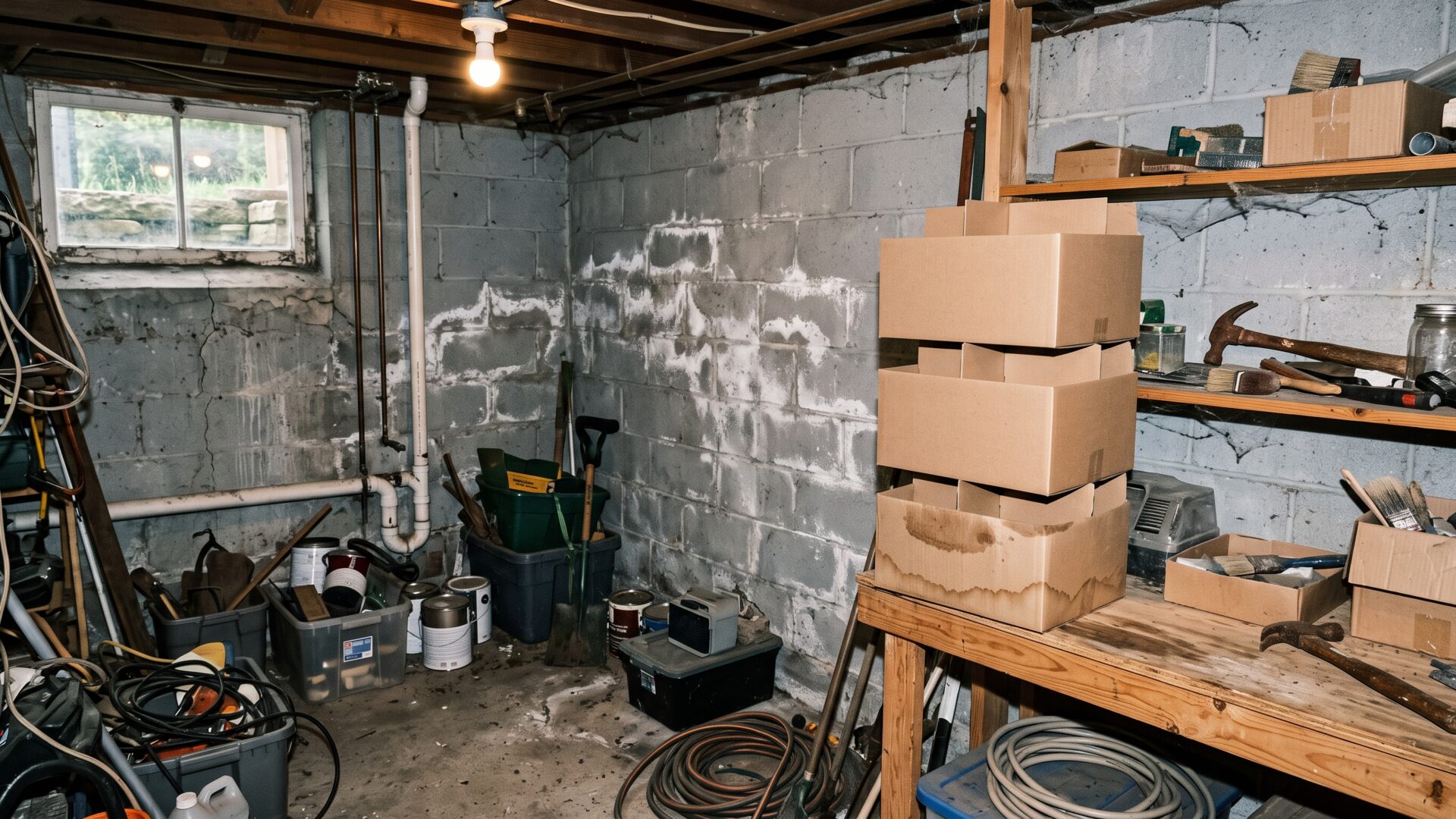
Replacement bulbs sit in their boxes for months. A cardboard four-pack on a basement shelf or in an unconditioned garage absorbs humidity the entire time, and diffusion does not require the bulb to be powered. A bulb can arrive at its fixture already carrying moisture in its packaging layers. Move spares to a closet inside the heated and cooled part of the house. A bedroom shelf works. So does a kitchen cabinet. If the only available space is a garage or basement, a sealed plastic bin keeps ambient moisture off the cartons. Opening a new bulb and finding the cardboard soft or the box smelling musty is a sign the contents sat somewhere damp.
Enclosed fixtures turn a heat problem into a moisture problem
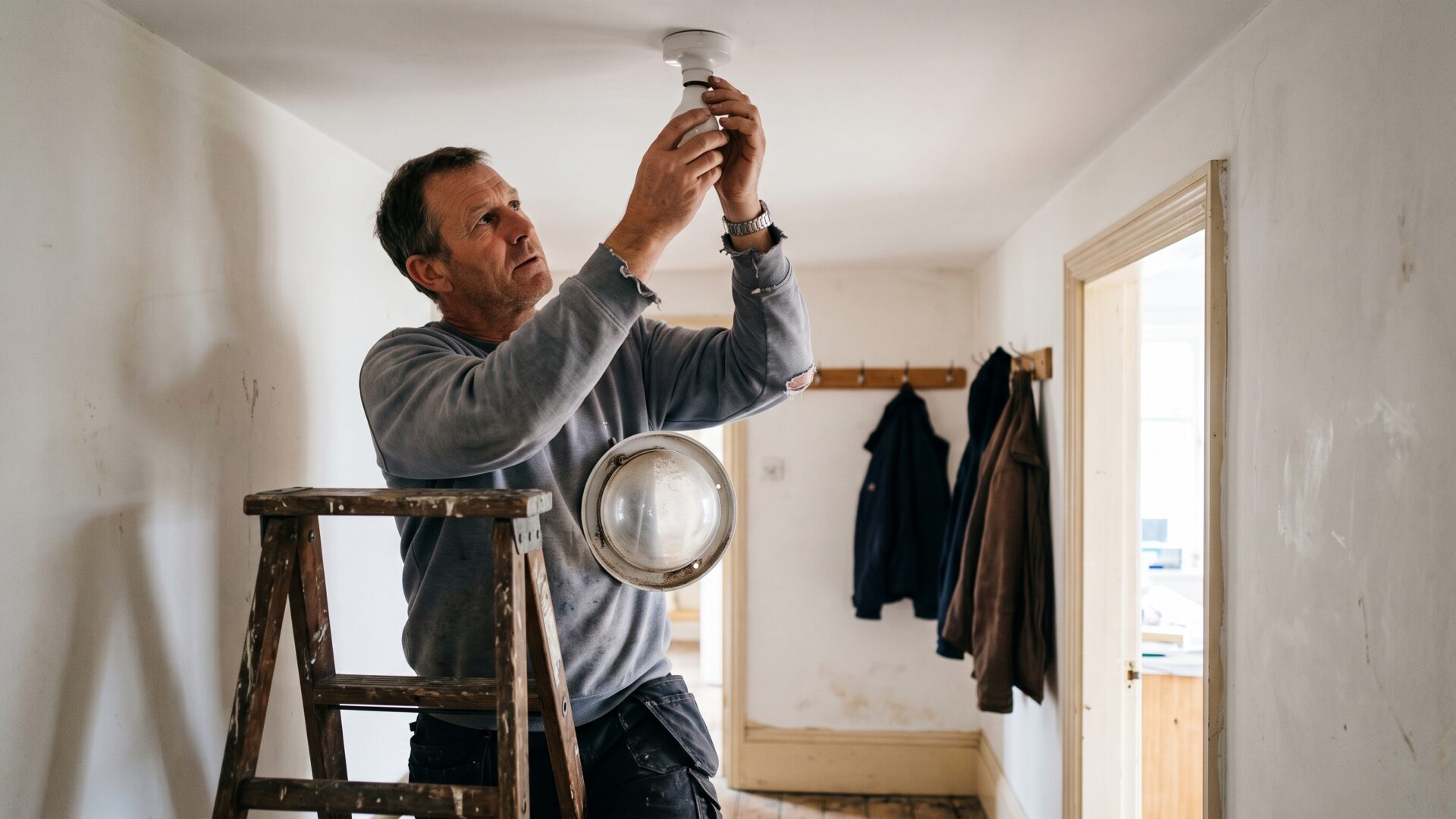
The most common mistake is putting a standard bulb in a sealed dome or globe fixture. Many LED bulbs are explicitly not rated for enclosed fixtures, and the reason is heat. Trapped air raises the temperature around the driver electronics in the bulb’s base. In a humid room the two problems combine. Warm trapped air holds more water vapor, then releases it as condensation every time the light goes off and the dome cools. The bulb cycles through wet and dry daily. Bulbs built with aluminum housings move heat out faster by spreading it across a larger surface, which is why that feature shows up on bulbs sold for enclosed and damp-rated use.
Damp-rated and wet-rated are not the same label
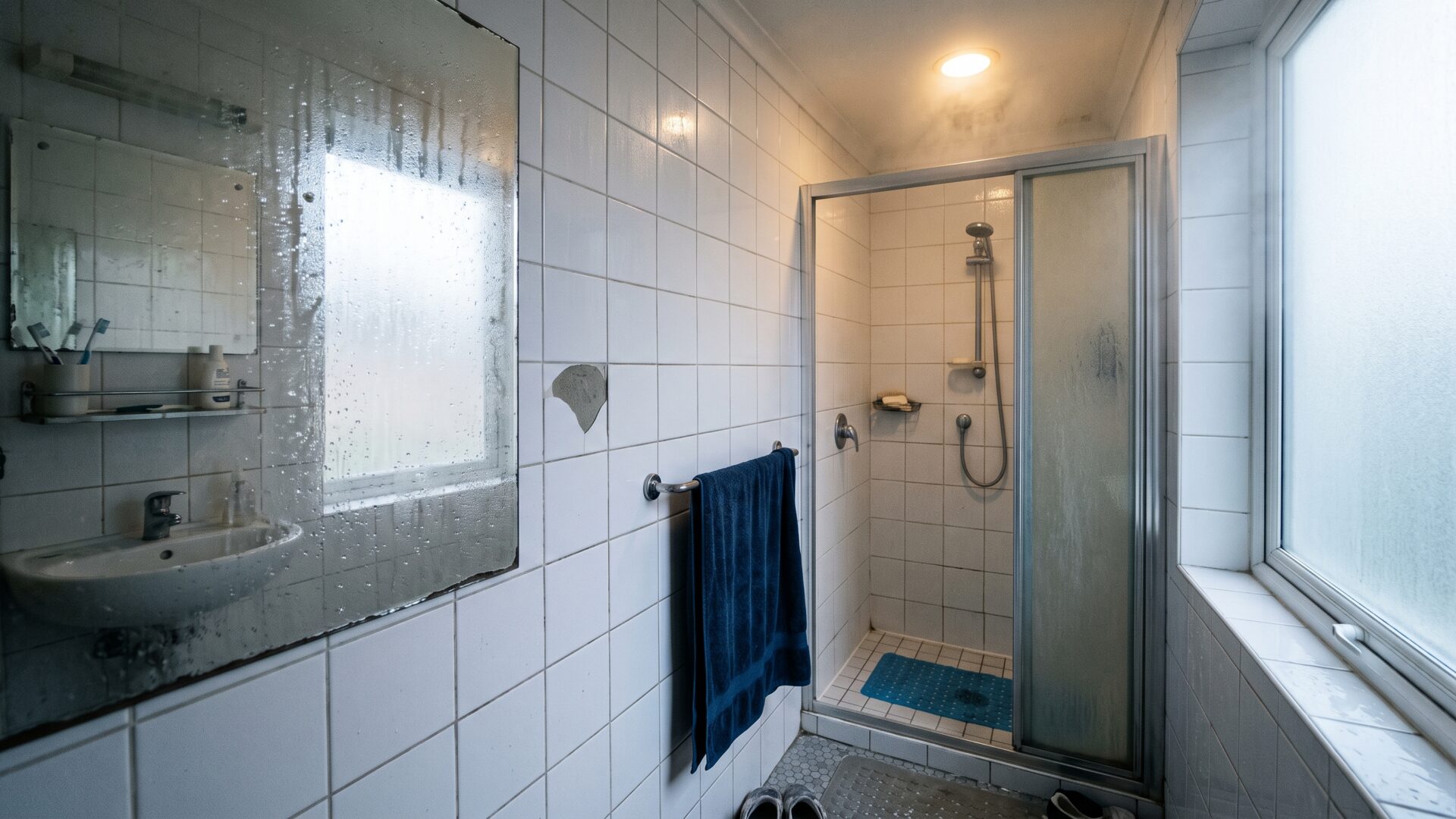
American fixtures carry a separate listing that runs alongside IP numbers. Dry location is the default. Damp location covers places with moisture in the air but no direct contact: bathrooms away from the shower, covered porches, basements. Wet location covers direct exposure, including shower enclosures, open eaves, and anything facing rain. The gap between damp and wet is where most bad installations land. A damp-rated fixture mounted directly above a shower head sees water that it was never tested against. The listing is usually printed on the fixture label rather than the bulb, so a correctly rated bulb inside an underrated fixture still fails. Both parts have to match the room.
The 2023 phaseout removed the forgiving option

The US Department of Energy’s efficiency standards took full effect in 2023, ending general-service incandescent sales. That decision was about electricity use, and it worked on those terms. It also removed the bulb that tolerated bad conditions without complaint. An incandescent in a steamy bathroom ran hot, dried itself, failed on schedule, and cost about a dollar to replace. The LED that replaced it costs several times more, is expected to last years rather than months, and is more sensitive to the environment it sits in. The economics only work if the bulb reaches its rated life. In a wet room with no IP rating and an enclosed fixture, it will not.
Moisture failures can turn into fire hazards
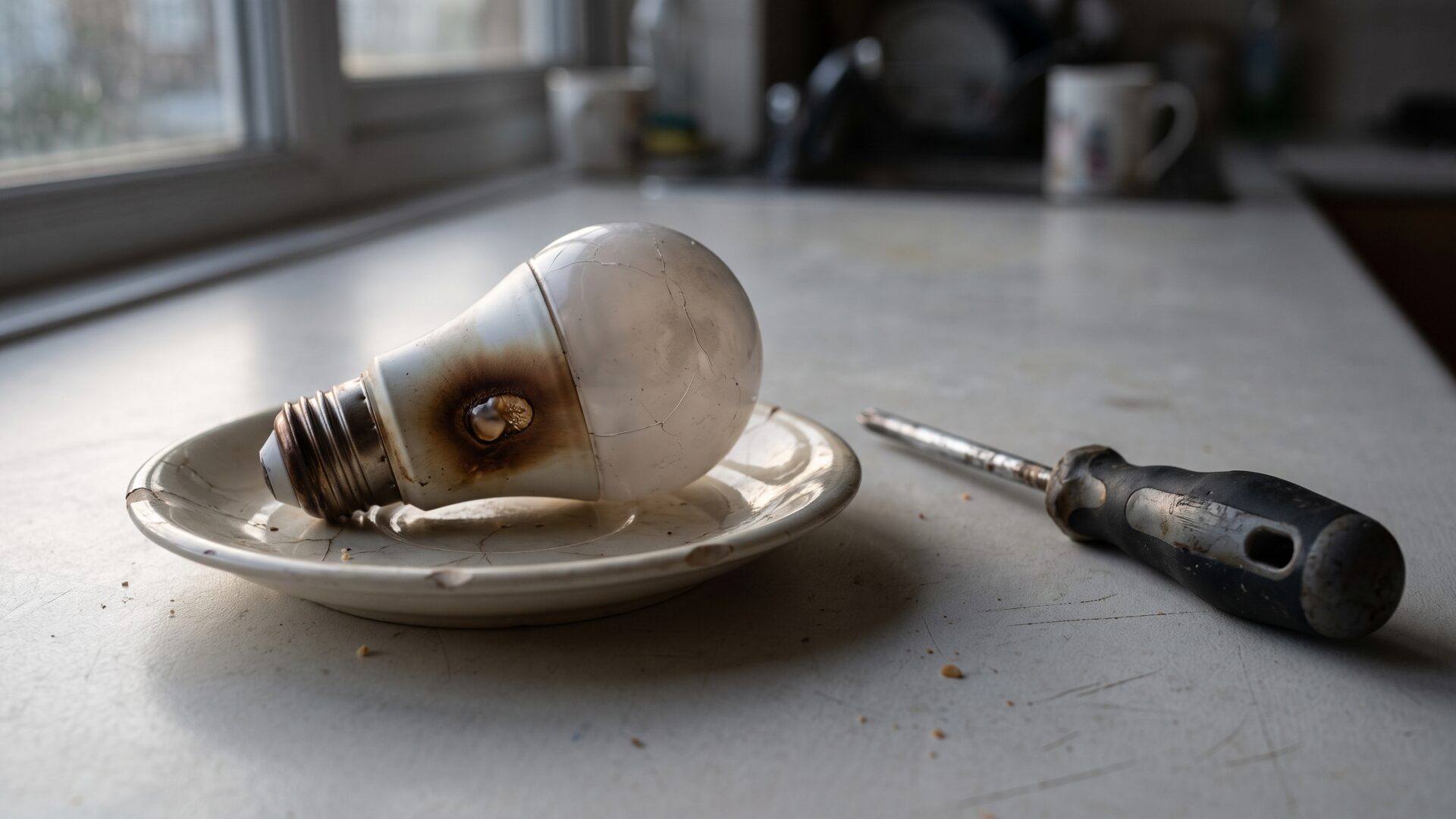
A dimming bulb is an annoyance. A corroded one carries a different risk. Water bridging contacts inside a powered fixture creates short circuit paths that the bulb was not built to handle, and the IEEE testing documented moisture causing electrical failure in LED modules, not only reduced output. In a ceiling fixture, that failure sits inside a box surrounded by insulation. Watch for flickering that worsens, visible condensation inside the globe, a brown or greenish stain on the base, or a plastic smell when the light is on. Any of those means remove the bulb. Pull a suspect bulb at the switch first, then at the socket once the fixture is cool.