Americans Are Spending $200 a Year on Air Purifiers, but One Common Maintenance Mistake Could Undermine Their Efforts
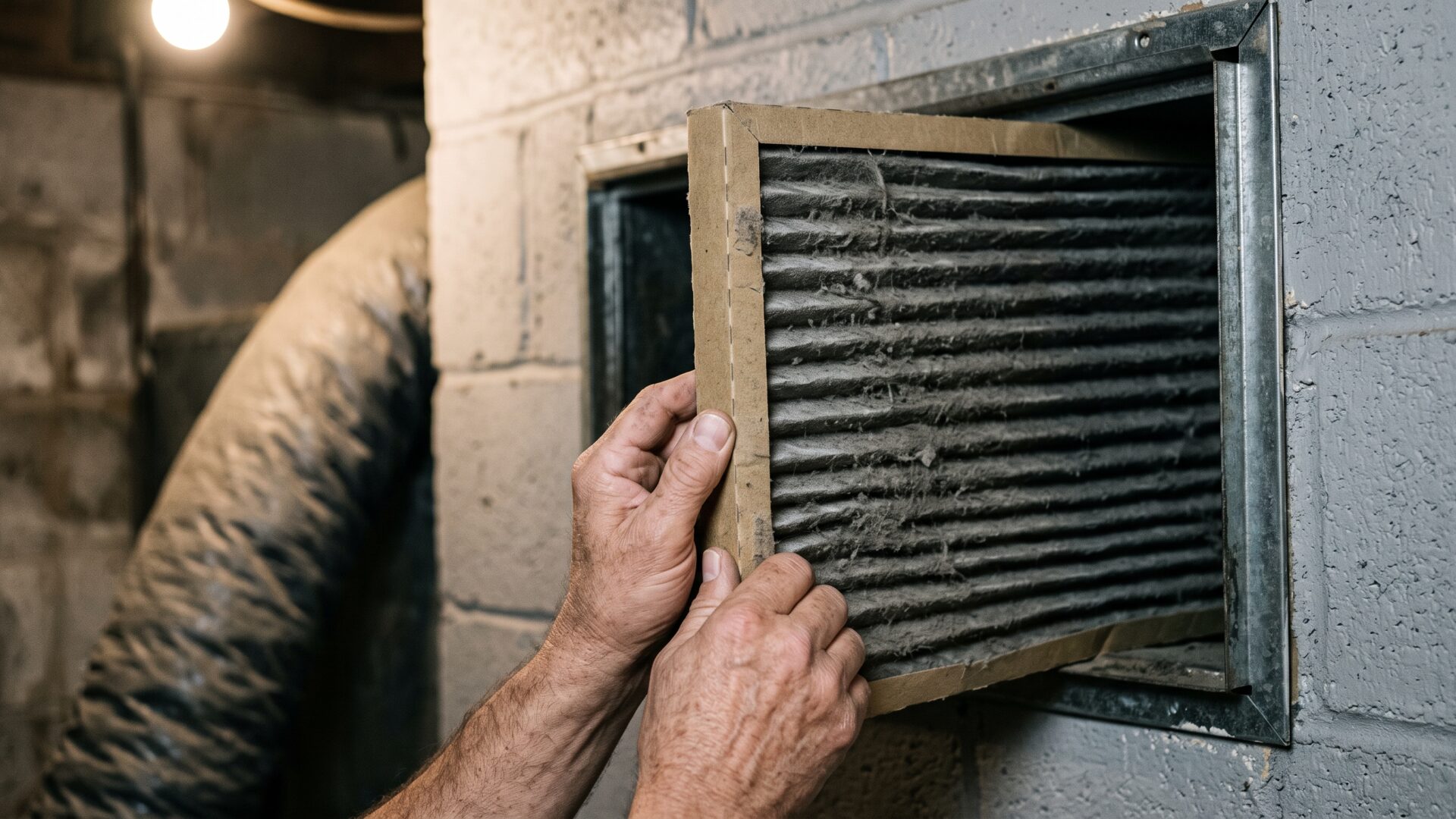

American Home Shield surveyed 1,007 homeowners in an online poll conducted June 24, 2026. Three in four said they run an indoor air purifier, spending roughly $200 a year to do it. The same group largely ignores the filter already installed in their heating and cooling system. Sixty-one percent admitted they change the HVAC filter less often than they should.
The contradiction is the finding. People who care enough about indoor air to buy a second machine are skipping the maintenance step on the first one. Respondents ranged in age from 20 to 66, averaging 45, with an even split between men and women.
This article was created with the assistance of AI and reviewed by our editorial team for accuracy and clarity.
One in six said plants beat purifiers at cleaning air
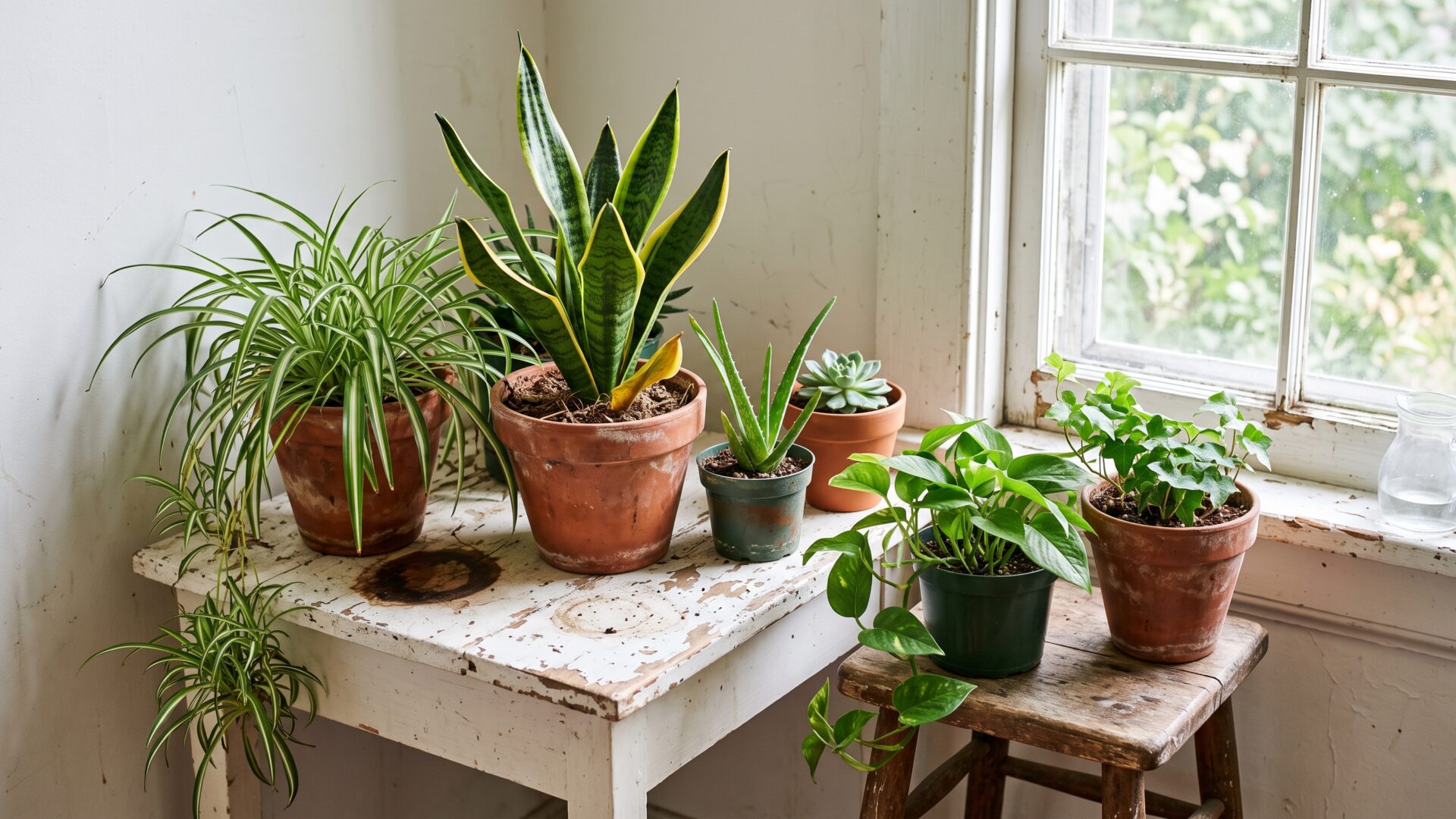
Sixty-two percent of respondents keep indoor plants. Sixteen percent of the full sample went further and said plants clean indoor air more effectively than an air purifier does. That belief sits oddly next to the same group’s $200 annual purifier spending.
The plant answer appears to be mostly about something else. When asked why they keep plants, 86 percent said the plants look good. Fifty-one percent called them natural air purifiers, 40 percent cited mental health, and 31 percent reported an emotional attachment to specific plants. Humidity and cooking came last, at 13 and 12 percent. Appearance beat air cleaning by 35 points.
What an HVAC filter is actually doing in there
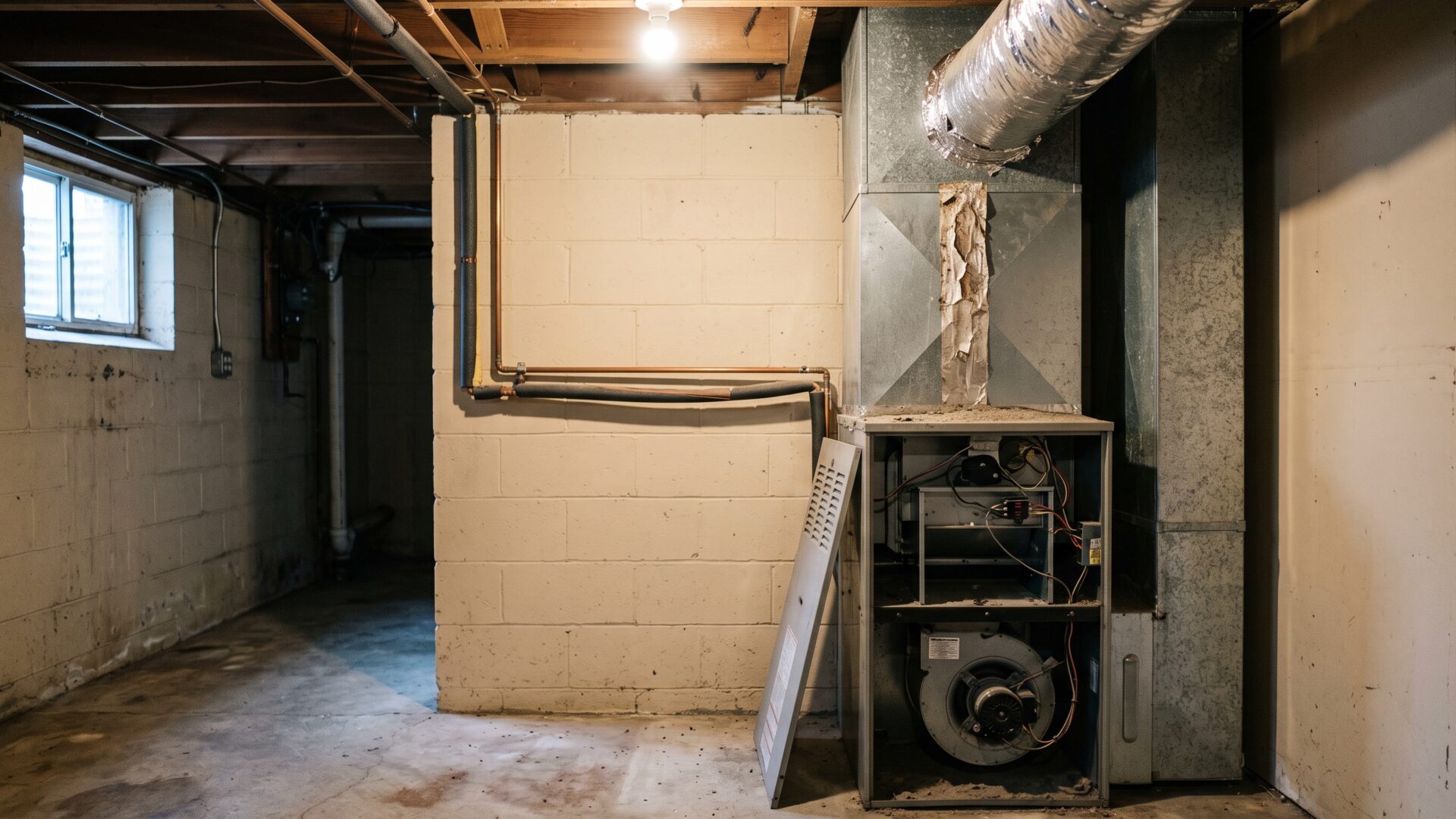
The filter sits where return air enters the furnace or air handler, before the blower pushes air back through the ducts. Every cubic foot of conditioned air in the house passes through it. A purifier, by contrast, cleans the room it stands in.
The filter protects the equipment as much as the occupant. Dust that gets past it collects on the blower wheel and the evaporator coil, and a coated coil transfers heat poorly. As the filter loads with particles it also restricts airflow, which forces the blower to work against higher resistance. That is why the maintenance interval exists at all: it is a machine specification before it is a health recommendation.
Thirty-one percent change it once a season

The survey broke the neglect down. Among the 61 percent who change filters too infrequently, 31 percent do it every three to four months, roughly with the seasons. Twenty-three percent manage it once or twice a year. Four percent said “whenever I remember.” Three percent said never.
On the other side, 34 percent hit the recommended interval or better. Eighteen percent change filters at exactly 90 days, 13 percent monthly, and 3 percent more than once a month. The standard guidance is 90 days as a floor, with 30 to 60 days preferred depending on the filter. A household on the once-a-year schedule runs the same filter through four of those windows.
Forty-eight percent of gas stove owners did not know
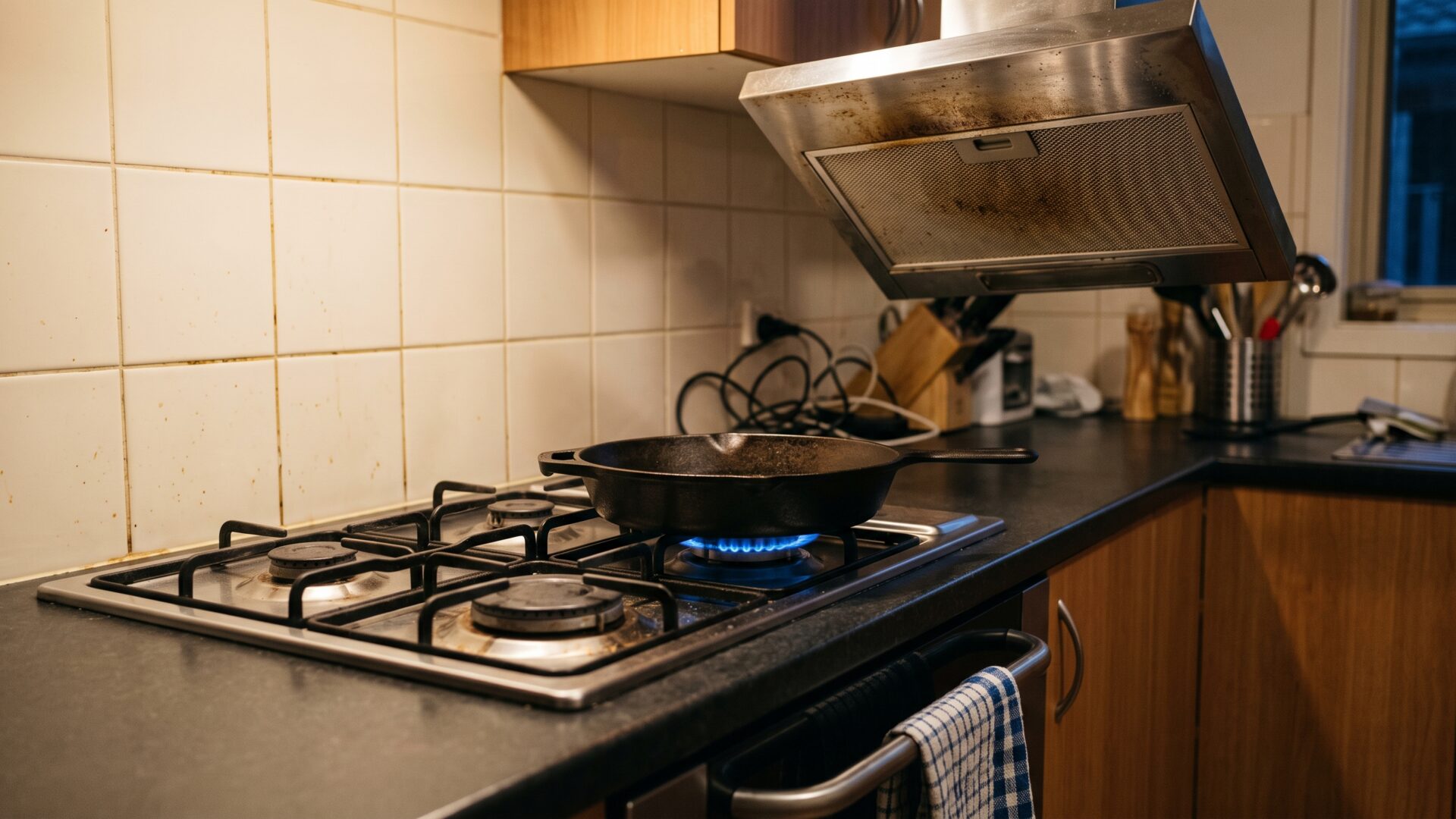
Thirty-nine percent of the homeowners surveyed cook on gas, and 61 percent on electric. Among the gas group, nearly half said they were unaware that gas stoves can release pollutants into the home. Thirteen percent of gas stove owners said they are planning to switch to electric.
A gas burner produces combustion byproducts at the point of use, and older or poorly maintained units can leak small amounts of unburned gas. That makes range ventilation the relevant control, not the purifier in the next room. Meanwhile 26 percent of all respondents named natural gas as a pollutant they worry about, which means some of the worriers and some of the unaware are the same households.
The filter number that tells you what it catches
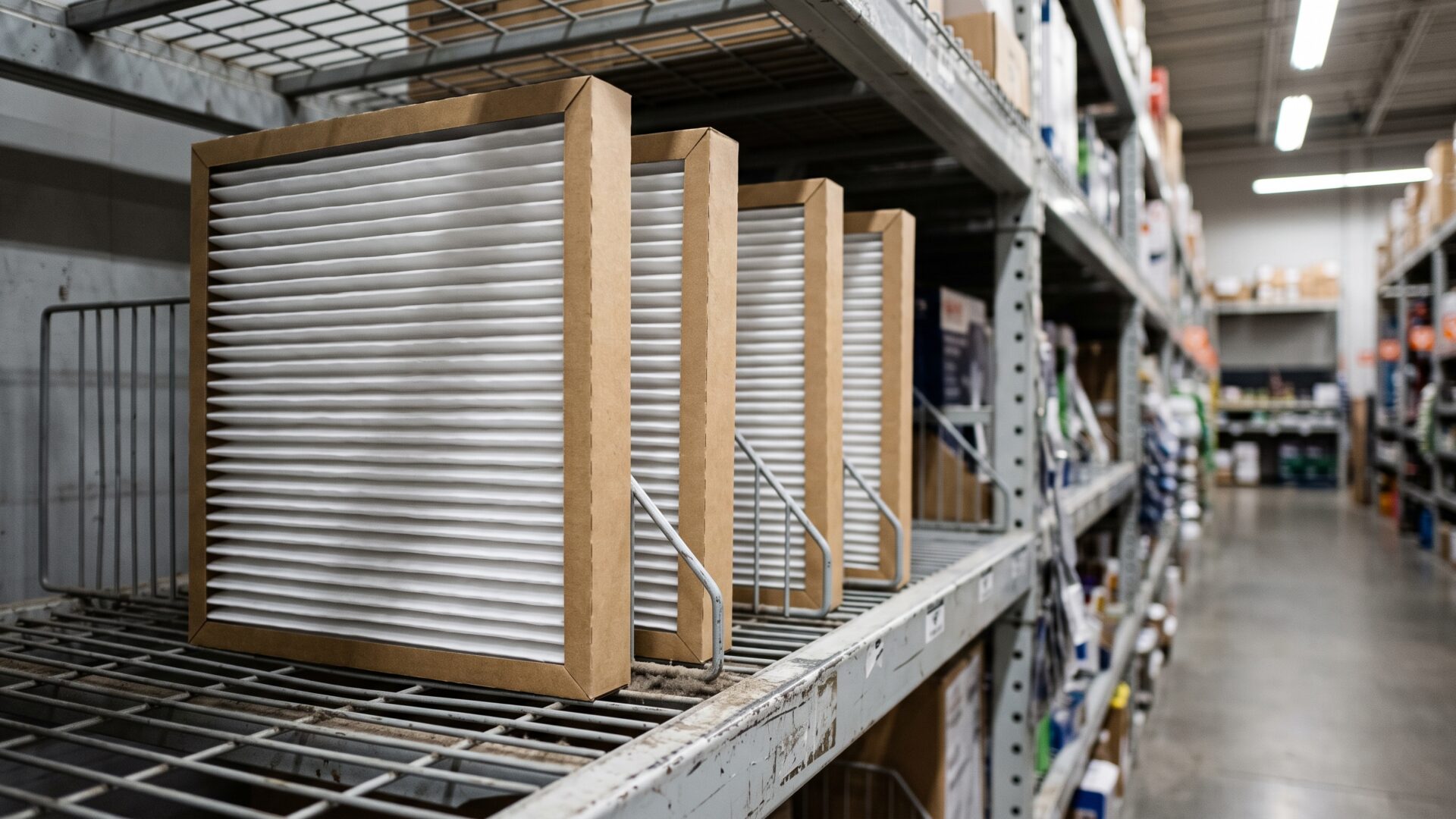
Filter packaging carries a MERV rating, a scale from 1 to 16 that measures how well a filter captures particles of different sizes. Low numbers stop lint and carpet fibers. Higher numbers stop pollen, pet dander and smoke particles. The survey found filter type matters to buyers already: 46 percent have used HEPA-grade filters, 29 percent enhanced allergen-blocking, 18 percent washable or reusable, and 14 percent custom-sized.
There is a tradeoff worth knowing before buying up the scale. Denser media restricts airflow more, and residential systems are designed for a particular pressure drop. The rating printed on the box is the one piece of information that connects the filter to the pollutants respondents said they worry about.
Pollen topped the worry list at 71 percent
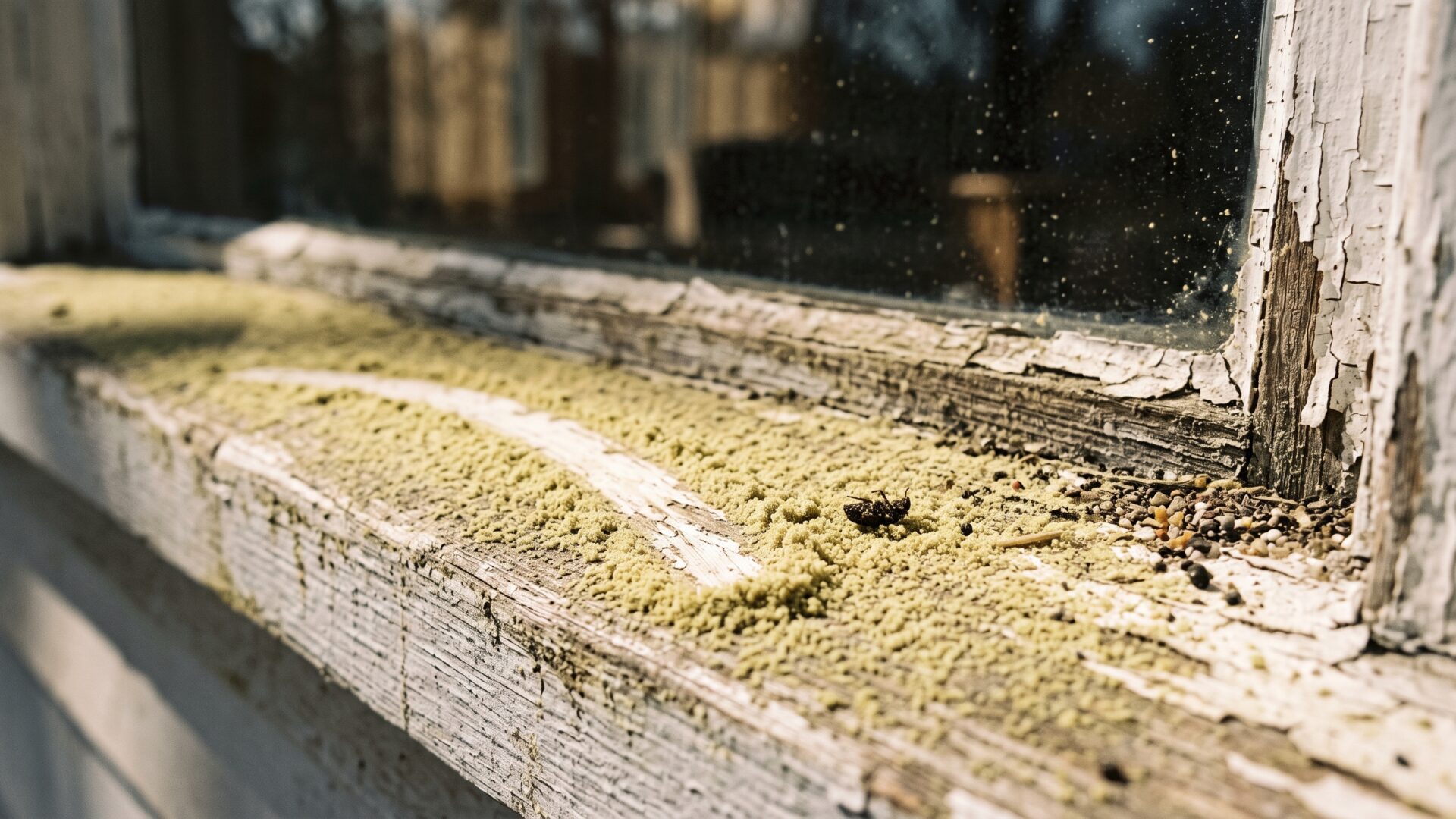
Forty-five percent of homeowners surveyed said they have concerns about their home’s air quality. Asked which pollutants, 71 percent named pollen, 49 percent pet dander, 48 percent carbon monoxide, 40 percent smoke and 26 percent natural gas.
Those concerns track the reasons people gave for buying purifiers: 66 percent cited outdoor allergens, 61 percent everyday odors, 54 percent pet allergens, 25 percent airborne disease, 17 percent smoke. Sixteen percent said mental health and 12 percent cognitive function. Pollen and pet dander are exactly the particle sizes a return-air filter is built to catch on every pass through the system, which is the part of the picture 61 percent of respondents are leaving on the table.
Scented product use rises with each younger generation
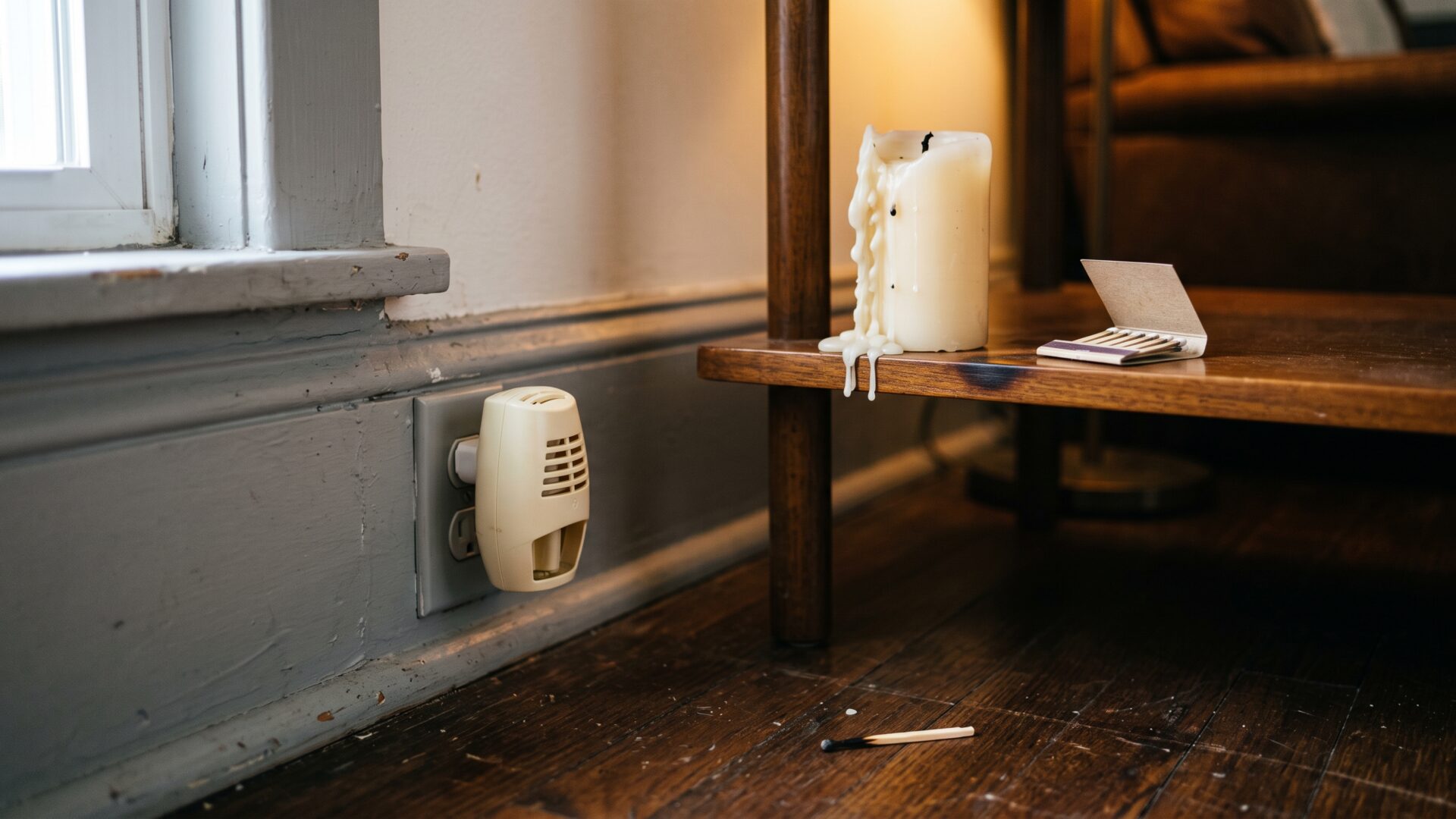
Sixty-one percent of respondents use artificial scents indoors, at about $134 a year. Candles lead at 77 percent, followed by plug-in diffusers at 53 percent, fabric sprays at 50 percent and incense at 22 percent.
The generational pattern is steady. Fifty-six percent of Baby Boomers reported using scented products, 60 percent of Gen X, 61 percent of Millennials and 74 percent of Gen Z. That is an 18-point spread from oldest to youngest. On motive, 84 percent said they simply like a particular smell, 62 percent cover odors, 43 percent set a mood and 43 percent cited aesthetics. Eighteen percent called it self-care.
Twenty-three percent are worried and buying anyway

The survey asked scented-product users directly about pollutants from those products. Forty-eight percent said they were not concerned, 29 percent were neutral, and 23 percent said they were concerned despite using them.
That last figure is the sharpest version of the pattern running through the whole dataset. Nearly a quarter of this group holds a worry and spends money against it in the same breath, the same way 74 percent buy purifiers while 61 percent leave the furnace filter in place. Combustion products and sprays add particles and compounds to the air at the exact moment people are trying to improve it, which is why ventilation sits in the same conversation as filtration.
Forty-three percent got an air quality warning that year

Forty-three percent of the homeowners surveyed said they had experienced an air quality warning in the past year. One in four had dealt with air pollution from wildfire smoke, and one in three reported concerns about breathing those pollutants. Separately, one in three said they believe their own windows lack an adequate seal.
That last number closes the loop. Outdoor smoke enters through gaps in the building envelope, and no amount of purifier capacity outruns a leaking window during a smoke event. The cheapest moves in this entire survey are the two nobody is making: a $20 filter on schedule and a weekend checking seals.